

Crematogaster amita
- Scientific Name
- Crematogaster amita
- Tribe
- Crematogastrini
- Subfamily
- Myrmicinae
- Author
- Forel, 1913
- Distribution
- Found in 2 countries
Crematogaster amita Overview
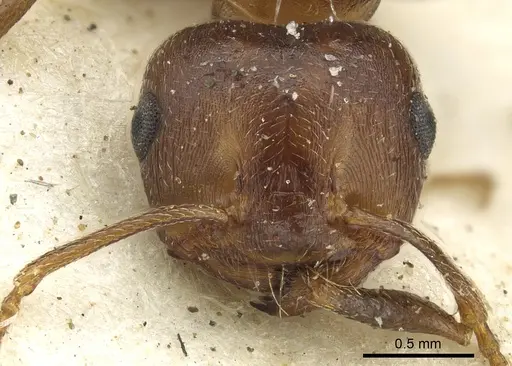
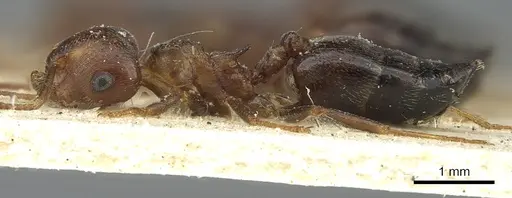
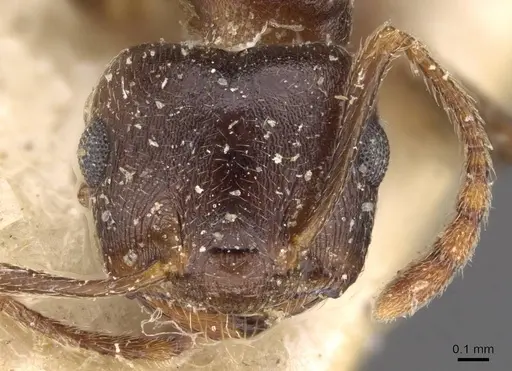
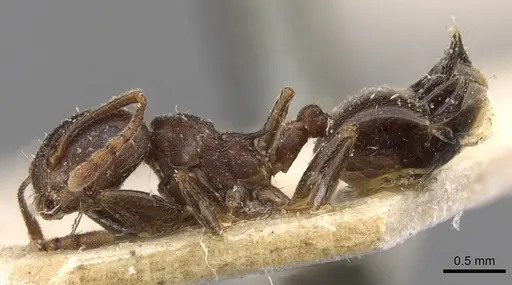
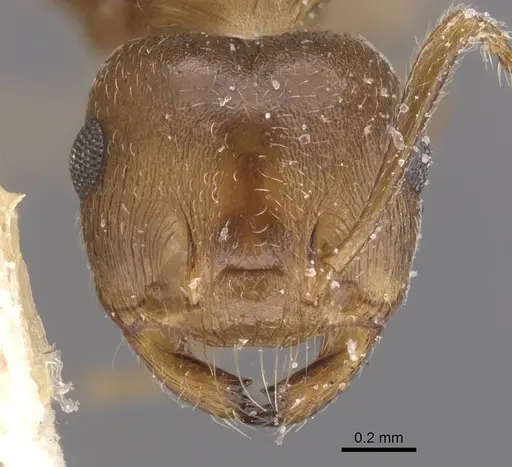
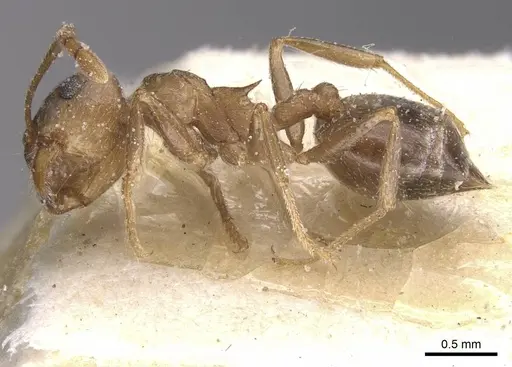
Crematogaster amita is an ant species of the genus Crematogaster. It is primarily documented in 2 countries , including South Africa, Zimbabwe. Detailed taxonomic data and occurrence records can be further explored via authoritative databases such as AntWeb or the Global Biodiversity Information Facility (GBIF).
Crematogaster amita
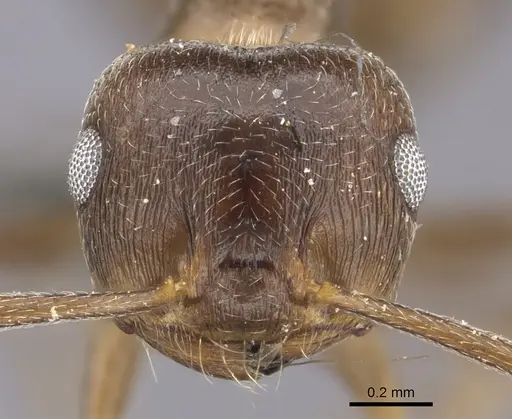
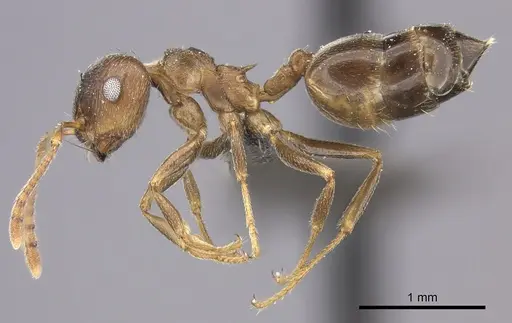
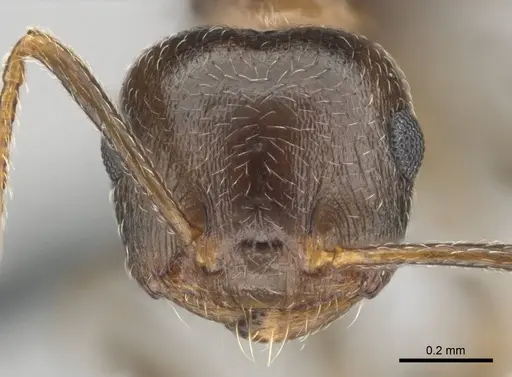
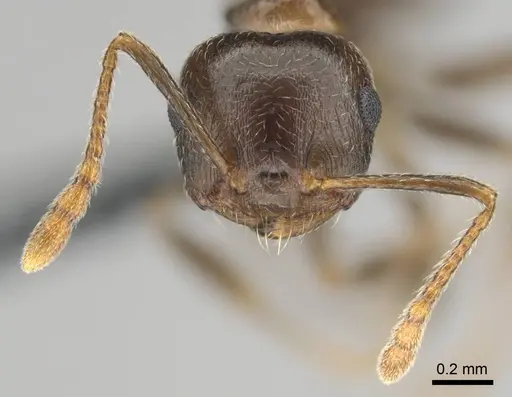
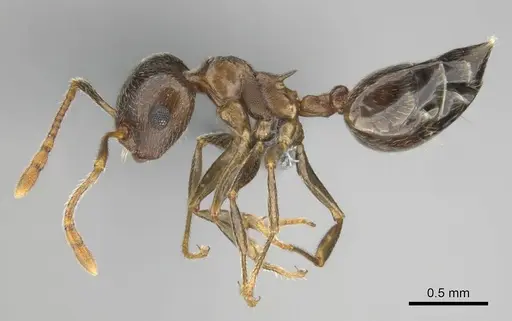
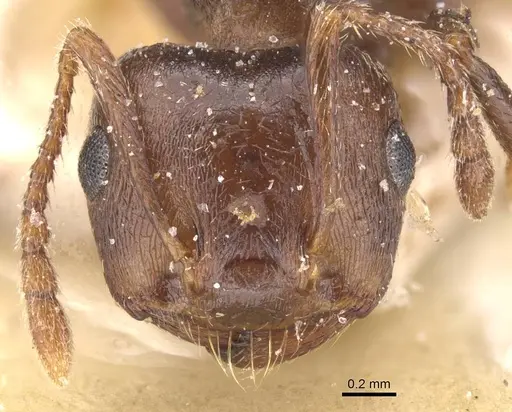
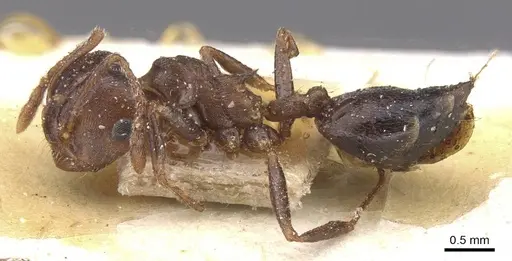
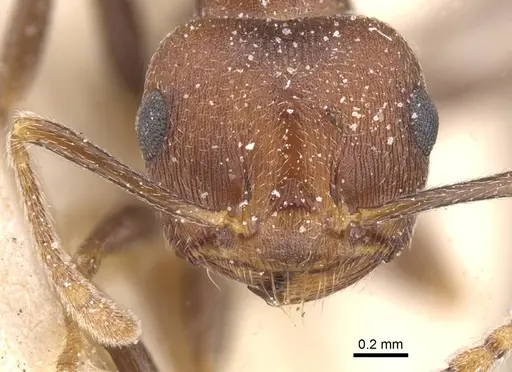
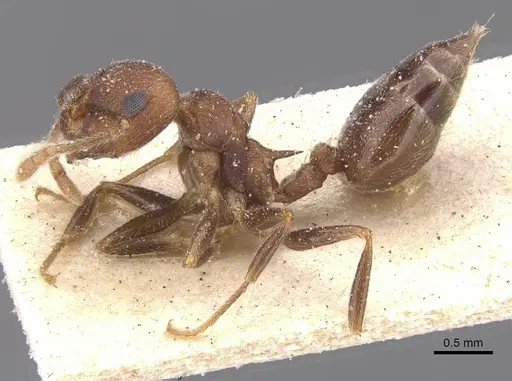
Crematogaster amita is a small ant species native to the Afrotropical region, found primarily in Zimbabwe, Eswatini, Angola, and Tanzania. Workers measure around 3.4-3.5mm in total length, with a characteristic heart-shaped gaster that gives them their common name of 'acrobat ant' [1]. They inhabit savannah environments and are typically found nesting in trees or woody vegetation, including Vachellia and Combretum species [1]. This species was originally described as a variety of Crematogaster kneri in 1913 before being elevated to full species status in 1925 [2]. Four subspecies are recognized: C. a. bushimana, C. a. caffra, C. a. makololo, and C. a. matabele [2].
Like other Crematogaster species, these ants are arboreal or semi-arboreal, often nesting in hollow twigs, under bark, or in dead wood on trees. They are known for their defensive behavior, when threatened, they raise their abdomen over their head like a scorpion, which is where the 'acrobat ant' name comes from. In the wild, they serve as important prey for steppe pangolins, which specifically target their colonies in savannah habitats [3].
Quick Summary
- Difficulty: Medium
- Origin & Habitat: Afrotropical region, Zimbabwe, Eswatini, Angola, and Tanzania. Inhabits savannah environments, typically nesting in trees and woody vegetation [1][2].
- Colony Type: Likely monogyne (single queen) based on typical Crematogaster genus patterns. Colony structure is not specifically documented for this species.
- Colony: Monogyne
- Founding: Claustral
- Size & Growth:
- Queen: Estimated 5-7mm based on genus typical size range
- Worker: 3.4-3.5mm [1]
- Colony: Estimated several hundred workers based on genus patterns
- Growth: Moderate
- Development: Estimated 6-8 weeks at optimal temperature based on similar small Myrmicinae (Development time is estimated from related species, specific data for C. amita is not available)
- Antkeeping:
- Temperature: Keep at 22-26°C. Based on their savannah origin, they prefer warm conditions with a gentle gradient. Room temperature within this range works well, or use a heating cable on one side of the nest for cooler rooms.
- Humidity: Moderate humidity around 50-70%. As arboreal nesters, they tolerate drier conditions than ground-nesting species. Provide a water tube but avoid oversaturation.
- Diapause: Unknown for this specific species. Most Crematogaster from temperate/cool regions do not require strong diapause, but their tropical/subtropical origin suggests year-round activity is appropriate unless colony shows slowing.
- Nesting: Y-tong (AAC) nests work well, or plaster nests with narrow chambers. As arboreal ants, they prefer tight spaces with some wood or bark material. Test tubes with cotton can work for founding colonies.
- Behavior: Crematogaster amita is moderately active and alert. Workers are quick-moving and will investigate disturbances quickly. They have a defensive posture where they raise their abdomen over their head when threatened, this is their primary defense. They are not particularly large, so escape prevention is important but not as critical as with tiny species. They forage actively and will recruit nestmates to food sources. Likely accepts sugar sources and small protein prey.
- Common Issues: humidity management is tricky, too wet causes mold and colony decline, arboreal nature means they need vertical space and climbing surfaces, small colony size may make them appear inactive, don't overfeed, wild-caught colonies may have parasites that affect survival in captivity, heating too aggressively can dry out the nest and kill brood
Nest Preferences and Housing
Crematogaster amita is an arboreal species, meaning they naturally nest in elevated locations like hollow twigs, under bark, or in dead wood on trees. In captivity, they do well in Y-tong (AAC) nests or plaster nests with chambers scaled to their small size. They prefer tight, enclosed spaces rather than open areas. A test tube setup works well for founding colonies, simply provide a water tube with a cotton barrier and let the queen establish her chamber. As the colony grows, you can transition to a formicarium with multiple connected chambers. Because they're arboreal, include some vertical elements or surfaces they can climb. Avoid setups that are too humid or poorly ventilated, as this causes mold problems. [1]
Feeding and Diet
In the wild, Crematogaster species feed on honeydew from aphids and scale insects, plus small insects they capture or scavenge. In captivity, offer a constant sugar source like sugar water, honey, or commercial ant nectar. For protein, provide small insects like fruit flies, small mealworms, or cricket pieces. Feed protein once or twice per week, removing uneaten prey within 24 hours. The small size of workers means prey should be appropriately sized, very small pieces that workers can handle. They typically forage actively and will quickly recruit to food sources. Monitor acceptance and adjust offerings based on colony size.
Temperature and Seasonal Care
As a species from savannah habitats in southern Africa, Crematogaster amita prefers warm conditions around 22-26°C. They can tolerate slightly cooler temperatures but will be more active and develop brood faster in the warmer end of this range. A simple way to provide warmth is using a heating cable on one side of the nest, or placing the setup on a warm surface. Be careful not to overheat, excessive heat dries out the nest and kills brood. Since they're from a subtropical region, they likely do not require a true hibernation period. If your room temperature drops significantly in winter, a slight reduction in activity is normal, but full diapause is probably not needed. Watch for natural slowing rather than forcing dormancy.
Behavior and Colony Dynamics
Crematogaster amita has the characteristic defensive behavior common to the genus, when threatened, workers raise their abdomen over their head in a defensive posture. They are not overly aggressive but will defend their nest vigorously if disturbed. Workers are small but active foragers, quickly investigating new areas and recruiting nestmates to food discoveries. Colony growth is moderate, expect several months before the first workers (nanitics) appear from a founding queen, then gradual growth over the first year. Colonies likely remain relatively small compared to some genera, probably reaching a few hundred workers at maturity. The heart-shaped gaster is distinctive and helps identify this genus. [3]
Handling and Observation Tips
These ants are small and quick, making them somewhat challenging to observe closely. They are best kept in setups that allow for observation without frequent disturbance. A clear Y-tong or acrylic nest works well for watching colony activity. When you need to move or inspect the colony, do so gently, sudden vibrations or bright light can stress them. They are not dangerous to humans and don't have a painful sting, though some Crematogaster species can emit a defensive chemical. For observation, watch during feeding times when workers become most active. Their arboreal nature means they'll often explore vertical surfaces, which can be entertaining to watch.
Frequently Asked Questions
How long does it take for Crematogaster amita to produce first workers?
Based on similar small Myrmicinae, expect 6-8 weeks from egg to first worker at optimal temperature (around 24-26°C). The queen is claustral and will seal herself in, living off her stored fat reserves until the first workers emerge.
What do Crematogaster amita ants eat?
They accept sugar sources (honey, sugar water, ant nectar) and small protein prey like fruit flies, small mealworms, or cricket pieces. Feed protein 1-2 times per week and keep sugar available constantly.
Can I keep Crematogaster amita in a test tube?
Yes, test tubes work well for founding colonies. Use a standard test tube with a water reservoir separated by cotton. Once the colony reaches 20-30 workers, consider moving to a small formicarium or Y-tong nest.
Do Crematogaster amita ants sting?
Crematogaster ants can emit defensive chemicals but are not considered dangerous to humans. Their primary defense is raising their abdomen in a defensive posture rather than stinging.
What temperature do Crematogaster amita need?
Keep them warm at 22-26°C. A heating cable on one side of the nest can help in cooler rooms. Avoid temperatures below 20°C or above 30°C for extended periods.
Are Crematogaster amita good for beginners?
They are moderate difficulty, not the easiest but not challenging. Their small size and arboreal nature require some attention to housing and humidity, but they're not as demanding as some species.
How big do Crematogaster amita colonies get?
Based on genus patterns, colonies likely reach several hundred workers at maturity. They are not among the largest ant species, but a healthy colony will still be impressive.
Do Crematogaster amita need hibernation?
Probably not, as a species from subtropical Africa, they likely remain active year-round with slight winter slowing. No formal diapause period is required.
When should I move my colony to a formicarium?
Move from test tube to a formicarium when the colony reaches 20-40 workers and the test tube is becoming crowded. A small Y-tong or plaster nest works well for their arboreal preferences.
Why is my Crematogaster amita colony declining?
Common causes include: too much humidity leading to mold, temperatures that are too cold or too hot, insufficient food, or stress from disturbance. Check environmental conditions first and adjust accordingly.
References

This caresheet is licensed under CC BY-SA 4.0 .
CASENT0235872
View on AntWeb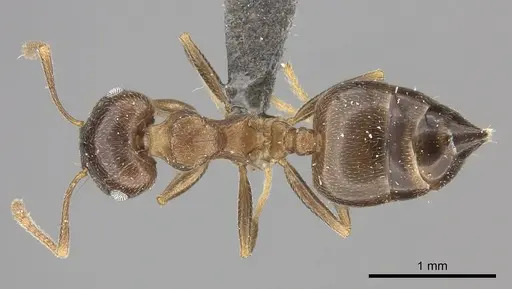
CASENT0812244
View on AntWeb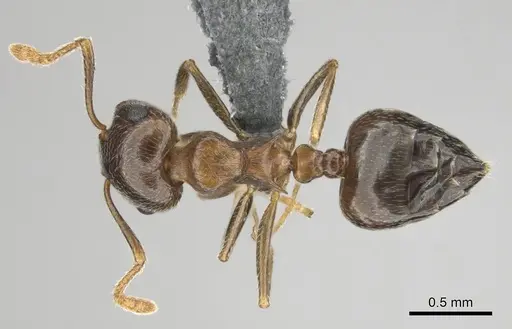
CASENT0902063
View on AntWeb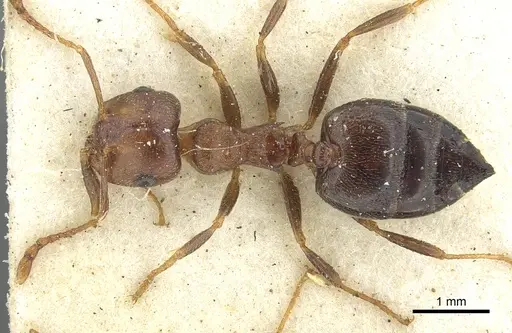
CASENT0908609
View on AntWeb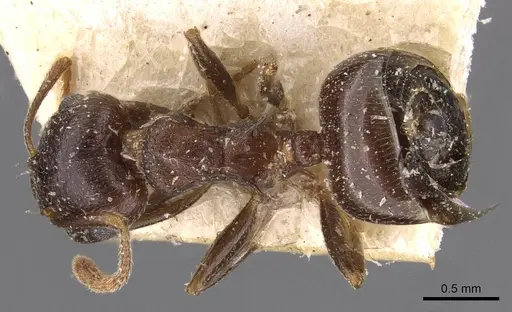
CASENT0912790
View on AntWeb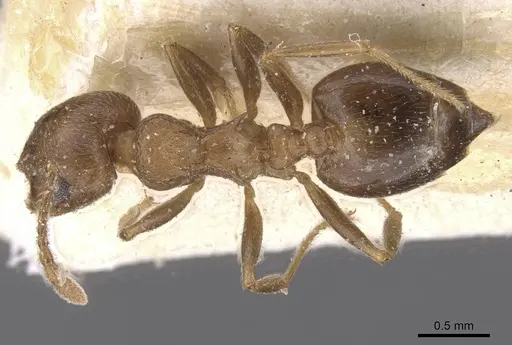
CASENT0912791
View on AntWeb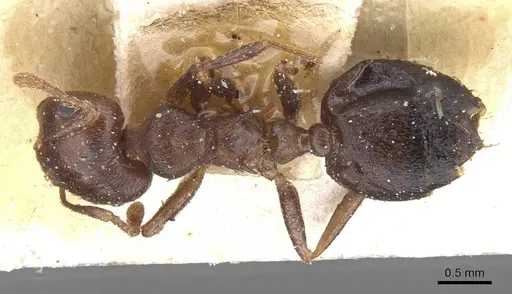
CASENT0912792
View on AntWeb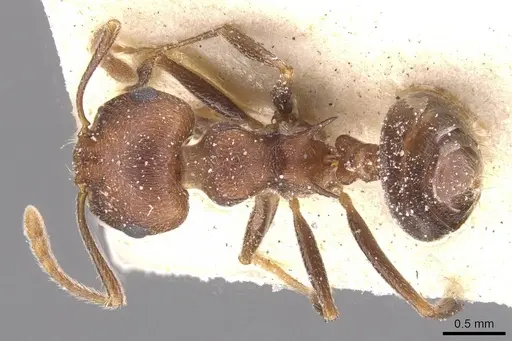
Literature
Loading...Loading products...