Crematogaster acaciae - "Acacia Ant"
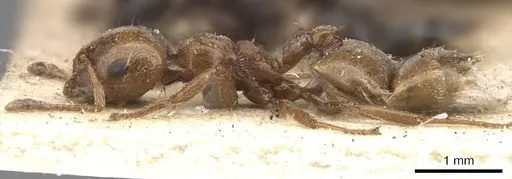
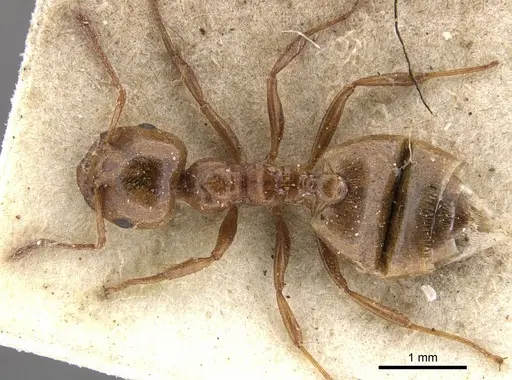
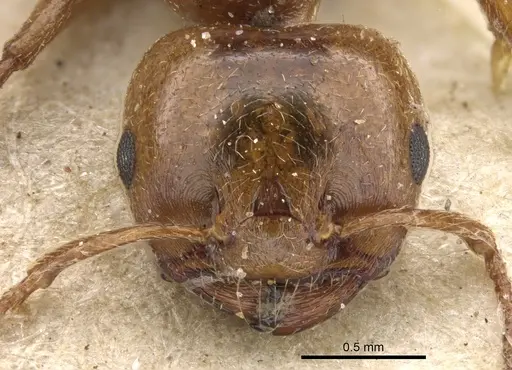
Crematogaster acaciae is a fascinating ant species known for its symbiotic relationship with Acacia trees, particularly the Whistling Thorn Acacia (Vachellia drepanolobium), in Africa. These ants are often referred to as 'cocktail ants' or 'acrobat ants' due to their distinctive ability to raise their heart-shaped gaster (abdomen) over their head and thorax when alarmed or defending their territory. Workers of this species typically range from 3.0 to 5.0 mm in length, with a distinctly reddish head and a darker gaster. They are active defenders of their host trees against herbivores, offering a unique glimpse into mutualistic behaviors in the ant world.
- Difficulty: Medium
- Origin & Habitat: Africa, particularly East Africa (e.g., Ethiopia, Kenya, Somalia, Tanzania, Zambia, South Africa, Sudan, Namibia, Yemen, Democratic Republic of Congo, Saudi Arabia, Oman) in Arboreal, specifically within the hollowed-out swollen thorns and stems of Acacia trees (myrmecophytic acacias), and found in forests, woodlands, and shrubby habitats..
- Colony Type: Monogyne (single queen) or polygynous (multiple queens) depending on the specific Crematogaster species; for C. acaciae, more research is needed to confirm definitively, but many arboreal Crematogaster are monogynous while some can be polygynous., claustral (based on general crematogaster founding, though specifics for c. acaciae need more study, some crematogaster species are temporary social parasites). founding.
- Size & Growth:
- Queen: Not specified
- Worker: 3.0-5.0mm
- Colony: Large (tens of thousands to hundreds of thousands), as colonies often occupy multiple trees and can be polydomous, spreading across different nest sites.. Fast (under optimal conditions, colonies can grow rapidly) growth.
- Antkeeping:
- Temperature: Ideal temperatures mimic their tropical habitat, likely around 24-28°C (75-82°F) for optimal brood development. Consistent warmth is beneficial for their rapid growth..
- Humidity: Moderate to high humidity is preferred, especially since they inhabit live plants. Aim for 60-80% in the nest area to replicate their natural environment within tree cavities..
- Diapause: Not required. Not specified at Not specified.
- Nesting: Given their natural history, artificial nests that mimic hollowed-out wood or provide specialized chambers would be ideal. Acrylic nests with good ventilation, or even naturalistic setups incorporating hollow branches, are suitable. They are arboreal nesters..
- Behavior: Medium (towards handler, high towards other ants in their territory) aggressiveness.
- Common Issues: Humidity fluctuations, Mold in nest, Colony stalling if conditions are not met, Escape artists (workers are small and can be difficult to contain), Overfeeding leading to waste.
Crematogaster acaciae are renowned for their incredible mutualistic relationship with Acacia trees. In the wild, these ants live in specialized hollow swellings on the thorns, known as domatia, and receive sugary nectar from the tree's extrafloral nectaries. In return, the ants fiercely defend the trees from browsing herbivores like giraffes, stinging and biting intruders. This means for antkeepers, providing a suitable substitute for these unique housing and food resources can be a rewarding challenge.
When setting up a formicarium for Crematogaster acaciae, consider designs that offer multiple chambers and good verticality, mimicking the arboreal nature of their nests within trees. As they are known to occupy multiple trees in large colonies, providing ample space is crucial. Their 'cocktail' pose, where they raise their gaster, is a primary defensive mechanism and a fascinating behavior to observe, often accompanied by the release of defensive chemicals.
Their diet in nature includes nectar from the Acacia trees, as well as sap from scale insects they tend, and small insects. This suggests a varied diet in captivity, encompassing both sugar sources (like sugar water or honey-dew substitutes) and protein (various small feeder insects). Observing their foraging behaviors in an outworld can be quite engaging, as they are generalistic omnivores.
Humidity management is key for these tropical ants. While they live in tree cavities, the internal humidity of such spaces in a tropical environment remains consistently high. Misting a portion of the outworld or providing a humidity gradient within the nest can help replicate these conditions. Proper ventilation is also important to prevent mold growth, which can be a common issue in humid setups.
While Crematogaster are known to sting, their venom is generally used to deter other ants and smaller threats rather than posing a significant danger to humans. However, like all ants, handling them directly should be minimized to avoid stress to the colony and potential defensive reactions. Their aggressive and territorial nature towards other ant species in their natural habitat means they should be kept as a single species colony, without mixing with other ant species.