

Colobopsis saundersi
- Scientific Name
- Colobopsis saundersi
- Tribe
- Camponotini
- Subfamily
- Formicinae
- Author
- Emery, 1889
- Common Name
- Malaysian Exploding Ant
- Distribution
- Found in 3 countries
Colobopsis saundersi Overview
Colobopsis saundersi (commonly known as the Malaysian Exploding Ant) is an ant species of the genus Colobopsis. It is primarily documented in 3 countries , including Brunei Darussalam, Indonesia, Malaysia. Detailed taxonomic data and occurrence records can be further explored via authoritative databases such as AntWeb or the Global Biodiversity Information Facility (GBIF).
Colobopsis saundersi - "Malaysian Exploding Ant"
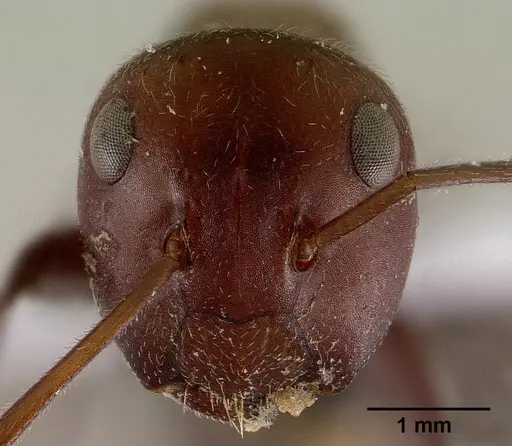
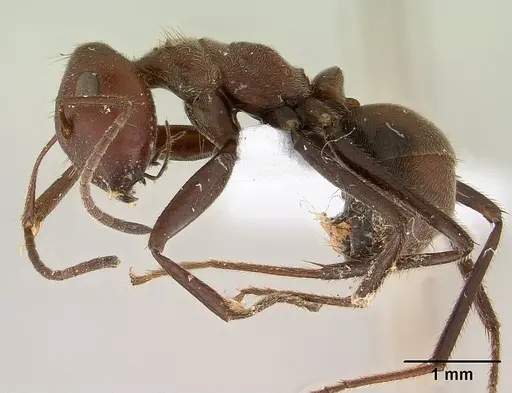
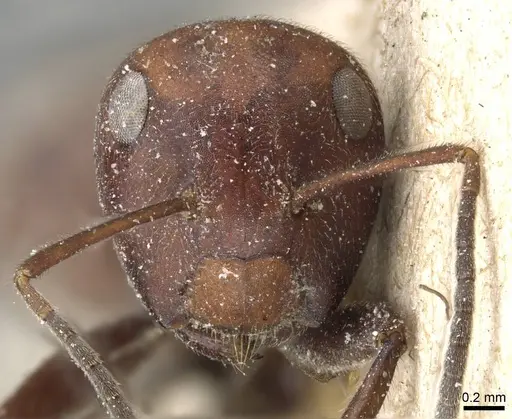
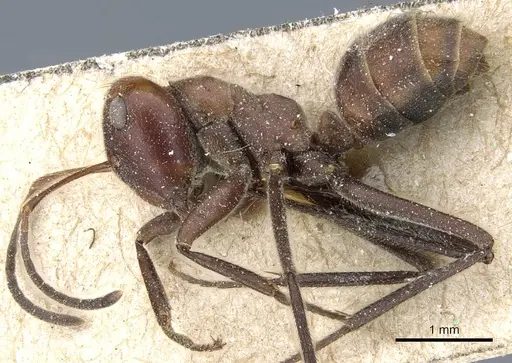
Colobopsis saundersi is a tropical Asian ant belonging to the Formicinae subfamily, part of the Colobopsis cylindrica (COCY) species group. Workers are small to medium-sized ants, typically 4-7mm, with a distinctive reddish-brown to dark brown coloration. This species is famous for its dramatic defensive behavior known as autothysis, when threatened, workers can burst their abdomens, releasing toxic mandibular gland secretions to defend the colony [1]. Found across Southeast Asia including Myanmar, Thailand, Malaysia, and Indonesia (Sumatra, Borneo), these ants inhabit tropical rainforests where they nest in rotting wood or tree cavities [2]. The species hosts the specialized zombie-ant fungus Ophiocordyceps camponoti-saundersi, which manipulates worker behavior before killing them [3][4].
Quick Summary
- Difficulty: Medium
- Origin & Habitat: Tropical Southeast Asia, Myanmar, Thailand, Malaysia, and Indonesia (Sumatra, Borneo). Inhabits lowland tropical rainforests, particularly dipterocarp forests, where they nest in rotting wood and tree cavities. Workers forage in the canopy and on leaf litter [2][5].
- Colony Type: Likely single-queen colonies (monogyne) based on typical Camponotini patterns. The COCY group species often have complex social structures with host colonies and inquiline interlopers (Camponotus inquilinus) [6].
- Colony: Monogyne
- Founding: Claustral
- Size & Growth:
- Queen: Estimated 8-10mm based on genus Colobopsis patterns
- Worker: Major workers: 6-8mm, Minor workers: 4-5mm (estimated from related COCY species)
- Colony: Colonies likely reach several hundred workers based on typical Colobopsis colony sizes
- Growth: Moderate, tropical species with year-round activity
- Development: Estimated 6-8 weeks at optimal tropical temperatures (25-28°C) based on related Camponotus species development (Development time is estimated from genus-level data, direct measurements for this species are unavailable)
- Antkeeping:
- Temperature: Keep nest area at 24-28°C. As a tropical species, they need consistent warmth. A heating cable on one side of the nest creates a gentle gradient [1].
- Humidity: High humidity (70-85%) is essential. Keep nest substrate consistently moist but not waterlogged. These rainforest ants need damp conditions, mist occasionally and provide a water source [2].
- Diapause: No diapause required. As a tropical species, they remain active year-round with consistent temperature and humidity [2].
- Nesting: Provide rotting wood pieces, cork, or a Y-tong/plaster nest. They prefer nesting in wood-like materials that retain moisture. Avoid dry environments, these ants are adapted to humid rainforest conditions [2].
- Behavior: Workers are defensive and will use autothysis (suicidal bursting) when threatened or grabbed. This releases toxic secretions from their enlarged mandibular glands [1][7]. They are arboreal and forage in the canopy, but will forage on the ground for honeydew and small prey. Workers are not particularly aggressive toward humans but their defensive secretions can cause irritation. They have moderate escape risk, use standard barrier methods. The species is known to be parasitized by zombie-ant fungi, so wild-caught colonies should be isolated [3][4].
- Common Issues: autothysis behavior means stressed or grabbed workers may burst and release toxic secretions, handle gently and avoid grabbing workers, zombie-ant fungus (Ophiocordyceps) can infect colonies, wild-caught colonies should be quarantined and monitored, tropical humidity requirements mean dry conditions quickly stress these ants, their symbiotic relationship with Blochmannia bacteria means they may have specific nutritional needs related to sap-feeding insects, colonies may be difficult to establish from queen founding, expect slower growth than temperate species
The Exploding Ant Defense Mechanism
Colobopsis saundersi belongs to a group of ants known as 'exploding ants' due to their unique defensive behavior called autothysis. When threatened, workers can rupture their own abdomens, bursting the intersegmental membrane to release toxic secretions from their massively enlarged mandibular glands [1]. These glands extend from the head through the thorax all the way to the end of the gaster, far larger than in typical ants. The secretions contain phenolic compounds including MAPG and noreugenin, which have strong antimicrobial properties [7]. This is an altruistic defense behavior, the worker dies but protects the colony. The gland contents also vary seasonally: bright white at the end of wet season, grading to cream or pale yellow in dry season [1]. For keepers: avoid grabbing workers with forceps as this triggers the behavior. Use gentle handling and provide escape routes rather than cornering workers.
Feeding and Nutrition
These ants require a 16% sucrose concentration for optimal liquid feeding [8]. In the wild, they tend sap-feeding insects (aphids, scale insects, mealybugs) for honeydew and also hunt small prey. Their Blochmannia bacterial symbiosis helps them process nutrients from this diet [9][10]. For captivity, offer sugar water at roughly 15-20% concentration (dissolve 15-20g sugar in 100ml water). Protein should come from small insects like fruit flies, small mealworms, or cricket pieces. Feed protein 2-3 times per week and keep sugar water available constantly. The stable isotope study shows they occupy a mid-trophic level (δ15Ncor = 1.51), confirming they eat both plant-derived foods and other small invertebrates [11][12].
Temperature and Humidity Needs
As a tropical rainforest species from Southeast Asia, Colobopsis saundersi needs warm and humid conditions year-round. Keep the nest area at 24-28°C with a gentle gradient allowing workers to choose their preferred temperature [1]. Room temperature may work if your home stays in the low-mid 20s°C, otherwise use a heating cable on one side of the nest. Humidity should be high (70-85%), use a moist substrate and occasional misting. The nest material should stay damp but not have standing water. These ants are adapted to the constantly humid conditions of tropical rainforests, so drying out is a serious risk [2]. Provide a water tube or shallow dish as a drinking source.
Zombie Fungus Risk
Colobopsis saundersi is a documented host for the zombie-ant fungus Ophiocordyceps camponoti-saundersi [3][4]. This parasitic fungus manipulates worker behavior, causing infected ants to climb vegetation and attach themselves before the fungus kills them and releases spores. While this is a natural part of their ecology in the wild, it can be a problem in captivity. Wild-caught colonies or queens collected from areas with known Ophiocordyceps activity should be quarantined and monitored. The mandibular gland secretions of this species do show antimicrobial activity against some fungi including Ophiocordyceps polyrhachis-furcata and Beauveria bassiana [7], but this may not protect against all fungal threats. Maintain good hygiene and avoid introducing soil or debris from known zombie-ant areas.
Nesting Preferences
In the wild, Colobopsis saundersi nests in rotting wood, tree cavities, and under bark in tropical rainforests [2]. They are considered dendrobiont species (tree-dwelling). For captivity, provide a nest that mimics these conditions, cork nests, Y-tong nests, or plaster nests with wood pieces work well. The nest should retain moisture well and provide dark, enclosed chambers. Avoid completely dry environments. These ants are arboreal so they prefer nests that are elevated rather than sitting directly on the ground. A naturalistic setup with cork pieces or small wood fragments can encourage natural nesting behavior.
Frequently Asked Questions
Do Colobopsis saundersi ants really explode?
Yes, they are one of the 'exploding ants.' When threatened or grabbed, workers can burst their abdomens to release toxic secretions from their enlarged mandibular glands. This is called autothysis, a suicidal defense that kills the worker but protects the colony [1].
Are Colobopsis saundersi dangerous to humans?
The exploding behavior can release irritating secretions that may cause skin irritation or eye discomfort. They are not aggressive toward humans and won't attack unprovoked, but you should avoid grabbing workers with forceps as this triggers the defense mechanism. Wash hands after handling nest materials.
What do Colobopsis saundersi eat?
They need sugar water at about 16% concentration (16g sugar per 100ml water) and protein from small insects like fruit flies, small mealworms, or cricket pieces. They also tend sap-feeding insects for honeydew in the wild [8][11].
What temperature do Colobopsis saundersi need?
Keep them at 24-28°C. As tropical rainforest ants, they need consistent warmth year-round. A heating cable on part of the nest can help maintain temperatures in this range [1].
Do Colobopsis saundersi need hibernation?
No, they do not hibernate. As a tropical species from Southeast Asia, they remain active year-round with consistent temperature and humidity [2].
How long does it take for Colobopsis saundersi to develop from egg to worker?
Estimated 6-8 weeks at optimal temperatures (25-28°C) based on related Camponotus species development patterns. Direct development data for this species is not available.
Can I keep multiple Colobopsis saundersi queens together?
This is not recommended. Based on typical Colobopsis/Camponotus patterns, they are likely single-queen (monogyne) species. Combining unrelated queens has not been documented and may result in fighting.
Why are my Colobopsis saundersi workers dying suddenly?
This could be autothysis (if workers were stressed or grabbed), fungal infection from Ophiocordyceps, or husbandry issues like low humidity or temperature stress. Check your humidity levels, ensure temperatures are in the 24-28°C range, and avoid handling workers roughly. Quarantine wild-caught colonies to monitor for fungal infections [3][4].
Are Colobopsis saundersi good for beginners?
This species is rated as medium difficulty. While not the hardest species, they have specific humidity and temperature requirements typical of tropical ants. Their exploding behavior is also something to be aware of. Beginners should research thoroughly before keeping this species.
What size colony does Colobopsis saundersi reach?
Based on related species, colonies likely reach several hundred workers. They are not among the largest ant species but maintain moderate-sized colonies.
References

This caresheet is licensed under CC BY-SA 4.0 .
CASENT0179025
View on AntWeb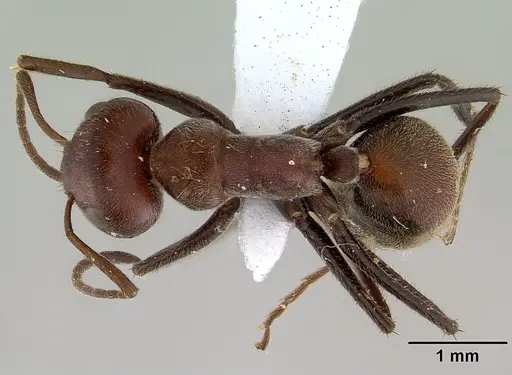
CASENT0905463
View on AntWeb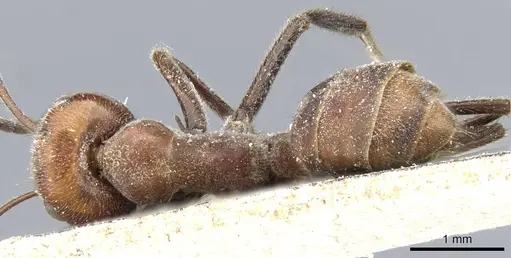
Literature
Loading...Loading products...