

Colobopsis cylindrica
- Scientific Name
- Colobopsis cylindrica
- Tribe
- Camponotini
- Subfamily
- Formicinae
- Author
- Fabricius, 1798
- Distribution
- Found in 4 countries
Colobopsis cylindrica Overview
Colobopsis cylindrica is an ant species of the genus Colobopsis. It is primarily documented in 4 countries , including Brunei Darussalam, Indonesia, Malaysia. Detailed taxonomic data and occurrence records can be further explored via authoritative databases such as AntWeb or the Global Biodiversity Information Facility (GBIF).
Colobopsis cylindrica
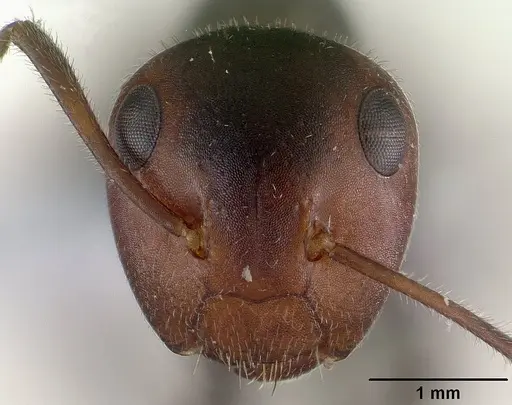
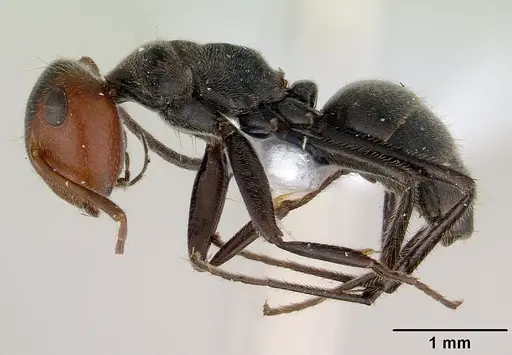
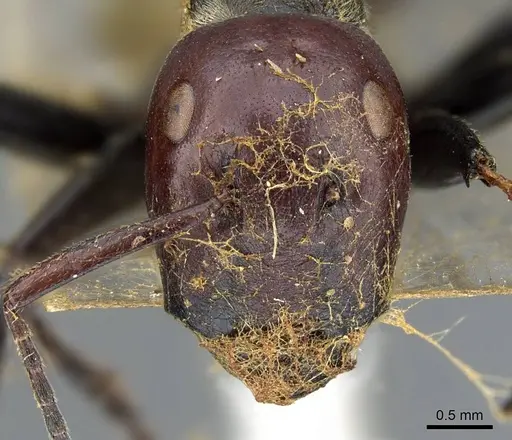
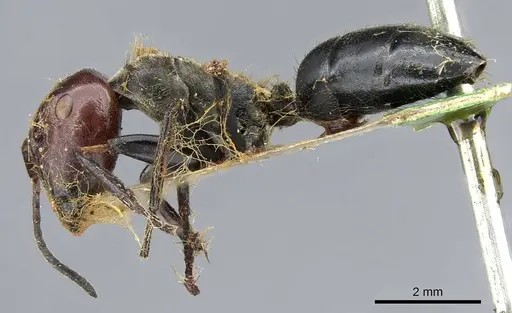
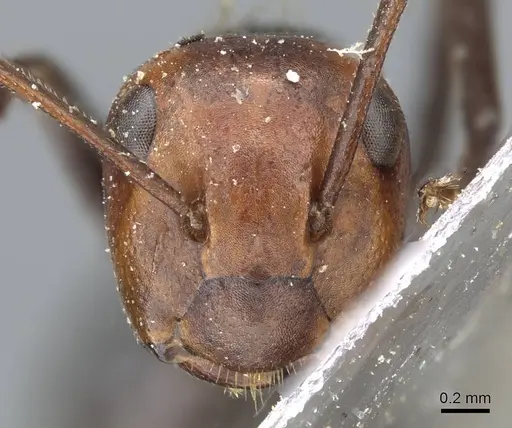
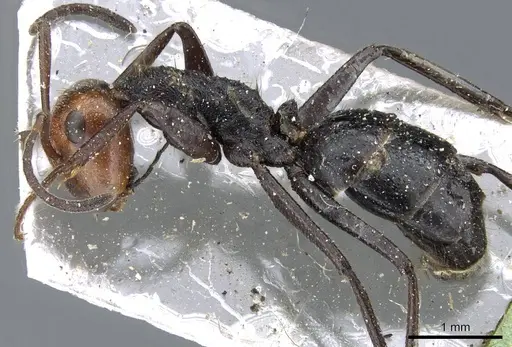
Colobopsis cylindrica is a medium-sized ant species native to Southeast Asia, found in India, Borneo, Malaysia, Sumatra, Thailand, and possibly Mauritius. Workers measure around 4-7mm with a distinctive cylindrical head shape. This species belongs to the famous 'exploding ant' group (COCY, Colobopsis cylindrica complex), known for their unique suicidal defense mechanism where workers rupture their own abdomens to release toxic mandibular gland secretions against predators or rival ants [1]. The species has hypertrophied mandibular glands that extend from the head through the thorax into the gaster, containing a cocktail of phenolic compounds used in territorial combat with other ant species including weaver ants [1][2].
Quick Summary
- Difficulty: Medium
- Origin & Habitat: Native to Southeast Asia, found in India, Borneo, Malaysia (Sarawak), Sumatra, Indonesia, and Thailand (Ranong). Inhabits lowland rainforest environments, primarily nesting in dipterocarp trees [2][3].
- Colony Type: Colony structure is not well documented in scientific literature. Based on genus patterns, likely monogyne (single queen) colonies typical of Camponotini. Workers show intermediate morphology between major and minor castes, making clear caste differentiation difficult [4].
- Colony: Monogyne
- Founding: Claustral
- Size & Growth:
- Queen: Estimated 8-10mm based on related Colobopsis species and genus Camponotus patterns, direct measurements not available
- Worker: 4-7mm based on morphology papers [4]
- Colony: Unknown, likely moderate colonies typical of tree-nesting Formicinae
- Growth: Moderate, based on typical Camponotini development patterns
- Development: Estimated 6-8 weeks at optimal temperature based on genus-level Camponotus data (Development time inferred from related Camponotus species, not directly studied for this species)
- Antkeeping:
- Temperature: Keep at 24-28°C. These are tropical rainforest ants that prefer warm, stable conditions. A gentle gradient allowing them to move between warmer and cooler areas is ideal [2].
- Humidity: Requires moderate to high humidity (60-80%). Their natural habitat is lowland rainforest with consistent moisture. Keep nest substrate moist but not waterlogged. The species shows preference for acidic nest conditions (pH ~4) in the wild [2].
- Diapause: No, these are tropical ants that do not require hibernation. Maintain warm temperatures year-round.
- Nesting: In nature, they nest in living trees and rotting wood in rainforest canopies. In captivity, they do well in wood-based formicariums (Y-tong, plaster nests with wood inserts) or test tube setups. They prefer enclosed, dark spaces similar to their tree-nesting habits. Avoid dry conditions.
- Behavior: This species is best known for its dramatic defensive behavior, workers can rupture their own abdomens (autothysis) to release toxic secretions from their enlarged mandibular glands. This is a last-resort defense used against predators or competing ant species in territorial disputes [1]. Workers are moderately aggressive when defending their territory but not particularly territorial toward humans. They are tree-nesting ants that forage on bark surfaces and leaf surfaces, where they graze on mosses, lichens, and fungi [2]. Escape risk is moderate, standard barrier methods work well.
- Common Issues: suicidal defense behavior, disturbing the colony may trigger workers to explode, releasing toxic secretions that can stain and are potentially irritating to skin, tropical humidity requirements mean colonies can suffer in dry indoor environments, limited availability in the antkeeping hobby due to specialized habitat needs, aggressive defensive secretions may cause irritation, handle with care and avoid skin contact with colony contents, slow colony growth compared to faster-developing species may frustrate beginners
The Exploding Ant Defense Mechanism
Colobopsis cylindrica belongs to the famous 'exploding ant' group, also known as the COCY complex (Colobopsis cylindrica). This is perhaps their most remarkable feature and what makes them famous among ant enthusiasts. Workers possess hypertrophied (enlarged) mandibular glands that extend from their head through their thorax all the way to the end of their abdomen, a remarkable anatomical adaptation [1]. When threatened, workers can rupture the membrane between their abdominal segments, releasing their glandular contents in a suicidal defensive display. The secretions contain a mixture of phenolic compounds including m-cresol, resorcinol,6-methylsalicylic acid, and various ketones [1]. These compounds serve multiple purposes: they are toxic to other ants and insects, potentially antimicrobial, and may act as irritants. Research shows these ants use their chemical weapons in territorial battles with other species, including weaver ants (Oecophylla smaragdina) [1]. Some color variants within the complex can eject these secretions without triggering full suicidal explosion [2]. When keeping this species, minimize disturbances that might trigger this defense mechanism.
Feeding and Nutrition
In the wild, Colobopsis cylindrica workers are frequently observed foraging on tree bark and leaf surfaces, where they 'graze' on mosses, lichens, and fungi rather than hunting active prey [2]. This makes them unusual among ants, they are more fungivorous/grazing than predatory. They also consume honeydew from sap-sucking insects and are attracted to sugar sources. Research shows they require at least 12% sucrose concentration to accept liquid food [5]. In captivity, offer a varied diet including sugar water or honey (at least 12% concentration), small live insects occasionally, and consider offering small pieces of bark or leaf surfaces with moss/lichen for grazing behavior. Their unique feeding ecology suggests they may benefit from supplemental fungi or organic material in their enclosure. Avoid overfeeding protein as this does not match their natural grazing diet.
Housing and Nest Preferences
As tree-nesting ants from Southeast Asian rainforests, Colobopsis cylindrica has specific housing needs. In nature, they primarily inhabit dipterocarp trees in lowland rainforests, nesting in rotting wood or hollow branches [2]. For captive care, Y-tong (acrylic) nests with wood inserts work well, as do plaster nests that can maintain humidity. Test tube setups are suitable for founding colonies. The key requirements are: maintaining high humidity (60-80%), providing dark enclosed spaces for nesting, and ensuring the nest material can hold moisture without becoming waterlogged. Their natural nest walls have a notably acidic pH of around 4 [2], though replicating this precisely is not necessary for successful keeping. Include some wood or bark material in the outworld to allow natural grazing behavior. Avoid dry environments and ensure adequate ventilation to prevent mold.
Temperature and Seasonal Care
Colobopsis cylindrica is a tropical species from Southeast Asian lowland rainforests. They require warm temperatures year-round, ideally keeping the nest at 24-28°C [2]. Unlike temperate ant species, they do not require hibernation or diapause. Temperature drops below 20°C for extended periods can stress colonies and slow or stop brood development. Use a heating cable or heating mat on one side of the nest to create a gentle temperature gradient, allowing workers to self-regulate by moving between warmer and cooler areas. Room temperature in most homes may be insufficient, consider supplemental heating. Maintain warmth consistently rather than allowing temperature fluctuations. Their natural habitat in Borneo and surrounding areas is warm and humid year-round, so replicate these stable conditions in captivity.
Handling and Colony Maintenance
When maintaining Colobopsis cylindrica colonies, be aware that they have one of the most dramatic defensive mechanisms in the ant world. Disturbing the nest, aggressive vibrations, or perceived threats can trigger workers to rupture their abdomens and release toxic secretions [1]. These secretions contain phenolic compounds that can cause skin irritation and will permanently stain surfaces. Work quietly around the colony, avoid tapping or shaking the nest, and use red light for observation when possible. When moving or maintaining the colony, do so in a well-ventilated area and consider wearing gloves. If workers begin to exhibit defensive postures (raising abdomen, gaping mandibles), stop disturbing them and give the colony time to calm down. Despite this dramatic defense, they are not dangerous to humans, the main risk is skin irritation and staining. The secretions also have strong antimicrobial properties [2], which helps keep their nests sterile.
Frequently Asked Questions
Does Colobopsis cylindrica really explode?
Yes, they are one of the famous 'exploding ants.' When threatened, workers can rupture their own abdominal membrane to release toxic secretions from their enlarged mandibular glands. This is a suicidal defense that kills the worker but can deter predators or kill rival ants. Some color variants can release these chemicals without full suicide [1][2].
Are Colobopsis cylindrica ants dangerous to humans?
They are not dangerous to humans in the sense of painful stings, but their defensive secretions can cause skin irritation and will permanently stain surfaces. The secretions contain phenolic compounds that may cause irritation on contact [1]. They are not aggressive toward humans and only use their explosive defense when directly threatened.
What do Colobopsis cylindrica eat?
They are unusual ants that primarily graze on mosses, lichens, and fungi on tree bark surfaces. They also consume sugar sources (honeydew, nectar) and require at least 12% sucrose concentration in liquid food [5]. In captivity, offer sugar water or honey, small insects occasionally, and consider providing bark surfaces with natural growth for grazing behavior [2].
Do Colobopsis cylindrica need hibernation?
No, they are tropical ants from Southeast Asian rainforests and do not require hibernation. Keep them warm year-round at 24-28°C. Temperature drops below 20°C can stress the colony [2].
How long does it take for Colobopsis cylindrica to develop from egg to worker?
Exact development time is not documented for this species. Based on related Camponotus species, estimate approximately 6-8 weeks from egg to first worker at optimal temperature (around 26°C).
What is the best nest type for Colobopsis cylindrica?
Y-tong (acrylic) nests with wood inserts or plaster nests that hold humidity work well. They are tree-nesting ants that prefer dark, enclosed spaces. Test tubes are suitable for founding colonies. The key is maintaining high humidity (60-80%) while providing adequate ventilation [2].
Can I keep multiple queens together in one colony?
Colony structure is not well documented for this species. Based on typical Camponotini patterns, they likely form single-queen colonies. Combining unrelated queens is not recommended as it has not been studied and could result in aggression.
How big do Colobopsis cylindrica colonies get?
Exact colony size is unknown. Based on related species in the genus, they likely reach several hundred workers. They are not among the largest ant species but maintain moderate-sized colonies.
Why are my Colobopsis cylindrica workers dying?
Common causes include: low humidity (below 60%), temperatures below 24°C, overfeeding leading to mold, or disturbance triggering their explosive defense. Check that humidity and temperature are within appropriate ranges. Also ensure the nest has adequate ventilation to prevent mold growth.
Are Colobopsis cylindrica good for beginners?
They are rated as medium difficulty. While not the hardest species, their specific humidity and temperature requirements, combined with their dramatic (and terminal) defensive behavior, make them better suited for antkeepers with some experience. Their unique grazing diet also differs from typical ant care.
References

This caresheet is licensed under CC BY-SA 4.0 .
CASENT0102444
View on AntWeb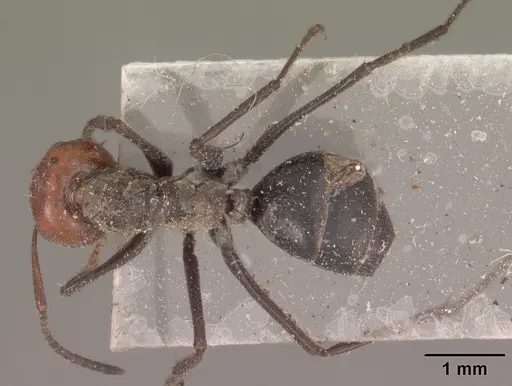
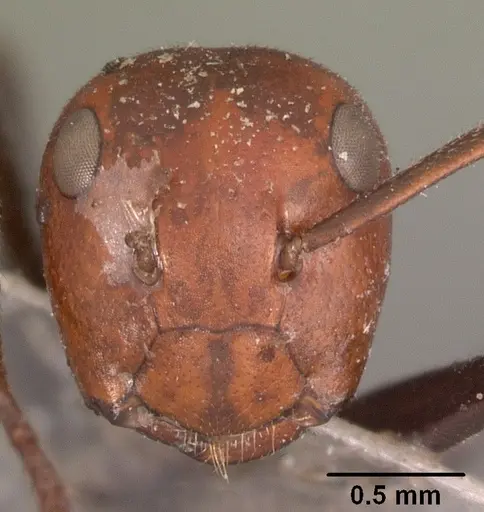
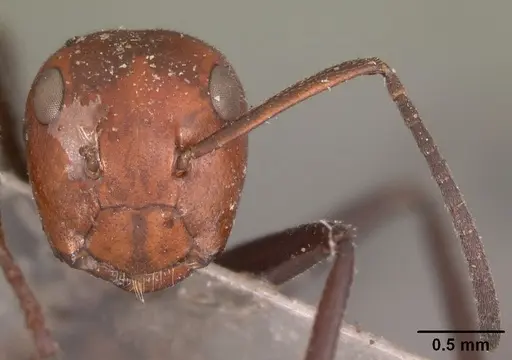
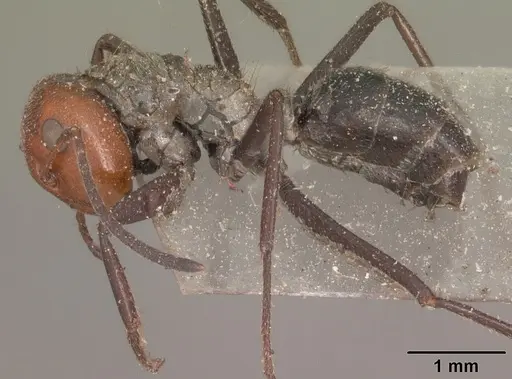
CASENT0179026
View on AntWeb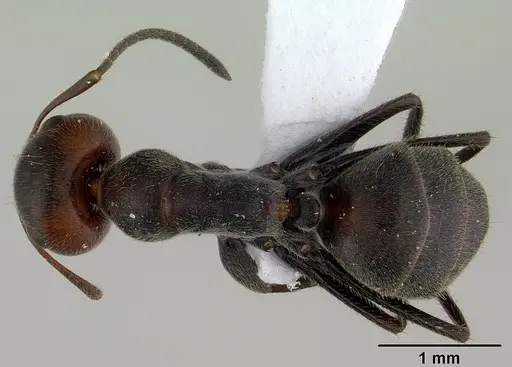
CASENT0905799
View on AntWeb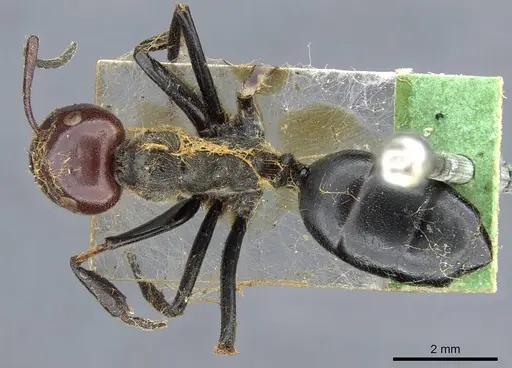
CASENT0905800
View on AntWeb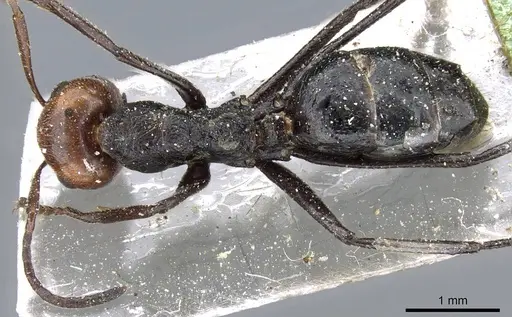
Literature
Loading...Loading products...