

Colobopsis explodens
- Scientific Name
- Colobopsis explodens
- Tribe
- Camponotini
- Subfamily
- Formicinae
- Author
- Laciny & Zettel, 2018
- Common Name
- Exploding Ant
- Distribution
- Found in 2 countries
Colobopsis explodens Overview
Colobopsis explodens (commonly known as the Exploding Ant) is an ant species of the genus Colobopsis. It is primarily documented in 2 countries , including Brunei Darussalam, Malaysia. Detailed taxonomic data and occurrence records can be further explored via authoritative databases such as AntWeb or the Global Biodiversity Information Facility (GBIF).
Colobopsis explodens - "Exploding Ant"
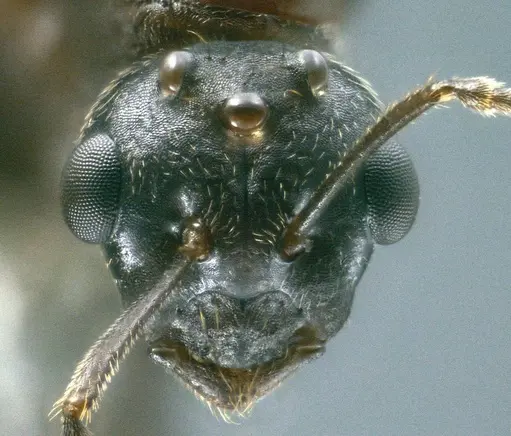
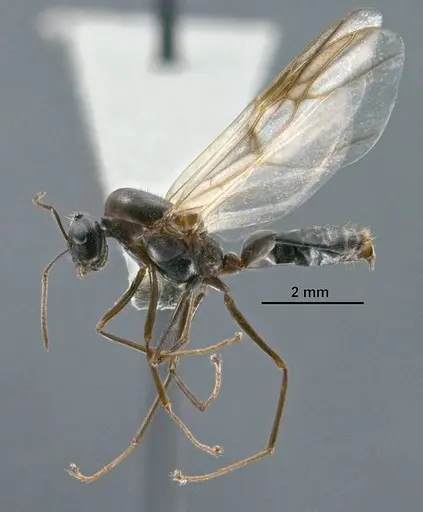
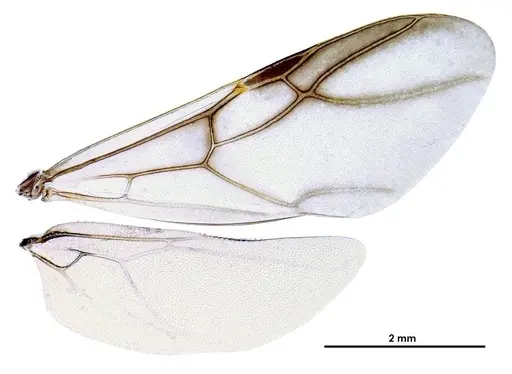
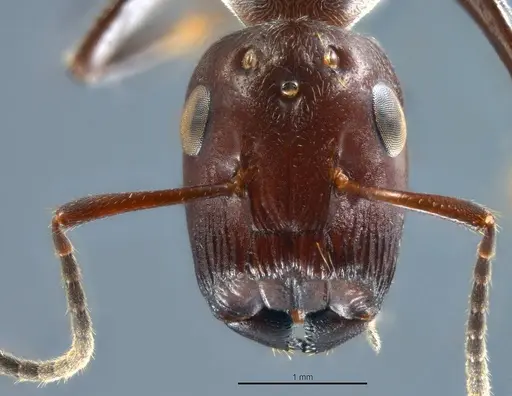
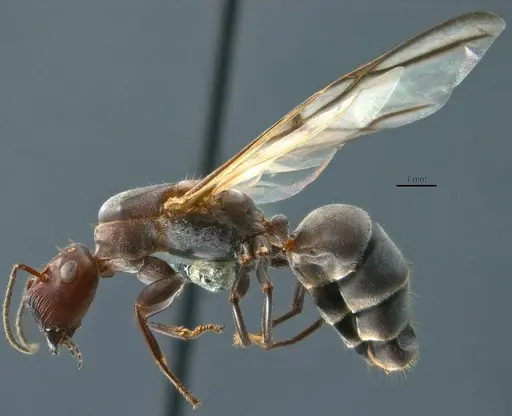
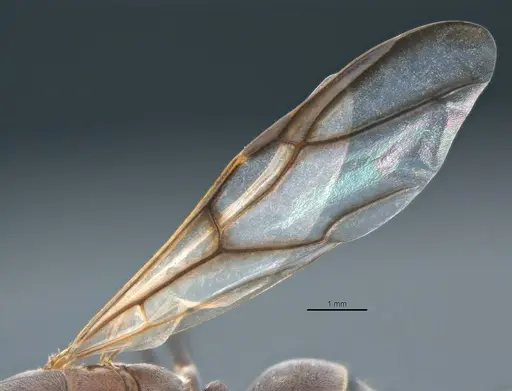
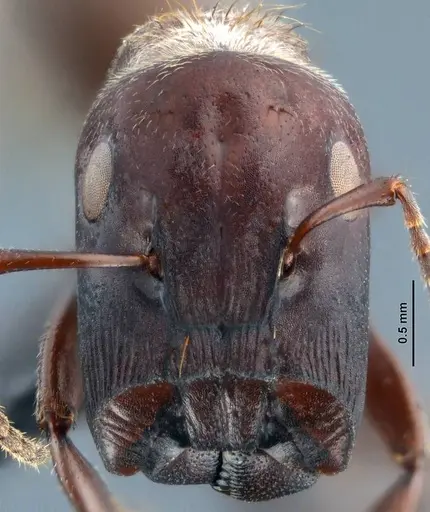
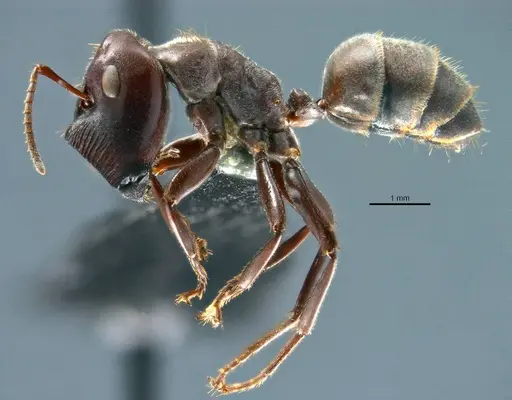
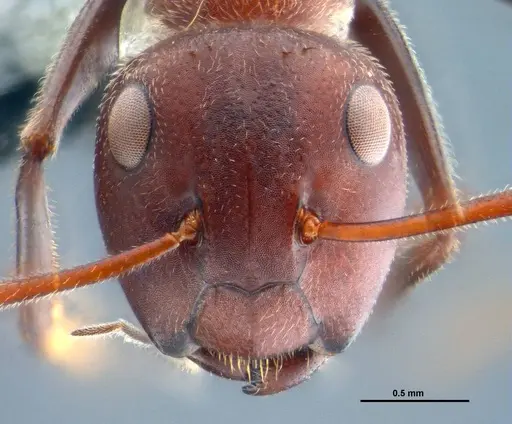
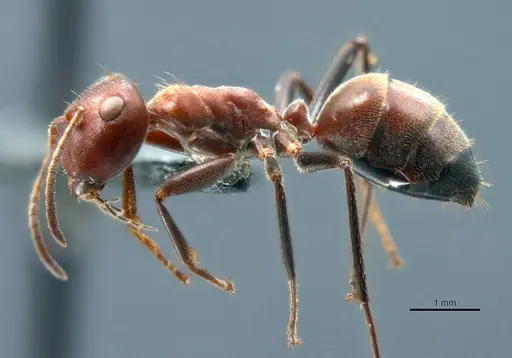
Colobopsis explodens is a medium-sized ant from Southeast Asia (Brunei, Malaysia, Thailand) famous for its unique defensive strategy. When threatened, minor workers flex their abdomen so hard it ruptures, releasing a sticky, toxic yellow secretion that glues them to their attacker, a suicidal defense called autothysis [1]. Minor workers measure 4.74-7.21mm with a reddish-brown body, while major workers (soldiers) have an enlarged, shield-like head for blocking nest entrances [1]. Queens are substantially larger at 10.50-12.16mm [1]. These ants are polydomous, they nest across multiple locations in trees, often in dead branches and living stems of dipterocarp trees like Shorea [1]. Colonies can contain thousands of workers spread across a large area [1]. This is one of the few ant species where males have been formally described from the Colobopsis cylindrica group [1].
Quick Summary
- Difficulty: Medium
- Origin & Habitat: Southeast Asia, Brunei, Peninsular Malaysia, and Thailand. Found in tropical rainforest canopies, primarily nesting in dead branches and living stems of dipterocarp trees (especially Shorea species) at heights up to 60m above ground [1].
- Colony Type: Polydomous (multiple connected nest sites) and polygynous (multiple queens per colony). Colonies can contain thousands of workers spread across at least 2500m² [1].
- Colony: Polygyne
- Founding: Claustral
- Size & Growth:
- Queen: 10.50-12.16 mm [1]
- Worker: Minor workers: 4.74-7.21 mm, Major workers: 7.30-8.71 mm [1]
- Colony: Thousands of workers, large colonies spanning 2500m² have been documented [1]
- Growth: Moderate, based on typical Camponotini development patterns
- Development: Estimated 6-8 weeks at optimal temperature (based on genus-level Camponotini patterns) [1] (Pupae are naked (cocoon absent), which is diagnostic for Colobopsis [1]. Development is likely temperature-dependent given their tropical origin.)
- Antkeeping:
- Temperature: Keep around 24-28°C, this matches their natural activity range of 24.2-28.6°C where peak foraging occurs [1]. A slight gradient is beneficial.
- Humidity: High humidity (86-88% in their natural rainforest habitat). Keep nest substrate consistently moist but not waterlogged [1].
- Diapause: No, being a tropical species, they do not require hibernation. Activity may reduce slightly during cooler periods but they remain active year-round.
- Nesting: Prefers wooden nests or naturalistic setups that mimic their tree-nesting behavior. They readily colonize artificial wooden nests within weeks and will use them to rear brood [1]. A Y-tong or plaster nest with wood-like texture works well.
- Behavior: Diurnal foragers, active from 6:00 to 18:00 with peaks around 9:00 and 16:00 [1]. They maintain guard workers (1-6 minor workers) at nest entrances who monitor all incoming and outgoing traffic [1]. Minor workers are extremely defensive and will readily perform autothysis when threatened, this is a last-ditch chemical defense where they rupture their gaster to release sticky, toxic yellow secretion [1]. The secretion has a distinctive spice-like odor and is very acidic (pH 2.5-4) [2]. Workers die within 5 minutes of ejection [2]. They are not aggressive toward humans but will defend their nest vigorously. Minor workers spend time on leaves and tree bark, apparently patrolling and cleaning surfaces [1]. Escape risk is moderate, they are medium-sized ants but can climb smooth surfaces.
- Common Issues: autothysis in captivity, stressed workers may rupture themselves when disturbed, wasting colony members, high humidity required, dry conditions will stress these rainforest ants, slow to establish, being polydomous in the wild, they may take time to settle into captive nests, temperature sensitive, activity drops significantly below 24°C, large colony size means they need significant space as they grow
The Exploding Defense Mechanism
Colobopsis explodens is famous for its unique autothysis behavior, when threatened, minor workers contract their abdomen so forcefully that it ruptures, releasing sticky toxic secretion from their mandibular glands [1]. This kills the worker but glues the attacker in place with a bright yellow, slightly viscous fluid that has a distinctive spice-like odor [1]. The secretion is very acidic (pH 2.5-4) and contains compounds called MAPG (methyl 4-alkylbenzoates) and noreugenin [2]. In confrontations, workers first grab the opponent's antenna or leg, then expel the secretion, targeting the head, body, and legs of enemies [2]. Once ejected, the secretion quickly becomes more viscous and irreversibly bonds the exploded ant to its target [2]. No targeted ant has ever detached itself during 12 hours of observation [2]. This extreme defense is why they're called 'exploding ants.' In captivity, avoid disturbing the nest excessively, stressed workers may trigger this defense unnecessarily, wasting colony members [2].
Housing and Nest Preferences
In the wild, Colobopsis explodens nests high in rainforest trees, primarily in dead branches and living stems of dipterocarp trees like Shorea johorensis [1]. They build multiple nest sites connected by ant trails through the canopy or along the forest floor [1]. For captivity, they readily accept artificial wooden nests, one study showed colonization within just one week of installation [1]. A Y-tong (acrylic) nest or wooden formicarium works well. Provide a naturalistic setup with climbing branches or vertical space since they're arboreal. They need high humidity (86-88% matches their natural habitat) [1]. Keep the nest substrate consistently moist. Because they're polydomous in the wild, they may benefit from having multiple connected chambers or the option to expand into additional space.
Feeding and Diet
Minor workers of Colobopsis explodens have interesting feeding behaviors. They spend significant time on leaves, apparently patrolling and cleaning debris from leaf surfaces [1]. They also 'graze' on epiphytes (mosses, lichens, algae, fungi, and yeasts) growing on tree bark for up to 60 minutes at a time [1]. In captivity, they accept yeast suspension in water, small dead insects, fruit, and fish [1]. Preliminary feeding experiments with fungal cultures were unsuccessful [1]. For a balanced diet, offer: protein sources like small crickets, mealworms, or fruit flies 2-3 times per week, sugar sources like honey water or sugar water (though acceptance may vary), and occasional fresh fruit. They also need constant access to fresh water. Being tropical ants, they likely have moderate protein needs for colony growth.
Temperature and Seasonal Care
Colobopsis explodens is a tropical ant that thrives at warm temperatures. In the wild, their activity positively correlates with temperature, ranging from 24.2°C (lowest activity) to 28.6°C (highest activity) [1]. Keep your colony in this range, around 24-28°C is ideal. Use a heating cable or mat on one side of the nest to create a gentle gradient if your room temperature falls below this range. Place heating on top of the nest to avoid drying it out. They are diurnal foragers, most active between 6:00 and 18:00 with peaks at 9:00 and 16:00 [1]. Light rain does not reduce activity, but heavy rains stop foraging unless shelter is provided [1]. As a tropical species, they do not require hibernation or diapause, maintain consistent warmth year-round. Avoid temperatures below 22°C for extended periods.
Behavior and Colony Dynamics
This species has fascinating social behaviors. Colonies are polydomous, workers maintain multiple nest sites connected by trails, either through the canopy or on the ground [1]. They are also polygynous, with multiple queens per colony [1]. At nest entrances,1-6 'guard' workers constantly monitor traffic, touching all incoming and outgoing ants with their antennae [1]. The number of workers leaving and entering stays roughly equal throughout the day, suggesting they maintain a constant population inside [1]. Nuptial flights occur after dusk, alate queens and males leave the nest in early evening [1]. Major workers (soldiers) have large, shield-like heads and rarely leave the nest, likely serving as door guards [1]. Minor workers are extremely prone to autothysis when threatened, this is their primary defense mechanism [2].
Frequently Asked Questions
Do Colobopsis explodens ants really explode?
Yes, minor workers perform autothysis, a suicidal defense where they rupture their abdomen to release sticky, toxic yellow secretion. This kills the worker but immobilizes the attacker. It's a last-resort defense triggered when threatened by predators or other ants [1][2].
How long does it take for Colobopsis explodens to develop from egg to worker?
Based on typical Camponotini development patterns, expect approximately 6-8 weeks from egg to first worker at optimal temperature (around 24-28°C). This is an estimate since specific development times for this species haven't been directly studied [1].
What do I feed Colobopsis explodens?
They accept a variety of foods including small dead insects, fruit, fish, and yeast suspension in water. Offer protein (insects) 2-3 times weekly, sugar water or honey constantly, and occasional fresh fruit. They do not eat fungal cultures [1].
Can I keep multiple queens together?
Yes, Colobopsis explodens is naturally polygynous, meaning colonies typically have multiple queens. Unlike many species where multiple queens fight, these ants are adapted to living with multiple egg-laying queens in the same colony [1].
What temperature do Colobopsis explodens need?
Keep them warm, around 24-28°C. This matches their natural activity range in Southeast Asian rainforests. Use a heating cable on one side of the nest if your room is cooler. Avoid temperatures below 22°C for extended periods [1].
Do Colobopsis explodens need hibernation?
No, as a tropical species from Southeast Asia, they do not require hibernation or diapause. Maintain warm temperatures year-round (around 24-28°C) [1].
Are Colobopsis explodens good for beginners?
They are intermediate in difficulty. While they are relatively hardy once established, their specific requirements (high humidity, warm temperatures, large colony space) and the autothysis behavior (workers may sacrifice themselves when disturbed) make them better suited for keepers with some experience. They also need more space as colonies grow large [1].
How big do Colobopsis explodens colonies get?
Very large, wild colonies can contain thousands of workers spread across 2500m² or more. In captivity, be prepared to provide expanding space as your colony grows [1].
What kind of nest should I use for Colobopsis explodens?
They readily accept wooden nests or Y-tong (acrylic) formicariums. Because they're arboreal tree-nesters, a naturalistic setup with climbing branches works well. They colonized artificial wooden nests within one week in field studies [1].
References

This caresheet is licensed under CC BY-SA 4.0 .
COCY01359
View on AntWeb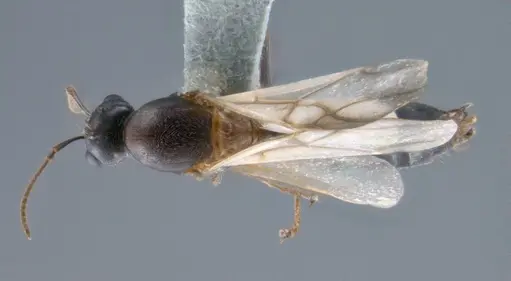
COCY01360
View on AntWeb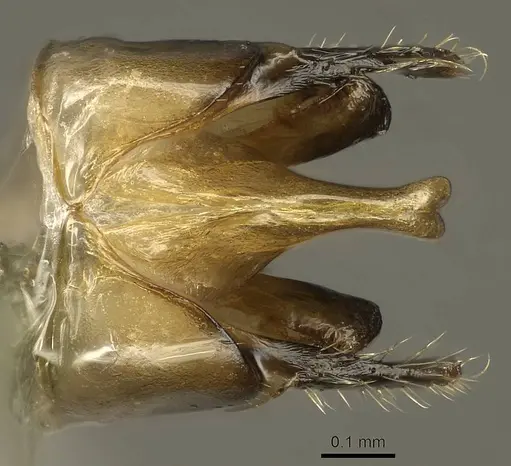
COCY01554
View on AntWeb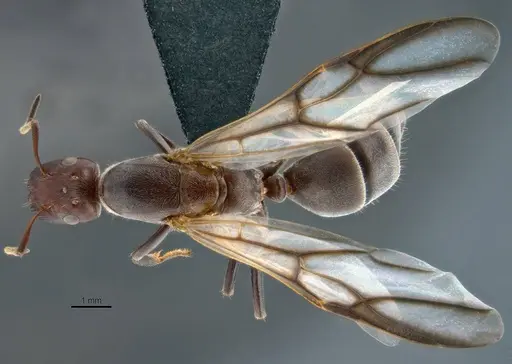
COCY01555
View on AntWeb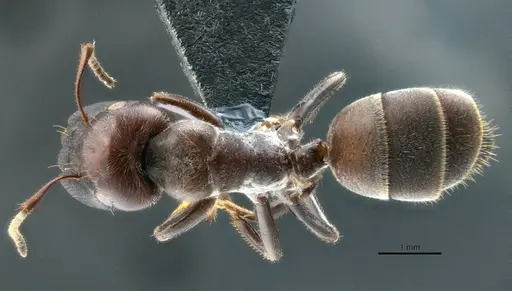
COCY01565
View on AntWeb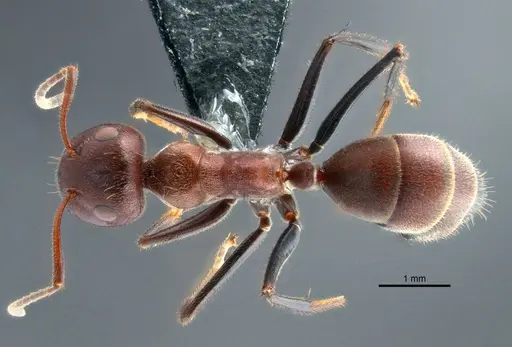
Literature
Loading...Loading products...