

Chelaner centralis
- Scientific Name
- Chelaner centralis
- Tribe
- Solenopsidini
- Subfamily
- Myrmicinae
- Author
- Forel, 1910
- Distribution
- Found in 1 countries
Chelaner centralis Overview
Chelaner centralis is an ant species of the genus Chelaner. It is primarily documented in 1 countries , including Australia. Detailed taxonomic data and occurrence records can be further explored via authoritative databases such as AntWeb or the Global Biodiversity Information Facility (GBIF).
Chelaner centralis
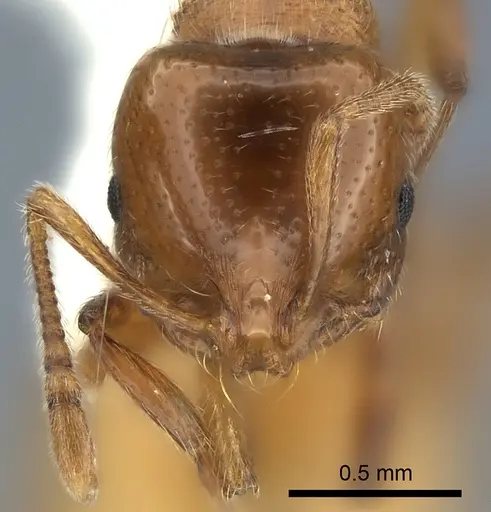
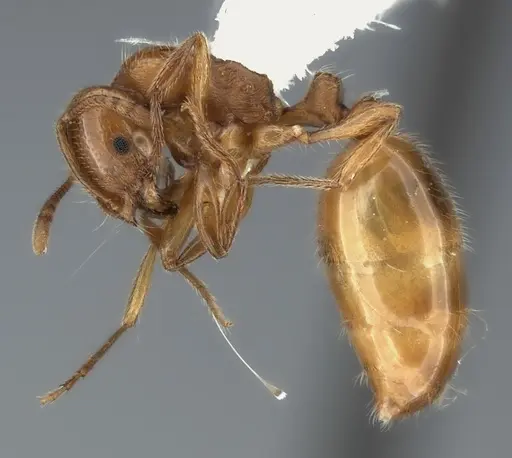
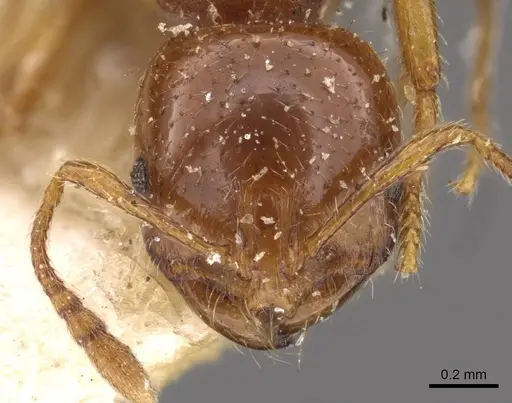
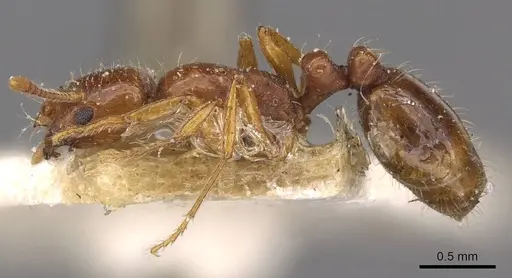
Chelaner centralis is a small, reddish-brown ant native to Australia's arid and semi-arid interior regions. Workers measure 1.47-2.46mm with a variable but monomorphic caste structure, while queens are larger at 3.22-3.54mm [1]. The species has a somewhat plain appearance with a darker head capsule compared to the promesonotum, and displays a distinctive deeply indented clypeal margin. This ant is closely related to Chelaner leae but occupies more inland arid zones across central Australia [2]. A notable trait is queen dimorphism, the species produces both alate (winged) queens and ergatoid queens (worker-like replacement reproductives), which is uncommon among Australian Myrmicinae [3].
Quick Summary
- Difficulty: Easy
- Origin & Habitat: Central arid and semi-arid regions of Australia, particularly in the Northern Territory and surrounding areas. This ant thrives in hot, dry conditions typical of inland Australia [2][1].
- Colony Type: Queen dimorphic species, colonies can produce both alate queens and ergatoid (worker-queen intercastes) as replacement reproductives. Likely monogyne (single queen) in typical colony structure, though ergatoid systems allow for flexible reproduction [3].
- Colony: Monogyne
- Founding: Claustral
- Size & Growth:
- Queen: 3.22-3.54mm [1]
- Worker: 1.47-2.46mm [1]
- Colony: Unknown for this specific species, likely several hundred workers based on related Monomorium species
- Growth: Moderate, inferred from related Australian Monomorium
- Development: 6-10 weeks (estimated based on genus-level data for related Monomorium species) (Development time inferred from related Australian Monomorium, actual timeline unconfirmed for this species)
- Antkeeping:
- Temperature: Keep at 22-28°C. As an arid-zone species from central Australia, they tolerate warmer conditions well. A temperature gradient allowing warmer (26-28°C) and cooler (22-24°C) zones is ideal [1].
- Humidity: Low to moderate. This is a desert/semi-desert species that prefers dry conditions. Keep nest substrate relatively dry with only occasional light misting. Avoid damp conditions that could lead to mold [1].
- Diapause: Likely minimal or no true diapause. Australian arid-zone ants typically reduce activity during extreme heat rather than cold. If kept in temperate climates, a brief winter rest period at 15-18°C for 4-6 weeks may be beneficial but is not strictly required.
- Nesting: In nature, they likely nest in soil or under stones in arid areas. For captivity, a Y-tong (AAC) nest or test tube setup works well. Keep nesting area dry and provide a foraging area. Their small size means narrow connections are appropriate.
- Behavior: Generally peaceful and non-aggressive. Workers are small and modest in size, actively foraging for food. As a tiny ant, escape prevention is critical, they can squeeze through very small gaps. Not known to sting significantly. Foraging style is typical of small Myrmicinae, they search for protein sources and sugar. They are likely to accept sugar water and small protein items like fruit flies or small mealworms.
- Common Issues: escape prevention is critical due to their very small size, use fine mesh and tight-fitting barriers, dry conditions are essential, too much humidity causes mold and colony decline, slow founding phase, claustral queens may take months to produce first workers, wild-caught colonies may harbor parasites that can devastate captive populations, limited available care information, this is an uncommon species in the hobby
Housing and Nest Setup
Chelaner centralis is a small ant well-suited to standard ant keeping setups. A Y-tong (AAC) nest works excellently for this species, providing the narrow chambers and passages they prefer. Test tube setups are also appropriate, especially for founding colonies. Because of their tiny size (workers max out around 2.5mm), escape prevention must be excellent, use fine mesh barriers and ensure all connections are sealed. The foraging area should be simple and easy to clean. This species prefers dry conditions, so avoid setups that retain moisture. A small water tube for humidity is sufficient, do not over-moisten the nest. [1]
Feeding and Diet
Like most Myrmicinae, Chelaner centralis likely accepts a varied diet of proteins and sugars. Offer sugar water or honey water as a constant carbohydrate source. For protein, small prey items such as fruit flies, pinhead crickets, or small mealworm pieces work well. Being a small species, prey items should be appropriately sized. Based on related Monomorium species, they are generalist feeders and should accept most standard ant foods. Feed protein 2-3 times per week and ensure sugar sources are always available.
Temperature and Seasonal Care
As an Australian arid-zone species, C. centralis prefers warm conditions. Maintain temperatures between 22-28°C, with a slight gradient allowing workers to choose their preferred zone. They tolerate higher temperatures well but should be protected from direct heat sources that could cause drying. A heating cable on one side of the nest can create an ideal gradient. During winter months in temperate regions, a brief rest period at 15-18°C for 4-6 weeks may be beneficial but is not strictly required, this species does not experience true cold winters in its native range. [1]
Colony Development
Colony growth is moderate. Founding queens are claustral and will seal themselves in a chamber, living off stored fat reserves until their first workers (nanitics) emerge. The first brood typically hatches within 6-10 weeks under warm conditions, though this timeline is estimated based on related species. C. centralis has a unique queen dimorphism, colonies can produce both alate (winged) queens and ergatoid queens (worker-like reproductives) [3]. Ergatoids serve as replacement reproductives if the primary queen dies, making the colony more resilient. Colonies likely reach several hundred workers over time.
Behavior and Temperament
This is a peaceful, non-aggressive species suitable for observation. Workers are active foragers, searching for food in the foraging area. They are not known to be particularly defensive and pose no significant sting threat to keepers. Their small size makes them excellent escape artists, always use fine mesh and check for any gaps. They likely show typical Myrmicinae behavior with distinct worker roles. The species is closely related to Chelaner leae and shares similar behavioral patterns.
Frequently Asked Questions
How long does it take for Chelaner centralis to produce first workers?
Based on related Monomorium species, expect first workers (nanitics) in 6-10 weeks under warm conditions (24-28°C). This timeline is estimated, actual development time for this specific species has not been documented.
Can I keep multiple Chelaner centralis queens together?
This species is likely monogyne (single queen per colony). While they have ergatoid replacement reproductives, these develop within an established colony rather than being introduced as unrelated queens. Combining unrelated foundress queens is not recommended.
What temperature do Chelaner centralis need?
Keep them warm at 22-28°C. As an Australian arid-zone species, they tolerate heat well. A temperature gradient with a warm side around 26-28°C and cooler side around 22-24°C allows workers to self-regulate.
Are Chelaner centralis good for beginners?
Yes, they are considered an easy species to keep. They are tolerant of warm, dry conditions and not aggressive. The main challenge is their tiny size requiring excellent escape prevention. They are an uncommon species in the hobby but straightforward to maintain.
How big do Chelaner centralis colonies get?
Based on related Monomorium species, colonies likely reach several hundred workers. The exact maximum is unknown for this species.
Do Chelaner centralis need hibernation?
No true hibernation is required. As an Australian arid-zone species, they do not experience cold winters. If kept in temperate climates, a brief cool period (15-18°C for 4-6 weeks) during winter may be beneficial but is not strictly necessary.
What do Chelaner centralis eat?
They accept standard ant foods: sugar water or honey water for carbohydrates, and small protein sources like fruit flies, small mealworms, or cricket pieces. Feed protein 2-3 times per week with sugar always available.
Why are my Chelaner centralis escaping?
Their tiny size (1.5-2.5mm workers) makes them excellent escape artists. Use fine mesh (at least 0.5mm), seal all gaps, and use fluon or other barriers on smooth surfaces. Check connections between nest and foraging area regularly.
When should I move Chelaner centralis to a formicarium?
Move them when the colony reaches 30-50 workers or when the test tube becomes crowded. A Y-tong or acrylic nest with small chambers works well for this small species.
References

This caresheet is licensed under CC BY-SA 4.0 .
CASENT0217884
View on AntWeb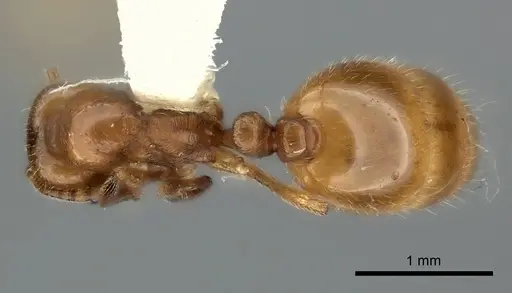
CASENT0908671
View on AntWeb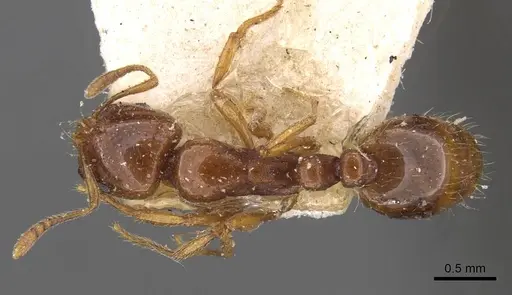
Literature
Loading...Loading products...