

Chelaner leae
- Scientific Name
- Chelaner leae
- Tribe
- Solenopsidini
- Subfamily
- Myrmicinae
- Author
- Forel, 1913
- Distribution
- Found in 1 countries
Chelaner leae Overview
Chelaner leae is an ant species of the genus Chelaner. It is primarily documented in 1 countries , including Australia. Detailed taxonomic data and occurrence records can be further explored via authoritative databases such as AntWeb or the Global Biodiversity Information Facility (GBIF).
Chelaner leae
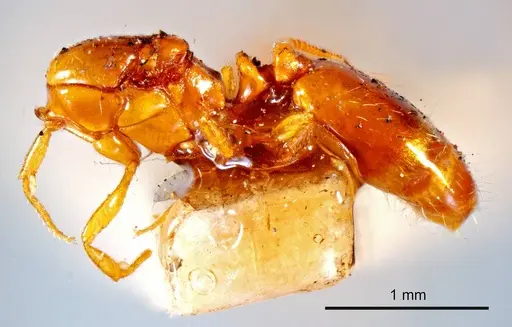
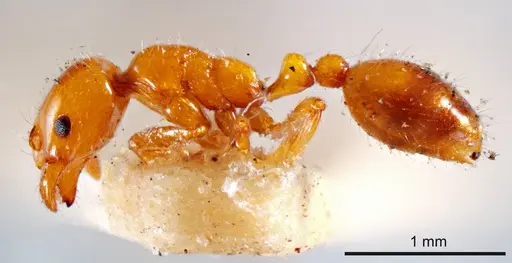
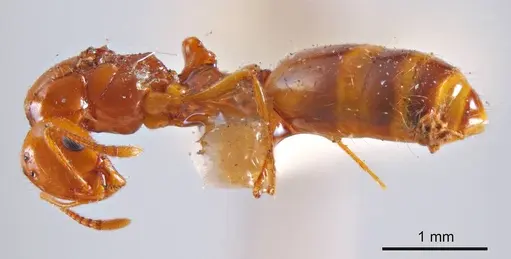
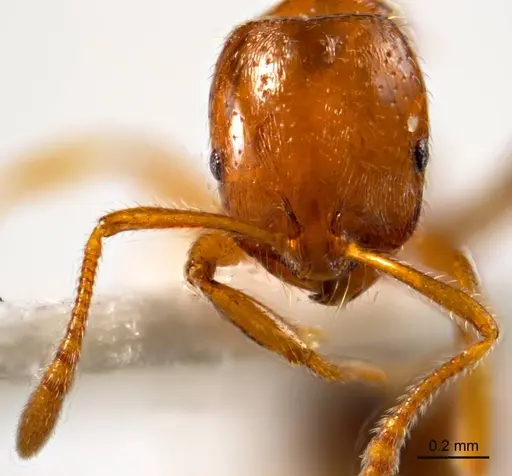
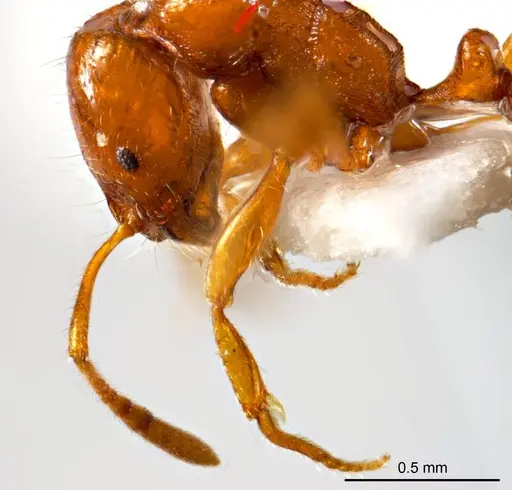
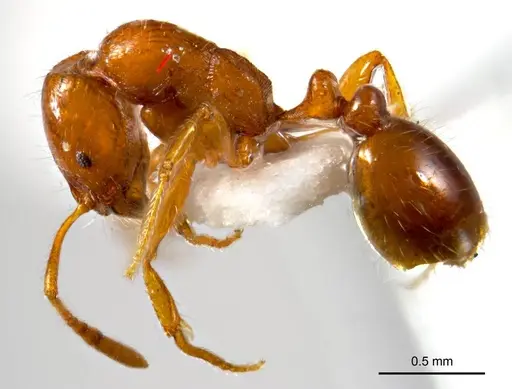
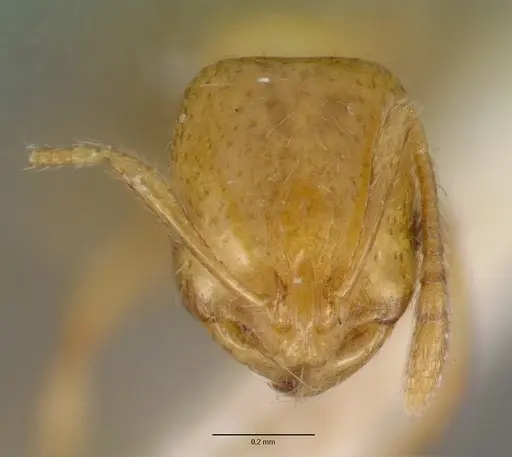
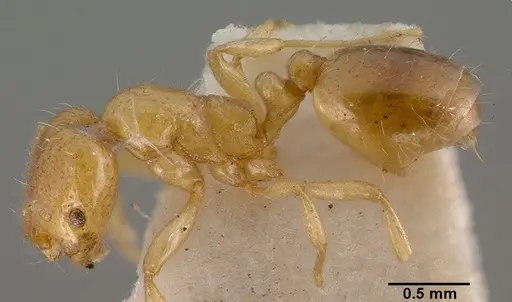
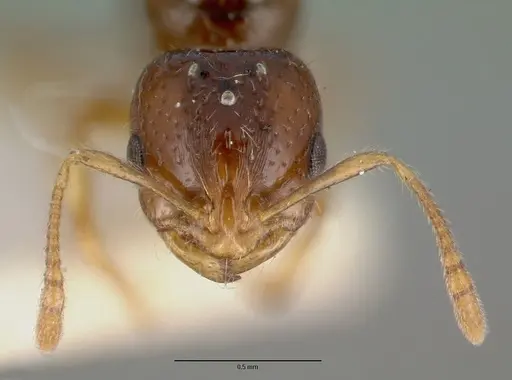
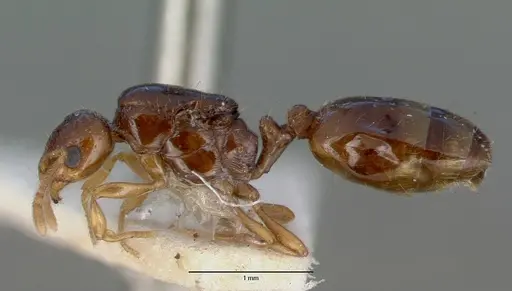
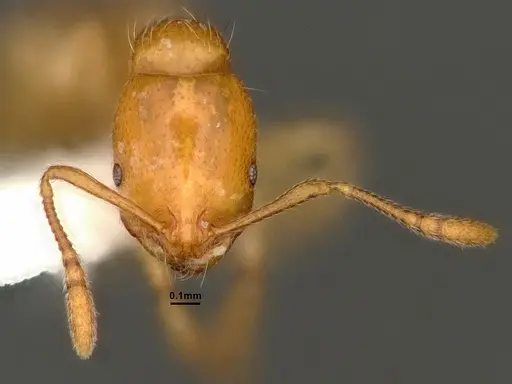
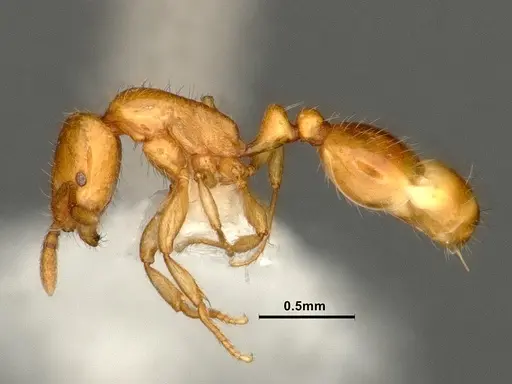
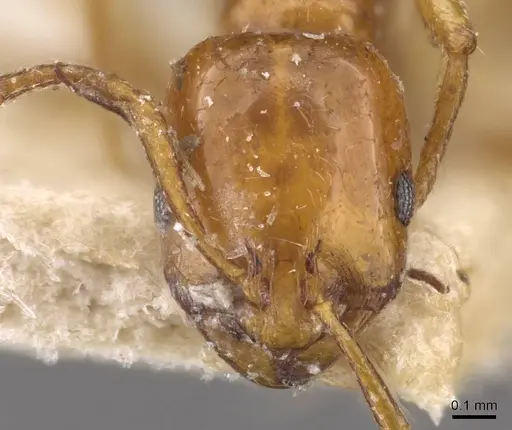
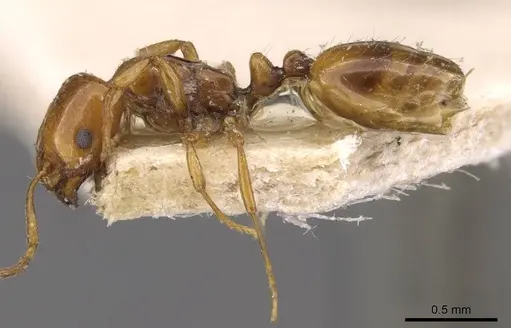
Chelaner leae is a small, highly variable ant native to Australia, formerly classified as Chelaner leae. Workers measure 1.18-2.57mm and queens reach 2.15-3.08mm. This species is famous for its remarkable morphological plasticity, workers from the same nest can differ significantly in size and shape, with larger workers often having an angulate propodeum and rugose alitrunk while smaller workers appear smoother and more rounded. Color is extremely variable, ranging from tawny yellow to bright orange, amber, to deep russet and brown. The species is a generalist that can thrive in both natural habitats (rainforest, Eucalyptus woodland) and human-made environments like suburban gardens. Nests are cryptic, typically located under rocks, in moss, in rotting logs, or around tree bases.
This species has a fascinating colony structure, it exhibits queen polymorphism with both winged queens and ergatoid (wingless) queens. Monogynous colonies with winged queens and polygynous colonies with ergatoid queens coexist in the same habitats, particularly in the Australian Alps [1]. This flexibility in colony structure is unusual among ants and makes C. leae particularly interesting for keepers who want to observe different social arrangements.
Quick Summary
- Difficulty: Easy
- Origin & Habitat: Australia, found throughout the continent including Tasmania, New South Wales, Queensland, Victoria, South Australia, and Western Australia. Inhabits diverse environments from tropical rainforest to dry Eucalyptus and Callitris woodland, as well as suburban gardens[2].
- Colony Type: Facultatively polygynous, colonies can have either a single winged queen or multiple ergatoid (wingless) queens. Both colony types occur in the same habitats [1].
- Colony: Optionally polygyne
- Founding: Claustral
- Size & Growth:
- Queen: 2.15-3.08mm
- Worker: 1.18-2.57mm
- Colony: Unknown maximum, but related Monomorium species typically reach several hundred workers. Observed recruiting at least 30 ants to food sources [3].
- Growth: Moderate, estimated based on typical Monomorium development patterns
- Development: 6-10 weeks at optimal temperature (estimated based on genus patterns) (Development time is inferred from related Monomorium species. Temperature affects development significantly, they prefer cooler, damp conditions.)
- Antkeeping:
- Temperature: Keep at 18-24°C. This species prefers cooler temperatures and damp conditions, they are often found in damp, cool environments in the wild [4]. Avoid overheating.
- Humidity: High humidity preferred. Keep nest substrate consistently moist but not waterlogged. These ants naturally nest under rocks, in moss, and rotting wood where conditions stay damp.
- Diapause: Likely, Australian Alps populations experience cold winters. Provide a cool period around 10-15°C for 2-3 months during winter.
- Nesting: Prefers cryptic nesting sites. Test tubes with water reservoirs work well, or naturalistic setups with moist substrate, stones, and rotting wood pieces. They nest under rocks and in moss in the wild.
- Behavior: Generally peaceful and non-aggressive. Workers are small but active foragers. They can recruit nestmates to food sources, observed sending at least 30 workers to discovered bait [3]. However, they may abandon discovered food (17% of baits) [3]. Escape risk is moderate due to their small size, use standard barriers. They are not known to sting and pose no danger to keepers.
- Common Issues: small size means escapes are possible without proper barriers, colonies may fail if kept too dry, they require consistent moisture, overheating can kill colonies, keep away from direct heat sources, slow founding period may cause beginners to lose patience, wild-caught colonies may have parasites that affect survival
Housing and Nest Preferences
Chelaner leae is a small ant that prefers cryptic nesting sites. In the wild, they nest under rocks, in moss, in rotting logs, and around the base of trees. For captivity, test tube setups work well, use a test tube with a water reservoir connected to a cotton plug, keeping the substrate consistently moist. You can also create naturalistic setups with a layer of moist soil, pieces of flat stone or bark for them to nest under, and some rotting wood or moss. Because they prefer damp, cool conditions, avoid placing their setup near heating elements or in direct sunlight. A small Y-tong or acrylic nest with narrow chambers can also work, but ensure the substrate stays moist. [4][2]
Feeding and Diet
Like most Monomorium species, C. leae is a generalist that accepts various food sources. They will eat sugar water, honey, or diluted syrup for carbohydrates. For protein, offer small insects like fruit flies, small crickets, mealworms, or other tiny arthropods. In the wild, they forage for honeydew and small invertebrates. They are not specialized predators, so any small, soft-bodied insects work as prey. Feed them a few times per week, offer protein 2-3 times weekly and keep a sugar source available at all times. Remove uneaten prey after 24-48 hours to prevent mold. [2]
Temperature and Seasonal Care
These ants prefer cooler temperatures than many Australian species. Keep their nest at 18-24°C, with room temperature typically being suitable. They are often found in damp, cool environments in the wild [4], so avoid overheating. If you need to warm them slightly, use a heating cable on one side of the nest to create a gentle gradient, never place heat directly on the nest. During Australian winter (roughly June-August in the southern hemisphere), provide a cool period around 10-15°C for 2-3 months. This simulates their natural seasonal cycle and helps maintain colony health. Reduce feeding during this cool period.
Colony Structure and Queen Types
One of the most interesting aspects of Chelaner leae is its queen polymorphism. The species has both winged queens (alates) and ergatoid queens (wingless, worker-like queens). Monogynous colonies with a single winged queen and polygynous colonies with multiple ergatoid queens can exist in the same habitat [1]. Ergatoid queens have a queen-like abdomen, ovaries, and spermatheca for reproduction, but their thorax is intermediate between queen and worker [5]. If you keep a colony with an ergatoid queen, you may notice she looks slightly larger than workers but lacks wings. This flexibility in colony structure is unusual and makes C. leae particularly interesting for observing different social arrangements.
Behavior and Foraging
Workers of C. leae are active foragers but may have a limited foraging range or directional travel patterns [3]. They can recruit nestmates to food sources, in studies, at least 30 workers were observed responding to discovered bait [3]. However, they sometimes abandon food sources (about 17% of discovered baits were abandoned) [3]. This suggests they are selective foragers rather than aggressive competitors. They are not aggressive toward keepers and pose no sting risk. Their small size means they can squeeze through small gaps, so ensure your setup has good escape prevention.
Frequently Asked Questions
How long does it take for Chelaner leae to produce first workers?
Based on typical Monomorium development patterns, expect 6-10 weeks from egg to first worker at optimal temperature (around 20-24°C). Development is faster in warmer conditions and slower in cooler temperatures.
Can I keep multiple queens together in one colony?
Yes, this species naturally forms both single-queen and multi-queen colonies. Polygynous colonies with ergatoid (wingless) queens occur in the wild, particularly in the Australian Alps [1]. However, if combining unrelated foundress queens, introduce them carefully and monitor for aggression.
What do Chelaner leae ants eat?
They are generalists. Offer sugar water, honey, or diluted syrup for carbohydrates. For protein, feed small insects like fruit flies, pinhead crickets, or small mealworms. Feed protein 2-3 times weekly and keep sugar water available at all times.
What temperature do they need?
Keep them at 18-24°C. They prefer cooler, damp conditions compared to many Australian ants. Room temperature is usually suitable. Avoid overheating and keep away from direct heat sources.
Do they need hibernation or diapause?
Likely yes, especially if your colony shows seasonal activity patterns. Provide a cool period around 10-15°C for 2-3 months during winter months. This matches their natural cycle in Australia.
Why are my ants dying?
Common causes include: too dry conditions (they need consistent moisture), overheating (keep below 24°C), or poor escape prevention (they are small and can escape through tiny gaps). Ensure their nest stays damp and check your barriers regularly.
Are Chelaner leae good for beginners?
Yes, they are considered easy to keep. They are adaptable, tolerate a range of conditions, and are not aggressive. Their main requirements are consistent moisture and cooler temperatures. Their small size and interesting colony structure make them rewarding for keepers of all levels.
When should I move them to a formicarium?
Wait until the colony reaches at least 20-30 workers. Before that, a test tube setup works fine. When moving, ensure the new setup has similar moisture levels and temperature. They prefer naturalistic or test tube setups with moist substrate.
How big do colonies get?
Exact maximum is unknown, but based on related species, colonies likely reach several hundred workers. They have been observed recruiting at least 30 workers to food sources [3].
References

This caresheet is licensed under CC BY-SA 4.0 .
ANTWEB1008202
View on AntWeb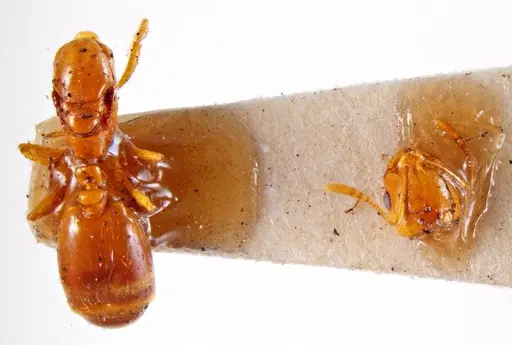
ANTWEB1008203
View on AntWeb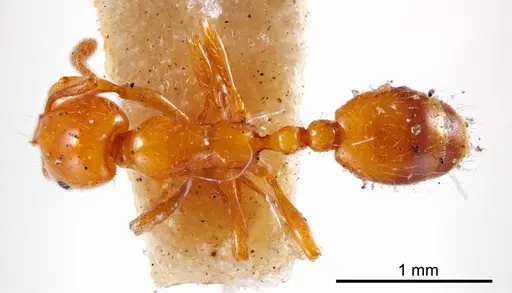
ANTWEB1008204
View on AntWeb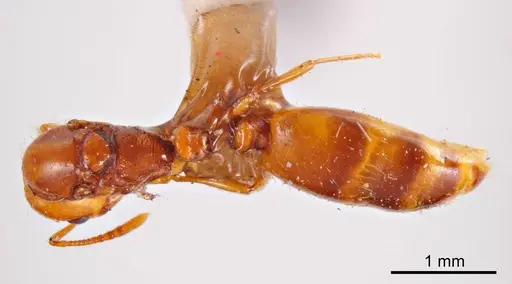
ANTWEB1008680
View on AntWeb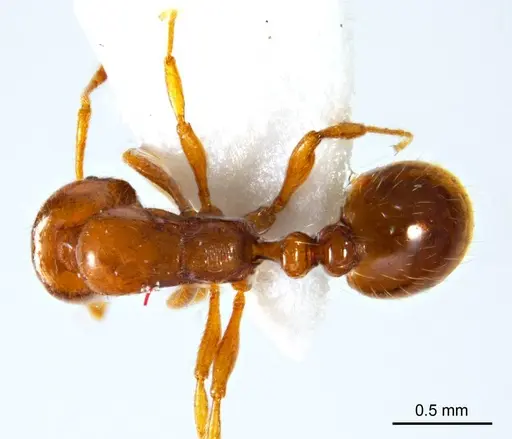
CASENT0008621
View on AntWeb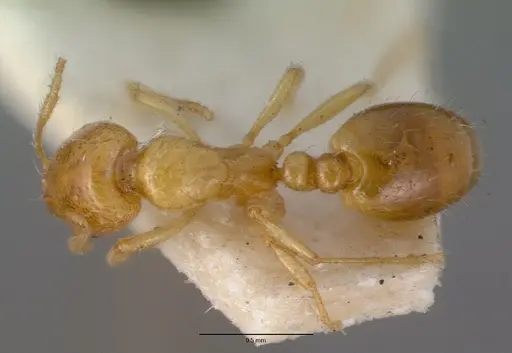
CASENT0008622
View on AntWeb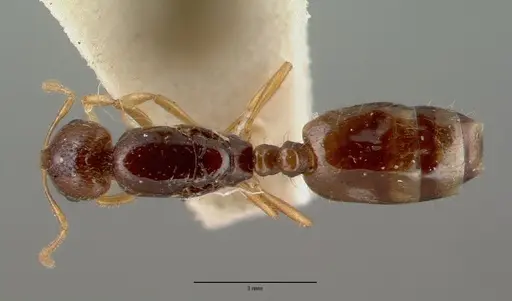
CASENT0884283
View on AntWeb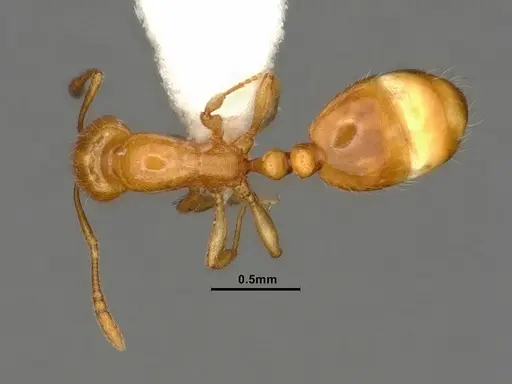
CASENT0908678
View on AntWeb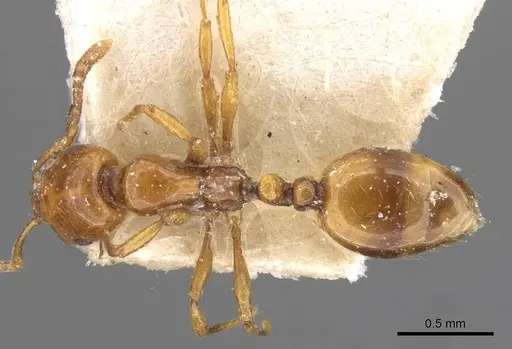
Literature
Loading...Loading products...