

Chelaner bihamatus
- Scientific Name
- Chelaner bihamatus
- Tribe
- Solenopsidini
- Subfamily
- Myrmicinae
- Author
- Heterick, 2001
- Distribution
- Found in 1 countries
Chelaner bihamatus Overview
Chelaner bihamatus is an ant species of the genus Chelaner. It is primarily documented in 1 countries , including Australia. Detailed taxonomic data and occurrence records can be further explored via authoritative databases such as AntWeb or the Global Biodiversity Information Facility (GBIF).
Chelaner bihamatus
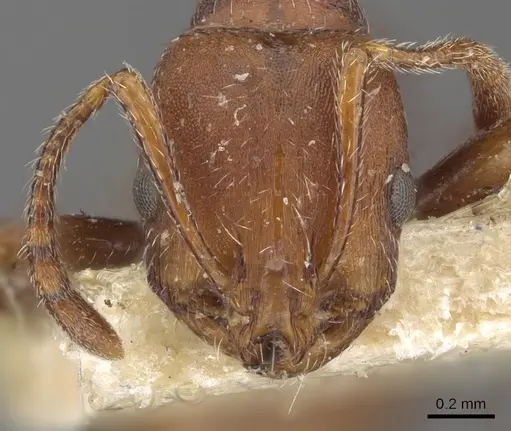
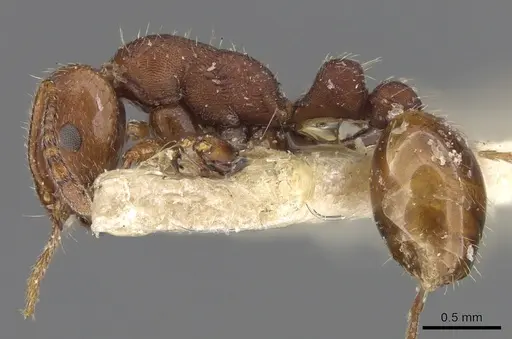
Chelaner bihamatus is a small reddish ant native to temperate Australia, reasonably common across Western Australia, New South Wales, and South Australia. Workers measure approximately 2.5-3.2mm in total body length, with a distinctive reddish-orange head, trunk, and appendages, and an orange gaster. They have relatively large eyes and belong to the rubriceps species group. This ant is notable for its seed-harvesting behavior, particularly favoring mallee seeds, making it part of the diverse ant fauna of Australia's mallee ecosystems [AntWiki].
These ants are closely related to Chelaner legulus but can be distinguished by their generally lighter coloration without the darker band on the mesosoma that C. legulus displays. Workers nest in sandy soils in limestone mallee areas and have been observed foraging on mallee gums. The species was originally described as Chelaner bihamatus in 2001 before being recombined to the genus Chelaner in 2019 [1].
Quick Summary
- Difficulty: Medium
- Origin & Habitat: Native to temperate Australia, primarily found in mallee ecosystems across Western Australia, New South Wales, and South Australia. Workers have been collected from limestone mallee habitats with approximately 250mm annual rainfall, as well as mixed Eucalyptus woodland near Perth [AntWiki].
- Colony Type: Single-queen colonies (monogyne) with documented ergatoid (wingless) replacement queens present in some populations [AntWiki].
- Size & Growth:
- Queen:{.size-link} Size data unavailable, no specific measurements documented for queens
- Worker:{.size-link} Approximately 2.5-3.2mm [AntWiki]
- Colony: Likely several hundred workers at maturity, based on related Australian Monomorium species
- Growth: Moderate
- Development: Estimated 6-10 weeks based on related Monomorium species development (Development time inferred from related Australian Monomorium species, actual timeline may vary based on temperature conditions)
- Antkeeping:
- Temperature: Keep at 22-26°C, mimicking warm temperate Australian conditions. A gentle gradient allowing workers to self-regulate is ideal.
- Humidity: Moderate humidity around 50-60%. These ants come from semi-arid mallee regions, so avoid overly damp conditions.
- Diapause: Likely requires a mild winter rest period (diapause) of 2-3 months at 10-15°C, consistent with temperate Australian species.
- Nesting: Accepts test tubes and Y-tong nests. Provide a sandy substrate if using a naturalistic setup, as they nest in sandy soils in nature. Tight-fitting lids are important as workers are small (under 4mm).
- Behavior: Generally peaceful but capable of stinging if threatened. Workers are active foragers that harvest seeds and likely tend aphids for honeydew. Due to their small size, escape prevention is important, use fine mesh and tight-fitting barriers.
- Common Issues: escape prevention is critical due to their very small size, they can squeeze through standard test tube barriers, wild-caught colonies may have parasites that can devastate captive colonies, slow initial colony growth during founding phase can lead to overfeeding or neglect, mild winter diapause is required but timing and temperature must be correct to avoid colony loss, seed-harvesting behavior means they may ignore liquid sugar foods, requiring appropriate diet
Housing and Nest Setup
Chelaner bihamatus does well in standard test tube setups for founding colonies. Use test tubes with cotton plugs and a water reservoir on one side, providing humidity through the cotton. Once the colony reaches 20-30 workers, you can consider moving them to a Y-tong nest or a naturalistic setup with sandy substrate. These ants naturally nest in sandy soils in mallee areas, so a sandy substrate in a naturalistic formicarium would closely mimic their natural environment. Ensure all connections between the outworld and nest are secure, these tiny ants are excellent escape artists. Use fine mesh on any ventilation holes and consider applying fluon to the upper rim of the outworld.
Feeding and Diet
As seed-harvesting ants, Chelaner bihamatus primarily collects and stores seeds. In captivity, offer a mix of small seeds appropriate for their tiny size, millet, chia, or crushed bird seed work well. They will also accept protein sources like small insects (fruit flies, pinhead crickets, mealworm pieces) and may take honey or sugar water, though acceptance varies. Observe your colony's preferences and adjust accordingly. Provide protein 2-3 times per week and ensure seeds are always available. Remove any moldy or uneaten seeds promptly to prevent contamination.
Temperature and Seasonal Care
Maintain temperatures between 22-26°C for optimal colony growth and brood development. These ants come from temperate Australia and will benefit from a temperature gradient, allowing workers to choose their preferred zone. During Australian winter (roughly June-August in the southern hemisphere), reduce temperatures to 10-15°C for a 2-3 month diapause period. This winter rest is important for colony health and likely triggers reproductive behavior. Do not attempt to prevent diapause entirely, as it may affect queen fertility and colony longevity. Room temperature in most homes during winter may be too cold, consider using a heating cable or mat on one side of the nest.
Colony Founding and Growth
Newly mated queens will likely found colonies claustrally, they seal themselves in a small chamber and raise the first brood using energy from their fat reserves. During this phase, the queen does not forage and depends entirely on stored nutrients. Expect 4-8 weeks before the first nanitic (first-generation) workers emerge. Initial growth is slow, and many colonies fail during this vulnerable founding stage. Do not disturb the queen during founding or offer excessive food, she will not leave the nest to collect it. Once workers emerge, they will begin foraging and the colony growth rate should increase. Be patient through the first few months, as this species grows at a moderate pace compared to faster-growing tropical ants.
Behavior and Temperament
Chelaner bihamatus workers are small, active, and generally peaceful. They possess a sting as their primary defense mechanism, typical of the Solenopsidini tribe. Workers are seed-harvesters by nature and will actively collect and store seeds in the nest. They may also tend aphids or collect honeydew, though this behavior varies by colony. Their small size (under 4mm) means they can easily escape through tiny gaps, excellent escape prevention is essential. They are diurnal foragers, most active during daylight hours. The presence of ergatoid (wingless) queens in some populations suggests they have replacement reproductive strategies if the primary queen dies, though this is not common in captive colonies.
Frequently Asked Questions
How long does it take for Chelaner bihamatus to produce first workers?
Expect 6-10 weeks from egg to first worker at optimal temperature (22-26°C). This is based on typical Monomorium/Chelaner development patterns, as specific timing for this species has not been documented. The founding phase is slow, be patient and avoid disturbing the queen.
What do Chelaner bihamatus ants eat?
They are seed-harvesters, so offer small seeds like millet, chia, or crushed bird seed. They also accept protein sources like fruit flies, small crickets, and mealworm pieces. Some colonies will take sugar water or honey, though acceptance varies. Provide a varied diet and remove uneaten food promptly.
What temperature do Chelaner bihamatus colonies need?
Keep them at 22-26°C with a gentle gradient. They also require a 2-3 month winter diapause at 10-15°C to stay healthy. This mimics their natural temperate Australian climate.
Are Chelaner bihamatus good for beginners?
They are rated as medium difficulty. While not aggressive and relatively small, they require careful escape prevention and proper seasonal care including diapause. They may be suitable for intermediate antkeepers who have successfully kept a founding colony before.
How big do Chelaner bihamatus colonies get?
Colony size is not well documented, but based on related species, they likely reach several hundred workers at maturity. Growth is moderate, expect several months to reach significant numbers.
Can I keep multiple Chelaner bihamatus queens together?
This species is monogyne (single-queen) in structure. While ergatoid replacement queens exist in some populations, combining unrelated foundress queens is not recommended and has not been documented as successful.
Do Chelaner bihamatus need hibernation?
Yes, they require a mild winter rest period (diapause) of 2-3 months at 10-15°C. This is consistent with their temperate Australian origin and important for colony health and queen fertility.
What size nest do Chelaner bihamatus need?
Start with a standard test tube for founding. Once the colony reaches 20-30 workers, upgrade to a Y-tong nest or naturalistic setup with sandy substrate. They nest in sandy soils in nature, so a sandy formicarium works well.
Why are my Chelaner bihamatus escaping?
Their small size (under 4mm) makes them excellent escape artists. Use fine mesh on all ventilation, apply fluon to barrier edges, and ensure all connections are tight. Check for tiny gaps regularly.

This caresheet is licensed under CC BY-SA 4.0 .
CASENT0902293
View on AntWeb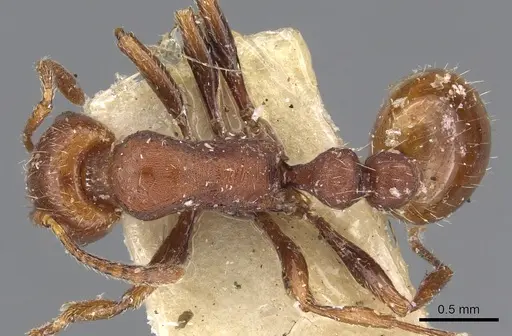
Literature
Loading...Loading products...