

Cephalotes pileini
- Scientific Name
- Cephalotes pileini
- Tribe
- Attini
- Subfamily
- Myrmicinae
- Author
- De Andrade, 1999
- Distribution
- Found in 1 countries
Cephalotes pileini Overview
Cephalotes pileini is an ant species of the genus Cephalotes. It is primarily documented in 1 countries , including Argentina. Detailed taxonomic data and occurrence records can be further explored via authoritative databases such as AntWeb or the Global Biodiversity Information Facility (GBIF).
Cephalotes pileini
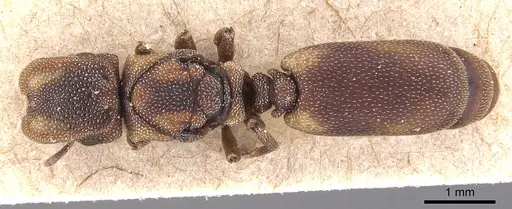
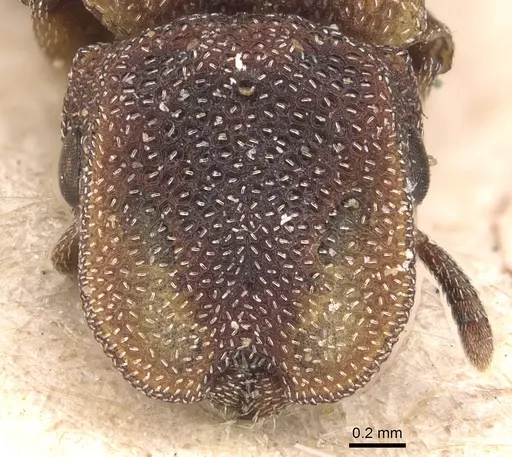
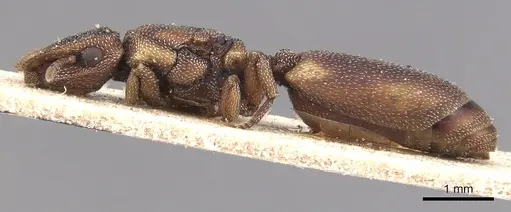
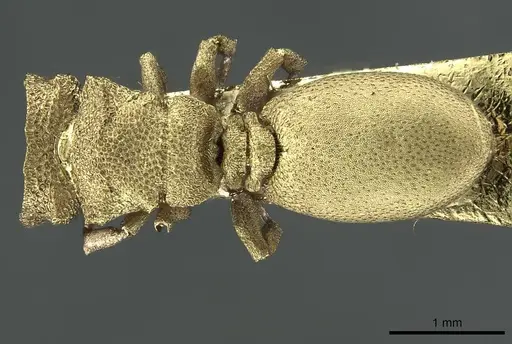
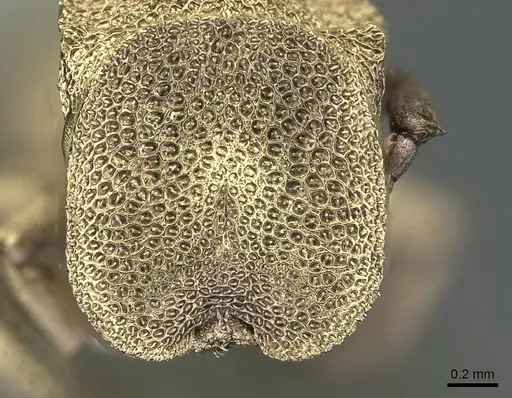
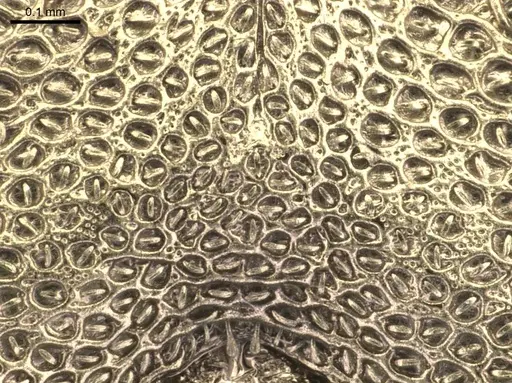
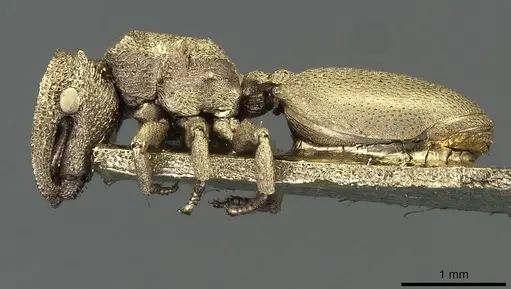
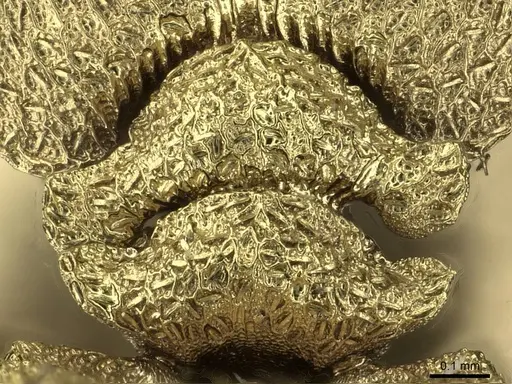
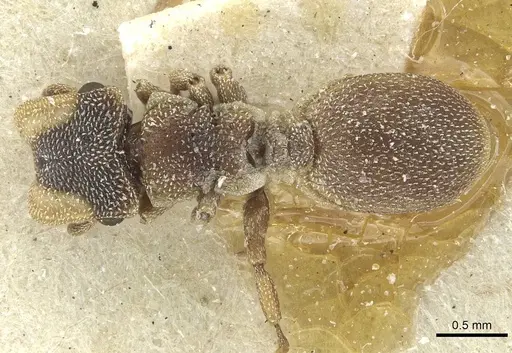
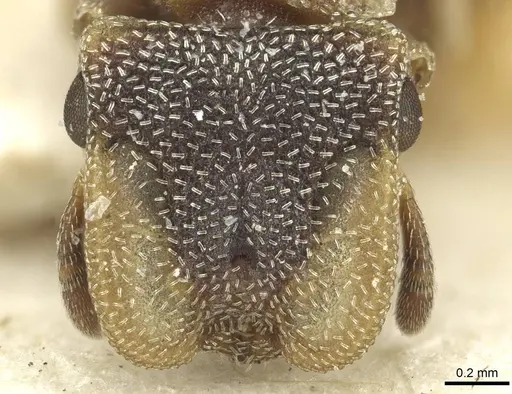
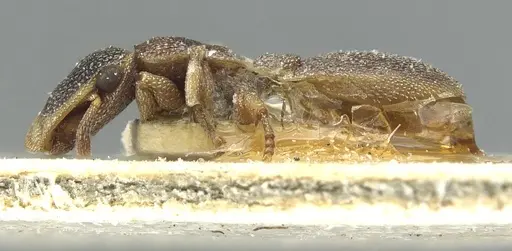
Cephalotes pileini is a small to medium-sized turtle ant from Argentina, belonging to the pinelii clade. Workers measure 3.55-4.44mm, soldiers 5.14-5.40mm, and queens 6.72-7.00mm. The species has the distinctive disk-like body shape typical of turtle ants, with dark brown coloration, orange semi-transparent frontal carinae, and yellowish membranaceous expansions along the sides of the mesosoma, pedicel, and gaster. This species was originally confused with Cephalotes pinelii but was described as a separate species in 1999 based on specimens from Córdoba, Argentina [1]. Like other Cephalotes, they have a specialized soldier caste with large, flattened heads that can block nest entrances. The biology of this specific species remains unstudied, but it belongs to a genus known for cavity-nesting habits and relatively slow colony growth.
Quick Summary
- Difficulty: Medium
- Origin & Habitat: Córdoba, Argentina, the type locality is La Carlota in central Argentina [2]. This region has a temperate to subtropical climate with distinct seasons. In the wild, Cephalotes species typically nest in pre-existing cavities such as hollow twigs, rotten wood, and abandoned beetle burrows in forest edges and tree hollows.
- Colony Type: Single-queen (monogyne) colonies based on typical Cephalotes genus patterns. The colony includes a distinct soldier caste with enlarged, disk-like heads used for nest defense.
- Colony: Monogyne
- Founding: Claustral
- Size & Growth:
- Queen: 6.72-7.00mm
- Worker: 3.55-4.44mm
- Colony: Estimated up to several hundred workers based on typical Cephalotes colony sizes
- Growth: Moderate, Cephalotes colonies typically grow more slowly than many Myrmicinae
- Development: Estimated 8-12 weeks based on typical Cephalotes development patterns (Development time is inferred from genus-level data since species-specific studies are unavailable. Turtle ants generally have longer development times than many common ant species.)
- Antkeeping:
- Temperature: Keep at 22-26°C. Based on the temperate location of Córdoba, Argentina, this species can likely tolerate slightly cooler conditions than tropical Cephalotes. Provide a gentle temperature gradient so ants can self-regulate.
- Humidity: Moderate humidity around 50-70%. Turtle ants prefer nest cavities that are moist but not waterlogged. Provide a water tube for drinking and maintain slight moisture in the nest substrate.
- Diapause: Likely, Based on the temperate climate of Córdoba, Argentina, this species probably requires a winter rest period. Reduce temperature to 15-18°C for 2-3 months during winter.
- Nesting: Cephalotes are cavity-nesters. Use nests with narrow chambers and small entrance holes that soldiers can block. Y-tong (AAC) nests, plaster nests, or naturalistic setups with hollow twigs work well. The entrance should be small enough for soldiers to defend effectively.
- Behavior: Turtle ants are generally calm and not aggressive. Workers forage slowly and methodically. The soldier caste has large, disk-like heads that can plug nest entrances for defense. They are not known for stinging and pose no danger to keepers. Escape risk is moderate, their small size means they can fit through small gaps, so use fine mesh barriers. They are not fast-moving ants and are interesting to watch due to their unique body shape and soldier defense behavior.
- Common Issues: slow growth can frustrate beginners who expect rapid colony development, cavity-nesting requirements mean they need appropriate nest structures with small entrances, escape prevention is important due to their small worker size, lack of available care information since the species biology is unstudied, winter dormancy requirements may be unfamiliar to keepers used to tropical species
Housing and Nest Setup
Cephalotes pileini requires a nest with small cavities and narrow passages scaled to their body size. The most important feature is a small entrance hole, this is what makes turtle ants unique. The soldiers use their large, disk-like heads to plug the entrance, defending the colony. A Y-tong (AAC) nest works well because you can control the entrance size. Alternatively, a plaster nest with small chambers or a naturalistic setup with hollow twigs and small entrance holes mimics their natural nesting in tree cavities. The nest should be dark since turtle ants prefer enclosed spaces. Avoid tall, open spaces that stress these ants.
Feeding and Diet
Like other Cephalotes species, these ants likely accept a varied diet. Offer sugar water or honey as a constant energy source. For protein, provide small insects like fruit flies, pinhead crickets, or mealworms. Turtle ants are foragers that collect honeydew from aphids in the wild, so they may also accept sugar sources readily. Feed protein 2-3 times per week depending on colony size, and keep sugar water available at all times. Remove uneaten prey after 24-48 hours to prevent mold.
Temperature and Seasonal Care
Keep the nest area at 22-26°C. Since this species comes from Córdoba, Argentina, a temperate region, it can likely tolerate temperatures on the cooler end of this range. A heating cable on one side of the nest creates a temperature gradient that lets ants choose their preferred spot. During winter (roughly November-February in the Northern Hemisphere), reduce temperature to 15-18°C to simulate their natural seasonal cycle. This winter rest period is important for colony health and may trigger reproductive behavior in the spring. Do not cool them suddenly, reduce temperature gradually over 1-2 weeks.
Behavior and Colony Dynamics
Cephalotes pileini has a distinct soldier caste, workers with enlarged, flattened heads that serve as living doorstops. When threatened, soldiers move to the nest entrance and block it with their heads. This is one of the most fascinating behaviors in antkeeping and makes turtle ants particularly interesting to observe. Workers are slow-moving and methodical foragers. The colony will likely have a moderate number of soldiers proportional to worker count. Queens are significantly larger than workers (6.72-7.00mm vs 3.55-4.44mm) and should be well-protected during founding. These ants are not aggressive and pose no sting risk to keepers.
Frequently Asked Questions
How long does it take for Cephalotes pileini to produce first workers?
Based on typical Cephalotes development, expect 8-12 weeks from egg to first worker at optimal temperature (around 24°C). This is slower than many common ant species, so patience is required. The queen will remain sealed in her founding chamber until her first workers emerge.
What size nest do I need for Cephalotes pileini?
Use a nest with small chambers and passages scaled to their tiny worker size (3.55-4.44mm). The most critical feature is a small entrance hole, Y-tong nests or plaster nests with adjustable entrances work well. The entrance should be small enough that soldiers can effectively block it.
Can I keep multiple queens together?
No. Cephalotes are typically single-queen (monogyne) species. Combining unrelated queens will likely result in fighting. Only keep one queen per colony unless you have specific evidence of multi-queen behavior for this species.
What do Cephalotes pileini eat?
Offer sugar water or honey constantly for energy. For protein, provide small insects like fruit flies, small crickets, or mealworms 2-3 times per week. Remove uneaten prey after a day or two to prevent mold issues.
Do Cephalotes pileini need hibernation?
Likely yes. Based on their origin in Córdoba, Argentina (a temperate region), they probably need a winter rest period. Reduce temperature to 15-18°C for 2-3 months during winter. This mimics their natural seasonal cycle and may be necessary for colony health and reproduction.
Are Cephalotes pileini good for beginners?
This species is rated as Medium difficulty. While not aggressive and interesting to watch, the lack of species-specific biology data and their slower growth may challenge complete beginners. If you're interested in turtle ants and willing to research, they can be rewarding.
How big do Cephalotes pileini colonies get?
Based on typical Cephalotes colony sizes, expect several hundred workers at maturity. Growth is moderate and slower than many common ant species. Colonies will include a soldier caste proportional to worker population.
When should I move Cephalotes pileini to a formicarium?
Keep them in a test tube setup for the founding stage. Once the colony reaches 20-30 workers and you see the first soldiers, you can consider moving to a proper nest. Make sure the new nest has appropriately sized chambers and a small entrance.
References

This caresheet is licensed under CC BY-SA 4.0 .
Literature
Loading...Loading products...