

Cephalotes pinelii
- Scientific Name
- Cephalotes pinelii
- Tribe
- Attini
- Subfamily
- Myrmicinae
- Author
- Guérin-Méneville, 1844
- Distribution
- Found in 3 countries
Cephalotes pinelii Overview
Cephalotes pinelii is an ant species of the genus Cephalotes. It is primarily documented in 3 countries , including Argentina, Brazil, Mexico. Detailed taxonomic data and occurrence records can be further explored via authoritative databases such as AntWeb or the Global Biodiversity Information Facility (GBIF).
Cephalotes pinelii
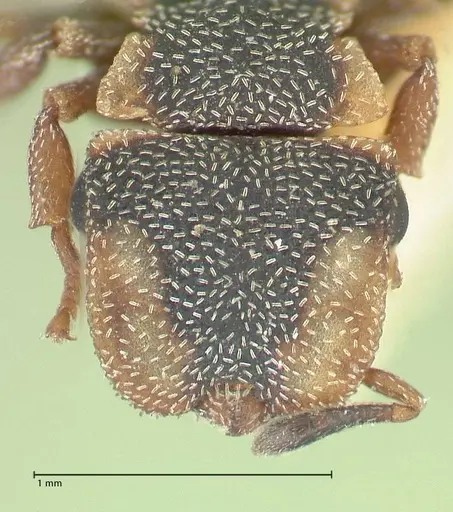
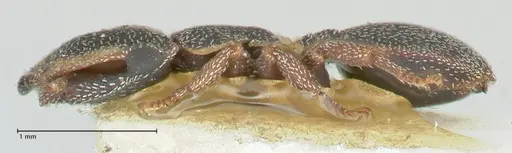
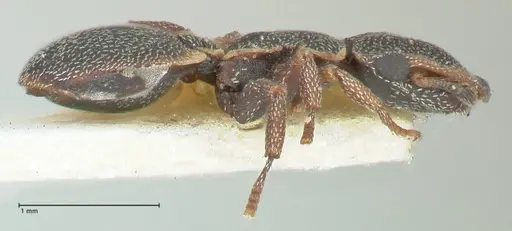
Cephalotes pinelii is a small to medium-sized turtle ant native to the Neotropical region of South America, found in Brazil, Paraguay, and northern Argentina [1]. Workers measure 3.5-4.1mm with a distinctive flattened body shape typical of turtle ants, featuring a broad head and gaster. The species shows color variation from brownish-black to ferruginous, with pale membranaceous borders on the frontal carinae, thorax, and gaster. This species belongs to the pinelii clade and can be identified by its relatively shallow sculpture and elongated gaster compared to close relatives.
Quick Summary
- Difficulty: Medium
- Origin & Habitat: Native to the Neotropical region, Brazil, Paraguay, and Argentina. Found in Brazilian Savanna (Cerrado) environments where they inhabit all vertical strata from soil to tree canopy [2]. Also recorded in urban areas of southern Brazil [3].
- Colony Type: Colony structure is unconfirmed. Based on genus patterns, Cephalotes species typically have single-queen colonies (monogyne), though some species show flexibility. Queens are fully winged and claustral-founders.
- Colony: Monogyne
- Founding: Claustral
- Size & Growth:
- Queen: 6.5-7.0mm
- Worker: 3.5-4.1mm
- Colony: Unknown for this specific species. Based on genus patterns, colonies likely reach several hundred workers.
- Growth: Unknown, estimated moderate based on related species
- Development: 6-10 weeks (estimated based on typical Myrmicinae development) (Development timeline is unconfirmed for this species. Estimates based on genus-level patterns for tropical Myrmicinae.)
- Antkeeping:
- Temperature: Keep at 24-28°C. As a tropical Neotropical species, they prefer warm conditions. A heating cable on one side of the nest creates a suitable gradient.
- Humidity: Moderate to high humidity (60-80%). Keep nest substrate slightly moist but not waterlogged. Provide a water tube for drinking access.
- Diapause: No, as a tropical species, they do not require hibernation. Maintain consistent temperatures year-round.
- Nesting: In nature, they nest in dead wood, bamboo stems, and plant cavities. In captivity, Y-tong (AAC) nests or naturalistic setups with wood/decaying wood material work well. They prefer tight, enclosed spaces.
- Behavior: Turtle ants are generally calm and non-aggressive. Workers are slow-moving and primarily forage for nectar, honeydew, and small insects. They have a specialized defense mechanism where they can lock their legs and present their shield-like head/soldier caste if present. Escape risk is moderate, use standard barrier methods but they are not strong climbers.
- Common Issues: limited biology data makes specific care recommendations uncertain, tropical humidity requirements can be challenging to maintain consistently, wild-caught colonies may have parasites or diseases, slow colony growth may lead to keeper impatience and overfeeding, nesting preferences require specific setup, they need wood or cavity-like structures
Nest Preferences
Cephalotes pinelii naturally nests in hollow plant structures like dead wood, bamboo, and pre-formed plant cavities. In captivity, they do well in Y-tong (AAC) nests or naturalistic setups that provide enclosed spaces. They prefer nests with narrow chambers and passages that match their body size. Avoid tall, open spaces, these ants feel safest in tight, dark cavities. A test tube setup can work for founding colonies, but transfer to a more naturalistic or acrylic nest once the colony reaches 20-30 workers. The nest material should include some decaying wood or wood-like structure to mimic their natural nesting sites. [1]
Feeding and Diet
Turtle ants are omnivorous with a preference for carbohydrate sources. In captivity, offer sugar water or honey regularly (every 2-3 days). They also accept small insects like fruit flies, pinhead crickets, and mealworms as protein. Based on genus behavior, they likely forage for nectar and honeydew in nature, so a varied diet is important. Feed protein 1-2 times per week depending on colony size. Remove uneaten prey after 24 hours to prevent mold. Fresh water should always be available, a shallow water tube or cotton ball works well.
Temperature and Care
As a tropical species from Brazil and surrounding countries, Cephalotes pinelii requires warm temperatures. Keep the nest area at 24-28°C during the active season. A small heating cable placed on one side of the nest creates a gentle gradient allowing ants to self-regulate. Place the heating on top of the nest, not underneath, to avoid excessive drying. Room temperature (22-25°C) may be acceptable if your home stays in this range. They do not require hibernation or diapause, maintain consistent temperatures year-round. Avoid temperature drops below 20°C for extended periods. [2]
Behavior and Temperament
Cephalotes pinelii is a calm, non-aggressive species. Workers are relatively slow-moving compared to many Myrmicinae. They are not known for stinging, their primary defense is the soldier's shield-like head which can block nest entrances. These ants are not aggressive escape artists, but standard barrier methods (Fluon, talcum powder barrier) should still be used. They are primarily foragers rather than active hunters, searching for sugary substances and small prey. Colony activity increases with warmer temperatures. Queens are fully winged and capable of nuptial flight, though specific timing is unknown.
Colony Growth and Development
Specific development data for Cephalotes pinelii is not documented in scientific literature. Based on typical Myrmicinae patterns and related Cephalotes species, expect 6-10 weeks from egg to first worker at optimal temperature (around 26°C). Founding colonies grow slowly, the queen raises nanitic (first) workers alone, and these initial workers are typically smaller than mature workers. Colony growth accelerates once the first workers establish foraging and the queen can focus on egg production. A healthy established colony may reach several hundred workers over 1-2 years under good conditions.
Handling and Observation
Turtle ants are among the more handleable ant species due to their calm temperament. Workers can be gently coaxed onto a paintbrush or leaf for observation. They do not readily bite or sting, making them suitable for ant keepers who want to observe their colonies up close. However, always minimize handling to reduce stress. Their interesting morphology, especially the broad, flattened head, makes them visually distinctive. Watching workers navigate and forage provides good entertainment. The soldier caste, if present in your colony, has an impressively modified head used for defense.
Frequently Asked Questions
How long does it take for Cephalotes pinelii to produce first workers?
The egg-to-worker timeline is unconfirmed for this specific species. Based on typical Myrmicinae development and genus patterns, expect 6-10 weeks at optimal temperature (around 26°C). Be patient, founding colonies grow slowly as the queen must raise her first workers alone.
Can I keep Cephalotes pinelii in a test tube setup?
Yes, test tubes work well for founding colonies. Keep the water reservoir at a moderate level to prevent flooding, and ensure the tube is in a dark, quiet location. Once the colony reaches 20-30 workers, consider moving them to a more naturalistic setup or Y-tong nest with wood material.
What do Cephalotes pinelii ants eat?
They are omnivorous with a preference for carbohydrates. Offer sugar water or honey 2-3 times per week, and small insects like fruit flies or pinhead crickets 1-2 times weekly as protein. Remove uneaten prey after 24 hours. Always provide fresh water.
Are Cephalotes pinelii good for beginners?
They are rated Medium difficulty. While generally calm and easy to care for, the main challenge is their limited documented biology, you may need to adapt care based on colony behavior. Their tropical temperature and humidity requirements are straightforward but must be maintained consistently.
Do Cephalotes pinelii need hibernation?
No, they do not require hibernation. As a tropical Neotropical species, they prefer consistent warm temperatures year-round. Maintain 24-28°C throughout the year.
When should I move my colony to a formicarium?
Move from test tube to a proper nest (Y-tong, acrylic, or naturalistic) once the colony reaches 20-30 workers. They prefer nests with wood material or cavity-like structures. Ensure the new setup maintains appropriate humidity.
How big do Cephalotes pinelii colonies get?
Colony size is unconfirmed for this specific species. Based on genus patterns, established colonies likely reach several hundred workers over 1-2 years. They are not among the largest Cephalotes species.
Can I keep multiple Cephalotes pinelii queens together?
Colony structure is not well-documented for this species. Based on typical Cephalotes behavior, single-queen colonies are most common. Combining unrelated queens is not recommended as it has not been studied for this species.
What is the best nest type for Cephalotes pinelii?
Y-tong (AAC) nests or naturalistic setups with decaying wood material work best. They prefer tight, enclosed chambers that mimic their natural hollow plant nesting sites. Avoid bare acrylic nests without substrate.
Why are my Cephalotes pinelii dying?
Common causes include: temperatures below 20°C, low humidity (below 50%), mold from overfeeding or poor ventilation, or parasites from wild-caught colonies. Review temperature, humidity, and feeding practices. If the colony came from the wild, parasites are a strong possibility.
Where is Cephalotes pinelii found in the wild?
They are native to the Neotropical region, specifically Brazil, Paraguay, and northern Argentina. They inhabit Brazilian Savanna (Cerrado) environments and have been recorded in urban areas of southern Brazil.
References

This caresheet is licensed under CC BY-SA 4.0 .
FOCOL2150
View on AntWeb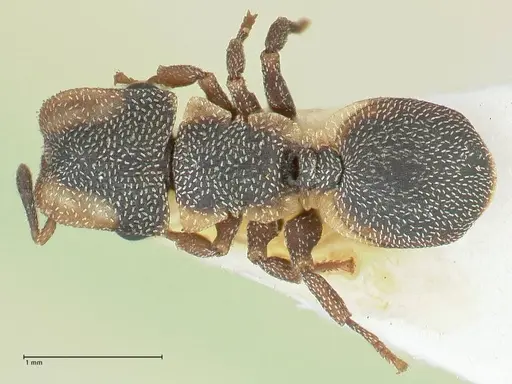
Literature
Loading...Loading products...