

Cephalotes persimplex
- Scientific Name
- Cephalotes persimplex
- Tribe
- Attini
- Subfamily
- Myrmicinae
- Author
- De Andrade, 1999
- Distribution
- Found in 1 countries
Cephalotes persimplex Overview
Cephalotes persimplex is an ant species of the genus Cephalotes. It is primarily documented in 1 countries , including Bolivia, Plurinational State of. Detailed taxonomic data and occurrence records can be further explored via authoritative databases such as AntWeb or the Global Biodiversity Information Facility (GBIF).
Cephalotes persimplex
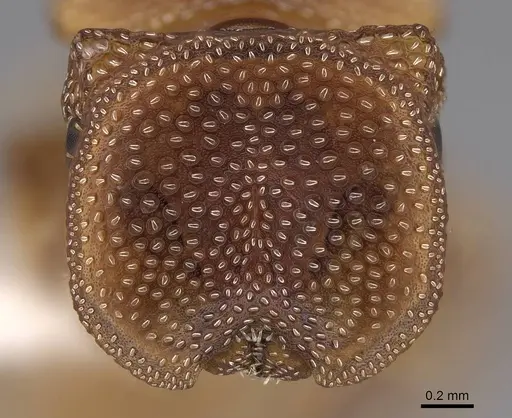
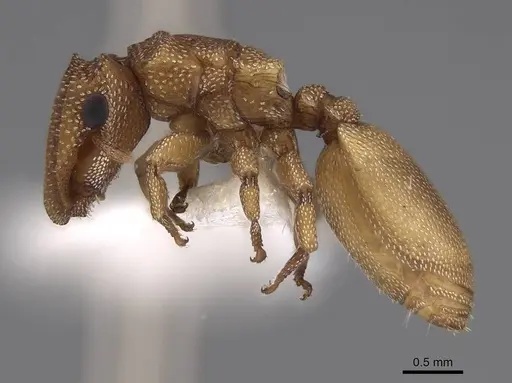
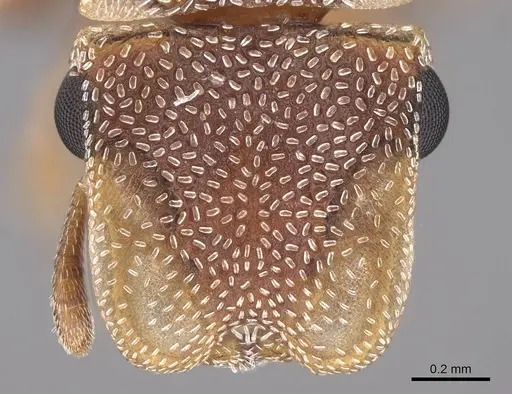
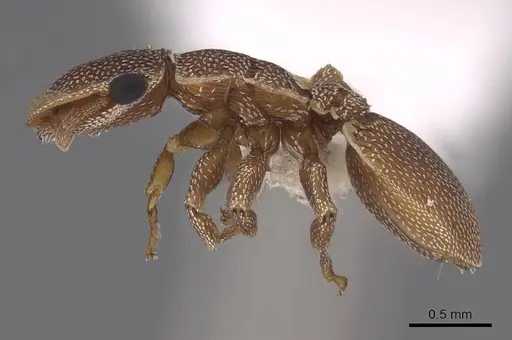
Cephalotes persimplex is a small to medium-sized turtle ant species native to the Neotropical region of Bolivia and Brazil. Workers measure 3.8-4.9mm with a distinctive flattened body and thick whitish hairs that give them a frosted appearance. The head is subquadrate with distinctive frontal carinae covering much of the mandibles. Like other Cephalotes, they have broad membranaceous expansions along the sides of their body, thin, leaf-like structures that help with camouflage and defense. Soldiers are larger at 5.3-5.4mm with an even more pronounced flattened head disc, while queens reach 7.3-8.1mm [1]. This species belongs to the grandinosus clade and was previously confused with Cephalotes grandinosus before being described in 1999 [1].
Quick Summary
- Difficulty: Expert
- Origin & Habitat: Native to the Neotropical region, specifically Bolivia and Brazil. Found in the Chacoan region according to distribution data [2]. As with other Cephalotes, they likely nest in hollow twigs, stems, or rotting wood in forested areas.
- Colony Type: Colony structure is unconfirmed. Based on genus patterns, Cephalotes species typically have single-queen colonies, but this has not been documented for C. persimplex specifically.
- Size & Growth:
- Queen: 7.26-8.12mm [1]
- Worker: 3.80-4.88mm [1]
- Colony: Unknown, not documented in available research
- Growth: Unknown, no development data available for this species
- Development: Unknown, no direct measurements exist. Based on typical Cephalotes patterns, estimate 6-10 weeks at optimal temperature, but this is a rough guess. (Development timeline has not been studied for this species. Any estimate would be based on genus-level patterns rather than species-specific data.)
- Antkeeping:
- Temperature: Keep at 24-28°C as a starting point. This is based on typical Neotropical ant requirements, adjust based on colony activity and observe for signs of stress. No species-specific thermal data exists.
- Humidity: Moderate to high humidity is likely needed, similar to other Cephalotes species. Keep nest substrate slightly moist but not waterlogged. Ensure good ventilation to prevent mold while maintaining moisture.
- Diapause: Unknown, no research on overwintering requirements for this species. As a Neotropical species from Bolivia/Brazil, they may not require true hibernation but may have reduced activity periods.
- Nesting: Based on genus patterns, they likely nest in hollow twigs, stems, or rotting wood in captivity. A naturalistic setup with narrow chambers or a Y-tong/plaster nest with small passages works well for their flattened body shape. Avoid large open spaces, they prefer tight, enclosed spaces.
- Behavior: Turtle ants are known for their defensive behaviors. Soldiers can block nest entrances with their flattened head disc, this is a key defense mechanism for the genus. They are likely less aggressive than some ants but will defend their nest vigorously. Workers are medium-sized and can escape through small gaps, so escape prevention should be moderate. They likely forage for honeydew and small insects, consistent with the Attini tribe feeding patterns.
- Common Issues: No biological data exists, everything about their care is inferred from genus patterns, not species-specific research, Colony may fail if kept at incorrect temperature or humidity since we don't know their exact requirements, Slow growth and lack of documented captive breeding success makes this species challenging, Wild-caught colonies may have parasites or diseases that are poorly understood for this species, Escape prevention is important, their small worker size means they can slip through standard barriers
Species Identification and Distinction
Cephalotes persimplex was described in 1999 by de Andrade and Baroni Urbani and was previously confused with Cephalotes grandinosus. The name 'persimplex' comes from Latin meaning 'very easy', referring to how easily this species can be distinguished from C. grandinosus once you know what to look for. Workers of C. persimplex have smaller foveae (small pits) on the cephalic dorsum and broader whitish body hairs compared to C. grandinosus. They also share characteristics with C. persimilis, but can be distinguished by curved and thinner body hairs and the mesosoma with irregular foveae superimposed by longitudinal rugosities. The species has three castes: workers (3.8-4.9mm), soldiers (5.3-5.4mm), and queens (7.3-8.1mm). The soldier caste has a distinctive concave head disc with raised borders that they can use to block nest entrances, a classic turtle ant defense mechanism [1].
Distribution and Habitat
Cephalotes persimplex is found in the Neotropical region, specifically in Bolivia and Brazil. The type locality is Reyes, Bolivia, collected during the Mulford Biological Expedition of 1921-1922. The species is part of the Chacoan region distribution pattern according to research [2]. In the wild, Cephalotes species typically nest in hollow twigs, stems, rotting wood, or under bark in forested habitats. They are arboreal or semi-arboreal, preferring humid forest environments. For captive care, replicate these conditions with a naturalistic setup that provides narrow, enclosed spaces similar to the hollow twigs they would use in nature [1][2].
Feeding and Diet
While specific feeding data for C. persimplex does not exist, Cephalotes species are in the tribe Attini, which typically have specialized diets. Research shows that turtle ants have conserved gut microbiomes that help them obtain nutrients from specialized diets [3]. They likely feed on honeydew from aphids and scale insects, as well as small insects and other protein sources. In captivity, offer a varied diet including sugar water or honey, small live prey like fruit flies or pinhead crickets, and observe what they accept. Based on gut microbiome research, they may have specific nutritional requirements tied to their specialized digestive systems [4]. Do not rely on sugar sources alone, ensure protein is available regularly.
Nesting in Captivity
Cephalotes ants have distinctive flattened bodies adapted for moving through narrow spaces in their natural nests (hollow twigs and stems). In captivity, they need nests with tight chambers and narrow passages that match their body shape. Y-tong (acrylic) nests or plaster nests with appropriately sized chambers work well. Naturalistic setups with flat stones over moist substrate can also work, as this mimics the under-stone or hollow-twig microhabitats they use in the wild. Avoid tall, open spaces, they prefer horizontal tight spaces. The soldier caste's ability to block nest entrances with their head means they should have appropriately sized chambers where this behavior can be expressed [1].
Research and Knowledge Gaps
It cannot be overstated how little is known about Cephalotes persimplex specifically. The AntWiki explicitly states that nothing is known about the biology of this species. All care recommendations must be based on genus-level patterns from related species, not species-specific data. This makes C. persimplex an expert-level species, only antkeepers comfortable with significant uncertainty and experimental care approaches should attempt to keep this species. There is no data on: founding behavior, colony development timeline, exact temperature/humidity requirements, diapause needs, or captive breeding success. Each colony will essentially be an experiment in learning what this species needs. If you keep this species, documenting your observations carefully would contribute valuable information to the antkeeping community [5].
Frequently Asked Questions
How long does it take for Cephalotes persimplex to produce first workers?
The egg-to-worker timeline is completely unknown for this species. There is no scientific data on their development. Based on typical Cephalotes genus patterns, it might take 6-10 weeks, but this is a rough estimate with low confidence. Your colony may be faster or slower, you will need to observe and document your own findings.
What do Cephalotes persimplex ants eat?
Specific feeding data does not exist for this species. Based on genus patterns and their gut microbiome research, they likely need a mix of sugar sources (honeydew, sugar water) and protein (small insects). Offer varied foods and observe acceptance. Their specialized gut bacteria may mean they have unique nutritional needs [3][4].
Are Cephalotes persimplex good for beginners?
No. This species is not recommended for beginners. There is absolutely no biological or husbandry data available, everything about their care must be inferred from genus patterns. Keeping this species successfully requires significant antkeeping experience and comfort with uncertainty. You will essentially be experimenting to learn what they need.
Can I keep multiple Cephalotes persimplex queens together?
This is unknown. There is no data on colony structure or queen behavior for this specific species. Some Cephalotes are monogyne (single queen) but colony structure has not been documented for C. persimplex. Do not attempt combining unrelated queens without research specific to this species.
What temperature should I keep Cephalotes persimplex at?
No species-specific data exists. As a Neotropical species from Bolivia/Brazil, start around 24-28°C and observe colony behavior. If workers are sluggish, slightly increase temperature. If they avoid the heated area, reduce temperature. This is experimental guidance based on general Neotropical ant requirements, not confirmed optimal conditions.
Do Cephalotes persimplex need hibernation?
Diapause requirements are completely unknown for this species. As a Neotropical species from Bolivia/Brazil, they may not require true hibernation but might have seasonal periods of reduced activity. Monitor your colony for natural slowdowns and adjust care accordingly. There is no research to provide specific guidance.
What size nest do Cephalotes persimplex need?
Use nests with tight chambers and narrow passages scaled to their worker size (3.8-4.9mm). They have flattened bodies adapted for narrow spaces, so avoid large open chambers. Y-tong nests with small chambers or plaster nests work well. Naturalistic setups with flat stones also mimic their natural hollow-twig habitat.
How big do Cephalotes persimplex colonies get?
Maximum colony size is unknown, no colony size data exists in scientific literature for this species. Related Cephalotes species typically have colonies ranging from dozens to a few hundred workers. Your colony's ultimate size is unknown and will require patient observation over many years.
Why are my Cephalotes persimplex dying?
Without any species-specific data, diagnosing problems is extremely difficult. Common issues could be: incorrect temperature/humidity (we don't know what is correct), stress from poor nesting conditions, inadequate diet, or disease. Document everything about your setup and conditions. Consider trying different temperature gradients, humidity levels, and food types. This species is experimental, some colony losses should be expected.
References

This caresheet is licensed under CC BY-SA 4.0 .
CASENT0922543
View on AntWeb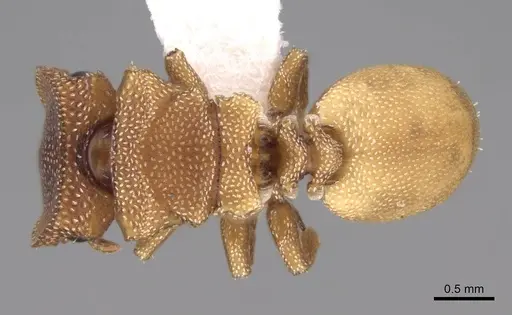
CASENT0922544
View on AntWeb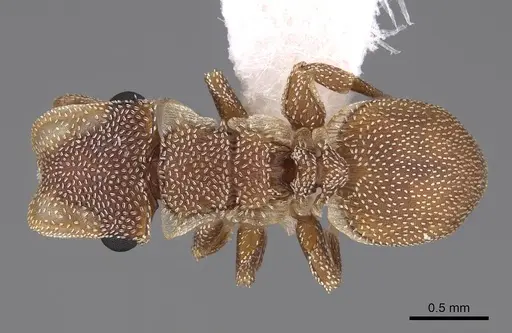
Literature
Loading...Loading products...