

Cephalotes grandinosus
- Scientific Name
- Cephalotes grandinosus
- Tribe
- Attini
- Subfamily
- Myrmicinae
- Author
- Smith, 1860
- Distribution
- Found in 8 countries
Cephalotes grandinosus Overview
Cephalotes grandinosus is an ant species of the genus Cephalotes. It is primarily documented in 8 countries , including Bolivia, Plurinational State of, Brazil. Detailed taxonomic data and occurrence records can be further explored via authoritative databases such as AntWeb or the Global Biodiversity Information Facility (GBIF).
Cephalotes grandinosus
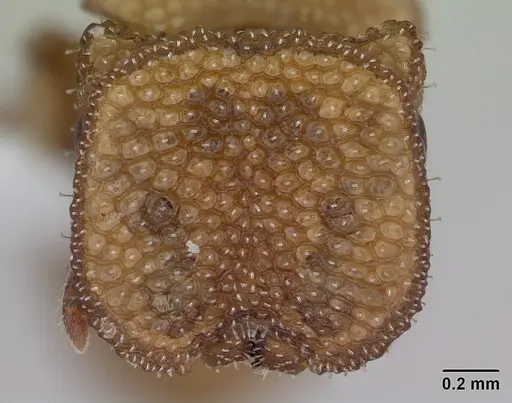
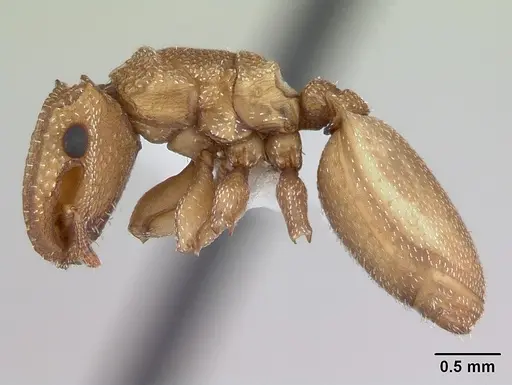
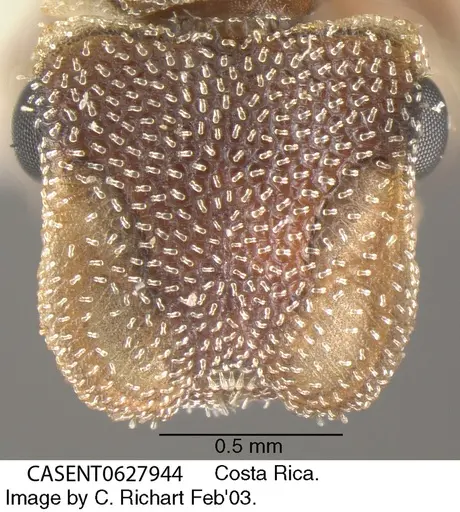
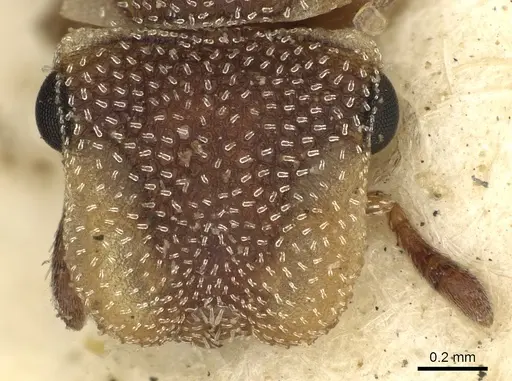
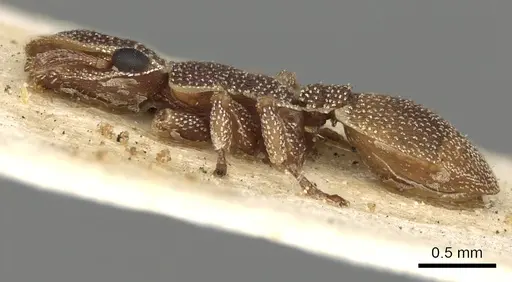
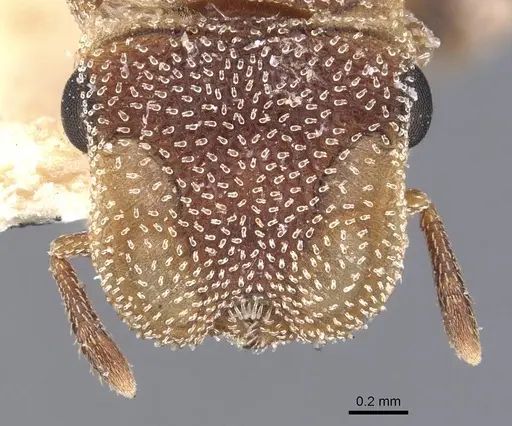
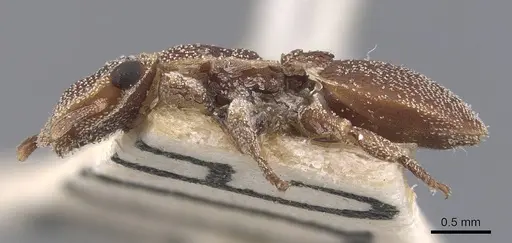
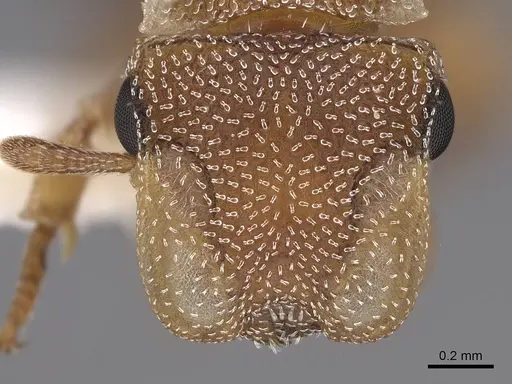
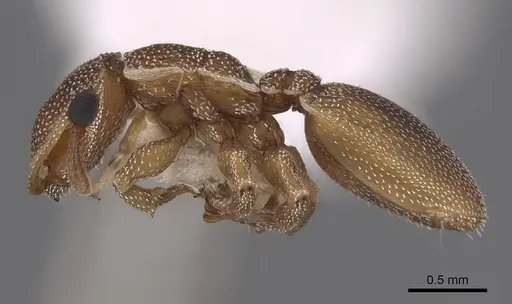
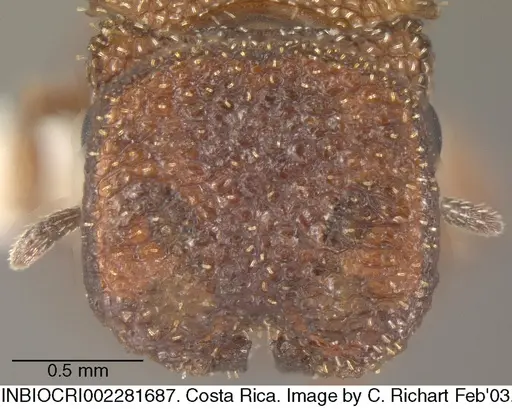
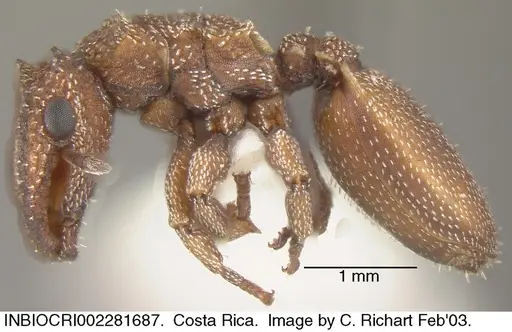
Cephalotes grandinosus is a Neotropical turtle ant found across Central and South America, from Costa Rica to Brazil and Bolivia. Workers measure 2.5-4mm with distinctive flattened, membranous expansions along the sides of their head, mesosoma, and gaster that give them a turtle-like appearance. Soldiers are larger at 5-5.4mm with a specialized head disc used for blocking nest entrances. Queens reach 6.9-7mm. This species belongs to the grandinosus clade, characterized by large, irregular foveae (pits) on the head. They are arboreal ants that nest in hollow twigs and dead wood in forest canopies, typically at heights of 1-2 meters above ground [1][2].
What makes C. grandinosus stand out is their role as specialized nectar and pollen collectors within the Cephalotini tribe. Unlike many ants that primarily hunt prey, these turtle ants are more herbivorous, feeding on plant-derived resources like extrafloral nectar and pollen. They play an important ecological role as visitors to extrafloral nectaries in cerrado and forest ecosystems, and they have a unique gut microbiome that helps them recycle nitrogen from their plant-based diet [3][4].
Quick Summary
- Difficulty: Medium
- Origin & Habitat: Neotropical region, found in Costa Rica, Panama, Colombia, Venezuela, Trinidad and Tobago, Guyana, Brazil, and Bolivia. Inhabits tropical deciduous and rain forests, cerrado savanna, and seasonally dry forests at elevations from 2m to 1105m. Nests arboreally in rotten twigs and fallen trunks, typically 1-1.5m above ground [1][2][5].
- Colony Type: Monogyne, single queen colonies. Colonies are relatively small compared to many Myrmicinae, with workers numbering in the dozens to low hundreds based on typical Cephalotes patterns.
- Colony: Monogyne
- Founding: Claustral
- Size & Growth:
- Queen: 6.96-7.08mm
- Worker: 2.52-4.12mm
- Colony: Estimated dozens to low hundreds, specific data unavailable but typical for genus
- Growth: Moderate, based on typical Cephalotes development
- Development: 6-10 weeks at tropical temperatures, estimate based on related Cephalotes species (Development times are not specifically documented for this species. Expect slower growth than fast-developing Myrmicinae like Pheidole.)
- Antkeeping:
- Temperature: Keep at 24-28°C, they are tropical ants from warm, humid forests. A gentle gradient allowing them to move between warmer and cooler areas is ideal.
- Humidity: High humidity (70-85%), these are forest canopy ants that need moist conditions. Keep nesting area consistently humid but not waterlogged. Provide a water tube for drinking.
- Diapause: No, as a tropical species, they do not require hibernation. Keep temperatures stable year-round.
- Nesting: Arboreal setup is essential. Use a naturalistic setup with vertically oriented nest chambers, or a Y-tong/plaster nest with narrow passages. They naturally nest in hollow twigs and dead wood, so provide appropriately sized cavities. Avoid deep soil-based setups, they are not ground-nesting ants.
- Behavior: Turtle ants are generally peaceful and avoid aggressive interactions with other ant species. Workers forage primarily in the canopy, often descending to ground level to forage. They are not aggressive defenders and rely on their cryptic coloration and flattened body expansions for protection. Soldiers use their specialized head disc to block nest entrances. Escape risk is moderate, their small size means they can squeeze through small gaps, but they are not particularly active escape artists like some Myrmicinae. They are slow-moving compared to many ants [6][2].
- Common Issues: arboreal nesting requirements, they will not do well in standard underground test tube setups, humidity control, dry conditions quickly lead to colony decline, escape prevention, small workers can slip through standard gaps despite their size, slow growth, beginners may lose patience with moderate development speed, wild-caught colonies may have parasites that are difficult to treat
Nest Preferences and Housing
Cephalotes grandinosus is an arboreal species that requires housing that mimics their natural canopy nesting sites. In the wild, they nest in hollow twigs, dead branches, and rotting wood typically 1-2 meters above ground [5]. For captive care, a naturalistic setup with vertically oriented nest chambers works best. You can use a Y-tong (acrylic) nest with appropriately scaled chambers, or create a naturalistic setup using cork bark or wooden branches with pre-drilled cavities.
Avoid deep, soil-based formicaria, these ants are not ground nesters and will struggle in underground setups. The nest chambers should be relatively small and tight-fitting to the colony size. Provide multiple chambers connected by narrow tunnels. Include a water reservoir or moisture source to maintain humidity, but avoid direct water contact with the nest.
The outworld should include vertical structures like twigs, leaves, or mesh that allows them to forage naturally. They are poor climbers on smooth surfaces, so provide textured climbing paths. A small water tube or damp cotton ball should be available for drinking.
Feeding and Diet
As members of the tribe Cephalotini, C. grandinosus are more herbivorous than most ants. In their natural habitat, they feed on nectar from extrafloral nectaries and pollen. Studies show they are principal visitors to extrafloral nectaries in cerrado vegetation, feeding on plants like Ouratea hexasperma [4]. They also collect nectar and pollen, and are considered omnivorous with a strong preference for plant-derived resources [6].
For captive feeding, offer sugar water or honey as a constant energy source. They will readily accept honey diluted with water. For protein, offer small insects like fruit flies, pinhead crickets, or mealworms. Given their small worker size (2.5-4mm), prey items should be appropriately sized. Some keepers report success with pollen as a supplemental food source.
Feed sugar sources continuously, replace every 2-3 days. Offer protein 1-2 times per week, removing uneaten prey after 24 hours. Adjust feeding based on colony size and consumption rates. A well-fed colony will have workers with distended abdomens (physogastric appearance) storing food for the colony.
Temperature and Humidity
As a Neotropical species from tropical forests, C. grandinosus requires warm, humid conditions. Maintain temperatures between 24-28°C, with a gentle gradient allowing workers to self-regulate. Avoid temperatures below 22°C or above 30°C for extended periods. Room temperature in most homes (20-24°C) may be too cool, consider using a small heating mat on one side of the enclosure to create a warm zone.
Humidity is critical, aim for 70-85% relative humidity in the nest area. Use a water tube or moisture source connected to the nest. Monitor for condensation, which indicates proper humidity. The substrate or nest material should feel consistently damp but never waterlogged. Dry conditions quickly cause colony decline and death.
Since they are not a temperate species, no hibernation or winter cooling is required. Maintain stable temperatures year-round. Avoid placing the colony near air conditioning vents or drafty windows that could cause temperature fluctuations. [2]
Behavior and Colony Dynamics
Cephalotes grandinosus is a peaceful, non-aggressive species. They avoid confrontations with other ant species rather than engaging in territorial conflicts [6]. Workers are relatively slow-moving compared to many Myrmicinae, and they forage methodically through their environment.
The colony structure includes workers, soldiers, and a single queen. Soldiers (larger workers with specialized head discs) serve as nest guards, using their modified heads to block entrances against intruders. This is a defensive adaptation rather than offensive aggression.
Workers are polymorphic, the colony contains both smaller workers (2.5-4mm) and larger soldiers (5-5.4mm). The soldiers develop from larvae that receive more food during development, a common pattern in Cephalotes species.
Foraging occurs both in the canopy and on the ground, they often descend from their nest to access ground-level food sources. Workers communicate using chemical trails rather than the tandem-running seen in some other genera. They are not strong climbers on smooth surfaces, so ensure their enclosure provides textured climbing paths.
Growth and Development
Specific development times for C. grandinosus are not documented in scientific literature. Based on typical Cephalotes patterns and related species, expect 6-10 weeks from egg to first worker at optimal temperatures (around 26-28°C). Development will be slower at cooler temperatures.
The first workers (nanitics) will be smaller than mature workers but should be functional. Colony growth is initially slow as the queen raises her first brood alone. Once the first workers emerge, growth typically accelerates as more workers are produced.
Colony size remains moderate, likely dozens to low hundreds of workers in mature colonies. This is typical for Cephalotes, which do not form the massive colonies seen in some Myrmicinae like fire ants or leaf-cutter ants.
Patience is essential with this species. Unlike fast-growing Pheidole or Solenopsis, C. grandinosus colonies develop gradually over months to years. Do not overfeed in an attempt to speed growth, excess food spoils and causes mold problems.
Frequently Asked Questions
Can I keep Cephalotes grandinosus in a test tube setup?
Standard test tubes are not ideal for this arboreal species. They naturally nest in hollow twigs and dead wood in the canopy, not underground chambers. Use a naturalistic setup with vertically oriented nest chambers or a Y-tong nest designed for arboreal species. A test tube can work as a temporary founding setup, but the colony will need proper arboreal housing once workers emerge.
What do Cephalotes grandinosus eat?
They are more herbivorous than most ants. Offer sugar water or honey as a constant energy source. For protein, provide small insects like fruit flies, pinhead crickets, or mealworms appropriately sized for their small workers. Some keepers also offer pollen as a supplemental food source. They are known to visit extrafloral nectaries in the wild, so sugar sources are particularly important.
How long until first workers appear?
Expect 6-10 weeks from egg to first worker at optimal temperatures (24-28°C). This is an estimate based on typical Cephalotes development patterns, as specific timing for this species is not documented. Growth is slower than many fast-developing Myrmicinae, so patience is required.
Are Cephalotes grandinosus good for beginners?
They are rated as medium difficulty. The main challenges are providing proper arboreal housing, maintaining high humidity, and being patient with their moderate growth rate. If you have experience with basic ant keeping and can provide a naturalistic or Y-tong setup with proper humidity control, they can be a rewarding species. They are not ideal for beginners who want rapid colony growth or are using standard test tube setups.
Do they need hibernation?
No, they do not require hibernation. As a Neotropical species from tropical and subtropical regions, they need stable warm temperatures year-round (24-28°C). Do not cool them down in winter, this can harm or kill the colony.
How big do colonies get?
Colony size remains moderate, likely reaching dozens to low hundreds of workers in mature colonies. They do not form the massive colonies seen in some Myrmicinae. A well-established colony after several years might reach 100-300 workers.
Can I keep multiple queens together?
C. grandinosus is monogyne, colonies have a single queen. Combining unrelated queens is not recommended and has not been documented to succeed. If you obtain multiple foundress queens, house them separately. In the wild, colonies are founded by a single queen.
When should I move them to a formicarium?
Move the colony when the test tube or founding setup becomes crowded. For arboreal species like this, a naturalistic setup or Y-tong nest with multiple chambers works best. Do not move too early, wait until you have at least 10-20 workers and the colony is actively foraging. Ensure the new setup maintains proper humidity.
Why are my ants dying?
Common causes include: low humidity (critical for this species), temperatures below 22°C, improper nesting setup (they need arboreal-style housing, not deep soil), mold from overfeeding or poor ventilation, and stress from too-frequent disturbances. Check your humidity levels first, dry conditions kill turtle ant colonies quickly. Also ensure they have appropriate-sized prey and sugar sources.
References

This caresheet is licensed under CC BY-SA 4.0 .
CASENT0173699
View on AntWeb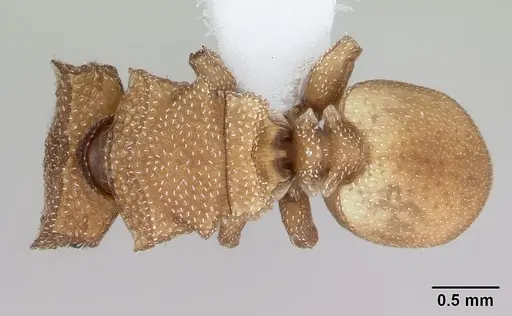
CASENT0627944
View on AntWeb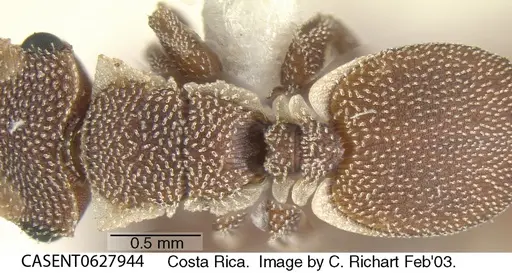
CASENT0900236
View on AntWeb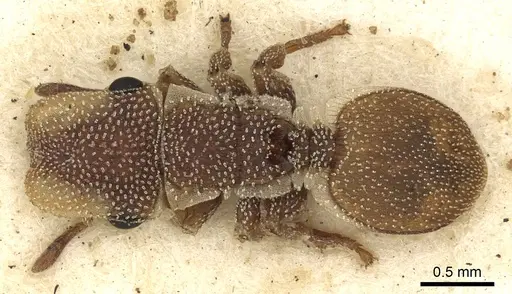
CASENT0909294
View on AntWeb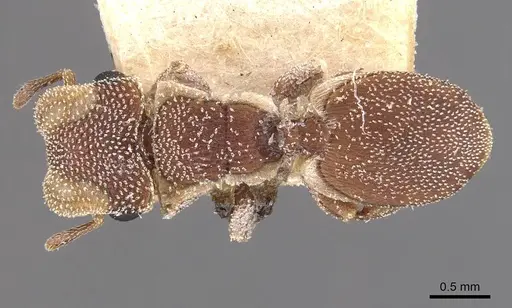
CASENT0922540
View on AntWeb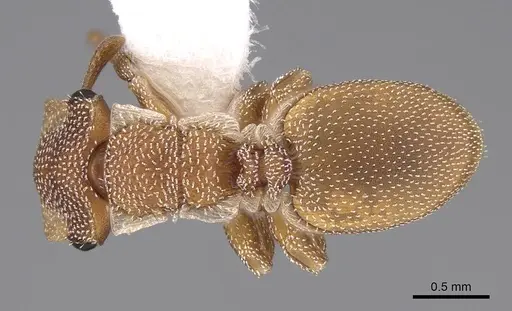
INBIOCRI002281687
View on AntWeb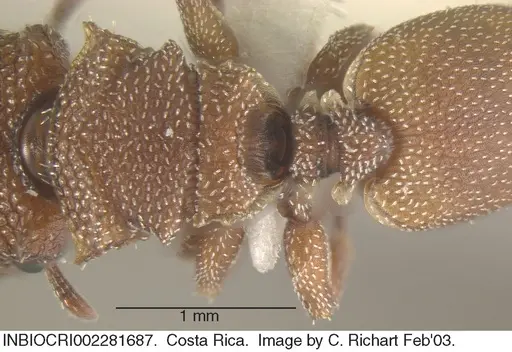
Literature
Loading...Loading products...