

Cephalotes persimilis
- Scientific Name
- Cephalotes persimilis
- Tribe
- Attini
- Subfamily
- Myrmicinae
- Author
- De Andrade, 1999
- Distribution
- Found in 4 countries
Cephalotes persimilis Overview
Cephalotes persimilis is an ant species of the genus Cephalotes. It is primarily documented in 4 countries , including Bolivia, Plurinational State of, Brazil. Detailed taxonomic data and occurrence records can be further explored via authoritative databases such as AntWeb or the Global Biodiversity Information Facility (GBIF).
Cephalotes persimilis
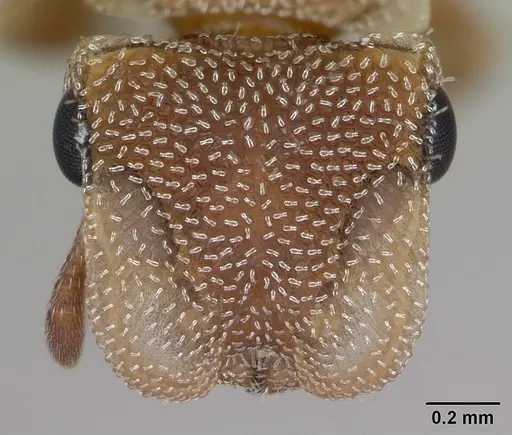
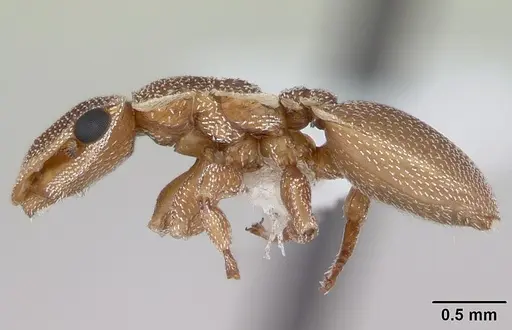
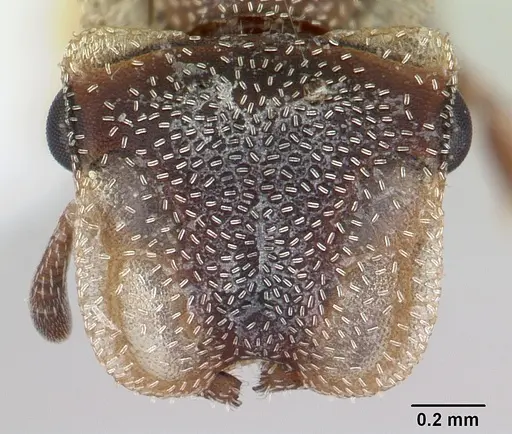
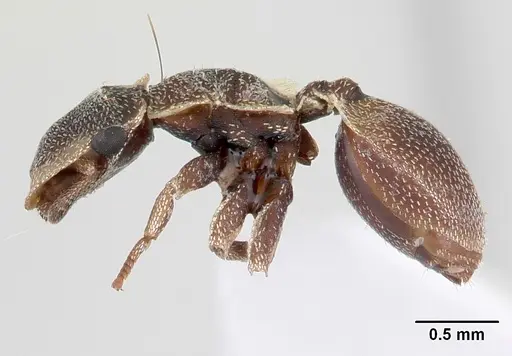
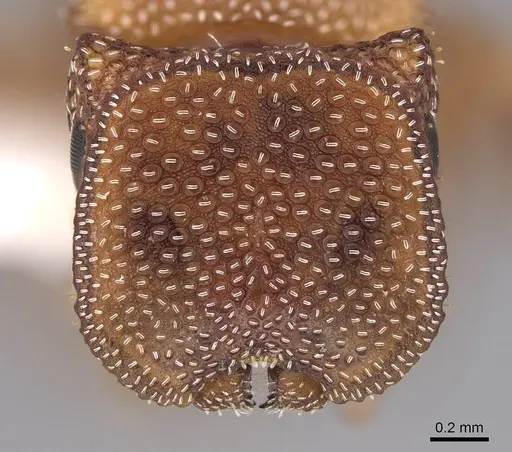
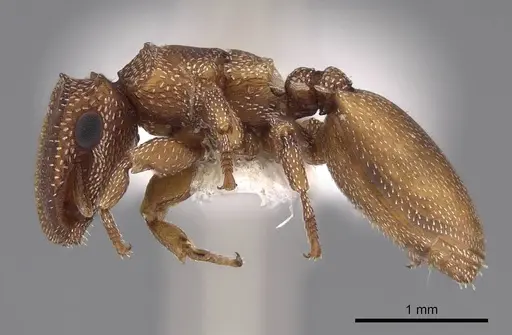
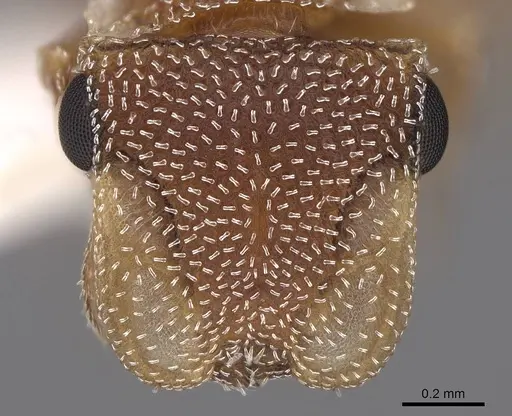
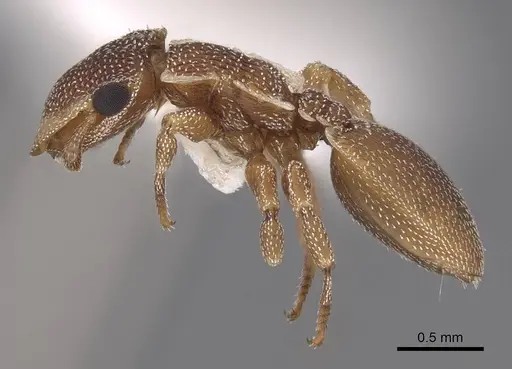
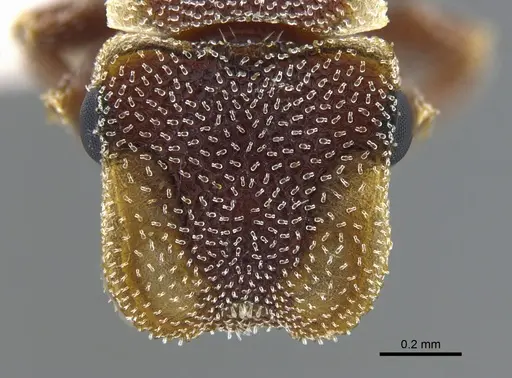
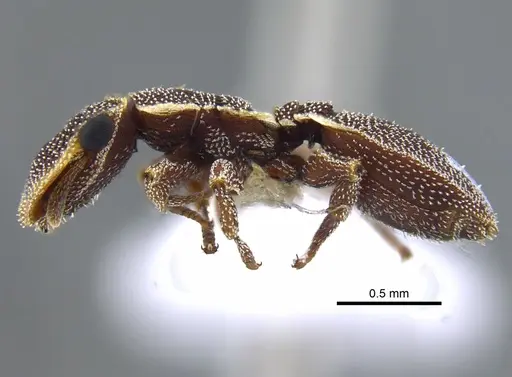
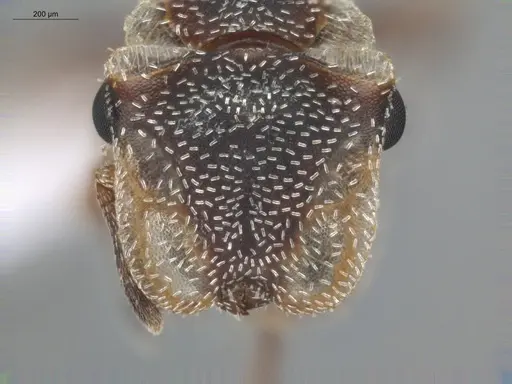
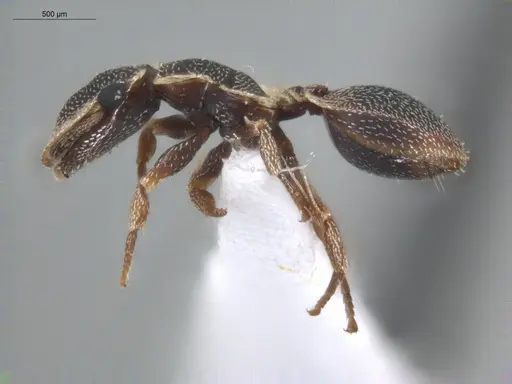
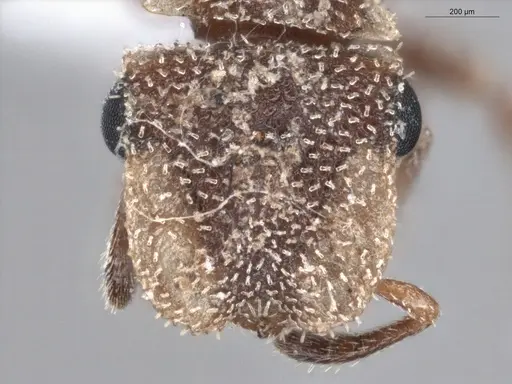
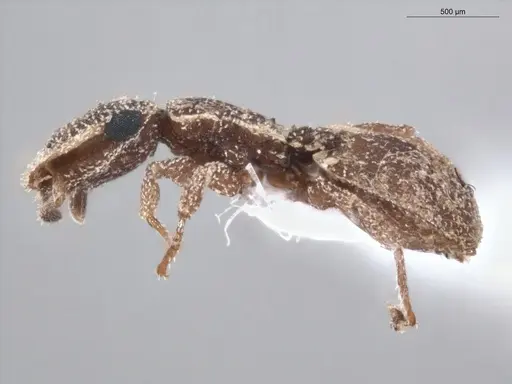
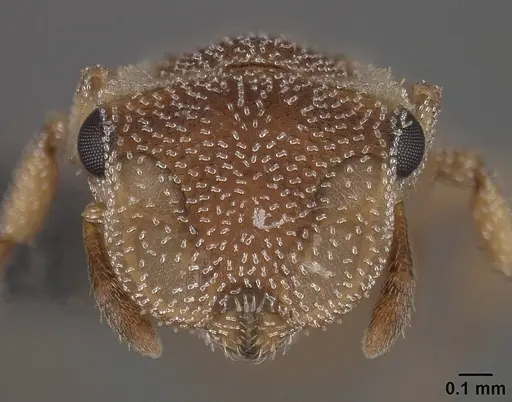
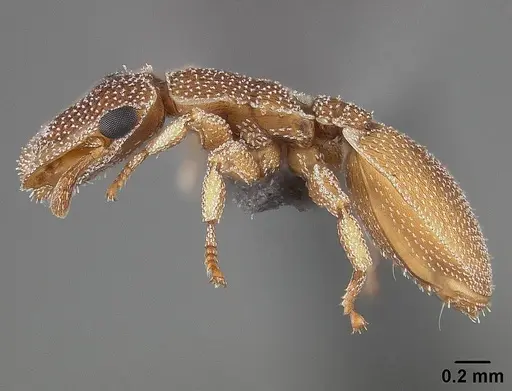
Cephalotes persimilis is a Neotropical turtle ant belonging to the grandinosus species group. Workers measure 3.5-4.6mm, soldiers 4.4-5.6mm, and queens 6.6-8.4mm [1]. They have the characteristic turtle ant appearance, a flattened body with distinctive membranaceous expansions along the sides of the mesosoma and gaster. The soldier caste has a highly specialized head disc that functions as a living door to block nest entrances [2]. This species is found across the Neotropical region including Brazil, Argentina, Paraguay, and Guyana [1]. They are strictly arboreal, nesting in pre-existing cavities in woody stems such as abandoned beetle tunnels [2]. The species was described in 1999 and is very similar in appearance to Cephalotes grandinosus, which is reflected in its name 'persimilis' meaning 'very similar' in Latin [3].
Quick Summary
- Difficulty: Medium
- Origin & Habitat: Neotropical region, Brazil, Argentina, Paraguay, and Guyana. Found in scrubby riparian forests, seasonally dry tropical forests (Caatinga), and Brazilian savanna (Cerrado). Strictly arboreal, nesting in pre-existing cavities in woody stems [2][4][3].
- Colony Type: Monogynous (single queen) and polydomous (multiple nest cavities). Colonies expand into multiple cavities soon after the founding stage, with each cavity housing workers, soldiers, and brood [2].
- Colony: Monogyne
- Size & Growth:
- Queen: 6.6-8.4mm [1]
- Worker: 3.5-4.6mm [1]
- Colony: Colonies range from 1 to 20 cavities, with cavity number positively correlated with colony size [2]. Estimated maximum of several hundred workers based on related species.
- Growth: Moderate, development timeline unconfirmed for this specific species, but related Cephalotes species typically develop in 6-10 weeks at optimal temperature.
- Development: Estimated 6-10 weeks based on related Cephalotes species and typical Myrmicinae development patterns. Not directly studied for this species. (Development likely occurs in the warm season given their tropical distribution. Colony growth is tied to cavity availability.)
- Antkeeping:
- Temperature: Keep at 24-28°C. These are tropical ants that thrive in warm, stable conditions. A heating cable on one side of the nest creates a suitable gradient [2].
- Humidity: Moderate to high humidity (60-80%). As arboreal nesters in tree cavities, they prefer humid conditions but not saturated. Provide a water tube and keep the nest area moist but not waterlogged.
- Diapause: No, as tropical ants from Brazil and surrounding regions, they do not require hibernation. Maintain year-round warm temperatures.
- Nesting: Arboreal cavity nesters. In captivity, they do well in Y-tong (AAC) nests or plaster nests with narrow chambers scaled to their size. Provide multiple connected chambers to accommodate their polydomous nature. The nest entrance should be small, soldiers defend by blocking with their heads [2].
- Behavior: Turtle ants are known for their defensive soldier caste. Soldiers use their armored, disc-shaped heads to block nest entrances, effectively turning themselves into living doors [2]. This species is strictly arboreal, they never forage on the ground. Workers are active and will readily explore the outworld for food. They are not aggressive toward keepers but will defend their nest vigorously. Colonies select cavities with small entrances (around 2.4mm²) that match the size of a single soldier's head [2]. Escape prevention is important, workers are small enough to squeeze through small gaps.
- Common Issues: cavity limitation, colonies need access to suitable nest cavities to expand, lack of cavities can limit growth, escape risk, small worker size means they can slip through tiny gaps without fine mesh barriers, slow colony growth, polydomous structure means growth is tied to finding new cavities, not just population increase, specialized diet, they are herbivorous turtle ants with specialized gut bacteria, may not accept standard ant foods, queen loss can be fatal, monogynous colonies have only one egg-layer, queen death ends the colony
Nest Preferences and Housing
Cephalotes persimilis is strictly arboreal, nesting exclusively in pre-existing cavities within woody plant stems, typically abandoned beetle tunnels [2]. In captivity, they do best in Y-tong (AAC) nests or plaster nests that mimic these natural tree cavities. The key requirement is providing appropriately sized chambers with small entrances, soldiers defend by blocking the entrance with their specialized head disc, so entrance size matters for their natural defensive behavior [2]. A nest with multiple connected chambers works well since wild colonies are polydomous, occupying 1-20 cavities that house workers, soldiers, and brood [2]. The nest material should be able to hold moisture without becoming waterlogged. Provide a water tube for humidity and consider a small outworld for foraging.
Feeding and Diet
Turtle ants (Cephalotes) are primarily herbivorous, feeding on plant materials and have a specialized gut microbiome that helps them digest these resources [5]. In captivity, offer a varied diet including sugar water or honey as an energy source, and plant-based materials. They may accept small amounts of fruit, seeds, or insect fragments, but protein-rich foods are less central to their diet than for predatory ants. Related species have been observed foraging for nitrogen-rich baits in the wild [2]. Feed sugar water constantly and offer plant-based foods 2-3 times per week. Remove uneaten food promptly to prevent mold. Their specialized gut bacteria means they may be sensitive to diet changes, introduce new foods gradually.
Temperature and Seasonal Care
As Neotropical ants from Brazil and surrounding regions, Cephalotes persimilis requires warm temperatures year-round. Keep the nest area at 24-28°C, with a slight gradient if possible using a heating cable on one side of the nest [2]. They do not require hibernation or diapause, maintaining consistent tropical conditions is essential. Avoid temperatures below 20°C for extended periods. These ants are found in habitats ranging from seasonally dry forest (Caatinga) to savanna (Cerrado), so they can tolerate some variation, but warmth is important for brood development. Room temperature within this range is acceptable if your home is kept warm.
Soldier Caste and Defense
One of the most fascinating aspects of keeping turtle ants is observing the soldier caste. Cephalotes persimilis has a highly specialized soldier with a complete head disc, the most derived general soldier phenotype in the genus [2]. Unlike workers that have variable head shapes, soldiers have a flat, disc-shaped head they use to block nest entrances, effectively acting as living doors. The soldier's thorax is worker-like while the abdomen is queen-like, creating a unique mosaic caste [6]. Only soldiers engage in entrance defense, and they remain committed to blocking the entrance continuously [2]. When housing this species, observe how soldiers position themselves at the nest entrance, this is one of their most engaging behaviors.
Colony Structure and Growth
Cephalotes persimilis colonies are monogynous (single queen) but polydomous (multiple cavities). The queen remains in one cavity while workers, soldiers, and brood are distributed across multiple nest sites connected by foragers [2]. Colonies expand into new cavities soon after founding, and cavity number positively correlates with colony size, larger colonies occupy more cavities [2]. Reproduction only occurs in colonies with more than 3 nest cavities, and about 75% of cavities in reproductive colonies contain reproductive brood [2]. This means colony growth is not just about population size but also about acquiring new nest sites. In captivity, you can support growth by providing additional connected chambers or even multiple nest setups that workers can move between.
Behavior and Temperament
These ants are active and interesting to watch. Workers forage along branches and stems in the wild, and will explore the outworld in captivity. They are not particularly aggressive toward keepers, their defense strategy is retreat and block rather than attack. Workers from different colonies fight vigorously, while workers from the same colony show no aggression, this can be used to confirm colony membership [2]. They are strictly arboreal and will not forage on the ground. Their small size means escape prevention is important, use fine mesh and tight-fitting lids. The soldiers' defensive behavior of blocking entrances is their primary anti-predator strategy.
Frequently Asked Questions
How long does it take for Cephalotes persimilis to produce first workers?
The exact timeline is unconfirmed for this species, but based on related Cephalotes species, expect 6-10 weeks from egg to worker at optimal temperature (24-28°C). Growth is tied to cavity availability, so ensure the queen has suitable nesting conditions.
Can I keep multiple queens together?
No. This species is monogynous, meaning colonies have a single queen. Unlike some Cephalotes species that can have multiple queens, C. persimilis has only one queen per colony. Attempting to introduce additional queens will likely result in fighting.
What do Cephalotes persimilis eat?
They are herbivorous turtle ants with specialized gut bacteria. Offer sugar water or honey as a constant energy source, and plant-based foods like small fruit pieces, seeds, or flower petals. They may accept tiny insect fragments but these are not required. Remove uneaten food promptly.
Do they need hibernation?
No. As tropical Neotropical ants from Brazil and surrounding regions, they do not require hibernation. Keep them warm year-round at 24-28°C. Temperatures below 20°C for extended periods should be avoided.
What is the best nest type for Cephalotes persimilis?
Y-tong (AAC) nests or plaster nests work well. The key is providing small entrance holes (soldiers defend by blocking with their heads) and multiple connected chambers to accommodate their polydomous nature. The nest should hold moisture without becoming waterlogged.
Why are my turtle ants not growing?
Growth is limited by cavity availability in this species. Ensure the colony has access to additional nest chambers or cavities. Also verify temperature (24-28°C), humidity (60-80%), and food quality. Polydomous colonies need space to expand into new cavities to grow beyond a certain population.
Are Cephalotes persimilis good for beginners?
They are intermediate in difficulty. The main challenges are their need for warm temperatures, specialized herbivorous diet, and the importance of cavity availability for colony growth. They are fascinating to keep and their soldier defense behavior is unique, but they require more attention to housing setup than simpler species.
How big do colonies get?
Wild colonies occupy 1-20 nest cavities, with cavity number correlating with colony size [2]. In captivity, expect a few hundred workers across multiple connected nest chambers. Colonies with more than 3 cavities can produce reproductive brood (new queens and males).
References

This caresheet is licensed under CC BY-SA 4.0 .
CASENT0173700
View on AntWeb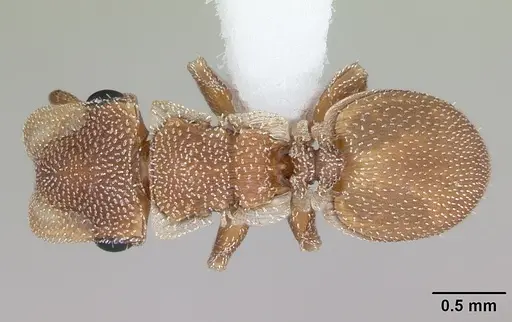
CASENT0178626
View on AntWeb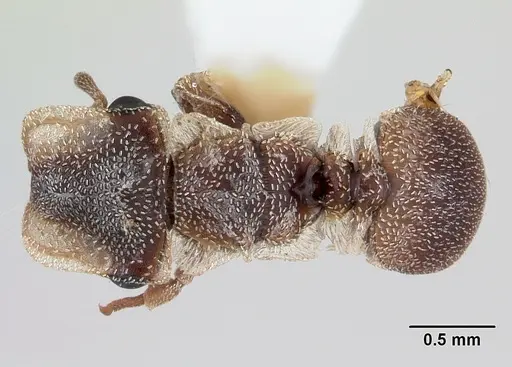
CASENT0922541
View on AntWeb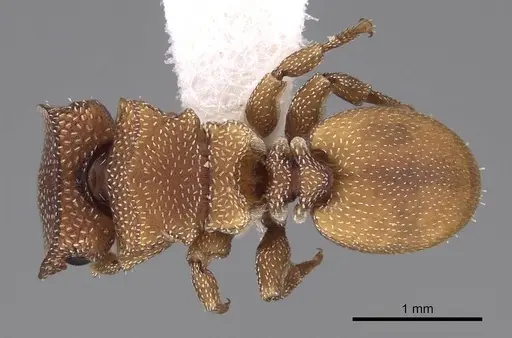
CASENT0922542
View on AntWeb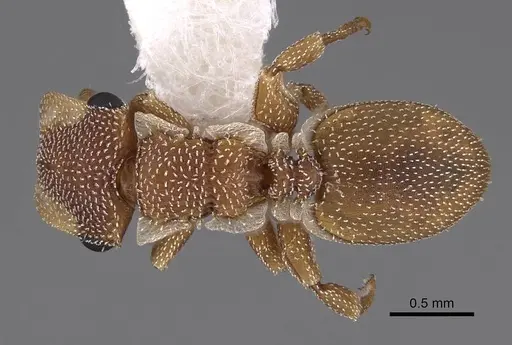
CBUMAGENT41988
View on AntWeb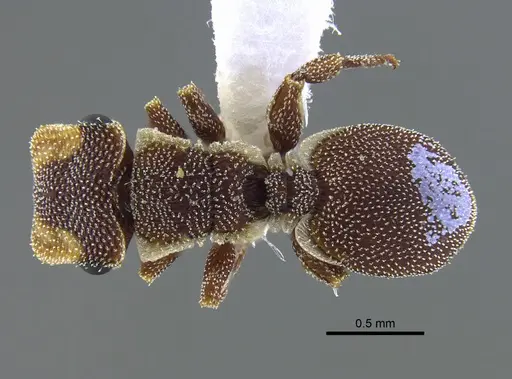
ECOFOG-BUG-1101-03
View on AntWeb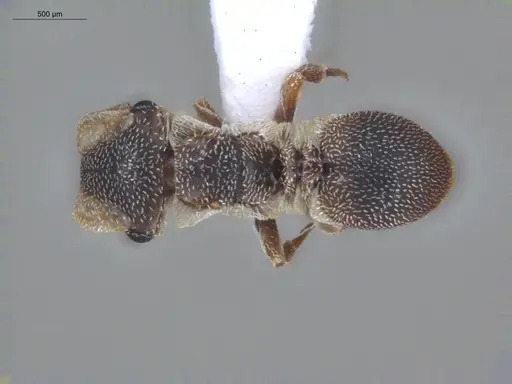
ECOFOG-PA14-0161-09
View on AntWeb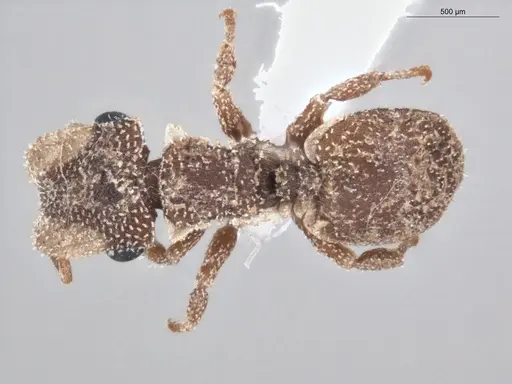
USNMENT01124209
View on AntWeb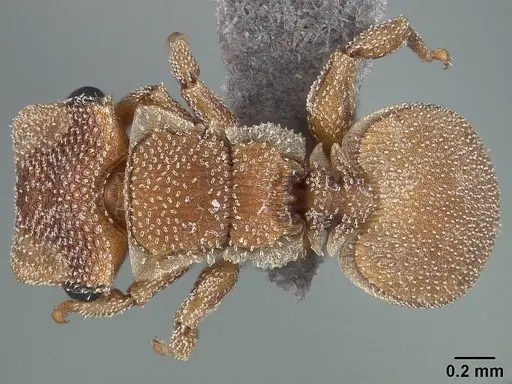
Literature
Loading...Loading products...