

Cephalotes membranaceus
- Scientific Name
- Cephalotes membranaceus
- Tribe
- Attini
- Subfamily
- Myrmicinae
- Author
- Klug, 1824
- Distribution
- Found in 1 countries
Cephalotes membranaceus Overview
Cephalotes membranaceus is an ant species of the genus Cephalotes. It is primarily documented in 1 countries , including Brazil. Detailed taxonomic data and occurrence records can be further explored via authoritative databases such as AntWeb or the Global Biodiversity Information Facility (GBIF).
Cephalotes membranaceus
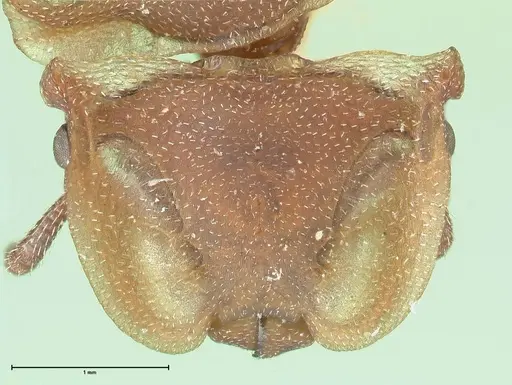
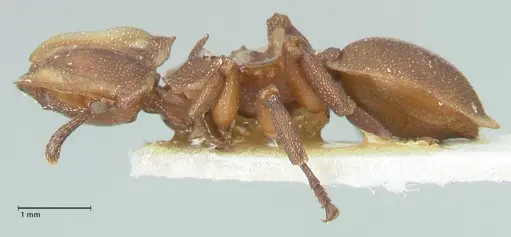
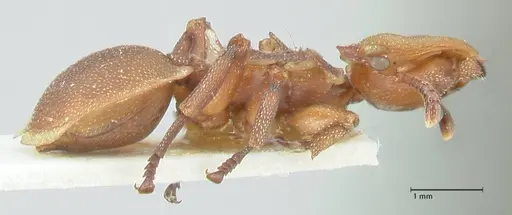
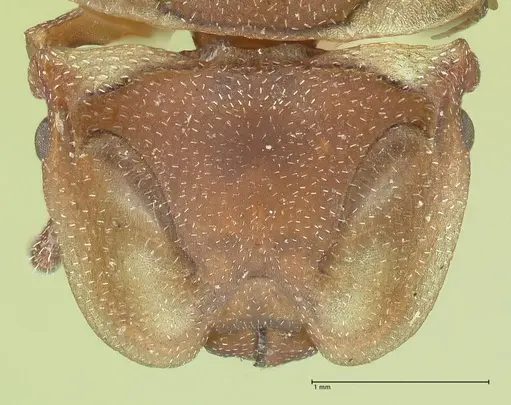
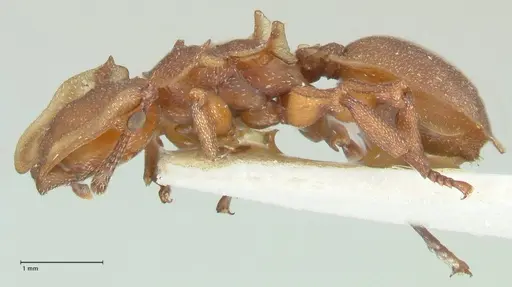
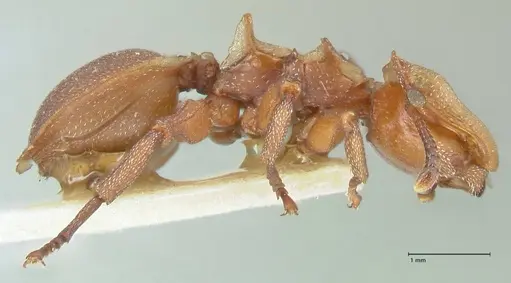
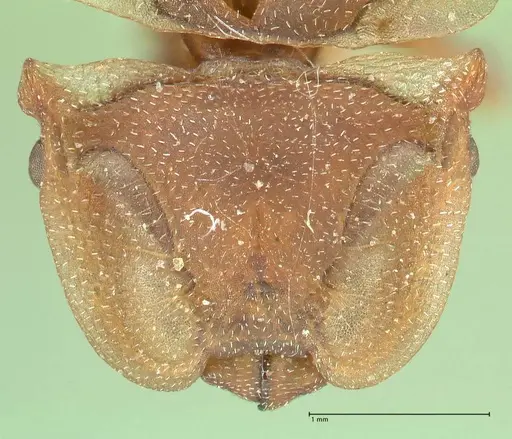
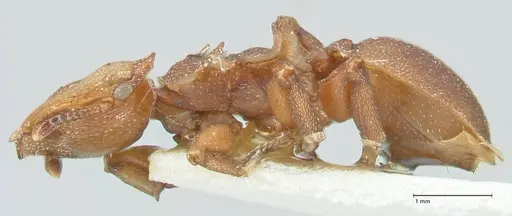
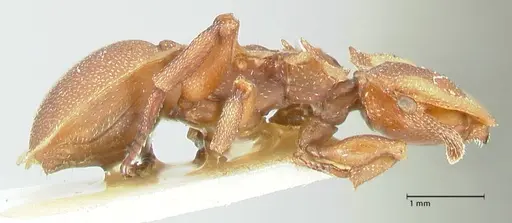
Cephalotes membranaceus is a striking turtle ant species native to Brazil, found primarily in the Amazon region and surrounding areas like Rio de Janeiro and Tejuca [1][2][3]. Workers measure 6.5-7.4mm and display a distinctive light ferruginous-brown coloration with a remarkable semi-transparent lamellaceous border surrounding the head, mesosoma, pedicel, and gaster. The soldier caste (8.4-9.1mm) features an incomplete cephalic disc, a flat shield-like structure on the head used as a living door to block nest entrances, a behavior that makes turtle ants famous among ant enthusiasts. This species belongs to the clypeatus clade and is closely related to Cephalotes clypeatus, with soldiers showing the distinctive trait of strongly curved propodeal spines that point upward and forward.
Quick Summary
- Difficulty: Medium
- Origin & Habitat: Brazil, Amazon region and Atlantic coastal areas including Rio de Janeiro and Tejuca [1][2][3]. Like other Cephalotes species, they are arboreal ants that nest in hollow twigs, branches, and tree cavities in tropical forest canopies.
- Colony Type: Colony structure is unconfirmed for this specific species. Most Cephalotes species are monogyne (single queen colonies), though some can be polygynous. The genus is known for having distinct soldier castes that serve as nest guards.
- Founding: Claustral
- Size & Growth:
- Queen: 11.8-12.4mm
- Worker: 6.5-7.4mm
- Colony: Unknown for this species, Cephalotes colonies typically reach several hundred workers
- Growth: Moderate, estimated based on genus patterns
- Development: 6-10 weeks estimated based on related Attini species (Development time is inferred from genus-level data as no species-specific study exists. Tropical Attini typically develop faster than temperate species.)
- Antkeeping:
- Temperature: Keep at 24-28°C, tropical species requiring warm, stable conditions. A gentle gradient allowing workers to self-regulate is ideal.
- Humidity: Moderate to high (60-80%). These arboreal ants prefer humid conditions but need good ventilation to prevent mold. Provide a water tube as primary moisture source.
- Diapause: No, being tropical, they do not require hibernation. Keep temperatures stable year-round.
- Nesting: Arboreal nesting species, they naturally nest in hollow twigs and branches. In captivity, they do well in Y-tong (acrylic) nests or plaster nests with narrow chambers scaled to their size. Provide climbing structures and branches reaching upward.
- Behavior: Generally peaceful but soldiers will aggressively defend the nest using their shield-like heads to block entrances. Workers are active foragers that primarily collect honeydew from aphids and scale insects, supplemented with small insects. They are not aggressive toward humans and rarely sting. Escape prevention should be moderate, they are not particularly small but are agile climbers.
- Common Issues: tropical species requires stable warmth, cold drafts can stress or kill colonies, arboreal nature means they need vertical space and climbing structures, horizontal-only setups lead to stress, small colony sizes mean slow growth, beginners may lose patience and overfeed, wild-caught colonies may carry parasites that cause captive failures, soldier production is temperature-dependent, keeping too cold may prevent soldier caste development
Housing and Nest Setup
Cephalotes membranaceus is an arboreal species that naturally nests in hollow twigs, branches, and tree cavities in tropical forests. In captivity, they do best in Y-tong (acrylic) nests or plaster nests with chambers sized appropriately for their worker size (6-7mm). The key requirement is vertical space, provide climbing structures, branches, or cork bark arranged vertically so workers can move between nest chambers and foraging areas. A test tube setup can work for founding colonies, but transfer to a more naturalistic arboreal setup once the colony reaches 20-30 workers. Ensure the nest has narrow passages that soldiers can effectively block with their heads.
Feeding and Diet
Like other Cephalotes species, C. membranaceus is primarily a honeydew feeder. Provide a constant source of sugar water, honey, or diluted maple syrup in a test tube or feeder. They also accept small insects including fruit flies, pinhead crickets, and small mealworms. Feed protein sources 1-2 times per week, and sugar sources continuously. In naturalistic setups, you can keep aphids or scale insects on plants within the enclosure for a self-sustaining honeydew source. Remove uneaten prey after 24 hours to prevent mold.
Temperature and Humidity
As a Brazilian tropical species, C. membranaceus requires warm conditions year-round. Maintain temperatures between 24-28°C with minimal fluctuation. A small heating cable on one side of the nest creates a gradient allowing workers to self-regulate. Place the heating on top of the nest, not underneath, to prevent excessive drying. Humidity should be moderate (60-80%), provide a water tube for constant moisture access. Good ventilation is essential to prevent mold while maintaining humidity. Avoid placing the setup near air conditioning vents or cold windows.
Soldier Caste and Defense
One of the most fascinating aspects of Cephalotes is the soldier caste. In C. membranaceus, soldiers have an incomplete cephalic disc, a flat, shield-like plate on their head that they use to block nest entrances like a living door. When threatened, soldiers position themselves at nest openings and wedge their heads into the entrance. This species is not particularly aggressive, but soldiers will defend the colony vigorously. The propodeal spines (back-of-body spines) are strongly curved upward and forward, giving them a distinctive appearance. Soldier production may be temperature-dependent, warmer conditions tend to promote soldier development.
Colony Development
Colony founding is claustral, the queen seals herself in a chamber and raises the first brood alone using stored fat reserves. The first workers (nanitics) are typically smaller than mature workers. Growth rate is moderate, expect 6-10 weeks from egg to first worker at optimal temperature. Colony size likely reaches several hundred workers at maturity, though exact numbers for this species are unknown. The colony will produce soldiers once it reaches moderate size. Be patient with small colonies, Cephalotes are not fast growers, and overfeeding can cause mold problems in small setups.
Frequently Asked Questions
How long does it take for Cephalotes membranaceus to produce first workers?
Expect 6-10 weeks from egg to first worker at optimal temperature (24-28°C). This is an estimate based on related Attini species, as no species-specific development data exists.
What do Cephalotes membranaceus ants eat?
They primarily feed on honeydew, provide constant sugar water, honey, or diluted maple syrup. Supplement with small insects like fruit flies, pinhead crickets, or small mealworms 1-2 times per week.
Can I keep Cephalotes membranaceus in a test tube?
Yes, test tubes work well for founding colonies. However, transfer to a more naturalistic arboreal setup (Y-tong or plaster nest with vertical climbing structures) once the colony reaches 20-30 workers.
Do Cephalotes membranaceus need hibernation?
No, as a Brazilian tropical species, they do not require hibernation. Keep temperatures stable year-round between 24-28°C.
Are Cephalotes membranaceus good for beginners?
They are intermediate difficulty. The main challenges are maintaining stable tropical temperatures and providing appropriate vertical housing. They are not as forgiving as some common species but not overly difficult.
How big do Cephalotes membranaceus colonies get?
Colony size is estimated at several hundred workers based on genus patterns. Exact numbers for this specific species have not been documented.
When should I move my colony to a formicarium?
Move from test tube to a proper nest (Y-tong or plaster) when the colony reaches approximately 20-30 workers or when the test tube shows signs of crowding.
Why is my Cephalotes membranaceus colony not producing soldiers?
Soldier production may be temperature-dependent. Ensure temperatures are in the optimal range (24-28°C). Soldiers typically appear once the colony reaches moderate size.
References

This caresheet is licensed under CC BY-SA 4.0 .
CASENT0900239
View on AntWeb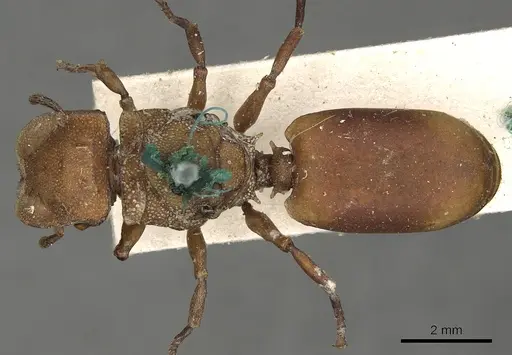
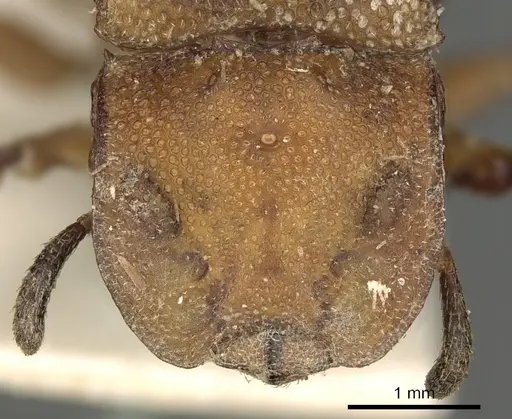
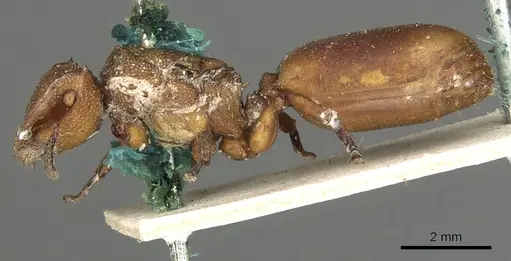
FOCOL2117
View on AntWeb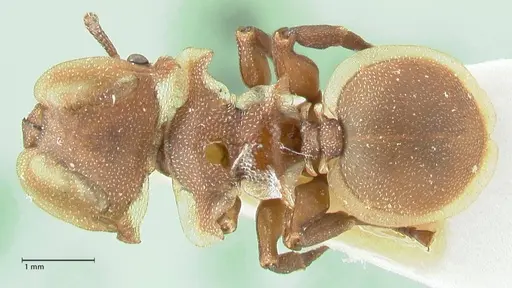
FOCOL2118
View on AntWeb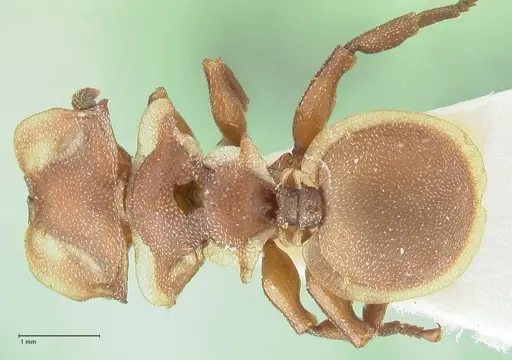
FOCOL2119
View on AntWeb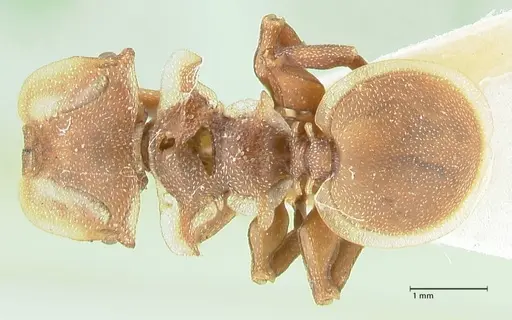
Literature
Loading...Loading products...