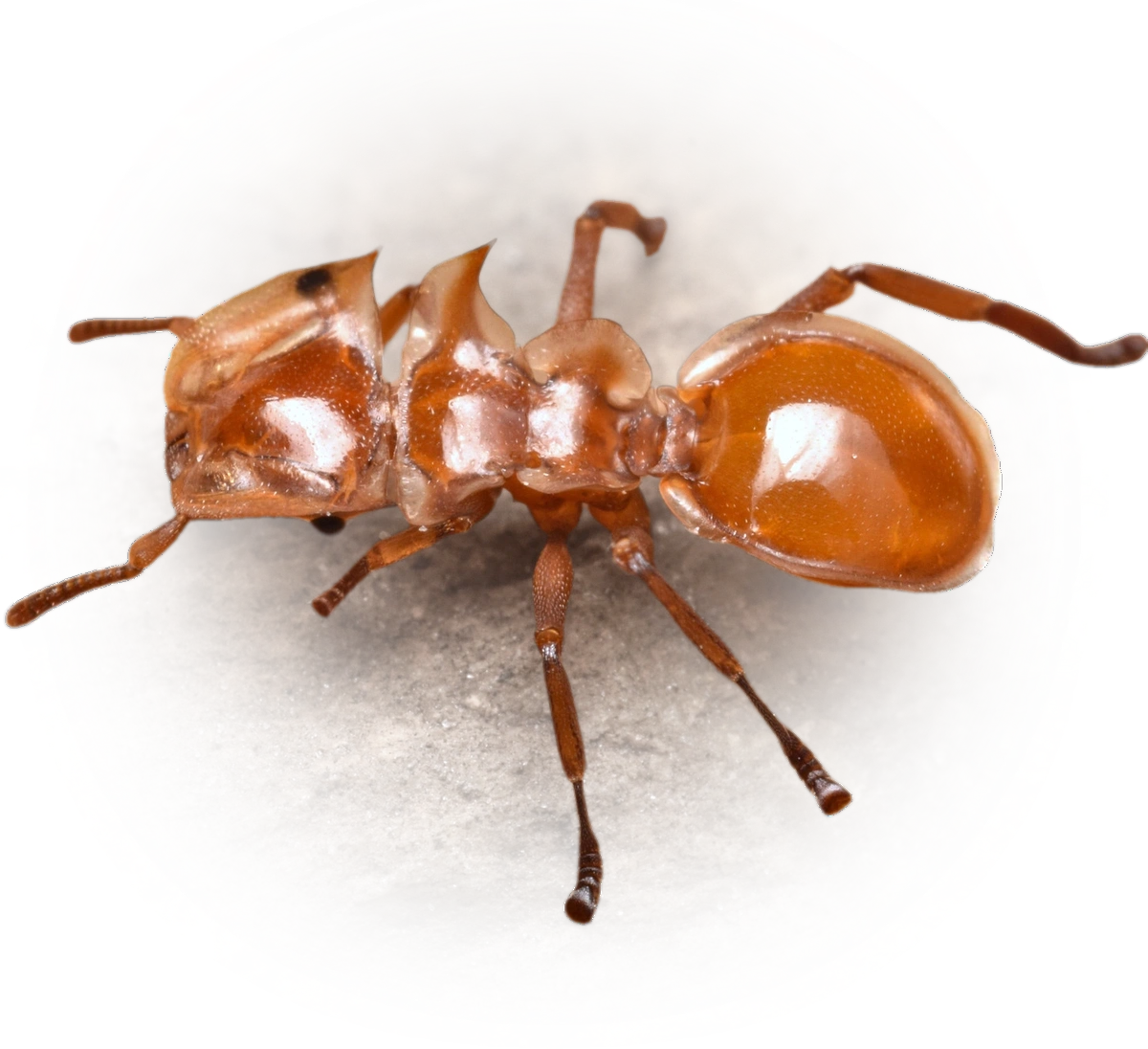

Cephalotes clypeatus
- Scientific Name
- Cephalotes clypeatus
- Tribe
- Attini
- Subfamily
- Myrmicinae
- Author
- Fabricius, 1804
- Distribution
- Found in 10 countries
Cephalotes clypeatus Overview
Cephalotes clypeatus is an ant species of the genus Cephalotes. It is primarily documented in 10 countries , including Argentina, Bolivia, Plurinational State of. Detailed taxonomic data and occurrence records can be further explored via authoritative databases such as AntWeb or the Global Biodiversity Information Facility (GBIF).
Cephalotes clypeatus
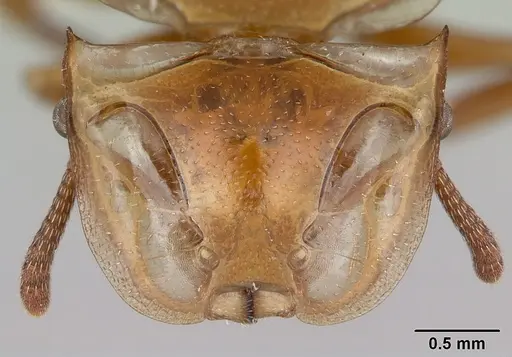
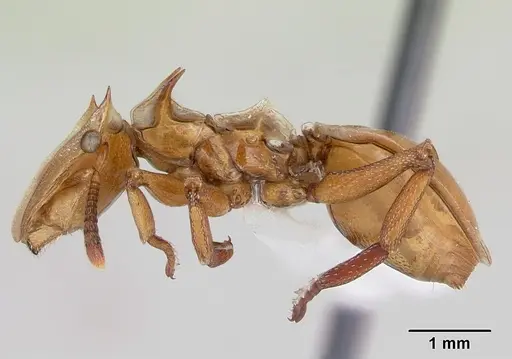
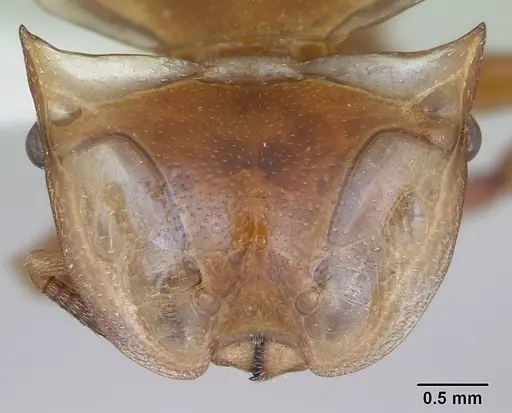
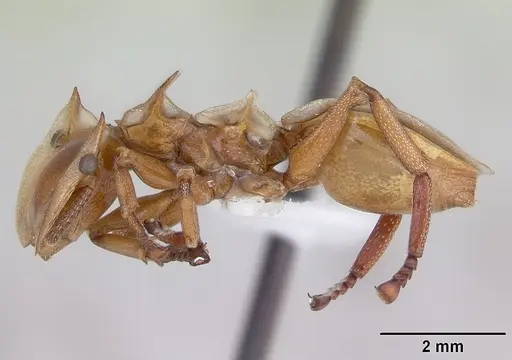
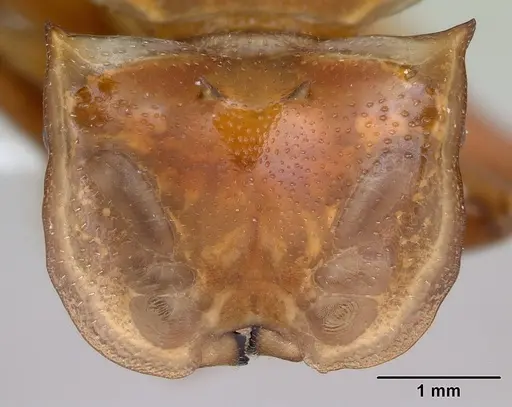
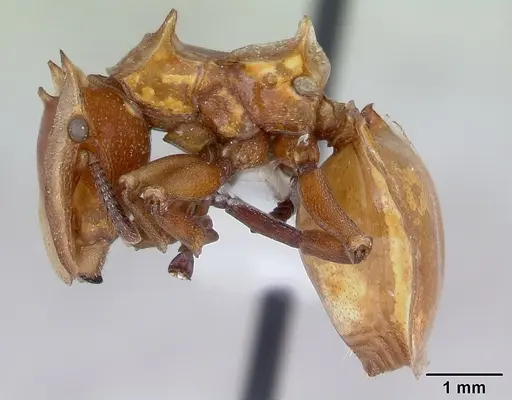
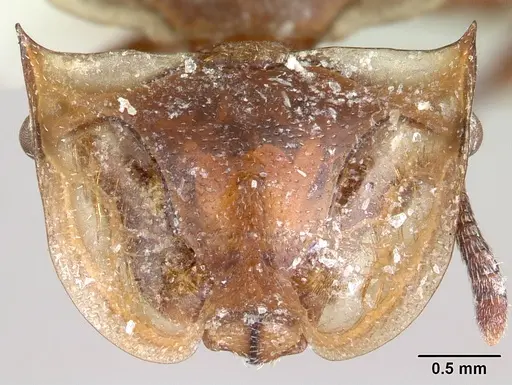
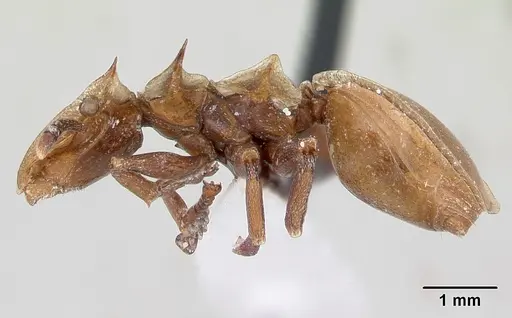
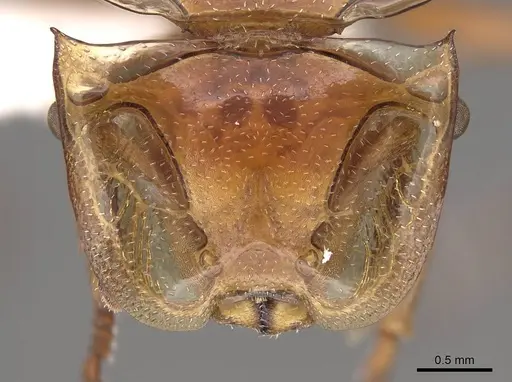
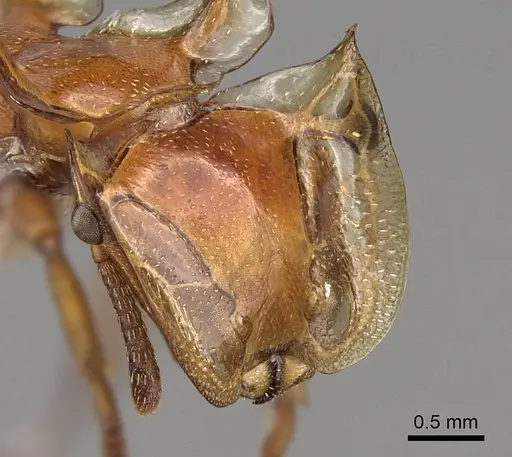
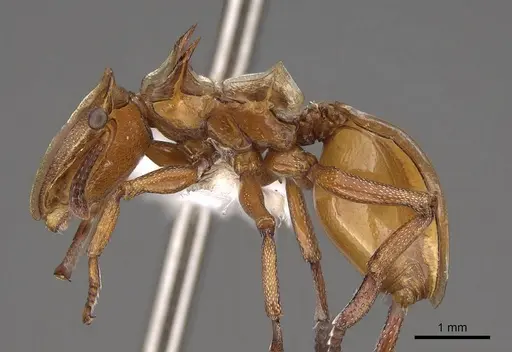
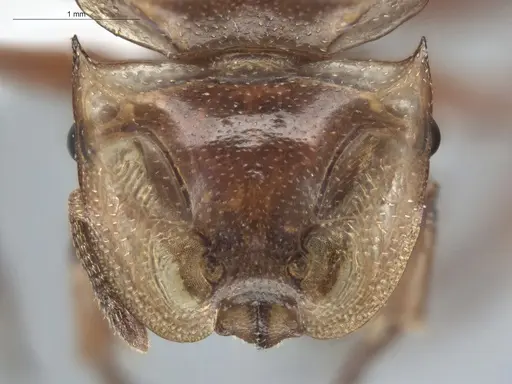
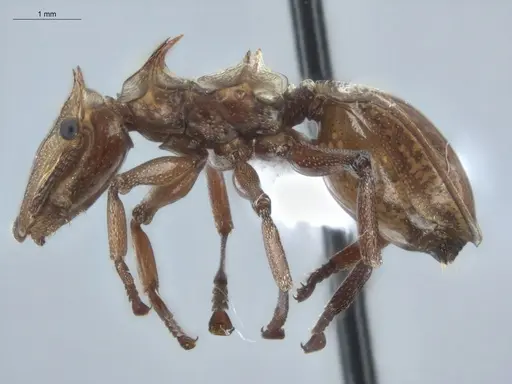
Cephalotes clypeatus is a medium-sized arboreal ant belonging to the turtle ant genus Cephalotes. Workers measure 6.5-10mm and have a distinctive shining yellowish to light brown body surrounded by a transparent lamella (thin, translucent edge). The gaster is particularly notable, being surrounded by a broad, upturned translucent border. Soldiers are larger at 10-11mm with a flattened head disc and pointed spines on the vertex. Queens reach 13-14mm. This species is a member of the clypeatus clade and is found throughout the Amazon region and surrounding areas of South America, from Colombia to Argentina [1][2].
What makes C. clypeatus particularly interesting is its unusual diet, laboratory colonies have shown a marked preference for pollen, and these ants have specialized gut bacteria that help them recycle nitrogen from their plant-based diet [3][4]. They are strictly arboreal, nesting in hollow branches and under bark high above the forest floor. Workers are known to visit extrafloral nectaries and have a mutualistic relationship with lycaenid butterfly larvae, protecting them in exchange for honeydew [5]. Their workers also display Batesian mimicry, resembling the larger and more dangerous trap-jawed ant Daceton armigerum [6].
Quick Summary
- Difficulty: Expert
- Origin & Habitat: South American tropical forests, found in Colombia, Trinidad and Tobago, Venezuela, Guyana, Brazil, Peru, Bolivia, Argentina, and Paraguay. Altitudinal range from 50m to 1380m. Strictly arboreal, nesting in hollow branches and under bark in forest canopies [2][7].
- Colony Type: Colony structure is not well documented in scientific literature. As a Cephalotes species, likely monogyne (single queen) but this requires confirmation. No ergatoid (wingless replacement queen) documentation found for this species.
- Founding: Claustral
- Size & Growth:
- Queen: 13-14mm [8]
- Worker: 6.5-10mm [8]
- Colony: Colony size is not well documented. Based on related species, likely reaches several hundred workers. Estimated.
- Growth: Moderate, inferred from typical Cephalotes development patterns
- Development: 8-12 weeks, estimated based on typical Myrmicinae development at tropical temperatures (Development time is not directly studied for this species. Tropical arboreal ants typically develop faster than temperate species.)
- Antkeeping:
- Temperature: Keep at 24-28°C. As a tropical species from the Amazon region, they need warm, stable conditions. A gentle gradient is beneficial.
- Humidity: Moderate to high (60-80%). These are forest canopy ants that need humidity but not saturated conditions. Provide a water tube and maintain some moisture in the nest area.
- Diapause: No, being a tropical species, they do not require hibernation. Keep them warm year-round.
- Nesting: Strictly arboreal, they will not accept ground-level nests. Provide vertical spaces, hollow twigs, or a formicarium with narrow chambers and multiple connected levels. Test tubes work for founding but colonies need vertical space to thrive. They nest in hollow branches in nature [7].
- Behavior: Workers are relatively docile and not aggressive. They are slow-moving and have a distinctive gliding ability, when disturbed, they can drop from leaves and land on lower branches, which is unusual for ants. Their legs are somewhat fragile and they are not good at climbing smooth surfaces. They are escape artists due to their small size, use excellent barrier prevention. They are primarily active in the canopy and will descend to forage. Workers show marked preference for pollen in laboratory settings [3].
- Common Issues: strictly arboreal nature means standard horizontal nests are often rejected, they need vertical setups, fragile legs can be damaged if handled roughly or if they fall from height, escape prevention is critical due to small size, they squeeze through tiny gaps, pollen is an important part of their diet, standard ant feeds may not provide adequate nutrition, slow colony growth can lead to keeper impatience and overfeeding which causes mold problems, wild-caught colonies may have parasites that are difficult to treat in captivity
Housing and Nest Preferences
Cephalotes clypeatus is strictly arboreal, which is the most critical factor in their care. In the wild, they nest in hollow branches and under bark in the forest canopy, typically around 1 meter or more above ground [7]. This means they will not thrive in standard horizontal formicariums or test tube setups once established. For best results, provide a vertical formicarium with multiple connected chambers, or use a setup that mimics their natural tree-nesting behavior. Hollow bamboo sections, vertically oriented acrylic nests with narrow passages, or custom-built arboreal setups work well. The nest should have tight-fitting connections between chambers since they prefer enclosed spaces. Because they are poor climbers on smooth surfaces, ensure all surfaces have texture for grip. Escape prevention is essential, these small ants can squeeze through remarkably tiny gaps, so use fine mesh on any ventilation and apply fluon to smooth surfaces.
Feeding and Diet
C. clypeatus has an unusually varied diet for an ant. They are known to feed on extrafloral nectar, honeydew from homopterans (aphids, scale insects), fallen fruit, bird feces, and pollen [7][3]. Laboratory colonies have shown a marked preference for pollen, making this an important food source in captivity [3]. They also consume dead animals and slowly moving insects, but their small mandibles limit them to very small prey, they cannot tackle large insects. They will predate on small fly larvae and other tiny arthropods. In captivity, offer a varied diet including: pollen (fresh or frozen), sugar water or honey, small fruit pieces, and tiny live prey like fruit fly offspring. They tend lycaenid butterfly larvae in the wild for honeydew [5], so they will likely accept honey water. Avoid large prey items they cannot subdue. Their unique gut microbiome helps them extract nutrients from plant material, particularly pollen [4][9].
Temperature and Environmental Conditions
As a tropical species from the Amazon region, C. clypeatus requires warm, stable temperatures in the range of 24-28°C. They are found in lowland tropical forests where temperatures remain fairly constant year-round. Provide a gentle temperature gradient so the ants can choose their preferred microclimate. A heating cable on one side of the nest can help maintain warmth, but avoid direct heat that could dry them out. Humidity should be moderate to high (60-80%), reflecting their forest canopy habitat. They do not require a diapause period, being tropical, they remain active year-round if kept warm. Room temperature in most homes (20-24°C) may be slightly cool, consider using a small thermostat-controlled heater or heat cable to maintain optimal temperatures. Monitor colony behavior, if workers become sluggish, the temperature may be too low. [2][8]
Colony Founding and Development
Like other Cephalotes species, C. clypeatus queens are likely claustral, they seal themselves in a small chamber and raise the first brood alone using stored fat reserves. The founding chamber is typically in a hollow twig or similar enclosed space. First workers (nanitics) will be smaller than mature workers. Development from egg to worker likely takes 8-12 weeks at optimal tropical temperatures, though this is not directly documented for this species. Colony growth is moderate, Cephalotes colonies tend to grow more slowly than many Myrmicinae. The queen will lay eggs continuously once established, but the rate is not high. Colonies likely reach several hundred workers over time. Be patient during the founding phase, disturbing the queen or moving the nest can cause colony failure. Once the first workers emerge, the colony becomes more resilient.
Behavior and Defense
C. clypeatus workers are relatively docile and non-aggressive compared to many ant species. They rely on their cryptic coloration and Batesian mimicry for protection, their workers resemble the larger, more dangerous Daceton armigerum, which deters predators [6]. When threatened, they may feign death or retreat rather than attack. They do not have a painful sting, though some Cephalotes species can bite. Their primary defense is their hard, armor-like exoskeleton and the ability to glide away if they fall. Workers are slow-moving and deliberate in their movements. They are primarily active at night or during cooler parts of the day in the wild. In captivity, they will explore and forage during daylight hours. They are not aggressive toward humans and pose no danger to keepers.
Unique Adaptations
C. clypeatus has several unusual adaptations that make it a fascinating species to keep. Their gut microbiome is specialized for extracting nitrogen from plant-based foods, particularly pollen, this is a key adaptation for an ant that relies heavily on vegetarian diet sources [4]. They have a unique proventriculus (the valve between foregut and midgut) adapted for filtering pollen grains [3]. Their legs are adapted for walking on leaves and branches, with specialized structures for gripping smooth surfaces. Unlike most ants, they are strictly arboreal and rarely descend to the forest floor. They also have a mutualistic relationship with lycaenid butterfly larvae, protecting them in exchange for sugar-rich secretions [5]. In captivity, you may observe these ants tending to any small homopterans or accepting honey water readily.
Frequently Asked Questions
Can I keep Cephalotes clypeatus in a test tube?
Test tubes work for colony founding, but established colonies need vertical space. These are strictly arboreal ants that naturally nest in hollow branches, so they will not thrive in horizontal test tube setups long-term. Move them to a vertical formicarium once the colony reaches 15-20 workers.
What do Cephalotes clypeatus eat?
They have an unusual diet, laboratory colonies prefer pollen, and they also eat extrafloral nectar, honeydew, small fruits, and tiny insects. Offer pollen, sugar water or honey, small fruit pieces, and small live prey like fruit flies. Their gut is specialized for plant-based foods.
How long until first workers appear?
Development time is not directly documented, but based on typical Cephalotes development, expect 8-12 weeks from egg to first worker at optimal temperatures (24-28°C). Be patient, colony growth is moderate.
Are Cephalotes clypeatus good for beginners?
No, this is an expert-level species. Their strictly arboreal nature requires specialized vertical housing, they have specific dietary needs (pollen preference), and they are more fragile than typical ground-nesting ants. They are best suited for keepers with experience with arboreal species.
Do they need hibernation?
No, as a tropical Amazon species, they do not require hibernation. Keep them warm year-round (24-28°C). They are active throughout the year in their native range.
How big do colonies get?
Colony size is not well documented, but based on related species, colonies likely reach several hundred workers. Growth is moderate, expect a slow build-up over several years.
Why are my ants dying?
Common causes include: wrong nest orientation (they need vertical space), temperatures too low (below 24°C), inadequate diet (they need pollen), or rough handling (their legs are fragile). Check that your setup matches their arboreal nature and provides proper nutrition.
Can I keep multiple queens together?
Not recommended, there is no documentation of pleometrosis (multiple queen founding) for this species. Combining unrelated queens of this species has not been studied and may result in aggression.
When should I move them to a formicarium?
Move them once the colony reaches 15-20 workers and the test tube is becoming cramped. However, provide a vertical formicarium, not a standard horizontal one. They need to replicate their natural tree-nesting environment.
What temperature do they need?
Keep them at 24-28°C. As a tropical species from the Amazon region, they need warm, stable conditions. A gentle gradient allows them to regulate their own temperature.
Are they escape artists?
Yes, due to their small size, escape prevention is critical. Use fine mesh on all ventilation, apply fluon to smooth surfaces, and ensure all connections are tight. They can squeeze through remarkably small gaps.
References

This caresheet is licensed under CC BY-SA 4.0 .
CASENT0010689
View on AntWeb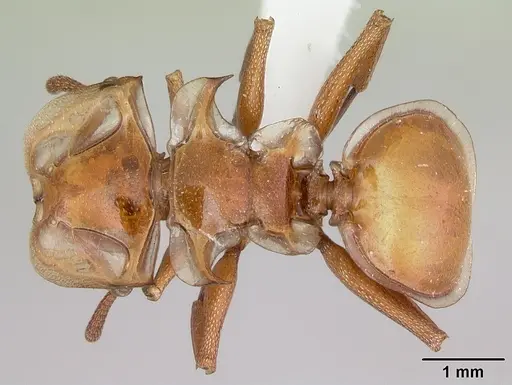
CASENT0173669
View on AntWeb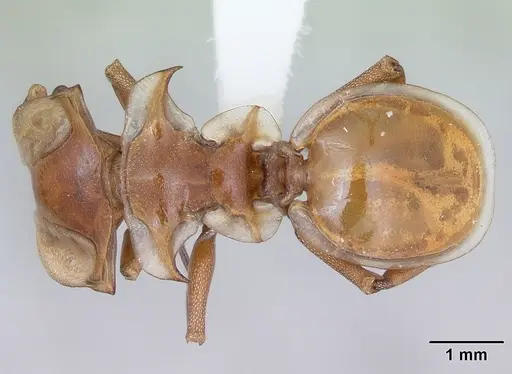
CASENT0173670
View on AntWeb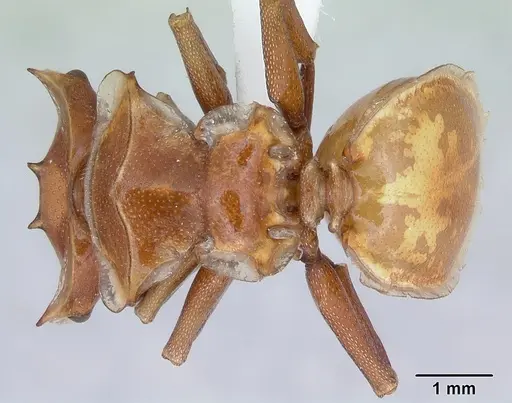
CASENT0178612
View on AntWeb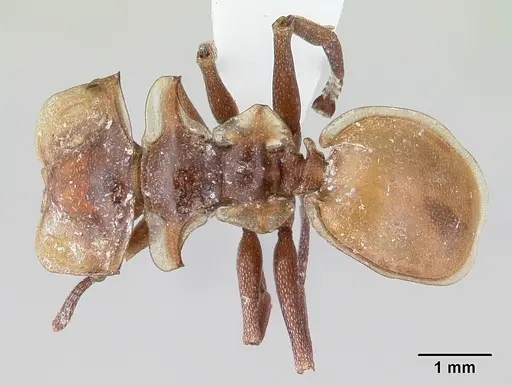
CASENT0922529
View on AntWeb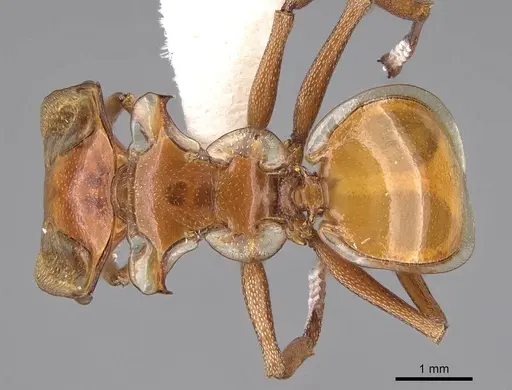
ECOFOG-BUG-1842-07
View on AntWeb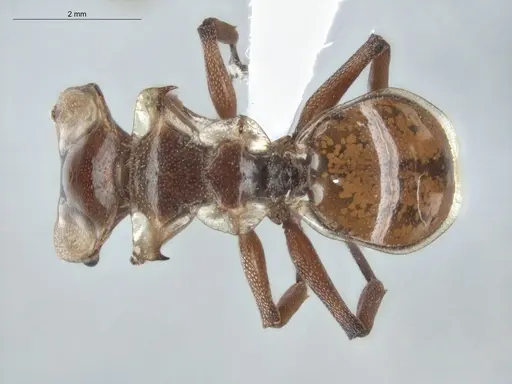
Literature
Loading...Loading products...