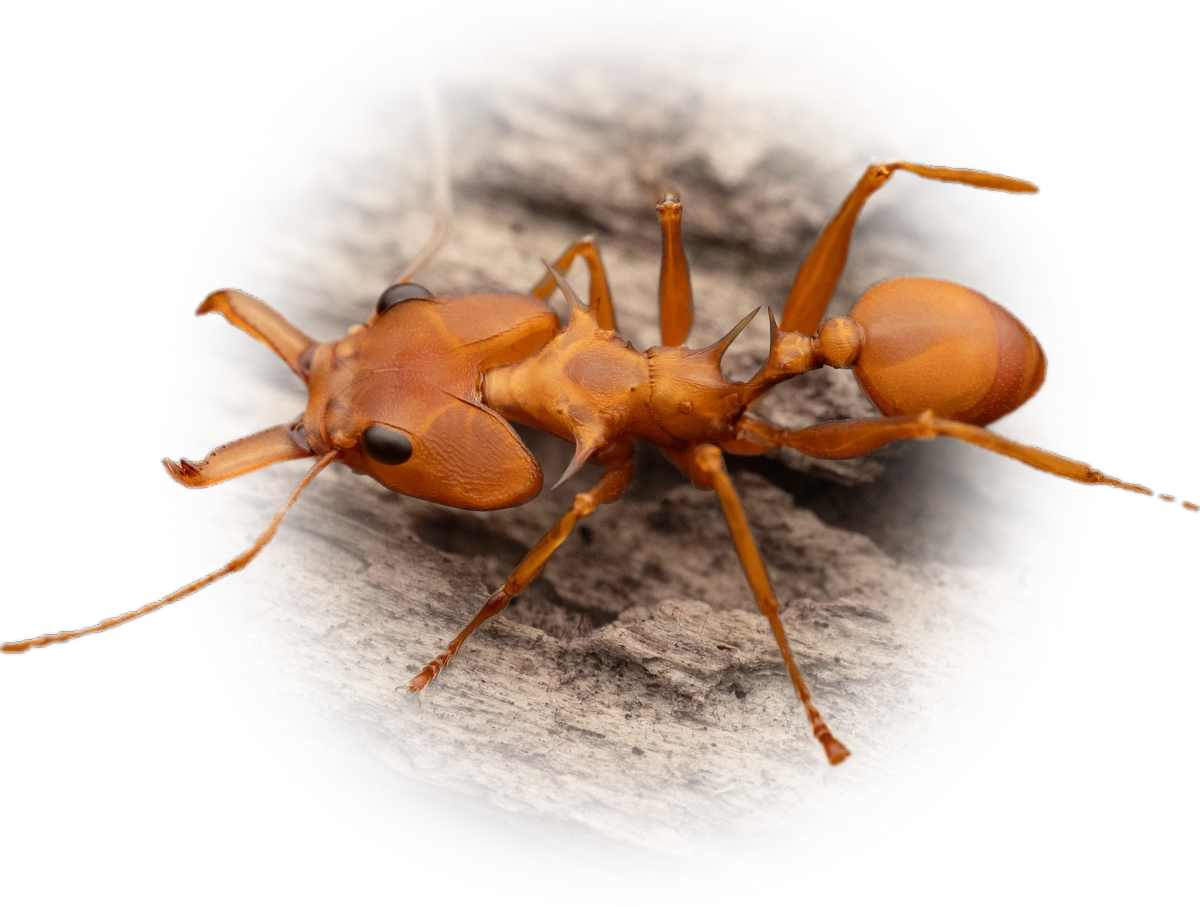

Daceton armigerum
- Scientific Name
- Daceton armigerum
- Tribe
- Attini
- Subfamily
- Myrmicinae
- Author
- Latreille, 1802
- Distribution
- Found in 8 countries
Daceton armigerum Overview
Daceton armigerum is an ant species of the genus Daceton. It is primarily documented in 8 countries , including Bolivia, Plurinational State of, Brazil. Detailed taxonomic data and occurrence records can be further explored via authoritative databases such as AntWeb or the Global Biodiversity Information Facility (GBIF).
Daceton armigerum
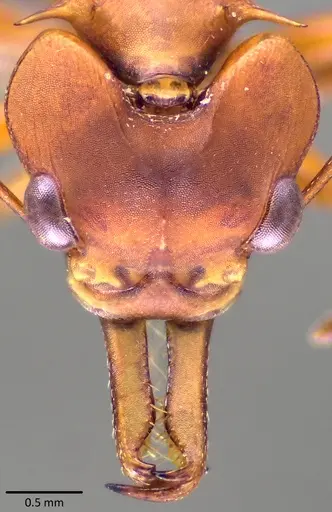
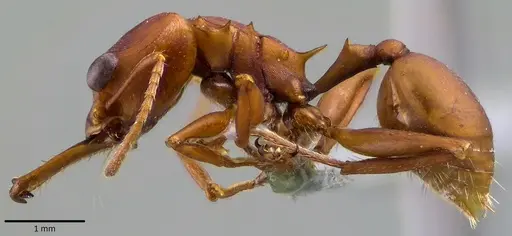
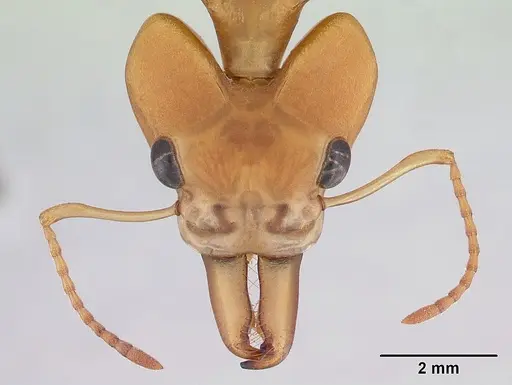
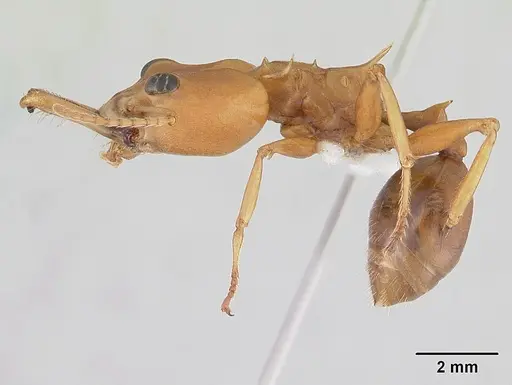
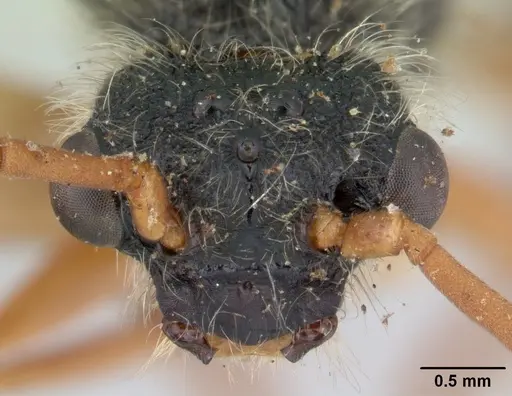
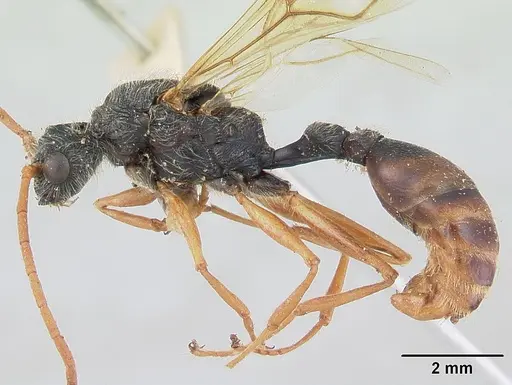
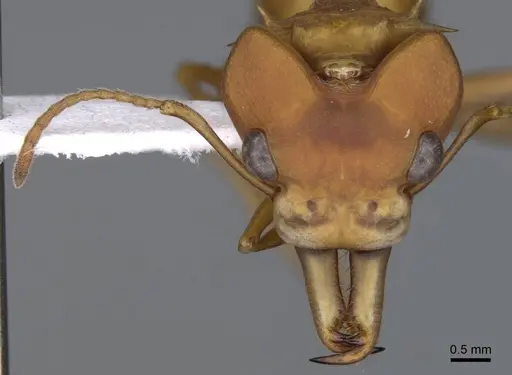
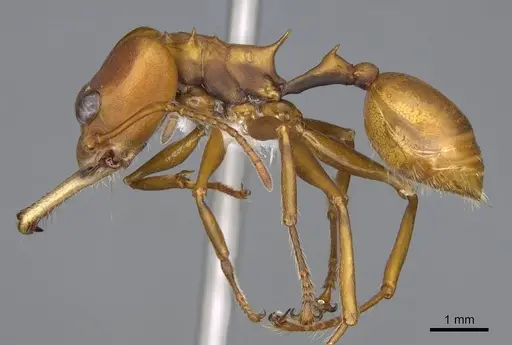
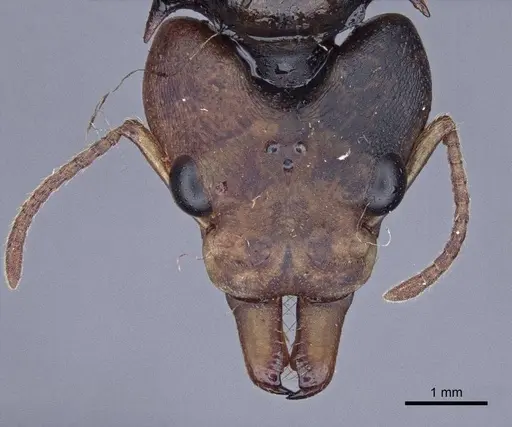
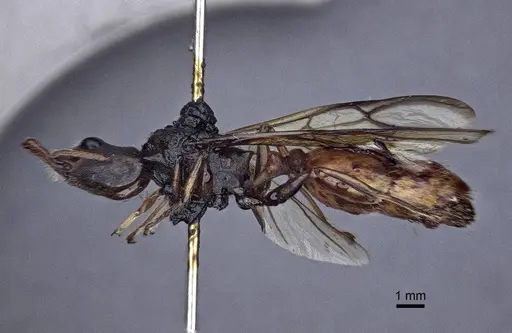
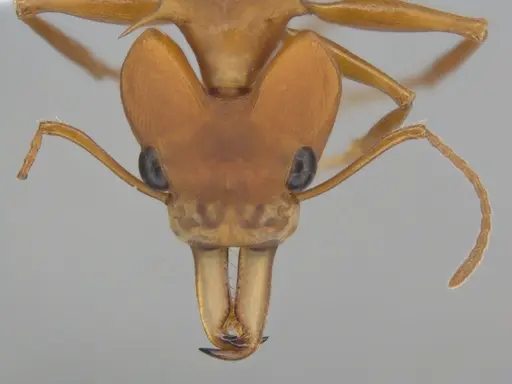
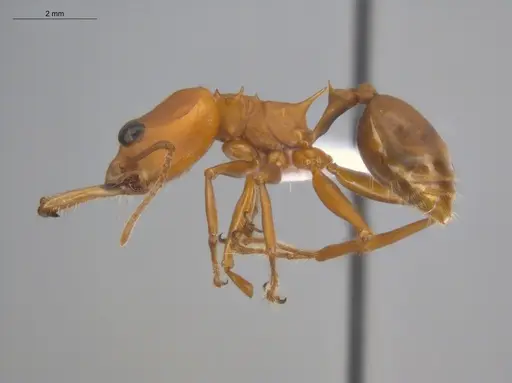
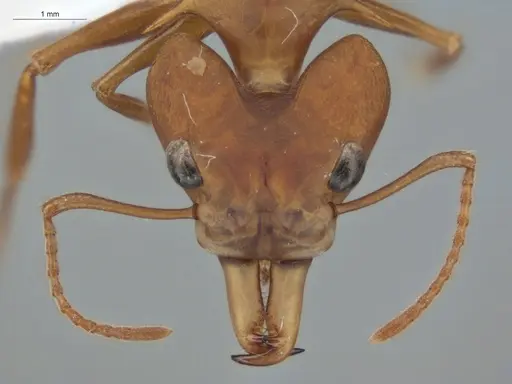
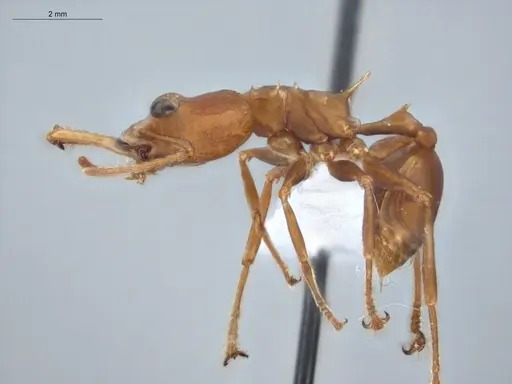
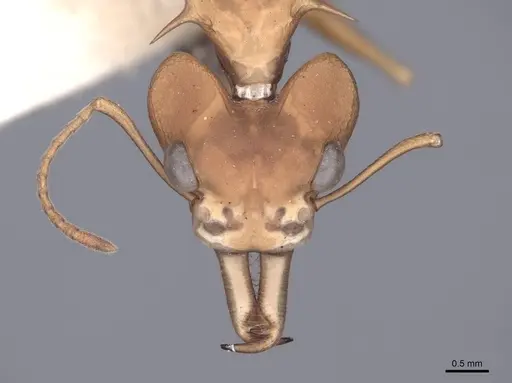
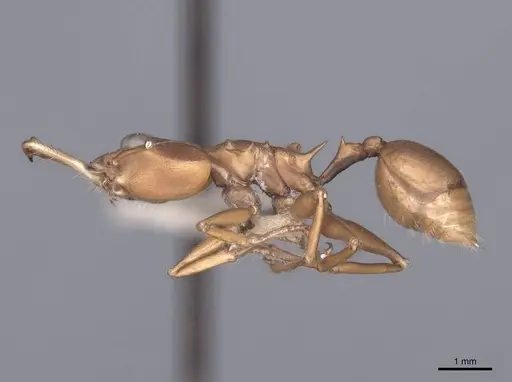
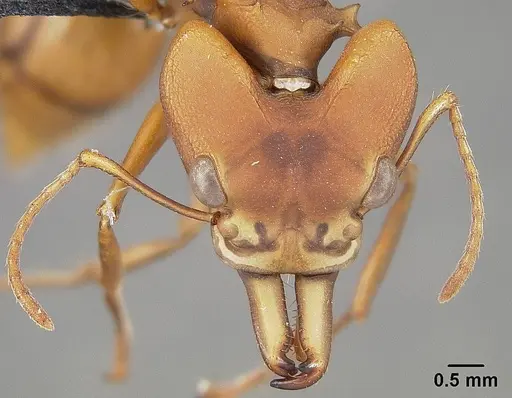
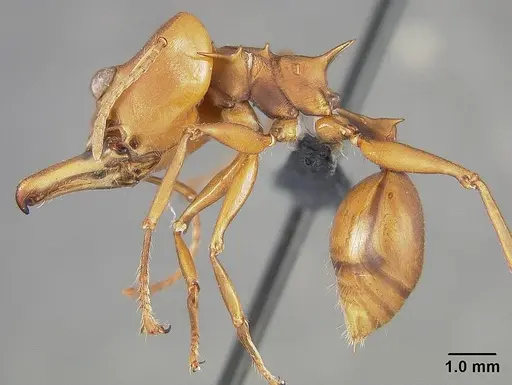
Daceton armigerum is a remarkable trap-jaw ant native to the rainforests of northern South America. Workers are highly polymorphic, ranging from 7-18mm in total length, with large majors sporting massive, elongated mandibles that can snap shut at incredible speeds to capture prey up to 94 times their body weight [1][2]. Their coloration ranges from red-brown to red-yellowish, with the abdomen typically darker than the head and mesosoma. These ants are arboreal, nesting in hollow branches and tree cavities throughout the Amazon basin countries including Brazil, Colombia, Peru, and French Guiana [1][3]. What makes D. armigerum truly special among trap-jaw ants is their unique recruitment behavior, they are the only trap-jaw species known to recruit nestmates to food sources, using a sophisticated combination of visual signals, pygidial gland secretions for short-range recruitment, and sternal gland secretions for long-range recruitment to large prey items [2][4].
Quick Summary
- Difficulty: Expert
- Origin & Habitat: Neotropical rainforests of Bolivia, Brazil, Colombia, Ecuador, French Guiana, Guyana, Peru, Suriname, Trinidad, and Venezuela. They inhabit both terra firma and flooded forests, nesting in cavities within tree branches and trunks previously bored by beetles and other insects [1][3].
- Colony Type: Polygynic (multiple egg-laying queens per chamber, typically 1-5) and polydomous (multiple nest chambers spread across the canopy). Colonies can reach massive sizes, the largest documented colony contained approximately 952,000 individuals spanning over 300 trees [5].
- Colony: Polygyne
- Size & Growth:
- Queen: Queens are documented but specific measurements not provided in available literature, they have neat wing tears indicating they have mated [2].
- Worker: 6.91-17.8mm total length [1]. Workers show dramatic polymorphism with complex continuously polymorphic caste system, smaller workers handle brood care while larger majors hunt and defend [1][2].
- Colony: Colonies can reach 5,000-10,000 workers according to older sources [1], though more recent field studies document colonies of 17,000-106,000 individuals in larger territories [5]. The absolute largest recorded colony contained approximately 952,000 ants [5].
- Growth: Moderate, development timeline not directly studied but inferred from related dacetine ants. Expect several months from egg to first worker given the complex polymorphic caste system.
- Development: Unknown, direct measurements not available in scientific literature. Based on typical dacetine ant development patterns, estimate 8-12 weeks at optimal tropical temperatures (around 24-28°C). (Polymorphic development means different worker castes develop at different rates, with larger majors taking longer to develop than minor workers.)
- Antkeeping:
- Temperature: Keep at 24-28°C as a starting point. This is a lowland tropical species from Amazonian rainforests, so they need warm, stable conditions. Use a heating cable on one side of the nest to create a gradient, but monitor for overheating, excessive heat can be fatal [2].
- Humidity: High humidity is essential, think damp rainforest canopy. Keep nest substrate consistently moist but not waterlogged. Mist occasionally and provide a water source. The humidity should be 70-85% range to match their natural habitat in terra firma and flooded forests [1].
- Diapause: No, as a tropical species from the Amazon basin, they do not require hibernation or winter dormancy. Maintain consistent temperatures year-round [1].
- Nesting: Arboreal nesting is critical. These ants naturally nest in hollow tree branches and cavities. In captivity, provide a naturalistic setup with cork bark or wooden branches, or a Y-tong/plaster nest with chambers sized appropriately for their large polymorphic workers. The key is vertical space and multiple connected chambers to accommodate their polydomous colony structure [1][2].
- Behavior: Daceton armigerum is a highly active, diurnal predator with fascinating hunting behaviors. Workers keep their trap-jaw mandibles open at approximately 180 degrees and snap them shut when triggered by sensory hairs on their labrum to capture prey [2]. They are visual predators that hunt individually during the day, but maintain 24-hour activity along trails between nest chambers [5]. They show complex recruitment behavior, for small prey, workers hunt alone, for large prey like grasshoppers, they recruit up to 20 nestmates through pheromone trails to spread-eagle and subdue the prey together [2]. They are excellent climbers with specialized pretarsal claws that allow them to walk on smooth vertical surfaces like glass [6]. Workers are not particularly aggressive toward humans but can deliver a mild sting (pain rating 1) if handled roughly [7]. Escape prevention is important despite their size because they are agile climbers.
- Common Issues: Live prey requirement, colonies will not thrive on sugar water alone. You must provide regular live insects (flies, small crickets, mealworms) for them to hunt and consume., Polydomous colony structure means they need more space than typical ants. Confining them to a single nest chamber can stress the colony and limit growth., High humidity needs make mold a constant threat. Ensure proper ventilation while maintaining moisture, and clean the nest regularly to prevent fungal growth., Tropical temperature requirements mean room temperature is often insufficient. Plan for supplemental heating, especially in cooler climates., Massive colony sizes in the wild (potentially hundreds of thousands) mean these ants require significant space and resources to thrive long-term. They are not suitable for small setups.
Housing and Nest Setup
Daceton armigerum presents unique housing challenges because they are arboreal ants that naturally live in tree hollows and branches. A standard test tube setup will not work for this species, they need vertical space and multiple connected chambers to accommodate their polydomous colony structure. A naturalistic setup with cork bark, wooden branches, or a custom-built arboreal formicarium works best. The nest should have chambers of varying sizes to accommodate the dramatic size polymorphism, tiny minor workers need small passages while large majors need wider spaces. Provide multiple entry and exit points, and connect the nest to a spacious outworld for foraging. Use a hydration system appropriate for the nest material (plaster nests work well for maintaining humidity). Because they are excellent climbers, apply fluon or another barrier to all edges of the enclosure to prevent escapes [6].
Feeding and Diet
This is a specialized predator, Daceton armigerum is not a species you can keep on sugar water alone. Workers are highly predaceous, hunting individually for live insects including flies, grasshoppers, moth and beetle larvae and adults, and planthoppers [1][2]. In captivity, you must provide a steady supply of live prey items. Fruit flies, small crickets, mealworms, and other small insects are appropriate. The trap-jaw mechanism allows them to capture prey up to 94 times their own weight, so don't be afraid to offer appropriately-sized prey [2]. Workers also occasionally tend coccids (scale insects) for honeydew, so you can offer occasional sugar water or honey as a supplement, but protein from live prey should form the bulk of their diet [1][5]. Feed every 2-3 days, removing uneaten prey after 24 hours to prevent mold.
Temperature and Humidity Control
As a lowland Amazonian species, Daceton armigerum requires warm, humid conditions year-round. Maintain temperatures between 24-28°C with minimal fluctuations. A heating cable placed on one side of the nest can create the necessary gradient, but monitor carefully, overheating can kill the colony. For humidity, aim for 70-85%, this is a rainforest species from terra firma and flooded forests. Keep the nest substrate consistently moist but not waterlogged. Mist the nest occasionally and ensure proper ventilation to prevent both stagnation and drying. Unlike temperate species, they do not require any diapause or winter cooling period, maintain consistent conditions throughout the year [1][3].
Trap-Jaw Mechanism and Hunting Behavior
The trap-jaw mechanism of Daceton armigerum is one of the most fascinating aspects of this species. Workers have massively elongated mandibles that can snap together at incredible speeds when triggered by sensory hairs on their labrum [2][8]. The catch mechanism is formed by the labrum itself, making this unique among trap-jaw ants [8]. Workers hold their mandibles open at approximately 180 degrees while ambushing prey, then snap them shut when prey comes within range, the strike can immobilize 100% of flies and 80% of grasshoppers [2]. For large prey, they use group recruitment: workers lay pheromone trails from their poison gland (which remains active for over 7 days) and sternal gland to recruit up to 20 nestmates. The recruited workers spread-eagle the prey by each grabbing different body parts and pulling in opposite directions [2]. This is the only trap-jaw ant species known to recruit nestmates to food sources [4].
Colony Structure and Polymorphism
Daceton armigerum has one of the most dramatic polymorphic worker caste systems in the ant kingdom. Workers range from 7mm to 18mm in total length, with smaller workers handling brood care and larger majors serving as hunters, prey dismemberers, and nest defenders [1][2]. The size-frequency distribution is unimodal (monophasic allometry), meaning workers of all sizes intermix rather than forming distinct sub-castes [2]. Colonies are polygynous, with multiple egg-laying queens (typically 1-5 per chamber) distributed throughout the nest [5]. The colony is also polydomous, with nest chambers spread across multiple trees in the wild, the largest documented colony spanned over 300 trees with approximately 952,000 individuals [5]. In captivity, this means you should provide multiple connected chambers and be prepared for the colony to expand significantly over time.
Escape Prevention and Handling
Despite their relatively large size, Daceton armigerum is an excellent climber with specialized adaptations for arboreal life. Their pretarsal claws are conspicuously hooked with angles of 130-145 degrees (almost twice as large as many other ant species), and they have a well-developed arolium (adhesive pad) that can extend to contact surfaces [6]. They can easily walk on smooth vertical glass walls, so standard barrier methods may not be sufficient. Apply fluon or similar barriers to all edges and openings of the enclosure. When handling, be aware that workers can deliver a mild sting (pain rating 1 on the Schmidt scale) if threatened [7]. However, they are not particularly aggressive toward humans and prefer to flee rather than fight. Never grab them with bare hands, use soft forceps if transfer is necessary.
Health and Common Problems
The most common health issues in captivity relate to diet and humidity. Because they require live prey, colonies that are fed only sugar water or dead insects will decline and eventually die. Always provide live prey items appropriate to the size of the workers. High humidity can lead to mold problems, ensure adequate ventilation while maintaining moisture, and clean the nest regularly. As a tropical species, they are susceptible to temperature shock from sudden drops, keep them away from air conditioning vents and drafts. Wild-caught colonies may carry parasites including the entomopathogenic fungus Ophiocordyceps daceti, which has been documented infecting this species in the wild [9][10]. Quarantine and monitor new colonies carefully. Also be aware that their massive potential colony sizes mean they require significant space and resources to reach their full potential.
Frequently Asked Questions
Can I keep Daceton armigerum in a test tube setup?
No, test tube setups are completely unsuitable for this species. Daceton armigerum is an arboreal ant that naturally nests in hollow tree branches. They need a naturalistic setup with cork bark, wooden branches, or a custom arboreal formicarium with multiple connected chambers to accommodate their polydomous colony structure.
What do Daceton armigerum ants eat?
They are specialized predators that require live insects. Feed them live fruit flies, small crickets, mealworms, and other small arthropods. Their trap-jaw mechanism allows them to capture prey up to 94 times their own weight. They can occasionally supplement with sugar water or honey, but live prey must form the bulk of their diet.
How long does it take for Daceton armigerum to produce first workers?
The exact egg-to-worker timeline has not been directly documented. Based on typical dacetine ant development patterns, expect approximately 8-12 weeks at optimal temperatures (24-28°C). The polymorphic caste system means development times vary, smaller workers develop faster than large majors.
How big do Daceton armigerum colonies get?
Colonies can become massive. Typical colonies reach 5,000-10,000 workers, but the largest documented wild colonies contained over 950,000 individuals spanning hundreds of trees. In captivity, well-established colonies can reach tens of thousands of workers.
Can I keep multiple Daceton armigerum queens together?
Yes, this species is naturally polygynous, meaning colonies typically have multiple egg-laying queens (typically 1-5 per chamber). In the wild, queens from the same colony are accepted, though queens from different colonies would likely fight. Do not combine unrelated queens.
Do Daceton armigerum need hibernation?
No, as a tropical Amazonian species, they do not require hibernation or any winter cooling period. Maintain consistent warm (24-28°C) and humid conditions year-round.
Why are my Daceton armigerum dying?
The most likely causes are: 1) Lack of live prey, they are obligate predators and will not survive on sugar water alone, 2) Low humidity, they need 70-85% humidity, 3) Temperature too low, they need 24-28°C, 4) Mold from poor ventilation. Review all care parameters and ensure you're providing appropriate live prey.
Are Daceton armigerum good for beginners?
No, this is an expert-level species. They have complex requirements including live prey feeding, arboreal nesting, high humidity, tropical temperatures, and massive colony sizes. They are not suitable for beginners or those without experience keeping specialized predatory ants.
When should I move Daceton armigerum to a formicarium?
Move them when they outgrow their initial container or when you observe workers exploring beyond the nest area. For this species, start with a naturalistic arboreal setup rather than trying to adapt them to a standard formicarium. They need vertical space and multiple connected chambers from the beginning.
How do I set up a proper escape barrier for Daceton armigerum?
Apply fluon or a similar barrier to all edges, corners, and openings of the enclosure. Their specialized claws and arolium make them excellent climbers capable of walking on smooth vertical glass, so standard barriers may not be sufficient. Reapply barriers regularly and check for any gaps or wear points.
References

This caresheet is licensed under CC BY-SA 4.0 .
ANTWEB1041826
View on AntWeb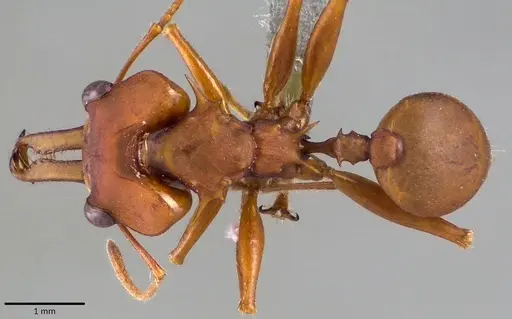
CASENT0178489
View on AntWeb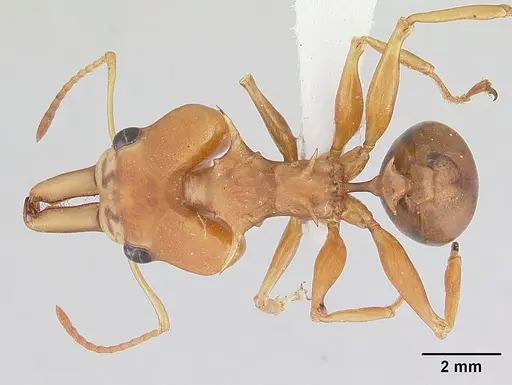
CASENT0178490
View on AntWeb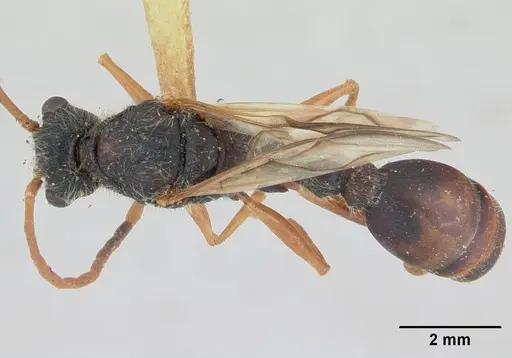
CASENT0914665
View on AntWeb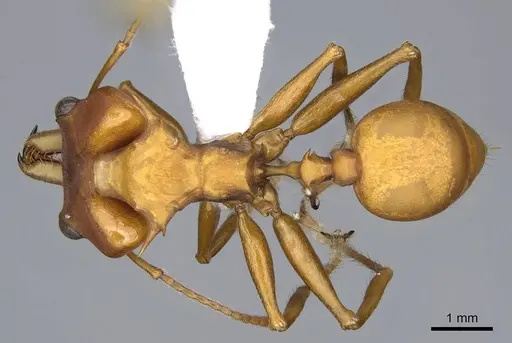
CASENT0916655
View on AntWeb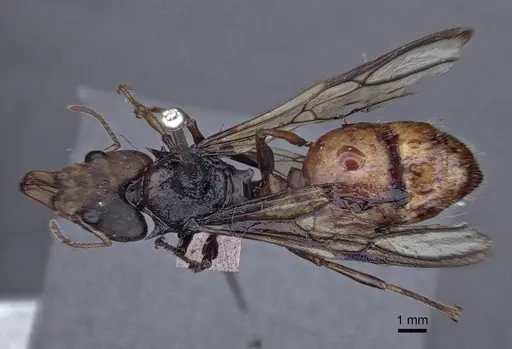
ECOFOG-BUG-0962-04
View on AntWeb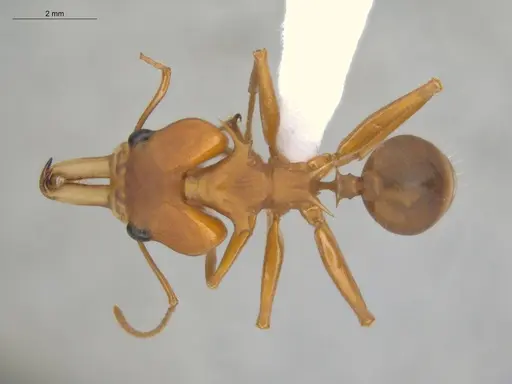
ECOFOG-KR20-0049-02
View on AntWeb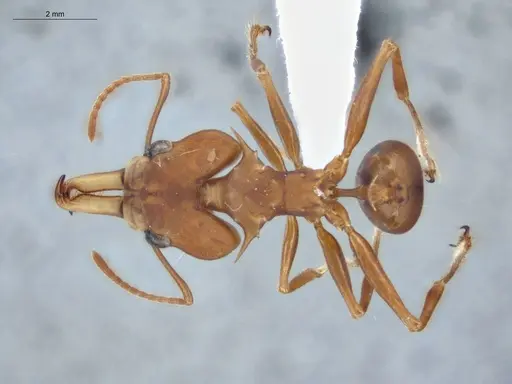
FMNHINS0000049817
View on AntWeb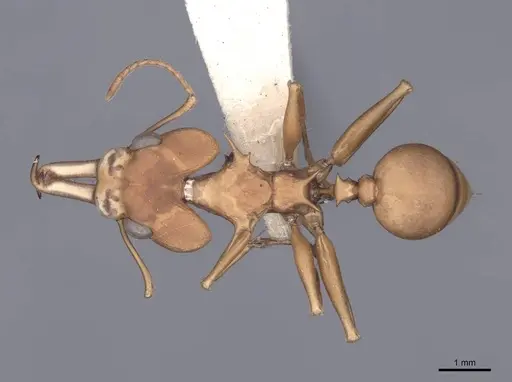
USNMENT01124211
View on AntWeb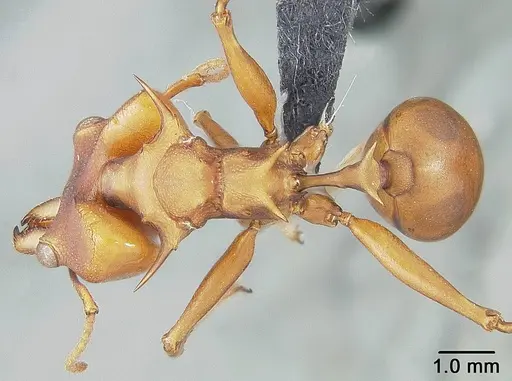
Literature
Loading...Loading products...