

Cephalotes maculatus
- Scientific Name
- Cephalotes maculatus
- Tribe
- Attini
- Subfamily
- Myrmicinae
- Author
- Smith, 1876
- Distribution
- Found in 12 countries
Cephalotes maculatus Overview
Cephalotes maculatus is an ant species of the genus Cephalotes. It is primarily documented in 12 countries , including Brazil, Colombia, Costa Rica. Detailed taxonomic data and occurrence records can be further explored via authoritative databases such as AntWeb or the Global Biodiversity Information Facility (GBIF).
Cephalotes maculatus
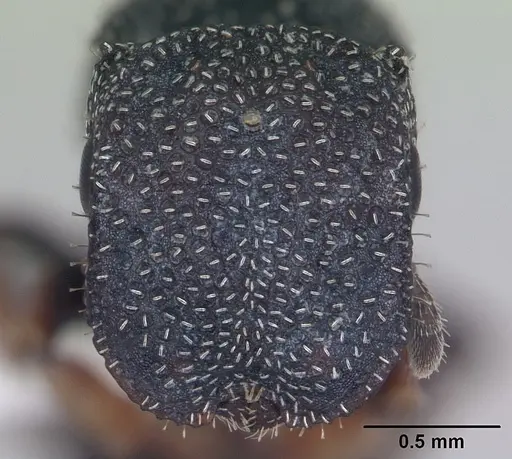
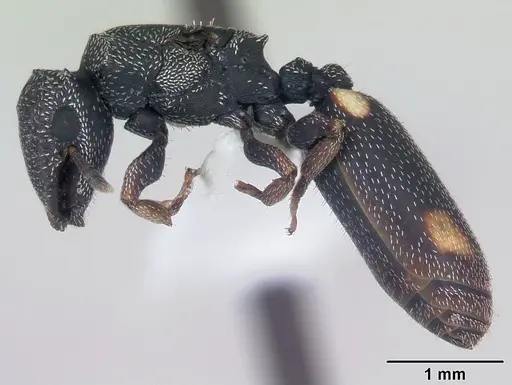
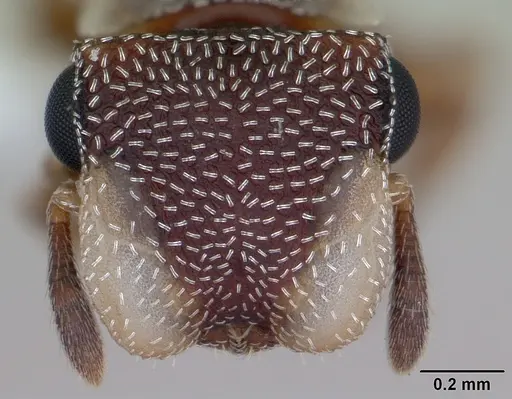
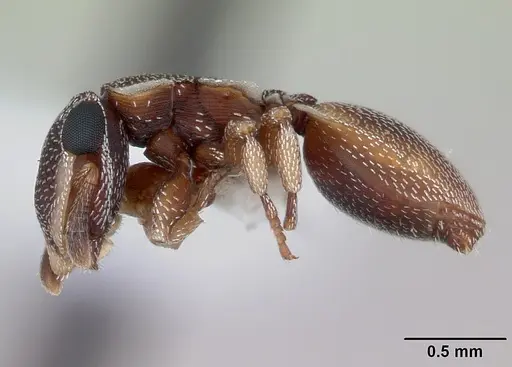
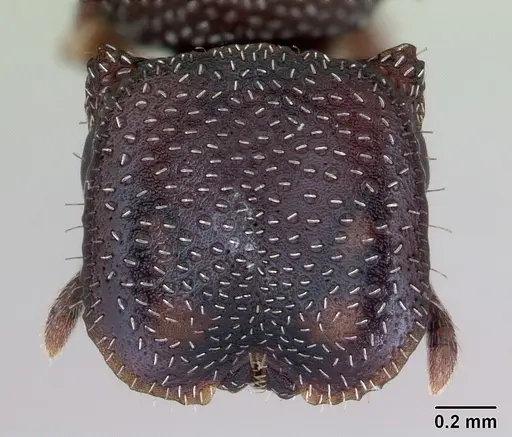
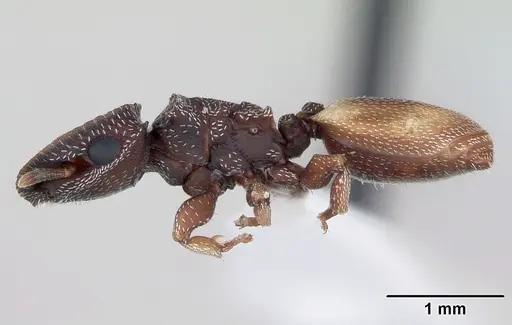
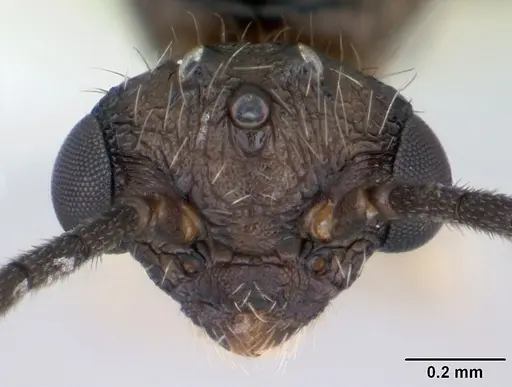
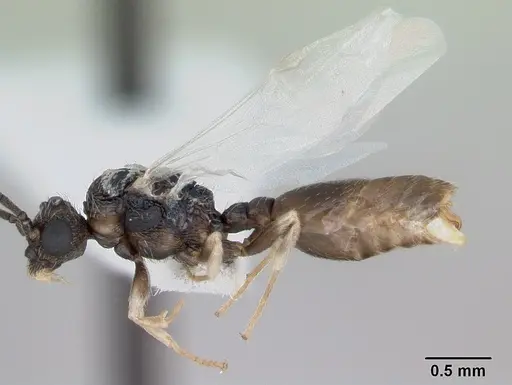
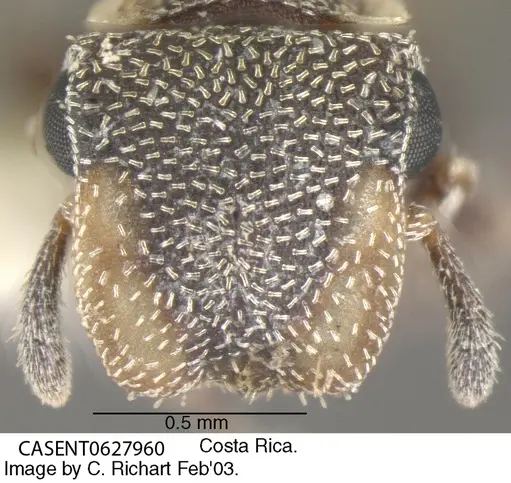
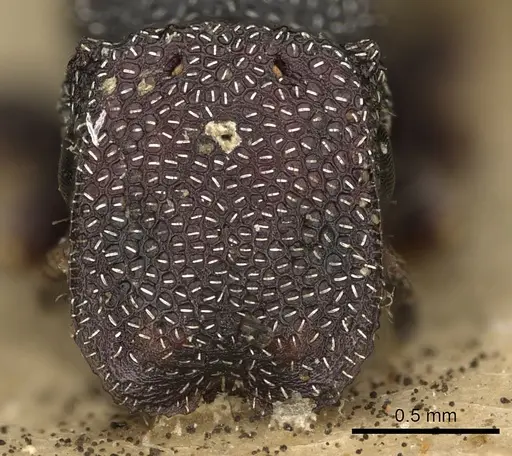
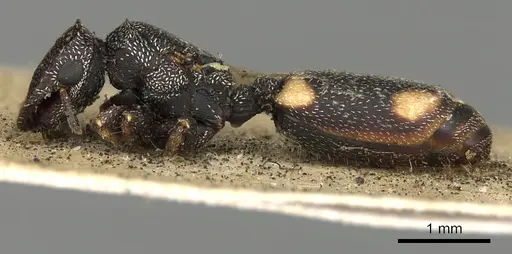
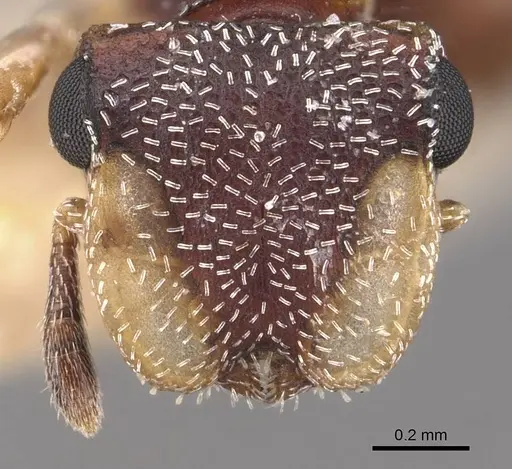
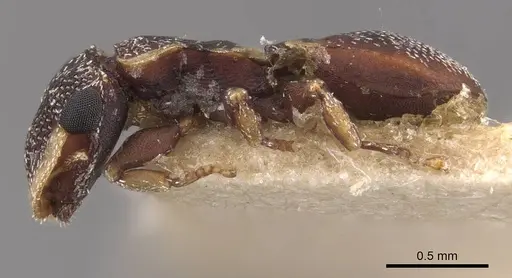
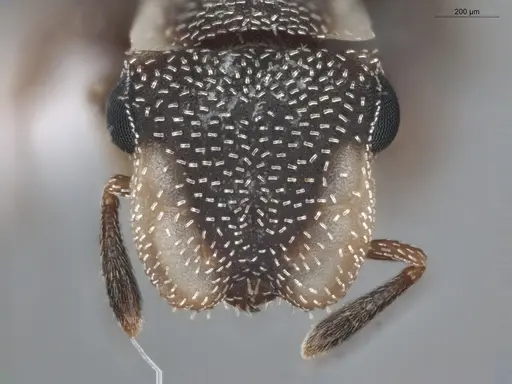
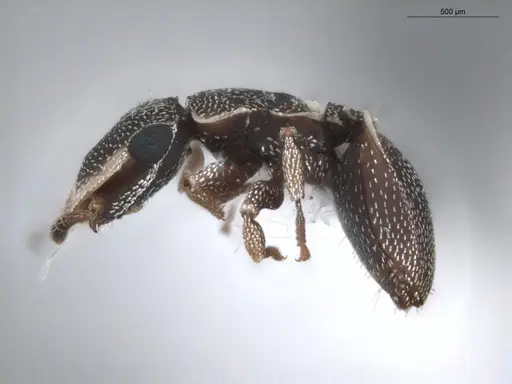
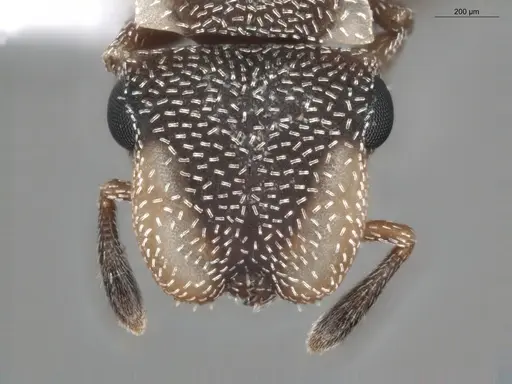
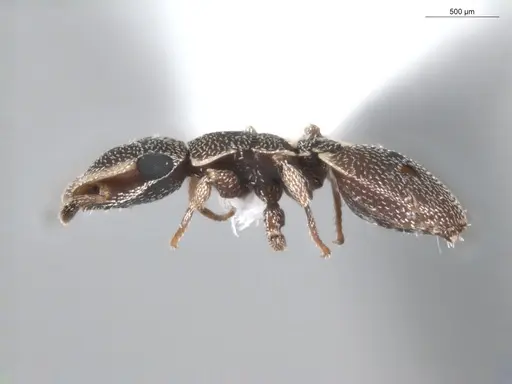
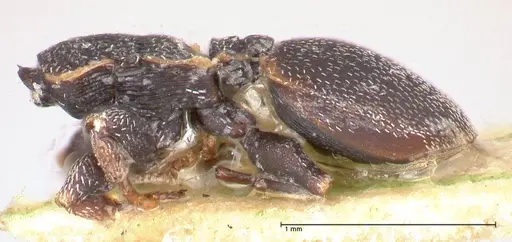
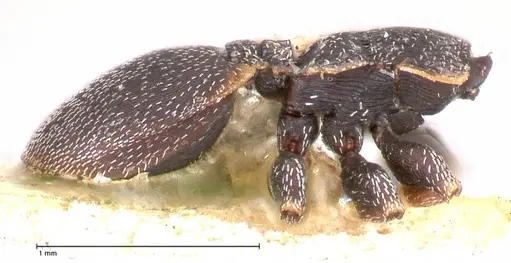
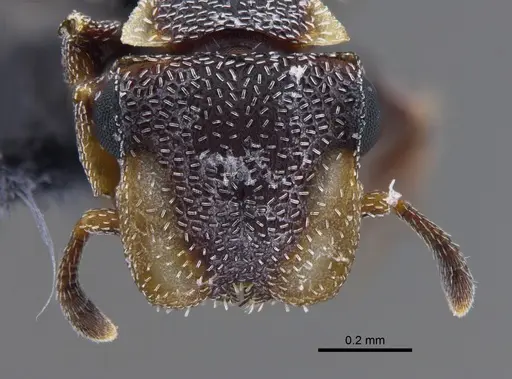
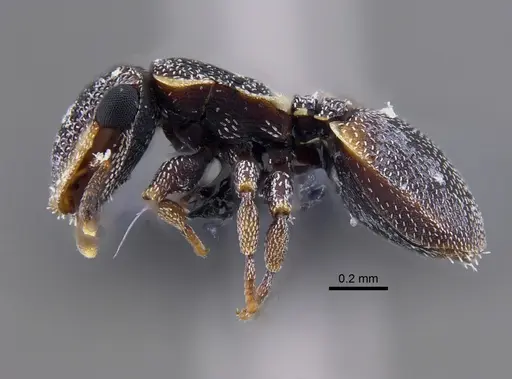
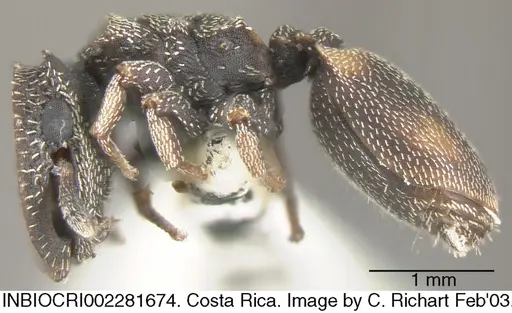
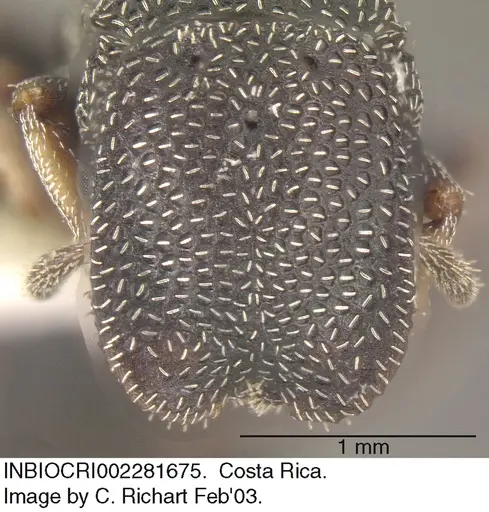
Cephalotes maculatus is a small, distinctive turtle ant known for its remarkably flattened body and broad, plate-like head. Workers measure 2.6-3.0mm with soldiers reaching 3.9-4.2mm and queens at 5.6-6.4mm [1]. Their body is predominantly black with white scales giving a silvery-grey appearance, and they have distinctive lateral expansions on their petiole that help them wedge themselves into narrow nest entrances [2]. This species belongs to the pinelii clade and is one of the most common Cephalotes species, with a distribution spanning from Mexico all the way down to Argentina across the Neotropics [3]. They are arboreal nesters, living in hollow stems and dead branches in forest canopies, where they form relatively small colonies [1].
Quick Summary
- Difficulty: Medium
- Origin & Habitat: Native to the Neotropical region, Mexico, Central America, and South America down to Argentina. They inhabit arboreal vegetation in tropical and subtropical forests, nesting in dead wood and tree stems at elevations from 9m to 1800m [3][4].
- Colony Type: Likely monogyne (single queen) based on typical Cephalotes patterns. Colonies are relatively small, with documented colonies containing only a few dozen workers [1].
- Colony: Monogyne
- Founding: Claustral
- Size & Growth:
- Queen: 5.6-6.4mm [1]
- Worker: 2.6-3.0mm [1]
- Colony: Likely under 100 workers based on colony observations, one documented colony had only 1 major,1 mature worker,1 callow worker, and 7 brood [1]
- Growth: Moderate, inferred from typical Cephalotes development patterns
- Development: Estimated 6-10 weeks based on related Cephalotes species development (Development time is not directly studied for this species. Turtle ants typically have slower development compared to many Myrmicines due to their specialized diet and arboreal lifestyle.)
- Antkeeping:
- Temperature: Keep at 22-26°C. These are tropical ants that prefer warm, stable conditions. A gentle gradient allowing them to self-regulate is ideal.
- Humidity: Moderate to high humidity (60-80%). As arboreal nesters, they prefer humid forest conditions but need good ventilation to prevent mold in captive setups.
- Diapause: No, as a tropical species, they do not require hibernation. However, slight temperature reductions during winter months may slow activity naturally.
- Nesting: Arboreal specialists, they nest in narrow stems and hollow branches. In captivity, they do well in acrylic nests with narrow chambers or in setups that mimic their natural tree-nesting habitat. They prefer tight-fitting chambers where they can wedge their flattened bodies in place.
- Behavior: Turtle ants are generally docile and non-aggressive. They are herbivorous specialists, feeding primarily on bird droppings and extrafloral nectar in the wild [5][6]. They have a unique relationship where they sometimes exploit the trails of other ant species (like Azteca trigona) to access food sources [7]. Their flattened body allows them to retreat into narrow crevices where only they can fit. They are not known for stinging, their main defense is wedging themselves into nest entrances with their specialized petiole. Escape risk is moderate due to their small size, standard barrier methods work well.
- Common Issues: colonies are small and slow-growing, which can frustrate keepers expecting rapid expansion, their specialized herbivorous diet means they may reject standard ant foods, they need bird droppings, nectar, or specialized feeding approaches, arboreal nesting means they need narrow chambers, too-large spaces can stress them, wild-caught colonies may have parasites or be stressed from collection, leading to colony failure, poor ventilation combined with high humidity causes mold problems in captive setups
Housing and Nest Preferences
Cephalotes maculatus are arboreal ants that naturally nest in hollow stems and dead branches in forest canopies. In captivity, they do best in acrylic nests (like Y-tong style) with narrow chambers scaled to their tiny size. The key is providing tight-fitting spaces where they can wedge their flattened bodies, these ants feel secure when they can press against the walls of their chambers. Avoid large, open spaces that would make them feel exposed. A naturalistic setup with small-diameter tubes or stems works well. They need their nest area to be humid but well-ventilated to prevent mold. The outworld can be standard, these are small ants but not particularly good climbers on smooth surfaces, so escape prevention is straightforward with standard barriers. [1][4]
Feeding and Diet
Turtle ants are unusual among Myrmicines, they are herbivorous specialists. In the wild, they primarily feed on bird droppings and extrafloral nectar [5][6]. This is a challenging diet to replicate in captivity. You can offer: sugar water or honey water (they will accept these), but the key protein source is bird droppings, you can collect small amounts from pet birds or place a small dish with a droppings sample in the outworld. Some keepers report success with very small amounts of fruit or nectar. They are not predatory and will not accept typical ant prey like mealworms. This specialized diet is one reason Cephalotes are considered more challenging than typical ants, if they refuse sugar sources, you may need to provide plant-based matter or accept that this species may be difficult to maintain long-term on standard ant foods.
Temperature and Seasonal Care
As a Neotropical species from Mexico down to Argentina, Cephalotes maculatus prefers warm, stable temperatures in the 22-26°C range. They do not require hibernation or diapause. During winter, you may notice reduced activity if room temperatures drop, but no special winter care is needed beyond keeping them above 20°C. Avoid temperature fluctuations and keep them away from air conditioning vents or drafty areas. A small heating cable on one side of the nest can create a gentle gradient if your room is cooler, but ensure the nest doesn't dry out from heat exposure. These are forest canopy ants that prefer humid conditions, so monitor substrate moisture and provide water sources in the outworld. [3][1]
Behavior and Colony Structure
Cephalotes maculatus colonies are relatively small compared to many common ant species. One documented wild colony contained only 1 major (soldier),1 mature worker,1 callow worker, and 7 brood items [1]. This suggests colonies typically stay small, likely under 100 workers even at maturity. They are docile ants that rely on their specialized body shape for defense, their flattened form and broad petiole allow them to wedge themselves into nest entrances, making it physically impossible for predators to reach them. They are not aggressive and do not have stingers. In the wild, they sometimes exploit the trails of other ant species like Azteca trigona to access food sources [7]. This social mimicry behavior is fascinating but not something you need to replicate in captivity. Workers are active foragers in the canopy, searching for nectar and bird droppings.
Growth and Development
The development timeline for Cephalotes maculatus has not been directly studied, but based on related Cephalotes species, expect 6-10 weeks from egg to worker at optimal temperatures. Their growth rate is moderate and colonies remain small, even mature colonies likely have fewer than 100 workers. This slow, small-colony growth is typical of turtle ants, which invest more in each individual rather than producing massive worker numbers. Queens are 5.6-6.4mm and can lay eggs continuously once established. The presence of a soldier caste (majors) is notable, these larger workers develop from larvae that receive extra food and are used for colony defense and nest entrance blocking. Don't expect rapid colony expansion with this species. [1]
Frequently Asked Questions
Can I keep Cephalotes maculatus in a test tube?
Yes, you can start them in a test tube setup, but they will need to be moved to a more appropriate arboreal-style nest relatively quickly. Turtle ants need narrow chambers where they can wedge their flattened bodies, so a standard test tube setup should only be used for founding colonies. Once established, transfer them to an acrylic nest with small-diameter chambers.
How long until first workers in Cephalotes maculatus?
Expect 6-10 weeks from founding to first workers based on related Cephalotes species. Development is not directly documented for this species, but turtle ants typically have slower development than typical Myrmicines due to their specialized biology.
What do Cephalotes maculatus eat?
They are herbivorous specialists. In the wild they feed primarily on bird droppings and extrafloral nectar. In captivity, offer sugar water or honey as a carbohydrate source. For protein, you can try providing a small amount of bird droppings (from pet birds) or plant-based matter. They are not predatory and will not accept typical ant prey like insects.
Are Cephalotes maculatus good for beginners?
No, this species is considered intermediate to advanced. Their specialized herbivorous diet (requiring bird droppings or similar) and arboreal nesting needs make them more challenging than common beginner species like Lasius or Tetramorium. They are also slow-growing with small colonies.
How big do Cephalotes maculatus colonies get?
Colonies remain relatively small, likely under 100 workers even at maturity. One documented wild colony had only about 9 individuals total (1 major,1 mature worker,1 callow worker, and 7 brood). This is typical for turtle ants, which prioritize individual quality over colony numbers.
Can I keep multiple Cephalotes maculatus queens together?
Not recommended. While colony structure is not well-documented for this species, Cephalotes are typically monogyne (single queen). Combining unrelated queens has not been studied and could result in fighting. It's best to start with one queen per colony.
Do Cephalotes maculatus need hibernation?
No, as a tropical Neotropical species, they do not require hibernation. They prefer consistent temperatures in the 22-26°C range year-round. You may notice reduced activity in cooler winter months, but no special winter treatment is needed.
When should I move Cephalotes maculatus to a formicarium?
Move them once the colony reaches 10-15 workers or when the test tube water reservoir becomes difficult to maintain. Turtle ants need narrow chambers, so choose an acrylic nest with small passages. Avoid moving them too early, let the colony establish firmly first.
Why are my Cephalotes maculatus dying?
Common causes include: wrong diet (they need plant-based matter, not insects), too dry conditions (they need humidity), too large nest chambers (they feel exposed), or stress from wild collection. Ensure they have proper humidity, narrow nest chambers, and appropriate food. Also check for mold in the setup.
References

This caresheet is licensed under CC BY-SA 4.0 .
CASENT0173687
View on AntWeb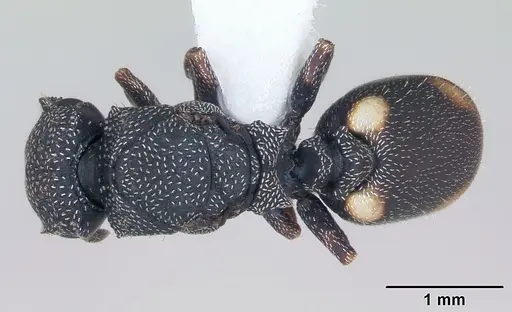
CASENT0173688
View on AntWeb
CASENT0173689
View on AntWeb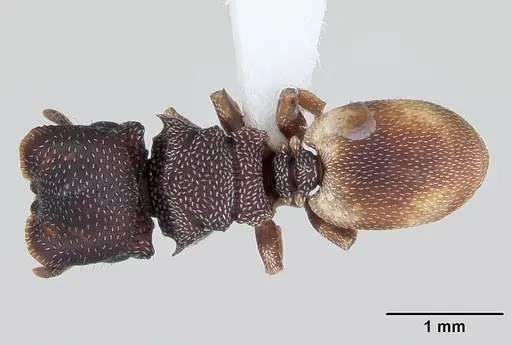
CASENT0173690
View on AntWeb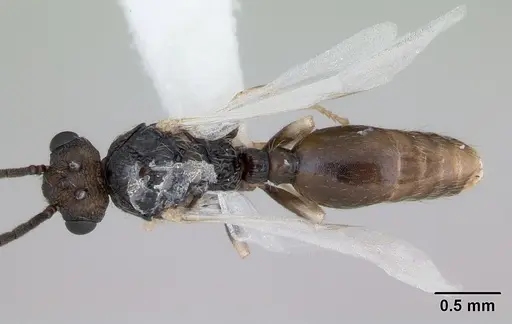
CASENT0627960
View on AntWeb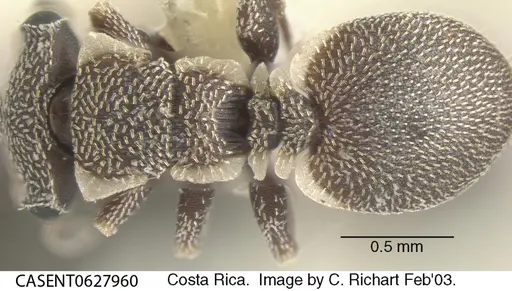
CASENT0900235
View on AntWeb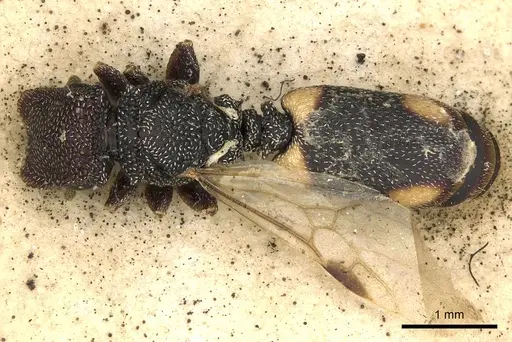
CASENT0909295
View on AntWeb
ECOFOG-BUG-0393-03
View on AntWeb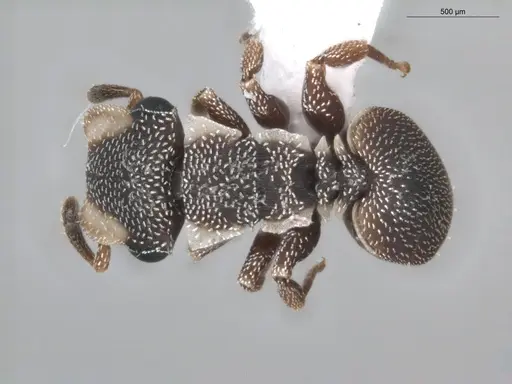
ECOFOG-BUG-0418-02
View on AntWeb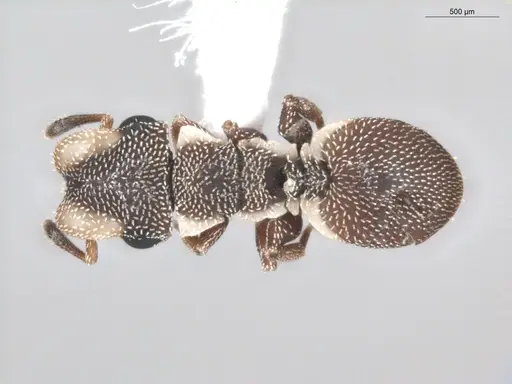
FOCOL0665
View on AntWeb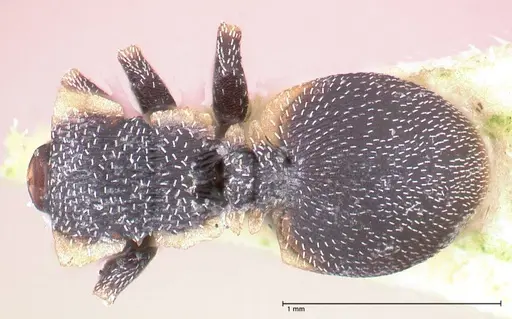
IAVH-E-248283
View on AntWeb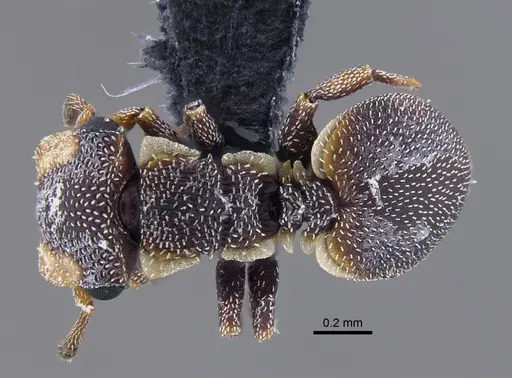
INBIOCRI002281674
View on AntWeb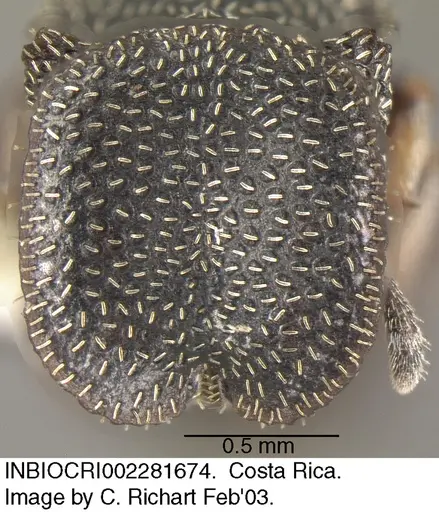
INBIOCRI002281675
View on AntWeb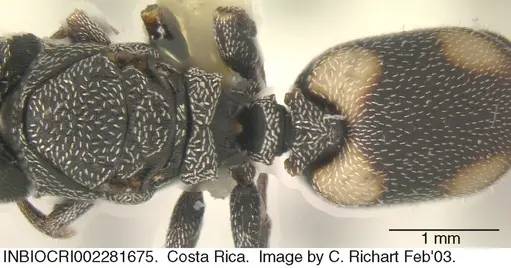
Literature
Loading...Loading products...