

Azteca trigona
- Scientific Name
- Azteca trigona
- Tribe
- Leptomyrmecini
- Subfamily
- Dolichoderinae
- Author
- Emery, 1893
- Distribution
- Found in 6 countries
Azteca trigona Overview
Azteca trigona is an ant species of the genus Azteca. It is primarily documented in 6 countries , including Brazil, Colombia, Ecuador. Detailed taxonomic data and occurrence records can be further explored via authoritative databases such as AntWeb or the Global Biodiversity Information Facility (GBIF).
Azteca trigona
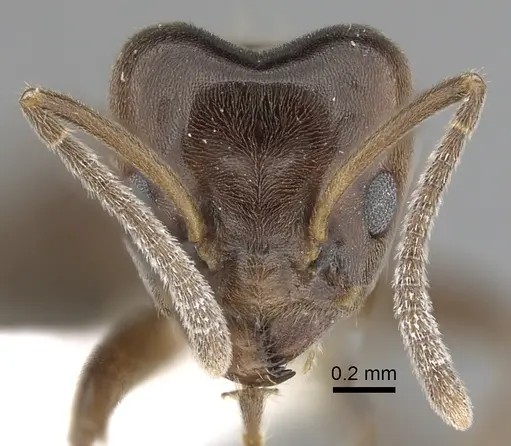
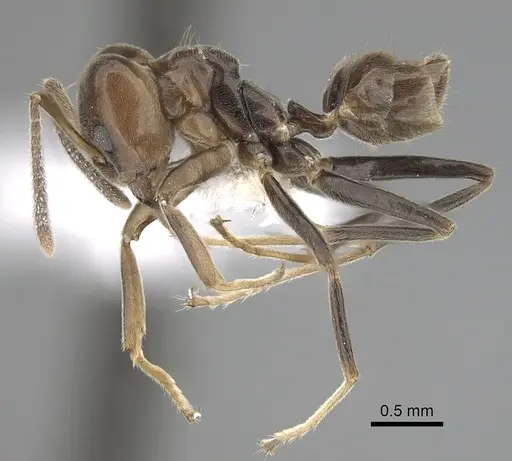
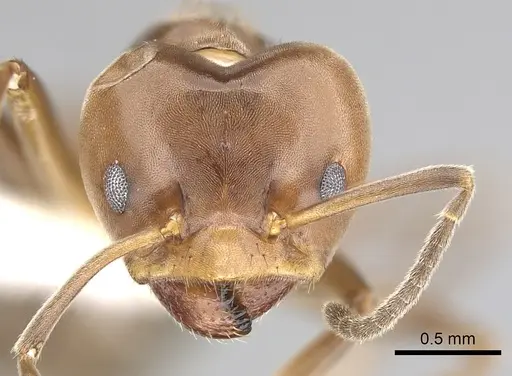
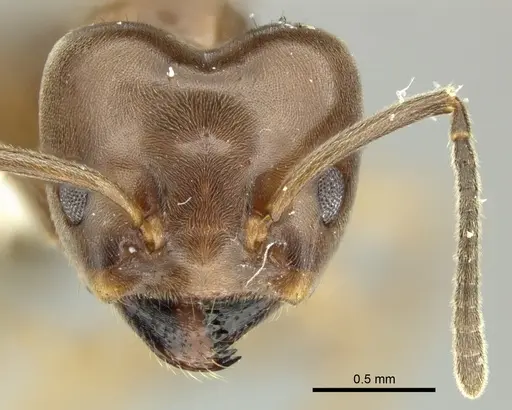
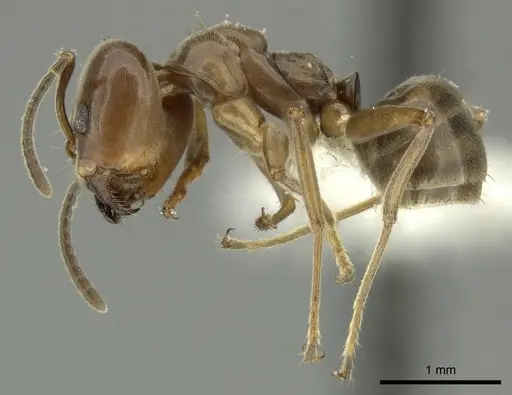
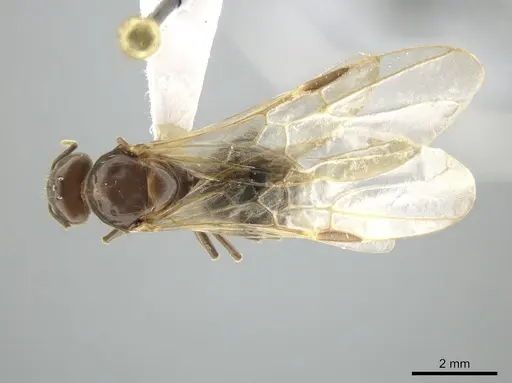
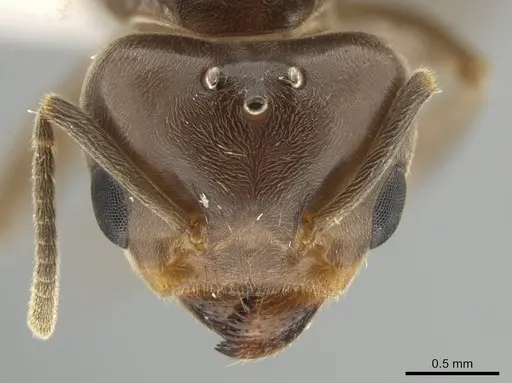
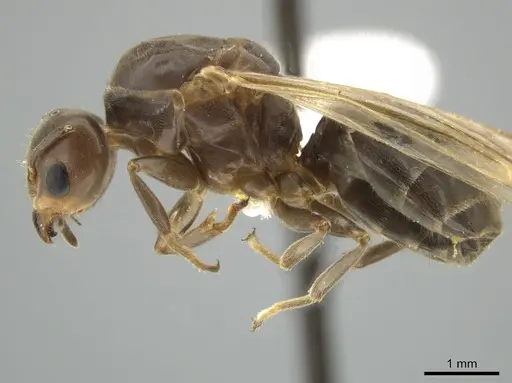
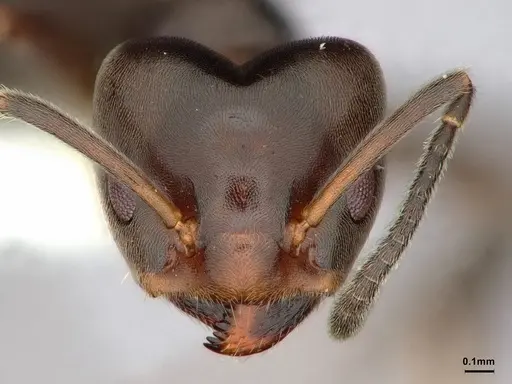
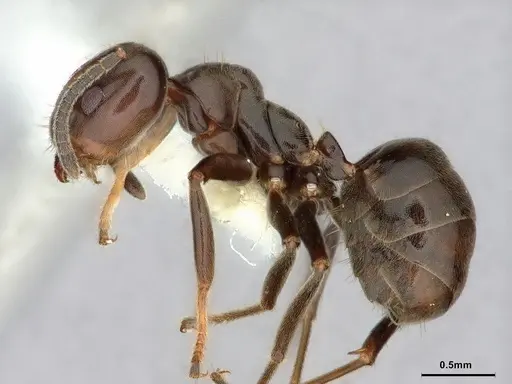
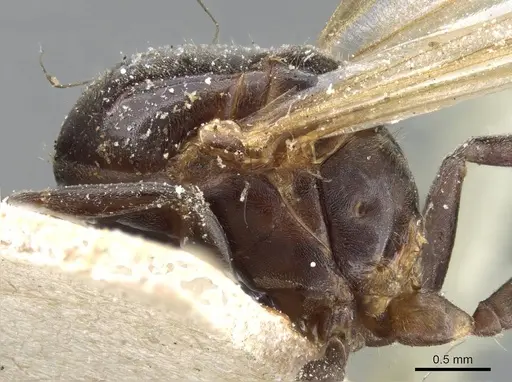
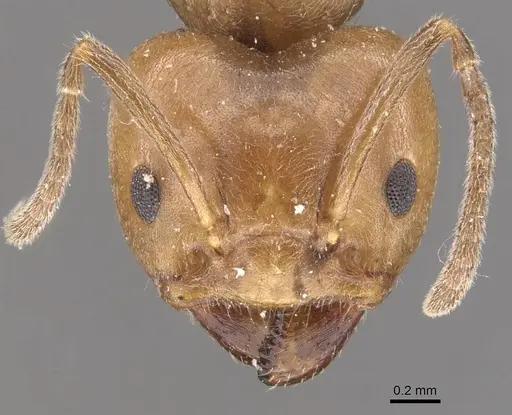
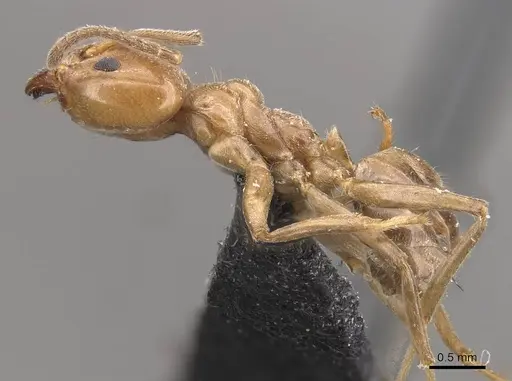
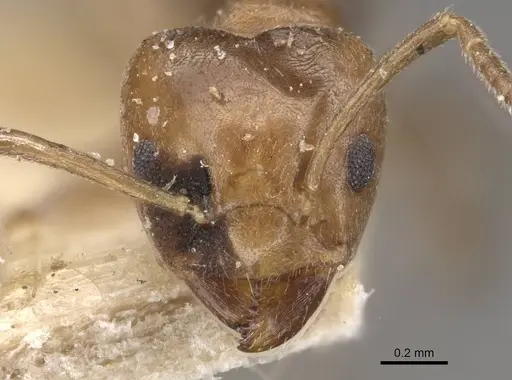
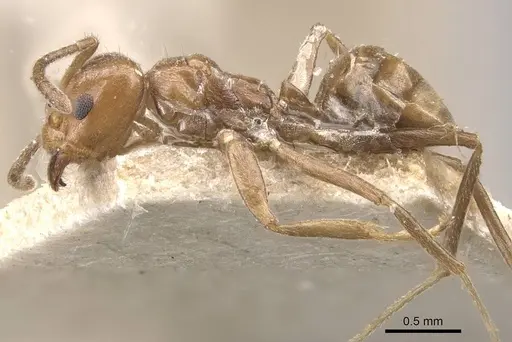
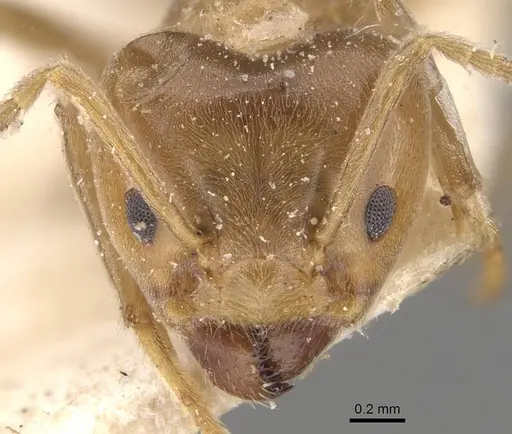
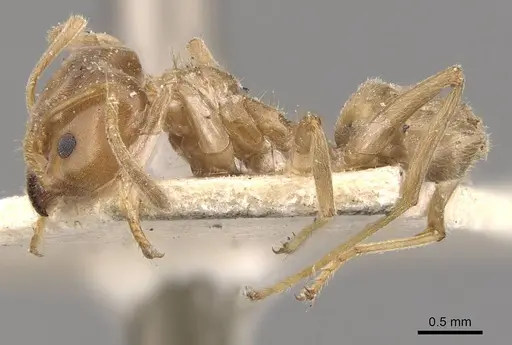
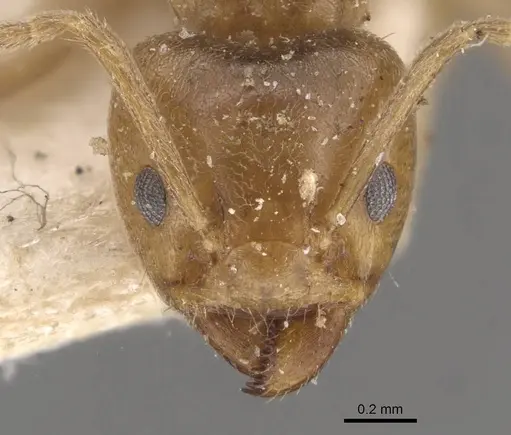
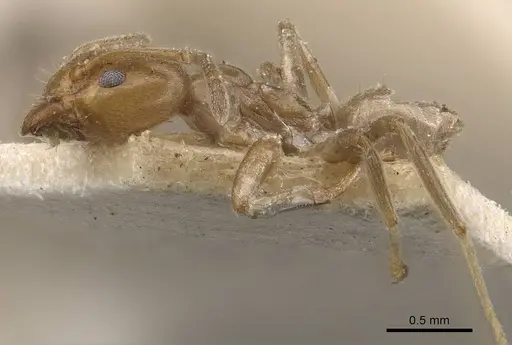
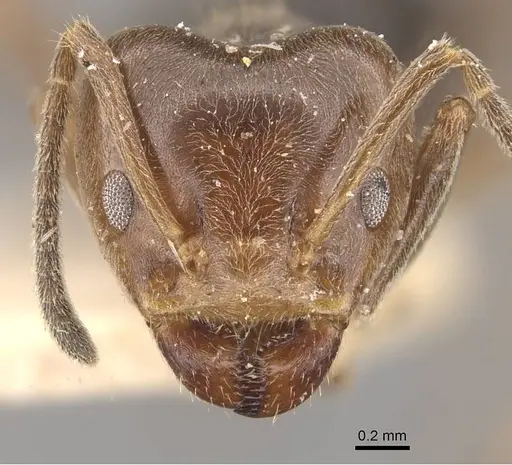
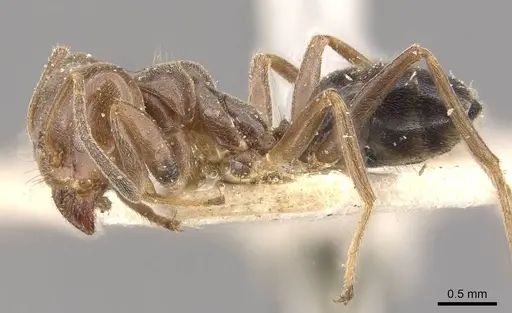
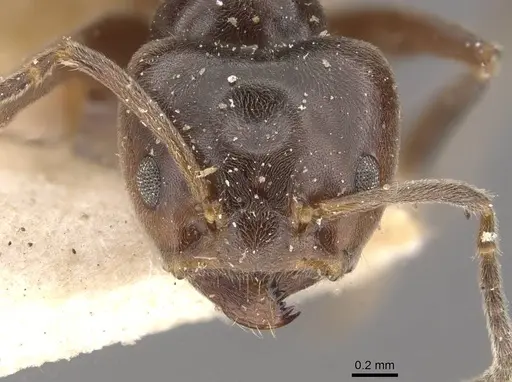
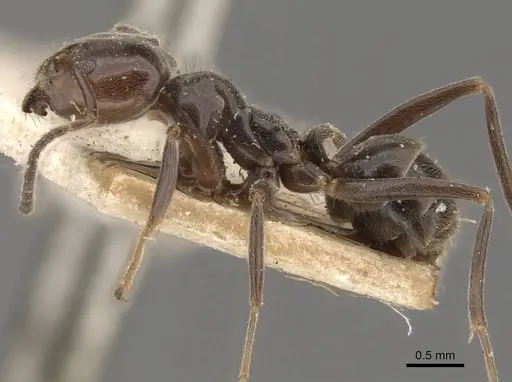
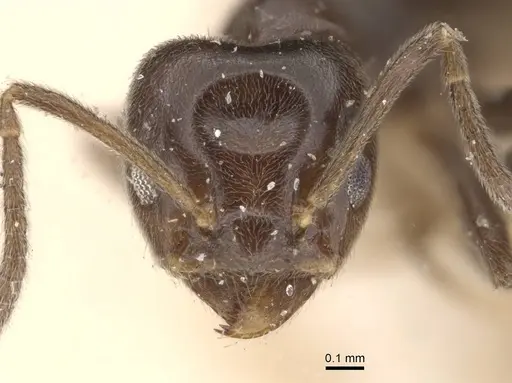
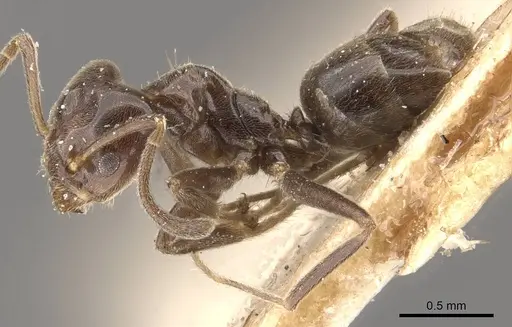
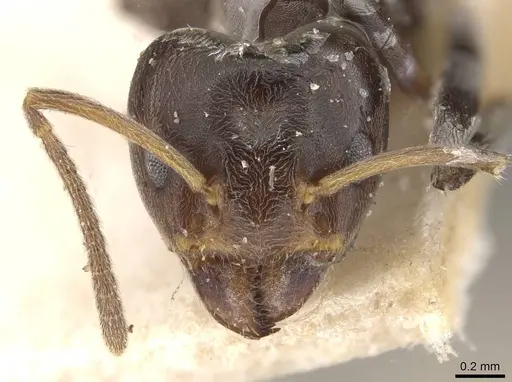
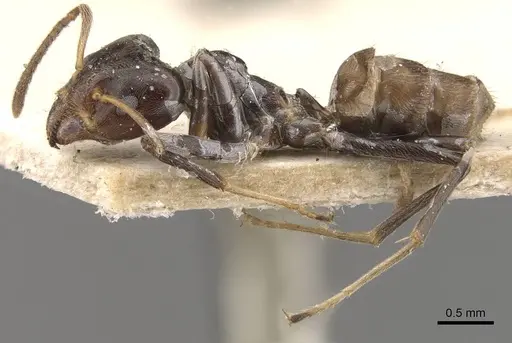
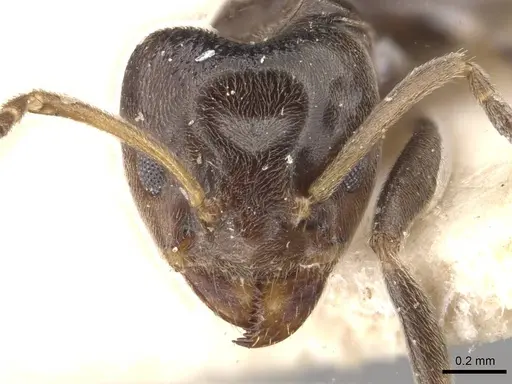
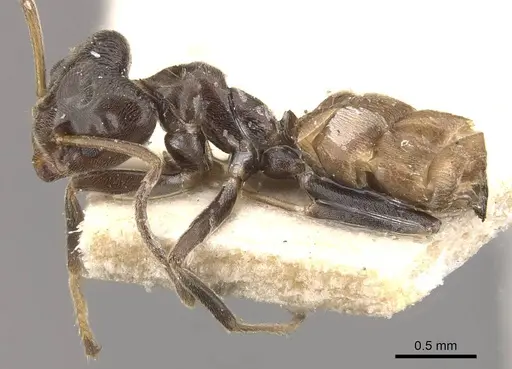
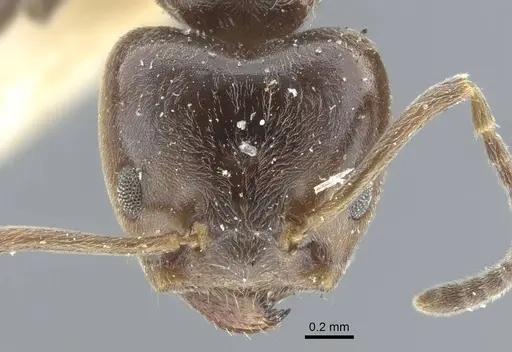
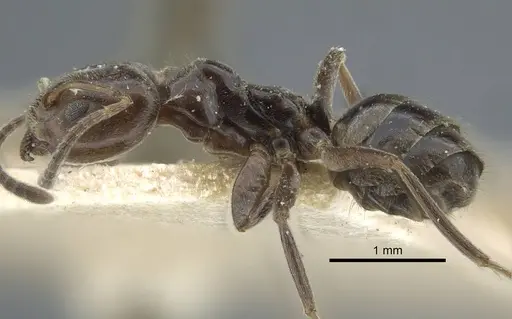
Azteca trigona is a large, aggressive arboreal ant species native to the Neotropical region, found across Panama, Colombia, Brazil, Costa Rica, Ecuador, French Guiana, Bolivia, and Trinidad and Tobago [1]. Workers measure 2-5mm with a distinct size polymorphism, major workers have heads roughly 2.4 times wider than minor workers, with the division occurring at about 1mm head width [2]. The queen reaches approximately 7.5mm [3]. They are dark brown to black (piceous) with a somewhat shiny appearance and sparse body hairs.
What makes Azteca trigona remarkable is their complex territorial system, colonies build massive papery carton nests (0.5-4 meters long) on trees and defend mutually exclusive foraging territories against both conspecific colonies and other ant species [2][4]. A single colony can contain over 200,000 workers and persist for up to 30 years, occupying multiple interconnected trees and moving along semi-permanent trails [4]. They are a keystone species in Neotropical forests, forming beneficial relationships with trees that have extrafloral nectaries while aggressively excluding competing ants from their territories.
Quick Summary
- Difficulty: Expert
- Origin & Habitat: Neotropical rainforests and mangrove forests from Panama south through Brazil, Colombia, and into Bolivia. They are arboreal nesters that build large carton nests on trees and defend territories spanning multiple tree crowns [4][2].
- Colony Type: Polydomous colonies occupying multiple interconnected trees with potentially hundreds of thousands of workers. Colony structure is not fully documented in scientific literature.
- Size & Growth:
- Queen: ~7.5mm [3], estimated from original species description
- Worker: 2-5mm with major/minor polymorphism, division at ~1mm head width [2]
- Colony: 200,000-500,000+ workers per colony [5][4]
- Growth: Slow, colonies live up to 30 years and grow gradually [4]
- Development: Unknown, no direct development studies exist for this species. Estimates based on related Dolichoderinae suggest 6-10 weeks at tropical temperatures. (Development timeline unconfirmed. As a tropical species, development likely faster than temperate ants but specific data is lacking.)
- Antkeeping:
- Temperature: Tropical species requiring warm, stable temperatures around 24-28°C. Avoid temperatures below 22°C as this is a true tropical ant that does not tolerate cool conditions.
- Humidity: Requires high humidity typical of tropical rainforests. Keep nest substrate consistently moist but not waterlogged. Provide humidity levels of 70-85%.
- Diapause: No, as a tropical species, they do not undergo hibernation or diapause. Maintain warm conditions year-round.
- Nesting: Arboreal species that builds large carton nests from chewed plant fibers. In captivity, they need vertical space and multiple connected chambers. A large naturalistic setup with plants or a custom acrylic formicarium with multiple connected chambers works best. They will not thrive in standard horizontal test tube setups.
- Behavior: Extremely territorial and aggressive. Colonies defend boundaries day and night using major workers as border guards [2]. They use alarm pheromones from the pygidial gland for short-range alerts and Pavan's gland for long-range recruitment trails [2]. When threatened, they rapidly recruit hundreds of workers. They are excellent swimmers and can traverse water surfaces [6]. Escape prevention is critical, they are strong climbers and will exploit any gap. They are active foragers that maintain semi-permanent trails between nest sites.
- Common Issues: Colony size makes them impractical for most antkeepers, a mature colony can have 200,000+ workers requiring massive enclosure space, True arboreal nesting means standard horizontal nests are completely unsuitable, they need vertical space with multiple connected chambers, Extreme territorial aggression means they will attack and kill anything that enters their space, including keepers' hands during colony maintenance, Tropical temperature requirements mean they cannot tolerate room temperature in most homes without heating, No captive breeding data exists, founding behavior and development are unstudied, making it nearly impossible to establish colonies from queen, Polydomous nature means they need access to multiple nest sites, single chamber setups will cause stress and potential colony failure
Natural History and Colony Structure
Azteca trigona is one of the most complex ant species in the Neotropics. Colonies are polydomous, meaning they maintain multiple nests across several interconnected trees, connected by semi-permanent trails [2]. A single colony can contain over 200,000 workers and may live for up to 30 years [4]. They build enormous carton nests (0.5-4 meters in length) by chewing plant fibers, regurgitating them, and gluing them together into a papery material [4]. The colony at Kartabo, British Guiana studied by Wheeler in 1924 had an estimated volume of 29 cubic feet and contained approximately 377,000 ants plus larvae and pupae [7]. This is not a species for typical antkeeping, it represents a commitment to a multi-decade project requiring substantial space and resources.
Territorial Behavior and Defense
Azteca trigona maintains strict territorial boundaries defended both day and night. Colonies defend mutually exclusive foraging territories in forest canopies, using major workers (soldiers) as border guards at strategic locations like branch junctions and trunk bases [2]. Research shows major workers are proportionally more abundant at territory borders than on interior foraging trails, in fact, some border defense groups are composed entirely of major workers [2]. When workers encounter intruders (whether conspecifics or other ant species), they organize alarm recruitment using both pheromonal and tactile displays. The short-range alarm pheromone comes from the pygidial gland and attracts nestmates over several centimeters, while the Pavan's gland produces a long-range recruitment pheromone that can draw hundreds of workers across distances of several meters [2]. Scouts deliver rapid tactile displays, shaking back and forth while contacting nestmates' antennae and mouthparts, then lay recruitment trails back to the conflict [2]. This species is not suitable for keepers who want a hands-off colony, any disturbance triggers massive aggressive recruitment.
Diet and Feeding
Azteca trigona is omnivorous with a strong preference for sugary substances. In the wild, they feed primarily on extrafloral nectaries and hemipteran honeydew, supplemented by small insects and dead arthropods [8][9]. Their relationship with trees is mutualistic, they protect trees with extrafloral nectaries while feeding on the nectar, and their refuse provides massive nutrient boosts to the host tree (over 800% more nitrogen, phosphorus, and potassium than leaf litter alone) [8]. In captivity, you would need to provide constant sugar sources (honey water, sugar water) alongside regular protein (insects). The microbiome studies show they consume pollen-derived resources, suggesting some variation in diet [10]. Given their colony size, feeding requirements would be substantial, a mature colony producing 10g of refuse daily [4] would consume corresponding amounts of food.
Housing and Nest Requirements
This species absolutely cannot be kept in standard antkeeping setups. As an obligate arboreal species, they require vertical space with multiple connected chambers or a naturalistic setup with live plants. They build carton nests by chewing and regurgitating plant fibers, providing them with plant material (cotton, paper, dried leaves) allows them to construct natural nest structures. A custom acrylic formicarium with multiple large vertical chambers connected by tubes would be the minimum, but even this would be inadequate for a colony of 200,000+ workers. The polydomous nature means they need access to multiple nest sites, a single chamber causes stress. Temperature must be maintained at 24-28°C year-round, requiring a heated enclosure. Humidity should be 70-85%. Escape prevention is critical, they are excellent climbers and will exploit any gap. This species is genuinely only suitable for advanced keepers with significant space and resources who can provide multi-year, potentially multi-decade care. [4][2]
Unique Adaptations
Azteca trigona has several remarkable adaptations. They are strong swimmers, research shows they can traverse water surfaces at speeds around 3.2 cm/s, which is unusual for arboreal ants [6]. Their adhesive pads allow them to grip surfaces, though adhesion actually decreases with higher temperatures [11]. They maintain complex trail networks that can persist for months or even years [2]. The colony produces massive amounts of refuse (up to 10g per day) which is deposited below the nest and contains nutrients that dramatically alter soil microbial communities [4]. Their microbiome is distinct from surrounding soil, dominated by Lactobacillus bacteria (33% relative abundance), with dramatic variation between colonies [10]. These are not traits that affect captive care directly, but they illustrate why this species has fascinated researchers for nearly a century.
Frequently Asked Questions
Can I keep Azteca trigona in a test tube?
No. This is an absolutely unsuitable species for test tube or standard formicarium setups. A single colony can contain 200,000-500,000 workers requiring massive vertical space with multiple connected chambers. They are arboreal ants that build carton nests, they need a naturalistic setup with plants or custom vertical acrylic chambers. Even the largest commercial formicaria would be inadequate for a mature colony.
How long does it take for Azteca trigona to develop from egg to worker?
This is unknown. No scientific studies have documented the development timeline for this species. Based on related Dolichoderinae ants, estimates suggest 6-10 weeks at tropical temperatures, but this is purely speculative. The difficulty of establishing colonies makes this largely theoretical for antkeepers.
How big do Azteca trigona colonies get?
Colony size can reach 200,000 to over 500,000 workers, with individual colonies living up to 30 years [5][4]. A single carton nest can be 0.5-4 meters in length, and colonies occupy multiple interconnected trees [4]. This is not a species for typical antkeeping, the scale is enormous.
What temperature do Azteca trigona need?
As a tropical species, they require warm conditions around 24-28°C. They do not tolerate temperatures below about 22°C and have no diapause requirement. You will need a heated enclosure to maintain these temperatures year-round. This is not a species for room-temperature keeping.
Are Azteca trigona good for beginners?
Absolutely not. This is an expert-only species requiring massive space, multi-decade commitment, and specialized conditions. They need arboreal setups with vertical space, multiple connected nest sites, tropical temperatures, and constant access to sugar. Colony sizes reach 200,000+ workers. There is no captive breeding data, making it nearly impossible to establish colonies. Even experienced antkeepers should not attempt this species.
Do Azteca trigona need hibernation?
No. As a tropical species from the Neotropics, they do not undergo hibernation or diapause. They remain active year-round and need consistently warm temperatures. Maintaining 24-28°C continuously is essential for their survival.
Why are my Azteca trigona dying?
Without documented captive care, any colony failure would be expected. The primary issues are likely: inadequate space (they need massive vertical setups), incorrect temperature (below 22°C is dangerous), incorrect humidity (needs 70-85%), lack of sugar sources (they need constant honeydew/sugar water), and stress from single-chamber setups (they need polydomous conditions). This species has no established captive protocols.
Can I keep multiple Azteca trigona queens together?
This has not been studied. The colony structure (monogyne vs polygyne) is not documented in scientific literature. Given their extreme territoriality and the polydomous nature of wild colonies, combining unrelated queens is not recommended and would likely result in fatal aggression.
What do Azteca trigona eat?
They are omnivorous with a strong preference for sugars. In the wild, they feed on extrafloral nectaries and hemipteran honeydew, supplemented by small insects and dead arthropods [8][9]. In captivity, they would need constant access to sugar water or honey water, plus regular protein from insects. Given their colony size, feeding requirements would be substantial.
References

This caresheet is licensed under CC BY-SA 4.0 .
ANTWEB1060040
View on AntWeb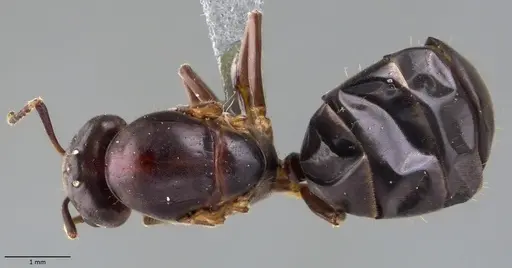
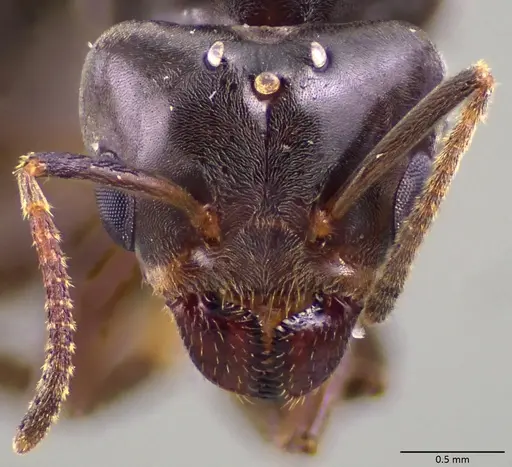
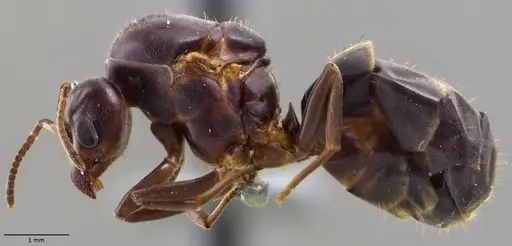
CASENT0249553
View on AntWeb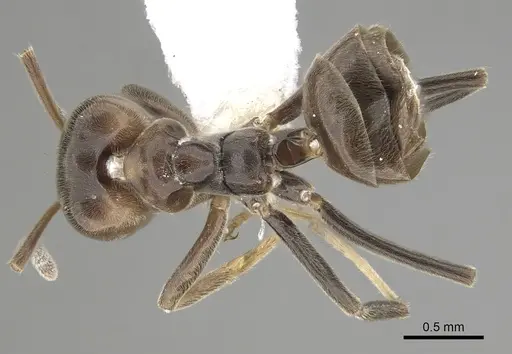
CASENT0249554
View on AntWeb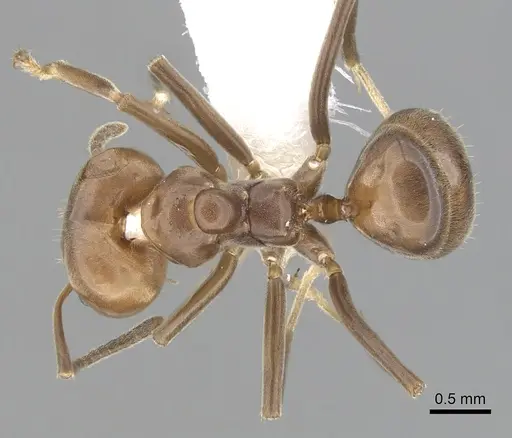
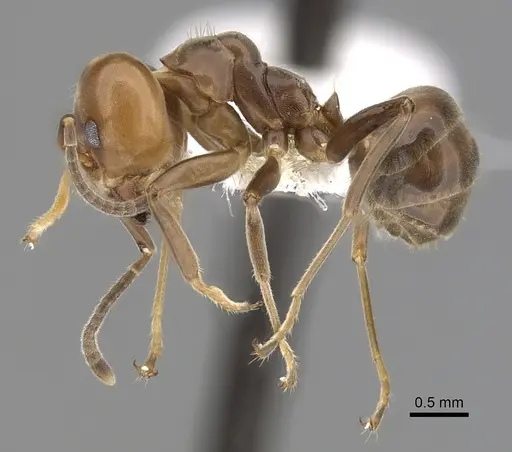
CASENT0249599
View on AntWeb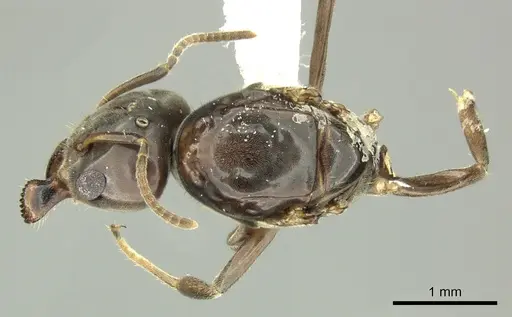
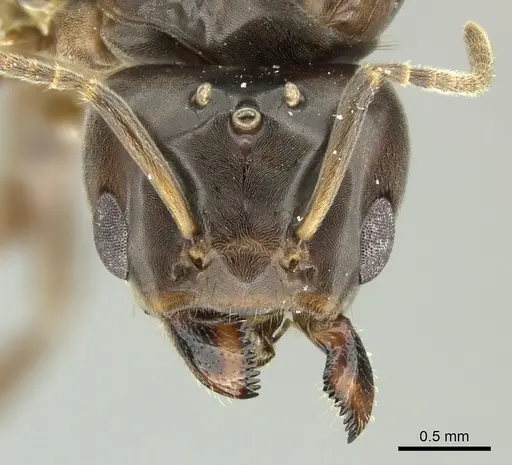
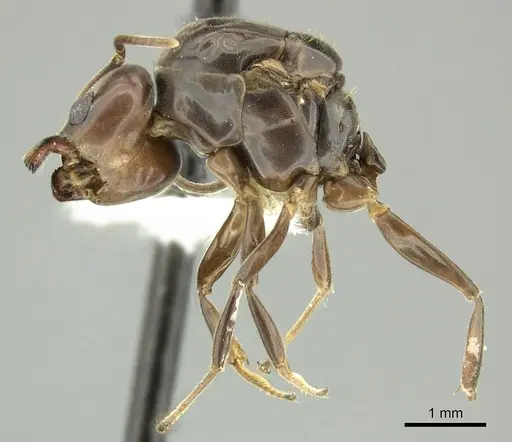
CASENT0619170
View on AntWeb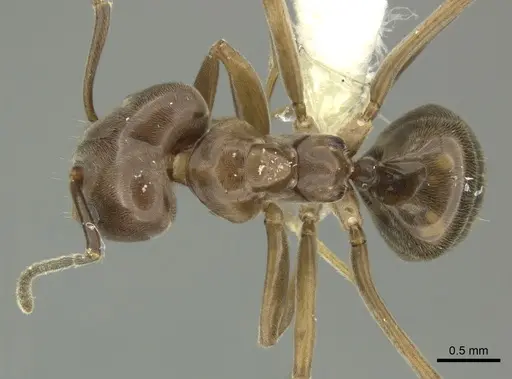
CASENT0635937
View on AntWeb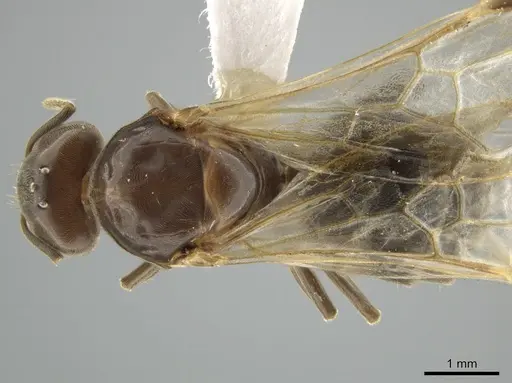
CASENT0886037
View on AntWeb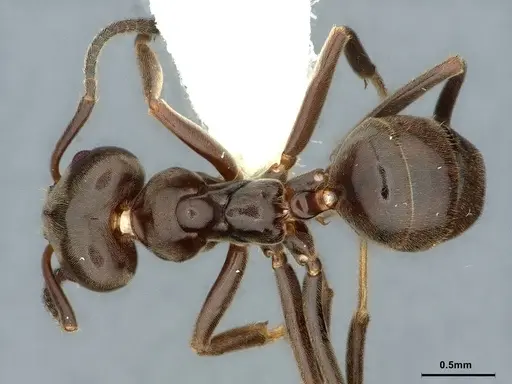
CASENT0905108
View on AntWeb
CASENT0909685
View on AntWeb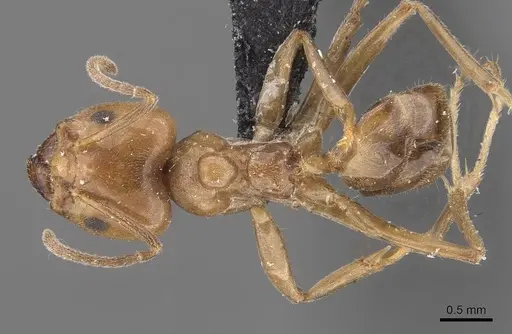
CASENT0909686
View on AntWeb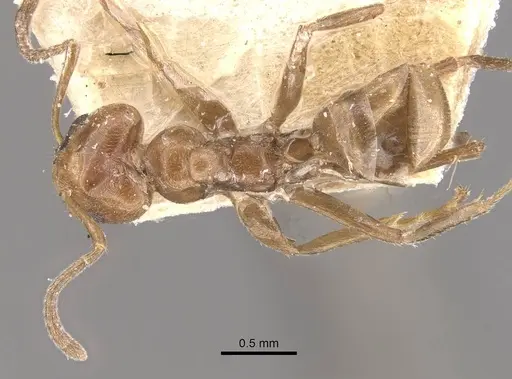
CASENT0909687
View on AntWeb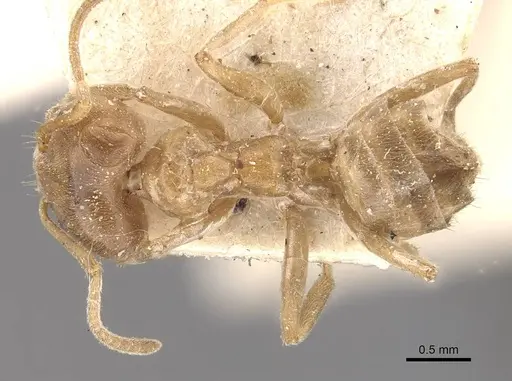
CASENT0909688
View on AntWeb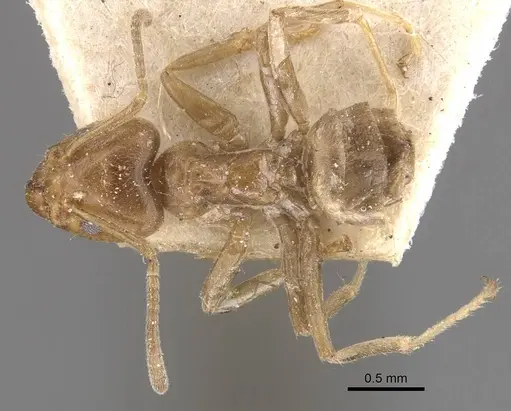
CASENT0909689
View on AntWeb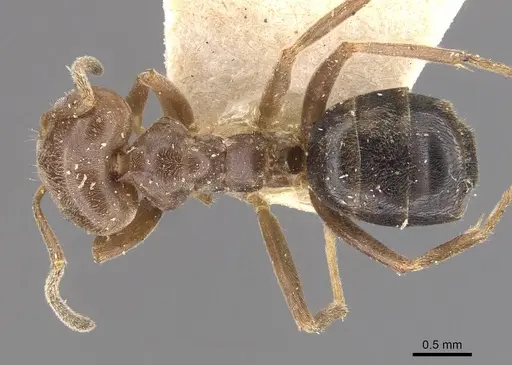
CASENT0909690
View on AntWeb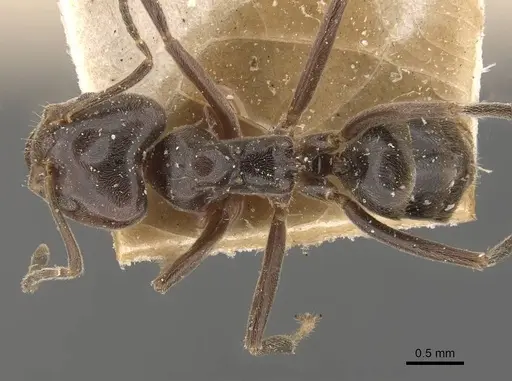
CASENT0909691
View on AntWeb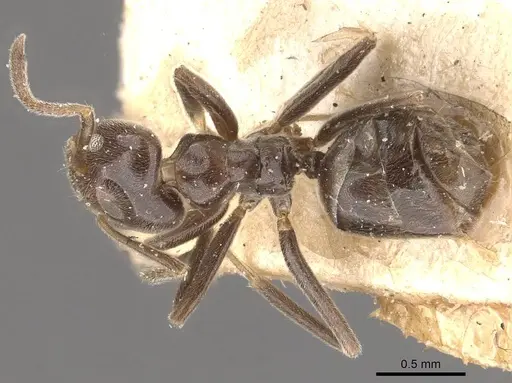
CASENT0909692
View on AntWeb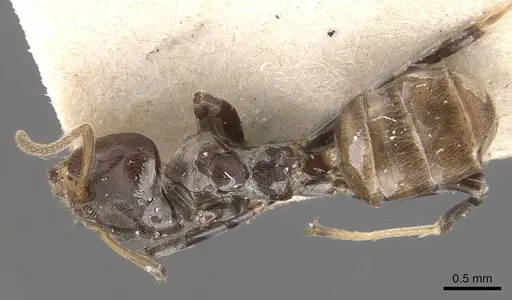
CASENT0909693
View on AntWeb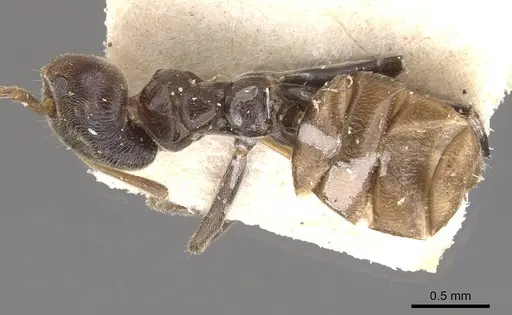
CASENT0917123
View on AntWeb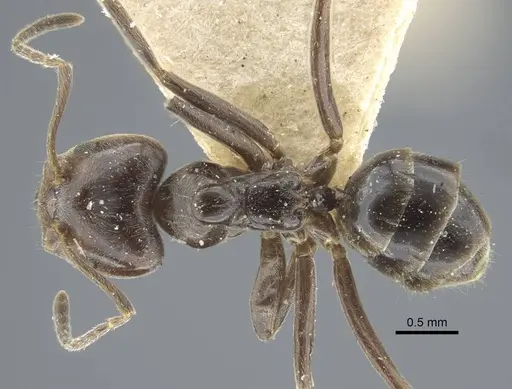
JTLC000006241
View on AntWeb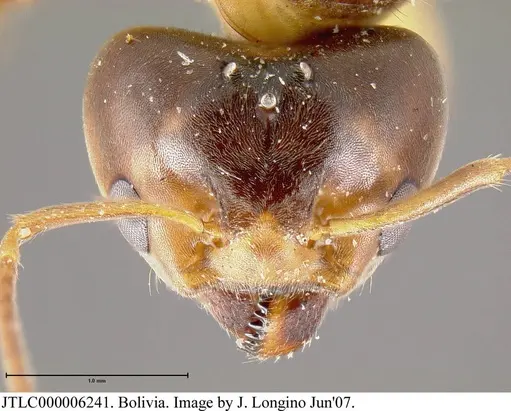
Literature
Loading...Loading products...