

Cephalotes jamaicensis
- Scientific Name
- Cephalotes jamaicensis
- Tribe
- Attini
- Subfamily
- Myrmicinae
- Author
- Forel, 1922
- Distribution
- Found in 1 countries
Cephalotes jamaicensis Overview
Cephalotes jamaicensis is an ant species of the genus Cephalotes. It is primarily documented in 1 countries , including Jamaica. Detailed taxonomic data and occurrence records can be further explored via authoritative databases such as AntWeb or the Global Biodiversity Information Facility (GBIF).
Cephalotes jamaicensis
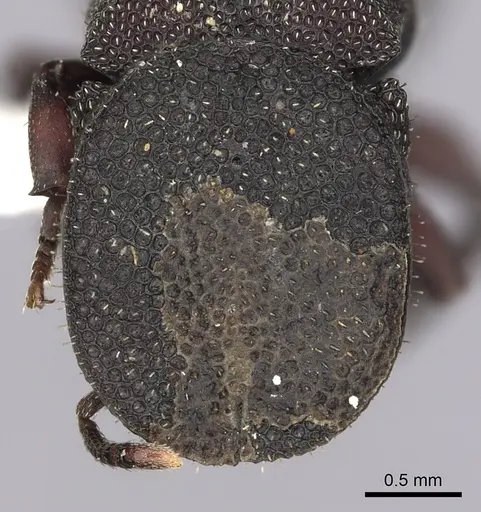
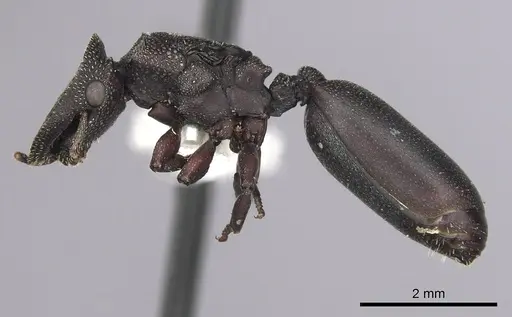
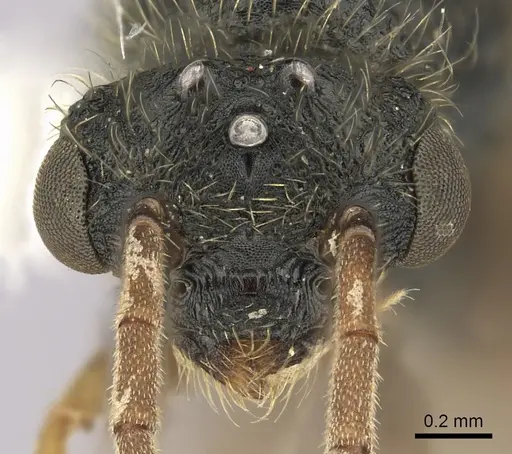
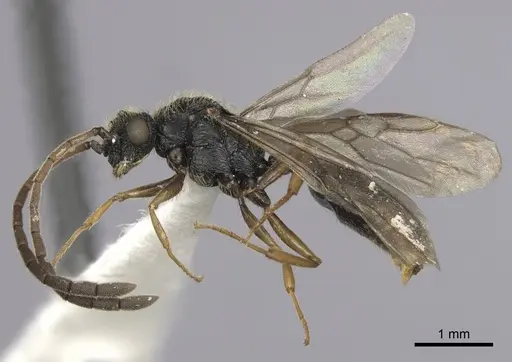
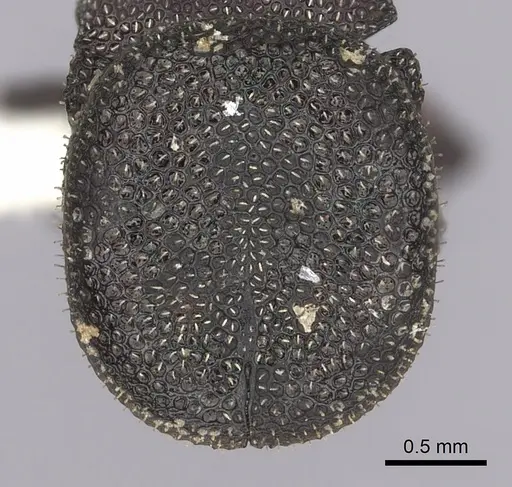
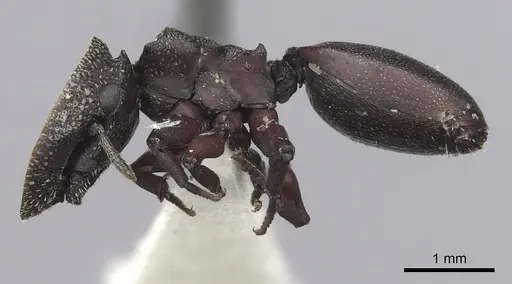
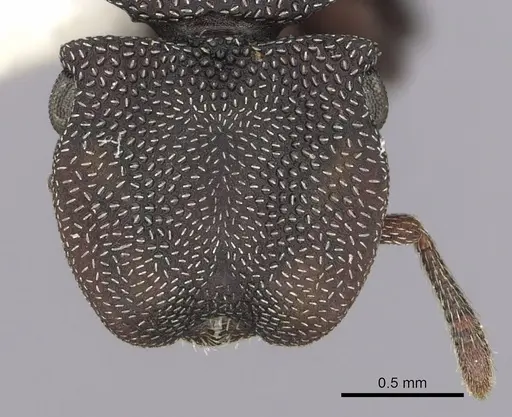
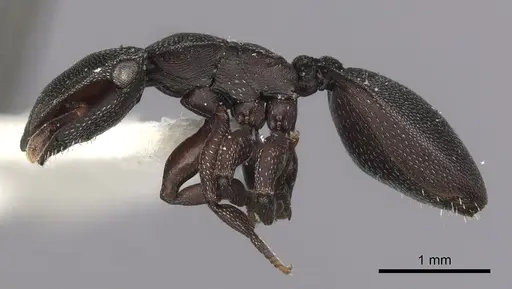
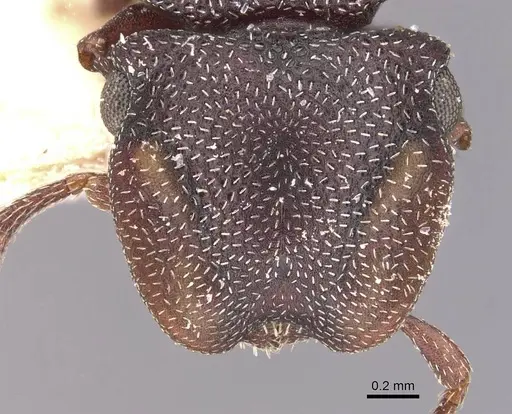
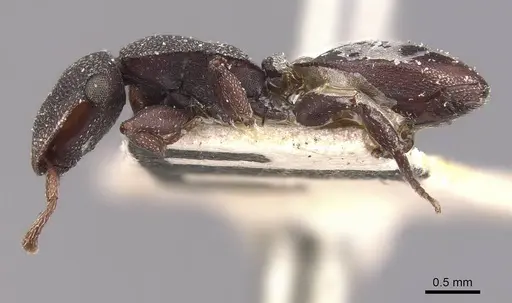
Cephalotes jamaicensis is a small, dark ant native to Jamaica, part of the turtle ant genus known for their distinctive flattened head shape, especially in the soldier caste. Workers measure 4.56-4.96mm and are dark brown to black with slightly lighter legs [1]. The species was once considered a variety of Cephalotes varians but was raised to full species status in 1999 based on subtle differences in head structure and body proportions [2]. These ants belong to the pallens clade and are closely related to the Caribbean species C. varians, though Jamaican populations are now recognized as a separate species [2].
Quick Summary
- Difficulty: Medium
- Origin & Habitat: Jamaica in the Greater Antilles. In the wild, colonies have been found nesting in dead wood within secondary scrub habitat [3].
- Colony Type: Unconfirmed colony structure, likely single-queen (monogyne) based on typical Cephalotes patterns, but this has not been directly studied for this species.
- Size & Growth:
- Queen: Undocumented, related species suggest around 7-9mm
- Worker: 4.56-4.96mm [1]
- Colony: Unknown for this species, related Cephalotes typically reach several hundred workers
- Growth: Slow, Cephalotes are generally slow-growing ants
- Development: Estimated 8-12 weeks based on genus patterns for similar species (Direct development data unavailable for this species, estimates based on related Cephalotes species)
- Antkeeping:
- Temperature: Keep around 24-28°C, these are tropical ants that prefer warm conditions. A gentle gradient allowing cooler areas is recommended.
- Humidity: High humidity is essential, aim for 70-80%. These arboreal ants prefer damp conditions but the nest should not be waterlogged.
- Diapause: Unlikely, being a tropical Jamaican species, they probably do not require a true hibernation period. They may show reduced activity in cooler months.
- Nesting: In captivity, they do well in Y-tong (AAC) nests, plaster nests, or naturalistic setups with dead wood pieces. They are arboreal nesters so appreciate vertical space and climbing structures.
- Behavior: Turtle ants are generally calm and non-aggressive. They are known for their unique defense mechanism where soldiers block nest entrances with their flattened heads, this is where their common name comes from. They are not known for stinging and pose no danger to keepers. Workers are moderate foragers and will collect honeydew and small prey. Their small size (under 5mm) means escape prevention should be taken seriously, they can squeeze through small gaps.
- Common Issues: slow growth can frustrate beginners who may overfeed or disturb the colony, humidity control is critical, too dry and brood dies, too wet and mold becomes a problem, wild-caught colonies may have parasites that are difficult to treat in captivity, their small size makes escape prevention important, use fine mesh and tight-fitting lids, limited available information means keepers must often rely on genus-level care guidelines
Nest Preferences and Housing
Cephalotes jamaicensis is an arboreal species that naturally nests in dead wood and tree cavities. In captivity, they do well in Y-tong (acrylic) nests or plaster nests that provide dark, humid chambers. Naturalistic setups with pieces of dead wood or cork bark also work well and more closely mimic their natural environment. Because they are tree-nesting ants, they appreciate vertical space and will use any branches or structures you provide for climbing. The nest should have multiple chambers connected by tunnels, allowing the colony to regulate their position based on humidity preferences. Avoid test tube setups as they prefer more enclosed, wood-based environments. [1][3]
Feeding and Diet
Like other Cephalotes species, these ants are omnivorous with a preference for honeydew and sugar sources in captivity, offer sugar water or honey diluted with water. They also need protein from small insects, flightless fruit flies, small mealworms, and pinhead crickets are all suitable. Feed protein 2-3 times per week and keep a constant sugar source available. In the wild, they likely forage for honeydew from aphids and scale insects, plus small arthropods. Remove uneaten prey within 24-48 hours to prevent mold issues. Fresh water should always be available. [3]
Temperature and Humidity
As a tropical species from Jamaica, Cephalotes jamaicensis needs warm, humid conditions. Keep temperatures in the range of 24-28°C with a gentle gradient so workers can choose their preferred zone. Avoid temperatures below 22°C as this can slow colony development and make ants sluggish. Humidity should be maintained at 70-80%, the nest substrate should feel consistently damp but not waterlogged. Use a moisture reservoir or water tube connected to the nest to maintain humidity. Good ventilation is also important to prevent mold while maintaining humidity. [3]
Behavior and Colony Dynamics
Cephalotes ants are known for their unique defensive behavior where soldiers use their flattened, disc-like heads to block nest entrances, this is how they got the name 'turtle ants'. The soldier caste has a particularly distinctive broad, flattened head that can seal the nest cavity. Workers are generally calm and not prone to biting or stinging. They are moderate foragers and will establish trails to food sources. The colony will likely grow slowly, with the queen producing small batches of eggs over time. Colonies may take several years to reach several hundred workers. This species is not aggressive toward keepers and poses no danger. [1][3]
Growth and Development
Direct development data for Cephalotes jamaicensis is not available, but based on related species in the genus, you can expect a slow growth rate. The first workers (nanitics) will likely emerge 8-12 weeks after the queen lays eggs, depending on temperature. Initial colony growth is very slow, the queen may produce only a handful of workers in the first few months. Full colony development to several hundred workers may take 2-3 years under optimal conditions. This slow growth is typical for Cephalotes and keepers should be patient. Do not disturb the founding queen or overfeed during the early stages as this can cause stress. [3]
Frequently Asked Questions
How long does it take for Cephalotes jamaicensis to produce first workers?
Based on related Cephalotes species, expect first workers (nanitics) to emerge around 8-12 weeks after egg-laying, assuming optimal temperatures of 24-28°C. Growth is slow, so be patient during the founding phase.
What do Cephalotes jamaicensis ants eat?
They are omnivorous. Offer sugar water or honey as a constant energy source, and protein (small insects like fruit flies, mealworms, or pinhead crickets) 2-3 times per week.
What temperature do Cephalotes jamaicensis need?
Keep them warm at 24-28°C. This is a tropical Jamaican species that prefers consistent warmth. Avoid temperatures below 22°C.
Are Cephalotes jamaicensis good for beginners?
They are considered intermediate in difficulty. While not as challenging as some species, their slow growth and specific humidity requirements make them better suited for keepers with some experience.
Do Cephalotes jamaicensis need hibernation?
No, being a tropical species from Jamaica, they do not require a true hibernation period. They may show reduced activity in cooler months but no special winter care is needed.
How big do Cephalotes jamaicensis colonies get?
Exact colony size is unknown for this species, but related Cephalotes typically reach several hundred workers over 2-3 years under good conditions.
Can I keep multiple Cephalotes jamaicensis queens together?
This has not been studied for this specific species. Based on typical Cephalotes behavior, single-queen colonies are most common. Combining unrelated queens is not recommended without specific evidence they can coexist.
Why are my Cephalotes jamaicensis dying?
Common causes include: low humidity (below 60%), temperatures too cold (below 22°C), mold from overwatering, or stress from disturbance. Check these parameters first and adjust accordingly. Wild-caught colonies may also carry parasites.
References

This caresheet is licensed under CC BY-SA 4.0 .
CASENT0627947
View on AntWeb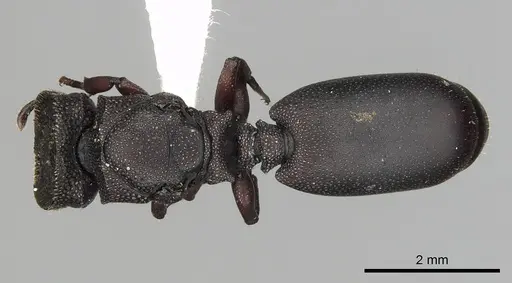
CASENT0627950
View on AntWeb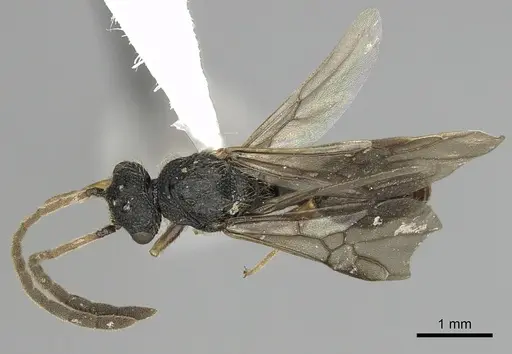
CASENT0627951
View on AntWeb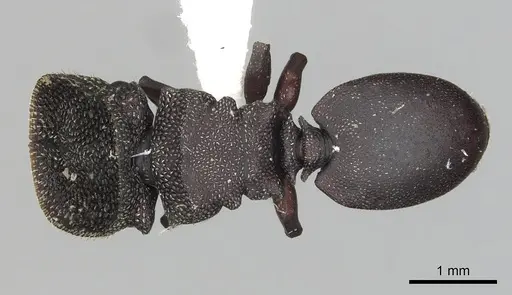
CASENT0627952
View on AntWeb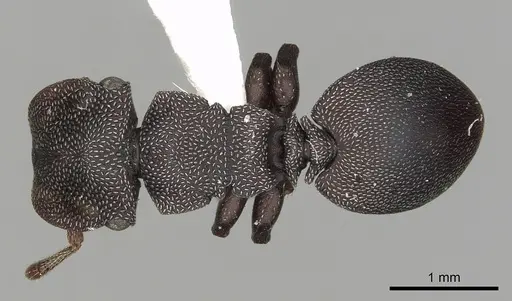
CASENT0909298
View on AntWeb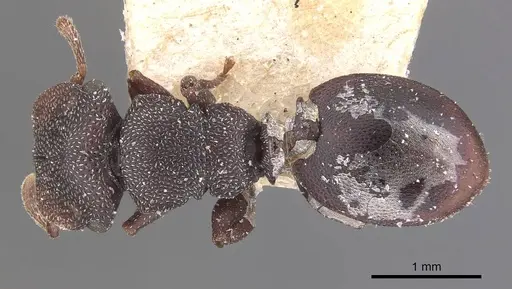
Literature
Loading...Loading products...