

Cephalotes varians
- Scientific Name
- Cephalotes varians
- Tribe
- Attini
- Subfamily
- Myrmicinae
- Author
- Smith, 1876
- Common Name
- Northern Caribbean Turtle Ant
- Distribution
- Found in 4 countries
Cephalotes varians Overview
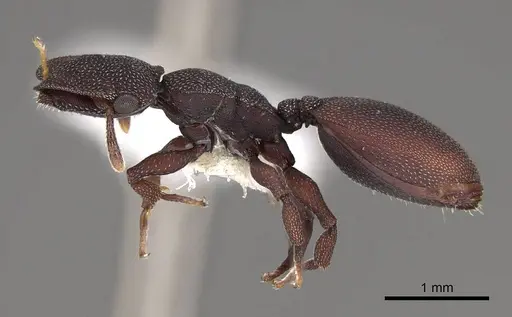
Cephalotes varians (commonly known as the Northern Caribbean Turtle Ant) is an ant species of the genus Cephalotes. It is primarily documented in 4 countries , including Bahamas, Colombia, Cuba. Detailed taxonomic data and occurrence records can be further explored via authoritative databases such as AntWeb or the Global Biodiversity Information Facility (GBIF).
Cephalotes varians - "Northern Caribbean Turtle Ant"
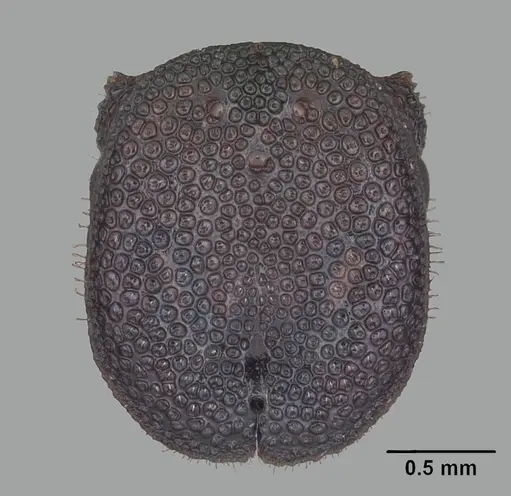
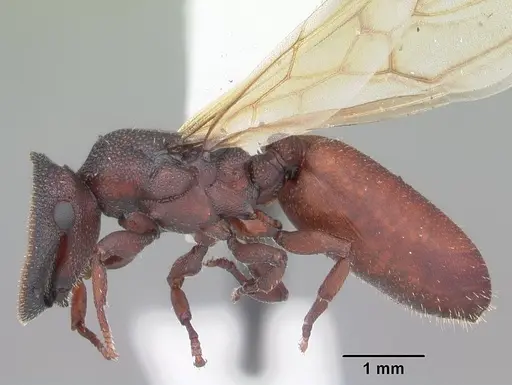
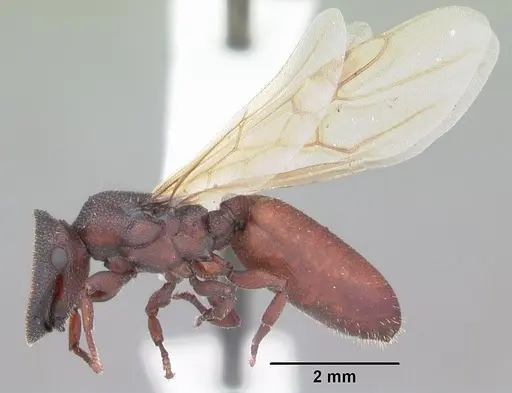
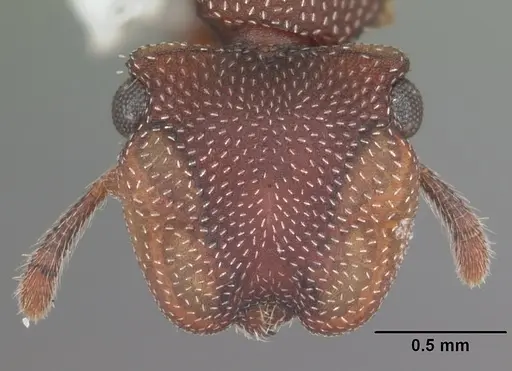
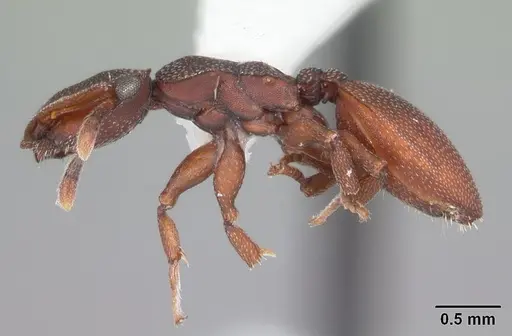
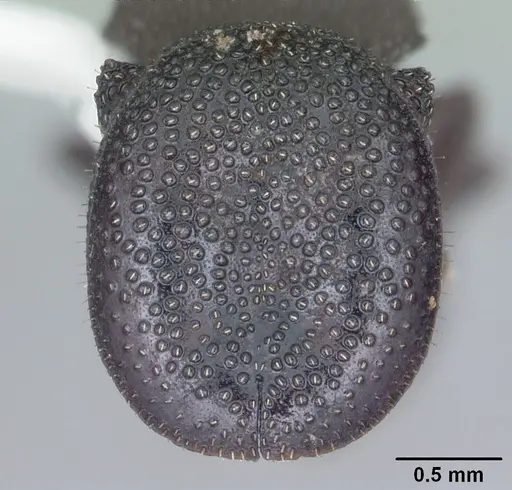
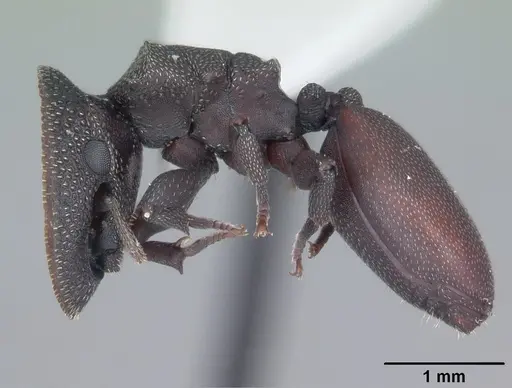
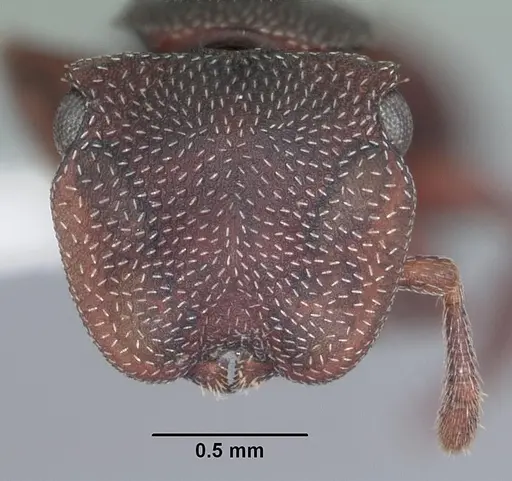
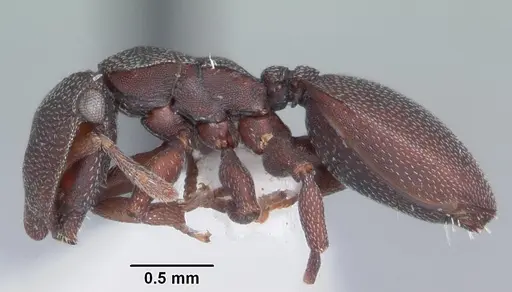
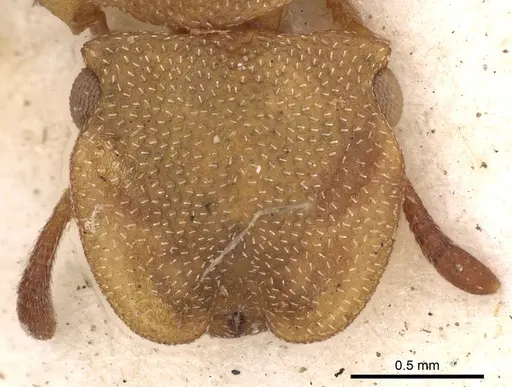
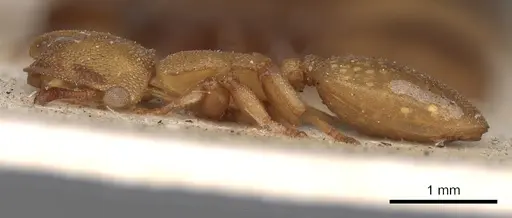
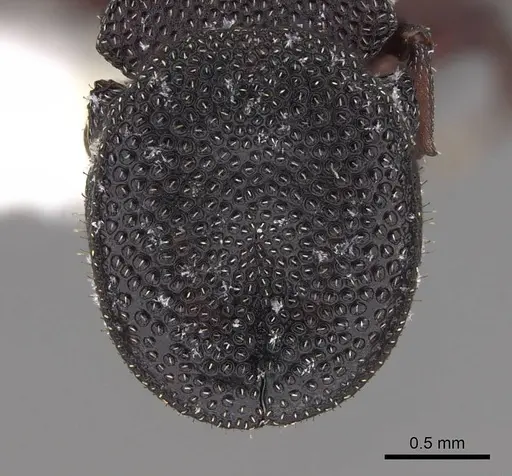
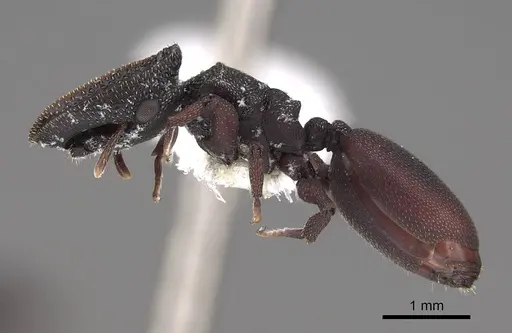
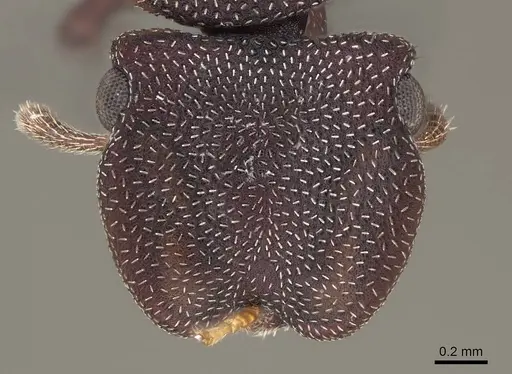
Cephalotes varians is a distinctive arboreal ant native to southern Florida, the Bahamas, Cuba, and Jamaica. These ants are easily recognized by their flattened, armor-plated bodies and the remarkable specialization of their major workers (soldiers), which have large disc-shaped heads that perfectly match the diameter of their nest entrances. The soldiers use their shield-like heads as living plugs to block nest cavities and prevent predators from entering [1]. Workers are small at 3.4-5mm, while soldiers are significantly larger at 5.4-7.2mm [2]. The colony structure is monogyne, meaning a single queen heads each colony, and mature colonies reach several hundred workers with roughly a 10:1 ratio of minor workers to soldiers [3][1].
What makes these ants truly unique is their specialized gut microbiome, which performs nitrogen recycling, a critical adaptation for an ant that has largely given up predation. The gut bacteria help synthesize essential amino acids from waste products, and they also play a vital role in cuticle (exoskeleton) development [4][5]. This symbiosis is so important that antibiotic-treated colonies develop abnormal, thinner cuticles and struggle to properly form their protective exoskeleton.
Quick Summary
- Difficulty: Medium
- Origin & Habitat: Native to southern Florida (including the Florida Keys), the Bahamas, Cuba, and Jamaica. This is the only cephalotine ant species found in the eastern United States [1]. They are exclusively arboreal, nesting in dead branches and twigs of various trees including red mangrove (Rhizophora mangle), sea grape (Coccoloba), and Bauhinia. They also nest in the stems of tall grasses and sedges [2].
- Colony Type: Monogyne, single queen colonies. Colonies are discrete entities with no inter-colony aggression tolerance, workers from different colonies attack and drive out intruders [2]. The minor to soldier ratio is approximately 10:1 [2].
- Colony: Monogyne
- Size & Growth:
- Queen: 7.5-8.4mm [2]
- Worker: 3.4-5.0mm [2]
- Colony: Up to several hundred workers [1]
- Growth: Moderate
- Development: Unknown, direct development data not available. Based on related Cephalotes species, expect 6-10 weeks at optimal temperature. (Major workers (soldiers) are not produced during early colony founding, they appear only after the colony is established.)
- Antkeeping:
- Temperature: Keep at 24-28°C. They are tropical ants from warm climates and do best in heated setups. A gentle temperature gradient allows them to regulate their body temperature [2].
- Humidity: Low to moderate, these ants naturally nest in exceptionally dry dead twigs and branches, drier than most ground-nesting ant nests. Keep the nest relatively dry with occasional misting of the outworld only. Avoid damp conditions that could cause mold in their dry nest chambers.
- Diapause: No, as a tropical species, they do not require hibernation. However, slight temperature reductions during winter months (down to around 20°C) may be beneficial to simulate natural seasonal cycles.
- Nesting: Arboreal specialists, they nest in hollow twigs and branches in the wild. In captivity, they do well in acrylic nests with narrow chambers or in setups that mimic their natural twig-nesting habitat. They prefer tight-fitting cavities that match their body size. Test tubes can work but may need modification to create the narrow, dry conditions they prefer.
- Behavior: These ants are primarily nocturnal in the wild, though workers will forage day and night in captivity [2]. They are passive foragers and scavengers, workers are physically incapable of effective predation due to their short mandibles and rigid body form. Instead, they scavenge fresh insect material and liquids. When threatened, both minor workers and soldiers use a passive 'turtle' defense: they crouch low, tuck their antennae and legs beneath body flanges, and freeze. Soldiers additionally use their large disc-shaped heads to physically block nest entrances [1]. They do not use chemical defenses or stinging effectively. Minor workers form the first line of defense, while soldiers respond to major threats but are less persistent once activated. Workers show strong trophallaxis (liquid food sharing) behavior due to their inability to handle solid food [2].
- Common Issues: Gut microbiome disruption is critical, antibiotic treatment causes fatal cuticle development problems. Never use antibiotics near these ants., Dry nest conditions are essential, they evolved in very dry twig nests. Overly damp conditions will kill colonies., Escape prevention is important, while not tiny, they are arboreal specialists and good climbers. Use barrier tape., Soldiers are slow to appear, colonies may remain small for months before producing their first soldiers., Limited foraging ability, workers cannot hunt effectively. They need pre-killed insects and sugar sources, not live prey.
Housing and Nest Setup
Cephalotes varians is an arboreal species that naturally nests in dry hollow twigs and branches. In captivity, they do best in acrylic formicarium setups with chambers sized appropriately for their colony size. The key requirement is keeping the nest environment relatively dry, these ants have evolved to live in cavities that are consistently drier than typical ground-nesting ant nests [2]. Avoid setups that retain moisture, as this can lead to mold and colony failure. The nest chambers should be tight-fitting to the ants' size, they prefer enclosed spaces rather than open areas. Some keepers have success with modified test tube setups, but the tubes should be kept away from direct moisture. Provide an outworld (foraging area) connected to the nest where you can offer food. The outworld can be slightly more humid than the nest area.
Feeding and Diet
These ants are specialized scavengers and have largely given up predation. In the wild, they feed on fresh insect material, honeydew, and nectar. In captivity, they readily accept sugar water, honey, and freshly killed insects. Workers are physically incapable of effective predation, their mandibles are too short and their body form too rigid for chasing prey [2]. When presented with live insects, they typically push at them with their heads, briefly grab them, then break contact and retreat. They never carry prey back to the nest. Instead, they scavenge by licking and nibbling at freshly killed insects, then regurgitating the liquid food to nestmates through trophallaxis. Offer a constant supply of sugar water or honey, and provide fresh insect pieces (killed crickets, mealworms, fruit flies) several times per week. Remove uneaten insect material after 24-48 hours to prevent mold. The high reliance on liquid food sharing within the colony is a key part of their social biology.
Temperature and Humidity
As a tropical species from southern Florida and the Caribbean, Cephalotes varians requires warm conditions. Maintain temperatures between 24-28°C for optimal colony health and development. They can tolerate slightly cooler temperatures (down to around 20°C) but growth will slow. A small heating cable on one side of the nest can create a temperature gradient, allowing the ants to self-regulate. Humidity should be kept low to moderate, these are dry-nesting ants. The nest substrate should be kept relatively dry, with only occasional light misting of the outworld if needed. Avoid creating damp, stagnant conditions that promote mold growth. Good ventilation is important to prevent moisture buildup while maintaining appropriate humidity in the foraging area. [2]
Defense and Soldier Caste
One of the most fascinating aspects of Cephalotes varians is their specialized soldier caste. Major workers have remarkably enlarged, disc-shaped heads that perfectly match the diameter of their nest entrance tunnels. When threatened, soldiers position themselves at nest openings and use their shield-like heads as living plugs to block intruder access [1]. This 'phragmotic' defense is extremely effective, a single soldier can seal the nest entrance. Both minor and major workers also employ a passive 'turtle' defense: when threatened, they crouch low, tuck their antennae and legs beneath specialized flanges on their head and body, and freeze in place [1]. Their rigid, armor-plated bodies make them difficult for predators to grasp. Interestingly, despite having well-developed stings, they never use them in defense, they rely entirely on mechanical defense methods. Soldiers are not produced during early colony founding but appear once the colony reaches sufficient size.
The Gut Microbiome - Critical Symbiosis
Cephalotes varians has one of the most well-studied gut microbiomes in ants, and this symbiosis is absolutely critical for colony health. These ants feed primarily on liquid and semi-liquid food, and their gut bacteria perform nitrogen recycling, converting waste products (like urea) into essential amino acids that the ants cannot produce themselves [5]. The gut bacteria are acquired during larval development, lost during pupation, and then re-acquired in adulthood through oral-anal trophallaxis with nestmates [6]. Studies have shown that antibiotic treatment severely impacts the ants: their cuticle (exoskeleton) becomes abnormally thin and weak, and they cannot properly develop the thick, protective shell that characterizes healthy turtle ants [4]. The microbiome is so essential that colonies maintain the same core bacterial species even after months of laboratory rearing on artificial diets. This makes Cephalotes varians an excellent model species for studying ant-microbe symbiosis.
Behavior and Colony Dynamics
This species is primarily nocturnal in the wild, though workers will forage around the clock in laboratory settings [2]. Colonies are discrete entities with no tolerance for workers from other colonies, introduced workers are attacked and driven out. The colony structure is strongly dimorphic with distinct minor workers and major soldiers in approximately a 10:1 ratio. Minor workers handle most tasks including foraging, caring for brood, and initial defense responses. Soldiers are primarily defensive specialists and are surprisingly lethargic except when defending the nest, they are less effective at storing liquid food than minors [2]. Major workers sometimes assist with brood care but are less effective than minors and retreat quickly. Queens are remarkably inactive, standing immobile for long periods. The behavioral repertoire of this species is unusually complex, with unique behaviors including consumption and sharing of infrabuccal pellets (filtered food particles) and a distinctive form of abdominal trophallaxis that compensates for their inability to self-groom the abdominal tip.
Frequently Asked Questions
Can I keep Cephalotes varians in a test tube?
Yes, but with modifications. These ants naturally nest in dry hollow twigs, so the test tube should be kept relatively dry. Use a water reservoir only if needed, and ensure good ventilation to prevent mold. The narrow chambers of a test tube mimic their natural nest cavities well.
How long does it take for first workers to appear?
Exact development time is unconfirmed for this species. Based on related Cephalotes species, expect 6-10 weeks from egg to first worker at optimal temperature (around 26°C). Growth is moderate, colonies remain small for several months before expanding.
What do Cephalotes varians eat?
They are scavengers, not predators. Offer sugar water or honey constantly, and provide freshly killed insects several times per week. They cannot effectively hunt live prey due to their short mandibles. Remove uneaten insect material within 24-48 hours.
Are Cephalotes varians good for beginners?
They are intermediate in difficulty. The main challenges are providing proper dry nesting conditions and understanding their critical gut microbiome. Never use antibiotics near them. They are fascinating but require attention to their specific humidity and dietary needs.
Do they need hibernation?
No. As a tropical species, they do not require hibernation. However, slight temperature reductions during winter (to around 20°C) may be beneficial to simulate natural seasonal cycles, but this is not required.
How big do colonies get?
Mature colonies reach several hundred workers. The ratio of minor workers to soldiers is approximately 10:1. Soldiers are not produced until the colony is well-established.
Can I keep multiple queens together?
No. This species is monogyne, colonies have a single queen. Multiple unrelated queens would fight. Only one queen per colony.
Why are my ants dying after antibiotic treatment?
This is critical, Cephalotes varians has an essential gut microbiome that recycles nitrogen and is crucial for cuticle development. Antibiotic treatment disrupts this symbiosis, causing thin, abnormal exoskeletons and potential death. Never use antibiotics near these ants.
When should I move them to a formicarium?
Move them when the test tube colony reaches 20-30 workers or shows signs of outgrowing the tube. Ensure the formicarium has appropriately sized chambers and maintains the dry conditions they prefer.
References

This caresheet is licensed under CC BY-SA 4.0 .
CASENT0103754
View on AntWeb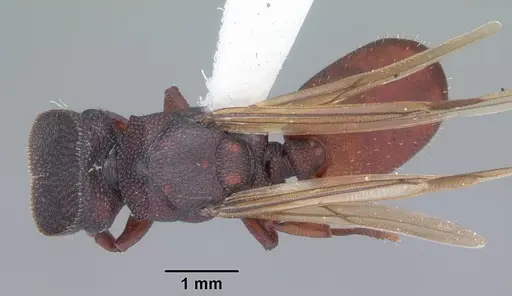
CASENT0103755
View on AntWeb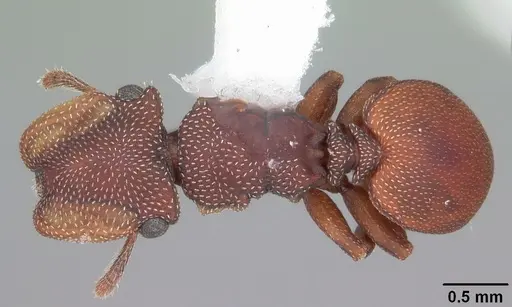
CASENT0103758
View on AntWeb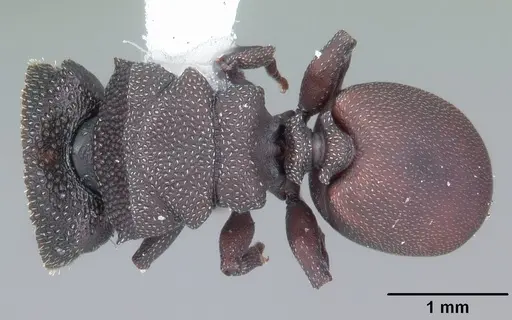
CASENT0103759
View on AntWeb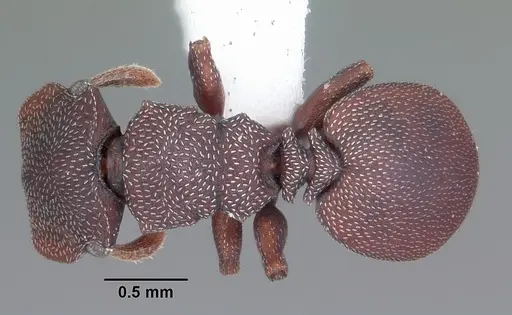
CASENT0103760
View on AntWeb
CASENT0900251
View on AntWeb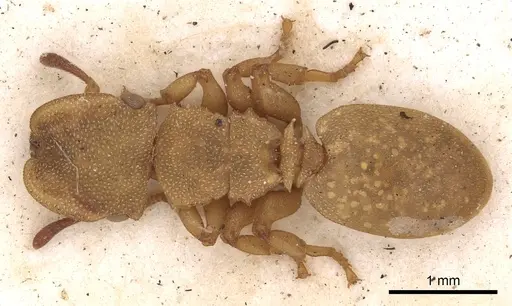
CASENT0922526
View on AntWeb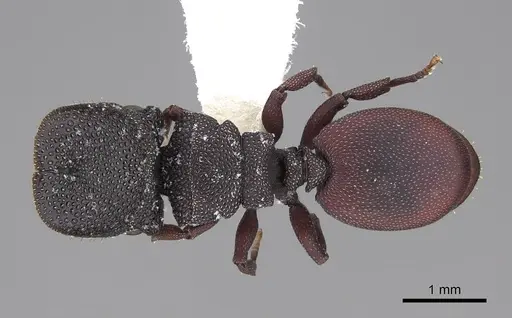
CASENT0922527
View on AntWeb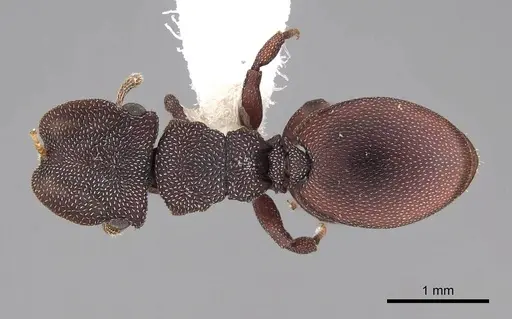
Literature
Loading...Loading products...