

Centromyrmex brachycola
- Scientific Name
- Centromyrmex brachycola
- Tribe
- Ponerini
- Subfamily
- Ponerinae
- Author
- Roger, 1861
- Distribution
- Found in 6 countries
Centromyrmex brachycola Overview
Centromyrmex brachycola is an ant species of the genus Centromyrmex. It is primarily documented in 6 countries , including Bolivia, Plurinational State of, Brazil. Detailed taxonomic data and occurrence records can be further explored via authoritative databases such as AntWeb or the Global Biodiversity Information Facility (GBIF).
Centromyrmex brachycola
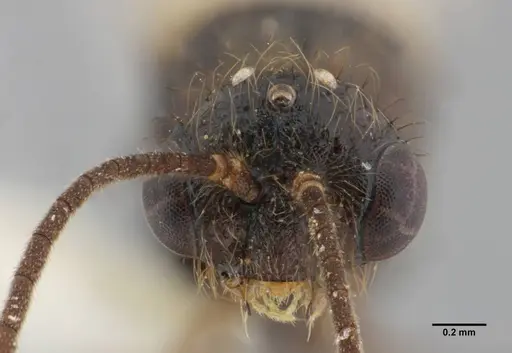
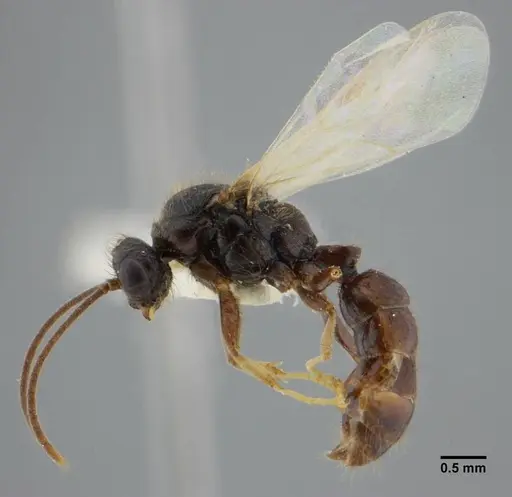
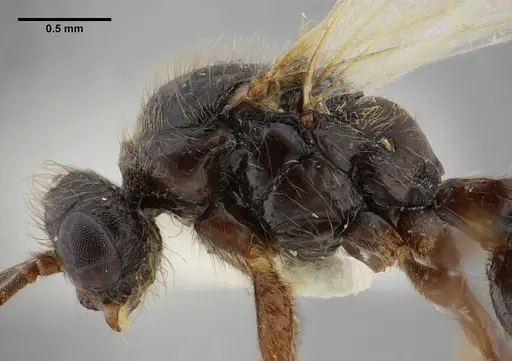
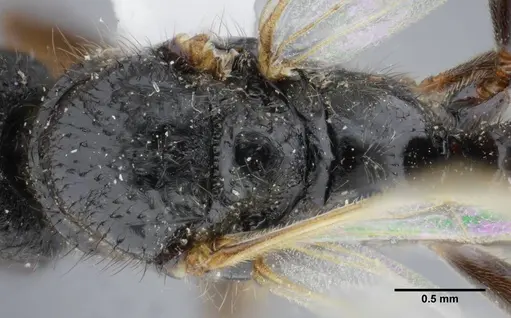
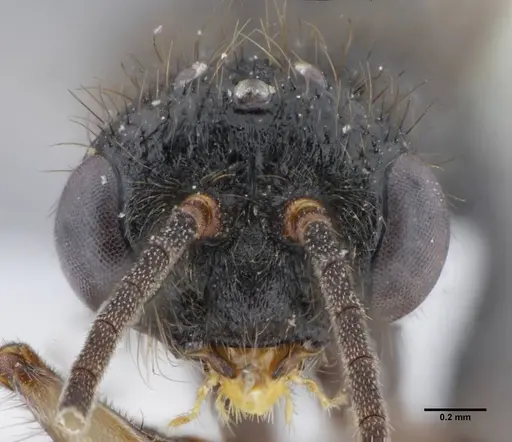
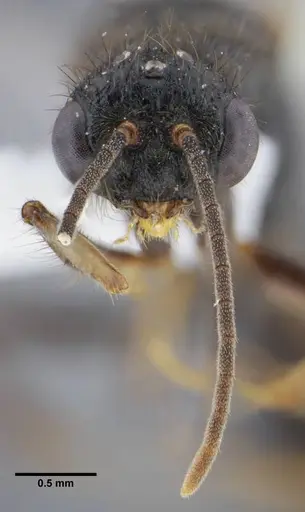
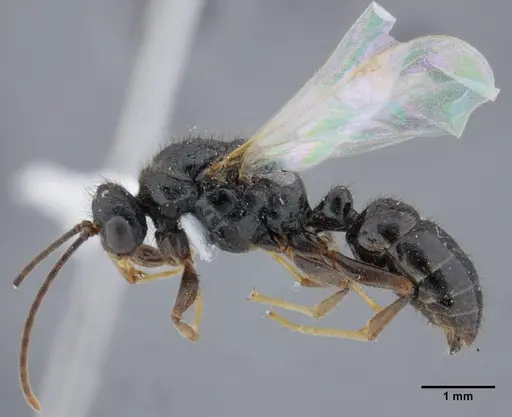
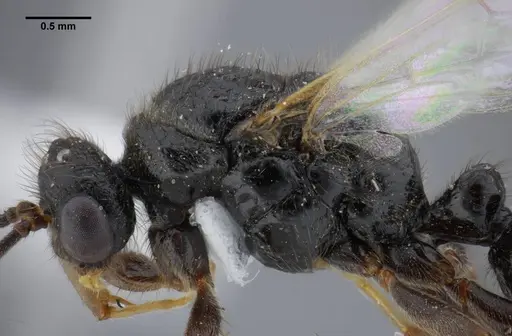
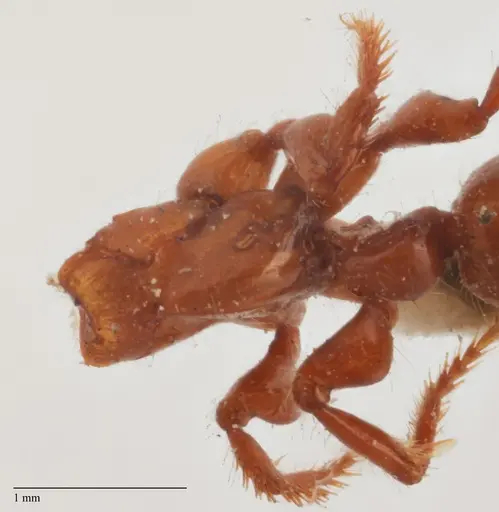
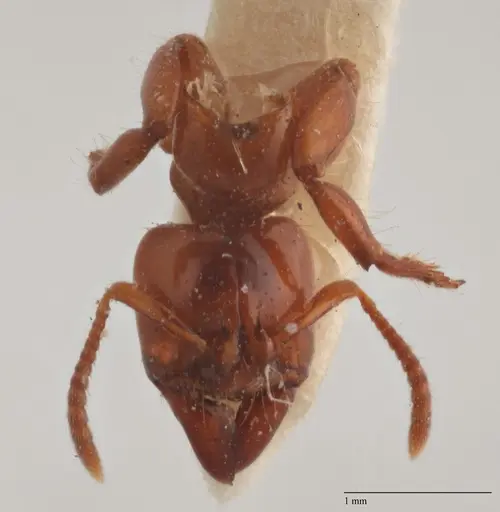
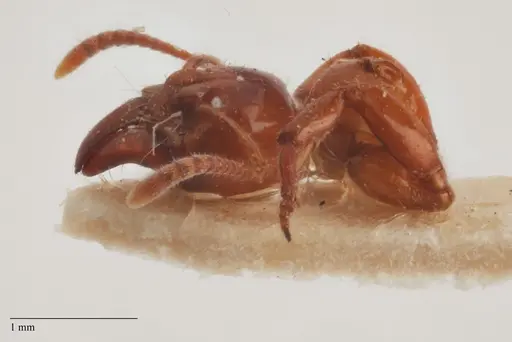
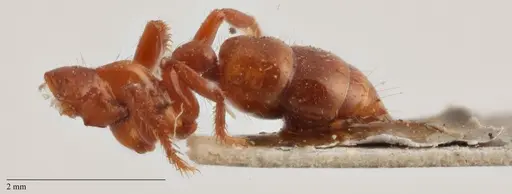
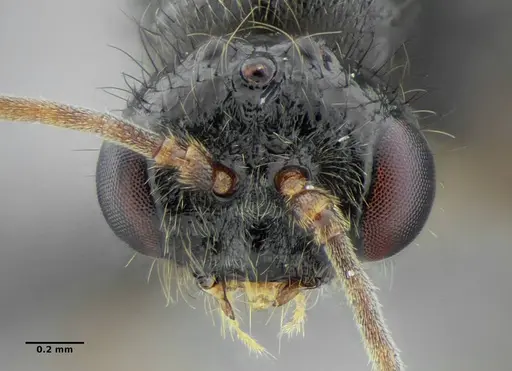
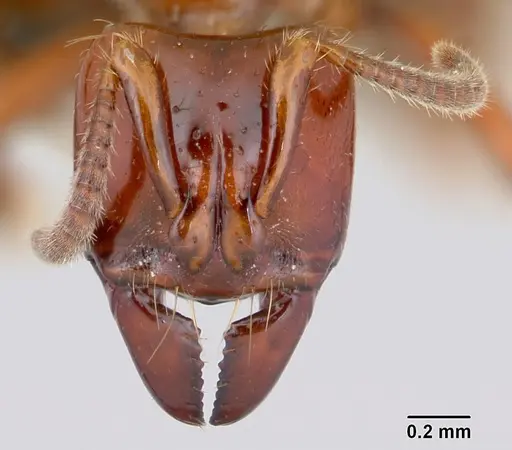
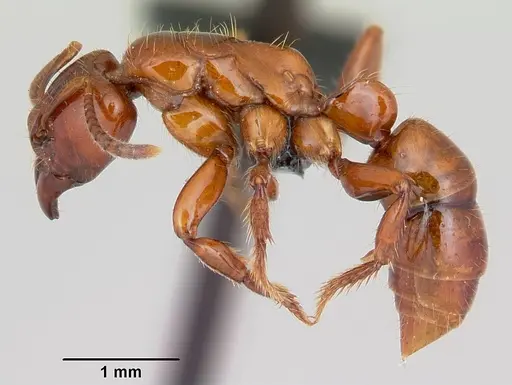
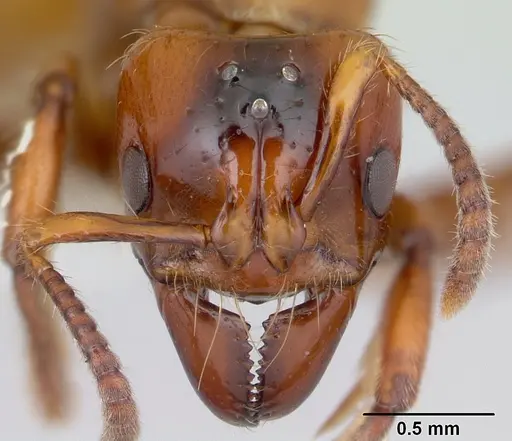
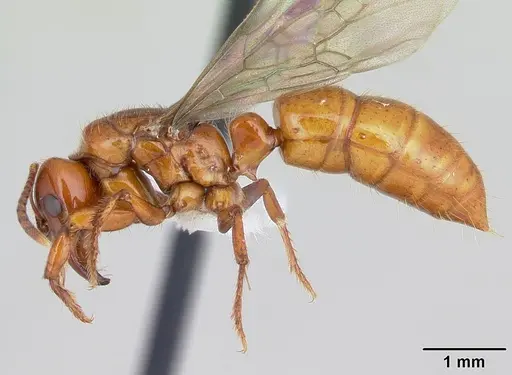
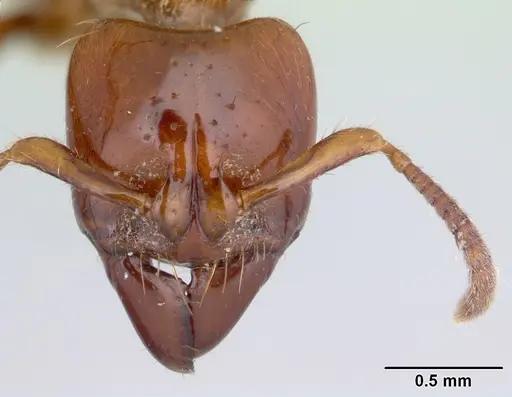
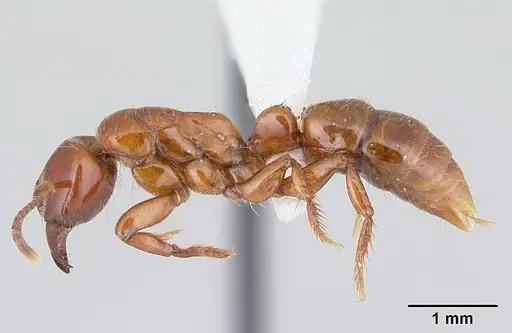
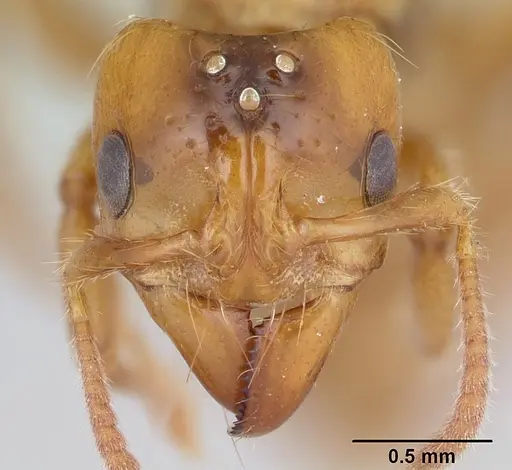
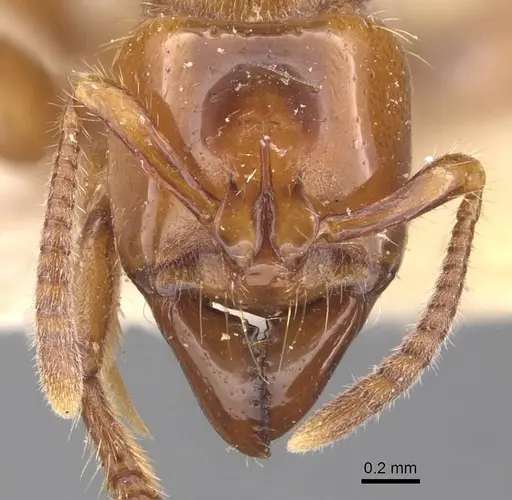
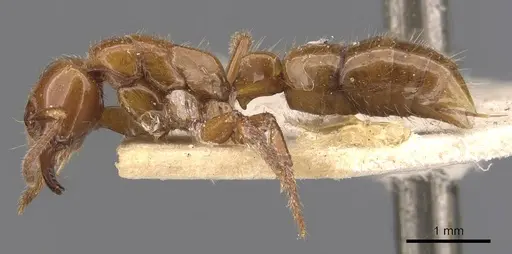
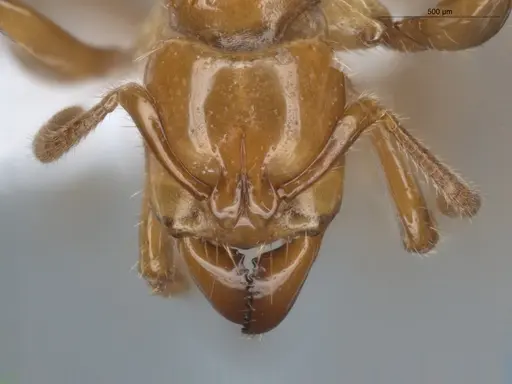
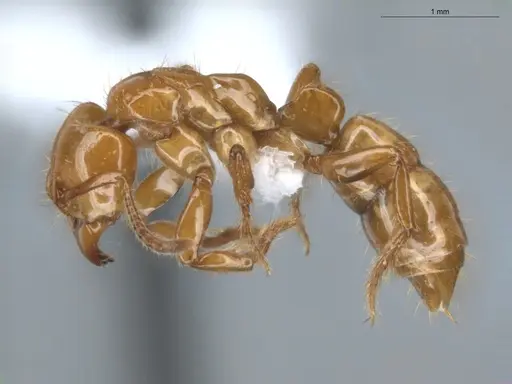
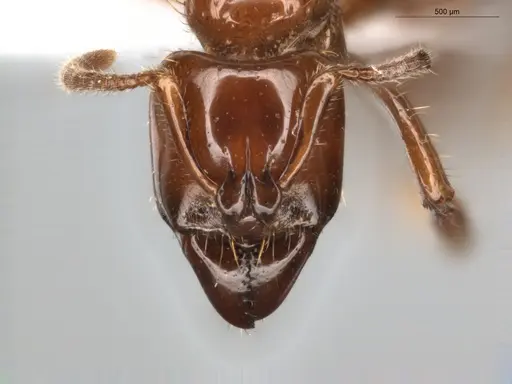
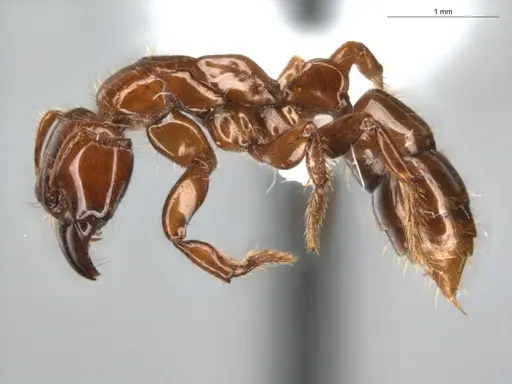
Centromyrmex brachycola is a small ponerine ant native to the Neotropical region, found across Argentina, Bolivia, Brazil, Colombia, French Guiana, Paraguay, Trinidad and Tobago, and Venezuela [1]. Workers measure approximately 6mm in total length, making them a modestly sized ant species [2]. The species is easily recognized by its short, pointed subpetiolar process on the petiole and mandibles with small, poorly defined denticles [3]. What makes C. brachycola truly remarkable is its obligate diet, it is an obligatory predator that feeds almost exclusively on termites, particularly species like Syntermes wheeleri and Cornitermes cumulans [4][5]. These ants have a subterranean lifestyle, nesting directly inside the chambers of their termite prey rather than building their own nests [6].
Quick Summary
- Difficulty: Expert
- Origin & Habitat: Neotropical region, found in Argentina, Bolivia, Brazil, Colombia, French Guiana, Paraguay, Trinidad and Tobago, and Venezuela. Inhabits mature montane rainforest at 550-650m elevation, and has also been recorded in Cerrado grasslands and Amazon biome areas [1][7].
- Colony Type: Likely monogyne (single queen) based on typical Centromyrmex patterns. Colonies are relatively small, typically containing only dozens to a few hundred workers [6]. Ergatoid replacement reproductives have not been documented for this specific species.
- Colony: Monogyne
- Size & Growth:
- Queen: Approximately 6mm (similar to worker)
- Worker: Approximately 6mm total length [2]
- Colony: Relatively small colonies, likely under 500 workers based on typical genus patterns [6]
- Growth: Unknown, likely slow to moderate given specialized diet and small colony size
- Development: Unconfirmed, no direct development data exists. Based on typical Ponerinae patterns, expect 8-12 weeks at warm temperatures. (Development timeline is unconfirmed. Ponerine ants typically have slower development than many common keeping species.)
- Antkeeping:
- Temperature: Keep warm, around 24-28°C. This species comes from tropical and subtropical regions with warm, stable temperatures. A heating cable on one side of the nest creates a suitable gradient.
- Humidity: Moderate to high humidity (60-80%). These ants inhabit humid forest environments and nest inside termite colonies which maintain stable moisture. Keep the nest substrate consistently moist but not waterlogged.
- Diapause: Unlikely, as a tropical species, they probably do not require true hibernation. However, they may show reduced activity during cooler periods.
- Nesting: This species requires specialized housing. In nature, they nest inside termite colonies, in captivity, they need a setup that mimics this. A naturalistic setup with soil chambers or a plaster/acrylic nest with multiple connected chambers works well. The key is providing a dark, humid environment where they can hunt.
- Behavior: These ants are specialized termite predators with a secretive, subterranean lifestyle [6]. They are not aggressive toward humans and their small size means they pose no sting threat to keepers. Workers are relatively slow-moving compared to many ponerines. The colony will spend most of their time in darkness, emerging to hunt termites. Escape risk is moderate, they are not strong climbers but can fit through small gaps. Excellent escape prevention is still recommended.
- Common Issues: Specialized diet makes this species difficult to keep, they require live termites, which are hard to source regularly, Small colony sizes mean losses have big impact, a few deaths can significantly set back a colony, Subterranean lifestyle makes them hard to observe, keepers may not see activity for days, Humidity management is critical, too dry and termites die, too wet and mold becomes a problem, Wild-caught colonies may contain parasites that can decimate the colony in captivity
Housing and Nest Setup
Centromyrmex brachycola presents unique housing challenges because of its specialized lifestyle. These ants naturally nest inside termite colonies, so your captive setup should mimic this dark, humid environment. A naturalistic setup with a soil chamber works well, fill a container with moist soil and provide multiple chambers for the colony to use. Alternatively, a plaster or acrylic nest with connected chambers can work, but avoid bright lighting as these ants prefer darkness. The nest should have a water reservoir to maintain humidity without frequent disturbance. Because they are subterranean, you do not need a large outworld, a small foraging area connected to the nest is sufficient. Keep the entire setup in a warm, shaded location away from direct sunlight. [6][7]
Feeding and Diet - The Critical Challenge
This is the most challenging aspect of keeping C. brachycola. They are obligatory termite predators, their diet consists almost exclusively of termites, particularly species in the genus Syntermes and Cornitermes [4][5]. In captivity, you must provide live termites regularly. This is significantly harder than feeding typical ant species. Termite colonies are difficult to maintain separately, and buying live termites regularly is often impractical and expensive. Some keepers have had limited success offering other small soft-bodied insects as fallback prey, but success varies. Do not rely on sugar water, honey, or typical ant feeds, this species will not accept them. If you cannot secure a reliable source of live termites, this species is not recommended for keeping.
Temperature and Humidity
As a Neotropical species from tropical and subtropical regions, C. brachycola needs warm, stable temperatures. Aim for 24-28°C in the nest area. A small heating cable placed on one side of the nest can help maintain these temperatures, but avoid direct heat that could dry out the nest. Humidity is equally important, these ants evolved in the humid environment inside termite mounds and nests. Keep the nest substrate consistently moist but not waterlogged. The substrate should feel damp to the touch. If you use a test tube setup, ensure the water reservoir is adequate but not so large that flooding becomes a risk. A humidity range of 60-80% is ideal. [7]
Colony Dynamics and Behavior
Centromyrmex colonies are relatively small compared to many common ant species, typically containing only dozens to a few hundred workers [6]. They are not aggressive ants and pose no real threat to keepers, their small size and docile nature make them harmless. Workers are relatively slow-moving and spend most of their time in the dark chambers of their nest. They are obligate termite predators in the wild, hunting and capturing termites to feed their colony. In captivity, this hunting behavior translates to workers emerging from their chambers to capture and subdue termite prey. The colony will likely remain hidden for extended periods, which is normal behavior for this species. Do not mistake their secretive nature for illness.
Acquiring This Species
Finding C. brachycola for sale is extremely difficult. This is not a species you will commonly find in ant shops or from commercial breeders. The specialized diet requirements make them unsuitable for most hobbyists. If you do obtain a colony, it will almost certainly be wild-caught. Be aware that wild-caught colonies often contain parasites that can kill the colony in captivity. Quarantine and careful observation are essential when first acquiring any wild-caught colony. Given the extreme difficulty of providing their required termite diet, this species is recommended only for expert antkeepers with specific experience in keeping predatory ponerine species and access to live termite prey.
Frequently Asked Questions
Can I keep Centromyrmex brachycola like other ants?
No. This species is fundamentally different from common keeping species. They require live termites as their primary food, which is extremely difficult to source regularly. Most antkeepers cannot meet their dietary needs. This species is recommended only for expert keepers.
What do Centromyrmex brachycola eat?
They are obligatory termite predators. Their diet consists almost exclusively of termites, particularly species like Syntermes wheeleri and Cornitermes cumulans [4]. They will not accept typical ant foods like sugar water, honey, or protein mixes.
How big do Centromyrmex brachycola colonies get?
Colony sizes are relatively small, likely under 500 workers based on typical Centromyrmex patterns [6]. They are not large colony builders like many Lasius or Camponotus species.
Are Centromyrmex brachycola good for beginners?
No. This is an expert-level species due to their specialized termite diet, difficulty in housing, and secretive behavior. Beginners should start with species like Lasius niger, Camponotus species, or other common keeping ants that have straightforward dietary and environmental needs.
What temperature do Centromyrmex brachycola need?
Keep them warm, around 24-28°C. This matches their natural tropical and subtropical habitat. A heating cable on part of the nest can help maintain appropriate temperatures.
Do they need hibernation?
Probably not. As a tropical species, they likely do not require true hibernation. However, they may show reduced activity during cooler periods.
Where does Centromyrmex brachycola live in the wild?
They are found across the Neotropical region, Argentina, Bolivia, Brazil, Colombia, French Guiana, Paraguay, Trinidad and Tobago, and Venezuela [1]. They inhabit mature montane rainforest at 550-650m elevation and have also been found in Cerrado grasslands and Amazon areas.
How long does it take for Centromyrmex brachycola to develop from egg to worker?
The exact development timeline is unconfirmed for this species. Based on typical Ponerinae development patterns, expect approximately 8-12 weeks at warm temperatures (24-28°C).
Can I keep multiple queens together?
This has not been documented for this species. Based on typical Centromyrmex patterns, single-queen colonies are most likely. Combining unrelated queens is not recommended.
References

This caresheet is licensed under CC BY-SA 4.0 .
ANTWEB1008508
View on AntWeb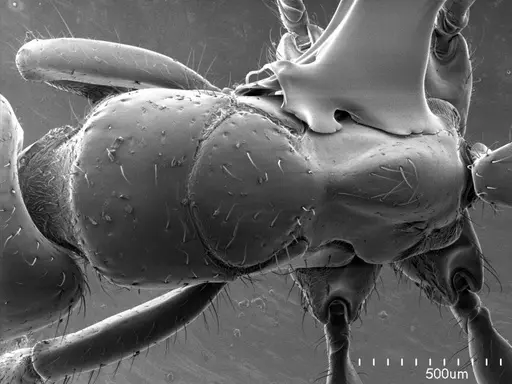
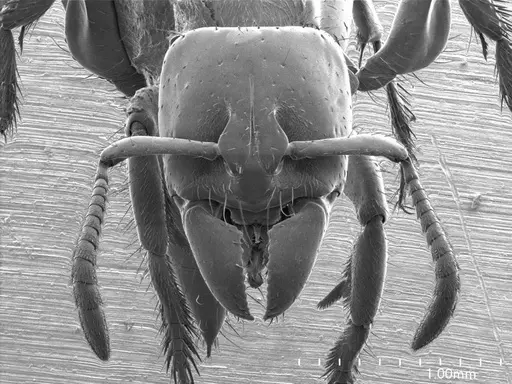
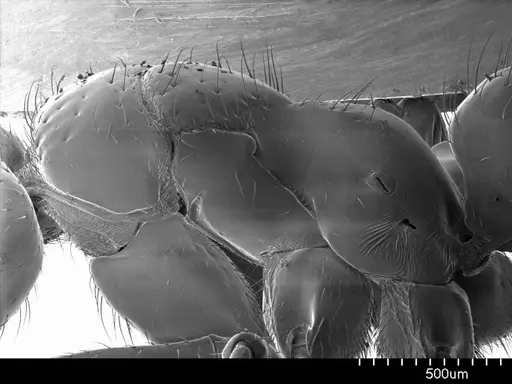
ANTWEB1008509
View on AntWeb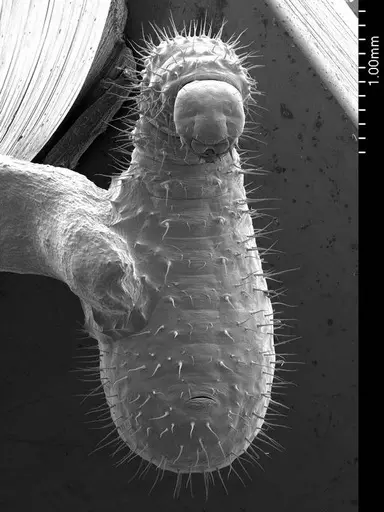
ANTWEB1032043
View on AntWeb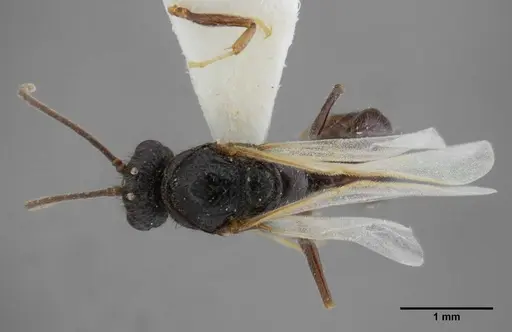
ANTWEB1032049
View on AntWeb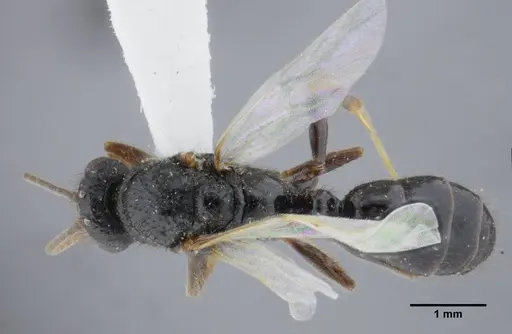
ANTWEB1032068
View on AntWeb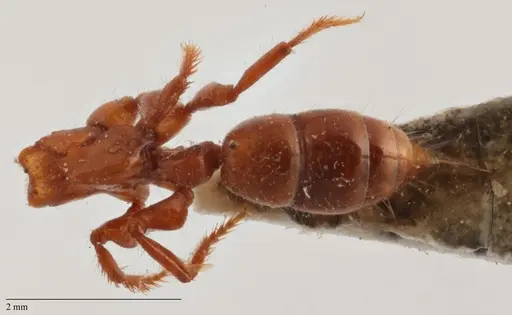
ANTWEB1032720
View on AntWeb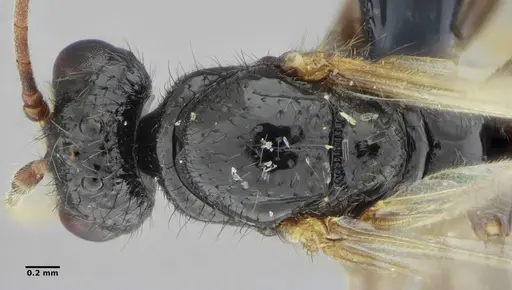
CASENT0052768
View on AntWeb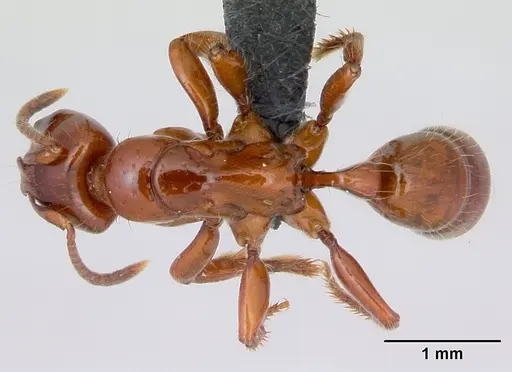
CASENT0178343
View on AntWeb
CASENT0178344
View on AntWeb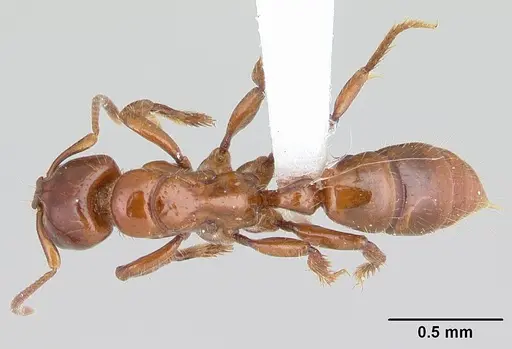
CASENT0178345
View on AntWeb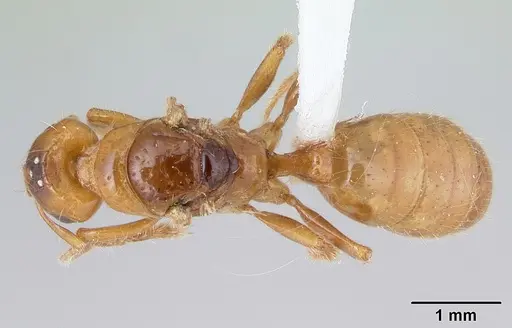
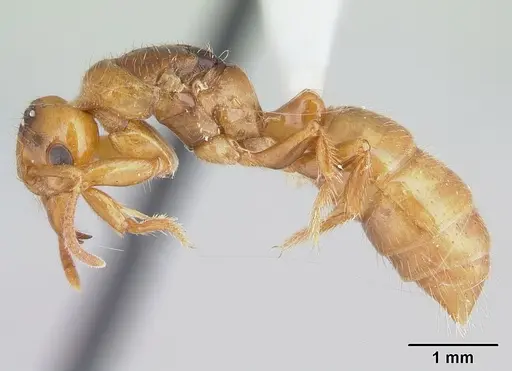
CASENT0646180
View on AntWeb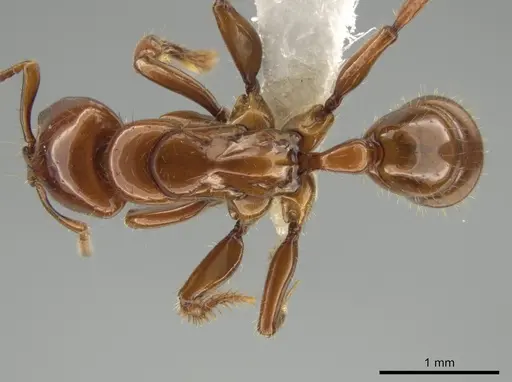
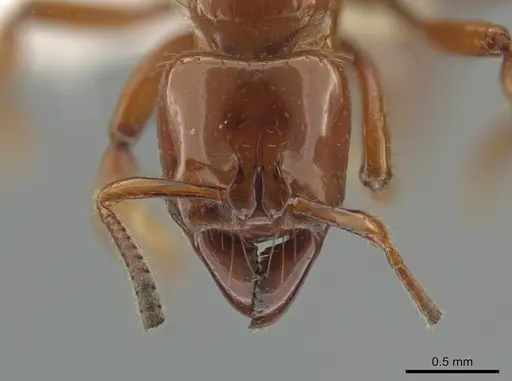
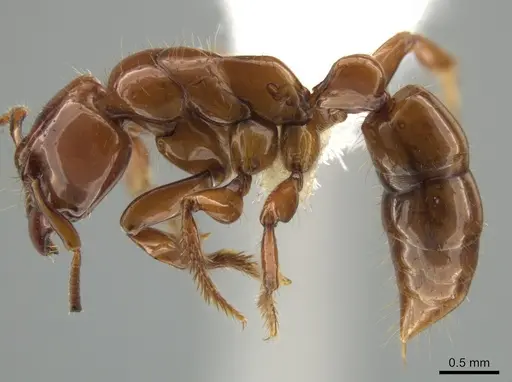
CASENT0907209
View on AntWeb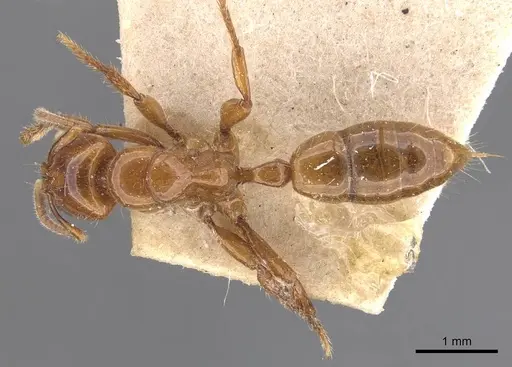
ECOFOG-BUG-0355-10
View on AntWeb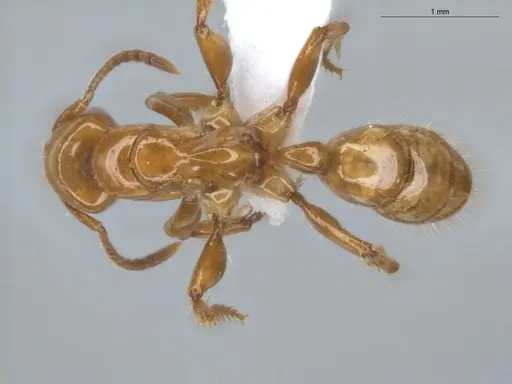
ECOFOG-GRS21-0090-01
View on AntWeb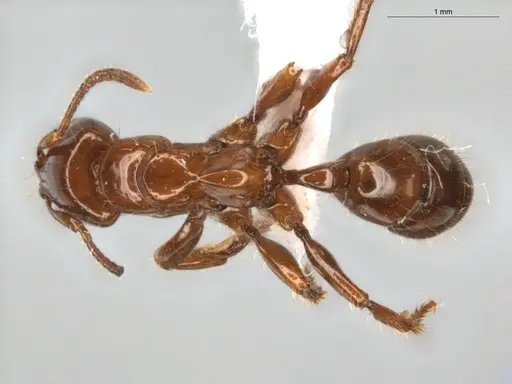
UTEPENTO3529
View on AntWeb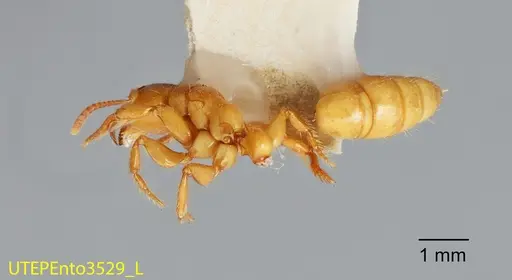
Literature
Loading...Loading products...