

Cataulacus regularis
- Scientific Name
- Cataulacus regularis
- Tribe
- Crematogastrini
- Subfamily
- Myrmicinae
- Author
- Forel, 1892
- Distribution
- Found in 1 countries
Cataulacus regularis Overview
Cataulacus regularis is an ant species of the genus Cataulacus. It is primarily documented in 1 countries , including Madagascar. Detailed taxonomic data and occurrence records can be further explored via authoritative databases such as AntWeb or the Global Biodiversity Information Facility (GBIF).
Cataulacus regularis
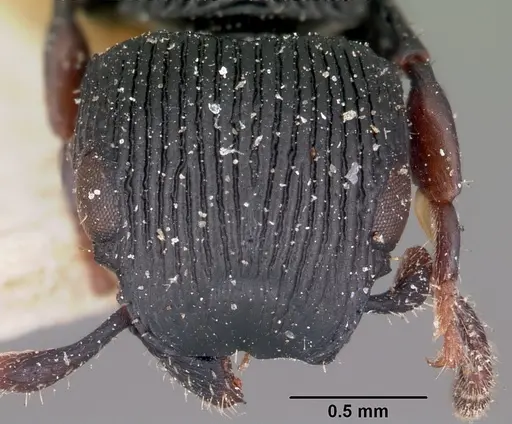
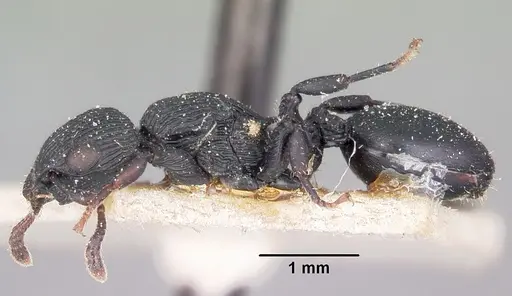
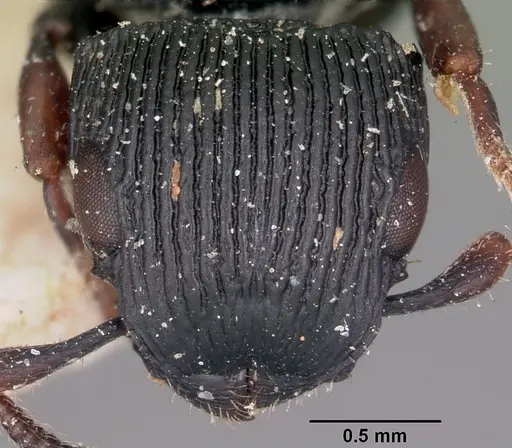
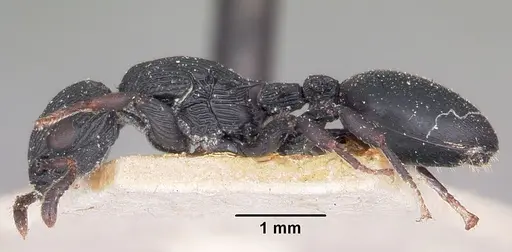
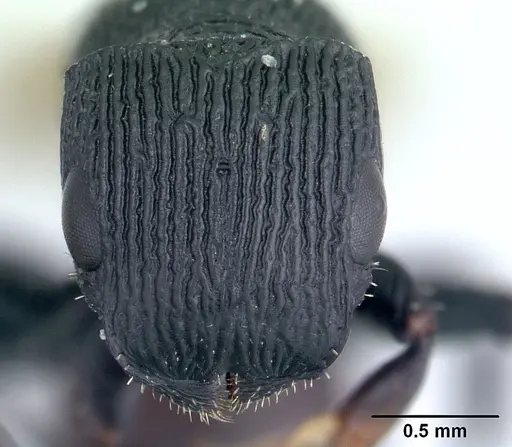
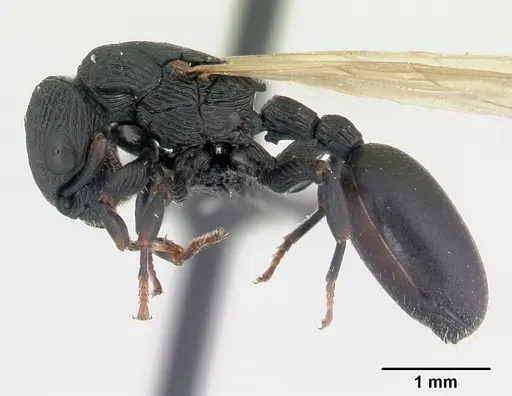
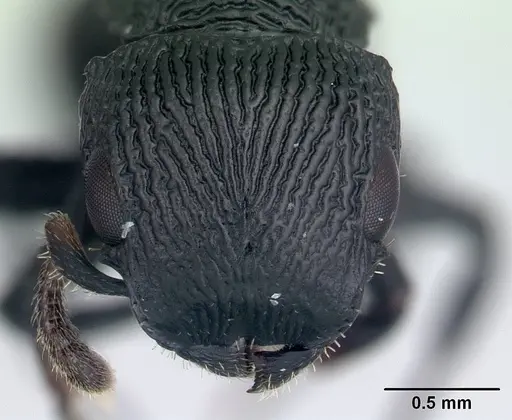
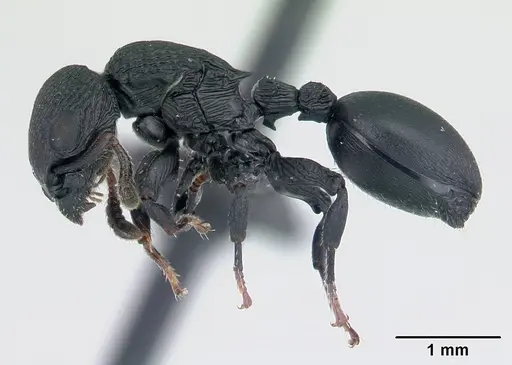
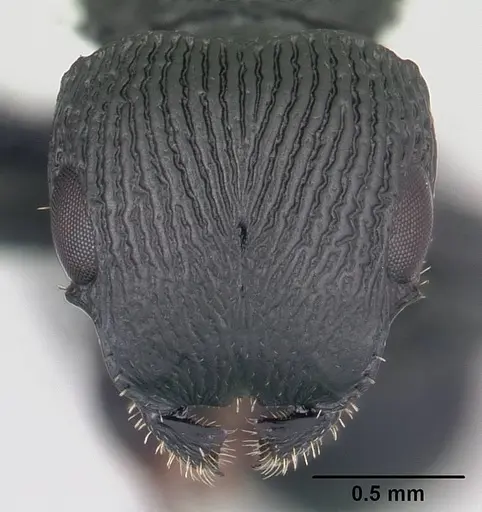
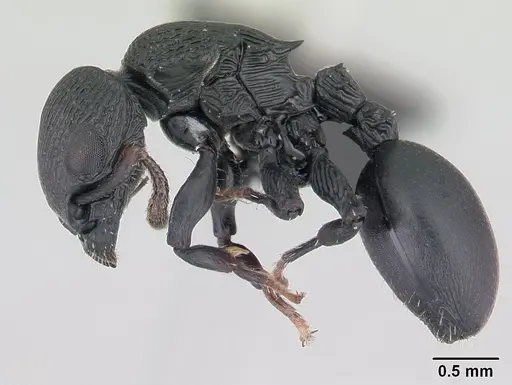
Cataulacus regularis is a medium-sized arboreal ant endemic to Madagascar. Workers measure 5.3-5.9mm and have a distinctive appearance with strongly sculptured bodies featuring parallel longitudinal grooves that give the cuticle a ploughed or ridged look . The species lacks spines on the alitrunk but has short propodeal spines and a petiole with small lateral teeth. They are found in various forest habitats across Madagascar, including montane forest at elevations around 875m [1]. This species belongs to the Cataulacus huberi group and is closely related to Cataulacus porcatus, though that species is smaller and has erect hairs on the alitrunk .
Quick Summary
- Difficulty: Medium
- Origin & Habitat: Madagascar, found in various forest habitats across the island, including montane forest in the Réserve Spéciale d'Anjanaharibe-Sud at 875m elevation [1]. Type locality is Anosibé in the Bezanozano Province [2].
- Colony Type: Colony structure is unconfirmed. Based on genus patterns, likely single-queen colonies, but this has not been directly studied.
- Size & Growth:
- Queen: Undescribed, queen size not documented in available literature
- Worker: 5.3-5.9mm total length, with head width 1.30-1.32mm
- Colony: Unknown, no colony size data available
- Growth: Unknown, growth rate has not been documented
- Development: Unconfirmed, no direct development data available. Based on typical Myrmicinae patterns in tropical arboreal species, estimate 6-10 weeks at optimal temperature. (Development timeline is unconfirmed. Related Cataulacus species typically take 6-8 weeks from egg to worker in warm conditions.)
- Antkeeping:
- Temperature: Keep at 22-26°C. Madagascar is tropical, so they prefer warm conditions. A gentle gradient allowing them to choose warmer or cooler areas is ideal.
- Humidity: Moderate to high humidity, forest dwellers need moisture but not saturation. Keep nest substrate slightly moist, with some drier areas available.
- Diapause: No, as a tropical species from Madagascar, they do not require hibernation or winter rest. Maintain consistent temperatures year-round.
- Nesting: Arboreal nesters in the wild, they likely nest in hollow twigs, branches, or tree cavities. In captivity, a Y-tong (AAC) nest or plaster formicarium with narrow chambers works well. Provide climbing structures and branches since they are tree-dwelling ants.
- Behavior: Generally calm and non-aggressive. As arboreal ants, they are good climbers and will traverse branches and vertical surfaces. They have moderate escape risk due to their size, standard barriers work well but ensure enclosures are secure. They are likely diurnal and forage actively in the canopy layer.
- Common Issues: limited availability, this species is rarely available in the antkeeping hobby due to its restricted Madagascar distribution, escape prevention, arboreal ants are excellent climbers and may escape through small gaps if not properly secured, humidity control, forest species need careful moisture balance, too wet causes mold, too dry causes desiccation, lack of documented care information, limited species-specific data means keepers may need to adapt based on related species
Natural History and Distribution
Cataulacus regularis is endemic to Madagascar, where it inhabits various forest types across the island. The species has been documented at elevations around 875m in the Réserve Spéciale d'Anjanaharibe-Sud, indicating it can survive in montane forest environments [1]. The type locality is Anosibé in the Bezanozano Province, located approximately three days' travel east-southeast of Antananarivo [2]. As a member of the Cataulacus huberi group, this species is characterized by its distinctive sculpturation, parallel longitudinal sulci that create a ploughed appearance on the dorsal surfaces of the head, alitrunk, petiole, and postpetiole . This unusual sculpturing is only found in one other Madagascan species, the closely related Cataulacus porcatus, which is smaller and has erect hairs on the dorsal alitrunk .
Housing and Nest Preferences
Cataulacus regularis is an arboreal species, meaning in the wild they nest in elevated locations such as hollow twigs, branches, and tree cavities. In captivity, you should replicate this by providing vertical climbing structures and elevated nesting options. A Y-tong (AAC) nest works well for this species, or you can use a plaster formicarium with narrow chambers scaled to their 5-6mm worker size. Include small branches, twigs, or artificial vines for climbing, these ants are natural canopy dwellers and will use vertical space actively. Ensure the nest has some chambers that stay slightly moist while providing drier areas so the ants can self-regulate their humidity preferences.
Temperature and Climate Requirements
As a tropical species from Madagascar, Cataulacus regularis prefers warm conditions. Maintain temperatures in the range of 22-26°C, which mimics the stable warmth of their native forest habitat. Unlike temperate species, they do not require any diapause or winter cooling period, maintaining consistent temperatures year-round is important. You can create a gentle temperature gradient within the setup by placing a heating cable on one side of the nest, allowing workers to move between warmer and cooler areas as they choose. Avoid temperatures below 20°C or above 30°C for extended periods. Room temperature within this range is typically suitable without additional heating in most homes.
Feeding and Diet
Based on genus patterns for Cataulacus species, these ants are likely omnivorous, feeding on honeydew, small insects, and nectar in the wild. In captivity, offer a varied diet including sugar water or honey as an energy source, and protein-rich foods such as small crickets, mealworms, or other small insects. Feed protein prey items 2-3 times per week, and keep a constant supply of sugar water available. Remove any uneaten prey after 24-48 hours to prevent mold issues. Since this is an arboreal species, they may prefer feeding at elevated locations rather than on the ground, consider offering food on small platforms or leaves positioned above the nest floor.
Colony Development and Growth
The colony development timeline for Cataulacus regularis has not been directly documented in scientific literature. Based on typical patterns for Myrmicinae ants in tropical conditions, you can expect approximately 6-10 weeks from egg to first worker at optimal temperatures. Queens are undescribed in the literature, so exact founding behavior is unknown. However, most Cataulacus species are thought to be claustral, where the queen seals herself in a chamber and lives off stored fat reserves until the first workers emerge. Colony growth is likely moderate, these are not fast-growing species like some tropical fire ants, but neither are they particularly slow. Patience is key, as it may take several months to see significant colony growth after founding.
Handling and Temperament
Cataulacus regularis workers are relatively calm and not particularly aggressive. They possess a stinger but are not known for aggressive defensive behavior. Their moderate size (5-6mm) makes them easier to handle than tiny ants, but they are still small enough that careful handling is important. When observing or maintaining the colony, move slowly and avoid sudden vibrations or disturbances. These ants are good climbers and may attempt to explore outside the nest area, always use secure barriers and check that lids fit tightly. They are diurnal and will be most active during daylight hours, which makes them enjoyable to observe.
Frequently Asked Questions
How long does it take for Cataulacus regularis to produce first workers?
The exact timeline is unconfirmed for this species, but based on typical Myrmicinae development patterns, expect approximately 6-10 weeks from egg to first worker at optimal temperatures of 24-26°C. Be patient, founding colonies can take time, and the queen needs to raise her first brood entirely on her own.
What temperature should I keep Cataulacus regularis at?
Maintain temperatures between 22-26°C. As a tropical Madagascar species, they prefer warm, stable conditions. A gentle gradient allowing them to choose their preferred temperature is ideal. No heating is typically needed if your room temperature falls within this range.
Do Cataulacus regularis ants need hibernation?
No. As a tropical species from Madagascar, they do not require diapause or hibernation. Keep temperatures consistent year-round. They are adapted to stable tropical conditions without seasonal temperature swings.
What do Cataulacus regularis ants eat?
Based on genus patterns, they are omnivorous. Offer sugar water or honey as an energy source, and protein from small insects like crickets or mealworms. Feed protein 2-3 times per week and keep sugar water constantly available. They may prefer feeding at elevated positions due to their arboreal nature.
Are Cataulacus regularis good for beginners?
This species is rated as Medium difficulty. While not as challenging as some exotic species, there is limited documented care information available, and they may be harder to acquire due to their restricted Madagascar distribution. If you have experience with other Myrmicinae species and can provide proper arboreal setups, they can be a rewarding species to keep.
How big do Cataulacus regularis colonies get?
Colony size is unconfirmed for this specific species. Based on worker size and genus patterns, colonies likely reach several hundred workers over time. They are not known for producing supercolonies.
Can I keep multiple queens together in a Cataulacus regularis colony?
Colony structure is unconfirmed for this species. The safe approach is to house a single queen per colony, as combining unrelated foundresses has not been documented and could result in aggression.
What type of nest is best for Cataulacus regularis?
Use an arboreal setup, Y-tong (AAC) nests or plaster formicariums work well. Provide climbing structures like small branches or artificial vines since they are tree-dwelling ants. Ensure chambers are appropriately sized for their 5-6mm workers.
Do Cataulacus regularis ants sting?
They possess a stinger but are not known for aggressive behavior or painful stings. They are generally calm and more likely to flee than to engage in defensive stinging.
Where can I get Cataulacus regularis ants?
This species is rarely available in the antkeeping hobby due to its restricted distribution in Madagascar and export restrictions. It is not commonly captive-bred. You may need to connect with specialized ant breeders or dealers who work with exotic African or Madagascan species.
References

This caresheet is licensed under CC BY-SA 4.0 .
CASENT0101240
View on AntWeb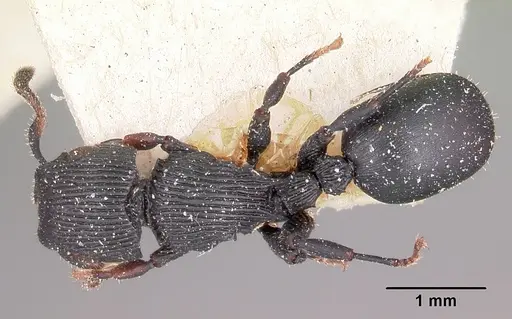
CASENT0101241
View on AntWeb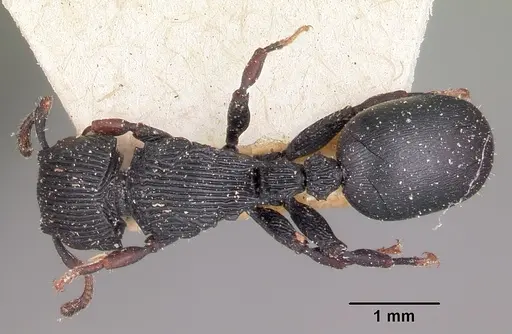
CASENT0107470
View on AntWeb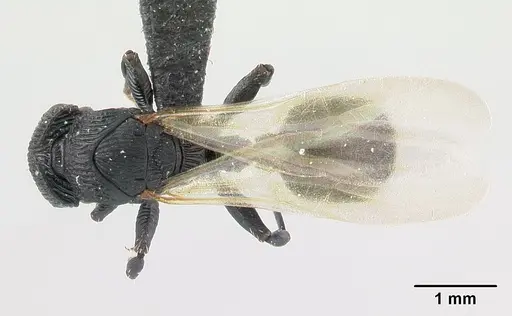
CASENT0487769
View on AntWeb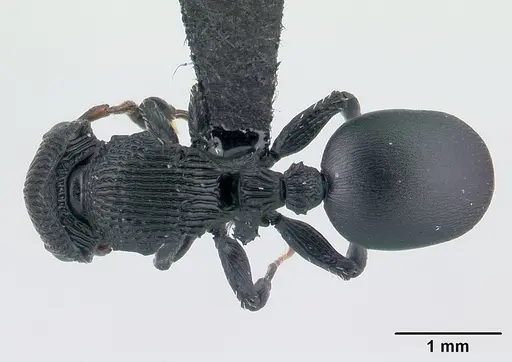
CASENT0487770
View on AntWeb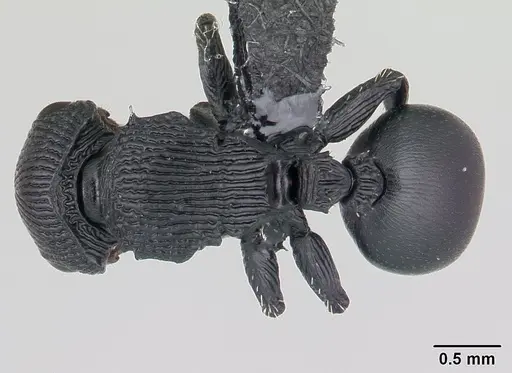
Literature
Loading...Loading products...