

Cataulacus huberi
- Scientific Name
- Cataulacus huberi
- Tribe
- Crematogastrini
- Subfamily
- Myrmicinae
- Author
- André, 1890
- Distribution
- Found in 7 countries
Cataulacus huberi Overview
Cataulacus huberi is an ant species of the genus Cataulacus. It is primarily documented in 7 countries , including Congo, Democratic Republic of the, Central African Republic. Detailed taxonomic data and occurrence records can be further explored via authoritative databases such as AntWeb or the Global Biodiversity Information Facility (GBIF).
Cataulacus huberi
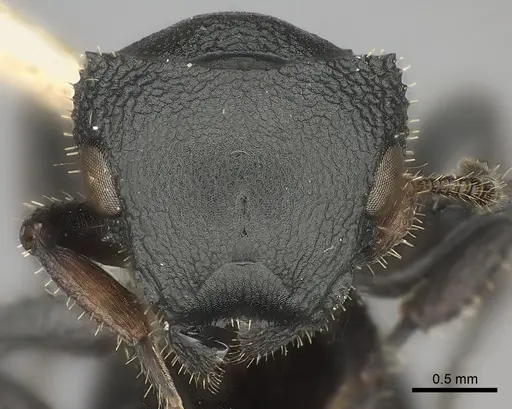
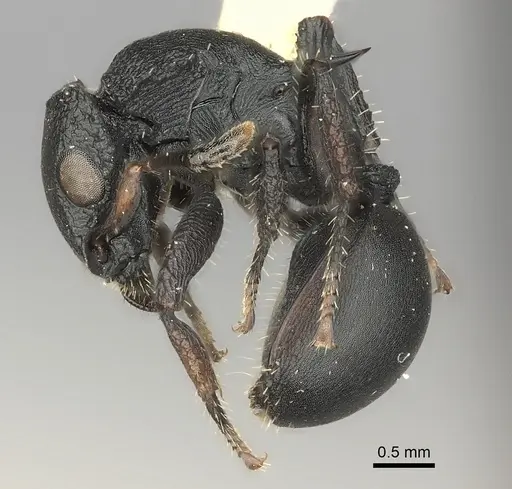
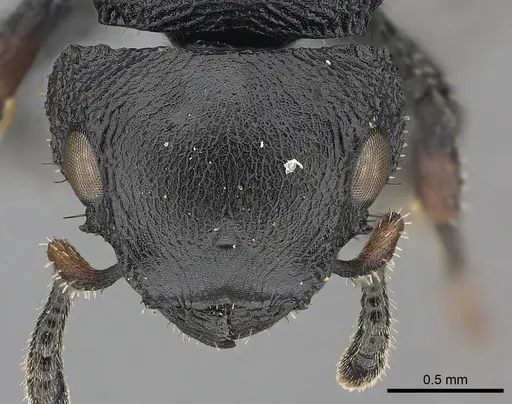
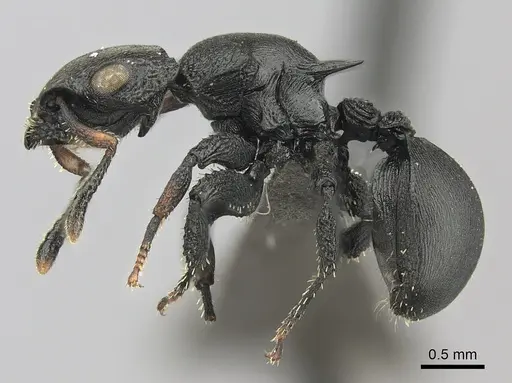
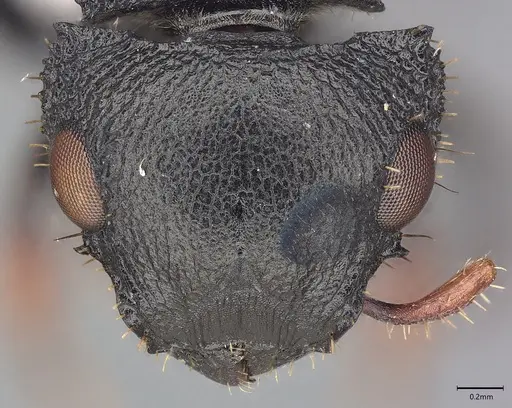
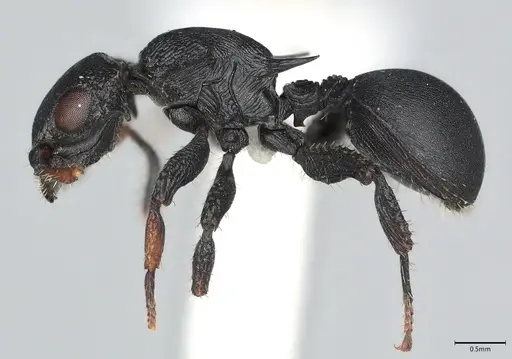
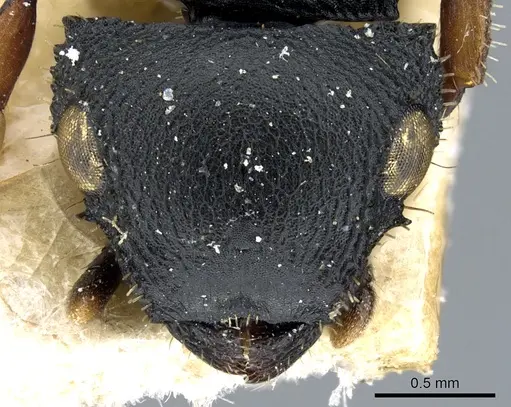
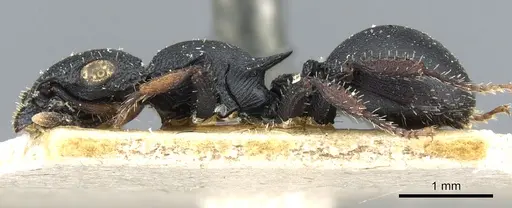
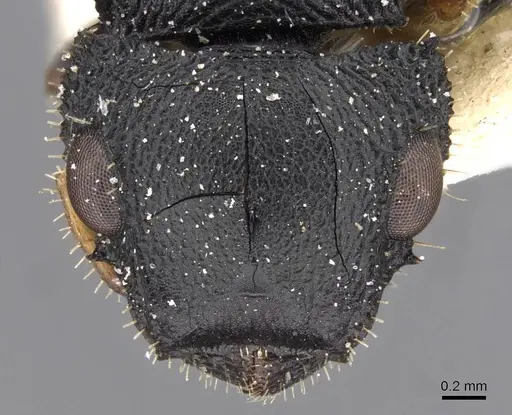
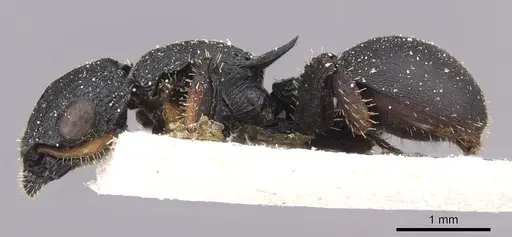
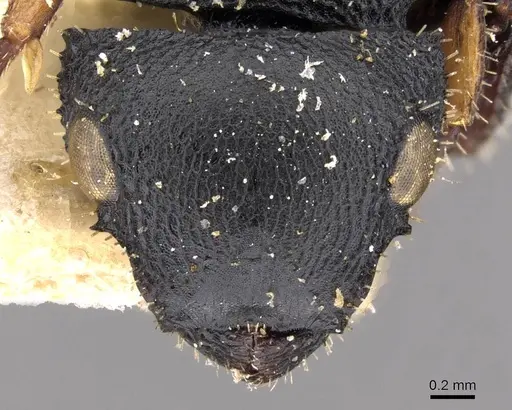
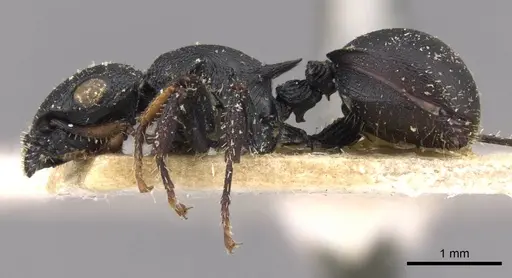
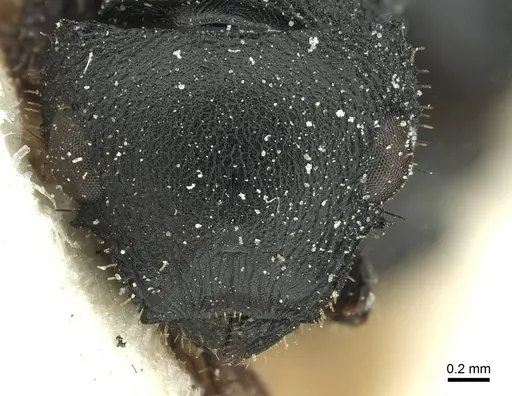
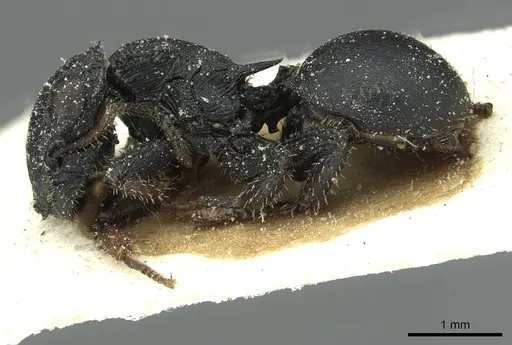
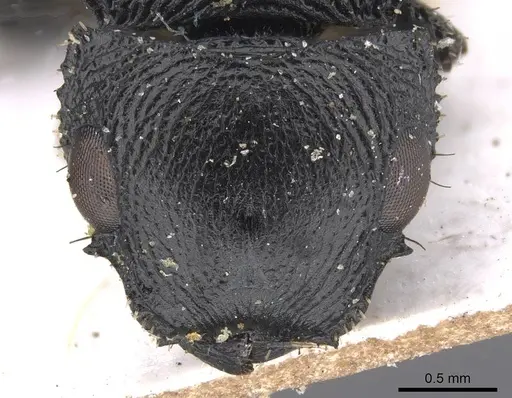
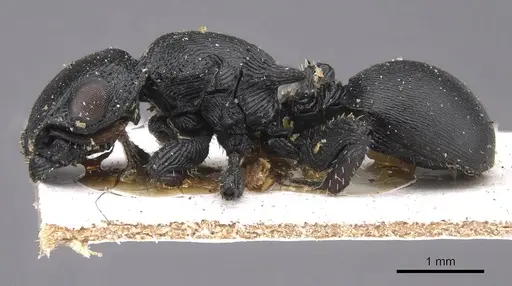
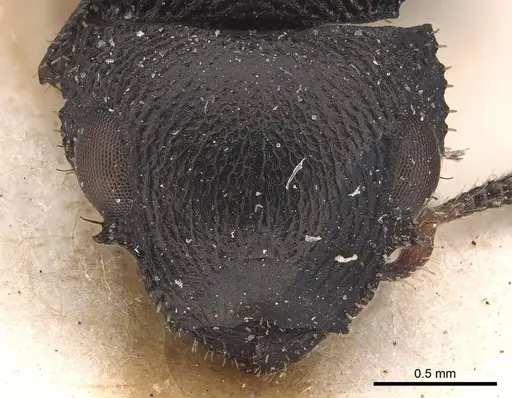
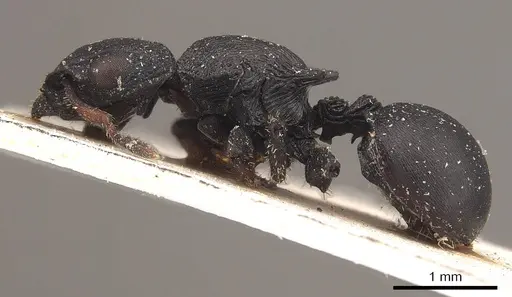
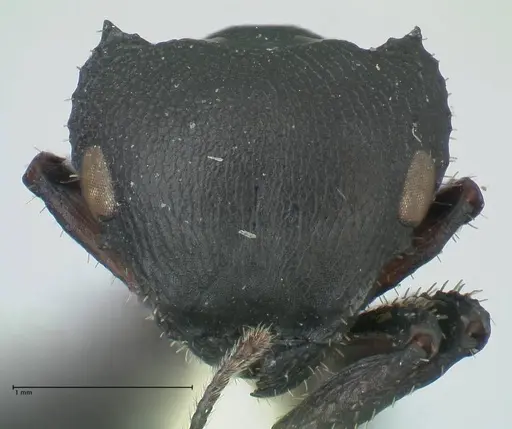
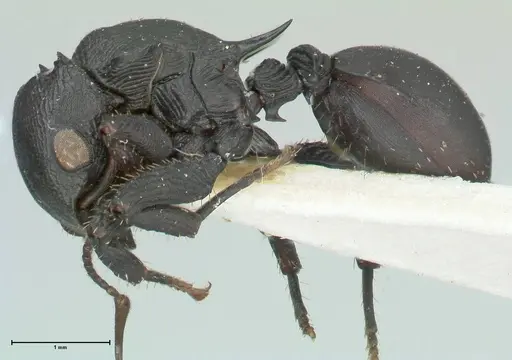
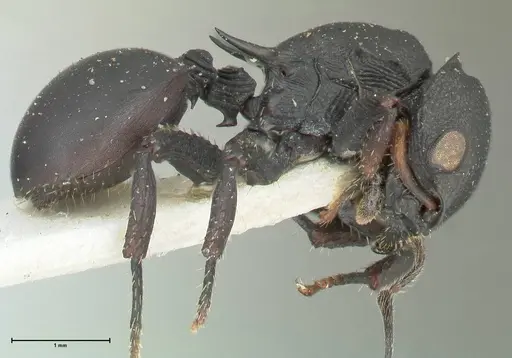
Cataulacus huberi is a medium-sized arboreal ant native to the forests of West and Central Africa. Workers measure 5.5-7.8mm with a distinctive appearance featuring long propodeal spines, a strongly marginated gaster, and pronotum that can have 0-4 small teeth or spines on each side [1]. The species is remarkably variable in sculpturation, with different populations showing variation in ridge patterns, spine development, and body coloration. These ants are arboreal, typically found running along tree trunks in primary forest habitats, including moss-covered surfaces [2]. The genus Cataulacus is known for their unusual habit of nesting in hollow twigs and branches rather than in soil, which influences their care requirements in captivity.
Quick Summary
- Difficulty: Medium
- Origin & Habitat: Primary forests of West and Central Africa, including Ghana, Sierra Leone, Nigeria, Cameroon, Democratic Republic of Congo, Uganda, and Tanzania. They are arboreal ants found on tree trunks and in forest canopy habitats [1][2].
- Colony Type: Likely monogyne (single queen) based on typical genus patterns, though colony structure has not been specifically documented for this species.
- Colony: Monogyne
- Founding: Claustral
- Size & Growth:
- Queen: 8.0mm
- Worker: 5.5-7.8mm [1]
- Colony: Unknown, likely moderate-sized colonies based on genus patterns
- Growth: Moderate, estimated based on similar Myrmicinae
- Development: Estimated 6-10 weeks at optimal temperature based on genus-level data (Development time not specifically studied for this species, estimate based on typical Myrmicinae patterns)
- Antkeeping:
- Temperature: Keep at 24-28°C. These are tropical forest ants requiring warm, stable temperatures. A heating cable on one side of the nest creates a suitable gradient.
- Humidity: High humidity required, aim for 70-85%. Their natural arboreal habitat in African rainforests is consistently humid. Keep nest substrate moist but not waterlogged, with some drier areas available.
- Diapause: No, being a tropical species, they do not require hibernation or winter rest. Maintain consistent temperatures year-round.
- Nesting: In nature they nest in hollow twigs, branches, and under bark in trees. In captivity, they do well in Y-tong (AAC) nests, plaster nests, or naturalistic setups with twigs/branches. Provide narrow chambers and climbing structures.
- Behavior: Arboreal and active climbers. Workers are medium-sized and relatively robust, making escape prevention straightforward with standard barriers. They are not particularly aggressive but will defend their nest. Foraging activity is typically along surfaces rather than on the ground. Their size makes them moderate escape risks, use proper containment but not the finest mesh needed for tiny ants.
- Common Issues: maintaining high humidity without causing mold growth in the nest, providing appropriate arboreal-style nesting materials (twigs, narrow chambers) rather than typical soil nests, temperature drops can stress these tropical ants, avoid cold drafts, wild-caught colonies may carry parasites that affect captive survival
Nest Preferences and Housing
Cataulacus huberi is an arboreal species that naturally nests in hollow twigs, small branches, and under bark in forest trees. In captivity, they do best in nests that mimic these conditions. Y-tong (acrylic) nests with narrow chambers work well, as do plaster nests with appropriate humidity control. Naturalistic setups with pieces of twigs or branches embedded in substrate can also work. The key is providing chambers that are appropriately scaled to their medium size (5.5-7.8mm workers) with good climbing surfaces. Avoid deep soil nests which don't match their natural arboreal nesting preferences. Ensure the nest has some vertical space and climbing structures since they naturally traverse tree trunks. [2]
Feeding and Diet
Like most Myrmicinae, Cataulacus huberi is omnivorous with a preference for protein sources. Feed them a varied diet including small insects (fruit flies, pinhead crickets, mealworms) as primary protein. They will also accept sugar sources such as honey water or sugar water, especially when colony size increases. In their natural forest habitat, they likely forage for small arthropods and tend honeydew from aphids or scale insects on trees. Feed protein 2-3 times per week and keep sugar water available at all times for established colonies. Remove uneaten prey after 24-48 hours to prevent mold issues.
Temperature and Humidity Requirements
As a tropical forest species from West and Central Africa, Cataulacus huberi requires warm and humid conditions. Keep temperatures in the range of 24-28°C, avoiding any drops below 22°C. Use a heating cable on one side of the nest to create a temperature gradient, placing it on top of the nest to avoid excessive drying. Humidity should be maintained at 70-85%. This can be achieved by keeping the nest substrate moist and using a water reservoir or misting system. However, balance humidity with adequate ventilation to prevent mold growth. The combination of high humidity and warm temperatures is essential for brood development and colony health.
Behavior and Colony Dynamics
This species is arboreal by nature, meaning they spend most of their time climbing on surfaces rather than walking on the ground. Workers are active foragers and will readily explore their outworld for food. They are not particularly aggressive toward keepers but will defend their nest vigorously if threatened. The colony will likely grow to a moderate size over time, with the queen producing workers continuously. Unlike some Myrmicinae, they do not have specialized castes like major workers, all workers are similar in size within the 5.5-7.8mm range. The queen is significantly larger at 8mm and will remain in the nest chamber once established.
Frequently Asked Questions
Can I keep Cataulacus huberi in a test tube?
Test tubes can work for founding colonies, but these arboreal ants do better in nests that allow climbing. A test tube setup is fine for the founding stage, but consider moving to a Y-tong or plaster nest once the colony reaches 20+ workers to provide more appropriate housing.
What do Cataulacus huberi ants eat?
They are omnivorous. Feed small insects like fruit flies, pinhead crickets, or mealworms as protein 2-3 times per week. Also provide sugar water or honey water constantly. They may also accept other sweet liquids.
How long until first workers appear?
Based on typical Myrmicinae development, expect first workers (nanitics) approximately 6-10 weeks after the queen lays eggs, at optimal warm temperatures. This is an estimate as specific development time has not been documented for this species.
Do Cataulacus huberi ants sting?
Like most Myrmicinae, they have a stinger but are not considered dangerous to humans. Their sting is mild and they are not particularly aggressive toward keepers. Standard escape prevention and gentle handling is sufficient.
Are Cataulacus huberi good for beginners?
They are rated as medium difficulty. The main challenges are maintaining high humidity and providing appropriate arboreal-style nesting. If you have experience with other Myrmicinae and can maintain warm, humid conditions, they can be a rewarding species to keep.
Do Cataulacus huberi need hibernation?
No, they do not require hibernation. As a tropical African species, they need consistent warm temperatures year-round. Do not expose them to temperatures below 22°C for extended periods.
How big do Cataulacus huberi colonies get?
Colony size is not well documented, but based on genus patterns, they likely reach several hundred workers at maturity. Growth is moderate, expect several months to a year to establish a solid colony.
When should I move Cataulacus huberi to a formicarium?
Keep them in a founding setup (test tube or small container) until the colony has 20-30 workers. Once they outgrow the founding setup or you see workers frequently leaving the setup, transfer to a proper nest like Y-tong or plaster with appropriate humidity control.
Why are my Cataulacus huberi dying?
Common causes include: temperatures below 22°C (they are tropical and cold-sensitive), low humidity (need 70-85%), mold from excessive moisture without ventilation, or parasites from wild-caught colonies. Check all three environmental factors first.
Can I keep multiple queens together?
Combining unrelated queens is not recommended as there is no documented evidence for pleometrosis (multiple queen founding) in this species. Start with a single queen colony for best success.
References

This caresheet is licensed under CC BY-SA 4.0 .
CASENT0175479
View on AntWeb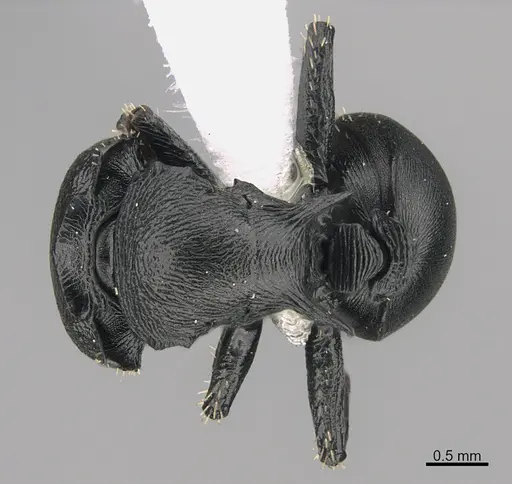
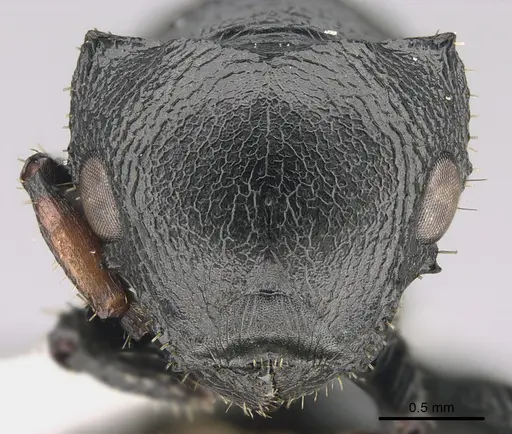
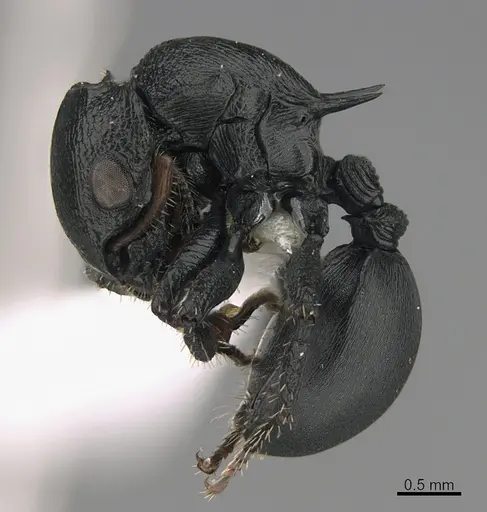
CASENT0217826
View on AntWeb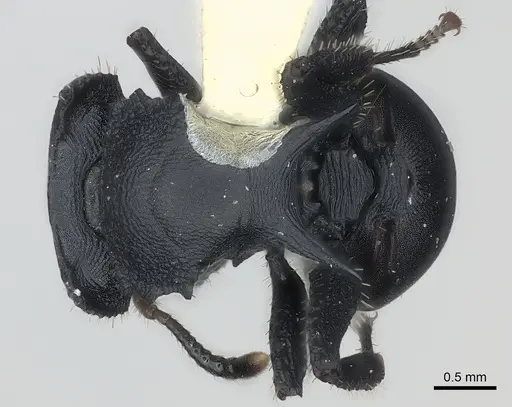
CASENT0235430
View on AntWeb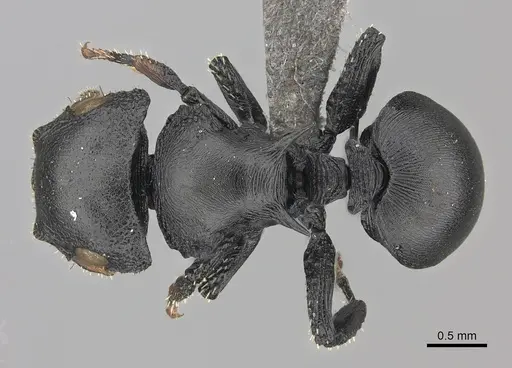
CASENT0403457
View on AntWeb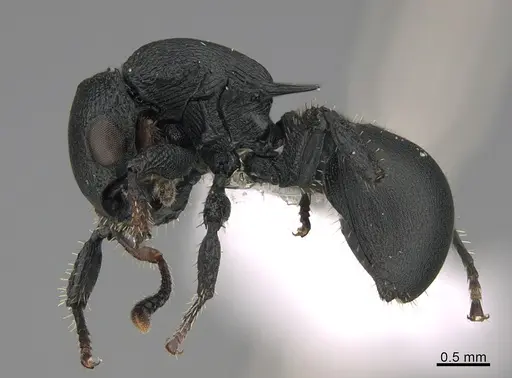
CASENT0405113
View on AntWeb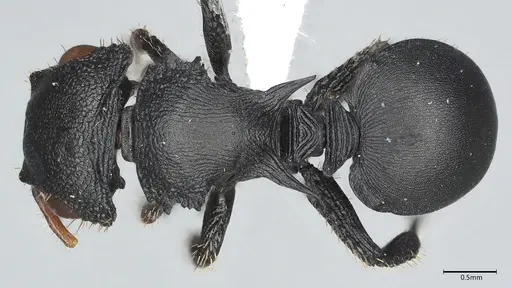
CASENT0904885
View on AntWeb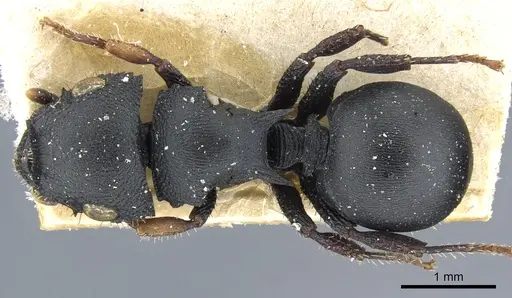
CASENT0909225
View on AntWeb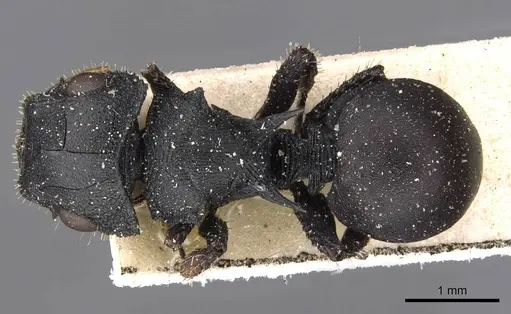
CASENT0909226
View on AntWeb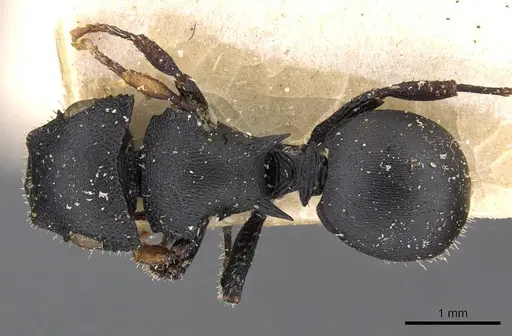
CASENT0912551
View on AntWeb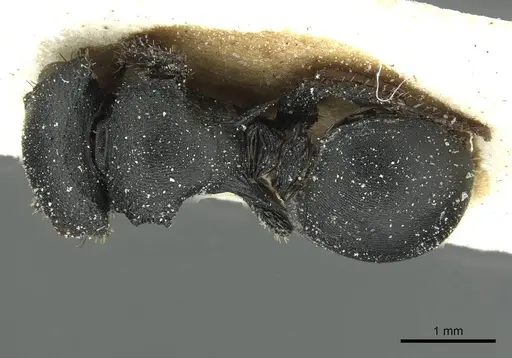
CASENT0915358
View on AntWeb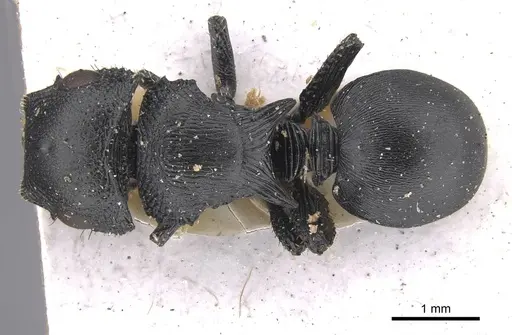
CASENT0919585
View on AntWeb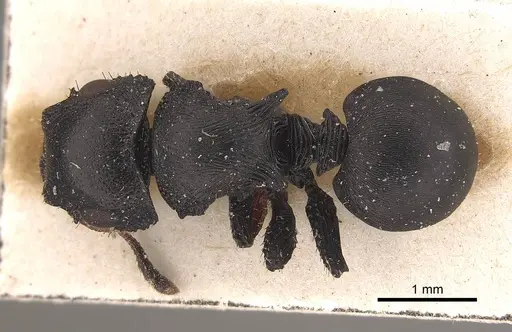
FOCOL2132
View on AntWeb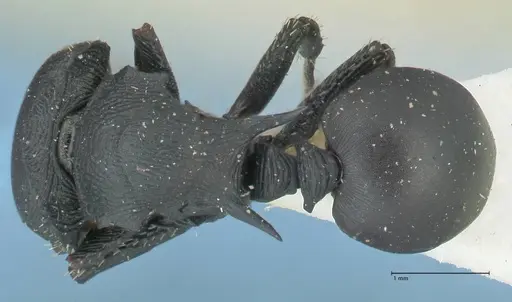
Literature
Loading...Loading products...