

Cataulacus mckeyi
- Scientific Name
- Cataulacus mckeyi
- Tribe
- Crematogastrini
- Subfamily
- Myrmicinae
- Author
- Snelling, 1979
- Distribution
- Found in 1 countries
Cataulacus mckeyi Overview
Cataulacus mckeyi is an ant species of the genus Cataulacus. It is primarily documented in 1 countries , including Cameroon. Detailed taxonomic data and occurrence records can be further explored via authoritative databases such as AntWeb or the Global Biodiversity Information Facility (GBIF).
Cataulacus mckeyi
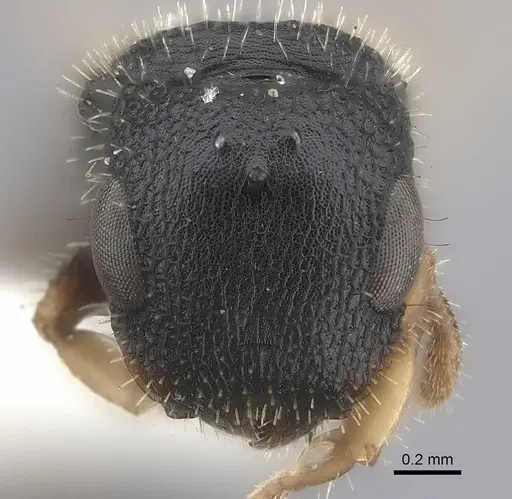
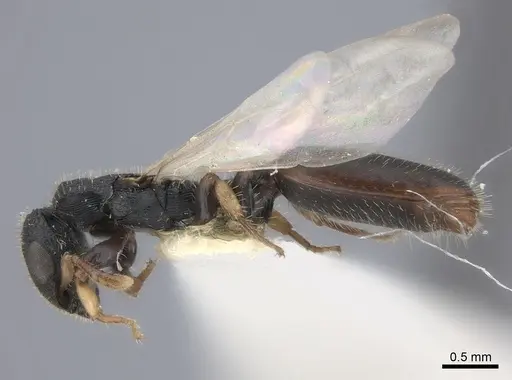
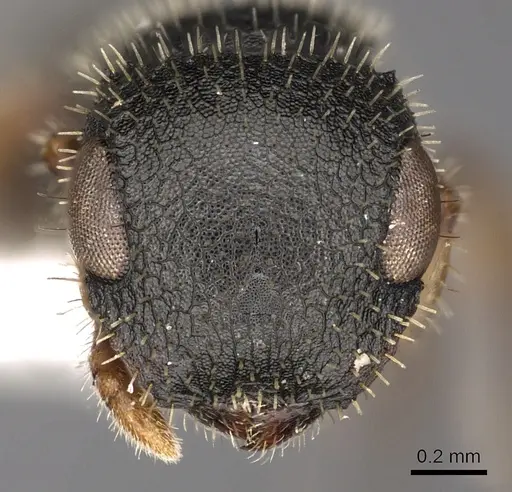
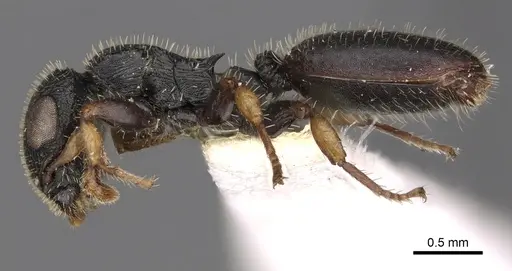
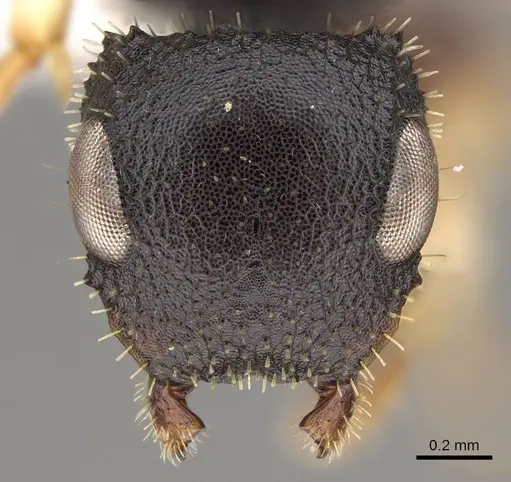
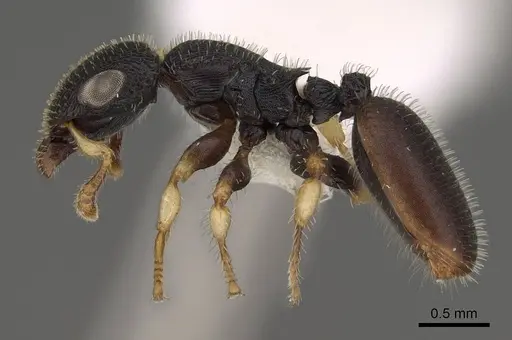
Cataulacus mckeyi is a small tropical ant (workers 3.6-4.0mm) native to the rainforests of Cameroon in central Africa. This species is a specialized plant-ant that lives exclusively inside the domatia (hollow structures) of the understorey tree Leonardoxa africana [1]. Unlike typical plant-ants that protect their host from herbivores, C. mckeyi is a parasite of the mutualism between Leonardoxa and its protective partner ant Petalomyrmex phylax, it occupies the tree but provides little to no defense [2][3]. Workers are not aggressive and forage during the day, passing by potential prey without attacking [3]. This is a polydomous species, meaning a single colony can span multiple trees through connected nests [4].
Quick Summary
- Difficulty: Expert
- Origin & Habitat: Cameroon rainforests in the Douala-Edea Reserve region. Lives exclusively in domatia of Leonardoxa africana trees in the understorey layer[1].
- Colony Type: Polydomous (one colony occupies 2-5 trees/nests) with single queen monogyne structure. Colonies can have queenless nests within the polydomous system [4].
- Colony: Monogyne
- Queen: Parasitic
- Size & Growth:
- Queen: 5.06-5.19mm with head width 0.92-0.96mm
- Worker: 3.58-4.04mm with head width 0.87-0.94mm
- Colony: Up to hundreds of individuals, small colonies [5]
- Growth: Moderate
- Development: Unknown, no direct development data available for this species. Based on typical Myrmicinae patterns, expect 6-10 weeks at tropical temperatures. (No published development timeline found. Related Cataulacus species suggest moderate growth rates.)
- Antkeeping:
- Temperature: Tropical species requiring warm conditions. Keep around 24-28°C (room temperature may suffice in warm climates). Avoid temperatures below 22°C.
- Humidity: High humidity required, these are rainforest understorey ants. Keep nest substrate consistently moist but not waterlogged. Provide humidity levels of 70-80%.
- Diapause: No, this is a tropical species that does not hibernate [1]. Maintain consistent warm conditions year-round.
- Nesting: This species naturally lives inside plant domatia (hollow structures). In captivity, they do well in test tubes or small acrylic nests with high humidity. Provide narrow chambers scaled to their small size. They may accept naturalistic setups with plant material.
- Behavior: Workers are strictly diurnal and relatively inactive foragers. They are not aggressive and show limited prey-recruitment behavior, they pass by many potential prey items without attacking [3]. They primarily feed on nectar from their host plant and are opportunistic feeders [3]. They do not defend the host plant from herbivores, unlike typical plant-ants [2]. Escape risk is moderate, their small size means they can escape through small gaps, but they are not particularly active escape artists.
- Common Issues: Very specialized dietary needs, primarily nectar feeders that may not accept standard ant foods, Small colony size means they are vulnerable to stress and population crashes, Keroplatid parasites in wild colonies can kill workers, wild-caught colonies may have these, Polydomous structure may be difficult to replicate in captivity, Not aggressive, may be outcompeted by other ant species if housed communally, Limited foraging activity means they may not discover food sources easily
Understanding This Species' Unique Ecology
Cataulacus mckeyi is unlike most ant species you might keep. It is a parasite of a mutualism, it lives in the ant-plant Leonardoxa africana but does not protect the plant from herbivores like its competitor Petalomyrmex phylax does [2]. While P. phylax aggressively defends new leaves and removes herbivores, C. mckeyi dedicates 60 times fewer workers to this task and essentially feeds on the plant's nectar without providing protection [6]. This makes it a challenging species to keep because it has very specific ecological requirements and is not a typical aggressive ant species. In the wild, C. mckeyi colonies often establish after a P. phylax colony has died, taking over the empty domatia [2]. The species is also associated with keroplatid larvae (fungus gnat maggots) that live in the same tree domatia, these larvae can prey on and kill worker ants [5].
Housing and Nest Setup
This species naturally lives inside hollow plant structures (domatia) of Leonardoxa africana. In captivity, they can be housed in test tubes or small acrylic nests designed for small Myrmicinae. The key requirements are high humidity and small chamber sizes scaled to their tiny workers (under 4mm). Use a water reservoir to maintain humidity, and ensure the nest material stays moist but not flooded. Because they are polydomous in the wild (spanning multiple trees), they may benefit from having multiple connected chambers or the ability to expand into new spaces. However, avoid overly large spaces, they prefer tight, enclosed areas similar to their natural tree hollows. Escape prevention should be moderate, while not strong escape artists, their small size means they can slip through standard gaps. [1]
Feeding and Diet
Cataulacus mckeyi is primarily a nectar-feeding ant that specializes on the sugary secretions from its host plant Leonardoxa africana [3]. In captivity, you should provide a constant sugar source such as sugar water, honey, or specialized ant nectar. They are opportunistic feeders and show limited predatory behavior, workers pass by many potential prey items without attacking [3]. This means they may not readily accept standard protein foods like fruit flies or mealworms. If offering protein, try very small prey items and observe acceptance. The key insight from research is that they exploit the host plant's nectar resources without reciprocating with protection [3], so sugar sources are likely essential for captive survival.
Colony Structure and Behavior
This species has a fascinating polydomous colony structure, a single colony can occupy 2-5 different trees or nest sites simultaneously [4]. Within these polydomous colonies, some nests may be queenless while the queen remains in one central nest [4]. The species is monogyne, meaning each colony has only one reproducing queen, but the colony spreads across multiple locations. Workers are not aggressive toward each other, studies show that workers from nests less than 1 meter apart show acceptance behaviors, while nests more than 6 meters apart do not [4]. This has implications for captivity: if you ever keep multiple colonies, keep them separated. Workers are strictly diurnal (active only during daylight hours) unlike P. phylax which patrols day and night [3].
Temperature and Seasonal Care
As a tropical rainforest species from Cameroon, Cataulacus mckeyi requires warm, stable temperatures year-round. They inhabit the understorey layer of rainforests where conditions are consistently warm and humid. Maintain temperatures between 24-28°C, this is warmer than typical room temperature in many homes, so you may need a heating cable or mat. Never allow temperatures to drop below 22°C for extended periods. There is no diapause or hibernation requirement, this species does not experience cold winters in its native habitat [1]. Humidity should be high (70-80%) to replicate the moist rainforest understorey environment. Use a water tube or reservoir system to maintain substrate moisture.
Common Challenges
This is not a beginner-friendly species. The primary challenges include: very specialized diet (primarily nectar feeders that may reject standard ant foods), small colony sizes that remain vulnerable to stress, and the fact that wild colonies often contain keroplatid parasites that kill workers [5]. If acquiring wild-caught colonies, watch for these parasitic larvae which spin silk and consume ants from inside. Additionally, their limited foraging activity means they may not discover food sources easily, place sugar directly near the nest entrance. They are not aggressive and cannot defend themselves well, so avoid housing them with other ant species. Their polydomous nature means they may be sensitive to disturbance, avoid frequent nest inspections.
References

This caresheet is licensed under CC BY-SA 4.0 .
CASENT0217829
View on AntWeb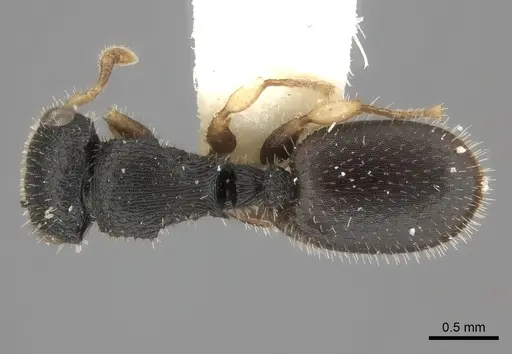
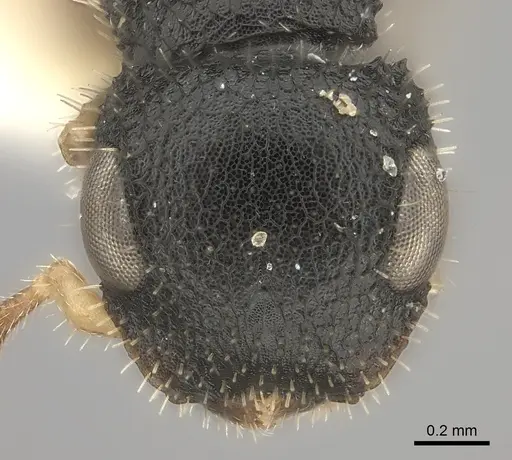
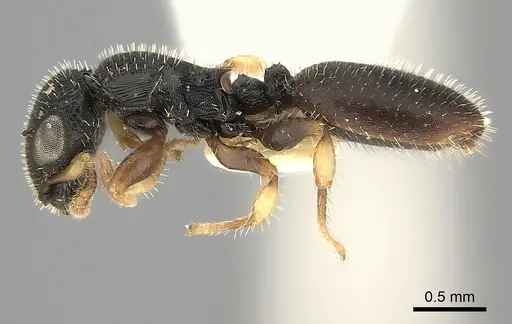
CASENT0217830
View on AntWeb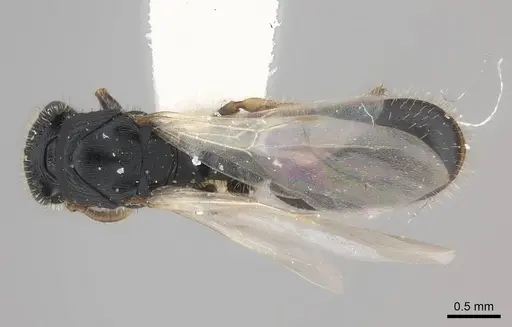
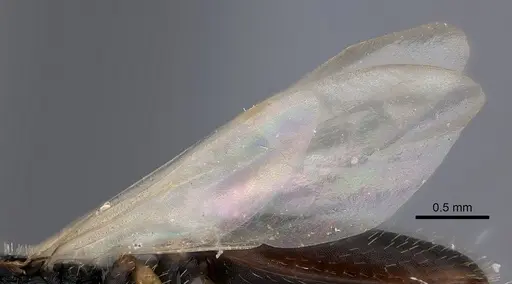
CASENT0900266
View on AntWeb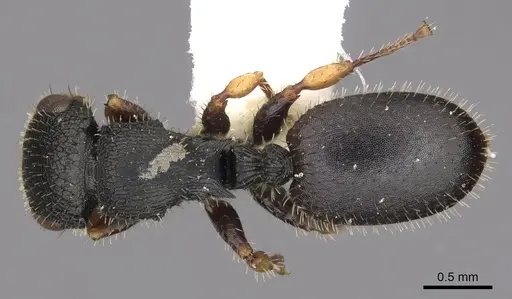
CASENT0922502
View on AntWeb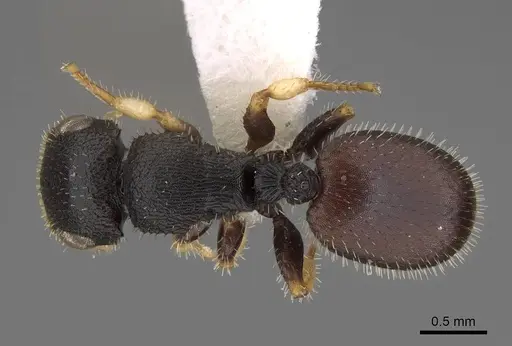
Literature
Loading...Loading products...