

Cataulacus latus
- Scientific Name
- Cataulacus latus
- Tribe
- Crematogastrini
- Subfamily
- Myrmicinae
- Author
- Forel, 1891
- Distribution
- Found in 1 countries
Cataulacus latus Overview
Cataulacus latus is an ant species of the genus Cataulacus. It is primarily documented in 1 countries , including India. Detailed taxonomic data and occurrence records can be further explored via authoritative databases such as AntWeb or the Global Biodiversity Information Facility (GBIF).
Cataulacus latus
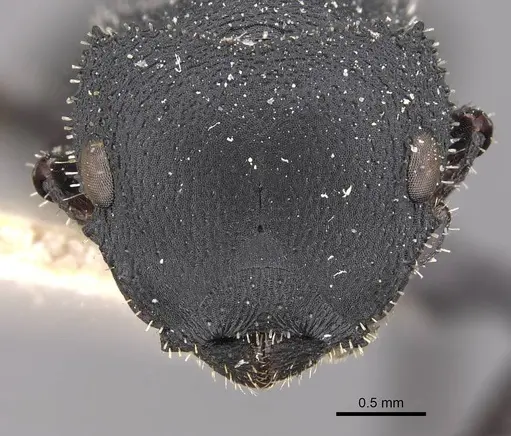
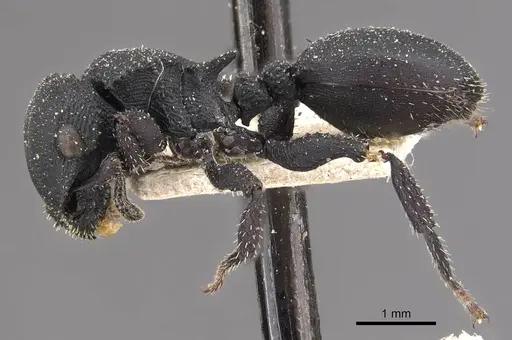
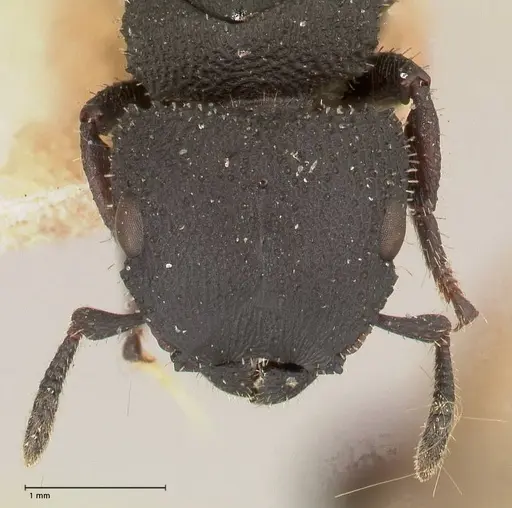
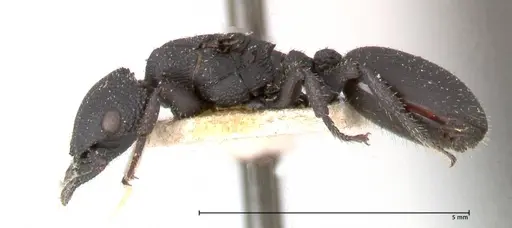
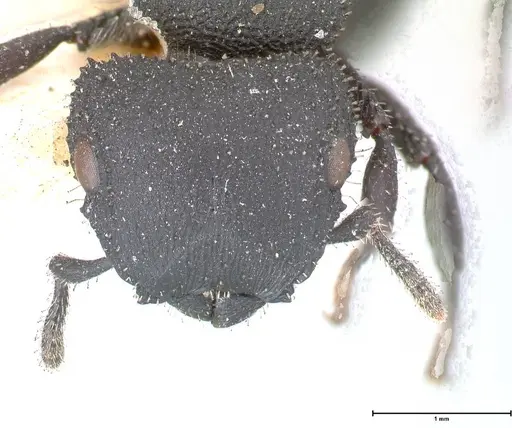
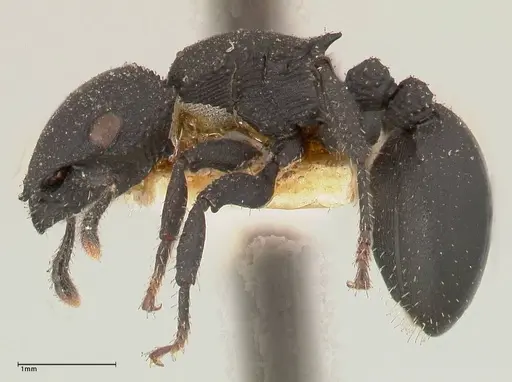
Cataulacus latus is a large, robust arboreal ant species native to South and Southeast Asia, found across India, Sri Lanka, Myanmar, Thailand, and Bangladesh. Workers measure 5.4-7.5mm with a distinctive broad head, small eyes, and well-developed propodeal spines. The species belongs to the taprobane species group and can be identified by its frontal groove and the absence of gastral margination. Queens are significantly larger at 9.2-10.4mm. Unlike many ground-nesting ants, this species naturally nests in hollow tree branches, making it an arboreal species that requires different housing considerations than typical soil-nesting ants. The species is highly adaptable, found in lowland wet forests, grasslands, agricultural areas, and even human-modified habitats.
Quick Summary
- Difficulty: Medium
- Origin & Habitat: Native to the Indomalayan region, India, Sri Lanka, Myanmar, Thailand, and Bangladesh. In the wild, they nest in hollow tree branches, which is unusual among Myrmicinae ants. They have been collected in both lowland and upper forest zones in Sri Lanka, and are found across diverse habitats including forests, grasslands, agricultural areas, and human settlements in India [1][2][3].
- Colony Type: Colony structure is unconfirmed. No published data on whether they are single-queen (monogyne) or multi-queen (polygyne).
- Size & Growth:
- Queen: 9.2-10.4mm
- Worker: 5.4-7.5mm
- Colony: Unknown, no published colony size data available
- Growth: Unknown, no development timing data available
- Development: Estimated 6-8 weeks based on typical Myrmicinae development at warm temperatures. This is an estimate only, no specific data exists for this species. (Development timeline is not directly studied. Estimates based on genus-level patterns for tropical Myrmicinae.)
- Antkeeping:
- Temperature: Keep at 24-28°C. As a tropical species from India and Sri Lanka, they prefer warm conditions. A heating cable on one side of the nest creates a temperature gradient allowing workers to self-regulate.
- Humidity: Moderate to high humidity around 60-80%. Their natural habitat includes wet forests, so the nest should not dry out completely. However, avoid waterlogging as this can promote mold in arboreal nests.
- Diapause: Unknown, no published data on overwintering requirements. Given their tropical origin, they likely do not require a true diapause but may slow activity during cooler periods.
- Nesting: Arboreal species, they naturally nest in hollow tree branches. In captivity, they do well in wooden nests (like Y-tong or cork bark setups) or acrylic nests with wood chambers. They prefer having vertical space and should be given a formicarium with chambers sized appropriately for their large workers.
- Behavior: Generally calm and non-aggressive for a Myrmicinae species. They are arboreal and will explore vertical space readily. Workers are moderately active foragers. Escape prevention should be moderate, while not tiny, they can still squeeze through small gaps, so standard barrier methods work well. They are not known for stinging and pose no danger to keepers.
- Common Issues: no colony size data means you won't know what to expect as your colony matures, lack of published founding behavior means claustral vs semi-claustr al is unknown, new keepers may struggle with founding colonies, arboreal nesting requirements differ from typical ant keeping setups, beginners may house them incorrectly, no documented diapause requirements means seasonal care is uncertain, their adaptability to multiple habitats suggests they may be flexible, but captive breeding requirements remain unstudied
Natural History and Distribution
Cataulacus latus is found across a wide geographic range spanning the Indomalayan region. They have been recorded throughout India (from states including Karnataka, Kerala, Maharashtra, Tamil Nadu, and many others), Sri Lanka, Myanmar, Thailand, and Bangladesh. This species shows remarkable habitat flexibility, they have been collected in lowland wet forests, upper forest zones, agricultural land, grasslands, and even human settlements [1][2][4]. Their natural nesting behavior is distinctive for a Myrmicinae ant: they nest in hollow tree branches rather than in soil. This arboreal lifestyle means they are typically found in forested areas or areas with significant tree cover. The original description was based on specimens collected in Pune, India in 1890,with the species formally described by Forel in 1891.
Identification and Morphology
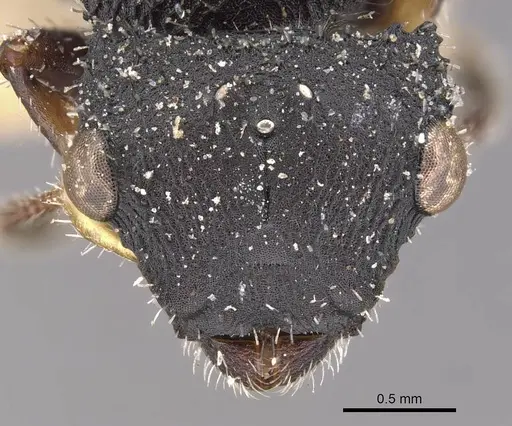
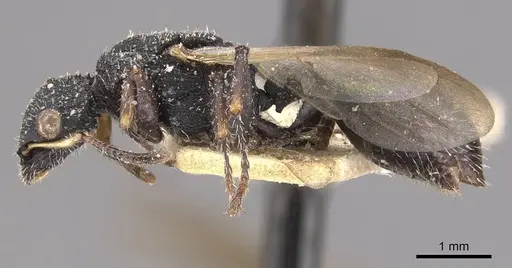
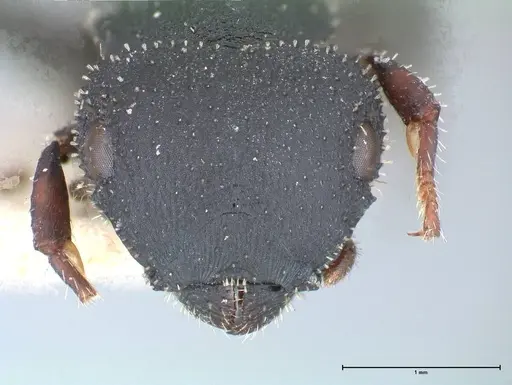
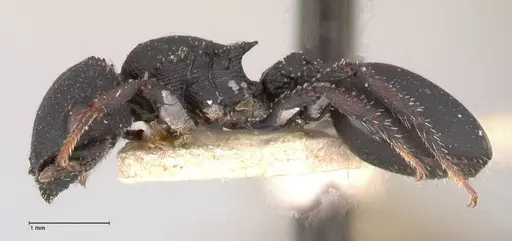
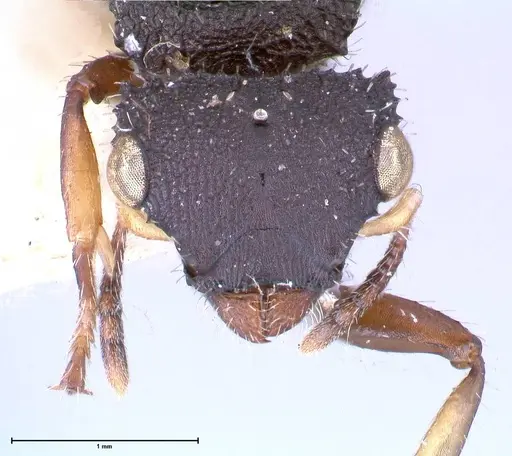
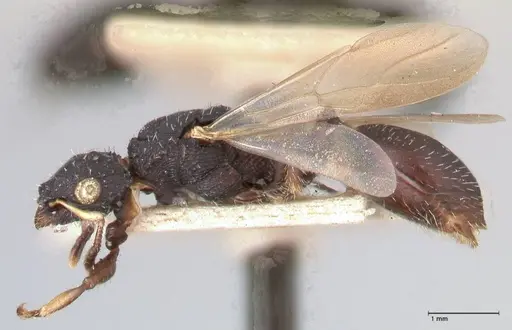
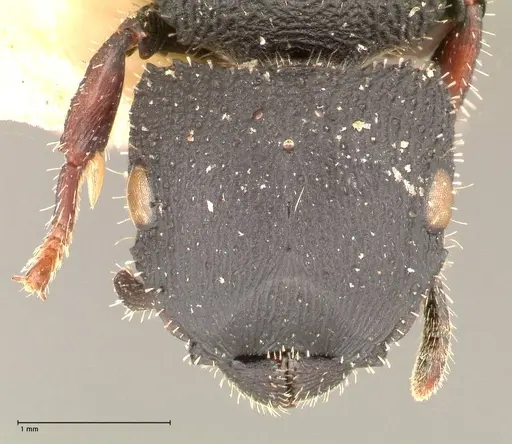
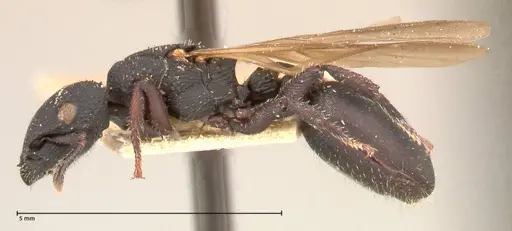
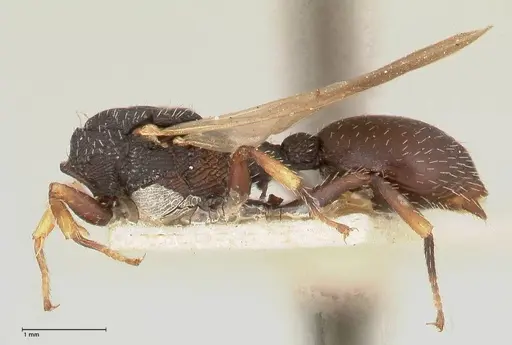
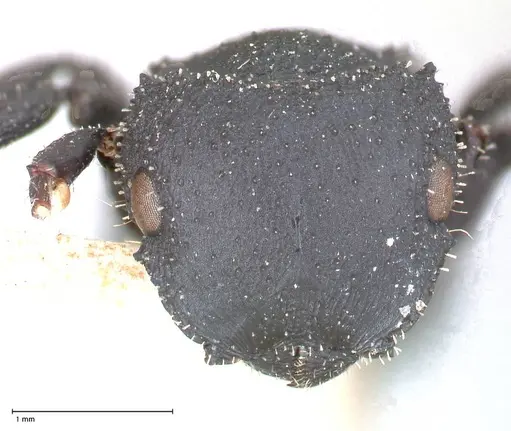
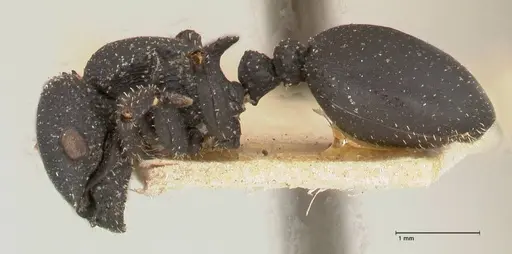
Workers of Cataulacus latus are relatively large for a Myrmicinae ant, measuring 5.4-7.5mm in total length. They have a distinctive broad head with relatively small eyes compared to many other ants. The propodeal spines are well-developed, and they possess a frontal groove that runs from the frontal triangle to the level of the anterior margins of the eyes. The occipital crest is marked by a row of denticles, with the outer one being the largest. The gaster is not marginate laterally, which helps distinguish them from close relatives like Cataulacus latissimus. Queens are significantly larger at 9.2-10.4mm and have similarly reduced denticulation on the head. The species belongs to the taprobane group, which includes several similar arboreal ants from the region.
Housing and Nest Preferences
Because Cataulacus latus is an arboreal species that naturally nests in hollow tree branches, captivity setups should reflect this. Wooden formicariums like Y-tong nests or cork bark setups work well because they mimic the natural wood cavities these ants inhabit. Acrylic nests with wooden inserts are also suitable. The nest chambers should be appropriately sized for their large workers, not too cramped but not excessively large either. Provide some vertical space within the outworld as they will naturally explore upward. Because they are arboreal, they do better with some elevation in their enclosure. Ensure the nest material is not too damp, arboreal ants prefer drier nest conditions compared to ground-nesting species.
Temperature and Humidity
As a tropical species from India and Sri Lanka, Cataulacus latus prefers warm conditions. Maintain temperatures in the range of 24-28°C for optimal colony health and activity. You can use a heating cable placed on one side of the nest to create a gentle temperature gradient, allowing ants to self-regulate by moving between warmer and cooler areas. For humidity, aim for moderate to high levels (60-80% relative humidity). Their natural habitat includes wet forests, so they appreciate some moisture but avoid waterlogging the nest. A water tube or small moisture chamber in the outworld can help maintain appropriate humidity without making the nest substrate soggy.
Feeding and Diet
Like most Myrmicinae ants, Cataulacus latus is likely omnivorous. They should be offered a balanced diet of proteins and carbohydrates. Protein sources like mealworms, crickets, or other small insects work well. For carbohydrates, provide sugar water, honey, or diluted honey water. Given their arboreal nature and large size, they can handle prey items comparable to their worker size. Feed them protein 2-3 times per week and keep a constant sugar water source available. Remove uneaten prey after 24-48 hours to prevent mold issues.
Colony Development and Growth
Unfortunately, there is very limited published data on the colony development of Cataulacus latus. Queens measure 9.2-10.4mm and are substantially larger than workers, which is typical for claustrally founding ants. However, the actual founding behavior (whether queens seal themselves in and live off stored reserves or must forage during founding) has not been documented. Based on typical Myrmicinae patterns, development from egg to worker likely takes 6-8 weeks at optimal warm temperatures. Colony size in the wild is unknown, no published data exists. This means new keepers will be pioneering captive breeding of this species and will need to experiment to find what works.
Frequently Asked Questions
How long does it take for Cataulacus latus to produce first workers?
The exact development timeline is not documented for this species. Based on typical Myrmicinae development at warm temperatures (24-28°C), expect approximately 6-8 weeks from egg to first worker. This is an estimate only, actual timing may vary.
What size formicarium should I use for Cataulacus latus?
Because they are arboreal ants that naturally nest in tree branches, they do well in wooden nests like Y-tong or cork bark setups. The chambers should be appropriately sized for large workers (5.4-7.5mm), not too cramped. You can start with a small nest and upgrade as the colony grows.
Do Cataulacus latus ants sting?
Cataulacus latus is not considered dangerous to humans. While they have a stinger like all Myrmicinae ants, they are not aggressive and rarely sting. They are calm colony inhabitants suitable for keepers who want a hands-off approach.
What temperature do Cataulacus latus need?
Keep them warm at 24-28°C. As a tropical species from India and Sri Lanka, they prefer consistent warmth. A heating cable on one side of the nest creates a gradient they can use to self-regulate.
Are Cataulacus latus good for beginners?
They are rated as medium difficulty. While not the easiest species for complete beginners due to limited published care information, their adaptability suggests they are reasonably forgiving. The main challenge is that much of their captive care is not well-documented, so you may need to experiment.
Can I keep multiple queens together?
The colony structure of Cataulacus latus is not documented in scientific literature. We do not know whether they are single-queen or multi-queen colonies in the wild. It is not recommended to combine unrelated foundress queens unless you are prepared to separate them if aggression occurs.
Do Cataulacus latus need hibernation?
Diapause requirements are unknown for this species. Given their tropical origin in India and Sri Lanka, they likely do not require a true hibernation period. They may slow activity during cooler periods but probably do not need cold treatment.
What do Cataulacus latus eat?
They are omnivorous like most Myrmicinae. Offer protein sources like mealworms, crickets, or other small insects 2-3 times per week. Provide constant access to sugar water or honey for carbohydrates. Remove uneaten prey promptly to avoid mold.
How big do Cataulacus latus colonies get?
The maximum colony size is unknown, no published data exists on wild or captive colony sizes for this species. Based on their large worker size and tropical distribution, colonies likely reach several hundred workers, but this is speculative.
Why is my Cataulacus latus colony not growing?
Without published development data, troubleshooting is difficult. Ensure temperatures are warm (24-28°C), humidity is adequate (60-80%), and they have proper protein and sugar sources. If founding, the queen may be semi-claustral and need occasional hunting opportunities, try offering small live prey.
References

This caresheet is licensed under CC BY-SA 4.0 .
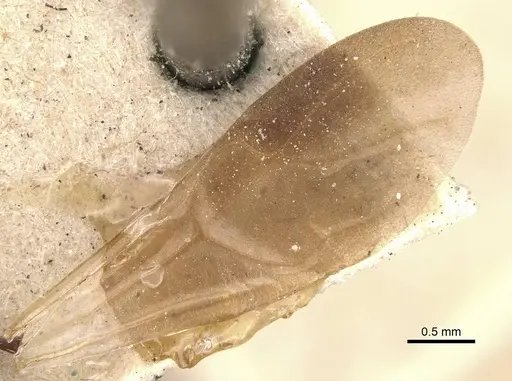
CASENT0909239
View on AntWeb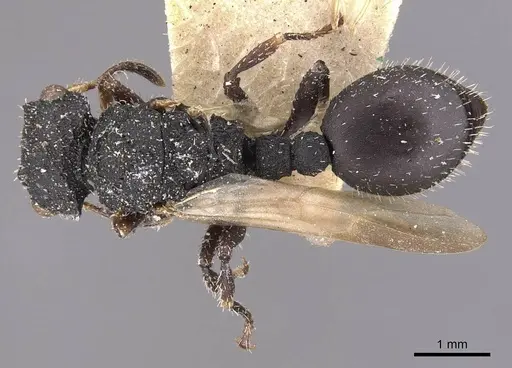
CASENT0909240
View on AntWeb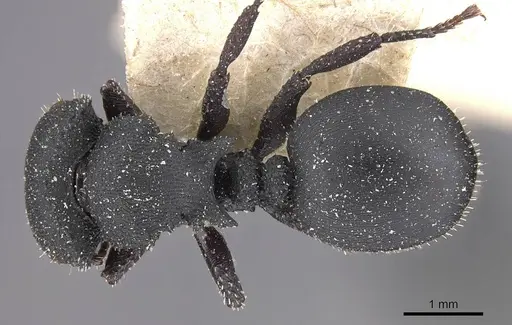
FOCOL0660-1
View on AntWeb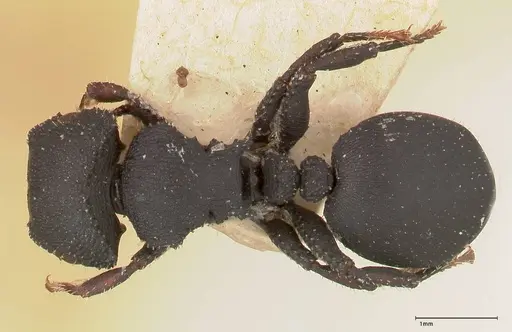
FOCOL0660-2
View on AntWeb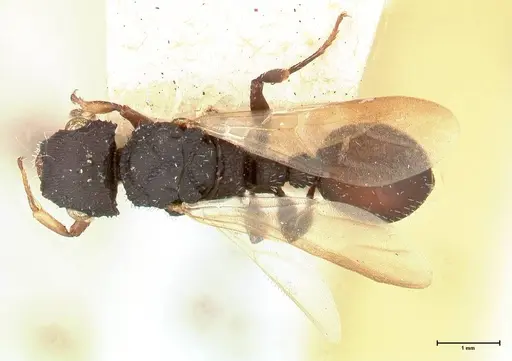
FOCOL0660-3
View on AntWeb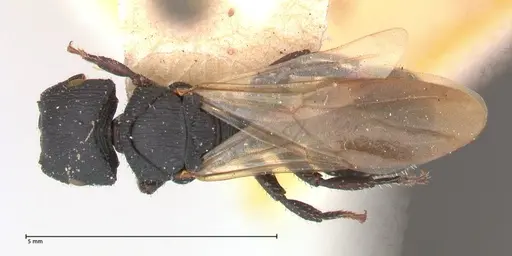
FOCOL0661-1
View on AntWeb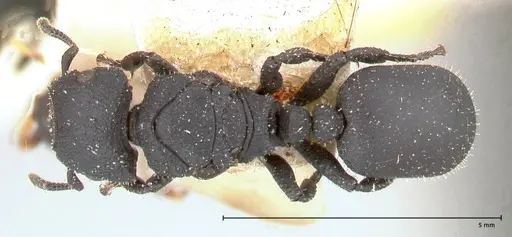
FOCOL0661-2
View on AntWeb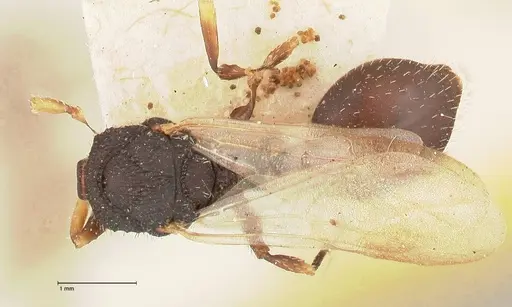
FOCOL0661-3
View on AntWeb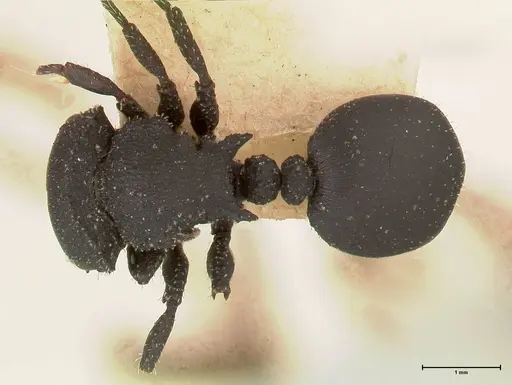
FOCOL0662
View on AntWeb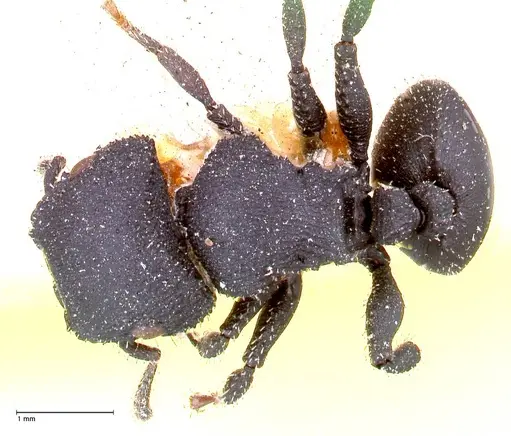
Literature
Loading...Loading products...