

Cataulacus latissimus
- Scientific Name
- Cataulacus latissimus
- Tribe
- Crematogastrini
- Subfamily
- Myrmicinae
- Author
- Emery, 1893
- Distribution
- Found in 1 countries
Cataulacus latissimus Overview
Cataulacus latissimus is an ant species of the genus Cataulacus. It is primarily documented in 1 countries , including Malaysia. Detailed taxonomic data and occurrence records can be further explored via authoritative databases such as AntWeb or the Global Biodiversity Information Facility (GBIF).
Cataulacus latissimus
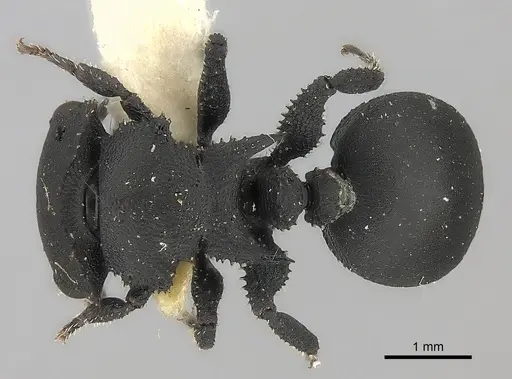
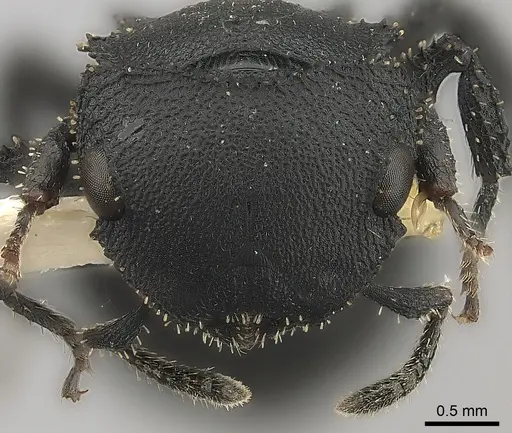
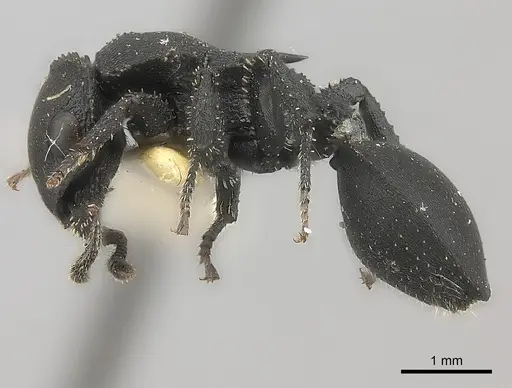
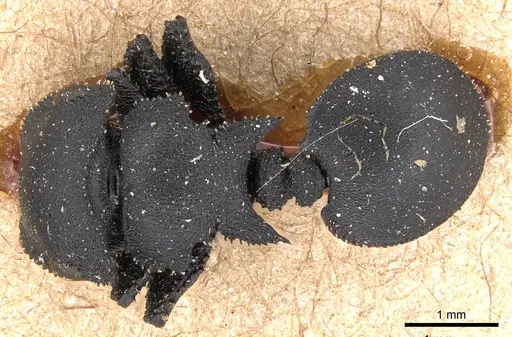
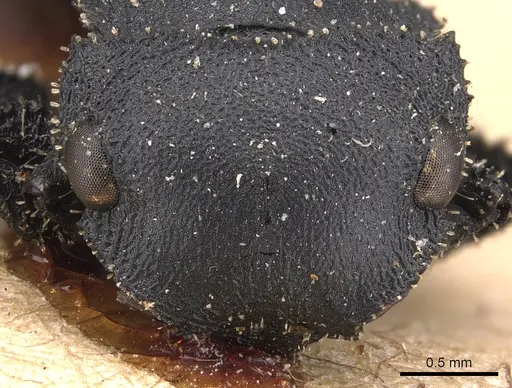
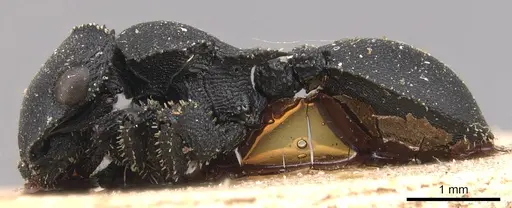
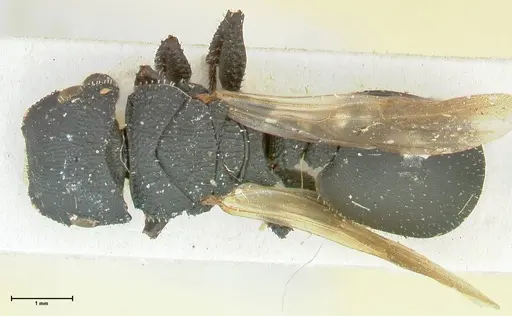
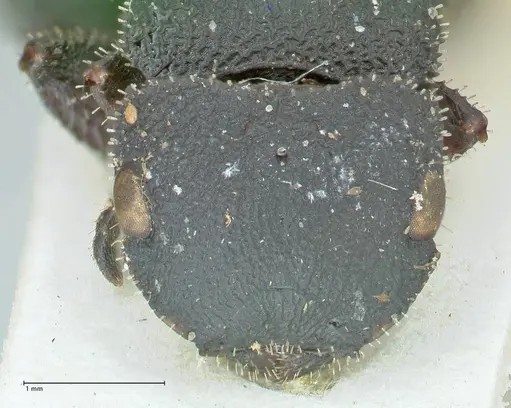
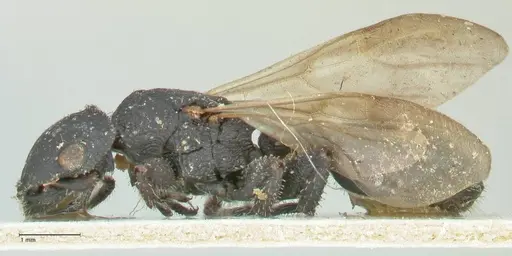
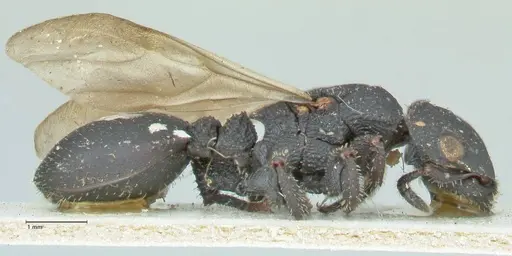
Cataulacus latissimus is a distinctive arboreal ant species native to the tropical rainforests of Southeast Asia, found in Indonesia, Malaysia, Singapore, and Borneo. Workers are large for a Myrmicinae ant, measuring 6.0-8.0mm, with an extremely broad head that is noticeably wider than long and laterally expanded pronotum giving them a uniquely flattened appearance. The gaster is strongly marginate around its entire circumference, and unlike many ants, they lack hairs on the dorsal surfaces of their head and body. These ants are strictly arboreal, nesting exclusively inside large tree branches in the forest canopy and foraging in the crown during daylight hours.
Quick Summary
- Difficulty: Expert
- Origin & Habitat: 5 cm diameter) high in the rainforest trees and foragers are active in the crown during the day[1].
- Colony Type: Colony structure is unconfirmed. Based on genus patterns, likely single-queen (monogyne) colonies. No documented ergatoid replacement reproductives for this species.
- Size & Growth:
- Queen: Unconfirmed, related species suggest 8-10mm
- Worker: 6.0-8.0mm
- Colony: Likely moderate, related Cataulacus species typically reach several hundred workers
- Growth: Unknown, likely moderate like other arboreal Myrmicinae
- Development: Estimated 6-10 weeks at optimal tropical temperatures based on genus patterns (Direct development data unavailable, estimates based on related arboreal Myrmicinae)
- Antkeeping:
- Temperature: Keep warm at 24-28°C. These are strict tropical ants requiring stable warmth year-round. A heating cable on one side of the nest creates a suitable gradient.
- Humidity: High humidity required, think humid rainforest canopy. Keep nest substrate consistently moist but not waterlogged. Provide a water tube for drinking.
- Diapause: No, these are tropical ants that do not enter hibernation. Maintain warm conditions year-round.
- Nesting: Arboreal species requiring vertical space and climbing opportunities. They naturally nest inside wood cavities in tree branches. In captivity, a Y-tong (AAC) nest or plaster formicarium with horizontal galleries works well. Must provide climbing structures and branches for natural behavior. Test tubes can work for founding colonies if positioned horizontally.
- Behavior: These ants are diurnal foragers active in the canopy during daylight hours. Workers are relatively slow-moving compared to ground-dwelling ants but are excellent climbers. They are not aggressive and lack a functional stinger, relying on their defensive morphology (broad, flattened body) rather than chemical or painful defenses. Escape risk is moderate, their large size makes them visible but they can climb smooth surfaces. Ensure terrarium has slippery barriers.
- Common Issues: tropical temperature requirements mean room temperature is often insufficient, heating is mandatory, arboreal nature requires vertical space and climbing structures, horizontal-only nests cause stress, high humidity needs can lead to mold if ventilation is poor, wild-caught colonies may struggle to adapt to captive conditions after canopy lifestyle, slow colony growth tests keeper patience, resist overfeeding
Natural History and Habitat
Cataulacus latissimus is a specialized arboreal ant restricted to tropical rainforest canopies in Southeast Asia. They nest exclusively inside large tree branches (over 5 cm in diameter) in the forest crown, not on the ground or in lower vegetation. Workers forage actively in the canopy during daylight hours, searching for honeydew and small arthropods among the leaves and branches. Their extremely broad, flattened body morphology is an adaptation to life in narrow tree branch cavities and on leaf surfaces. The strongly marginate gaster (the rear body segment) helps them seal themselves into nest cavities, protecting the colony from predators and environmental stress. This species is part of the taprobane species group and is easily distinguished from other Cataulacus by its massive head and lack of dorsal body hairs. [1]
Housing and Nest Setup
Because these ants are strictly arboreal, your setup must accommodate their natural tree-dwelling behavior. A Y-tong (AAC) nest or plaster formicarium with horizontal galleries works well, but you must also provide a spacious outworld with vertical climbing structures like branches, cork bark, or artificial plants. Position the nest horizontally or at a slight angle since these ants don't naturally orient vertically like some arboreal species. The nest material should retain moisture well, plaster or Y-tong both hold humidity effectively. Include a water tube connected to the nest for drinking access. The outworld should have smooth walls or barriers (like fluon) to prevent escapes, though their large size makes them easier to contain than tiny ants.
Temperature and Humidity Management
These are strict tropical ants requiring warm, humid conditions year-round. Maintain temperatures between 24-28°C, this is non-negotiable for this species. Room temperature alone is typically insufficient unless you live in a consistently warm climate. Use a heating cable on one side of the nest to create a gentle thermal gradient, placing it on top of the nest material to warm it without evaporating moisture too quickly. Humidity should be high, mimicking the humid rainforest canopy. Keep the nest substrate consistently moist but avoid waterlogging. The nest should show condensation periodically, if it dries out completely between waterings, increase moisture. Unlike temperate species, they do not require any cooling period or winter rest.
Feeding and Diet
Like other Cataulacus species, these ants are omnivorous with a preference for sugary liquids. Offer sugar water (1:1 ratio) or honey as a constant energy source. For protein, provide small insects like fruit flies, small crickets, or mealworms. They are not aggressive predators but will accept small arthropods. Feed protein prey 2-3 times per week, removing any uneaten prey after 24 hours. Fresh fruit slices (like apple or banana) can supplement their diet. Because they are arboreal and naturally forage in the canopy, they may be less inclined to scavenge on the ground, place food on elevated surfaces or branches in the outworld.
Colony Development and Growth
Direct data on colony development for this species is unavailable. Based on related Cataulacus species and typical Myrmicinae development, expect 6-10 weeks from egg to first worker at optimal temperatures. The founding queen will likely seal herself in a chamber (claustral founding) and survive on stored fat reserves until her first workers emerge. Initial colonies grow slowly, the first generation of workers (nanitics) will be smaller than mature workers. Colony size likely reaches several hundred workers at maturity, though this is estimated based on genus patterns rather than documented for this specific species. Patience is essential, as tropical arboreal species typically develop more slowly than ground-nesting temperate ants.
Frequently Asked Questions
Can I keep Cataulacus latissimus in a test tube?
Test tubes can work for founding colonies but are not ideal for long-term housing. These are arboreal ants that need vertical space and climbing structures. If using a test tube for founding, lay it horizontally and transfer to a proper formicarium with climbing opportunities once the colony reaches 15-20 workers.
What is the best nest type for Cataulacus latissimus?
A Y-tong (AAC) nest or plaster formicarium with horizontal galleries works best. The key requirement is providing both a humid nest chamber AND a spacious outworld with climbing structures like branches or cork bark. They are arboreal and need to climb.
How long until first workers with Cataulacus latissimus?
Expect 6-10 weeks from egg to first worker at optimal 24-28°C temperatures. This is an estimate based on related Cataulacus species since specific development data is unavailable for this species.
Do Cataulacus latissimus ants sting?
They do not have a painful sting. These ants lack a functional stinger and are not aggressive. Their main defense is their unusual flattened, broad body shape which allows them to retreat into narrow crevices.
Are Cataulacus latissimus good for beginners?
No. This is an expert-level species requiring precise tropical temperature and humidity control, vertical housing with climbing structures, and patience for slow colony growth. They are not recommended for beginners.
Do Cataulacus latissimus need hibernation?
No. These are strict tropical ants from Southeast Asian rainforests. They do not enter diapause and require warm conditions year-round. Temperatures below 20°C for extended periods can be harmful.
What do Cataulacus latissimus eat?
They are omnivorous. Offer sugar water or honey constantly for energy, and small insects like fruit flies or small crickets 2-3 times per week for protein. They may also accept small fruit pieces.
How big do Cataulacus latissimus colonies get?
Based on related species, colonies likely reach several hundred workers at maturity. Specific colony size data is not documented for this species.
Why is my Cataulacus latissimus colony dying?
The most common causes are: temperatures below 24°C (they need warmth), low humidity causing desiccation, improper housing without climbing space, or stress from too-frequent disturbances. Check your temperature and humidity levels first.
Can I keep multiple queens together?
Colony structure is unconfirmed for this species. Combining unrelated queens has not been documented and is not recommended. Start with a single founding queen for best results.
When should I move Cataulacus latissimus to a formicarium?
Move from a founding setup to a formicarium once the colony reaches 15-30 workers. The key is providing climbing structures in the outworld, a simple test tube setup without climbing opportunities is not suitable for this arboreal species long-term.
Are Cataulacus latissimus aggressive?
No. They are not aggressive toward keepers and do not have a painful sting. They are relatively docile ants that rely on their cryptic, flattened body shape for defense rather than aggression.
References

This caresheet is licensed under CC BY-SA 4.0 .
Literature
Loading...Loading products...