

Cataulacus kohli
- Scientific Name
- Cataulacus kohli
- Tribe
- Crematogastrini
- Subfamily
- Myrmicinae
- Author
- Mayr, 1895
- Distribution
- Found in 2 countries
Cataulacus kohli Overview
Cataulacus kohli is an ant species of the genus Cataulacus. It is primarily documented in 2 countries , including Congo, Democratic Republic of the, Central African Republic. Detailed taxonomic data and occurrence records can be further explored via authoritative databases such as AntWeb or the Global Biodiversity Information Facility (GBIF).
Cataulacus kohli
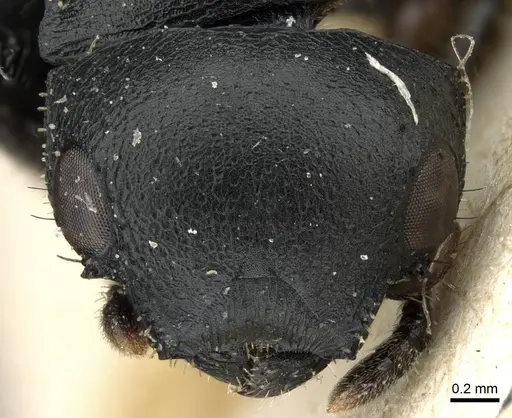
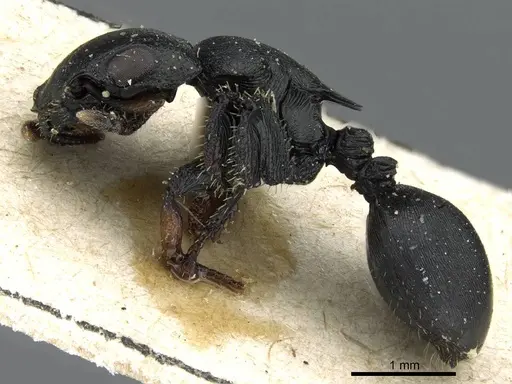
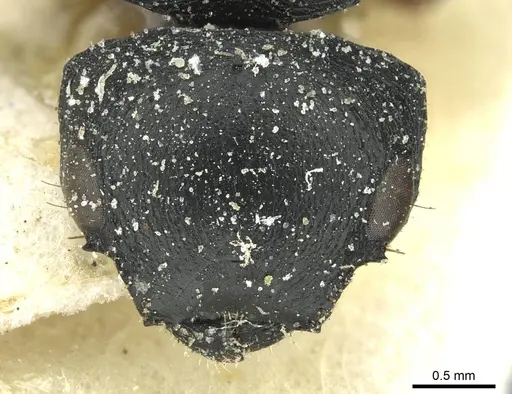
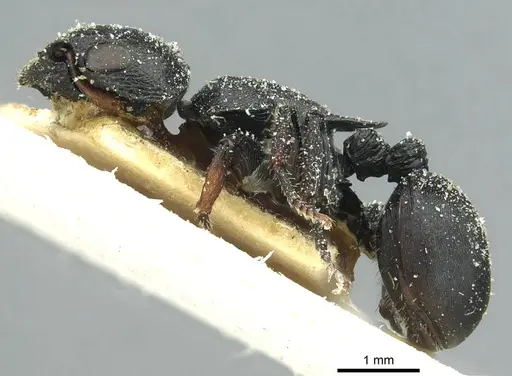
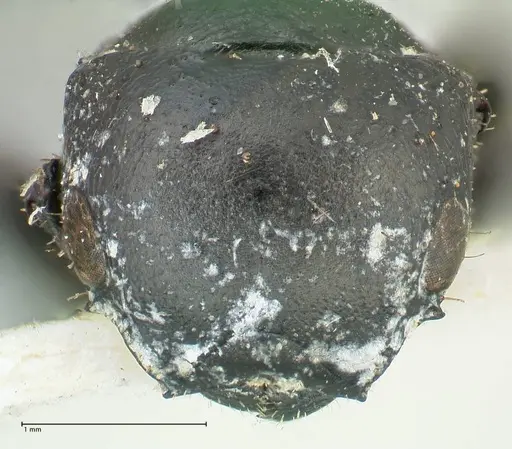
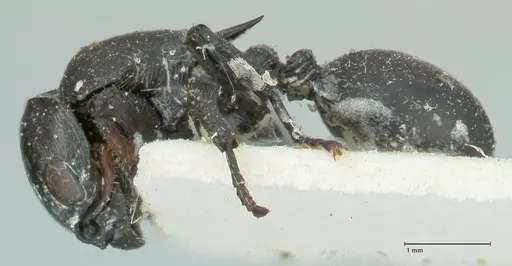
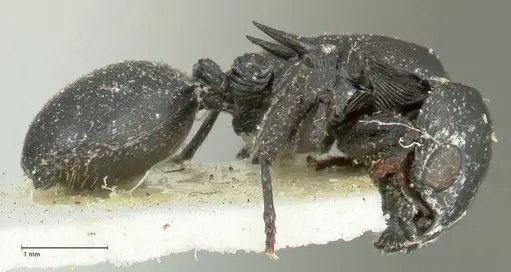
Cataulacus kohli is a medium-sized arboreal ant species native to the rainforests of West and Central Africa. Workers measure 5.1-7.1mm and have a distinctive appearance with strongly flattened hind femora, a sharp occipital crest, and long propodeal spines. The body is largely hairless on the dorsal surface, with fine sculpturing that gives a reticulate-punctate appearance. This species belongs to the Cataulacus huberi group and is known from countries including Gabon, Cameroon, Democratic Republic of Congo, Equatorial Guinea, Uganda, and Sierra Leone. Unlike many ground-nesting ants, Cataulacus kohli is arboreal, nesting in dead branches and hollow twigs in forest canopies. The species was originally described in 1895 and has since been recognized as the senior synonym of three other described taxa (C. foveolatus, C. brazzavillensis, and C. latipes).
Quick Summary
- Difficulty: Unknown, likely Moderate to Hard
- Origin & Habitat: Rainforest areas of West and Central Africa, found in dead branches of cocoa plants in Cameroon and forest canopies across their range [1][2]
- Colony Type: Colony structure is unconfirmed, likely single queen (monogyne) based on typical Cataulacus patterns, but no direct studies exist
- Size & Growth:
- Queen: Unknown, no documented queen measurements found
- Worker: 5.1-7.1mm [2]
- Colony: Unknown, no colony size data available
- Growth: Unknown, no development data exists
- Development: Unknown, no direct measurements available (No published data on development. Related Cataulacus species typically develop over several months, but this is unconfirmed for C. kohli)
- Antkeeping:
- Temperature: Unknown, infer roughly 22-26°C based on rainforest origin and related species
- Humidity: High humidity preferred, rainforest species requiring 70-85% relative humidity with good ventilation
- Diapause: Unknown, no data on overwintering requirements. Tropical rainforest origin suggests they may not require true diapause but may have seasonal activity patterns
- Nesting: Arboreal, in captivity they will likely accept Y-tong nests, acrylic nests with narrow chambers, or naturalistic setups with twigs/branches. They prefer tight-fitting chambers and should have access to vertical space
- Behavior: Behavior is poorly documented. Based on genus typical patterns, they are likely slow-moving, non-aggressive arboreal ants. They probably forage in the canopy and along branches rather than ground-foraging. Escape risk is moderate given their medium size, but standard barrier precautions should be adequate.
- Common Issues: No biological data exists, keepers will be pioneers with this species, Colony founding is unconfirmed, unknown if claustral or semi-claustral, Temperature and humidity requirements are inferred, not confirmed, Growth rate is unknown, colonies may grow very slowly, Wild-caught colonies may have parasites or diseases not yet documented
Nesting and Housing
Cataulacus kohli is an arboreal species that naturally nests in dead branches, hollow twigs, and tree cavities in rainforest canopies. In captivity, they will likely accept Y-tong (acrylic) nests with appropriately sized chambers, or naturalistic setups that mimic their natural arboreal habitat. Based on related species, they prefer tight-fitting chambers rather than large open spaces. A naturalistic formicarium with cork, twigs, or artificial branches works well. Test tubes can work for founding colonies but may need modification to provide a more vertical orientation. Ensure the nest has some humidity retention since rainforest species need moisture. Escape prevention is important, while not tiny, they can still squeeze through small gaps, so standard barrier methods apply. [1][2]
Temperature and Humidity
As a rainforest species from Central and West Africa, Cataulacus kohli likely requires warm, humid conditions. Based on typical rainforest ant requirements and related Cataulacus species, aim for temperatures in the range of 22-26°C with humidity around 70-85%. They likely prefer stable conditions without major temperature swings. A heating cable on one side of the nest can create a gentle gradient if room temperature is below their needs. Good ventilation is important to prevent mold while maintaining humidity, avoid stagnant air but also avoid excessive airflow that dries them out. Monitor condensation levels in the nest as a guide to humidity.
Feeding and Diet
The natural diet of Cataulacus kohli is unconfirmed, but Cataulacus species are typically omnivorous, feeding on honeydew, small insects, and nectar. Based on genus typical behavior, offer sugar water or honey as a constant carbohydrate source, and protein sources such as small crickets, mealworms, or other small insects. As an arboreal species, they may prefer feeding stations placed at elevated positions rather than ground level. Feed protein 2-3 times per week and ensure sugar sources are available at all times. Remove uneaten prey after 24-48 hours to prevent mold.
Colony Development and Growth
No specific data exists on the development timeline of Cataulacus kohli. Worker size ranges from 5.1-7.1mm, with larger workers developing in established colonies. Queen measurements have not been documented in the literature. Without any published development data, keepers should expect a potentially long founding period and slow colony growth, this is typical for many Cataulacus species. Be patient with founding colonies and avoid disturbing them during the founding stage. The first workers (nanitics) will likely be smaller than mature workers. [2]
Behavior and Temperament
Cataulacus kohli behavior is not documented in scientific literature, but Cataulacus genus members are generally known to be slow-moving, docile arboreal ants. They are not aggressive and lack potent stings, making them suitable for observation rather than handling. As canopy-dwelling ants, they likely spend most of their time foraging along branches rather than ground-foraging. They probably have moderate escape abilities, not strong climbers like some arboreal species, but not ground-dwelling either. Standard escape prevention with fluon barriers or similar methods should be adequate. Their distinctive flattened hind femora and long propodeal spines are morphological adaptations for their arboreal lifestyle. [2]
Frequently Asked Questions
How long does it take for Cataulacus kohli to produce first workers?
The development timeline is completely unknown, no scientific data exists on their egg-to-worker time. Based on related Cataulacus species, expect several months to a year for first workers. Be patient with founding colonies.
What temperature should I keep Cataulacus kohli at?
Temperature requirements are not confirmed for this species. Based on their rainforest origin in Central and West Africa, aim for roughly 22-26°C. Start in this range and observe colony behavior, if they seem sluggish, slightly warmer, if they avoid heated areas, slightly cooler.
Can I keep Cataulacus kohli in a test tube?
Test tubes can work for founding colonies, but arboreal ants often prefer more vertical or branch-like structures. Consider transitioning to a Y-tong or naturalistic setup once the colony reaches 10-20 workers.
Do Cataulacus kohli ants sting?
Stinging behavior is not documented for this species. Cataulacus species are generally not aggressive and lack significant stinging ability. They are considered docile and suitable for observation.
What do Cataulacus kohli eat?
Their exact diet is unknown. Based on genus typical behavior, offer sugar water or honey for carbohydrates and small insects (crickets, mealworms, fruit flies) for protein. Place food at elevated positions to mimic their arboreal foraging style.
Is Cataulacus kohli good for beginners?
This species is not recommended for beginners due to the complete lack of biological data. Keeping this species successfully will require experimentation and careful observation. Experienced antkeepers interested in pioneering care for poorly-studied species would be better suited.
How big do Cataulacus kohli colonies get?
Colony size is unknown, no published data exists on maximum colony size. Based on worker size and related species, colonies likely reach several hundred workers at most, but this is an estimate.
Do Cataulacus kohli need hibernation or diapause?
Diapause requirements are unknown. As a tropical rainforest species from Central Africa, they likely do not require true hibernation. However, they may have seasonal activity patterns related to wet/dry seasons in their native habitat.
Can I keep multiple queens together?
Colony structure is unconfirmed for this species. No data exists on whether they are monogyne (single queen) or polygyne (multiple queens). Based on typical Cataulacus patterns, single-queen colonies are more likely. Combining unrelated queens is not recommended without evidence they can coexist.
References

This caresheet is licensed under CC BY-SA 4.0 .
CASENT0217827
View on AntWeb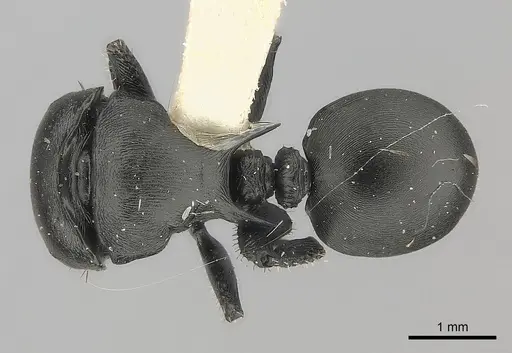
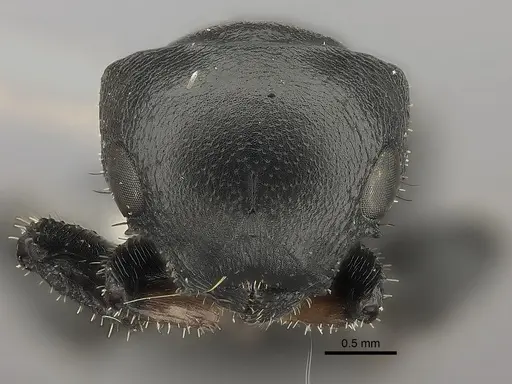
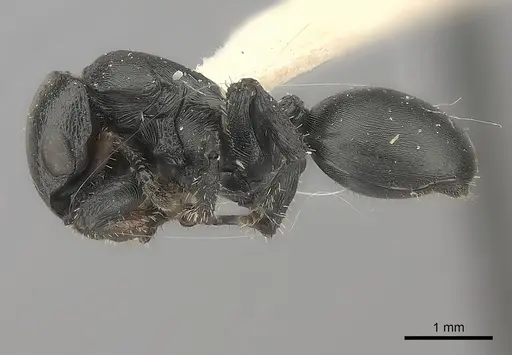
CASENT0405066
View on AntWeb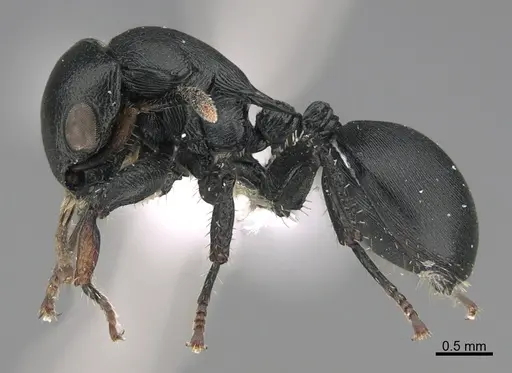
CASENT0905858
View on AntWeb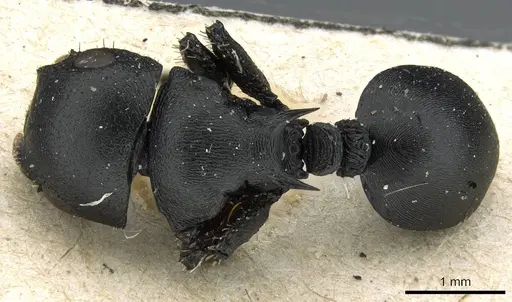
CASENT0912561
View on AntWeb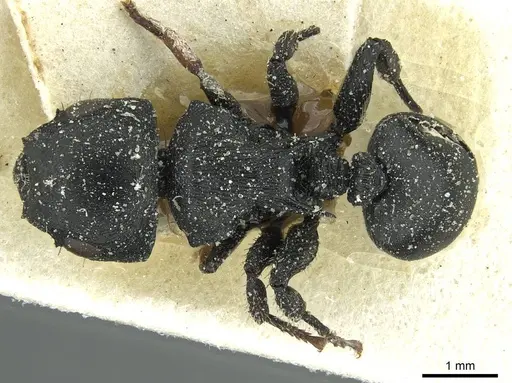
FOCOL2130
View on AntWeb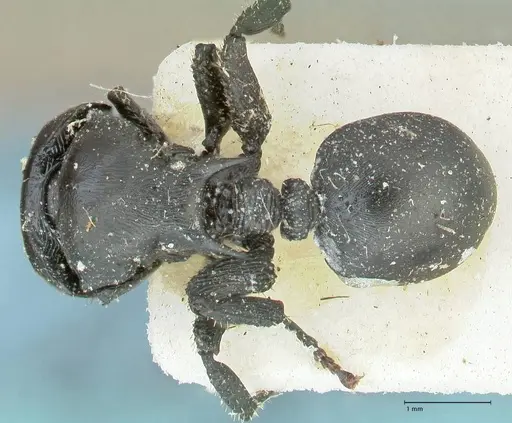
Literature
Loading...Loading products...