

Cataulacus egenus
- Scientific Name
- Cataulacus egenus
- Tribe
- Crematogastrini
- Subfamily
- Myrmicinae
- Author
- Santschi, 1911
- Distribution
- Found in 6 countries
Cataulacus egenus Overview
Cataulacus egenus is an ant species of the genus Cataulacus. It is primarily documented in 6 countries , including Congo, Democratic Republic of the, Côte d'Ivoire. Detailed taxonomic data and occurrence records can be further explored via authoritative databases such as AntWeb or the Global Biodiversity Information Facility (GBIF).
Cataulacus egenus
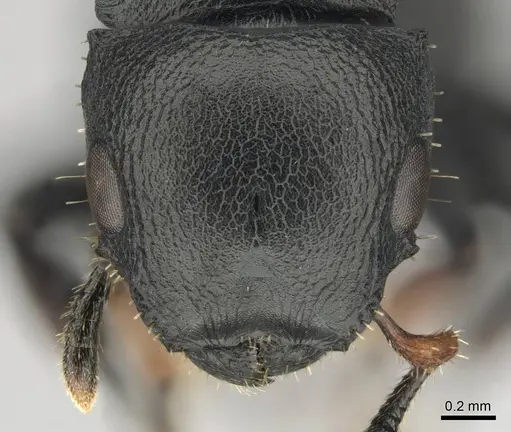
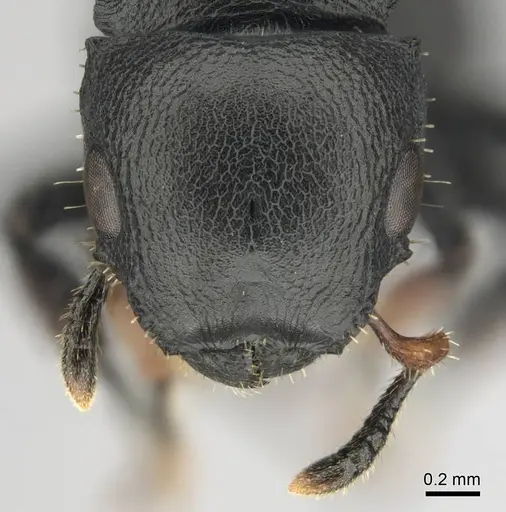
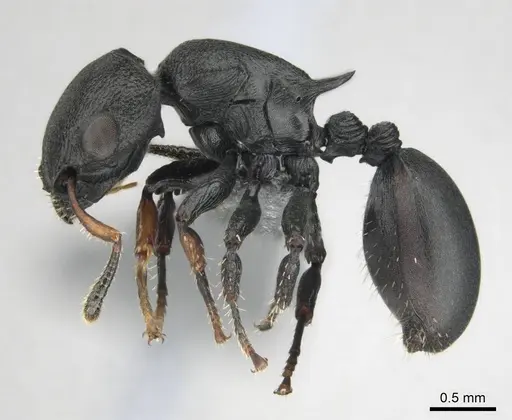
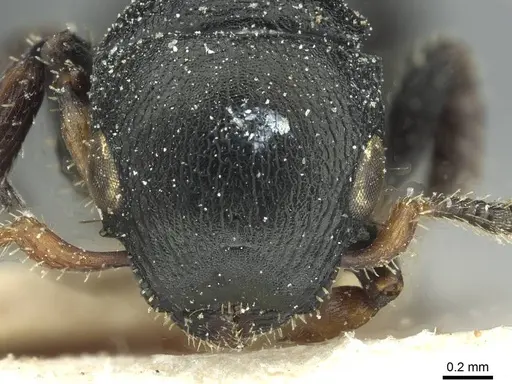
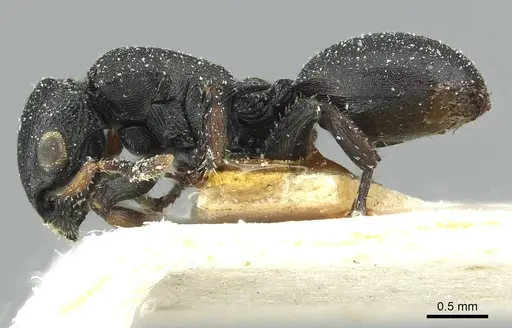
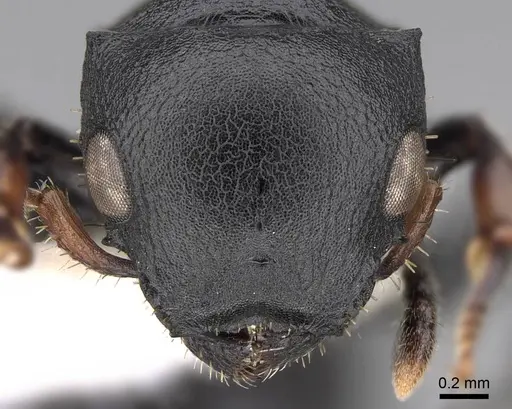
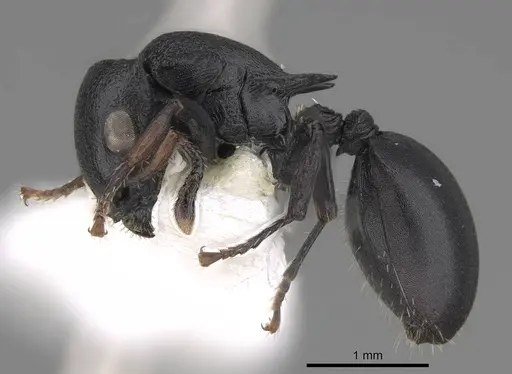
Cataulacus egenus is a medium-sized arboreal ant found across tropical Africa, from Ghana and Nigeria east to Uganda, Kenya, and the Democratic Republic of Congo. Workers measure 4.2-6.1mm with a distinctive stocky build, while queens reach 6.6-7.0mm. This species belongs to the huberi group and is closely related to Cataulacus huberi. The workers have a characteristic occipital crest on the head and long propodeal spines, with sculptured bodies showing fine reticulate-puncturation. Unlike many ground-nesting ants, this species lives entirely in trees, nests have been found in rotten branches of cocoa trees that remain attached to the trunk, and workers forage actively along the bark and leaves. The species was first described by Santschi in 1911 and remains poorly studied in both the wild and captivity.
Quick Summary
- Difficulty: Unknown
- Origin & Habitat: Tropical Africa (Ghana, Nigeria, Uganda, Democratic Republic of Congo, Kenya). Nests in rotten branches of cocoa trees still attached to the trunk. Workers forage actively on bark and leaves [1].
- Colony Type: Colony structure is unconfirmed. Based on typical Cataulacus patterns, likely single-queen colonies.
- Size & Growth:
- Queen: 6.6-7.0mm
- Worker: 4.2-6.1mm
- Colony: Unknown, no colony size data available
- Growth: Unknown, no captive data exists
- Development: Unconfirmed, estimated 6-10 weeks based on typical Myrmicinae development at tropical temperatures (No direct development data exists for this species. Estimates based on related arboreal Myrmicinae patterns.)
- Antkeeping:
- Temperature: Unconfirmed, as a tropical species, likely needs 24-28°C. Start in this range and observe colony activity.
- Humidity: Unconfirmed, being arboreal, likely needs higher humidity (60-80%). Keep nest substrate moderately moist but not waterlogged.
- Diapause: Unlikely, tropical species with no evidence of hibernation behavior [1]
- Nesting: Arboreal nesting. In captivity, provide vertical space or tilted setups that allow workers to traverse between chambers. Y-tong nests or plaster nests with multiple chambers work well. Avoid fully horizontal setups.
- Behavior: Workers forage actively on bark and leaves in the wild [1]. Likely diurnal foragers based on arboreal patterns. Escape risk is moderate, workers are 4-6mm so standard barrier methods work well. Temperament is not well documented but Cataulacus species are generally not aggressive. No sting records for this specific species.
- Common Issues: diet is completely unknown, no data on what they eat in captivity, no captive breeding records exist, difficulty level cannot be determined, humidity management is challenging for arboreal species in captivity, wild-caught colonies may have parasites or diseases with no documented treatment, very limited availability, rarely collected or sold in the antkeeping hobby
Nest Preferences and Housing
Cataulacus egenus is an arboreal ant that naturally nests in rotting branches of cocoa trees still attached to the trunk [1]. This means they expect vertical or tilted nesting structures, not horizontal underground chambers. In captivity, Y-tong (AAC) nests or plaster nests with multiple connected chambers work well. The key is providing a setup that allows workers to move between areas, as they naturally traverse bark and branches. Avoid standard horizontal test tube setups, these don't match their arboreal lifestyle. A naturalistic setup with cork bark or wooden branches can simulate their natural environment. Since they're tree-dwelling, they need less substrate depth than ground-nesting ants but do need adequate vertical space.
Feeding and Diet
The diet of Cataulacus egenus is completely unknown, no research has documented what these ants eat in the wild or captivity [1]. Workers forage actively on bark and leaves, which suggests they may tend aphids or scale insects for honeydew, or hunt small arthropods. For captive feeding, you should approach experimentally: offer sugar water or honey as a carbohydrate source and observe acceptance. For protein, start with small live prey like fruit flies or pinhead crickets, but success is uncertain. Do not rely on any specific food source until you observe consistent acceptance. This species would benefit from a varied diet approach given the lack of specific dietary data.
Temperature and Seasonal Care
As a tropical species found across central Africa (Ghana, Nigeria, Uganda, DRC, Kenya), Cataulacus egenus likely requires warm, stable temperatures in the range of 24-28°C [1]. No specific thermal studies exist for this species, so start in this range and adjust based on colony behavior. If workers cluster near heat sources, increase slightly, if they avoid heated areas, reduce temperature. Being from a tropical climate, they likely do not require any diapause or hibernation period. Maintain consistent warmth year-round rather than cycling temperatures. A heating cable on one side of the nest can create a gentle gradient, but ensure the heating element is placed on top of the nest to avoid evaporating moisture.
Behavior and Temperament
Workers are active foragers that travel along bark and leaves in their natural habitat [1]. This suggests they are diurnal or possibly crepuscular (active at dawn/dusk) rather than nocturnal. Cataulacus species in general are not known for being aggressive, they are more secretive arboreal ants rather than defensive warriors. However, specific temperament data for Cataulacus egenus does not exist. Their moderate worker size (4-6mm) means standard escape prevention works well, they are not tiny enough to slip through standard mesh barriers. They likely explore their outworld actively, searching for food along surfaces rather than tunneling through substrate.
Frequently Asked Questions
What do Cataulacus egenus ants eat?
Their diet is completely unknown, no research documents what they eat in the wild or captivity. They forage on bark and leaves, so they may accept honeydew or small arthropods. Offer sugar water/honey and small live prey experimentally. Do not rely on any specific food until you observe consistent acceptance.
How long does it take for Cataulacus egenus to develop from egg to worker?
No development data exists for this species. Based on typical Myrmicinae patterns at tropical temperatures, estimate 6-10 weeks from egg to first worker, but this is a rough guess.
Are Cataulacus egenus good for beginners?
No, this species is not recommended for beginners. There is no captive breeding data, diet is unknown, and they have very specific arboreal nesting requirements. They are also rarely available in the hobby.
What kind of nest do Cataulacus egenus need?
They need arboreal-style housing, vertical or tilted setups with multiple chambers. Y-tong (AAC) nests or plaster nests work well. They naturally nest in rotting branches in trees, so avoid horizontal test tube setups.
Do Cataulacus egenus need hibernation?
Unlikely, they are a tropical African species with no evidence of diapause or hibernation behavior. Keep them warm year-round.
How big do Cataulacus egenus colonies get?
Unknown, no colony size data exists for this species. Related Cataulacus species typically reach a few hundred to a thousand workers.
Do Cataulacus egenus ants sting?
No specific data exists for this species. Most Cataulacus species are not aggressive and rarely sting. Their moderate size means any sting would likely be mild if present.
Can I keep multiple Cataulacus egenus queens together?
Not documented, colony structure is unconfirmed for this species. Without data, combining unrelated queens is not recommended.
What temperature should I keep Cataulacus egenus at?
No specific data exists. As a tropical species, start around 24-28°C and adjust based on colony activity. Avoid temperatures below 20°C.
Where is Cataulacus egenus found?
Tropical Africa: Ghana, Nigeria, Uganda, Democratic Republic of Congo, and Kenya. They live in trees, nesting in rotten cocoa tree branches.
Why are my Cataulacus egenus dying?
Without any captive data, diagnosing problems is extremely difficult. Common issues likely include: incorrect humidity (too dry for arboreal species), wrong nest orientation (they need vertical space), unsuitable diet, or stress from collection. This species has no track record in captivity.
Is Cataulacus egenus available in the antkeeping hobby?
No, this species is rarely collected or sold. It has no established captive population and is considered a specialty species with virtually no husbandry information available.
References

This caresheet is licensed under CC BY-SA 4.0 .
CASENT0178292
View on AntWeb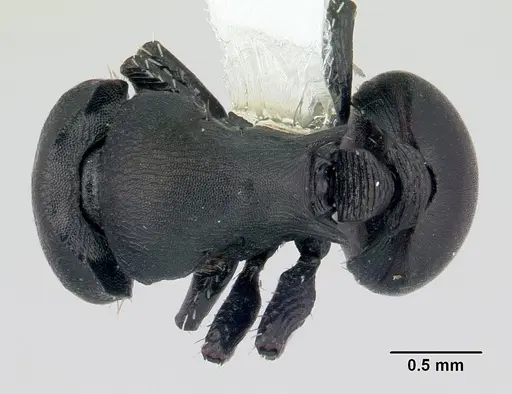
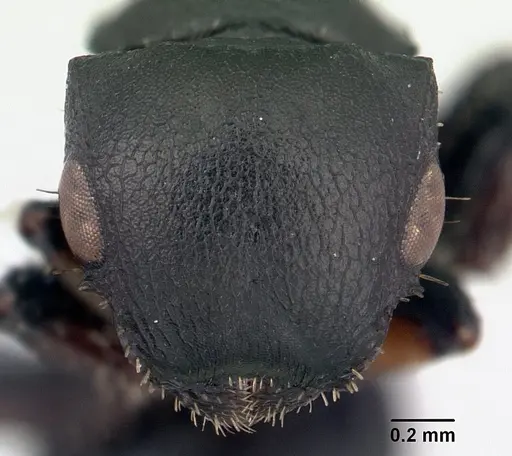
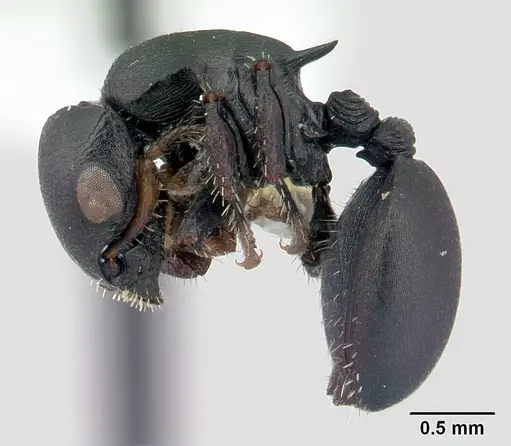
CASENT0815929
View on AntWeb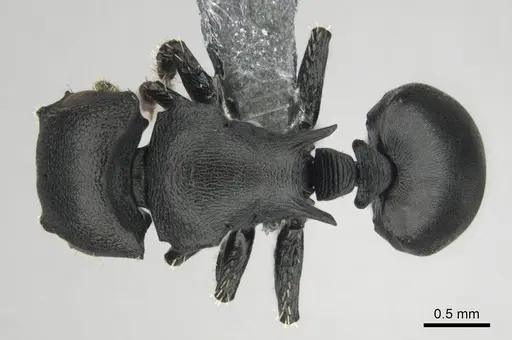
CASENT0912547
View on AntWeb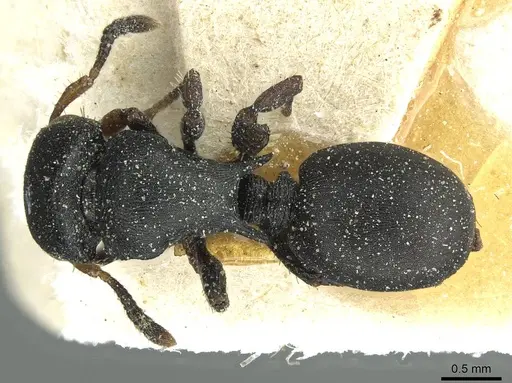
CASENT0922491
View on AntWeb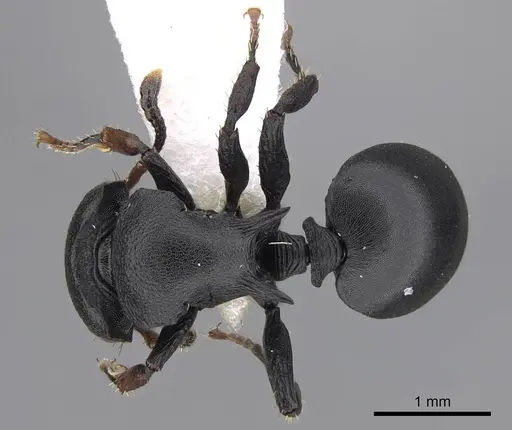
Literature
Loading...Loading products...