

Cataglyphis viaticoides
- Scientific Name
- Cataglyphis viaticoides
- Tribe
- Formicini
- Subfamily
- Formicinae
- Author
- André, 1881
- Distribution
- Found in 4 countries
Cataglyphis viaticoides Overview
Cataglyphis viaticoides is an ant species of the genus Cataglyphis. It is primarily documented in 4 countries , including Greece, Israel, Palestine. Detailed taxonomic data and occurrence records can be further explored via authoritative databases such as AntWeb or the Global Biodiversity Information Facility (GBIF).
Cataglyphis viaticoides
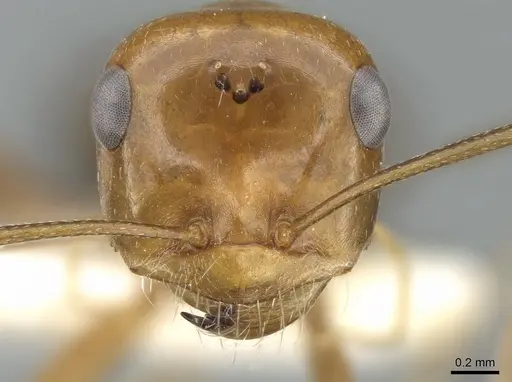
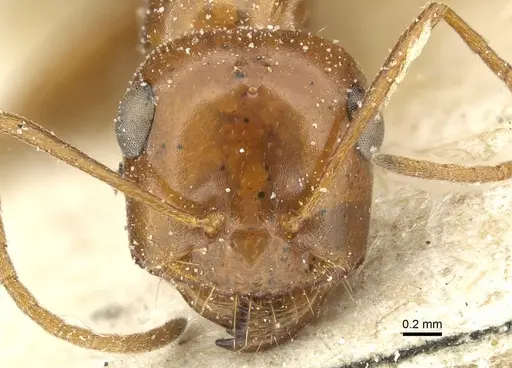
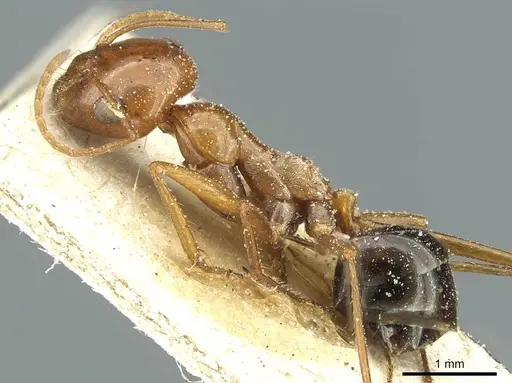
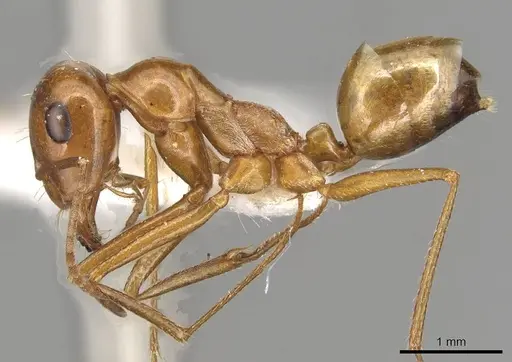
Cataglyphis viaticoides is a medium-sized polymorphic ant native to the Mediterranean basin and Middle East. Workers display a distinctive bicolored pattern: the head and mesosoma range from yellowish red to reddish yellow, while the gaster is brown to almost black. They have very long, thin legs with hind femora exceeding the mesosoma length, and major workers develop notably larger heads [1]. This species was originally described from Beirut, Lebanon and has been confirmed across Greece, Turkey, Iran, Israel, Saudi Arabia, and the UAE, though historical records were often confused with the similar C. bicolor (restricted to North Africa) and C. livida [2][3].
These ants are strictly thermophilic, inhabiting hot, dry open areas with full sun exposure. They nest in soil and workers only emerge to forage during strong sunlight, particularly in afternoon hours. Their habitat includes dry hills with sparse vegetation, roadsides, sandy paths, and ruderal areas from sea level up to about 600m altitude [1]. The species is ecologically separated from other common ants like Lasius niger and prefers areas with bare, dusty substrate and intense insolation [4].
Quick Summary
- Difficulty: Medium
- Origin & Habitat: Mediterranean basin and Middle East, found in Greece (Aegean Islands, Dodecanese, Thrace, Peloponnese), Turkey, Iran, Israel, Lebanon, Saudi Arabia, UAE, Bulgaria, and Armenia. Inhabits hot, dry open areas with full sun exposure: dry hills with sparse vegetation, roadsides in Mediterranean oak forests, sandy paths, rocky seashores, and ruderal areas. Altitude range from sea level to 600m [1][5][6].
- Colony Type: Likely single-queen colonies (monogyne), colony structure not specifically documented in available research
- Founding: Claustral
- Size & Growth:
- Queen: Not directly measured in available papers, estimated 7-9mm based on genus patterns for major workers at 6-7mm [1][7]
- Worker: Minor workers: 4-5mm (HL 1.025-1.213mm), Major workers: 6-7mm (HL 1.481-1.760mm) [1][7]
- Colony: Unknown from direct studies, likely moderate colony size typical of Mediterranean Cataglyphis species
- Growth: Unknown, inferred as moderate based on related species in genus
- Development: Estimated 6-10 weeks based on typical Cataglyphis development at warm temperatures (Development likely faster in warmer conditions given their thermophilic nature)
- Antkeeping:
- Temperature: Keep warm, aim for 24-30°C range. These are strict thermophiles adapted to hot Mediterranean climates. Provide a temperature gradient allowing workers to select their preferred warmth [1][8]
- Humidity: Low to moderate, prefer dry to semi-dry conditions. Provide a water tube but avoid excessive moisture. Substrate should be mostly dry with some moisture available [1][6]
- Diapause: Likely requires winter rest period given Mediterranean distribution, recommend 2-3 months at 10-15°C during winter months
- Nesting: Soil-nesting species, will accept test tube setups with dry to slightly moist substrate, or Y-tong/plaster nests. Provide deep substrate for nesting chambers. Avoid humid, enclosed spaces [1][9]
- Behavior: Workers are strictly diurnal and photophilic, they only forage in strong sunlight, especially during afternoon hours. This is a fast-moving, active forager adapted to hot desert and Mediterranean conditions. They are not aggressive toward humans and rarely sting. Escape risk is moderate, use standard barrier methods. They are known to tend aphids and feed on honeydew from plants like Calotropis procera [5][1].
- Common Issues: cold intolerance, colonies may become sluggish or die if kept below 20°C, overhumidity can be harmful, these are adapted to dry conditions, photophobic behavior means workers may not emerge in low-light conditions, ensure adequate lighting for foraging, slow colony growth may frustrate beginners expecting rapid development, difficulty establishing founding colonies, recommend starting with established colonies rather than queens
Housing and Nest Setup
Cataglyphis viaticoides is a soil-nesting species that adapts well to standard ant keeping setups. Test tube arrangements work well for founding colonies, use a water tube with a cotton separator, keeping the substrate dry to slightly moist but never waterlogged. For established colonies, Y-tong (acrylic) nests or plaster nests with dry to semi-dry conditions are suitable. These ants prefer warm, dry conditions with good ventilation. Avoid humid, enclosed formicaria, these are desert and Mediterranean ants, not tropical rainforest species. Provide a shallow outworld for foraging with easy access to the nest. Because workers only forage in strong sunlight, ensure the setup receives adequate lighting or use a lamp to encourage foraging activity. [1][9]
Feeding and Diet
In the wild, C. viaticoides workers forage for honeydew and tend aphids and scale insects. They have been observed feeding on sweet secretions from pests like aphids, Diaspididae (scale insects), and Cicadellidae (leafhoppers) on plants including Calotropis procera [5][10]. For captive care, offer sugar water or honey as a constant energy source. For protein, provide small insects like fruit flies, small crickets, or mealworms. Feed protein 2-3 times per week, and keep sugar water available at all times. These ants are not specialized predators, they prefer liquid carbohydrates from honeydew and will readily accept sugar sources. Remove uneaten prey after 24-48 hours to prevent mold.
Temperature and Heating
This species requires warm conditions to thrive. Maintain nest temperatures between 24-30°C, with the warmer end of this range preferred. They are among the more thermophilic ants in the Mediterranean fauna and will become sluggish below 20°C. Provide a temperature gradient so workers can choose their preferred warmth, a heating cable on one side of the nest works well. During summer months, room temperature in most homes may be adequate, but monitor activity levels. In winter, a slight reduction is acceptable but avoid cold rooms. These ants are adapted to hot, sunny environments and will be most active under warm, bright conditions. [1][8]
Seasonal Care and Winter Rest
Given their Mediterranean distribution spanning Greece to the Middle East, C. viaticoides experiences seasonal temperature variations in the wild. During winter (roughly November to February in the Northern Hemisphere), reduce temperatures to around 10-15°C to provide a rest period. This simulates natural conditions and helps maintain colony health. Do not feed heavily during this period and reduce sugar water offerings. In spring and summer, maximize warmth and feeding to support brood development. The species is active year-round in warmer parts of their range (Saudi Arabia, UAE) but shows seasonal peaks, abundant from June to October with a September peak in Saudi Arabia [5].
Foraging Behavior
A unique characteristic of C. viaticoides is its strict photophilic foraging behavior, workers only emerge in strong sunlight, especially during afternoon hours [1]. This is an adaptation to avoid predators and extreme heat while maximizing foraging efficiency in their hot native habitats. In captivity, you may notice workers refusing to forage in dim conditions or during cooler parts of the day. To encourage foraging, position the setup in bright light or use a desk lamp to simulate afternoon sun. They are fast-moving ants that cover ground quickly while foraging. This species is not aggressive and workers will typically flee rather than engage with threats.
Colony Development
Colony founding in C. viaticoides follows the typical claustral pattern for Formicinae, the queen seals herself in a chamber and raises the first brood alone using stored fat reserves. First workers (nanitics) will be smaller than normal minor workers. Development from egg to worker likely takes 6-10 weeks at optimal warm temperatures, though this is estimated based on genus patterns rather than specific studies. Growth rate is moderate, not as fast as tropical species but faster than some northern temperate ants. Colonies likely reach several hundred workers at maturity. The polymorphic nature of workers means major workers develop as the colony grows, with larger head sizes appearing in more mature colonies. [1]
Frequently Asked Questions
How long does it take for Cataglyphis viaticoides to produce first workers?
Based on typical Cataglyphis development, expect first workers (nanitics) around 6-10 weeks after the queen lays eggs, assuming warm temperatures around 25-28°C. This timeline is estimated from genus patterns rather than specific studies of this species.
Can I keep Cataglyphis viaticoides in a test tube?
Yes, test tubes work well for founding colonies. Keep the substrate dry to slightly moist, provide a water tube, and maintain warm temperatures. Transfer to a larger setup (Y-tong or plaster nest) once the colony reaches 30-50 workers.
What temperature do Cataglyphis viaticoides need?
Keep them warm, aim for 24-30°C in the nest area. These are strict thermophiles adapted to hot Mediterranean climates. A temperature gradient with a heating cable on one side allows workers to regulate their own temperature.
Are Cataglyphis viaticoides good for beginners?
They are intermediate in difficulty. While not as demanding as some tropical species, their strict temperature and light requirements make them better suited for keepers who have already kept a few colonies successfully. Their specific foraging preferences can take some getting used to.
Do Cataglyphis viaticoides need hibernation?
Yes, a winter rest period is recommended given their Mediterranean distribution. Provide 2-3 months at 10-15°C during winter (roughly November-February). Reduce feeding during this period.
What do Cataglyphis viaticoides eat?
They are omnivorous with a preference for sugar sources. Offer sugar water or honey constantly, and provide small insects (fruit flies, small crickets, mealworms) 2-3 times per week as protein. They also tend aphids in the wild.
How big do Cataglyphis viaticoides colonies get?
Colony size is not well documented, but based on related species, they likely reach several hundred workers at maturity. They are polymorphic, minor workers are around 4-5mm while major workers can reach 6-7mm.
Why won't my Cataglyphis viaticoides forage?
These ants only forage in strong sunlight. Ensure adequate lighting in the outworld, a desk lamp or positioning near a window helps. They also prefer warmer temperatures, so check that the nest is adequately heated.
Can I keep multiple Cataglyphis viaticoides queens together?
Colony structure is not well documented for this species, but they are likely monogyne (single queen). Combining unrelated queens is not recommended as it has not been documented and could result in fighting.
When should I move my colony to a formicarium?
Transfer from test tube to a larger nest once the colony reaches 30-50 workers or the test tube becomes cramped. Y-tong or plaster nests with dry conditions work well for this species.
Is Cataglyphis viaticoides invasive?
No, this species is not considered invasive. It is native to the Mediterranean basin and Middle East, and there are no reports of it establishing outside its natural range.
References

This caresheet is licensed under CC BY-SA 4.0 .
CASENT0763857
View on AntWeb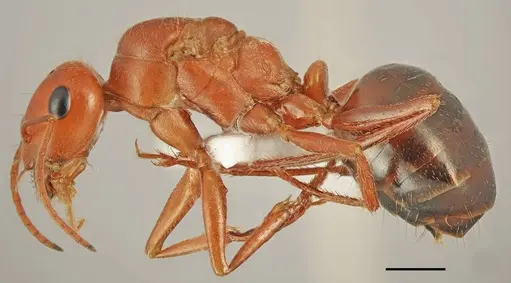
CASENT0763858
View on AntWeb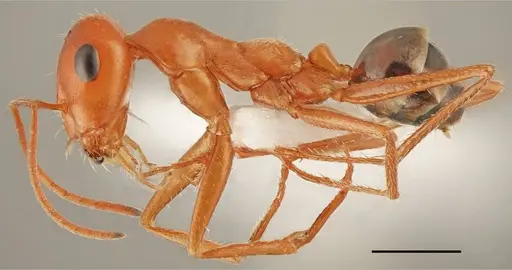
CASENT0906298
View on AntWeb

CASENT0911104
View on AntWeb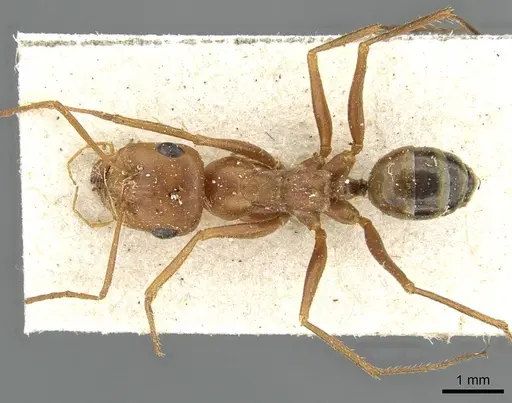


CASENT0912236
View on AntWeb
CASENT0915503
View on AntWeb

Literature
Loading...Loading products...