

Cataglyphis diehlii
- Scientific Name
- Cataglyphis diehlii
- Tribe
- Formicini
- Subfamily
- Formicinae
- Author
- Forel, 1902
- Distribution
- Found in 3 countries
Cataglyphis diehlii Overview
Cataglyphis diehlii is an ant species of the genus Cataglyphis. It is primarily documented in 3 countries , including Algeria, Morocco, Saudi Arabia. Detailed taxonomic data and occurrence records can be further explored via authoritative databases such as AntWeb or the Global Biodiversity Information Facility (GBIF).
Cataglyphis diehlii
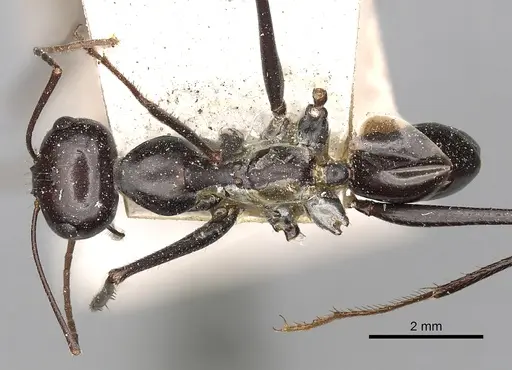
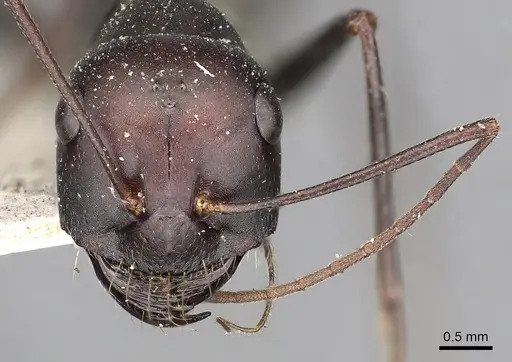
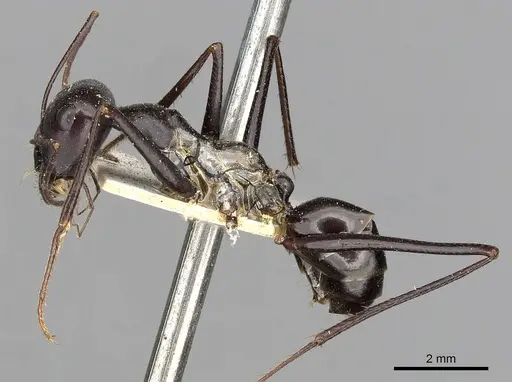
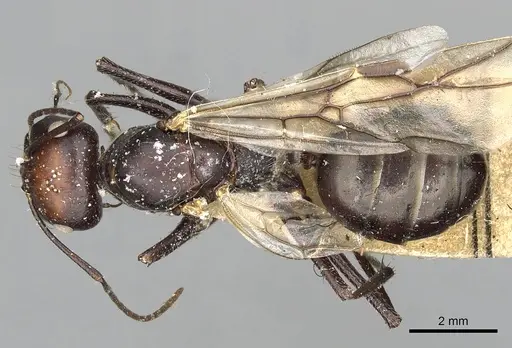
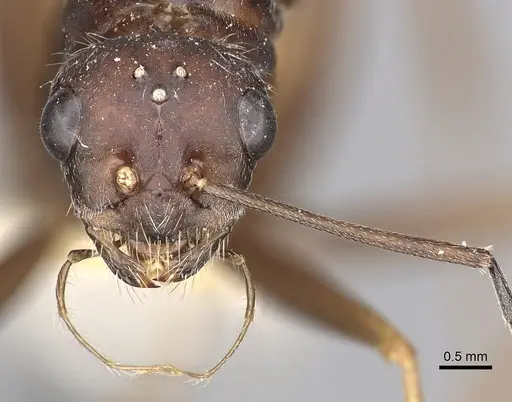
Cataglyphis diehlii is a desert ant found across the arid landscapes of North Africa and the Middle East, ranging from Algeria and Tunisia through the Arabian Peninsula to Iran and Oman [1]. Workers are recognizable by their slender build with shorter funicular segments (the small sections of the antenna after the first long one), a high narrow petiole (the waist), and an extremely flat propodeum (the back part of the thorax) on smaller individuals [2]. Once classified as a subspecies of Cataglyphis bicolor, genetic studies confirm it belongs to the bicolor clade while maintaining distinct morphological differences [3][4].
Like all Cataglyphis, these ants are built for desert life. They are heat-loving, fast-running foragers that navigate visually using path integration, calculating their return route from the sun's position and distance traveled. While specific studies on their daily biology are lacking, they follow the genus pattern of nesting in simple soil chambers and foraging individually across open ground rather than using scent trails.
Quick Summary
- Difficulty: Medium-Hard
- Origin & Habitat: Arid and desert regions of Algeria, Egypt, Iran, Iraq, Kuwait, Morocco, Oman, Saudi Arabia, Syria, Tunisia, and Yemen [1]. They inhabit open desert and semi-desert areas with sparse vegetation.
- Colony Type: Likely single-queen (monogyne) based on typical Cataglyphis patterns, though not explicitly documented in research.
- Colony: Monogyne
- Founding: Semi-claustral
- Size & Growth:
- Queen: Unknown, based on related bicolor group species likely 8-11mm [2]
- Worker: Unknown, likely 6-9mm based on bicolor group morphology [2]
- Colony: Unknown, likely small to medium (hundreds to few thousand workers) based on genus patterns
- Growth: Unknown
- Development: Unknown, likely 6-10 weeks at 25-30°C based on warm-climate ant development patterns (Development time is inferred from related desert ants. Nanitic (first) workers may emerge faster but smaller than subsequent workers.)
- Antkeeping:
- Temperature: Warm to hot conditions required. Start around 25-28°C with basking areas up to 35°C based on desert habitat and genus patterns. They need a heat gradient to thermoregulate.
- Humidity: Low humidity preferred. Keep the nest area dry with sandy or loamy soil. Provide a water source but avoid damp conditions, think desert dryness, not tropical forest.
- Diapause: Unknown, likely not strictly required year-round but colonies may slow activity in cooler months if exposed to temperature drops.
- Nesting: Simple soil nests in captivity. A naturalistic desert setup with sand and stones, or a formicarium with open, shallow chambers works best. They do not need complex tunnel systems [2].
- Behavior: Extremely fast, visual foragers that hunt individually rather than using trails. Heat-tolerant and active during hot parts of the day. High escape risk due to speed, climbing ability, and small size, they require excellent barriers [2].
- Common Issues: escapes are highly likely due to their speed and climbing ability, use Fluon or talc barriers on all surfaces and fine mesh on ventilation., overheating can kill the colony if heat sources are too concentrated without cool retreats available., dehydration in overly humid setups, desert species can suffer in tropical conditions with constant moisture., founding failures if queens are prevented from foraging, they are likely semi-claustral and need to hunt during the founding stage.
Desert Habitat and Nest Setup
In nature, Cataglyphis diehlii nests in simple soil chambers, often under stones or in open sandy areas across desert and semi-desert landscapes [2]. For captive colonies, replicate these dry conditions with a sandy or sandy-loam substrate that drains well and does not hold moisture.
Use a naturalistic desert setup with a mix of sand and small pebbles, or a formicarium with shallow, open chambers rather than deep tunnels. These ants do not build complex nest structures. Provide a flat stone or piece of tile under which they can establish their chamber, this mimics their natural preference for nesting under rocks.
Keep the nest area dry. While they need access to water, the substrate should never feel damp or muddy. A test tube setup can work for founding queens, but ensure the cotton does not create excessive humidity, and move them to a proper desert setup once workers arrive.
Temperature and Lighting Requirements
As desert specialists, Cataglyphis diehlii requires warmth. Based on their distribution across hot desert regions and genus patterns, maintain the nest area at 25-28°C with a basking spot reaching 30-35°C where workers can warm themselves [1].
Create a temperature gradient across the nest so the colony can self-regulate by moving between warmer and cooler areas. Use a heating cable or heat mat on one side of the nest, placed on top to avoid driving moisture upward into the chambers.
Lighting is important for these visual navigators. Provide a light cycle matching their natural environment, bright light during the day helps them navigate. Full spectrum or LED lighting above the outworld encourages natural foraging behavior and helps them orient using visual landmarks.
Feeding and Diet
While specific dietary studies for Cataglyphis diehlii are unavailable, related desert Cataglyphis species are generalist predators and scavengers. Offer small live insects such as fruit flies, springtails, and small cricket pieces. They also accept dead insects and will likely take sugar water or honeydew substitute for carbohydrates.
Feed protein 2-3 times per week and keep a sugar source available constantly. Because they are semi-claustral founders (inferred from genus patterns), founding queens must be able to leave the nest to hunt for food. Do not attempt to found these queens in sealed test tubes without feeding access, they cannot survive on stored fat reserves alone.
Remove uneaten food promptly in desert setups to prevent mold growth in the dry environment they prefer. [2]
Behavior and Foraging
Cataglyphis diehlii workers are extremely fast runners built for open desert terrain. They forage individually rather than in groups, using visual navigation to find food and return directly to the nest entrance [2]. This means they need open space in their outworld, cramped tubes will stress them and prevent natural foraging behavior.
Their visual navigation makes them fascinating to watch but also creates escape risks. They memorize landmarks and will attempt to climb any surface. Use Fluon or talc powder barriers on all vertical surfaces of the outworld, and ensure lids fit tightly with fine mesh ventilation.
They are heat-tolerant and often most active during the warmest parts of the day, unlike many ants that forage at dawn or dusk. You will see them actively hunting when the outworld is warmest.
Colony Founding
Founding behavior has not been directly documented for Cataglyphis diehlii, but based on typical Cataglyphis genus patterns, queens are likely semi-claustral. This means the queen does not seal herself in completely and must leave the nest periodically to forage for food while raising her first workers.
If you obtain a founding queen, house her in a small container with access to both a nesting area and a foraging area. Provide her with small prey items regularly, do not assume she can survive months without food like claustral queens. Offer tiny insects or sugar sources that she can access without leaving the nest chamber entirely.
First workers (nanitics) will likely be smaller than subsequent workers and should emerge within 6-10 weeks if kept at warm temperatures around 25-30°C, though this timeline is estimated from related species.
Frequently Asked Questions
Can I keep Cataglyphis diehlii in a test tube?
Test tubes can work for founding queens temporarily, but modify them for desert conditions. Use minimal water in the reservoir to avoid high humidity, and ensure the queen can access food since they are likely semi-claustral and need to forage. Move them to a proper desert setup with sand substrate once workers arrive.
What temperature do Cataglyphis diehlii need?
They need warm conditions around 25-28°C with basking spots up to 30-35°C. Create a heat gradient so they can regulate their temperature. They are desert ants and will not thrive at room temperature if it drops below 20°C for extended periods.
How long until Cataglyphis diehlii get their first workers?
The exact timeline is unknown. Based on related desert ants, expect roughly 6-10 weeks at 25-30°C. First workers (nanitics) may be smaller and faster to develop than subsequent workers.
Do Cataglyphis diehlii need hibernation?
It is unknown whether they require hibernation (diapause). Their range includes areas with mild winters, and as desert specialists they may remain active year-round if kept warm. If your colony slows down in winter, you can reduce temperatures to 15-18°C for a few months, but this is not confirmed as necessary.
Can I keep multiple Cataglyphis diehlii queens together?
Not recommended. They are likely monogyne (single-queen) based on typical Cataglyphis patterns. Combining multiple queens usually leads to fighting and death. Start with one queen per colony.
What is the best nest type for Cataglyphis diehlii?
A naturalistic desert setup with sand, small pebbles, and flat stones works best. You can also use a formicarium with shallow, open chambers. Avoid complex tunnel systems or high-humidity nests like plaster or acrylic with water towers. They prefer simple, dry conditions.
Are Cataglyphis diehlii good for beginners?
No, they are better suited for intermediate keepers. They require precise heat management, excellent escape prevention due to their speed, and likely need semi-claustral founding conditions. Their fast movement makes them challenging to handle for those new to ant keeping.
How do I prevent Cataglyphis diehlii from escaping?
Use Fluon (PTFE) or talc powder barriers on all vertical surfaces of the outworld. Apply a 2-3cm band at the top. Use fine mesh (under 1mm) for ventilation holes. Check barriers weekly as they can wear down. Their speed means any gap will be found instantly.
What do Cataglyphis diehlii eat?
They are generalist predators. Feed small live insects like fruit flies, springtails, and tiny cricket pieces. They also need carbohydrates, offer sugar water or honey. Remove uneaten food quickly to prevent mold in their dry nest environment.
References

This caresheet is licensed under CC BY-SA 4.0 .




Literature
Loading...Loading products...