

Cataglyphis bicolor
- Scientific Name
- Cataglyphis bicolor
- Tribe
- Formicini
- Subfamily
- Formicinae
- Author
- Fabricius, 1793
- Common Name
- Bicolored Saharan ant
- Distribution
- Found in 13 countries
Cataglyphis bicolor Overview
Cataglyphis bicolor (commonly known as the Bicolored Saharan ant) is an ant species of the genus Cataglyphis. It is primarily documented in 13 countries , including United Arab Emirates, Algeria, Egypt. Detailed taxonomic data and occurrence records can be further explored via authoritative databases such as AntWeb or the Global Biodiversity Information Facility (GBIF).
Cataglyphis bicolor - "Bicolored Saharan ant"
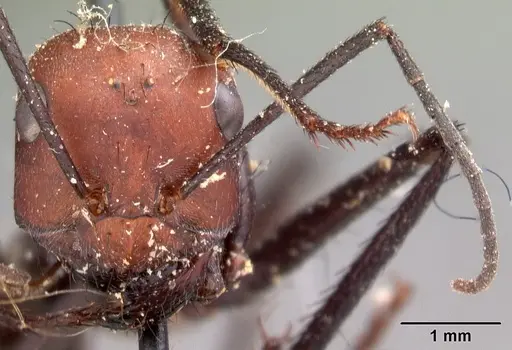
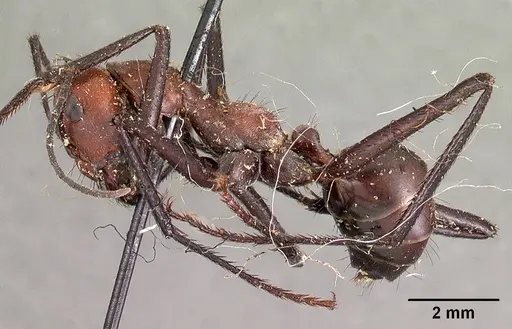
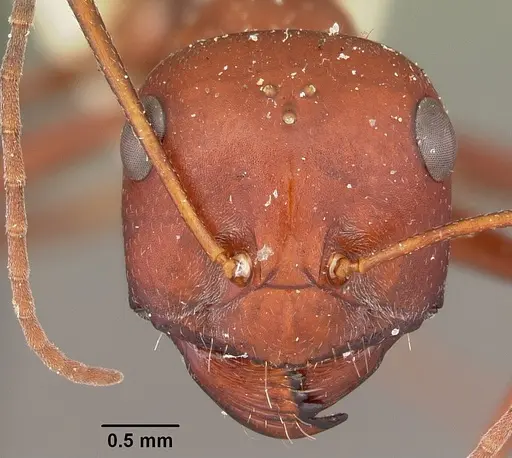
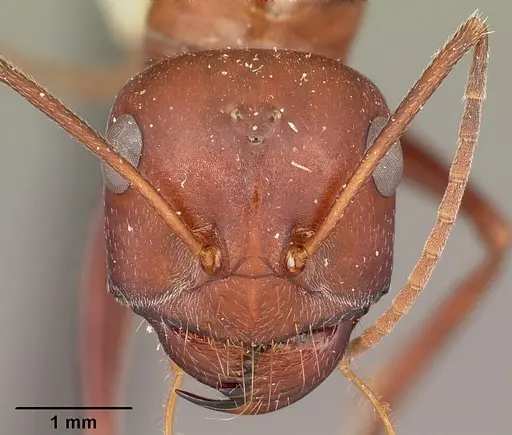
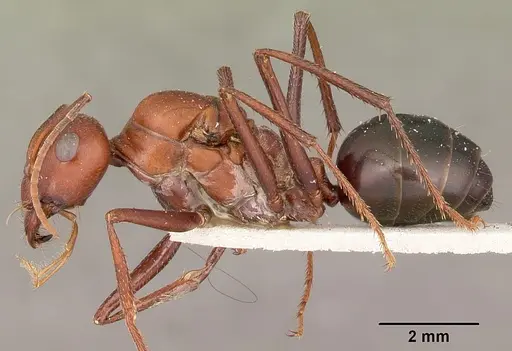
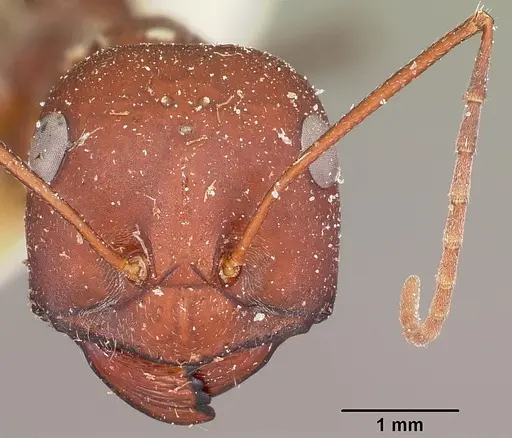
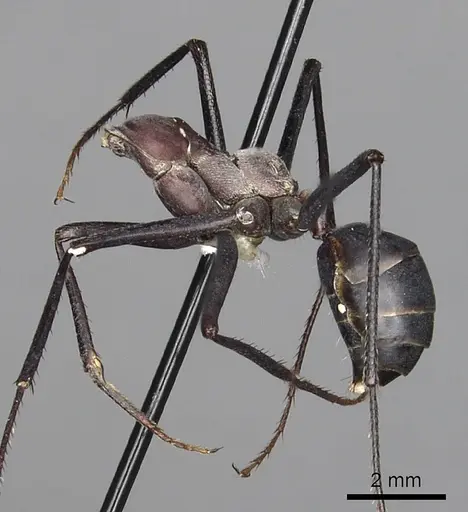
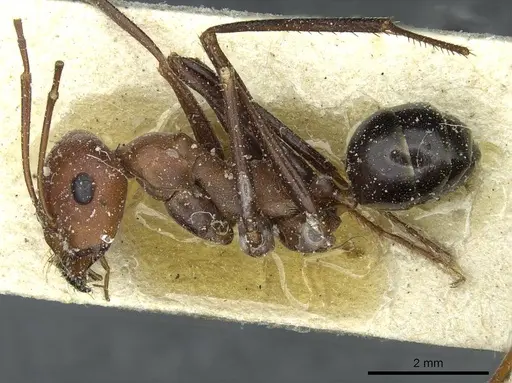
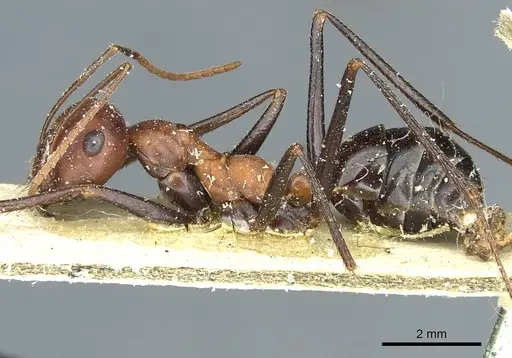
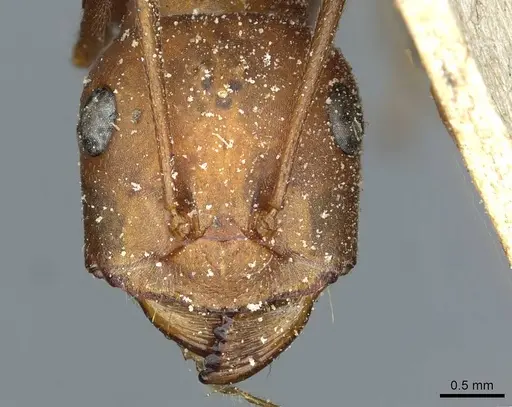
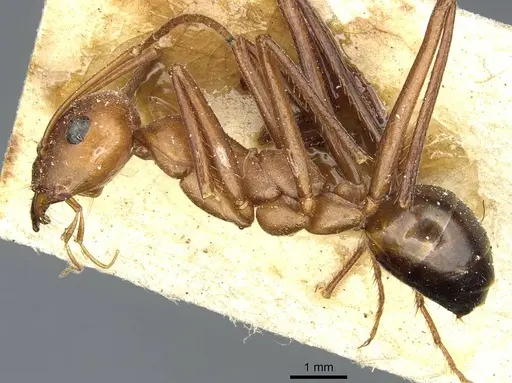
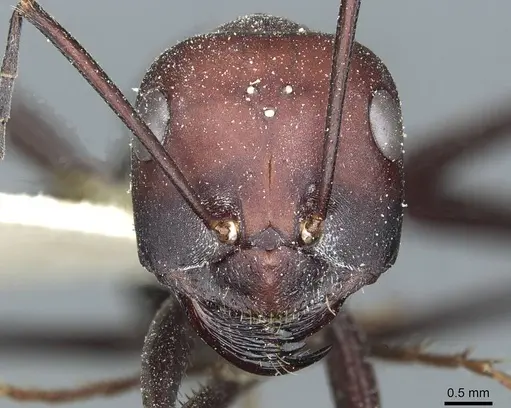
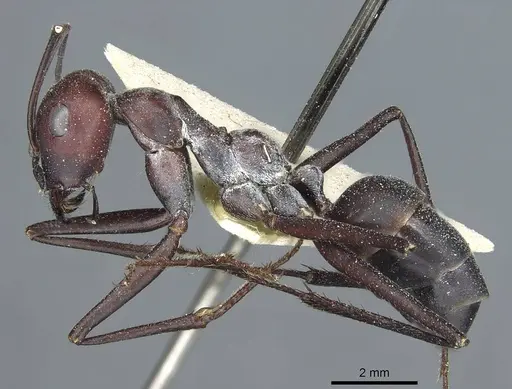
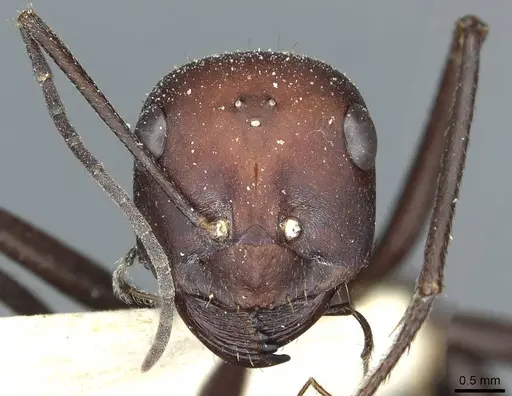
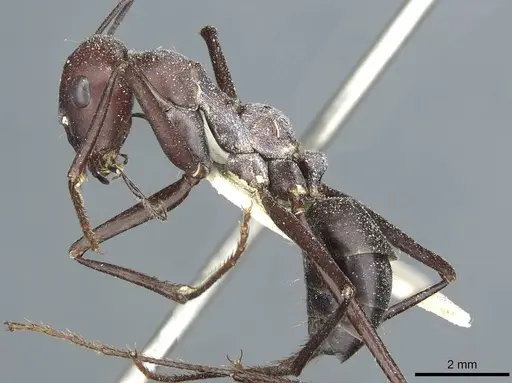
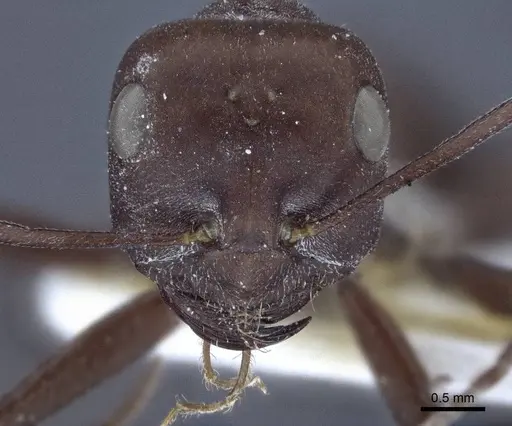
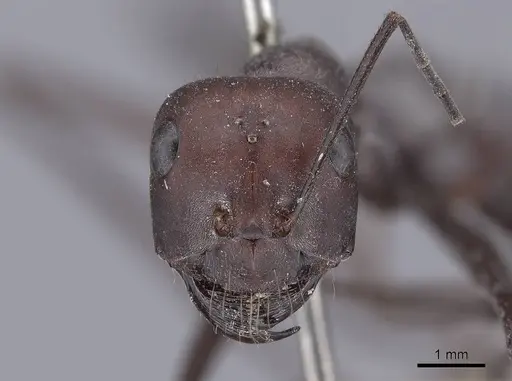
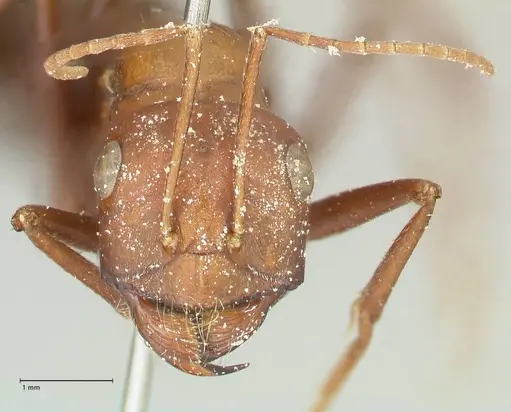
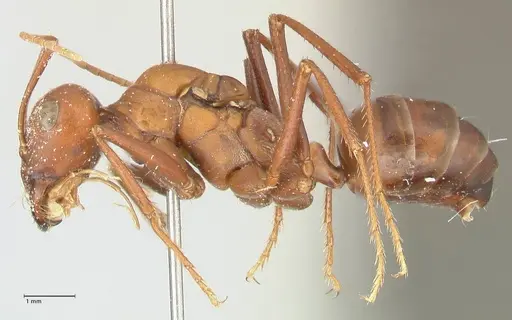
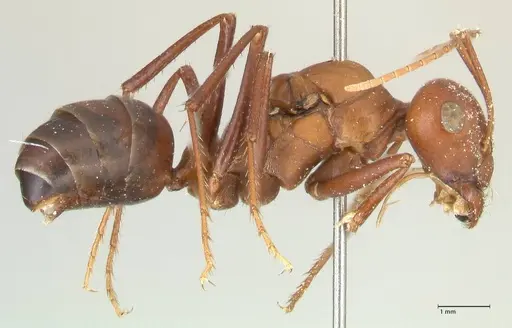
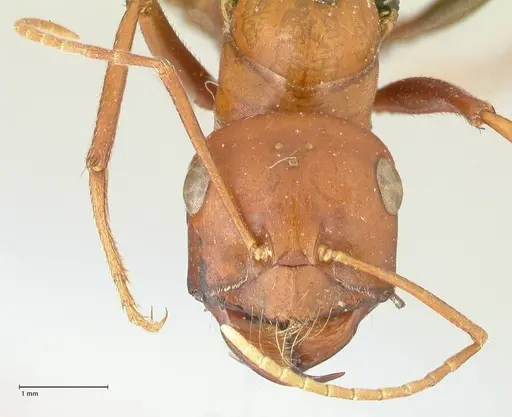
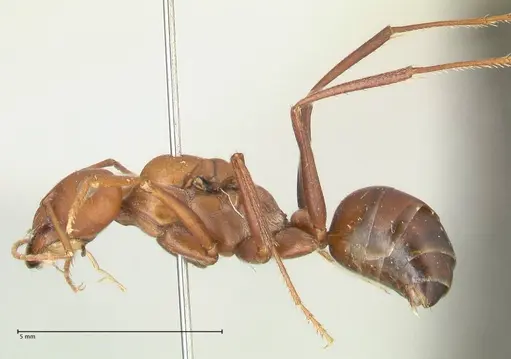
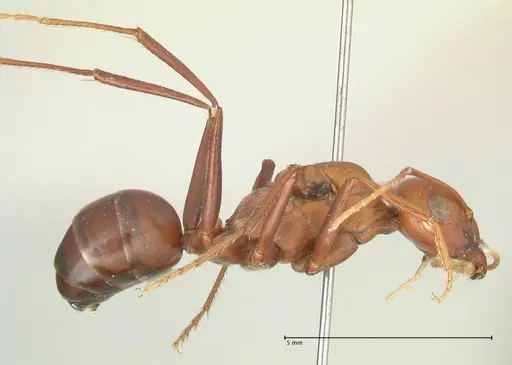
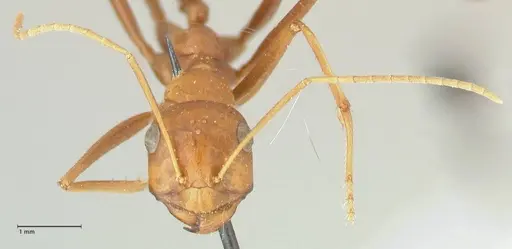
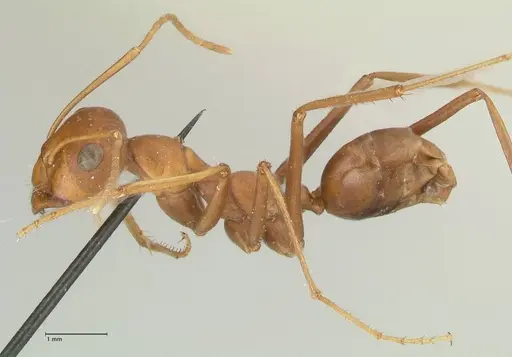
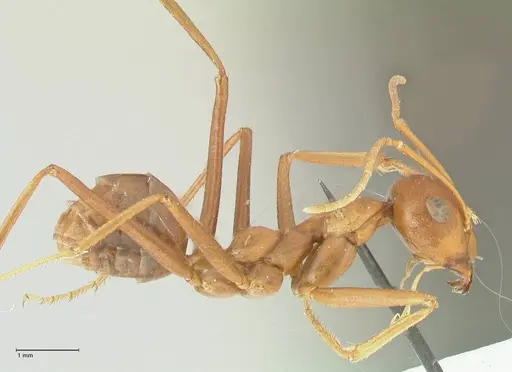
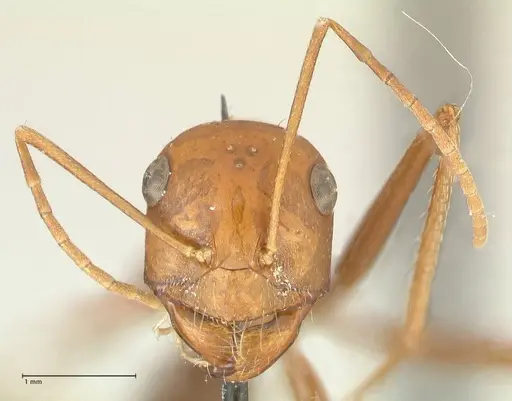
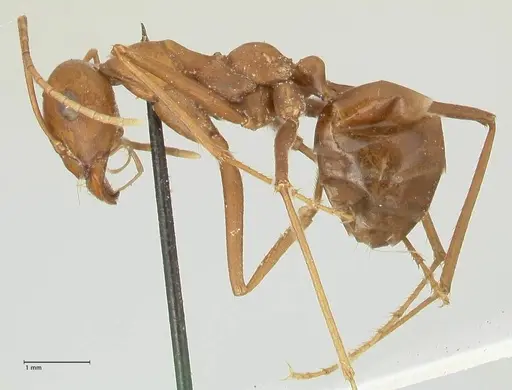
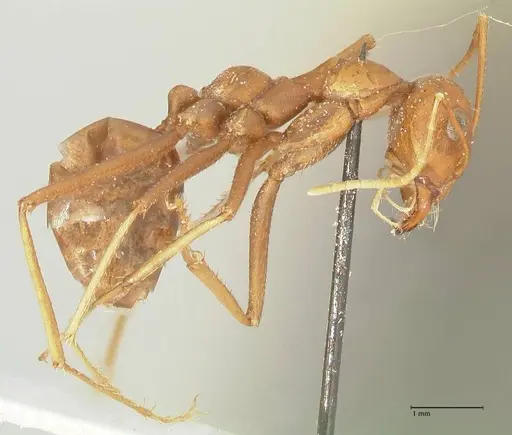
Cataglyphis bicolor is a large, fast-running desert ant native to North Africa and the Mediterranean region. Workers measure 5-15mm with exceptionally long legs, giving them a distinctive elegant appearance. They are reddish-black to black in color and hold their gaster angled upward while foraging. This species is one of the most intensively studied ants in the world, famous for its remarkable navigation abilities using polarized skylight, path integration, and visual landmarks. Colonies are polydomous, meaning they maintain multiple connected nests with a single queen. They are strictly diurnal thermophilic scavengers, actively foraging during the hottest parts of the day when surface temperatures exceed 60°C.
Quick Summary
- Difficulty: Medium
- Origin & Habitat: Native to North Africa (Algeria, Tunisia, Morocco, Egypt, Libya), the Canary Islands, Israel, Lebanon, Syria, Turkey, and Eritrea. Inhabits arid open regions including steppes, wastelands, mountain pastures, and urban areas from seashore to 2800m elevation [1][2][3].
- Colony Type: Polydomous (multiple nests per colony) with a single queen (monogynous). Colonies consist of a queenright mother nest and several satellite nests connected by worker transport [4][5][6].
- Colony: Monogyne
- Founding: Claustral
- Size & Growth:
- Queen: 11.5-12.5 mm [7]
- Worker: 5-15 mm [8][9]
- Colony: Hundreds to a few thousand workers per colony (excavated colonies had 867-1054 workers per nest) [10]
- Growth: Moderate
- Development: Approximately 6-8 weeks at optimal temperature (inferred from genus patterns) (Workers remain inside nest for about 28 days after hatching, first as callows, then as repletes and interior workers, before becoming foragers [11][12]. Foragers have extremely short lifespans of only 6.1 days in the wild [11].)
- Antkeeping:
- Temperature: Keep at 26-32°C with a thermal gradient. This species is adapted to extreme heat and can tolerate temperatures up to 55°C in their natural habitat [11]. Provide a warm area around 30°C and cooler areas around 24-26°C.
- Humidity: Low humidity (20-40%). These are desert ants adapted to arid conditions. Keep nesting area relatively dry with occasional moisture access [12].
- Diapause: No true diapause required. In their native hot climate, they remain active year-round. However, in temperate captivity, a cool period (15-18°C) during winter months may help simulate natural cycles [13].
- Nesting: Use a dry nest setup, Y-tong (AAC), plaster nest, or test tube setup with minimal water reservoir. They prefer compact chambers and narrow passages. Provide a foraging area with sand or soil substrate. Avoid humid, damp conditions.
- Behavior: Cataglyphis bicolor is a fascinating species to observe. Workers forage individually without using scent trails, searching for dead insects and other arthropods. They are fast runners, reaching speeds up to 15-20 meters per minute. Each forager maintains sector fidelity, consistently searching the same direction from the nest over weeks. They close their nest entrances each night by bringing soil or debris from inside. This species shows remarkable navigation using polarized skylight as a compass and can travel over 30 meters from the nest. They are not aggressive toward humans and rarely sting. Escape risk is moderate, they are large ants but can climb smooth surfaces, standard barrier methods work well.
- Common Issues: Short forager lifespan means rapid worker turnover, don't be alarmed if you see many dead workers outside the nest, Overheating is less likely than with most ants since they love heat, but ensure they can escape to cooler areas, Polydomous colonies may try to establish satellite nests outside the main setup, provide multiple connected spaces if possible, They are strict scavengers, do not offer sugar water or honey as primary food, they need protein and dead insects, Nest closure behavior at night is normal, don't mistake this for illness or queen death
Housing and Nest Setup
Cataglyphis bicolor does well in a variety of captive setups. A Y-tong (AAC) nest works excellently, these ants prefer tight chambers and narrow passages. You can also use a plaster nest or a simple test tube setup. The key requirement is keeping the nesting area dry and warm. Provide a thermal gradient by placing a heating cable on one side of the nest (on top, not underneath, to prevent moisture evaporation). The foraging area should be spacious enough for them to patrol, at least 30cm x 20cm for established colonies. Use a sandy or soil substrate in the outworld. These ants are excellent climbers, so apply fluon or barrier tape to the edges of the foraging arena. Because they are polydomous in the wild, they may benefit from having multiple connected nesting areas. [12][13]
Feeding and Diet
This species is primarily a scavenger and predator. In the wild, over 80% of their diet consists of dead arthropods, particularly other ants (especially Messor species), beetles, and other insects [1][14]. They also lick plant surfaces for sugary secretions. In captivity, offer small pieces of dead insects (fruit flies, crickets, mealworms) 2-3 times per week. They are not interested in sugar water or honey, their foraging is driven by olfactory cues searching for dead prey, not nectar. Fresh killed insects work better than old ones. Remove uneaten prey after 24 hours to prevent mold. They can tackle prey up to about half their body size, and larger workers may drag items 10 times their own weight [15].
Temperature and Heating
Cataglyphis bicolor is one of the most heat-tolerant ant species. In the wild, they forage when surface temperatures exceed 60°C, with a critical thermal maximum of 55.1°C [11]. Keep the nest at 28-32°C during the day, with a cooler area around 24-26°C so they can self-regulate. A heating cable on one side of the nest creates the ideal gradient. Place the heating element on top of the nest material, not underneath, to avoid evaporating all the moisture. Room temperature (20-24°C) is too cool for optimal activity, they will be much more active and healthy with supplemental heating. At lower temperatures, they become sluggish and may stop foraging entirely.
Behavior and Observation
Watching Cataglyphis bicolor is a rewarding experience. These ants exhibit fascinating behaviors: they close their nest entrances every night by carrying soil from inside [16], they maintain individual foraging sectors that they return to night after night [14], and they perform 'learning walks' when young workers first emerge to memorize visual landmarks around the nest [17]. Workers live only about 6 days as foragers in the wild, with a constant 16% daily mortality rate [11]. This means you will regularly see dead workers being carried away from the nest, this is normal colony maintenance, not a problem. They navigate using polarized skylight as a compass, path integration to calculate distance, and visual landmarks to recognize locations. They do not use scent trails like many ants, each forager searches independently.
Colony Structure and Social Organization
Understanding their social structure helps with keeping them successfully. Cataglyphis bicolor is polydomous, a single colony maintains multiple nests connected by worker transport [4]. The main nest contains the queen, while satellite nests house workers only. Workers can produce males through parthenogenesis if the queen dies [11]. In the wild, colonies have 3-11 active nests at any time, with worker exchanges happening through 'social carrying' where one worker carries another between nests [18]. This explains why they may try to establish secondary nests in your setup, it's natural behavior. Colony size reaches several thousand workers, with about 100 foragers per nest in wild colonies [10]. The large workers (with more ommatidia in their eyes) become foragers while smaller workers remain inside as nest workers [19].
Frequently Asked Questions
How long does it take for Cataglyphis bicolor to raise first workers?
Expect 6-8 weeks from founding to first workers emerging, similar to other Formicine ants. The queen will seal herself in a chamber and not emerge until her first brood hatches. Workers remain inside for about 28 days after hatching before becoming foragers [11].
What do Cataglyphis bicolor ants eat?
They are scavengers and predators. Feed them dead insects, fruit flies, small crickets, mealworms, or other arthropods. They do not eat sugar or honey. Remove uneaten prey after 24 hours. They prefer to forage for dead insects rather than hunt live prey [1][14].
Do Cataglyphis bicolor ants need hibernation?
No true hibernation is required in captivity. In their native hot climate, they remain active year-round. However, if you keep them at room temperature (below 20°C), a cool winter period at 15-18°C may be beneficial. They do not enter diapause like temperate species [13].
How big do Cataglyphis bicolor colonies get?
Wild colonies reach several thousand workers across multiple nests. In captivity, expect 500-2000 workers over several years. Each nest within a polydomous colony has around 100 foragers [10].
Can I keep multiple queens together?
No. Cataglyphis bicolor is strictly monogynous, colonies have only one queen. Multiple unrelated queens will fight. However, established colonies may have satellite nests with only workers, this is normal polydomous behavior [4][10].
Why are my forager ants dying so quickly?
This is completely normal. In the wild, foragers live only about 6 days on average, with a 16% daily mortality rate [11]. You will regularly see dead workers being carried out of the nest, this is the colony's hygiene behavior, not a problem. Under laboratory conditions with no predation or heat stress, they live much longer [12].
What temperature do they need?
Keep them warm: 28-32°C in the nest with a gradient to cooler areas (24-26°C). They are adapted to extreme heat and can tolerate temperatures that would kill most ants. A heating cable on one side of the nest works well. Room temperature alone is too cool [11][8].
When will my queen start laying eggs?
After mating, the claustral queen seals herself in a chamber and lays eggs within a few days. She lives off her stored fat and water metabolized from her own tissues to raise the first brood. Do not disturb her during this founding period, she needs darkness and quiet to succeed [13].
References

This caresheet is licensed under CC BY-SA 4.0 .
CASENT0102112
View on AntWeb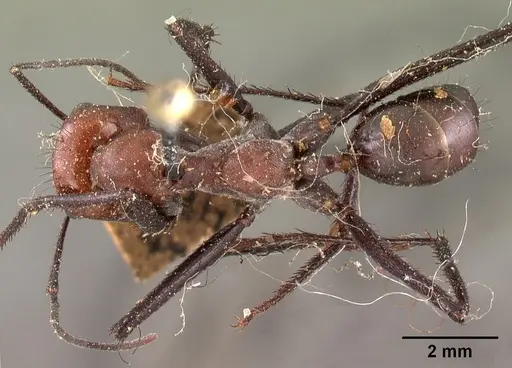
CASENT0104612
View on AntWeb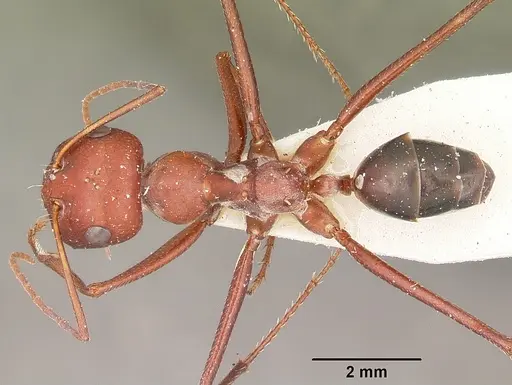

CASENT0104613
View on AntWeb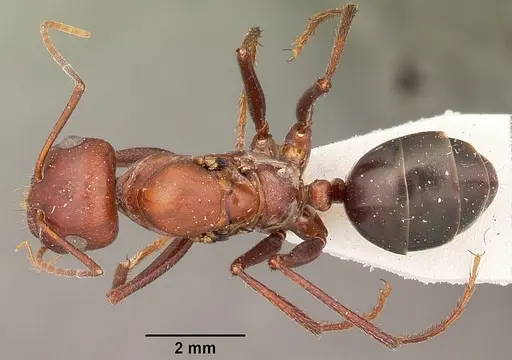

CASENT0104614
View on AntWeb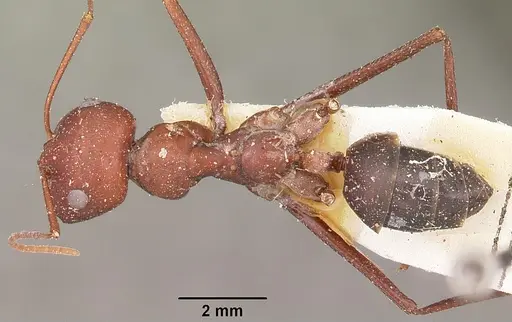

CASENT0280332
View on AntWeb

CASENT0912179
View on AntWeb

CASENT0912180
View on AntWeb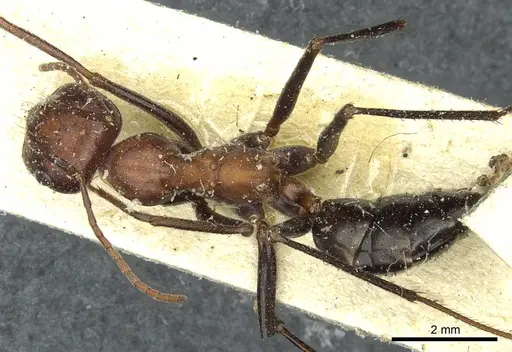

CASENT0912181
View on AntWeb
CASENT0912182
View on AntWeb
CASENT0912183
View on AntWeb
CASENT0912185
View on AntWeb


CASENT0916755
View on AntWeb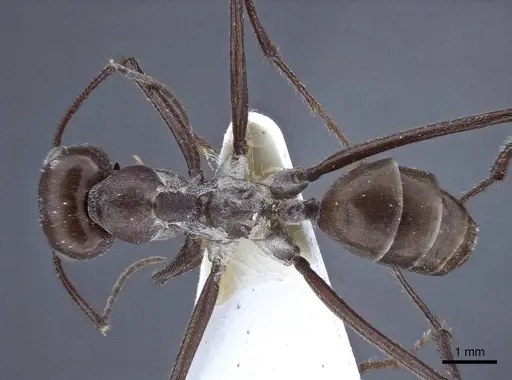

FMNHINS0000046224
View on AntWeb

FOCOL2306
View on AntWeb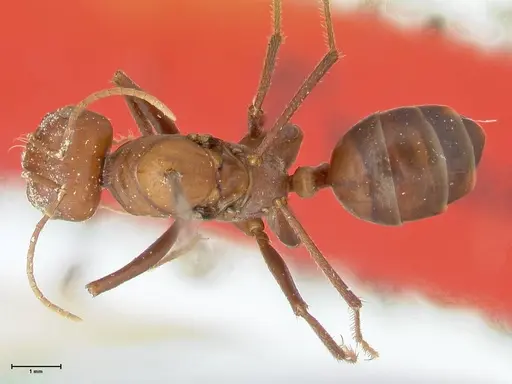
FOCOL2307
View on AntWeb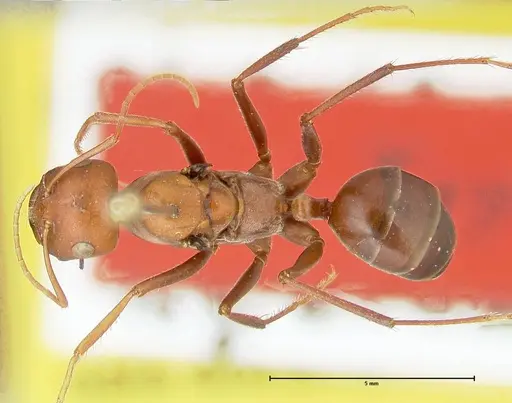
FOCOL2308
View on AntWeb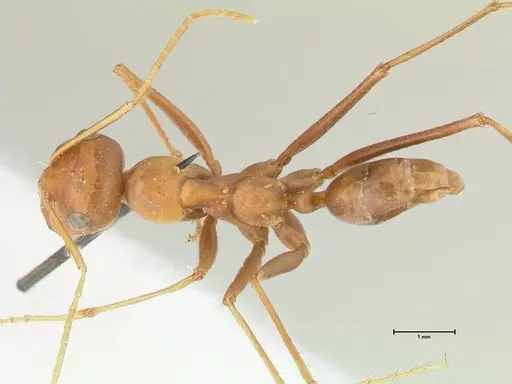
FOCOL2309
View on AntWeb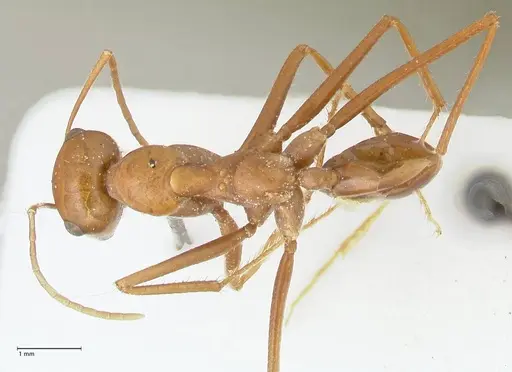
Literature
Loading...Loading products...