Cataglyphis aurata - "Golden Desert Ant"
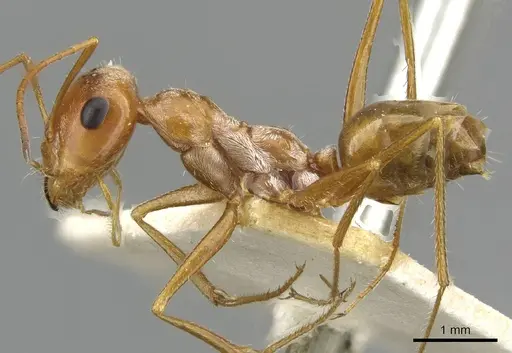
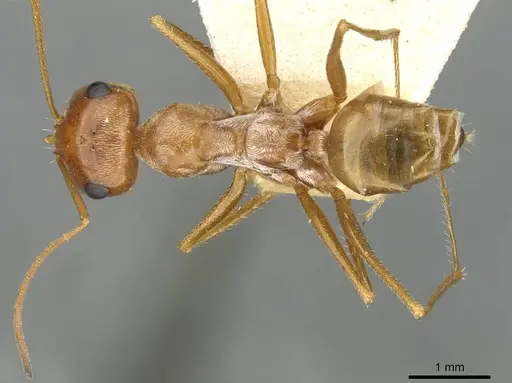
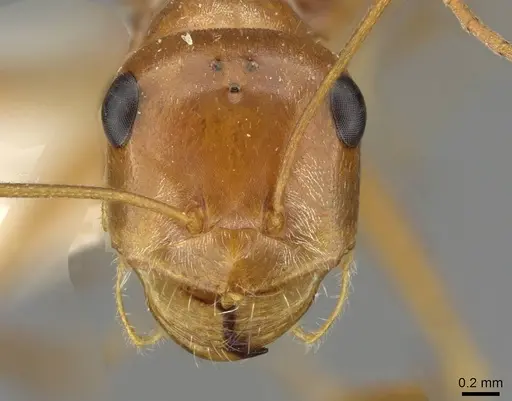
The Golden Desert Ant, Cataglyphis aurata, is a captivating ant species well-adapted to some of the planet's most extreme hot and arid environments. These ants are notable for their striking golden-brown coloration, especially on their head and thorax, which often exhibits a fine reticulate sculpture. Their gaster (abdomen) is typically brilliant and lacks significant hairs or pubescence. As members of the renowned Cataglyphis genus, they are exceptionally heat-tolerant, often seen foraging during the hottest parts of the day when other creatures seek shade. They are active scavengers, primarily collecting dead insects, and are celebrated for their remarkable navigational abilities using the sun and visual cues to find their way back to the nest in featureless desert landscapes. Their long legs allow them to hold their bodies away from the scorching ground, enhancing their mobility and heat resistance. Workers in a colony display polymorphism, meaning there's a considerable size range among them.
- Difficulty: Medium
- Origin & Habitat: Africa (Sudan, Egypt), Arabian Peninsula (Saudi Arabia), and parts of Asia (Iran). They are found across arid and semi-arid regions of the Palearctic. in Dry and hot desert or semi-desert environments, open sandy habitats. They typically construct crater-shaped nests directly in the ground, preferring areas with ample sun exposure..
- Colony Type: Monogyne, claustral (the queen seals herself in a chamber and raises her first brood using stored energy, without needing to forage for food). founding.
- Size & Growth:
- Queen: 12-18mm
- Worker: 4-12mm
- Colony: Medium (hundreds to a few thousands of workers). Medium (initial growth can be slow during founding, but picks up as the colony matures) growth.
- Antkeeping:
- Temperature: These desert ants thrive in warmer conditions. The ideal nest temperature should be kept between 21-28°C (70-82°F). Providing a slight temperature gradient within the nest is beneficial, allowing the ants to choose their preferred spot. The outworld can be kept at higher ambient temperatures, mimicking their natural foraging conditions..
- Humidity: Low humidity is crucial for this species, typically ranging from 30-50% within the nest. The outworld should be kept dry. Overly high humidity can lead to mold and stress for these arid-adapted ants..
- Diapause: Required. 1-2 months at 15-18°C.
- Nesting: Cataglyphis aurata prefer setups that simulate their natural sandy desert environment. Sand-based nests, ytong, or porous concrete nests are excellent choices, as they allow for good ventilation and a dry environment. Glass or acrylic formicaria can also work, provided they have a dry substrate layer and proper ventilation. They will appreciate a spacious outworld with sand and fine gravel, as they are avid diggers and active foragers..
- Behavior: High (towards food/prey, moderately territorial towards other ants, generally low towards handler unless provoked) aggressiveness.
- Common Issues: Mold in nest (due to excess humidity), Colony stalling (if conditions are not warm enough or diet is insufficient), Humidity fluctuations, Destructive behavior (e.g., filling water sources with sand), Queen stress (especially during founding if disturbed).
Keeping Cataglyphis aurata offers a unique window into the incredible adaptations of desert ants. Their remarkable heat tolerance is truly a spectacle; you'll often observe them foraging actively during times when most other ant species would be sheltering from the heat. This behavior isn't just a quirk; it's a fundamental part of their survival strategy, allowing them to exploit resources-like insects that succumb to the heat-that are unavailable to less resilient species. Replicating a warm environment in their outworld, especially during foraging times, can encourage their natural activity patterns.
Navigation is another area where these ants shine. Cataglyphis aurata workers possess an exceptional sense of direction, primarily relying on the sun's position and visual landmarks to find their way across vast, often featureless, terrains. When setting up their outworld, providing some varied visual cues or even a consistent light source can be helpful, though their inherent ability is quite robust. It's fascinating to watch them seemingly 'calculate' their path back to the nest after an erratic foraging trip, demonstrating their complex cognitive abilities.
Be mindful that these ants are quite aggressive when it comes to foraging and defending their colony. While not typically a threat to keepers, they will vigorously attack prey items and can be quite territorial towards other ants. It’s best to avoid housing them near other ant colonies. When introducing food, observe their enthusiastic response, which is a testament to their high metabolism and energy needs in their hot habitats. This aggressive foraging behavior makes them captivating to watch.
A peculiar trait of many Cataglyphis species, including the Golden Desert Ant, is their less-than-stellar climbing ability on smooth surfaces like glass or acrylic. This means that fluon or a similar barrier applied to the top edges of your outworld will be highly effective at keeping them contained, preventing escapes. You might even hear a faint 'tap' as they occasionally fall from the sides of their enclosure, a small reminder of this particular limitation, which is actually a benefit for antkeepers!
Additionally, these ants can be quite destructive and 'mischievous' with their substrate. They are expert diggers and may attempt to fill up water sources or modify their nest in unexpected ways. Ensuring liquid feeders are either elevated or have a protected access point is a good idea. Regular maintenance of their outworld to clear out discarded substrate or debris from water sources will help maintain a clean and healthy environment for your colony, preventing issues like mold.
Frequently Asked Questions
What do Cataglyphis aurata (Golden Desert Ants) eat?
Golden Desert Ants are primarily scavengers, so in captivity, they thrive on a diet of small, freshly killed insects like crickets, mealworms, or roaches for protein. They also require a consistent source of liquid sugars, such as sugar water or ant nectar, for energy. Ensure they always have access to clean drinking water as well.
How fast do Golden Desert Ant colonies grow?
After the claustral queen establishes her first nanitic workers, colony growth typically starts at a medium pace. Once the colony reaches a few dozen workers, it usually accelerates, provided they have stable heat, consistent food sources, and appropriate humidity levels. Expect to see significant growth once they move past the founding stage.
Do Cataglyphis aurata require a heat source?
Absolutely! As desert ants, Cataglyphis aurata need warmth to thrive. A heating mat or cable under a portion of their nest, aiming for temperatures between 21-28°C, is highly recommended. This helps with brood development and keeps the colony active. Remember, direct sunlight can be too intense and quickly overheat them, so indirect heating is best.
Are Golden Desert Ants aggressive?
Yes, they can be quite aggressive, particularly when foraging or defending their territory. They are fast and fearless hunters when it comes to prey insects. While they are not typically aggressive towards their antkeeper, a large colony can be intimidating, and they will defend their nest if disturbed.
Do Cataglyphis aurata sting or bite?
Cataglyphis aurata can bite when they feel threatened. While they possess venom, their bite is generally considered a minor inconvenience rather than a significant health risk to humans. Unlike some other ant species, their sting (if present, as many Formicinae primarily spray formic acid) is not known to be medically potent.
What kind of nest is best for Golden Desert Ants?
Given their natural habitat, nests that mimic arid conditions are ideal. Ytong, grout, or naturalistic sand nests with good ventilation work exceptionally well. Acrylic formicaria can also be used, but ensure they have adequate dry areas and excellent airflow to prevent mold, which these ants are sensitive to. A spacious outworld is also key for their active foraging.
Do Golden Desert Ants need to hibernate?
Yes, Cataglyphis aurata require a diapause period, which is their equivalent of hibernation, typically lasting 1 to 2 months. During this time, lower temperatures, around 15-18°C, are necessary. This rest period is crucial for the queen's longevity and the overall health of the colony, mimicking their natural seasonal cycle.
Why are they called 'desert ants' and what's unique about their behavior?
They are called 'desert ants' because they are exquisitely adapted to arid, hot desert environments. What's truly unique is their foraging behavior during the hottest parts of the day, when temperatures would be lethal to most other insects. They use their long legs to stay above the scorching ground and possess incredible navigational skills, relying on celestial cues (like the sun) and panoramic vision to find their way home across seemingly featureless landscapes.
Are Cataglyphis aurata suitable for beginner antkeepers?
Cataglyphis aurata are generally considered a 'medium' difficulty species, meaning they are not ideal for absolute beginners. Their specific requirements for high temperatures, low humidity, and large foraging areas, coupled with their propensity for mischief (like burying feeders) and strong defense instincts, mean they are better suited for keepers who have some experience with other ant species.
How do I prevent mold in their nest?
Mold is a common issue with desert species if humidity is too high. Ensure excellent ventilation in the nest and outworld. Only hydrate a small section of the nest, allowing for dry areas. Avoid overwatering liquid feeders, and promptly remove any uneaten food or dead insects from the outworld to prevent organic decay. A dry, clean environment is your best defense against mold.
What are 'polymorphic workers' in Cataglyphis aurata?
Polymorphic workers mean that within a single colony, the worker ants come in various sizes. You'll observe smaller 'minor' workers and larger 'major' workers, sometimes referred to as 'soldiers' due to their larger heads and mandibles, which are often used for crushing larger prey or defending the nest. This size variation allows for a division of labor within the colony, with different sized ants specializing in different tasks.
How do Cataglyphis aurata queens start a colony?
Cataglyphis aurata queens are claustral, meaning after their nuptial flight and mating, they find a suitable underground spot and seal themselves in. They then lay their first eggs and nurture them into nanitic (first generation) workers using only their stored energy reserves (from breaking down their wing muscles). They do not forage or eat during this initial founding phase.