

Cataglyphis altisquamis
- Scientific Name
- Cataglyphis altisquamis
- Tribe
- Formicini
- Subfamily
- Formicinae
- Author
- André, 1881
- Distribution
- Found in 4 countries
Cataglyphis altisquamis Overview
Cataglyphis altisquamis is an ant species of the genus Cataglyphis. It is primarily documented in 4 countries , including Spain, Israel, Morocco. Detailed taxonomic data and occurrence records can be further explored via authoritative databases such as AntWeb or the Global Biodiversity Information Facility (GBIF).
Cataglyphis altisquamis
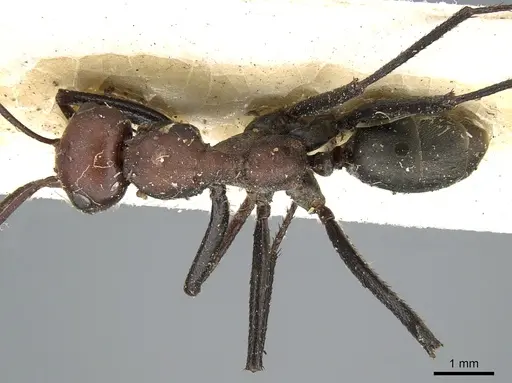
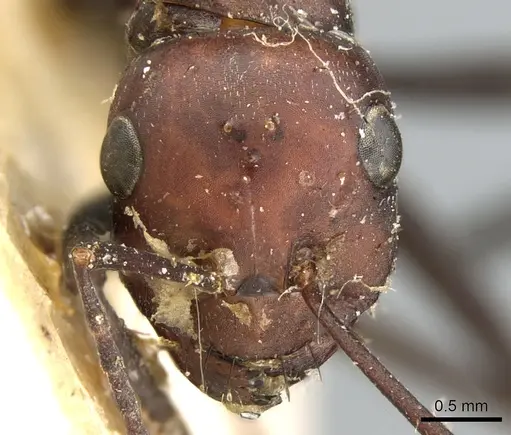
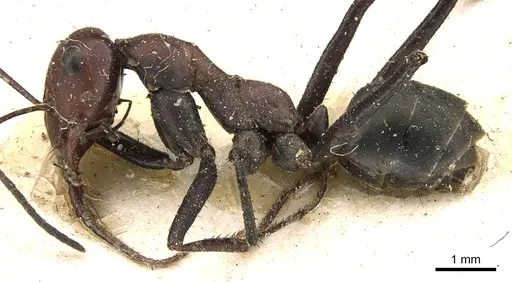
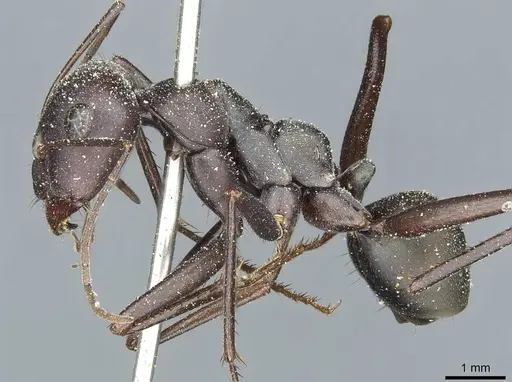
Cataglyphis altisquamis is a medium-sized desert ant belonging to the Formicinae subfamily. Workers measure around 1.6mm in head width with significant polymorphism, some workers develop into majors with much larger heads [1]. The species is entirely black in color [2]. This ant inhabits mountainous regions of the Middle East, specifically found in Iran, Israel, Syria, and Lebanon at elevations between 1300-1400m [3][4]. The species is part of the altisquamis group and is closely related to the well-studied Cataglyphis bicolor complex, from which it diverged approximately 11 million years ago [5].
What makes C. altisquamis particularly fascinating is its unique reproductive system called social hybridogenesis. Queens mate with males from a different genetic lineage, producing hybrid workers, while new queens are produced asexually through thelytokous parthenogenesis [6]. This complex system involves two distinct genetic lineages that coexist within populations, with workers always being hybrids between these lineages [7]. This is one of the most unusual reproductive strategies known in ants and makes this species a remarkable subject for advanced antkeepers interested in social evolution.
Quick Summary
- Difficulty: Medium
- Origin & Habitat: Mountainous regions of the Middle East, found in Iran, Israel, Syria, and Lebanon at elevations 1300-1400m. They nest in ground nests in meadows and on mountain slopes, often associated with oak habitats in the Anti-Lebanon mountains [8][3].
- Colony Type: Monogynous, colonies are headed by a single queen. The species shows conditional use of sex and clonal social hybridogenesis, where workers are always hybrids between two distinct genetic lineages, while new queens are produced through asexual reproduction [6][9].
- Colony: Monogyne
- Founding: Claustral
- Size & Growth:
- Queen: Queen head width: 2.16mm [1]. Estimated total length 7-9mm based on genus patterns.
- Worker: Mean worker head width: 1.60±0.35mm with significant polymorphism (CV*: 0.25±0.04) [1].
- Colony: Colony size reaches approximately 650 workers on average (range 400-800 workers) [1].
- Growth: Moderate, based on related Cataglyphis species development patterns.
- Development: Estimated 6-8 weeks at optimal temperature based on genus patterns for medium-sized Formicinae. (Development time is inferred from related Cataglyphis species. Thelytokous parthenogenesis in queens may affect development patterns.)
- Antkeeping:
- Temperature: Keep at 24-28°C. This is a desert/Middle Eastern species adapted to warm conditions. Provide a temperature gradient allowing workers to thermoregulate.
- Humidity: Low to moderate humidity, desert species adapted to dry conditions. Keep nest substrate moderately dry, with occasional moist areas for brood care. Avoid overly damp conditions.
- Diapause: Likely requires a mild winter rest period (diapause) of 2-3 months at 10-15°C, consistent with temperate/mountain origin. Reduce feeding and maintain cool temperatures during this period.
- Nesting: Ground-nesting species that prefers dry to moderately moist soil. A naturalistic setup with a digging chamber or Y-tong/plaster nest works well. Provide a sand-clay substrate for tunneling. Ensure good drainage to prevent moisture buildup.
- Behavior: Cataglyphis altisquamis is an active forager adapted to hot desert conditions. Workers are polymorphic with major workers capable of carrying larger prey items. The species uses visual navigation and is known for long-distance foraging trips typical of desert Cataglyphis. They are not aggressive toward keepers but will defend their nest. Escape risk is moderate, standard formicarium barriers are sufficient. Workers are fast-moving and alert, typical of the genus.
- Common Issues: colonies may fail if kept too humid, this is a dry-adapted species, winter dormancy is often mishandled, leading to colony losses, social hybridogenesis means colony genetics are complex, don't combine queens from different sources, slow colony growth compared to tropical species can lead to keeper impatience and overfeeding, wild-caught colonies may carry parasites that affect captive survival
Housing and Nest Setup
Cataglyphis altisquamis is a ground-nesting species that does well in naturalistic setups with a digging chamber filled with a sand-clay mixture (roughly 70% sand,30% clay works well). The substrate should be kept on the dry side, damp but not wet, allowing for some moisture gradient within the nest. Y-tong (acrylic) nests with narrow chambers also work, but ensure proper drainage and avoid condensation buildup. This species tolerates dry conditions well but needs access to water. A shallow water dish in the outworld is essential. For the outworld, use a simple foraging area with a sand floor. Escape prevention is moderate, standard barriers work for these medium-sized ants, but ensure lids are secure. [8][1]
Feeding and Diet
Cataglyphis altisquamis is a generalist forager typical of the genus. Feed them a varied diet including small insects (fruit flies, small crickets, mealworms) as protein sources and sugar water or honey as carbohydrates. In the wild, they forage for insects and collect honeydew. Feed protein 2-3 times per week and keep sugar water available constantly. Remove uneaten prey after 24 hours to prevent mold. Fresh water should always be accessible. This species is an active forager, so ensure food is reachable in the outworld. [7]
Temperature and Seasonal Care
Maintain nest temperatures between 24-28°C during the active season. This Middle Eastern mountain species benefits from a warm gradient, place a heating cable on one side of the nest at very low setting to create a thermal gradient. During winter (roughly November-February in the Northern Hemisphere), reduce temperature to 10-15°C for a dormancy period. Reduce feeding during this time and keep the nest slightly cooler but above freezing. The species originates from mountainous regions where winters are cold, so this winter rest is important for colony health. Resume normal temperatures and feeding in spring. [4][3]
Understanding Social Hybridogenesis
One of the most remarkable aspects of C. altisquamis is its unique reproductive system called social hybridogenesis. The species maintains two distinct genetic lineages (Lineage 1 and Lineage 2) [6]. Queens reproduce through thelytokous parthenogenesis, producing daughter queens that are genetically identical to themselves (or nearly so). However, when queens mate with males from a DIFFERENT lineage, their offspring develop into WORKERS. This means all workers in a colony are hybrids between the two lineages [7]. This system is incredibly rare in ants and makes this species particularly interesting for advanced keepers. Do not attempt to combine unrelated queens as the genetics are complex and may not integrate successfully.
Colony Growth and Development
Colonies reach approximately 400-800 workers at maturity [1]. Growth is moderate, expect 6-12 months to first workers from founding, then gradual expansion. Thelytokous parthenogenesis in queens means colonies can grow from a single queen without mating, but mated colonies produce hybrid workers which may have hybrid vigor. Worker polymorphism is pronounced, expect some workers to develop as majors with significantly larger heads for carrying heavy loads [1]. The queen-worker dimorphism is strong (QWD: 29.35), meaning the size difference between queen and workers is substantial [1].
Behavior and Foraging
Cataglyphis altisquamis is a diurnal forager, active during the warmer parts of the day typical of desert ants. Workers are fast-moving and will travel significant distances from the nest to forage. They use visual cues for navigation, similar to related Cataglyphis species. The species is not particularly aggressive but will readily defend the nest. In the outworld, they are active and engaging to watch. Provide enrichment opportunities, scattered food items and varied terrain will encourage natural foraging behavior. Workers can handle relatively large prey items thanks to polymorphism. [7]
Frequently Asked Questions
How long does it take for Cataglyphis altisquamis to raise first workers?
Expect first workers (nanitics) approximately 6-8 weeks after the queen lays eggs, at optimal temperature around 26°C. This is based on typical Cataglyphis development patterns since specific timing for this species hasn't been documented.
Do Cataglyphis altisquamis queens need to mate to found a colony?
No, queens can reproduce through thelytokous parthenogenesis, producing daughter queens without mating [6]. However, mated colonies produce hybrid workers which may have advantages. Unmated queens can still produce workers if they happen to mate with males from a different genetic lineage.
What temperature should I keep Cataglyphis altisquamis at?
Keep the nest at 24-28°C during the active season. A slight temperature gradient is beneficial, use a low-level heating cable on part of the nest. During winter, reduce to 10-15°C for a 2-3 month dormancy period.
How big do Cataglyphis altisquamis colonies get?
Mature colonies reach approximately 400-800 workers, with an average around 650 workers [1]. This is moderate for the genus.
Can I keep multiple Cataglyphis altisquamis queens together?
Not recommended. This is a monogynous species with colonies typically headed by a single queen [9]. The complex social hybridogenesis system means combining unrelated queens may disrupt the genetic lineage balance critical to colony function.
What do Cataglyphis altisquamis eat?
They are generalist foragers. Feed small insects (fruit flies, pinhead crickets, mealworms) as protein 2-3 times weekly, and keep sugar water or honey available constantly. Fresh water is essential.
Does Cataglyphis altisquamis need hibernation?
Yes, this mountain species from the Middle East requires a winter rest period. Reduce temperatures to 10-15°C for 2-3 months during winter and reduce feeding. This dormancy period is important for colony health.
Are Cataglyphis altisquamis good for beginners?
This species is rated as medium difficulty. While not the hardest species, the complex reproductive system and specific temperature/humidity requirements make it better suited for keepers with some experience. The winter dormancy requirement adds complexity.
Why are my Cataglyphis altisquamis workers different sizes?
This species shows pronounced worker polymorphism, some workers develop as majors with much larger heads for carrying heavy loads, while others remain as minor workers [1]. This is normal and beneficial for colony function.
References

This caresheet is licensed under CC BY-SA 4.0 .




Literature
Loading...Loading products...