

Cataglyphis aphrodite
- Scientific Name
- Cataglyphis aphrodite
- Tribe
- Formicini
- Subfamily
- Formicinae
- Author
- Salata <i>et al.</i>, 2023
- Distribution
- Found in 1 countries
Cataglyphis aphrodite Overview
Cataglyphis aphrodite is an ant species of the genus Cataglyphis. It is primarily documented in 1 countries , including Cyprus. Detailed taxonomic data and occurrence records can be further explored via authoritative databases such as AntWeb or the Global Biodiversity Information Facility (GBIF).
Cataglyphis aphrodite
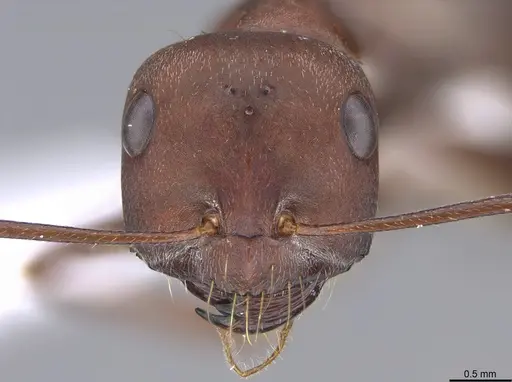
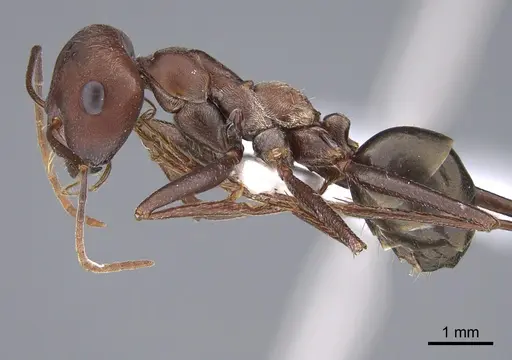
Cataglyphis aphrodite is a newly described species (2023) endemic to Cyprus, belonging to the Cataglyphis nodus complex within the bicolor species group. These are striking bicolored ants with a red head, mesosoma, petiole, legs, and antennae contrasting against a black gaster. Major workers reach 3.0-3.3mm in body length (WL), while minor workers are smaller at 1.8-2.3mm. The queen is slightly larger at 3.6mm. This is a thermophilic species adapted to hot, sunny Mediterranean conditions, workers are most active during the hottest part of the day, foraging in open areas around their ground nests.
Quick Summary
- Difficulty: Medium
- Origin & Habitat: Endemic to Cyprus, found from sea level up to 1196m altitude in pine and cedar forests. Prefers sunny, open habitats like roadsides, salt lake coasts, dry riverbanks, and dry meadows with Mediterranean bushes. Also found in urban areas on grasses and in gardens [1][2].
- Colony Type: Monogyne (single queen colonies), this appears to be the typical colony structure based on the single queen specimen collected with type series [1].
- Colony: Monogyne
- Founding: Claustral
- Size & Growth:
- Queen: 3.63mm WL (queen measured from single specimen) [1]
- Worker: Major workers: 3.0-3.3mm WL, Minor workers: 1.8-2.3mm WL [1]
- Colony: Unknown for this newly described species. Based on related Cataglyphis species, colonies likely reach several hundred workers.
- Growth: Moderate, based on typical Cataglyphis development patterns
- Development: Estimated 6-10 weeks based on related Cataglyphis species development at warm temperatures. This is an estimate as specific development data is not yet documented for this species. (Development likely faster at higher temperatures given their thermophilic nature)
- Antkeeping:
- Temperature: Keep warm at 26-32°C. These ants are adapted to high temperatures and are most active during the hottest part of the day in the wild. A heating cable on one side of the nest creates a temperature gradient allowing them to thermoregulate [1].
- Humidity: Low to moderate. These are dry habitat ants from Mediterranean Cyprus. Keep nest substrate moderately dry, with a small water reservoir for drinking. Avoid damp conditions.
- Diapause: Likely required, Cataglyphis species from temperate regions typically need a winter rest period. Provide 2-3 months at 10-15°C during winter months.
- Nesting: Ground-nesting species. In captivity, use a naturalistic setup with soil/sand substrate or a Y-tong/plaster nest with dry conditions. Provide access to an outworld for foraging.
- Behavior: Active foragers that prefer high temperatures, expect most activity during the warmest part of the day. Workers are fast-moving and can cover large areas around the nest entrance in search of food. Not aggressive toward humans but will defend their nest. Medium-sized ants with moderate escape risk, standard barrier precautions are sufficient.
- Common Issues: new species means limited husbandry information, be prepared to experiment with conditions, thermophilic requirements mean colonies may struggle in cool rooms without additional heating, ground-nesting behavior requires appropriate substrate depth for proper colony establishment, winter diapause is likely required but specific duration needs to be determined through experience, limited availability as this is a newly described species with few breeders
Housing and Nest Setup
Cataglyphis aphrodite nests directly in the ground in the wild, so a naturalistic setup with a soil or sand substrate works best. Provide at least 5-8cm of substrate depth to allow queens to dig founding chambers and workers to create tunnel systems. A Y-tong (acrylic) nest with a sand-filled chamber option can also work well. These ants prefer dry conditions, avoid overly damp substrates. Include a small water reservoir in the outworld for drinking. Since they are active foragers, provide a spacious outworld connected to the nest area. [1]
Temperature Requirements
These are thermophilic ants requiring warm conditions. Keep the nest area at 26-32°C during the active season. A heating cable placed on one side of the nest creates a gradient allowing ants to regulate their body temperature by moving between warmer and cooler areas. In the wild, workers are most active during the hottest part of the middle of the day, so they clearly thrive in heat. Room temperature alone (around 20°C) is likely too cool for optimal colony development. Monitor colony behavior, if workers are consistently clustered near the heat source, increase temperature slightly, if they avoid heated areas, reduce heat. [1]
Feeding and Diet
Cataglyphis ants are typically omnivorous foragers. In the wild, they scavenge for dead insects, collect honeydew from aphids, and exploit sugary plant secretions. In captivity, offer a varied diet including: protein sources like small crickets, mealworms, or other insects (fresh or frozen), sugar water, honey, or diluted syrup as an energy source, and occasional seeds or plant matter. Feed protein 2-3 times per week and keep sugar water available constantly. Remove uneaten food after 24-48 hours to prevent mold. [1]
Seasonal Care and Winter Rest
Based on their Mediterranean distribution in Cyprus, these ants likely require a winter rest period (diapause). Provide 2-3 months during winter at 10-15°C. During this time, reduce feeding and keep the colony in a cool, dark location like an unheated garage or basement. Do not feed during deep dormancy. In spring, gradually warm the colony back to active temperatures. This rest period is important for colony health and triggering reproductive cycles. [1]
Colony Founding
Queens are claustral, they seal themselves in a chamber and raise the first brood alone using stored fat reserves. After mating flights, a newly mated queen will dig a small chamber in substrate and remain inside until her first workers (nanitics) emerge. This process typically takes 4-8 weeks depending on temperature. Do not disturb the founding chamber during this time. Once nanitics appear, the queen will resume foraging and the colony will begin growing. [1]
Frequently Asked Questions
How long does it take for Cataglyphis aphrodite to produce first workers?
Based on related Cataglyphis species, expect first workers (nanitics) to emerge 6-10 weeks after the queen lays eggs, assuming optimal warm temperatures around 28-30°C. This timeline is an estimate since this newly described species has not yet been kept in captivity long enough for documented development times.
What temperature do Cataglyphis aphrodite ants need?
Keep them warm at 26-32°C. These are thermophilic ants adapted to hot Mediterranean conditions. Use a heating cable on part of the nest to create a temperature gradient.
Are Cataglyphis aphrodite good for beginners?
This species is rated as medium difficulty. While not the most challenging ant species, they have specific temperature requirements (need warmth) and are a newly described species with limited captive husbandry information. Beginners should have some experience with thermophilic ants before attempting this species.
Do Cataglyphis aphrodite ants need hibernation?
Yes, a winter rest period is likely required. Provide 2-3 months at 10-15°C during winter months, reducing feeding and keeping the colony cool.
What do Cataglyphis aphrodite ants eat?
They are omnivorous. Offer protein (insects like crickets or mealworms) several times per week and keep sugar water or honey available constantly. They will also scavenge dead insects and collect honeydew.
How big do Cataglyphis aphrodite colonies get?
Colony size is not yet documented for this species. Based on related Cataglyphis species, colonies likely reach several hundred workers over several years.
Can I keep multiple Cataglyphis aphrodite queens together?
This species appears to be monogyne (single queen colonies). Combining unrelated queens is not recommended as they would likely fight. Only keep one queen per colony.
Where is Cataglyphis aphrodite found?
This species is endemic to Cyprus, meaning it is found nowhere else in the world. It was formally described in 2023 and was previously misidentified as the related Cataglyphis nodus.
When will Cataglyphis aphrodite be available for purchase?
This is a newly described species (2023) with limited availability. As more breeders successfully maintain colonies, availability should increase. Check with specialty ant vendors or breeders who work with Mediterranean species.
References

This caresheet is licensed under CC BY-SA 4.0 .
CASENT0923726
View on AntWeb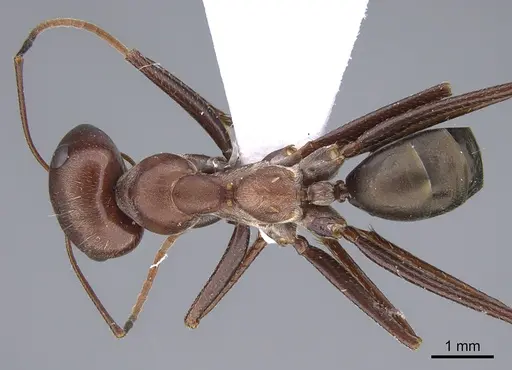
Literature
Loading...Loading products...