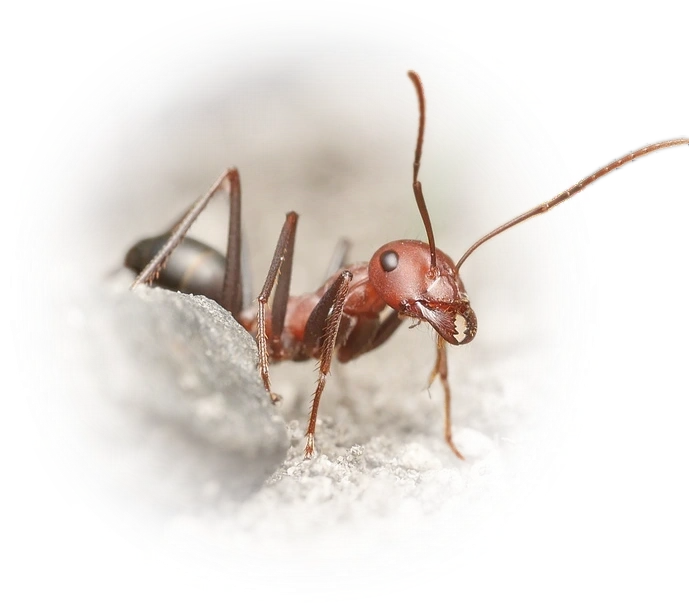

Cataglyphis nodus
- Scientific Name
- Cataglyphis nodus
- Tribe
- Formicini
- Subfamily
- Formicinae
- Author
- Brullé, 1833
- Common Name
- Nodal Desert Ant
- Distribution
- Found in 15 countries
Cataglyphis nodus Overview
Cataglyphis nodus (commonly known as the Nodal Desert Ant) is an ant species of the genus Cataglyphis. It is primarily documented in 15 countries , including United Arab Emirates, Albania, Azerbaijan. Detailed taxonomic data and occurrence records can be further explored via authoritative databases such as AntWeb or the Global Biodiversity Information Facility (GBIF).
Cataglyphis nodus - "Nodal Desert Ant"
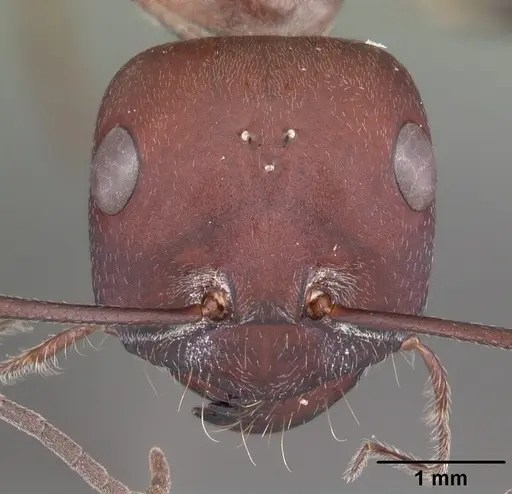
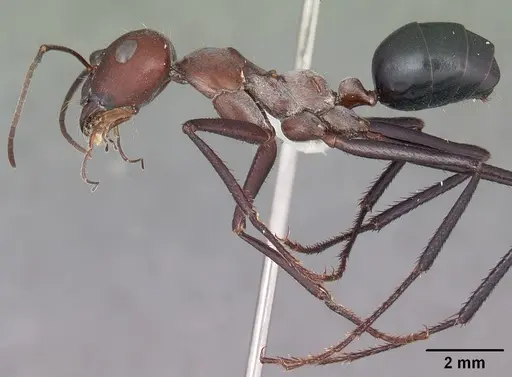
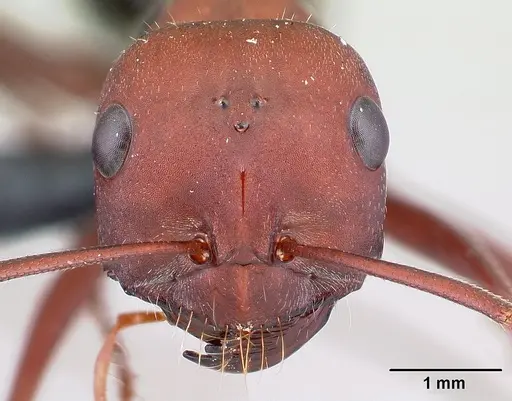
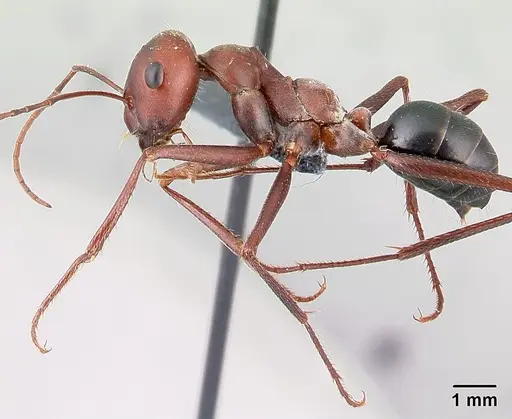
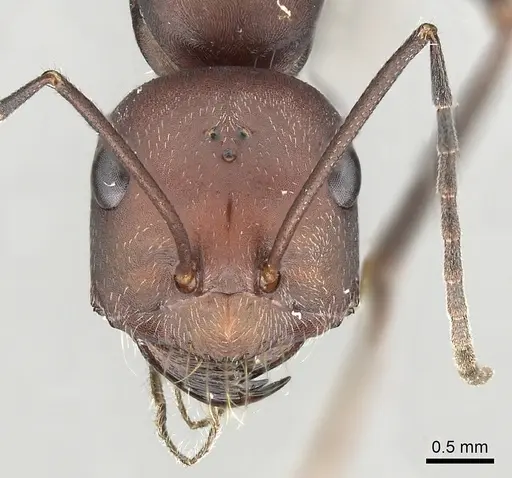
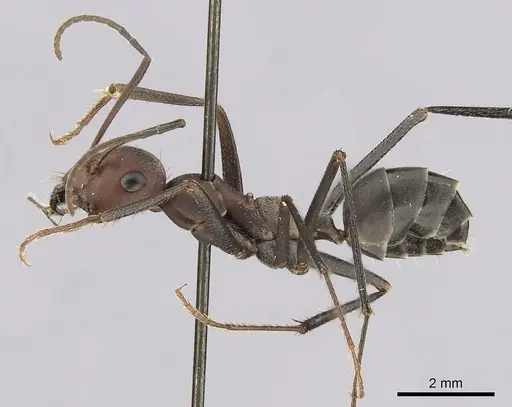
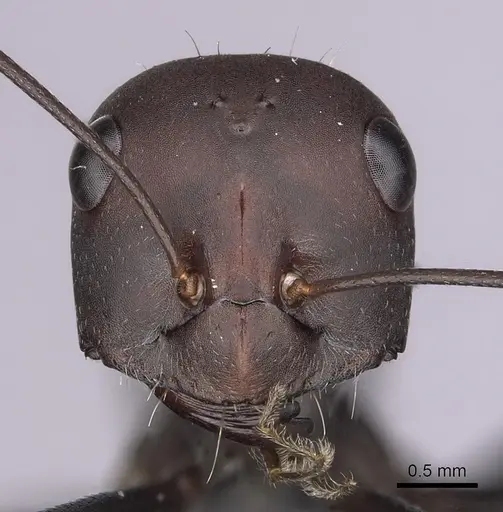
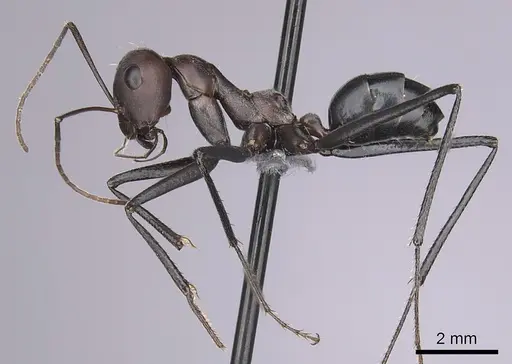
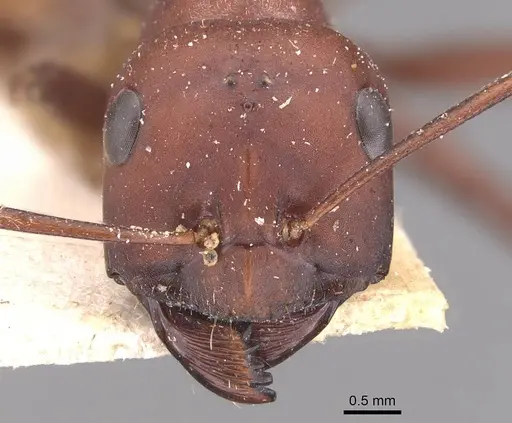
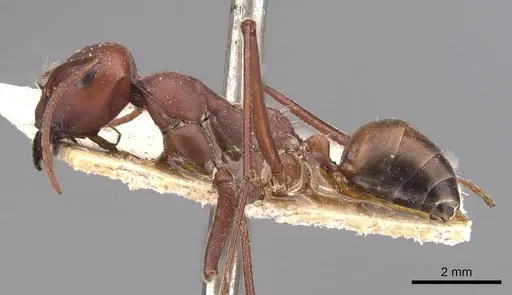
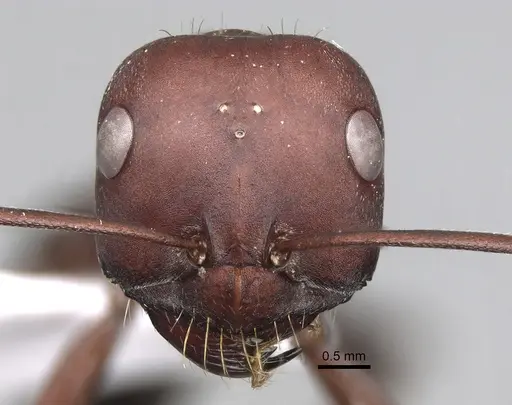
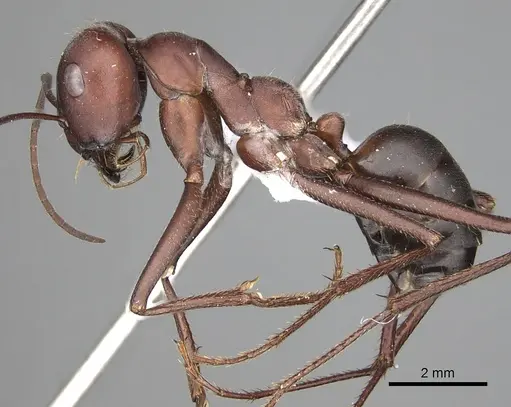
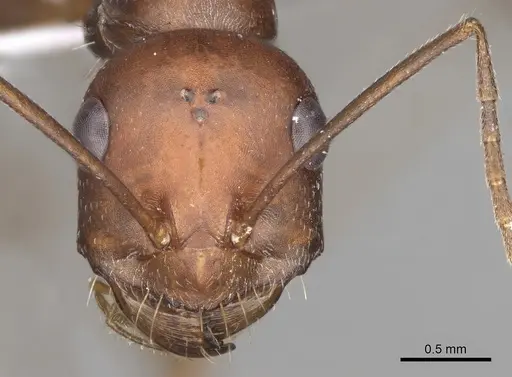
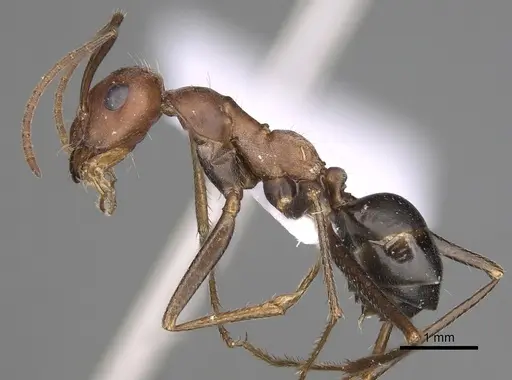
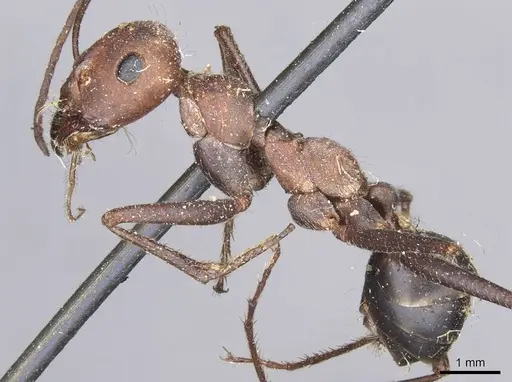
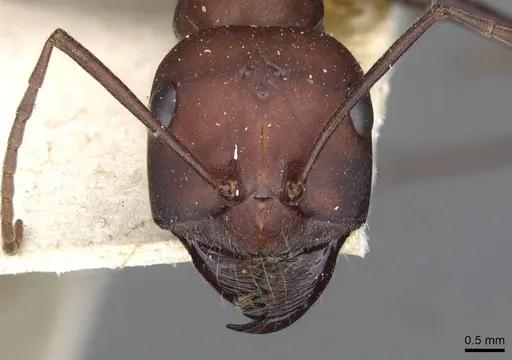
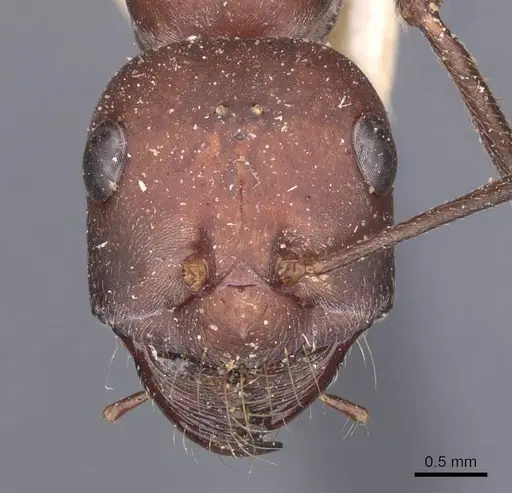
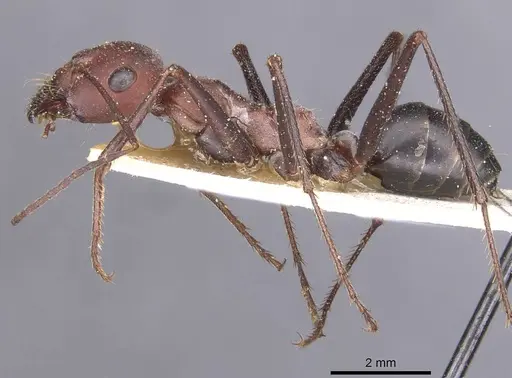
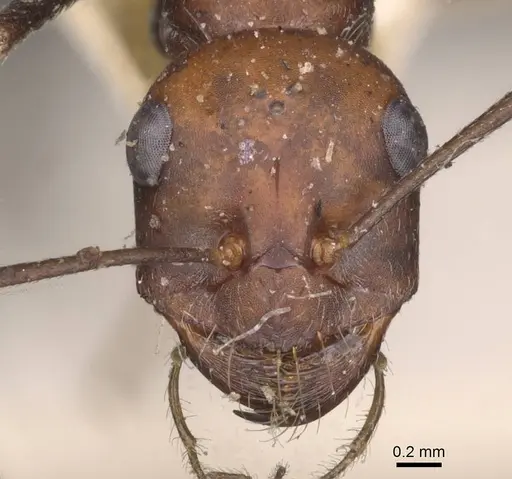
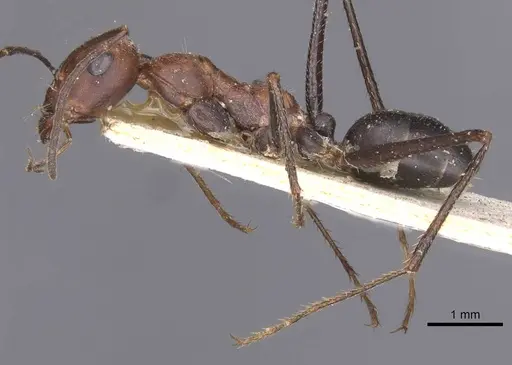
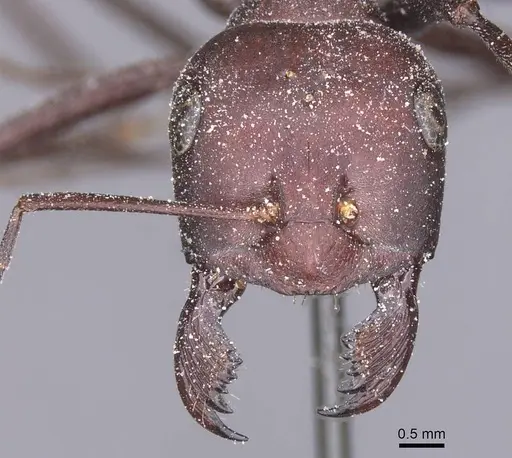
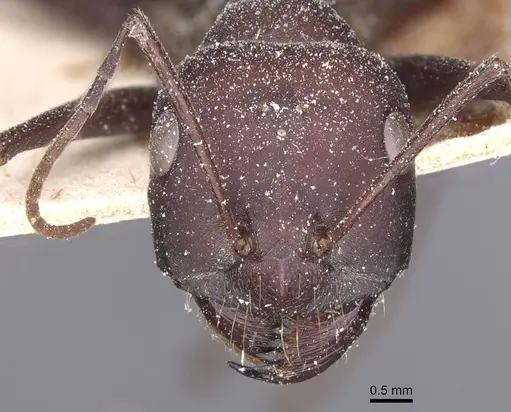
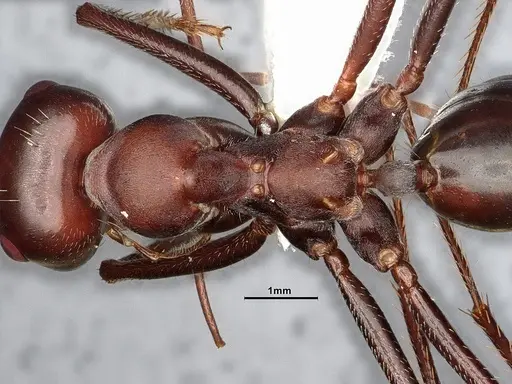
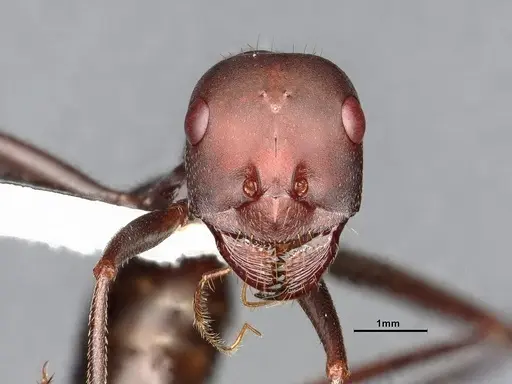
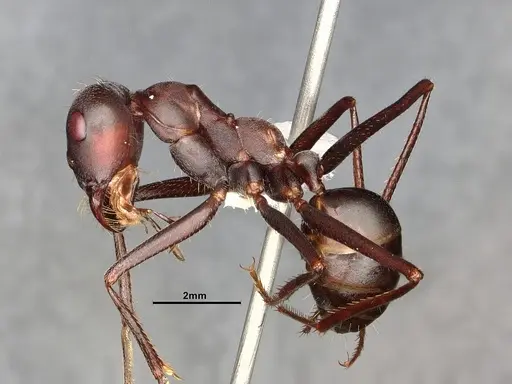
Cataglyphis nodus is one of the largest European Cataglyphis species, easily recognized by its striking bicolored appearance: the head and mesosoma range from yellowish red to red, while the abdomen is dark brown to black [1]. Workers are polymorphic, with major workers reaching significantly larger sizes than minors, and all castes have remarkably long legs that make them fast-moving foragers [1]. This species inhabits the eastern Mediterranean region and extends across southeastern Europe, Turkey, the Middle East, and Central Asia [2]. In the wild, they nest in soil in open, sun-exposed areas like sandy roads, pastures, and beach edges, where they forage as solitary scavengers during the hottest parts of the day [3]. What makes C. nodus particularly fascinating is its advanced navigation system, these ants perform 'learning walks' before their first foraging trips, using a magnetic compass to memorize the landscape around their nest, and rely heavily on visual landmarks rather than pheromone trails to find their way home [4][5].
Quick Summary
- Difficulty: Medium
- Origin & Habitat: Eastern Mediterranean region, Greece (type locality), Albania, Armenia, Azerbaijan, Bulgaria, Croatia, Cyprus, Georgia, Hungary, Iran, Iraq, Israel, Jordan, Montenegro, North Macedonia, Romania, Serbia, Slovakia, Syria, Turkey, Turkmenistan, United Arab Emirates, Uzbekistan [2][1]. Inhabits open, dry, sandy habitats including sandy roads, roadsides with Mediterranean shrubs, urban rural areas, pastures, rocky seashores, beach areas, olive plantations, and stream valleys [3][1]. Nests in soil at low to mid altitudes, from sea level up to 500m (highest record at 1300m in Macedonia) [1].
- Colony Type: Monogyne, colonies have a single queen [6]. Research colonies used in studies had several hundred workers [7].
- Colony: Monogyne
- Founding: Claustral
- Size & Growth:
- Queen: Estimated 8-10mm based on genus patterns (no direct measurement in sources)
- Worker: Minor workers: 4-6mm, Major workers: 8-13mm [8][1]
- Colony: Several hundred workers in established colonies [7]
- Growth: Moderate, typical for Cataglyphis genus
- Development: Estimated 6-10 weeks at optimal temperature based on related Cataglyphis species (Development time inferred from genus patterns, no specific study found for this species)
- Antkeeping:
- Temperature: Keep at 25-27°C based on laboratory conditions used for research colonies [7]. Can tolerate temperatures up to 45°C in the wild [9]. Provide a warm area in the outworld with a heating cable on one side to create a temperature gradient.
- Humidity: Low to moderate, they are a xerothermophilic species from dry, open habitats. Keep nest substrate moderately dry, with a small water reservoir for drinking. Avoid damp conditions.
- Diapause: Yes, these are temperate to warm-climate ants that likely require a winter rest period. Reduce temperature to around 15-18°C for 2-3 months during winter.
- Nesting: Y-tong (acrylic) nests work well for this medium to large species. Provide a dry to moderately humid nest chamber. They prefer compact chambers scaled to their size. A naturalistic setup with a sand-filled area for digging is also suitable.
- Behavior: Extremely fast and active foragers that rely on visual navigation rather than pheromone trails, they forage solitarily across the outworld searching for food [10]. Workers are active mainly in strong sunlight, especially during afternoon hours in their natural habitat [3][1]. They are not aggressive toward keepers but can be skittish due to their alert, high-energy nature. They have good escape prevention needs, use standard barriers but they are not tiny escape artists. These ants are known for their remarkable learning walks, where young ants perform circular movements around the nest entrance while periodically turning to gaze at the nest, memorizing visual landmarks before their first foraging trips [4][11]. They use a magnetic compass as their primary navigational reference during these learning walks [5].
- Common Issues: overheating risk, despite being thermophilic, extreme temperatures above 35°C in captivity can stress colonies, colonies may be slow to establish, founding queens need warm, stable conditions, escape prevention is important, while not tiny, they are fast movers and can squeeze through small gaps, dry conditions are preferred, too much humidity can cause fungal problems, wild-caught colonies may have parasites or be stressed from collection
Housing and Nest Setup
Cataglyphis nodus is a medium to large ground-nesting ant that does well in Y-tong (acrylic) nests or naturalistic setups. Because they come from dry, open Mediterranean habitats, keep the nest relatively dry with only a small water reservoir for drinking. The nest chambers should be appropriately scaled to worker size, not too large or too small. In the outworld, provide a warm basking area under a low-wattage heat lamp or heating cable, as these ants are adapted to high temperatures and become most active when warmed. They are excellent climbers but not extreme escape artists, standard barrier gel or fluon on container edges works well. A naturalistic setup with a sandy soil area for digging mimics their natural nesting preferences and encourages natural foraging behavior. [3][1][7]
Feeding and Diet
In the wild, Cataglyphis nodus is primarily a scavenger that forages for dead insects and other protein sources, though they also tend aphids for honeydew [12]. They are solitary foragers that do not use pheromone trails to recruit nestmates, so food discovery depends on individual workers stumbling upon it [10]. In captivity, offer a varied diet including small insects (fruit flies, small crickets, mealworms) as the primary protein source. They will also accept sugar water, honey, or diluted maple syrup for carbohydrates. Fresh water should always be available. Feed protein-rich foods 2-3 times per week, and keep a constant sugar source available. Remove uneaten prey after 24 hours to prevent mold.
Temperature and Heating
These are extremely thermophilic ants that require warm conditions. Research colonies are maintained at 25-27°C [7], and in the wild they can be active at temperatures up to 45°C in steppe habitats [9]. Provide a temperature gradient in the outworld with one side heated by a heating cable or heat mat placed on top of the nest (never under it, as this can dry out the nest too quickly). A gradient of 25-32°C allows workers to choose their preferred temperature. During the active summer season, room temperature around 26°C is ideal. In winter, reduce temperatures to simulate dormancy, aim for 15-18°C for 2-3 months.
Learning Walks and Navigation
One of the most fascinating aspects of keeping Cataglyphis nodus is observing their unique navigation behavior. Before making their first foraging trips, young ants perform 'learning walks' (also called exploration walks) around the nest entrance over 2-3 consecutive days [11]. During these walks, they perform two types of movements: 'voltes' are small walked circles, while 'pirouettes' are full or partial rotations where the ant stops and precisely gazes toward the nest entrance [4]. Research has shown that these ants use Earth's magnetic field as a compass reference during learning walks, when researchers rotated the magnetic field, the ants' gaze directions shifted accordingly [5]. This makes them unique among insects, as they are the only hymenopteran proven to rely exclusively on the magnetic field for a navigational task under natural conditions [5]. In captivity, providing a visually complex outworld with landmarks may encourage this behavior.
Seasonal Care and Overwintering
Cataglyphis nodus originates from temperate to warm Mediterranean climates and requires a winter rest period. Reduce temperatures to 15-18°C for approximately 2-3 months during winter (typically November through February in the northern hemisphere). During this time, reduce feeding to once every two weeks or suspend feeding entirely if the colony is largely inactive. Do not feed during the coldest period. In spring, gradually increase temperatures back to summer levels (25-27°C) to trigger renewed activity and growth. This seasonal cycle helps maintain natural colony rhythms and promotes healthy reproduction. [9][3]
Colony Founding
Newly mated queens of Cataglyphis nodus are claustral founders, they seal themselves in a small underground chamber and raise their first brood using stored body fat reserves, never leaving to forage during founding [1]. The queen excavates a chamber in soil, seals the entrance, and remains alone until her first workers (nanitics) emerge. This process typically takes 6-10 weeks depending on temperature. After the first workers emerge, they begin foraging to support the colony. Founding colonies should be kept warm (around 26°C) and in darkness with minimal disturbance. Once workers are established, the colony can be moved to a more permanent setup.
Frequently Asked Questions
How long does it take for Cataglyphis nodus to produce first workers?
Based on typical Cataglyphis development, expect first workers (nanitics) approximately 6-10 weeks after the queen lays eggs, assuming optimal temperature around 25-27°C. Development is temperature-dependent, warmer conditions speed it up, while cooler temperatures slow it down.
What temperature do Cataglyphis nodus need?
Keep them warm at 25-27°C during the active season. They can tolerate temperatures up to 45°C in the wild, so a warm outworld with a heating cable is beneficial. In winter, reduce to 15-18°C for a dormancy period.
Are Cataglyphis nodus good for beginners?
They are intermediate-level ants. While not extremely difficult, their need for warm temperatures, their fast movement, and their specific habitat preferences make them better suited for keepers who have already kept at least one successful colony. Their fascinating navigation behavior makes them rewarding for more experienced keepers.
Can I keep multiple Cataglyphis nodus queens together?
No. This is a monogyne species with single-queen colonies. Combining unrelated queens is not recommended and would likely result in fighting. Only keep one queen per colony.
How big do Cataglyphis nodus colonies get?
Research colonies have several hundred workers [7]. In the wild, colonies likely reach similar sizes. They are moderate-sized colonies compared to some other Formicinae species.
Do Cataglyphis nodus need hibernation?
Yes, they benefit from a winter rest period. Reduce temperatures to 15-18°C for 2-3 months during winter. This mimics their natural seasonal cycle in the Mediterranean climate.
What do Cataglyphis nodus eat?
They are scavengers that primarily eat insects and other small invertebrates. Offer small insects (fruit flies, small crickets, mealworms) as protein, and keep sugar water or honey available constantly. They also tend aphids for honeydew in the wild.
Why do my Cataglyphis nodus walk in circles?
This is normal behavior! They are performing 'learning walks', young ants circle the nest to memorize visual landmarks before their first foraging trips. This includes both small circles (voltes) and stops where they gaze toward the nest entrance (pirouettes). This is how they learn to navigate.
When should I move my colony to a formicarium?
Wait until the colony has at least 20-30 workers before moving to a formicarium. The founding stage in a test tube setup should last until the first workers emerge and the colony is established. Once they outgrow the test tube or have active foragers regularly leaving the setup, transfer to a proper nest.
References

This caresheet is licensed under CC BY-SA 4.0 .
CASENT0010837
View on AntWeb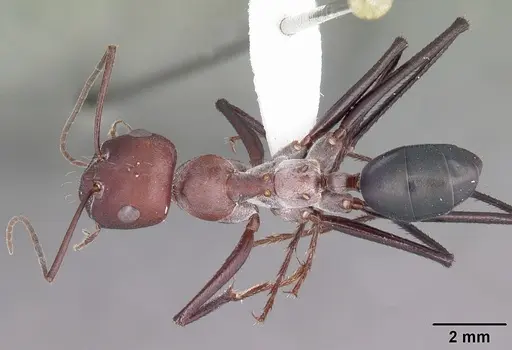
CASENT0179880
View on AntWeb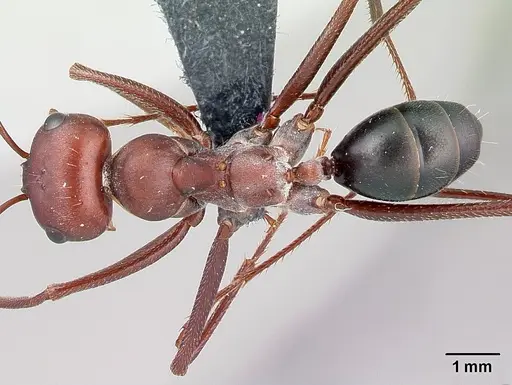
CASENT0249407
View on AntWeb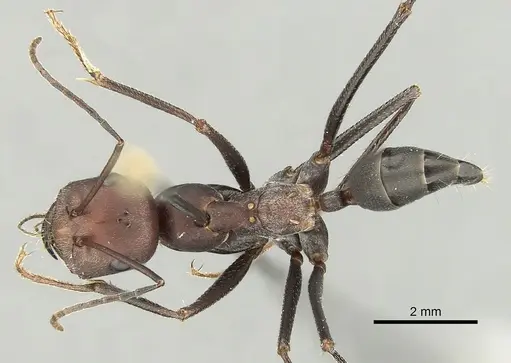
CASENT0264231
View on AntWeb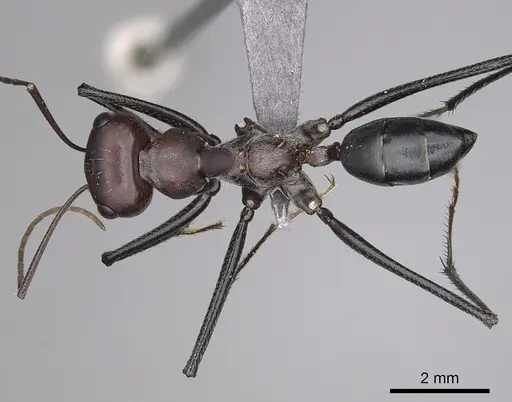
CASENT0903291
View on AntWeb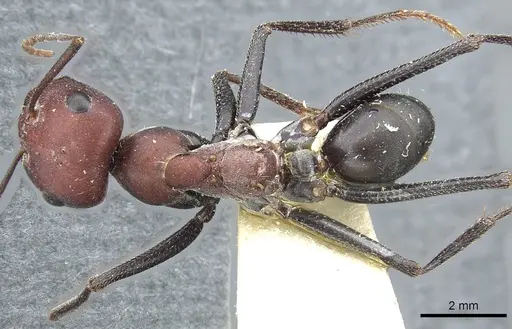


CASENT0905722
View on AntWeb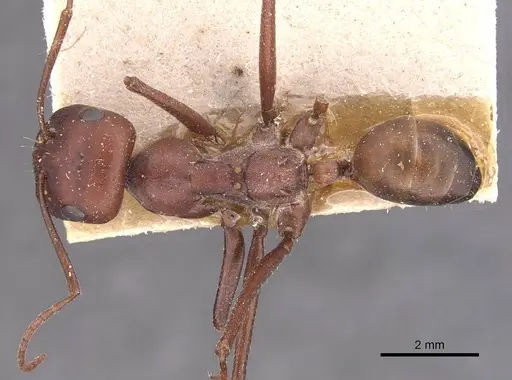
CASENT0906068
View on AntWeb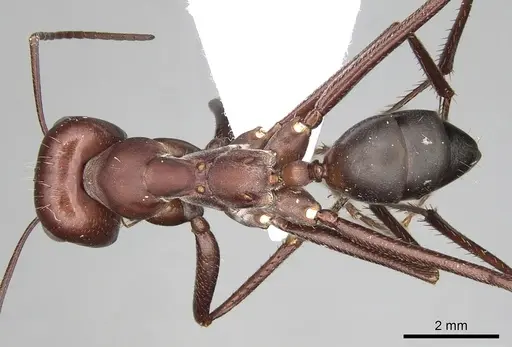
CASENT0906069
View on AntWeb
CASENT0911115
View on AntWeb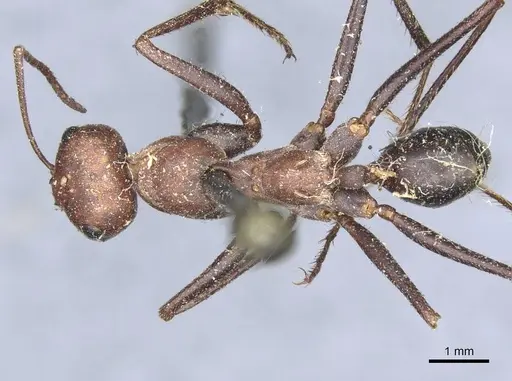

CASENT0911116
View on AntWeb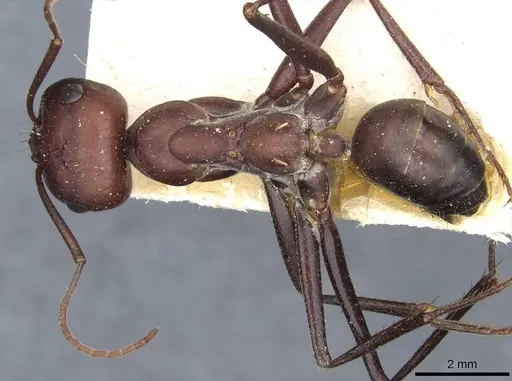

CASENT0912216
View on AntWeb
CASENT0912217
View on AntWeb
CASENT0912218
View on AntWeb

CASENT0912219
View on AntWeb
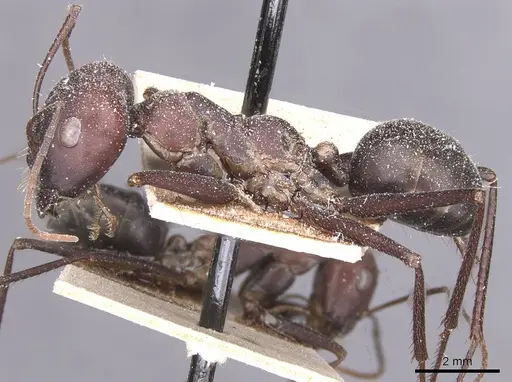
CASENT0912220
View on AntWeb
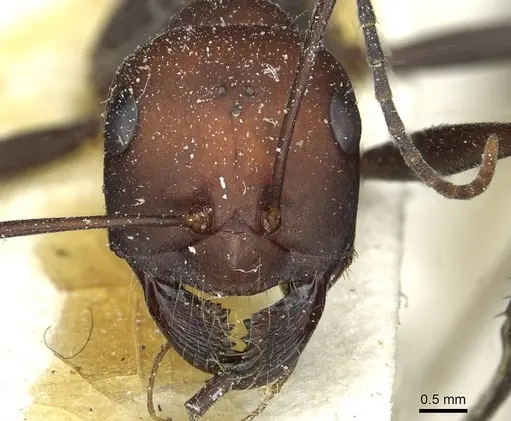

CASENT4031891
View on AntWeb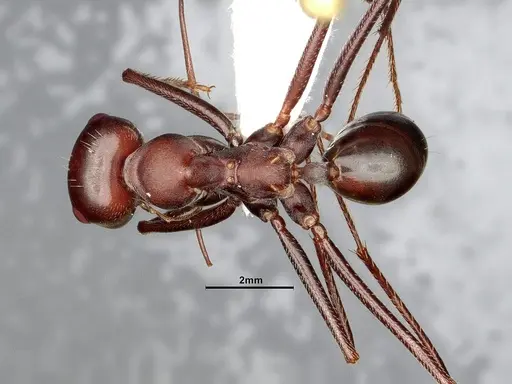
Literature
Loading...Loading products...