

Carebara vazimba
- Scientific Name
- Carebara vazimba
- Tribe
- Crematogastrini
- Subfamily
- Myrmicinae
- Author
- Azorsa & Fisher, 2018
- Distribution
- Found in 1 countries
Carebara vazimba Overview
Carebara vazimba is an ant species of the genus Carebara. It is primarily documented in 1 countries , including Madagascar. Detailed taxonomic data and occurrence records can be further explored via authoritative databases such as AntWeb or the Global Biodiversity Information Facility (GBIF).
Carebara vazimba
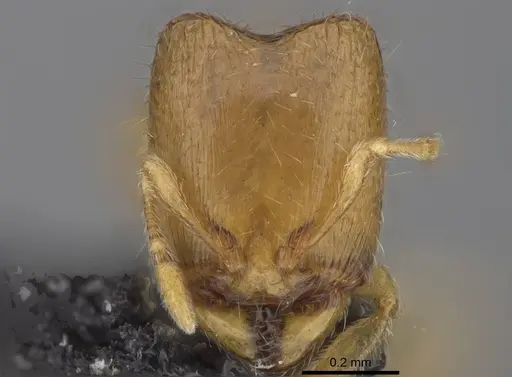
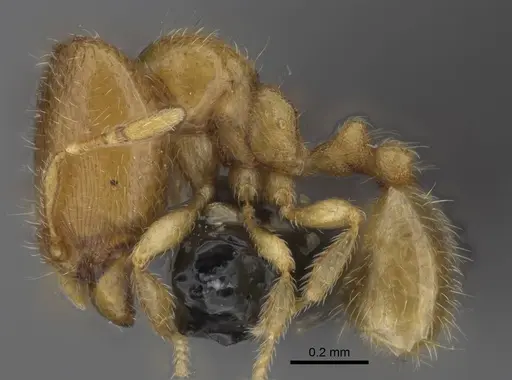
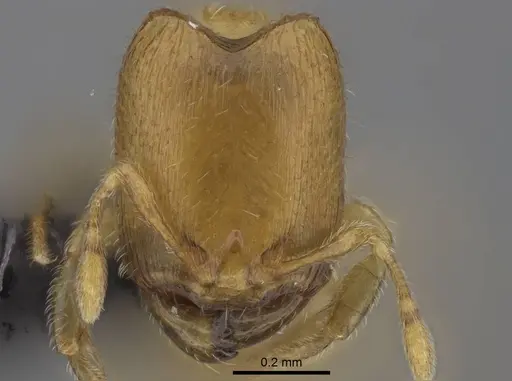
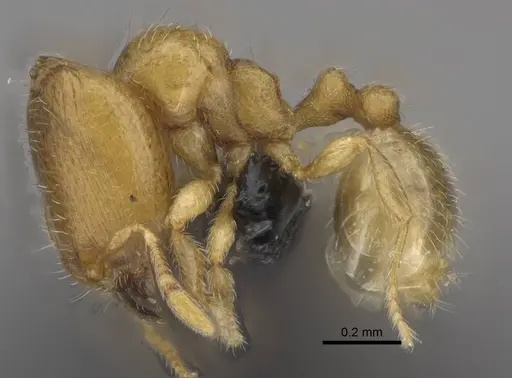
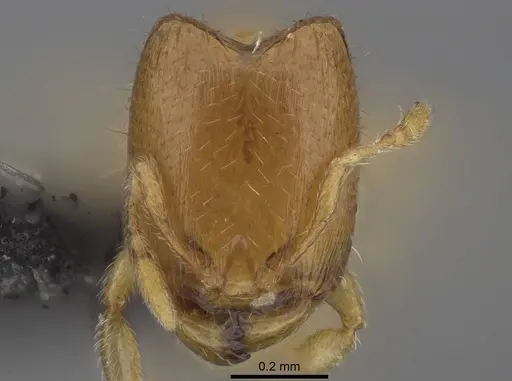
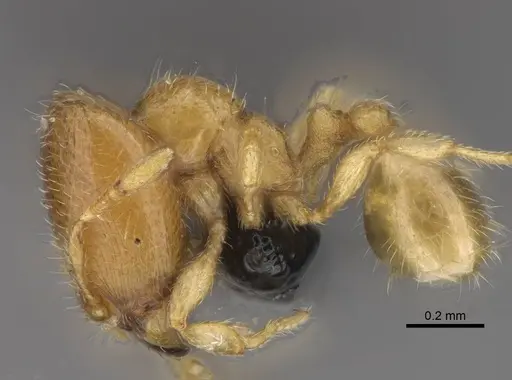
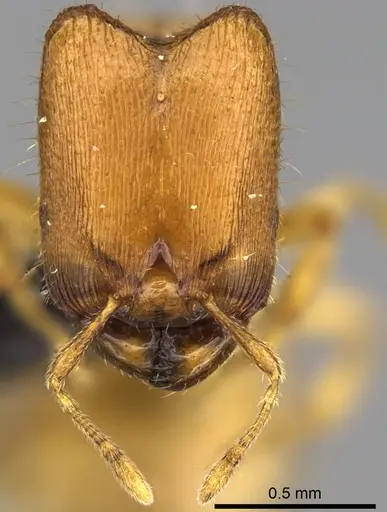
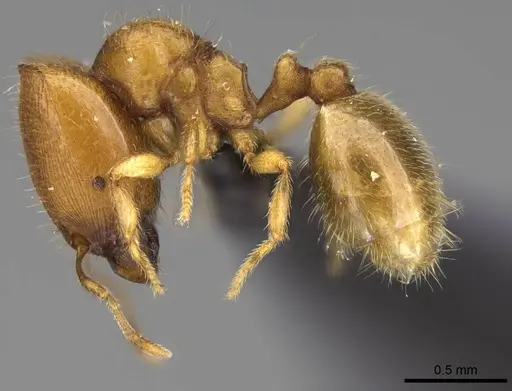
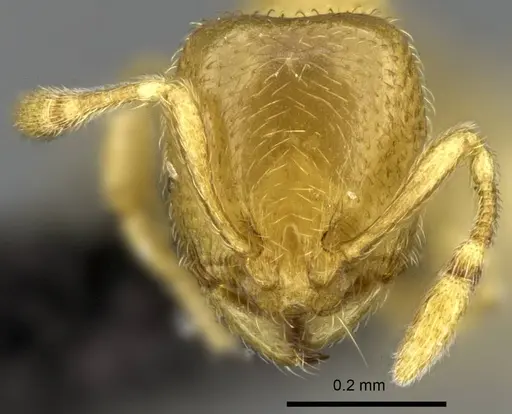
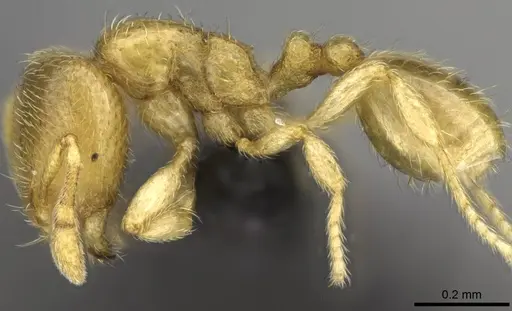
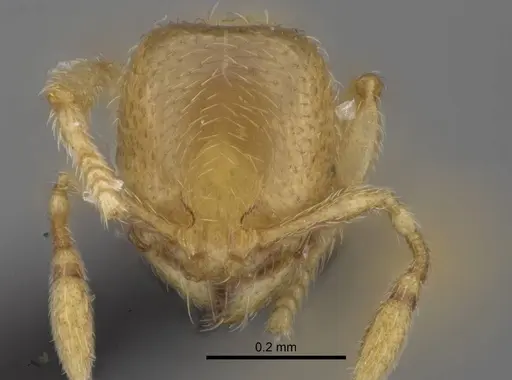
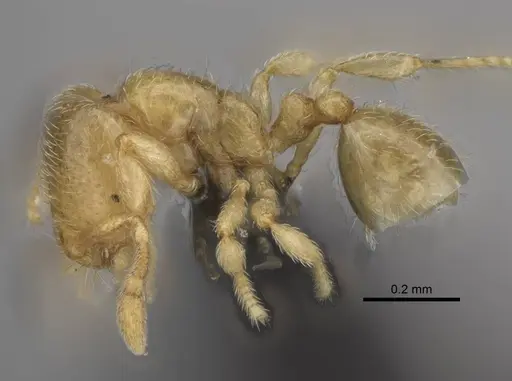
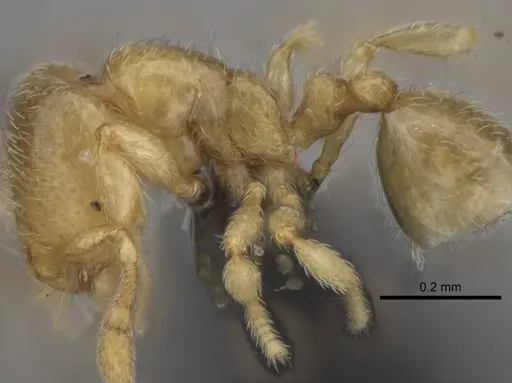
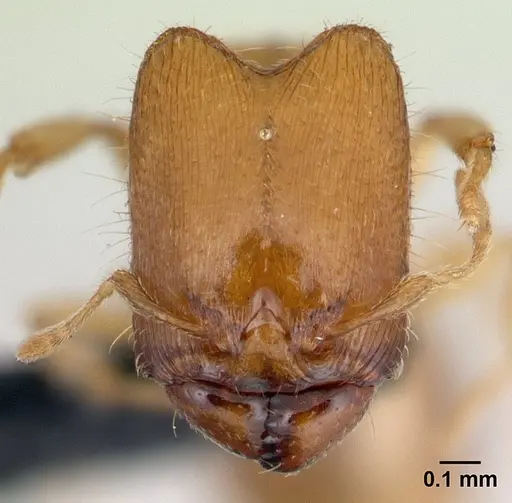
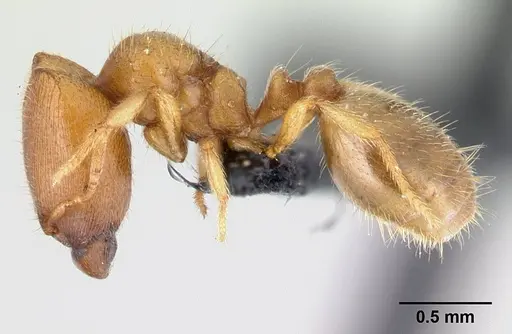
Carebara vazimba is a tiny ant species native to northern Madagascar. Major workers measure 0.64-1.02mm in head length, while minor workers are even smaller at 0.33-0.39mm [1]. The species has 10-segmented antennae and distinctive propodeal teeth that are shorter than the propodeal spiracle diameter, which helps distinguish it from the similar Carebara kabosy [1]. Workers are yellowish ferruginous in color and have been found in littoral rainforest and rainforest habitats at elevations of 10-240 meters [1]. This species was only recently described in 2018 and remains poorly studied in both the wild and captivity.
Quick Summary
- Difficulty: Unknown
- Origin & Habitat: Northern Madagascar, specifically found in littoral rainforest and rainforest at elevations of 10-240 meters [1]. In the wild, colonies were collected from rotten logs, leaf mold, and rotten wood using maxi-Winkler extraction methods [1].
- Colony Type: Colony structure is unconfirmed. No published data exists on queen number or colony size in the wild.
- Size & Growth:
- Queen: Unknown, not described in original species description
- Worker: Major workers: 0.64-1.02mm head length, Minor workers: 0.33-0.39mm head length [1]
- Colony: Unknown, no colony size data available
- Growth: Unknown
- Development: Unknown, no development data available for this species (Development timeline has not been studied. Related Carebara species typically develop from egg to worker in 4-8 weeks at tropical temperatures, but this is an estimate with low confidence.)
- Antkeeping:
- Temperature: Inferred: Based on their Madagascar rainforest habitat (tropical, sea level to 240m), they likely prefer warm conditions around 24-28°C. Start in this range and observe colony activity.
- Humidity: Inferred: Found in rotting wood and leaf litter in rainforest, suggesting they need high humidity. Keep nest substrate consistently moist but not waterlogged.
- Diapause: Unknown, tropical species may not require formal hibernation, but may have seasonal activity patterns
- Nesting: Inferred: Natural nesting in rotten logs and leaf mold suggests they prefer moist, wood-based substrates. A plaster nest or naturalistic setup with rotting wood pieces would likely suit them. Their tiny size means they need very small chambers and passages.
- Behavior: Behavior is unstudied in captivity. Based on genus patterns, they are likely cryptic forest-floor ants that nest in small cavities within rotting wood. Their tiny size makes them excellent escape artists, escape prevention must be excellent. They likely forage individually for small prey and may tend aphids for honeydew.
- Common Issues: no captive keeping data exists, this is one of the least-studied ant species in the hobby, tiny size means escapes are likely without fine mesh barriers, high humidity requirements can lead to mold problems if ventilation is poor, no established feeding protocols, diet acceptance is unknown, slow growth or failure to thrive is common with poorly-studied species
Species Discovery and Identification
Carebara vazimba was only described in 2018 by Azorsa and Fisher as part of a comprehensive taxonomic revision of the Carebara genus in Madagascar [1]. The species is known only from the northern region of Madagascar, specifically from littoral rainforest and rainforest habitats at elevations between 10 and 240 meters [1]. It can be distinguished from the similar Carebara kabosy by its shorter propodeal teeth, in C. vazimba the teeth are shorter than the propodeal spiracle diameter, while in C. kabosy they are slightly longer [1]. The species has a complex worker caste system with three intermediate forms between major and minor workers, with intermediate workers showing progressive development of eyes (from one ommatidium to up to 12) and the appearance of ocelli and reduced flight sclerites in the most developed intermediate form [1].
Natural Nesting Habitat
In the wild, Carebara vazimba has been collected from rotten logs, leaf mold, and rotten wood using maxi-Winkler traps [1]. This indicates they are cryptic forest-floor ants that nest in moist, decaying organic material rather than in soil or exposed locations. Their extremely small size (minor workers only 0.33-0.39mm) allows them to occupy very small cavities within these microhabitats. For captive keeping, this suggests they would do best in setups that replicate these conditions, highly humid environments with access to moist, wood-based materials. Plaster nests with small chambers or naturalistic setups with rotting wood pieces would be most appropriate.
Housing and Escape Prevention
Given their minute size (minor workers under 0.4mm), Carebara vazimba presents significant escape prevention challenges. Standard test tube setups may work for founding colonies, but all connections must be sealed with cotton or other barriers that the ants cannot penetrate. For larger colonies, any formicarium or outworld must have extremely fine mesh, standard ant mesh may still allow escapes. The recommended approach is to use small test tube setups for founding and early-stage colonies, with careful attention to sealing all potential gaps. Because they are so tiny, even brief escapes can result in lost colonies. [1]
Feeding and Nutrition
No published data exists on the diet of Carebara vazimba in captivity or in the wild. Based on typical Carebara genus behavior and their small size, they likely function as omnivorous foragers that consume small arthropods, honeydew, and possibly nectar. For captive feeding, start with small live prey items appropriate to their size, fruit flies, pinhead crickets, or other very small insects. Sugar water or honey may be accepted but should not be relied upon as a primary food source. Given their cryptic nesting habits, they may be shy feeders that prefer to consume prey within the nest rather than in open spaces. Offer small amounts of various foods and observe what is accepted.
Temperature and Humidity Requirements
Carebara vazimba originates from tropical rainforest in northern Madagascar at low elevations (10-240m), suggesting they prefer warm and humid conditions. Based on this habitat, aim for temperatures in the range of 24-28°C with high humidity. The humidity requirement is particularly important given their natural association with rotting wood and leaf litter, the nest substrate should remain consistently moist but never waterlogged. A heating cable on one side of the nest can help create a temperature gradient, but ensure the moisture level is maintained. Avoid temperature extremes or sudden changes, as this species has not been kept in captivity and its tolerance ranges are unknown. [1]
Current State of Knowledge
Carebara vazimba represents one of the least-studied ant species available in the ant-keeping hobby. First described in 2018,there is no published research on captive keeping, colony development, founding behavior, or any aspect of their biology beyond the original species description. This means all care recommendations must be considered educated guesses based on habitat data and genus-level patterns rather than established protocols. Success with this species will likely require careful experimentation and patience. Keepers should be prepared for slow progress and potential losses, especially when establishing founding colonies. This species is best suited for experienced antkeepers who enjoy the challenge of working with poorly-documented species and who can document their findings to contribute to collective knowledge. [1]
Frequently Asked Questions
How long does it take for Carebara vazimba to produce first workers?
The egg-to-worker development timeline is unknown for this species. Based on related Carebara species in tropical conditions, development likely takes 4-8 weeks, but this is an estimate with low confidence.
What do Carebara vazimba ants eat?
Diet is unconfirmed for this species. Based on genus patterns, they likely accept small live prey (fruit flies, tiny insects) and may consume sugar sources. Start with small live prey and sugar water, then observe what is accepted.
Are Carebara vazimba good for beginners?
This species is not recommended for beginners. It was only described in 2018 and has no established captive protocols. Their tiny size creates significant housing and escape prevention challenges, and there is no data on colony development or care requirements.
Do Carebara vazimba ants sting?
Stinging behavior is not documented for this species. Given their extremely small size (under 1mm), any sting would likely be imperceptible to humans.
What temperature should I keep Carebara vazimba at?
Based on their Madagascar rainforest habitat, aim for 24-28°C. Start in this range and adjust based on colony activity. Use a heating cable on one side of the nest to create a gentle gradient.
How big do Carebara vazimba colonies get?
Maximum colony size is unknown. No published data exists on wild colony sizes for this recently described species.
Can I keep multiple Carebara vazimba queens together?
Colony structure (monogyne vs polygyne) is unconfirmed for this species. No data exists on whether multiple queens can be kept together successfully.
What type of nest should I use for Carebara vazimba?
Based on their natural nesting in rotting wood and leaf litter, a plaster nest or naturalistic setup with small chambers and passages would be appropriate. Their tiny size means chambers must be very small. Keep substrate consistently moist.
Do Carebara vazimba need hibernation?
Diapause requirements are unknown. As a tropical species from low-elevation Madagascar, they likely do not require formal hibernation but may have seasonal activity patterns.
Why are my Carebara vazimba dying?
Without established protocols, colony losses are common. Potential issues include: incorrect humidity (too dry or too wet), temperature stress, escape-related losses, inadequate nutrition, or simply the challenges of working with an unstudied species. Document your conditions and experiment carefully.
References

This caresheet is licensed under CC BY-SA 4.0 .
CASENT0055521
View on AntWeb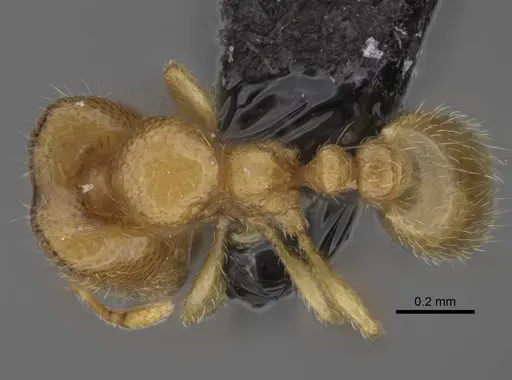
CASENT0055525
View on AntWeb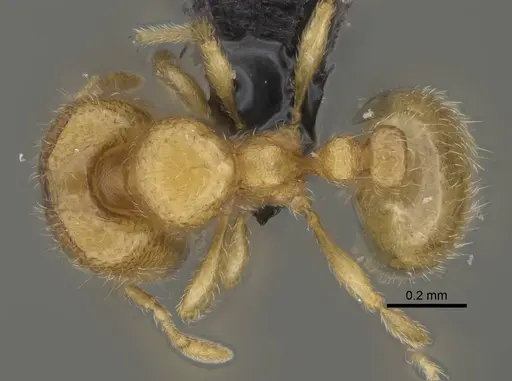
CASENT0055527
View on AntWeb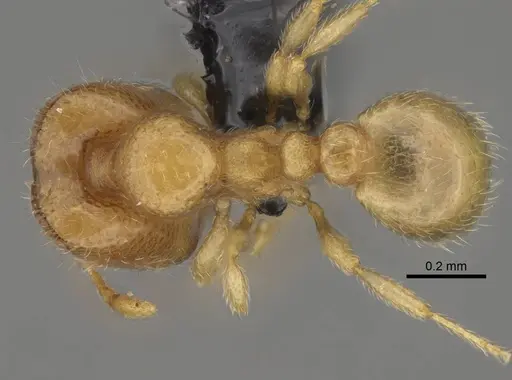
CASENT0055532
View on AntWeb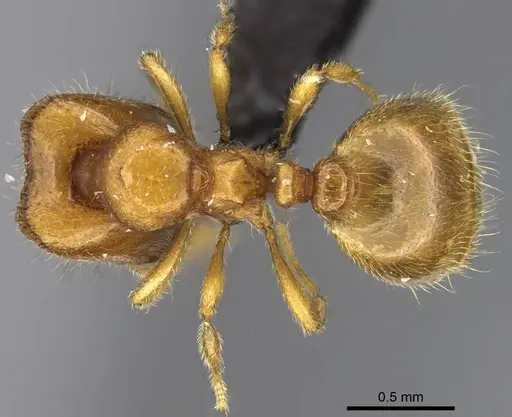
CASENT0055533
View on AntWeb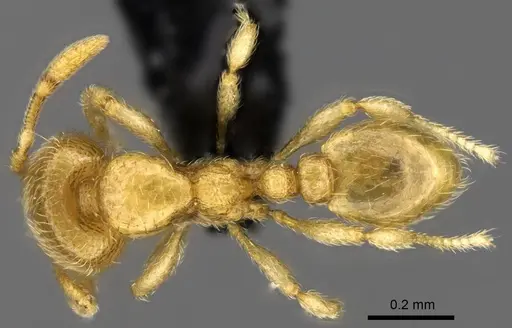
CASENT0055640
View on AntWeb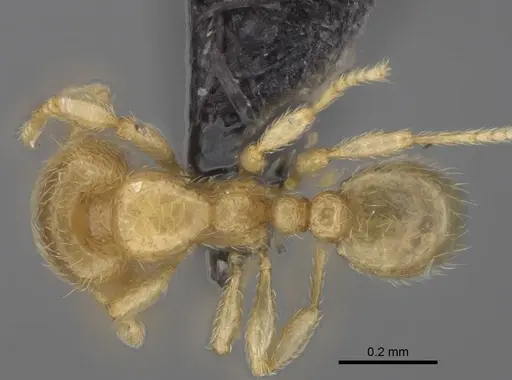
CASENT0110667
View on AntWeb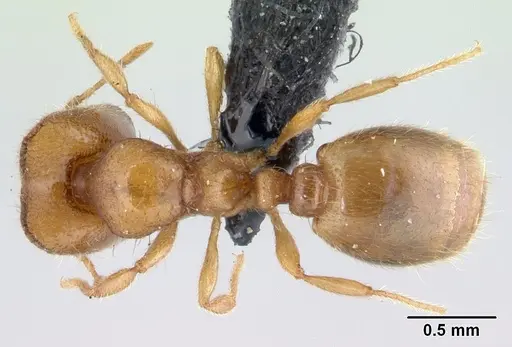
Literature
Loading...Loading products...