

Carebara kabosy
- Scientific Name
- Carebara kabosy
- Tribe
- Crematogastrini
- Subfamily
- Myrmicinae
- Author
- Azorsa & Fisher, 2018
- Distribution
- Found in 1 countries
Carebara kabosy Overview
Carebara kabosy is an ant species of the genus Carebara. It is primarily documented in 1 countries , including Madagascar. Detailed taxonomic data and occurrence records can be further explored via authoritative databases such as AntWeb or the Global Biodiversity Information Facility (GBIF).
Carebara kabosy
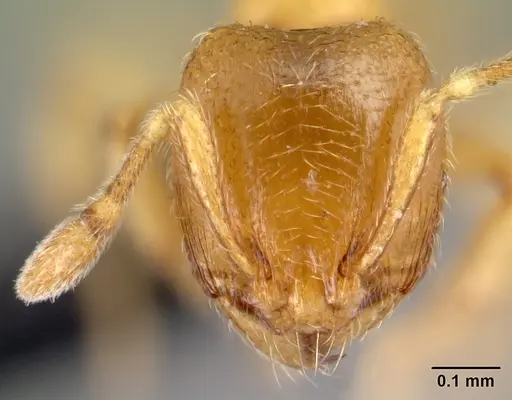
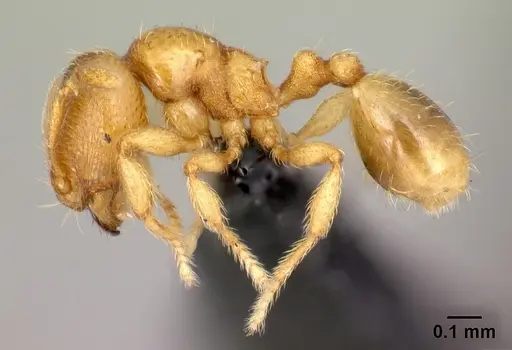
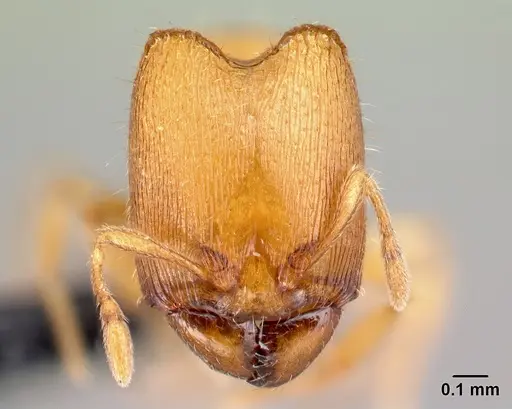
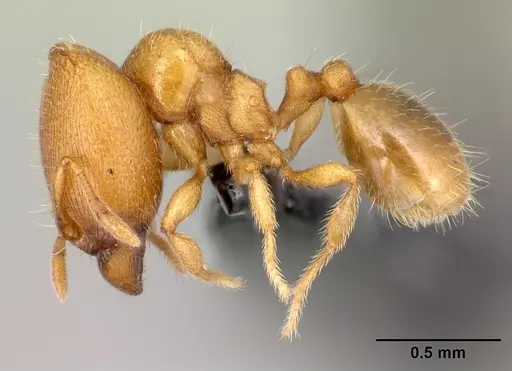
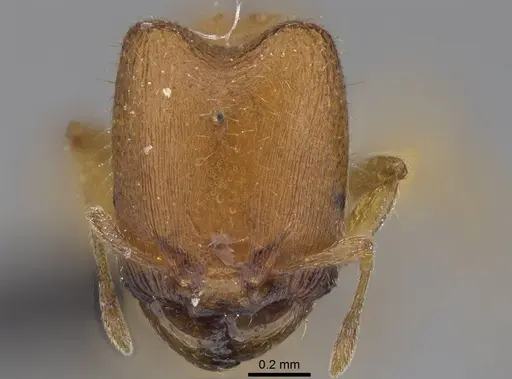
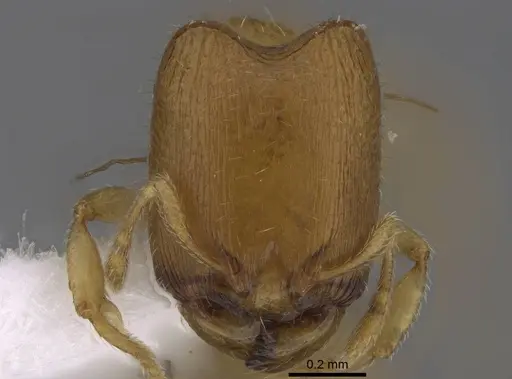
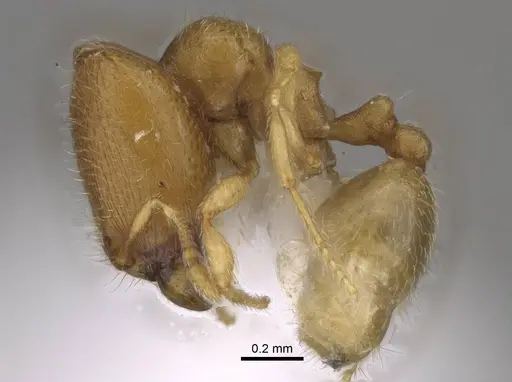
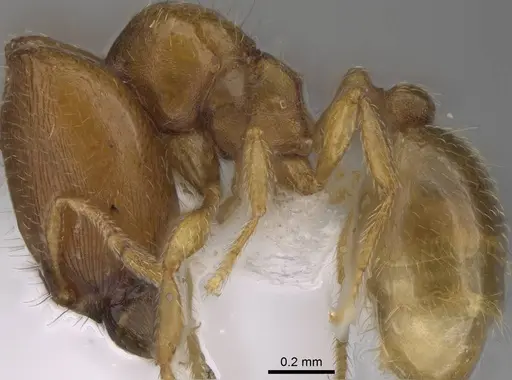
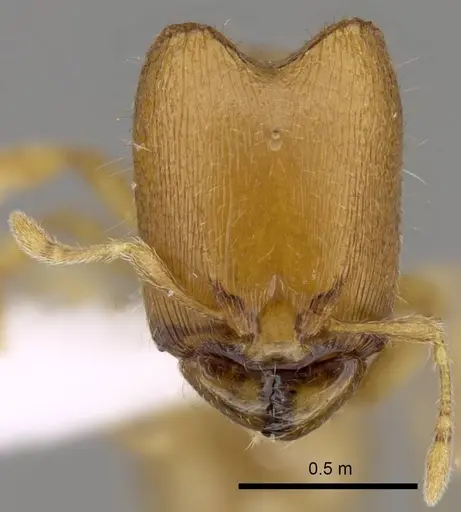
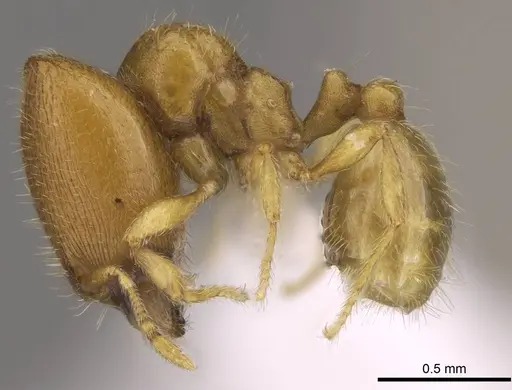
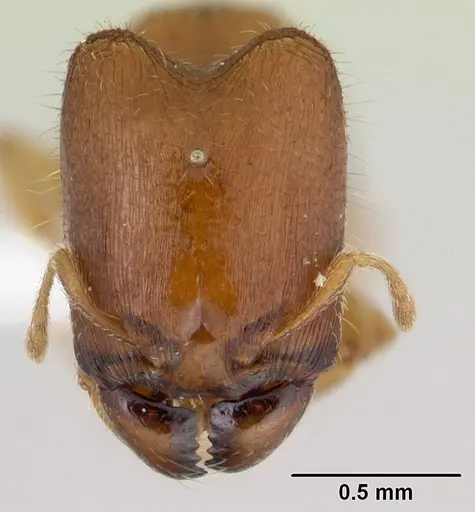
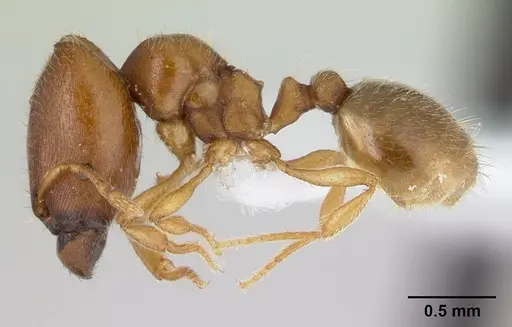
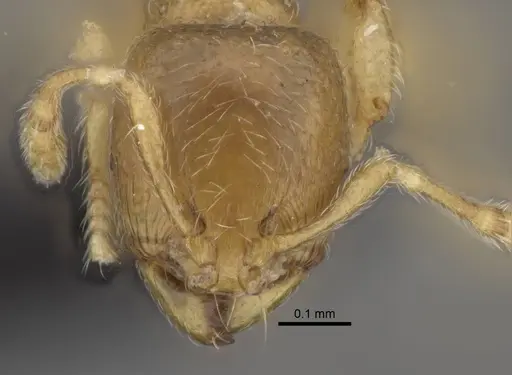
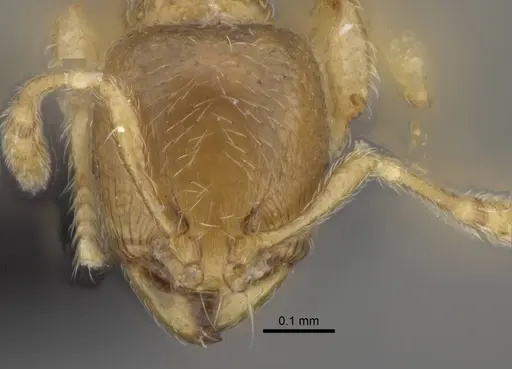
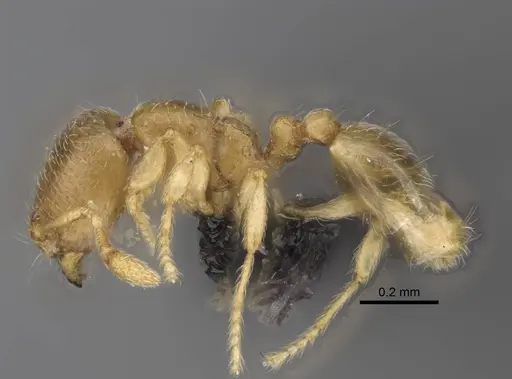
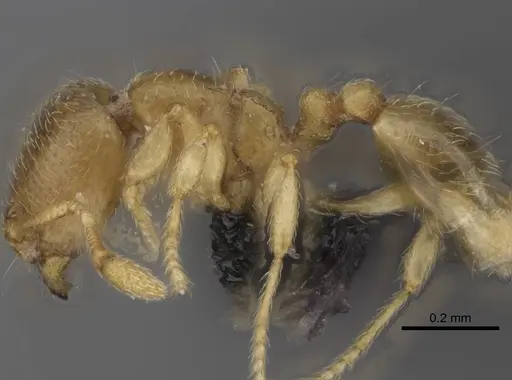
Carebara kabosy is a tiny ant species native to Madagascar, first described in 2018. Major workers measure 0.63-1.16mm in head length with a distinctive yellowish ferruginous coloration, while minor workers are even smaller at 0.35-0.44mm [1]. This species has a unique caste system with three intermediate subcastes between major and minor workers, intermediate 3 has rudimentary eyes with up to 20 ommatidia and even shows reduced flight sclerites, suggesting it may be a preparatory reproductive form [1]. They nest in forest floor microhabitats like rotten logs, leaf mold, and under stones across northern Madagascar [1].
Quick Summary
- Difficulty: Medium
- Origin & Habitat: Northern Madagascar including Montagne d'Ambre National Park. Found in montane forest, montane rainforest, rainforest, and tropical forest at elevations from 25m to 1325m [1].
- Colony Type: Unconfirmed. Based on typical Carebara patterns, likely single-queen (monogyne) colonies.
- Size & Growth:
- Queen: Unknown, not yet documented in scientific literature
- Worker: Major: 0.63-1.16mm head length, Minor: 0.35-0.44mm head length [1]
- Colony: Unknown, likely small to moderate based on worker size and typical Carebara colony sizes
- Growth: Unknown, likely moderate based on related species patterns
- Development: Unknown, estimated 6-10 weeks based on typical Myrmicinae development at tropical temperatures (No direct development data exists for this species. Estimates based on genus-level patterns for small tropical Myrmicinae.)
- Antkeeping:
- Temperature: Keep at 22-26°C. As a tropical forest species from Madagascar, they need warm, stable conditions. A gentle gradient allowing workers to self-regulate is ideal.
- Humidity: Keep substrate consistently moist but not waterlogged. In nature they live in rotting wood, leaf litter, and under stones in humid forest floors. Aim for 70-80% humidity in the nest area.
- Diapause: Unknown, likely no true diapause given Madagascar's tropical climate. May show reduced activity during cooler months.
- Nesting: Best kept in naturalistic setups with moist substrate or small acrylic/plaster nests. They naturally nest in rotting wood, leaf mold, and under stones, provide similar conditions with small chambers scaled to their tiny size.
- Behavior: These are tiny, cryptic ants that live in forest floor microhabitats. They are not aggressive and likely forage singly or in small groups for small prey and honeydew. Major workers have well-developed mandibles for defense, while minor workers are more numerous and handle most foraging. Escape prevention is critical due to their very small size, they can squeeze through tiny gaps. They are not known to sting and pose no danger to keepers.
- Common Issues: escape prevention is critical due to their tiny size, use fine mesh and tight-fitting barriers, slow colony growth can frustrate beginners, small colonies develop slowly, humidity control is challenging, too wet causes fungal issues, too dry causes desiccation, wild-caught colonies may have parasites that are difficult to detect, limited availability, this is a rarely kept species with little captive breeding
Housing and Nest Setup
Carebara kabosy is a tiny ant that requires careful housing choices. In the wild, they live in rotting logs, leaf litter, and under stones in humid forest environments. For captivity, small acrylic nests or naturalistic setups with moist substrate work best. The chambers should be small and tight-fitting, these ants are only 0.35-1.16mm so they can easily escape through gaps that would hold larger species. Use a test tube setup for founding colonies, then move to a small formicarium once the colony reaches 20-30 workers. Whatever nest type you choose, ensure it maintains high humidity without becoming waterlogged. A layer of moist substrate at the bottom helps maintain humidity. Escape prevention must be excellent, even small gaps in lids or tubing can allow escapes. [1]
Feeding and Diet
Based on typical Carebara feeding habits and their small size, these ants likely forage for tiny prey including springtails, micro-arthropods, and honeydew from aphids or scale insects. In captivity, offer small live prey like fruit flies, pinhead crickets, and micro worms. Sugar sources like diluted honey or sugar water may be accepted, though this is unconfirmed for this specific species. Feed protein sources 2-3 times per week and keep a sugar source available at all times. Remove uneaten prey after 24 hours to prevent mold issues in the humid environment they require.
Temperature and Humidity
As a tropical species from Madagascar's rainforests, Carebara kabosy needs warm and humid conditions. Keep the nest area at 22-26°C, use a heating cable on one side of the nest to create a gentle gradient if your room temperature is below this range. Place the heating on top of the nest, not underneath, to avoid evaporating moisture too quickly. Humidity should be high, around 70-80%, which you can achieve by keeping the substrate moist and using a water reservoir. Mist occasionally but rely more on substrate moisture than misting. Good ventilation is essential to prevent mold while maintaining humidity, avoid both stagnant air and excessive airflow that dries them out. [1]
Colony Development
This species has a fascinating caste system with three intermediate subcastes between major and minor workers, a rare trait among ants [1]. The colony likely starts with a single queen (if monogyne, as suspected) who seals herself in a chamber and raises the first brood alone. First workers (nanitics) will be smaller than normal workers. Development time is unknown but likely 6-10 weeks from egg to worker based on related Myrmicinae species. Growth rate is probably moderate, don't expect rapid expansion. Colonies may remain small (under a few hundred workers) given their tiny size and the typical colony sizes of Carebara species. Be patient with founding colonies, they can take months to establish and begin growing steadily.
Behavior and Temperament
These are cryptic, forest-floor ants that avoid light and prefer dark, humid microhabitats. Workers are tiny and likely forage singly or in small groups rather than forming large foraging trails. Major workers have larger mandibles and likely handle colony defense and processing larger prey, while minor workers are more numerous and handle most daily tasks. They are not aggressive toward keepers and cannot sting effectively. However, their small size makes them excellent escape artists, always use fine mesh barriers and check for gaps in your setup. They are secretive and will remain hidden in the nest most of time, making them a 'watching' ant rather than an interactive one. [1]
Frequently Asked Questions
How long does it take for Carebara kabosy to produce first workers?
The exact timeline is unknown, but based on typical Myrmicinae development, expect 6-10 weeks from egg to first worker at optimal temperature (22-26°C). Founding colonies can be slow to establish, be patient.
What do Carebara kabosy ants eat?
Based on typical Carebara feeding habits, they likely accept small live prey like fruit flies, micro crickets, and springtails. Sugar sources like honey water may also be accepted. Offer protein 2-3 times weekly and keep sugar water available.
Are Carebara kabosy ants dangerous?
No, these tiny ants pose no danger to keepers. They are not aggressive and their small size means they cannot effectively sting or bite humans.
How big do Carebara kabosy colonies get?
Colony size is unknown but likely remains small, probably under 500 workers given their tiny size and typical Carebara colony growth patterns.
Do Carebara kabosy ants need hibernation?
Probably not. As a tropical species from Madagascar, they likely do not require a diapause period. However, they may show reduced activity during cooler months.
Can I keep multiple Carebara kabosy queens together?
This has not been documented. Based on typical Carebara patterns, they likely form single-queen colonies. Combining unrelated queens is not recommended without evidence they can coexist.
What temperature do Carebara kabosy ants need?
Keep them at 22-26°C. As a tropical forest species from Madagascar, they need warm, stable conditions. A gentle temperature gradient allows them to self-regulate.
Why are my Carebara kabosy ants dying?
Common causes include: escape due to inadequate barriers (they are tiny), humidity issues (too dry causes desiccation, too wet causes mold), temperature stress (too cold slows development), and parasites from wild-caught colonies. Ensure excellent escape prevention and proper humidity levels.
Are Carebara kabosy good for beginners?
This species is rated Medium difficulty. While not aggressive, their tiny size makes escape prevention challenging and they require specific humidity and temperature conditions. They are also rarely available in the antkeeping hobby.
When should I move Carebara kabosy to a formicarium?
Wait until the colony has at least 20-30 workers and is actively using the test tube space. Moving too early can stress the queen. Use a small formicarium or naturalistic setup with small chambers scaled to their tiny size.
References

This caresheet is licensed under CC BY-SA 4.0 .
CASENT0042418
View on AntWeb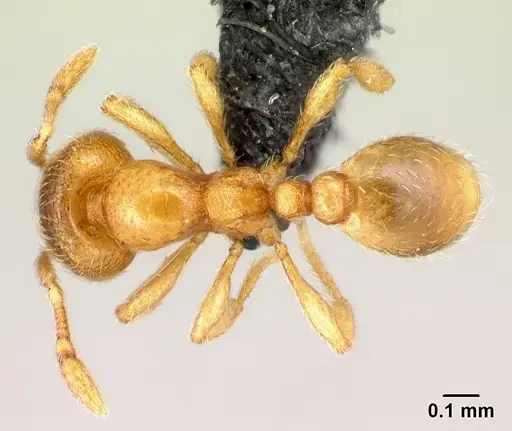
CASENT0042428
View on AntWeb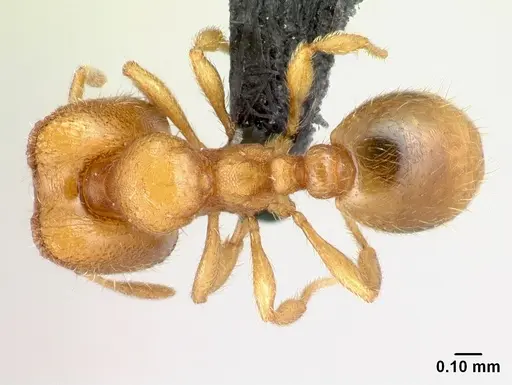
CASENT0134080
View on AntWeb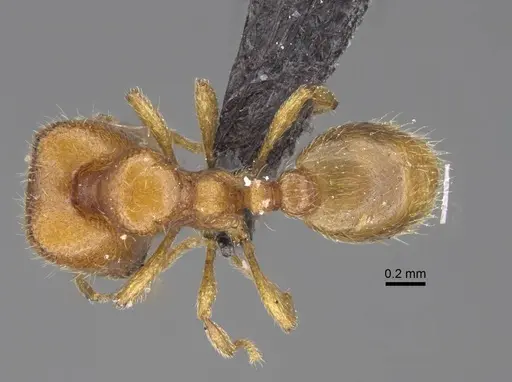
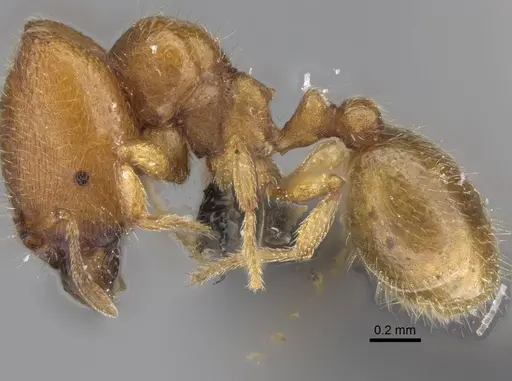
CASENT0134488
View on AntWeb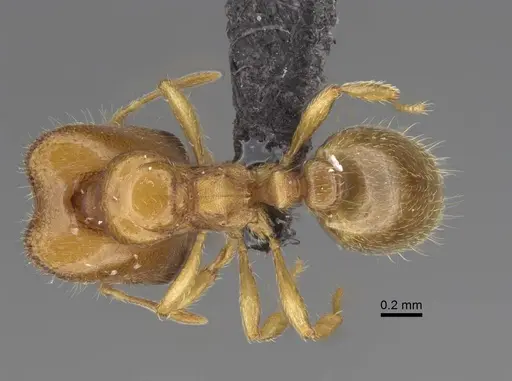
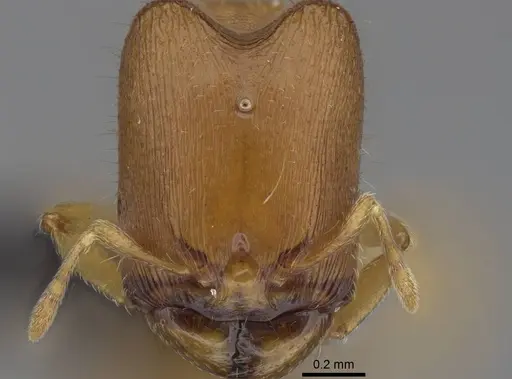
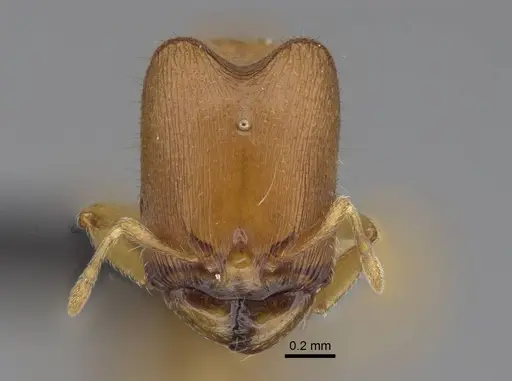
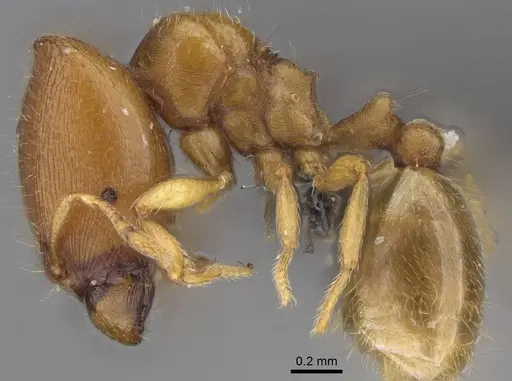
CASENT0134489
View on AntWeb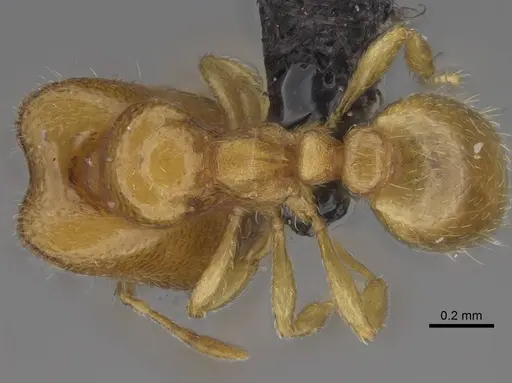
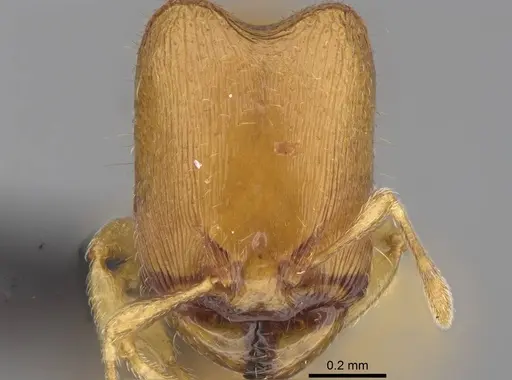
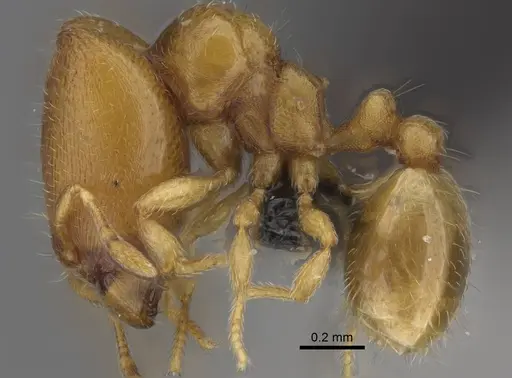
CASENT0437723
View on AntWeb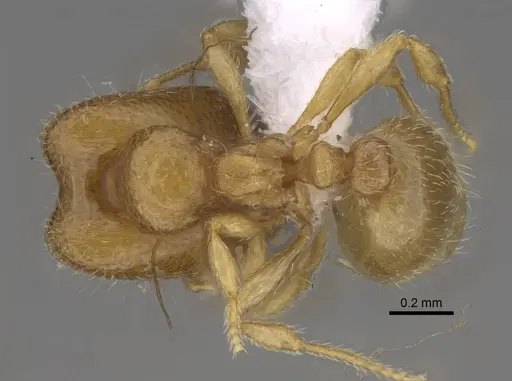
CASENT0437739
View on AntWeb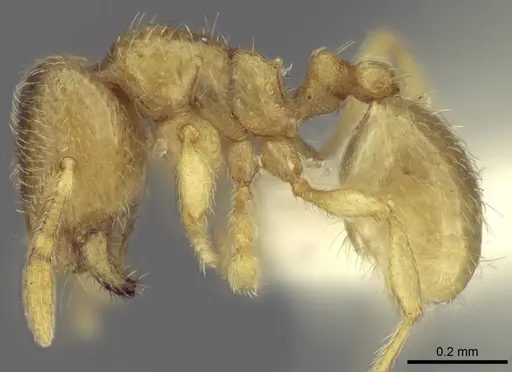
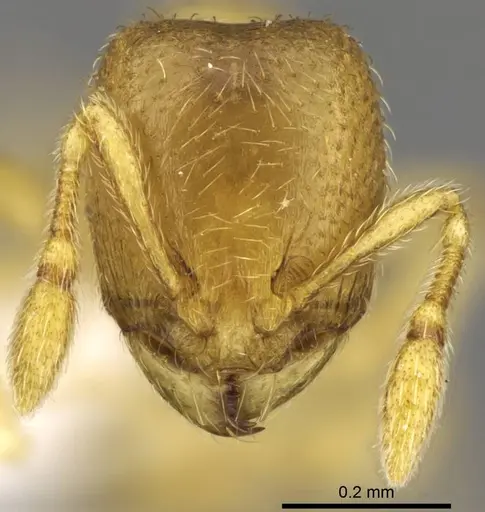
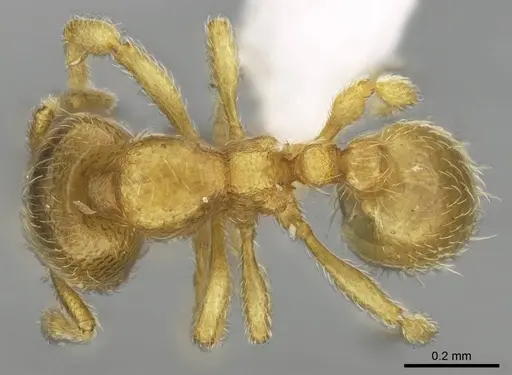
CASENT0437999
View on AntWeb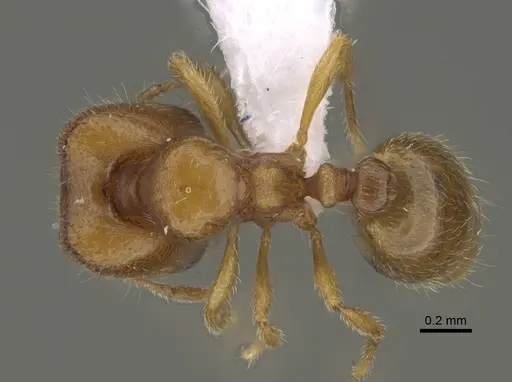
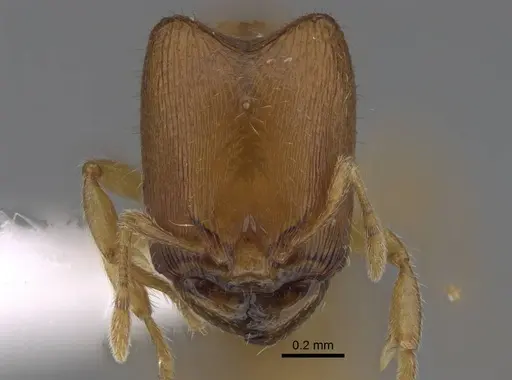
CASENT0438062
View on AntWeb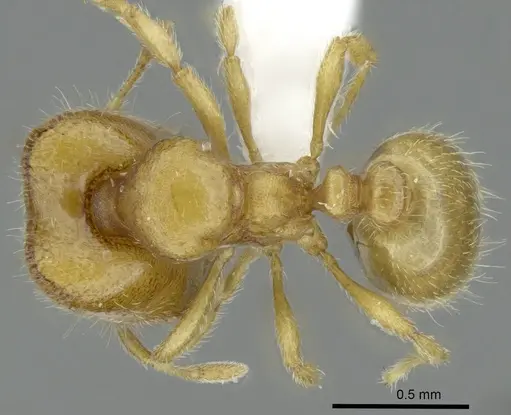
CASENT0439952
View on AntWeb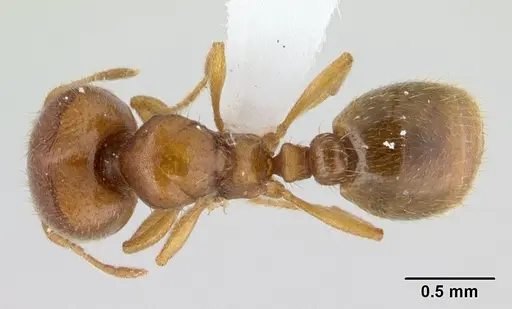
CASENT0463766
View on AntWeb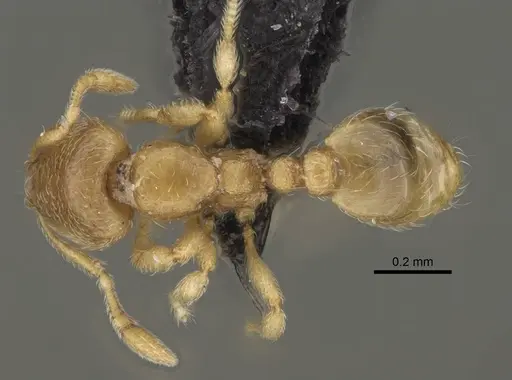
Literature
Loading...Loading products...