

Carebara sangi
- Scientific Name
- Carebara sangi
- Tribe
- Crematogastrini
- Subfamily
- Myrmicinae
- Author
- Eguchi & Bui, 2007
- Distribution
- Found in 1 countries
Carebara sangi Overview
Carebara sangi is an ant species of the genus Carebara. It is primarily documented in 1 countries , including Viet Nam. Detailed taxonomic data and occurrence records can be further explored via authoritative databases such as AntWeb or the Global Biodiversity Information Facility (GBIF).
Carebara sangi
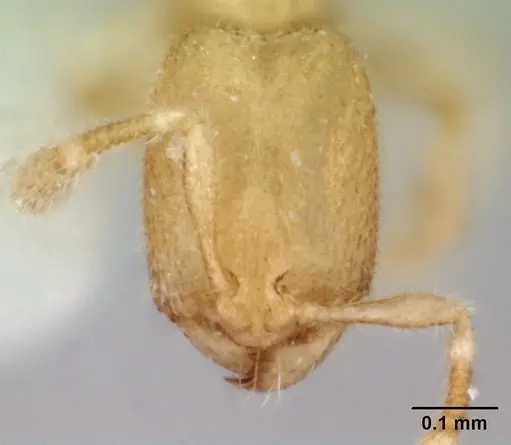
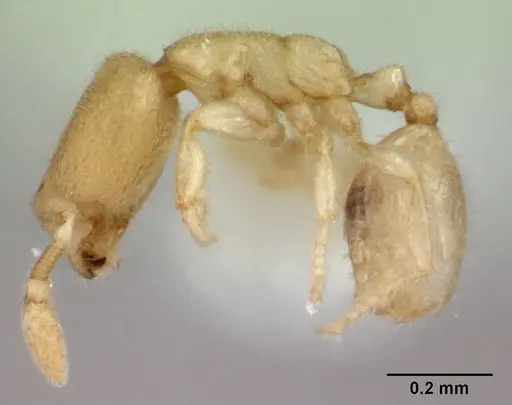
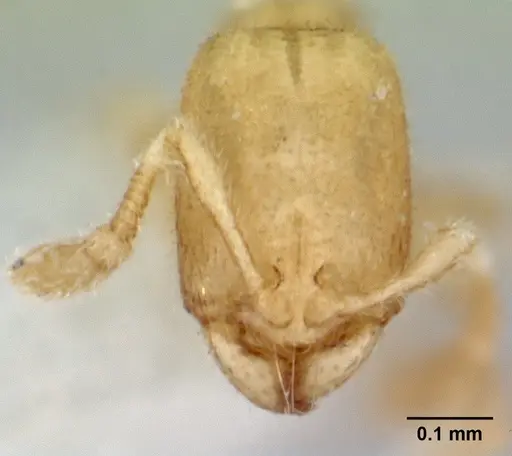
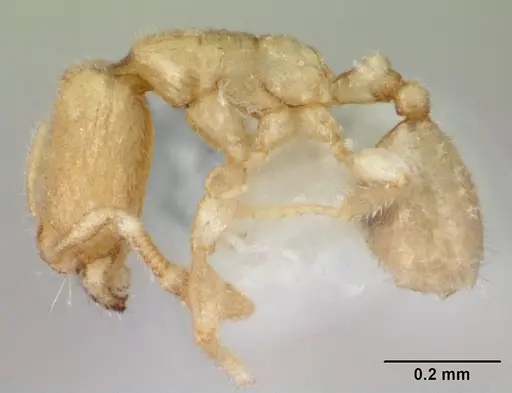
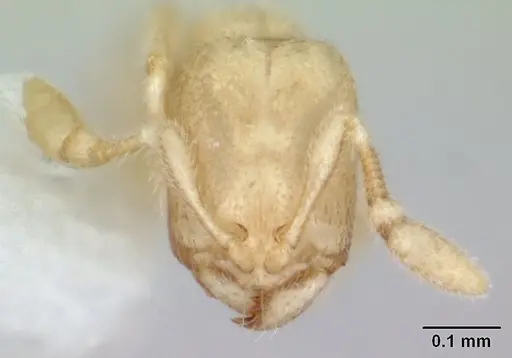
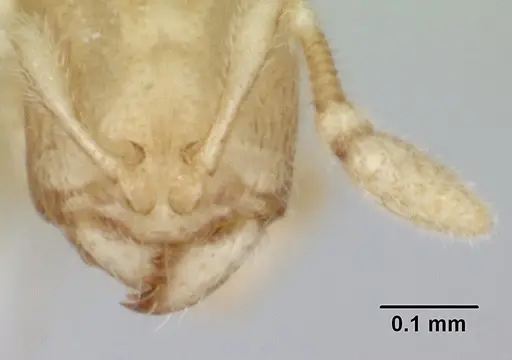
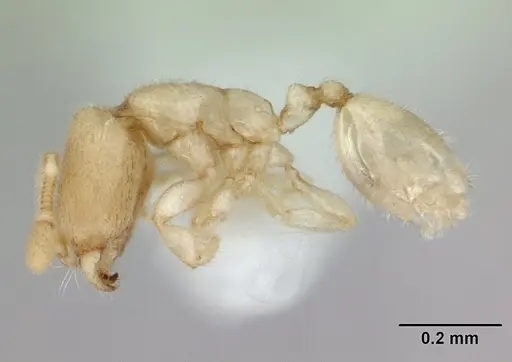
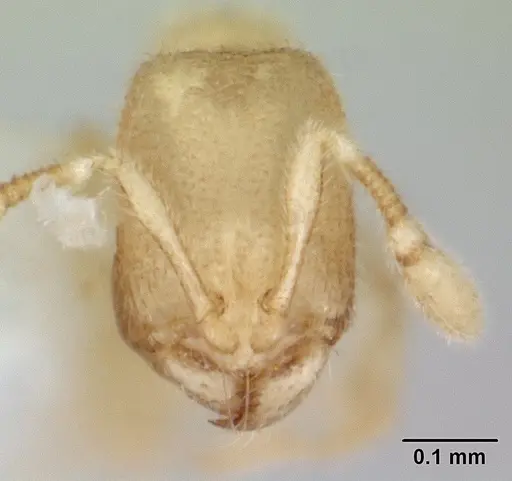
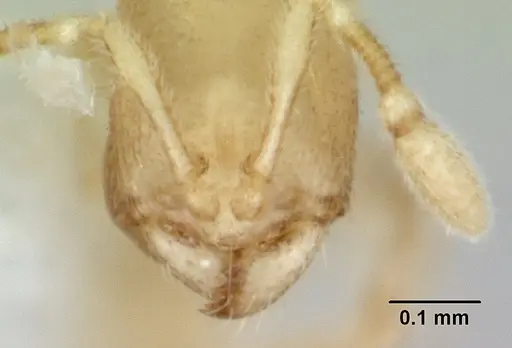
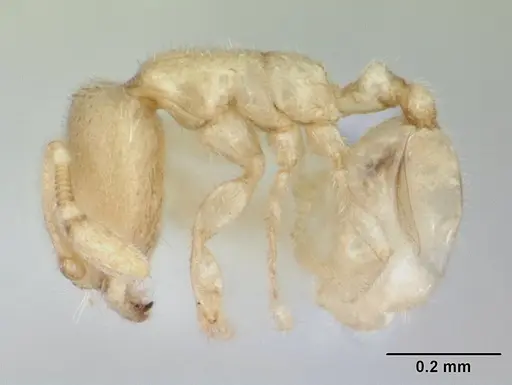
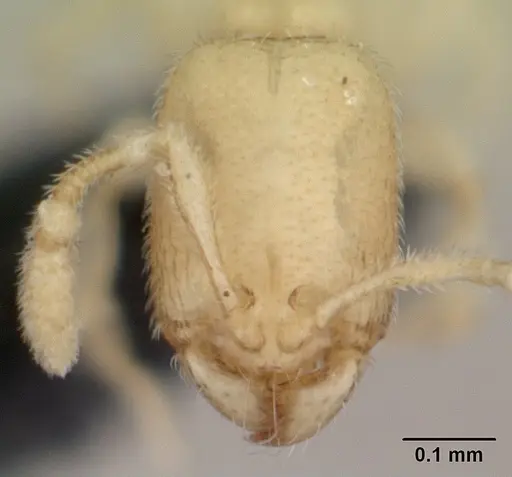
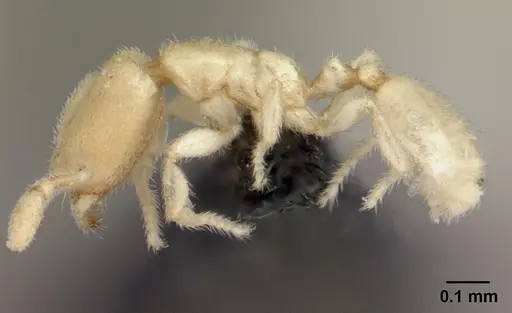
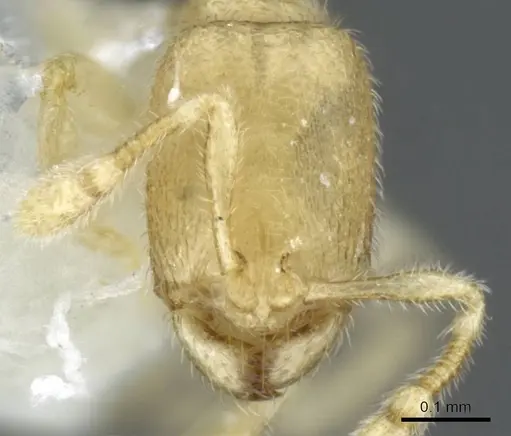
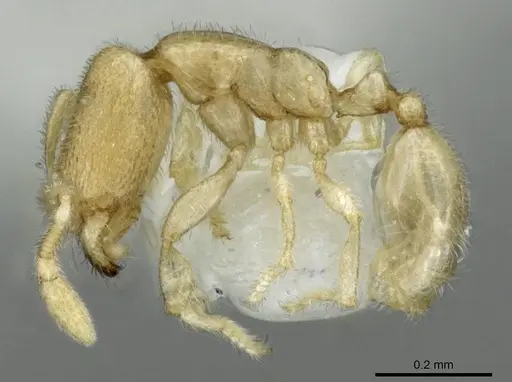
Carebara sangi is an extremely tiny subterranean ant species from northern Vietnam. Workers measure just 0.37mm in head length, making them among the smallest ants you could keep. They are completely eyeless with a pale yellowish-brown, depigmented body and a remarkably flat profile, all adaptations to their life underground where light never reaches. The antennae have 11 segments with a 2-segmented club, and the sting is poorly developed. This species was originally described in its own genus Parvimyrma in 2007,but was later transferred to Carebara in 2010 when it was recognized as part of the lignata species group. The only known wild colony was collected from a cheese bait trap buried 10cm underground in a well-developed forest at 435m altitude in Tay Yen Tu National Park.
Quick Summary
- Difficulty: Expert
- Origin & Habitat: Northern Vietnam (Tay Yen Tu National Park, Bac Giang Province) in well-developed forest at approximately 435m altitude. The species is subterranean, living and foraging underground in soil [1][2].
- Colony Type: Colony structure is unconfirmed. Only one wild colony has ever been documented (the type series of 44 workers from colony Eg04-VN-138) [1]. Like other Carebara species, they may be single-queen colonies, but this has not been studied.
- Size & Growth:
- Queen: Unknown, queens have never been documented or described [1].
- Worker: 0.37mm head length, approximately 0.4-0.5mm total length [1]. This is one of the smallest ant species known.
- Colony: Unknown, only 44 workers were collected from the type colony [1]. Based on related Carebara species, colonies likely reach dozens to low hundreds of workers.
- Growth: Unknown, no captive colonies have been established to observe development.
- Development: Unknown, this species has never been successfully kept or bred in captivity. (No captive breeding data exists. Development timeline cannot be estimated from related species due to lack of research on Carebara founding.)
- Antkeeping:
- Temperature: Likely 22-28°C based on the tropical forest environment of northern Vietnam. No specific research exists, start around 24°C and observe colony behavior.
- Humidity: Likely requires high humidity consistent with subterranean life in a forest floor environment. Keep the nest substrate consistently moist but not waterlogged.
- Diapause: Unknown, no data on overwintering requirements. Northern Vietnam experiences cool winters, so some seasonal dormancy may occur.
- Nesting: Must provide deep, dark nesting environment. In nature they nest underground at around 10cm depth. Test tubes with soil or a deeply-filled naturalistic setup would best replicate their natural conditions. They avoid light and are completely eyeless.
- Behavior: Completely subterranean and likely photophobic. Workers are tiny, slow-moving, and forage through soil rather than on open surfaces. They have no eyes and navigate using chemical cues. The sting is poorly developed, so they pose no threat to keepers. Their small size and blind nature mean they are not aggressive foragers and will likely avoid confrontation. Escape risk is minimal since they cannot see gaps and prefer confined spaces, however, their tiny size means they could potentially squeeze through very small openings.
- Common Issues: this species has never been kept in captivity, there is no established care protocol, queens have never been documented, making colony founding impossible for keepers, the type colony was collected using underground bait traps, indicating they rarely come to the surface, extreme tiny size makes them difficult to observe and care for properly, no information exists on what they eat or how to feed them in captivity, subterranean lifestyle may make them nearly impossible to maintain in standard formicaria
Why This Species Is So Challenging
Carebara sangi represents one of the most difficult ant species to keep because almost nothing is known about its biology. This species was only described in 2007 and has never been found again in the wild since the original type collection. No queens have ever been documented, only workers from a single colony. This means there is no established captive breeding protocol, no known diet, no documented development timeline, and no information about what conditions these ants need to survive. They are completely adapted to life underground in complete darkness, making them fundamentally different from most ants kept in captivity. Unless you have access to wild-caught colonies from Vietnam (which would require significant effort and permits), this species is essentially unavailable to antkeepers and remains a scientific curiosity rather than a viable captive species. [1][2]
Natural History and Biology
What we know about Carebara sangi comes entirely from the original 2007 description based on 44 workers collected from a single colony in Tay Yen Tu National Park, Vietnam. The ants were collected using cheese bait traps buried approximately 10cm underground in a well-developed forest at 435m altitude. The researchers noted several morphological adaptations that confirm a subterranean lifestyle: complete absence of eyes, extreme depigmentation (pale yellowish-brown color), and a remarkably flat body profile. These are classic traits of ants that live and forage entirely underground where light never penetrates. The colony was collected in May 2004,suggesting this is when the species is active. Northern Vietnam has a tropical monsoon climate with distinct wet and dry seasons, and the ants were found during the late spring season. [1][2]
Morphology and Identification
Carebara sangi workers are among the smallest ants in the world, measuring just 0.37mm in head length with a total length of approximately 0.4-0.5mm. They are monomorphic, meaning all workers look the same size. The most distinctive features are the complete absence of eyes, pale yellowish-brown coloration, and extremely flat body. The antennae have 11 segments with a 2-segmented club at the tip. The mandibles have 5 distinct teeth. The propodeum (the rear portion of the mesosoma) is unarmed, it has no spines or teeth. The petiole is pedunculate with a distinct node. The sting is poorly developed, meaning they cannot sting effectively. The body is smooth to very weakly sculptured, lacking the heavy ridges or spines common in many ants. These ants belong to the Carebara lignata species group. [1]
Distribution and Habitat
Carebara sangi is known only from northern Vietnam. The type locality is Tay Yen Tu National Park in Bac Giang Province, at coordinates 21°10'11"N,106°43'06"E, at approximately 435m altitude. A 2021 study recorded the species in Macao, representing the first record for that region and suggesting the species may have a wider distribution than initially thought, or was simply overlooked due to its subterranean habits. The species appears to be a lowland to mid-elevation forest dweller that lives entirely underground. The forest type at the type locality is described as 'well-developed', a mature tropical forest with closed canopy. [1][2]
Related Species and Carebara Genus
Carebara is a large genus of tiny ants found throughout the tropics and subtropics worldwide. The genus was recently revised, and the species originally placed in Parvimyrma (including C. sangi) was transferred to Carebara in 2010. Within Carebara, C. sangi belongs to the lignata species group. Other Carebara species are known to be generalist scavengers and predators, often foraging in leaf litter and soil. Many Carebara species have specialized relationships with other ants or are known as host species for social parasites. However, C. sangi is so rare and poorly studied that no information exists about its relationships with other species. The genus Carebara includes some of the world's smallest ants, and several species are known for their subterranean lifestyles.
Frequently Asked Questions
Can I keep Carebara sangi ants as a pet?
No, this species is essentially unavailable to antkeepers. Queens have never been documented or described, meaning no one has ever successfully founded a colony. The only known specimens are 44 workers collected from a single wild colony in Vietnam in 2004. Unless you can obtain a permit to collect in Vietnam and locate this extremely rare subterranean species, keeping this ant is not possible.
What do Carebara sangi eat?
Unknown, no feeding observations have ever been documented for this species. Based on related Carebara species, they likely scavenge for small organic particles and may hunt micro-arthropods in soil, but this is entirely speculative. There is no captive diet information available.
How big do Carebara sangi colonies get?
Unknown, only 44 workers were ever collected from the single known wild colony. The maximum colony size is not documented. Related Carebara species typically reach dozens to hundreds of workers, but C. sangi may be different.
Do Carebara sangi ants sting?
No, the sting is poorly developed according to the original description. Combined with their tiny size, they would be completely harmless to humans. However, they are also nearly impossible to see without magnification.
Are Carebara sangi good for beginners?
No, this species is not only unavailable but would be extremely challenging even for expert antkeepers. They require complete darkness, deep nesting, and have unknown humidity and temperature requirements. There is no established care protocol for this species.
Where does Carebara sangi live?
Only in northern Vietnam (Tay Yen Tu National Park) and possibly Macao. They live entirely underground at approximately 10cm depth in well-developed tropical forests. They are completely eyeless and depigmented, classic adaptations for a subterranean lifestyle.
How do I set up a nest for Carebara sangi?
No one knows, this species has never been kept in captivity. However, based on their natural history, you would need to provide a deep, dark, humid environment with soil or a similar substrate. Standard formicaria would likely be unsuitable. Test tubes filled with moist soil and kept in complete darkness might be the best approach if you ever obtain a colony.
Do Carebara sangi need hibernation?
Unknown, no data exists on their seasonal requirements. Northern Vietnam does experience a cool winter season, so some form of seasonal dormancy may occur, but this has not been studied.
Why does Carebara sangi have no eyes?
They are completely adapted to life underground where there is no light. Eyes are useless in this environment and would be a waste of energy to develop. Complete eyelessness (anophthalmia) and depigmentation are classic traits of subterranean ant species.
Has anyone successfully bred Carebara sangi in captivity?
No, there are no records of this species ever being kept in captivity. The species was described in 2007 and has only been found once in the wild. Without documented queens, colony founding is impossible. This remains a scientific curiosity rather than a captive species.
References

This caresheet is licensed under CC BY-SA 4.0 .
CASENT0178556
View on AntWeb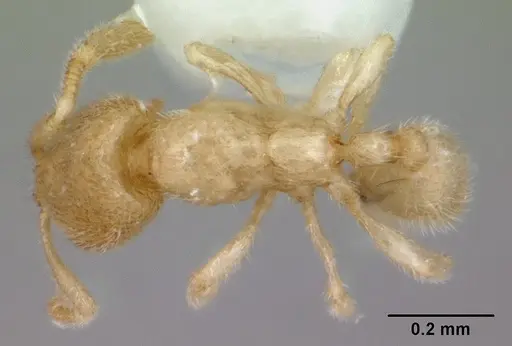
CASENT0178557
View on AntWeb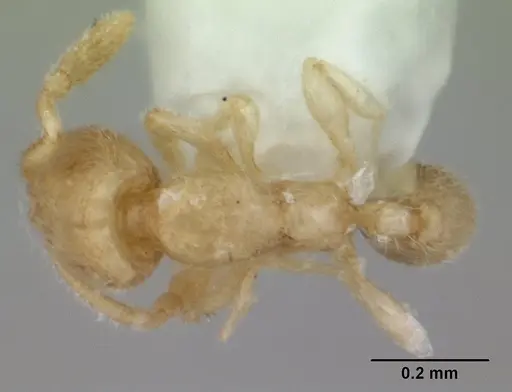
CASENT0178738
View on AntWeb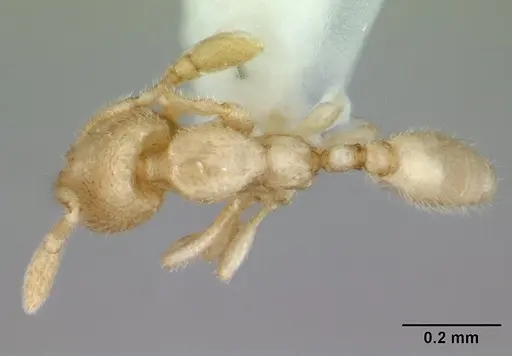
CASENT0178739
View on AntWeb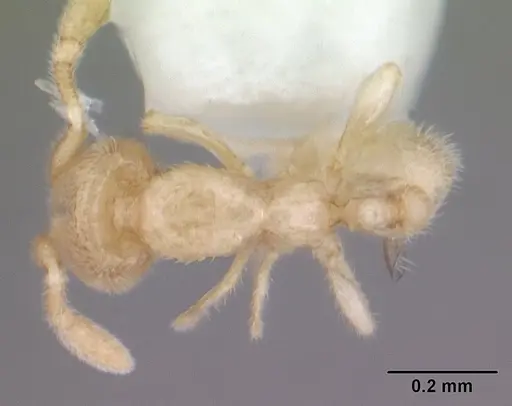
CASENT0179534
View on AntWeb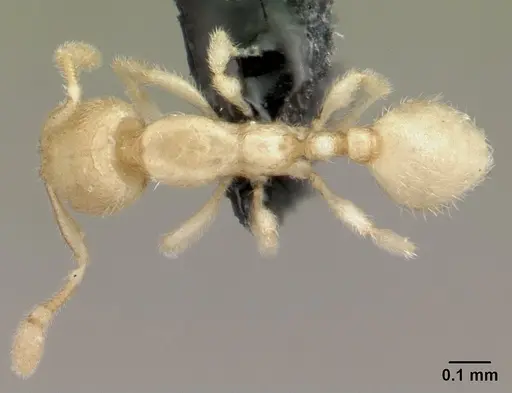
CASENT0905888
View on AntWeb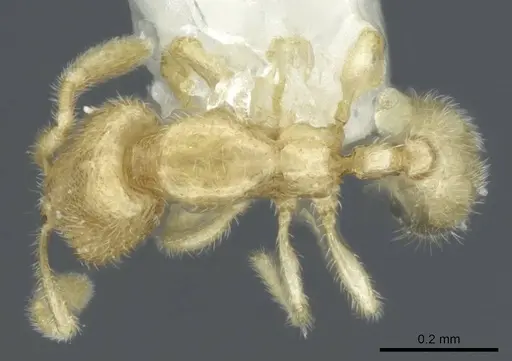
Literature
Loading...Loading products...