

Carebara langi
- Scientific Name
- Carebara langi
- Tribe
- Crematogastrini
- Subfamily
- Myrmicinae
- Author
- Wheeler, 1922
- Distribution
- Found in 1 countries
Carebara langi Overview
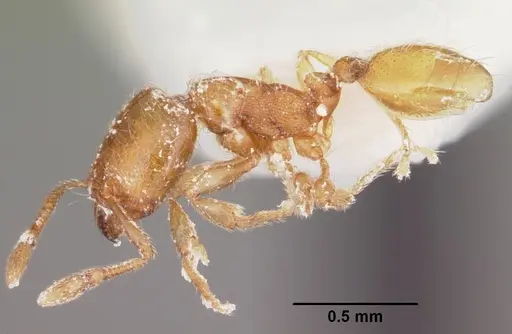
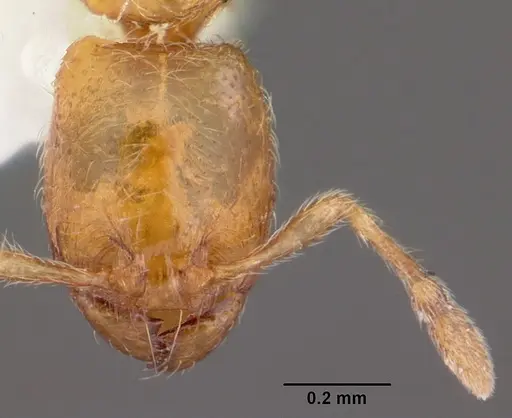
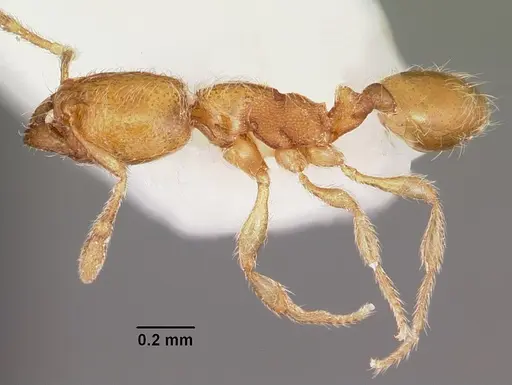
Carebara langi is an ant species of the genus Carebara. It is primarily documented in 1 countries , including United States of America. Detailed taxonomic data and occurrence records can be further explored via authoritative databases such as AntWeb or the Global Biodiversity Information Facility (GBIF).
Carebara langi
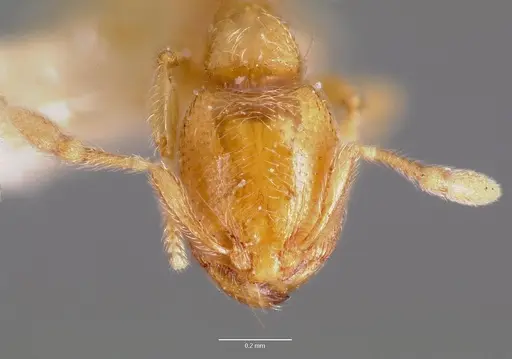
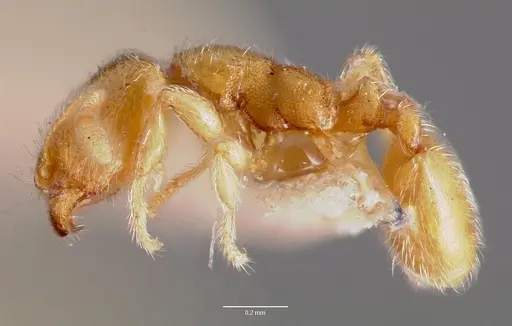
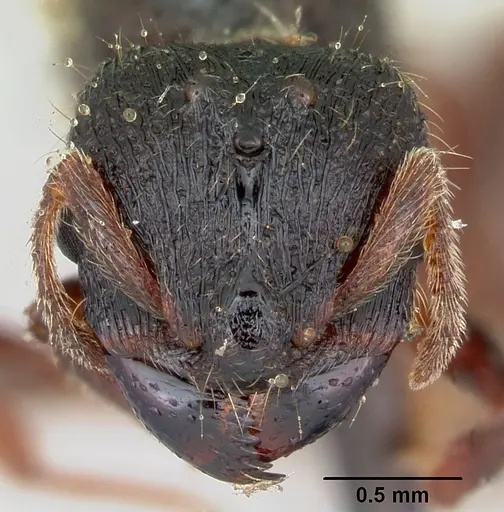
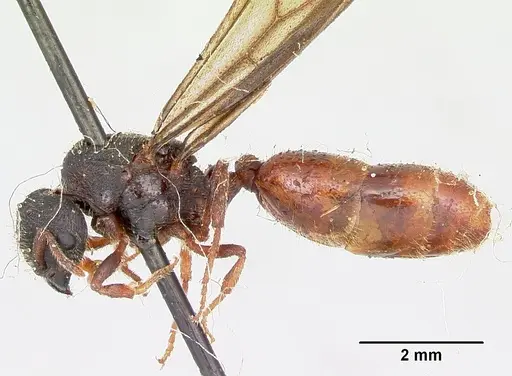
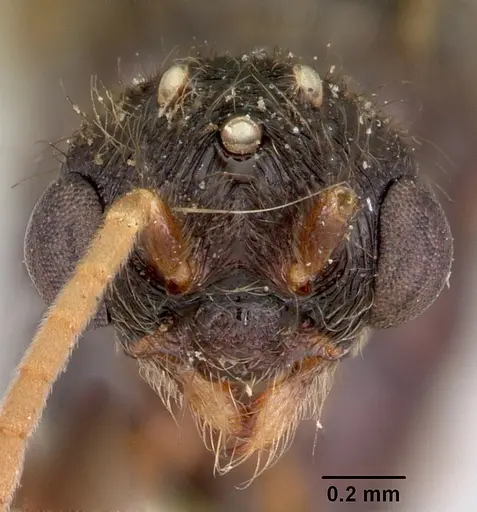
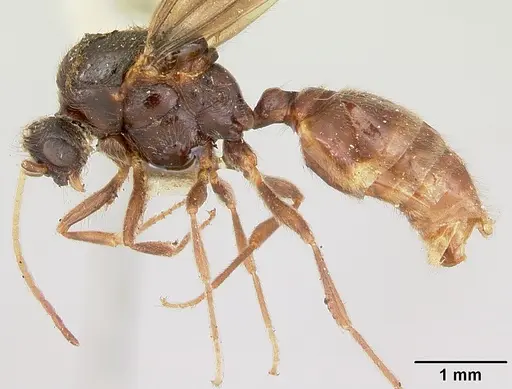
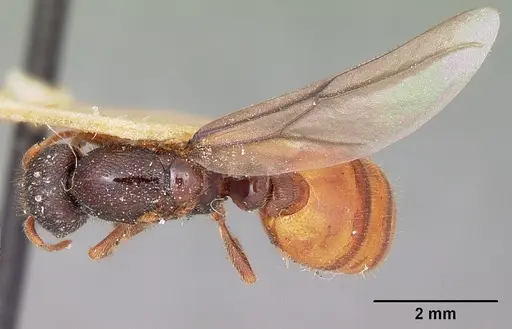
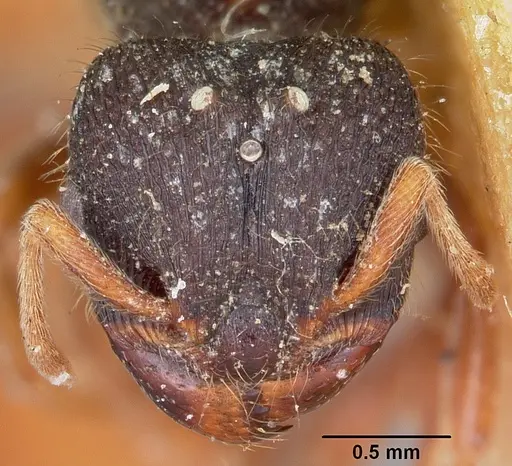
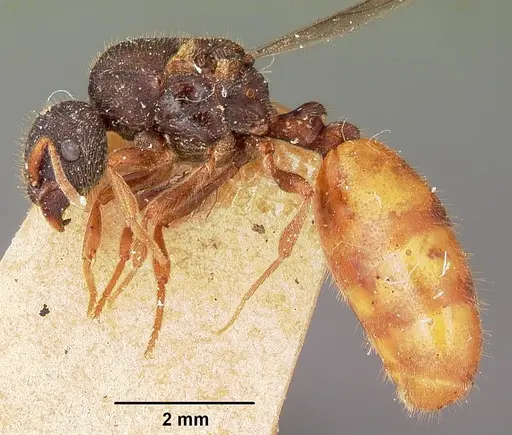
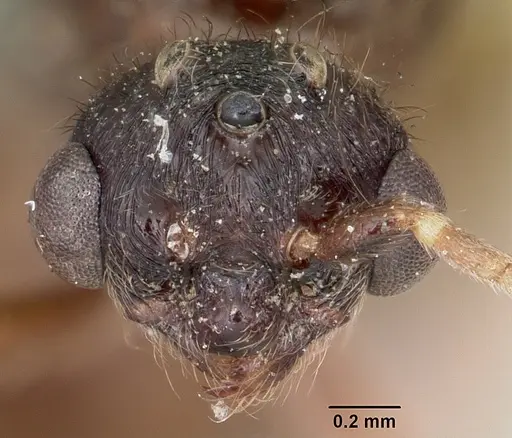
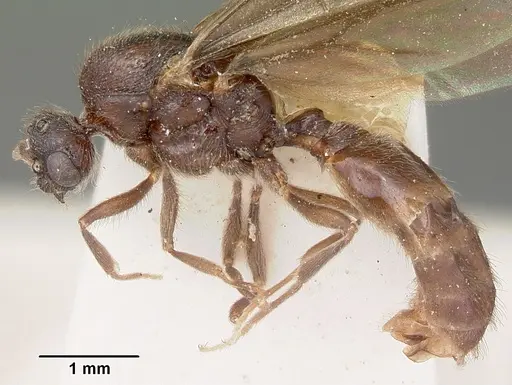
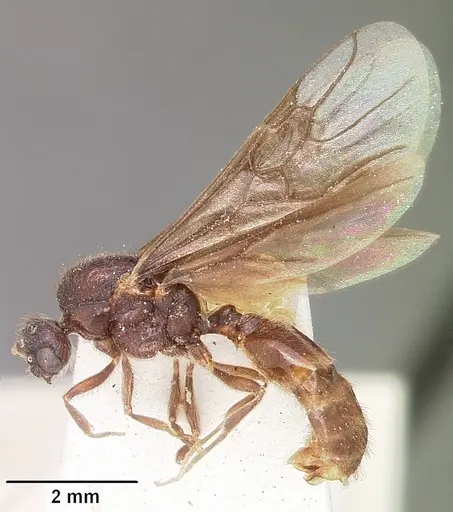
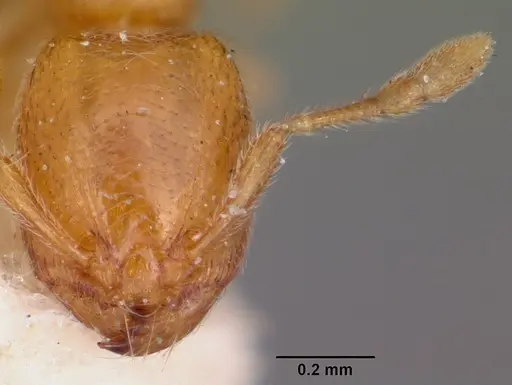
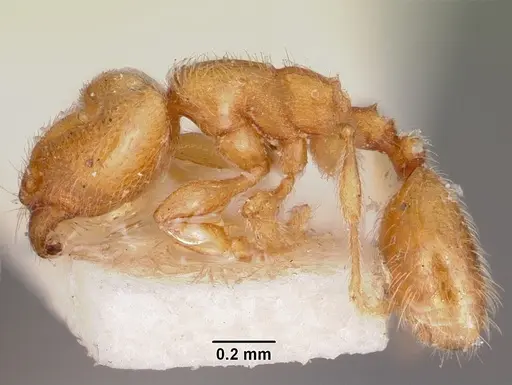
Carebara langi is a tiny ant species endemic to the Democratic Republic of Congo, specifically known from the Kisangani (formerly Stanleyville) area in Tshopo province. Only the queen has been described, she measures around 4-5mm. Workers of this species have never been documented in scientific literature. As a Carebara ant, they likely belong to the group of tiny predatory ants that form small colonies. This species represents one of the least-studied ants in captivity, with virtually no research on its behavior, diet, or colony development. [1][2]
Quick Summary
- Difficulty: Unknown, too little documented to assess
- Origin & Habitat: Endemic to the Kisangani region in the Democratic Republic of Congo. The natural habitat is not documented, but related Carebara species typically nest in soil, rotting wood, or under stones in forested areas. [1][2]
- Colony Type: Unconfirmed, only the queen has been described. Most Carebara species are monogyne (single queen) with small colonies, but colony structure for C. langi is unknown. [1]
- Size & Growth:
- Queen: Approximately 4-5mm (based on original description, exact measurement not specified) [1]
- Worker: Unknown, workers have never been described
- Colony: Unknown, no colony data exists
- Growth: Unknown
- Development: Unknown, no development data exists for this species (Based on related Carebara species, development likely takes 4-8 weeks at warm temperatures, but this is a rough estimate)
- Antkeeping:
- Temperature: Likely 24-28°C based on typical Congolese lowland forest conditions, start in this range and observe colony activity
- Humidity: Moderate to high humidity (60-80%) matching tropical forest floor conditions, keep substrate slightly moist but not waterlogged
- Diapause: Unknown, no data on overwintering requirements. As a tropical species from DRC, it may not require a true diapause but may have reduced activity during cooler/drier seasons
- Nesting: Preferred nesting is unknown. Based on related species, they likely prefer moist soil or rotting wood. A test tube setup or small acrylic/plaster nest with moisture provision would be a reasonable starting point
- Behavior: Behavior is undocumented. Most Carebara species are predatory on small arthropods and have relatively shy, non-aggressive workers. Escape prevention is critical due to their tiny size, even small gaps in setup can allow escapes.
- Common Issues: no documented care information exists, all advice is genus-level inference, colony failure is likely without proper prey (small live insects), tiny size makes escape prevention challenging, humidity control is critical, too dry or too wet can kill colonies, virtually no information on acceptable foods or feeding schedules
Species Overview and History
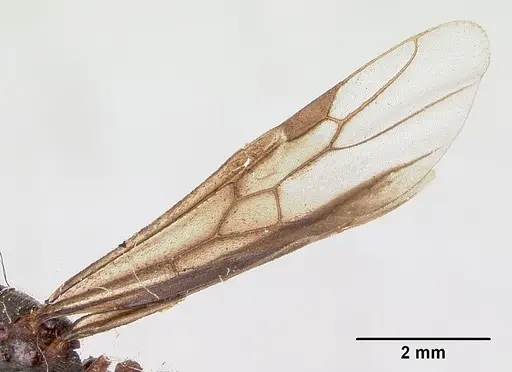
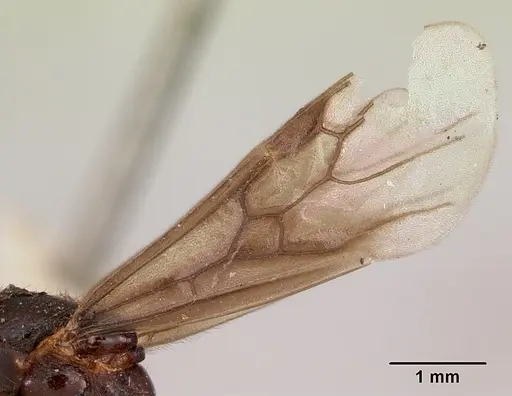
Carebara langi was described by William Morton Wheeler in 1922 based on a single queen collected in Stanleyville (now Kisangani) in the Democratic Republic of Congo. The species remains known only from this holotype queen, no workers have ever been described or observed in the scientific literature. This makes it one of the most poorly documented ant species in the hobby. The type specimen is housed in the Museum of Comparative Zoology at Harvard (MCZC). The species has been recorded as endemic to Tshopo province in recent surveys, confirming its presence in the Kisangani region but adding no new biological information. [1][2]
What We Don't Know
Almost nothing is documented about Carebara langi in scientific literature. We have no information on worker size or morphology, colony size, nesting preferences, diet, founding behavior, temperature tolerance, humidity needs, or any aspect of their biology beyond the queen's basic description. This is not unusual for many African ant species, the continent remains significantly under-sampled compared to Europe or North America. For antkeepers, this means you would be essentially pioneering captive care for this species, with no established protocols to follow. Any advice given here is based on genus-level patterns from better-studied Carebara species, not on species-specific research.
Housing and Setup Recommendations
Since we have no species-specific data, housing recommendations must be based on what works for related tiny Myrmicinae ants. A test tube setup works well for founding colonies, use a small test tube with a water reservoir at one end, stopped with cotton. The queen will likely seal herself into a chamber if given the opportunity, suggesting claustral founding. For established colonies, a small acrylic nest or plaster nest with moisture provision would work. The key requirements are: excellent escape prevention (they are tiny), moderate to high humidity, and access to small live prey. A gradient allowing the ants to choose their preferred temperature zone is advisable.
Feeding and Diet
Carebara species are typically predatory on small arthropods. Based on genus patterns, Carebara langi likely accepts small live prey such as springtails, fruit flies, tiny crickets, and other micro-arthropods. They are probably not sugar-dependent like some Myrmicinae. Offer small live prey items 2-3 times per week for a growing colony. Remove uneaten prey after 24-48 hours to prevent mold. Acceptance of sugar sources is uncertain, some Carebara species will take honey or sugar water occasionally, but protein from prey is likely their primary food.
Temperature and Seasonal Care
As a species from the Congo basin in central Africa, Carebara langi likely prefers warm, stable temperatures in the range of 24-28°C. The Kisangani region is tropical with year-round warmth, so no true hibernation is expected. However, seasonal variations in rainfall (wet April-November, dry December-March) may influence natural activity patterns. In captivity, maintain stable warmth without dramatic temperature swings. A heating cable on one side of the nest can create a gradient allowing the ants to self-regulate. Avoid temperatures below 20°C for extended periods.
Frequently Asked Questions
How do I care for Carebara langi ants?
No established care protocol exists because this species has never been kept in captivity before. Based on genus patterns, provide a small test tube for founding, maintain 24-28°C temperature, keep humidity moderate to high (60-80%), and offer small live prey like springtails or fruit flies. Be prepared to experiment and document your observations.
What do Carebara langi eat?
Likely small live arthropods, springtails, fruit flies, and tiny insects are probably their primary food. Sugar acceptance is uncertain. Feed small prey items 2-3 times weekly and remove uneaten prey promptly.
How big do Carebara langi colonies get?
Unknown, no colony data exists. Based on related species, colonies are likely small (under 500 workers).
Do Carebara langi ants sting?
Likely no significant sting, Carebara ants are tiny and their stingers cannot penetrate human skin. They are not considered dangerous.
Are Carebara langi good for beginners?
No, this species is not recommended for beginners due to complete lack of documented care information. You would be pioneering captive husbandry with no established protocols. Try starting with better-documented species like Lasius niger or Camponotus species first.
How long does it take for Carebara langi to produce first workers?
Unknown, no development data exists. Based on related Carebara species, expect 4-8 weeks from egg to worker at optimal temperature (around 26°C), but this is a rough estimate.
Can I keep multiple Carebara langi queens together?
Unknown, colony structure has not been documented. Most Carebara species are monogyne (single queen), but polygyny cannot be ruled out for C. langi. Do not attempt combining unrelated queens without documented evidence they can coexist.
Where is Carebara langi found?
Only in the Democratic Republic of Congo, specifically the Kisangani (formerly Stanleyville) area in Tshopo province. It is endemic to this region. [1][2]
What nest type is best for Carebara langi?
Unknown, no documented preference exists. A small test tube for founding, transitioning to a small acrylic or plaster nest with moisture provision for established colonies, is a reasonable approach. Ensure excellent escape prevention due to their tiny size.
Why is there so little information about this species?
Carebara langi is known only from a single queen described in 1922. No workers have ever been collected or described, and no scientific study has ever observed live colonies. Many African ant species remain poorly documented due to limited research sampling on the continent. [1]
References

This caresheet is licensed under CC BY-SA 4.0 .
CASENT0003192
View on AntWeb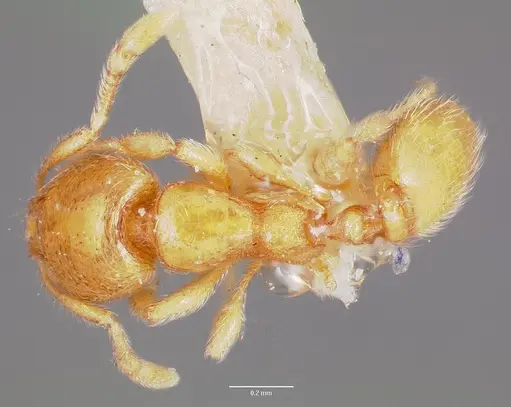
CASENT0103521
View on AntWeb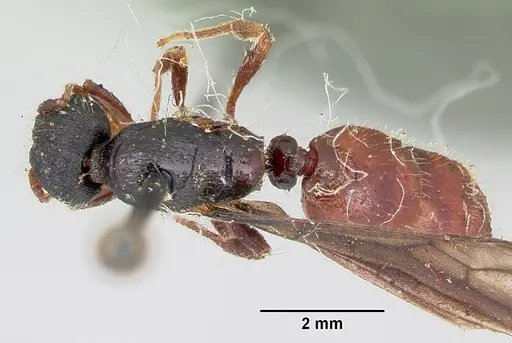
CASENT0103522
View on AntWeb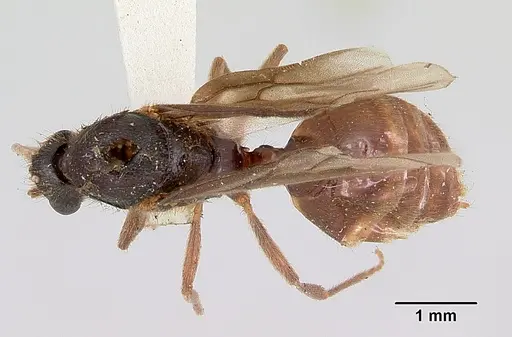
CASENT0103523
View on AntWeb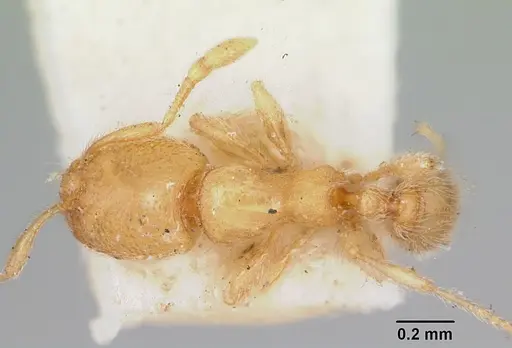
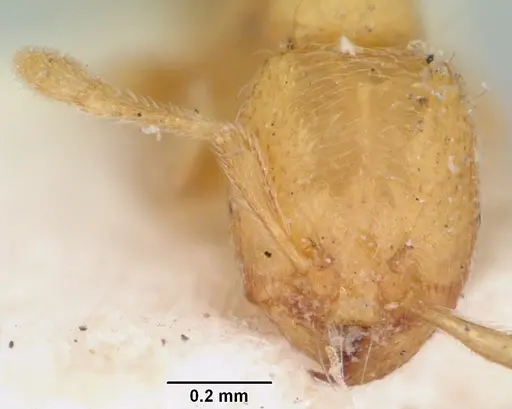
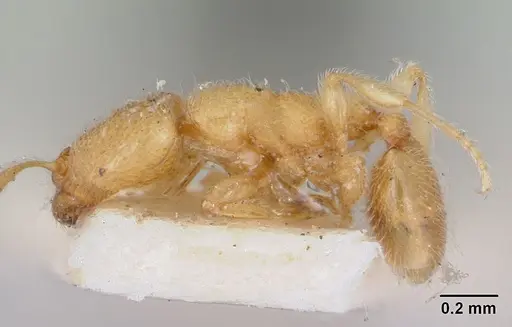
CASENT0104651
View on AntWeb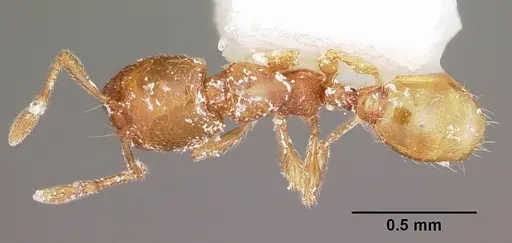
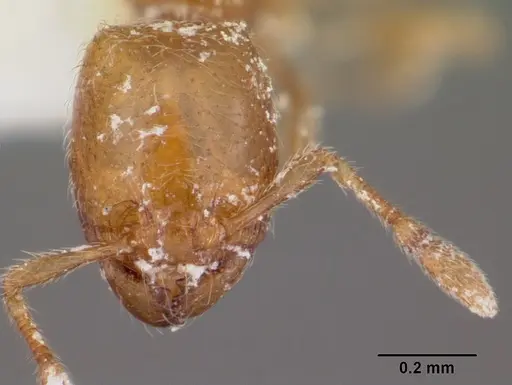
CASENT0104652
View on AntWeb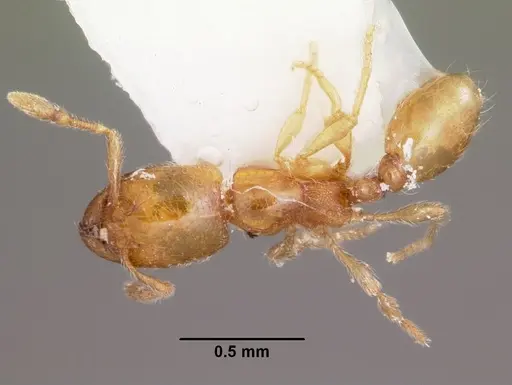
CASENT0104659
View on AntWeb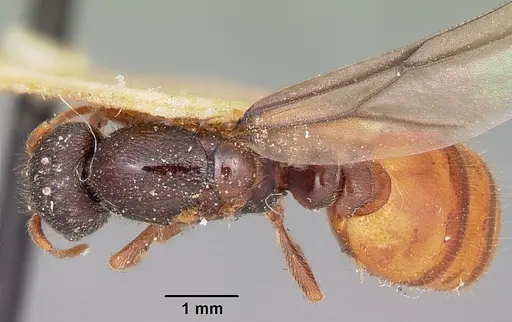
CASENT0104660
View on AntWeb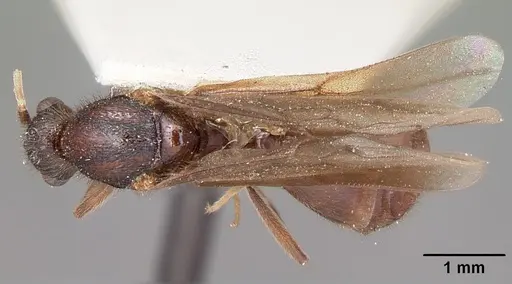
CASENT0104661
View on AntWeb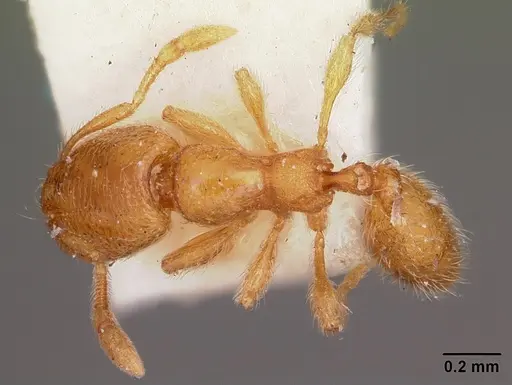
Literature
Loading...Loading products...