

Carebara inca
- Scientific Name
- Carebara inca
- Tribe
- Crematogastrini
- Subfamily
- Myrmicinae
- Author
- Fernández, 2004
- Distribution
- Found in 3 countries
Carebara inca Overview
Carebara inca is an ant species of the genus Carebara. It is primarily documented in 3 countries , including Costa Rica, Honduras, Nicaragua. Detailed taxonomic data and occurrence records can be further explored via authoritative databases such as AntWeb or the Global Biodiversity Information Facility (GBIF).
Carebara inca
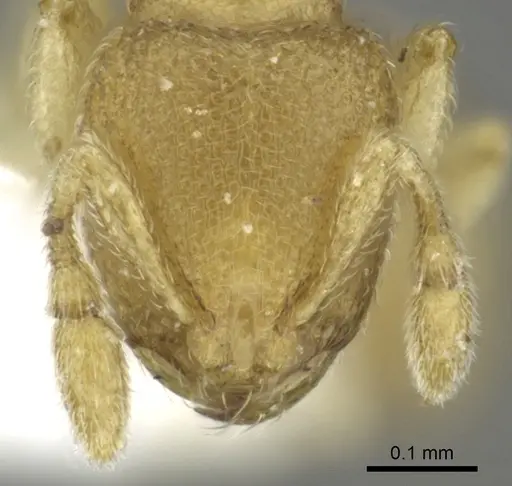
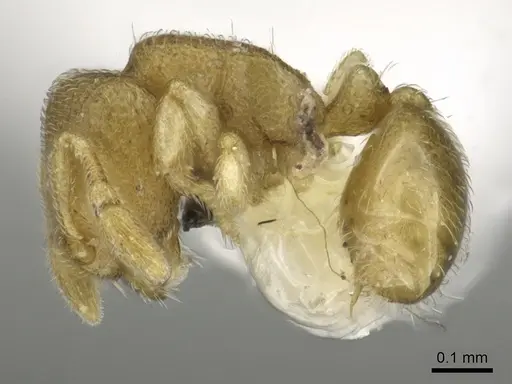
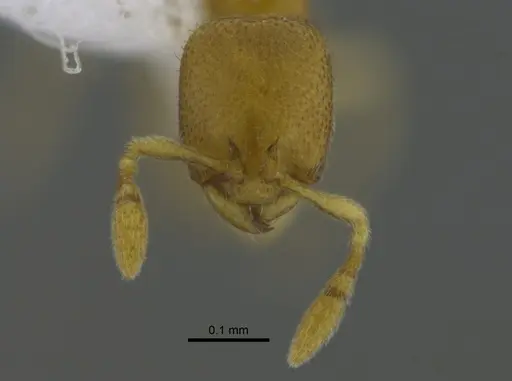
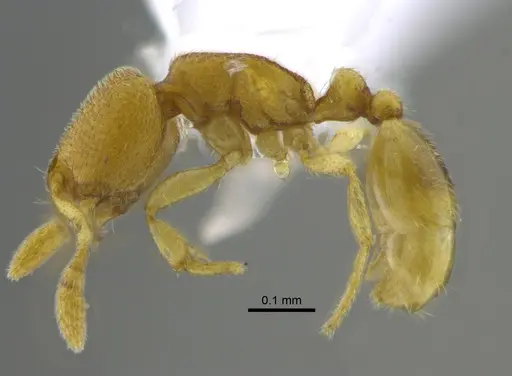
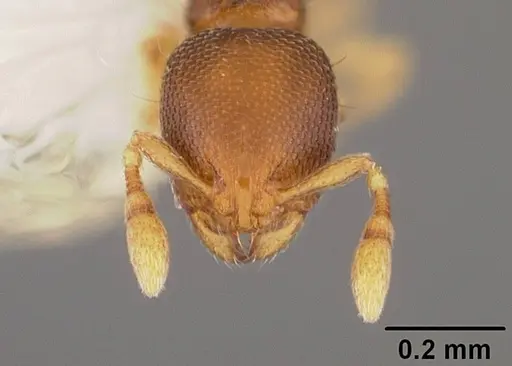
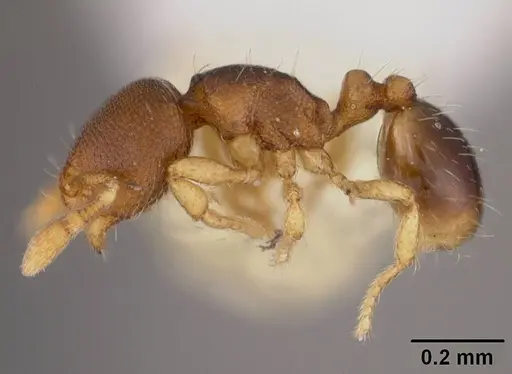
Carebara inca is a tiny myrmicine ant native to the Neotropical region, found in Peru, Costa Rica, and Honduras. Workers measure just 1.15-1.63mm in total length, making them one of the smaller ant species you can keep [1]. They are light brown throughout with a distinctive appearance: the head is larger than broad, the eyes are extremely reduced (only 2-3 ommatidia), and the antennae have 9 segments with a 2-segmented club [1][2]. The first segment of the gaster (the abdomen) lacks standing hairs, which helps distinguish this species from related ants [2]. These ants belong to the Carebara escherichi species complex and were formally described by Fernández in 2004 [1].
In the wild, Carebara inca lives in wet forest floor litter, typically at elevations around 3500 feet in the Peruvian Amazon [1]. They are ground-nesting ants that forage in the leaf litter layer. This is a species that most hobbyists will rarely encounter, as they are not commonly traded. However, their small size and interesting morphology make them an intriguing species for advanced antkeepers willing to work with less-documented tropical ants.
Quick Summary
- Difficulty: Expert
- Origin & Habitat: Neotropical region, Peru, Costa Rica, and Honduras. Found in wet forest floor litter at elevations around 3500 feet (Madre de Dios, Cocha Cashu) [1][3]. Also recorded in primary logged forest in the Brazilian Amazon [4].
- Colony Type: Colony structure is unconfirmed. Based on typical Carebara patterns, likely single-queen (monogyne) colonies. No data on ergatoid replacement reproductives for this specific species.
- Size & Growth:
- Queen: Not described in available literature, queens have not been documented [1]. Estimate based on genus: likely 3-4mm based on related species.
- Worker: 1.15-1.63mm total length (HW 0.29-0.31mm) [1][2]
- Colony: Unknown for this species. Based on related Carebara species, likely small colonies of 100-500 workers.
- Growth: Unknown, likely moderate based on typical genus patterns.
- Development: Unconfirmed. Based on similar tropical Myrmicinae, estimate 6-10 weeks at optimal temperature. Signal this as an estimate. (Development timeline has not been directly studied for this species. Estimates based on genus-level patterns for tropical litter-dwelling ants.)
- Antkeeping:
- Temperature: Keep at 22-26°C. This range reflects their natural habitat in lowland Neotropical forests. Avoid temperatures below 20°C or above 28°C. A gentle gradient allows workers to self-regulate.
- Humidity: High humidity is essential, these ants come from wet forest floor litter. Keep the nest substrate consistently moist but not waterlogged. Aim for 70-85% relative humidity in the nest area. The substrate should feel damp to the touch.
- Diapause: No, as a tropical species, Carebara inca does not require hibernation. Maintain stable warm conditions year-round.
- Nesting: Natural nesting: wet forest floor litter. In captivity, they do well in test tubes with moist substrate or small naturalistic setups with tight chambers scaled to their tiny size. Because workers are only ~1.5mm, escape prevention must be excellent, they can squeeze through standard test tube cotton if it becomes loose. Y-tong nests or acrylic nests with very small chambers work well.
- Behavior: These are tiny, cryptic ants that forage in the leaf litter layer. Workers are likely generalist foragers based on typical Carebara behavior. They are not aggressive and pose no threat to keepers. The main concern is their extremely small size, they are prone to escaping through tiny gaps that larger ants cannot pass. They likely have a functional stinger given the morphological description [1], but it is too small to penetrate human skin. Workers are slow-moving and secretive compared to larger ant species. They are likely nocturnal or crepuscular based on their reduced eyes.
- Common Issues: escape prevention is critical, their tiny size means they can squeeze through gaps that seem sealed, humidity management is challenging, too wet causes drowning, too dry causes desiccation, slow growth can lead to keeper impatience and overfeeding, which causes mold, wild-caught colonies may contain parasites that are difficult to detect, limited availability means this species is rarely kept, so经验的参考 points are scarce
Housing and Nest Setup
Because Carebara inca workers are only about 1.5mm long, standard ant keeping setups need modification. Test tubes work but require excellent cotton packing to prevent escapes, even a small gap can allow these tiny ants through. Many keepers use Y-tong (AAC) nests with chambers scaled to their small size, or custom acrylic nests with narrow tunnels. naturalistic setups with moist soil and leaf litter can work well since this mimics their natural habitat. Regardless of nest type, escape prevention must be your top priority. Use fluon on the edges of any opening and check seals regularly. A small outworld (foraging area) is sufficient since colonies remain small. Provide a water tube with fresh water at all times. [1][2]
Temperature and Humidity
Carebara inca comes from wet Neotropical forests, so they need warm and humid conditions. Maintain temperatures between 22-26°C, avoid letting the nest drop below 20°C or exceed 28°C. A heating cable on one side of the nest creates a gentle gradient that lets workers regulate their own temperature. Humidity is critical: aim for 70-85% relative humidity in the nest area. The substrate should feel consistently damp but never waterlogged. Check moisture levels daily and rehydrate as needed rather than on a fixed schedule. A water reservoir in the outworld helps maintain humidity. Poor humidity leads to desiccation and colony loss. [1]
Feeding and Diet
Based on typical Carebara behavior, these ants are likely generalist foragers that collect small arthropods, honeydew, and nectar. In captivity, offer small protein sources like fruit flies, pinhead crickets (cut to appropriate size), and other tiny insects. Sugar water or honey water should be available at all times, though acceptance may vary. Feed every 2-3 days and remove uneaten food promptly to prevent mold. Because workers are so small, prey items must be tiny, fruit flies and springtails are ideal. Monitor feeding behavior to determine preferences and adjust accordingly.
Colony Development
The queen of Carebara inca has not been described in available literature, so founding behavior is not directly documented. Based on typical Carebara patterns, the queen likely seals herself in a claustral chamber and raises the first brood alone using stored fat reserves. First workers (nanitics) will be smaller than mature workers. Development from egg to worker likely takes 6-10 weeks based on genus patterns for similar tropical species, but this is an estimate. Colony growth will be slow compared to faster-growing genera like Lasius or Camponotus. Patience is essential, do not disturb the founding chamber or overfeed during this critical period. [1]
Handling and Temperament
Carebara inca workers are tiny, slow-moving, and not aggressive. They pose no danger to keepers, their stinger is functional but too small to penetrate human skin [1]. However, their small size makes them fragile. Avoid handling them directly and minimize disturbances to the nest. When observing, use red light or indirect lighting to avoid stressing them. These are cryptic ants that prefer dark, humid environments. They are not suitable for species that want frequent interaction, they are a watch-and-observe species. The main interaction will be watching tiny workers forage in the outworld.
Frequently Asked Questions
How long does it take for Carebara inca to raise first workers?
The exact timeline is unconfirmed for this species. Based on typical tropical Myrmicinae development, expect 6-10 weeks from egg to first worker at optimal temperature (22-26°C). This is an estimate, actual development may be faster or slower depending on conditions.
What do Carebara inca ants eat?
Based on typical Carebara behavior, they likely accept small insects (fruit flies, pinhead crickets), sugar water, and honey. Feed small prey items every 2-3 days and keep sugar water available at all times. Remove uneaten food promptly to prevent mold.
Do Carebara inca ants sting?
They have a functional stinger morphologically [1], but it is too small to penetrate human skin. They are not dangerous to keepers and show no aggressive behavior toward humans.
Are Carebara inca good for beginners?
No. This species is rated Expert difficulty because they require high humidity, excellent escape prevention, and there is limited information available about their care. They are also rarely available in the antkeeping hobby. Beginners should start with more documented species like Lasius or Tetramorium.
How big do Carebara inca colonies get?
Colony size is unconfirmed for this specific species. Based on related Carebara species, colonies likely reach 100-500 workers at maturity. They are not large colony formers.
Do Carebara inca need hibernation?
No. As a tropical species from the Neotropical region, they do not require hibernation. Maintain stable warm conditions (22-26°C) year-round.
Why are my Carebara inca escaping?
Their tiny size allows them to escape through gaps that seem sealed. Check all openings, use fluon on edges, ensure cotton is packed tightly, and consider switching to a nest with smaller chambers. Escape prevention must be excellent with this species.
What temperature do Carebara inca need?
Keep the nest at 22-26°C. Avoid temperatures below 20°C or above 28°C. A heating cable on one side of the nest creates a gradient for self-regulation.
Where does Carebara inca live in the wild?
They are found in wet forest floor litter in Peru, Costa Rica, and Honduras, typically at elevations around 3500 feet in the Amazon region [1][3].
Is Carebara inca a polygynous species?
Colony structure is unconfirmed for this species. Based on typical Carebara patterns, they likely form single-queen colonies, but this has not been documented.
Why is my Carebara inca colony declining?
Common causes include: low humidity (they need 70-85%), temperature stress (below 20°C or above 28°C), mold from overfeeding, parasites from wild-caught colonies, or escape-related losses. Review all care parameters and adjust accordingly.
References

This caresheet is licensed under CC BY-SA 4.0 .
CASENT0624932
View on AntWeb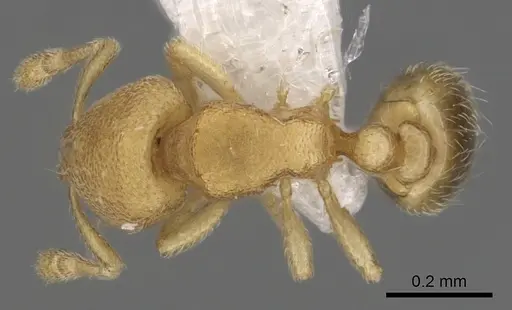
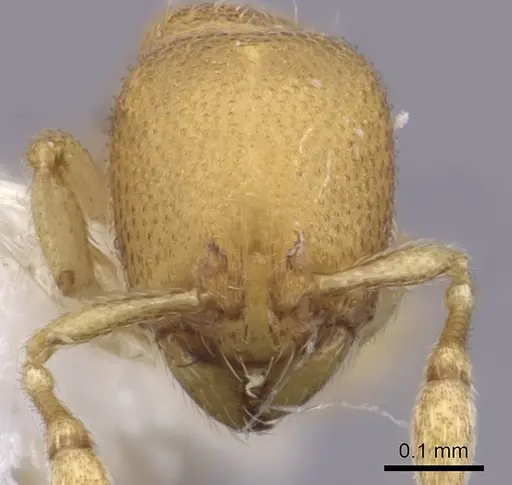
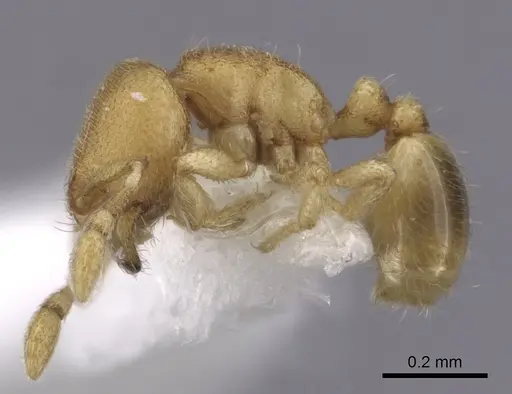
CASENT0902398
View on AntWeb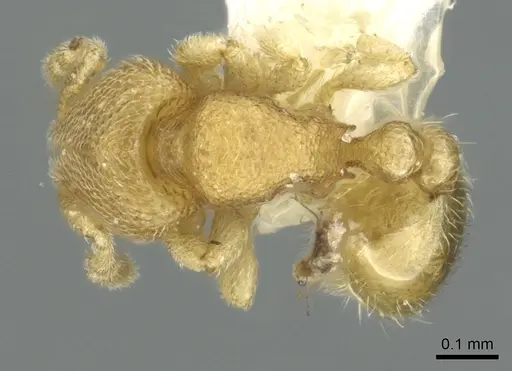
CBUMAGENT41798
View on AntWeb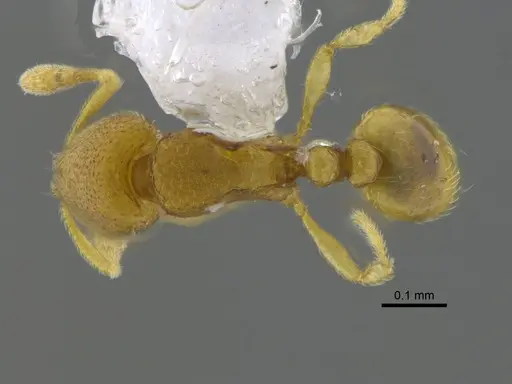
USNMENT00418472
View on AntWeb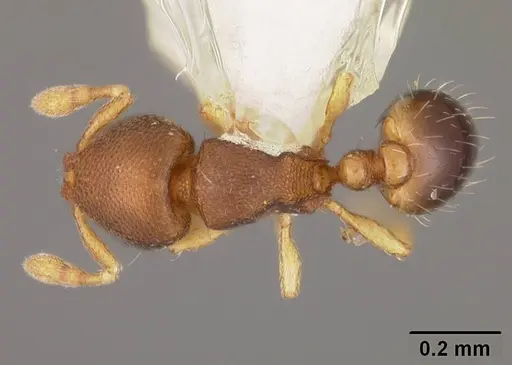
Literature
Loading...Loading products...