

Carebara berivelo
- Scientific Name
- Carebara berivelo
- Tribe
- Crematogastrini
- Subfamily
- Myrmicinae
- Author
- Azorsa & Fisher, 2018
- Distribution
- Found in 1 countries
Carebara berivelo Overview
Carebara berivelo is an ant species of the genus Carebara. It is primarily documented in 1 countries , including Madagascar. Detailed taxonomic data and occurrence records can be further explored via authoritative databases such as AntWeb or the Global Biodiversity Information Facility (GBIF).
Carebara berivelo
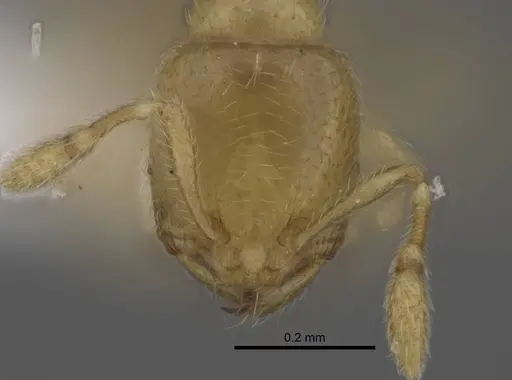
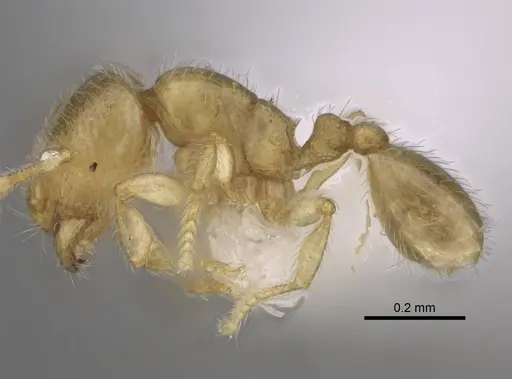
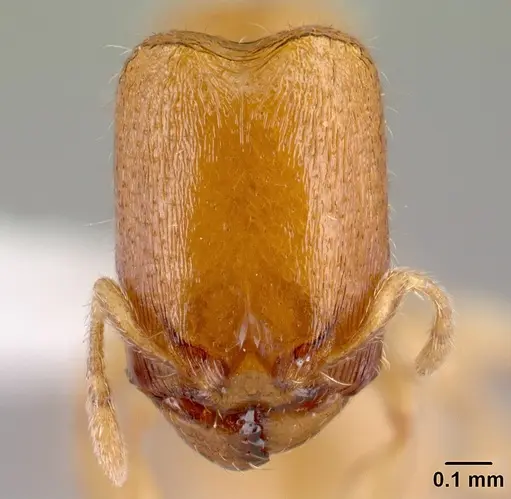
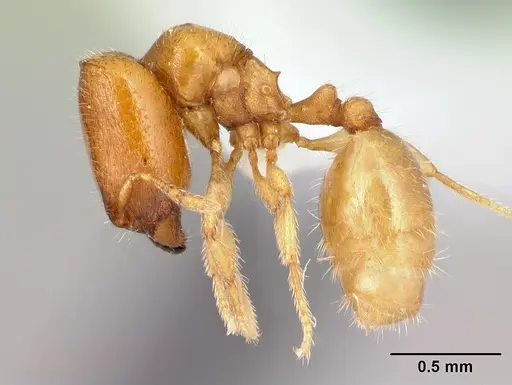
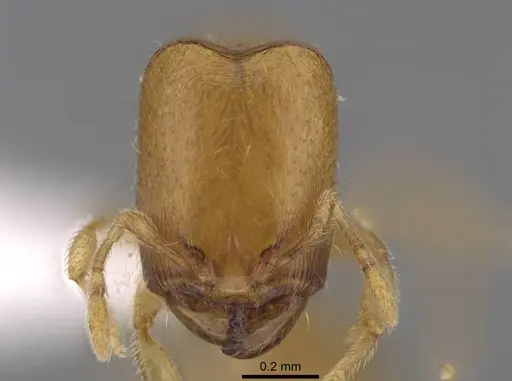
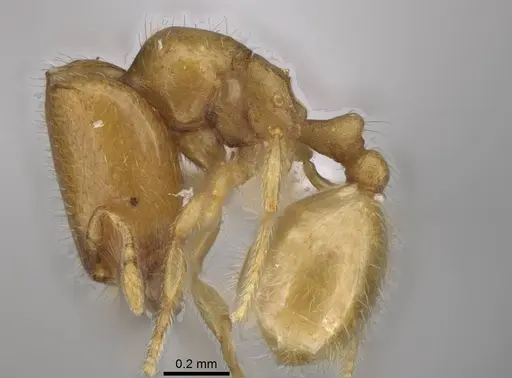
Carebara berivelo is a tiny forest-dwelling ant endemic to northern Madagascar. Major workers measure just 0.56-0.71mm while minor workers are even smaller at 0.35-0.36mm [1]. They have distinctive ten-segmented antennae and a propodeum armed with a pair of sharp triangular teeth, a key feature that separates them from the similar Carebara bara species [1]. Their body is yellowish-ferruginous in color, and they lack any intermediate worker castes, existing only as distinct major and minor workers [1]. This species was only formally described in 2018,making it one of the newer additions to the ant-keeping hobby.
Quick Summary
- Difficulty: Hard
- Origin & Habitat: Northern Madagascar, specifically the Antsiranana region. They live in littoral rainforest and tropical dry forest at elevations between 90-325 meters [1]. In the wild, colonies are found in sifted litter, leaf mold, and rotting wood [1].
- Colony Type: Colony structure is unconfirmed. Like other Carebara species, they likely form small colonies with a single queen, but this has not been documented.
- Size & Growth:
- Queen: Unknown, queen has not been described in the original species description
- Worker: Major workers: 0.56-0.71mm, Minor workers: 0.35-0.36mm [1]
- Colony: Unknown, no colony size data available
- Growth: Unknown, estimated slow based on tiny worker size and typical Carebara patterns
- Development: Unknown, estimated 6-10 weeks based on related Carebara species at tropical temperatures (No direct development data exists for this species. Estimates based on genus-level patterns for small Myrmicinae in tropical conditions.)
- Antkeeping:
- Temperature: Keep at 24-28°C, this matches their tropical dry forest and rainforest origin in Madagascar [1]. A gentle gradient allowing them to self-regulate is ideal.
- Humidity: Moderate to high, they inhabit leaf litter and rotting wood in humid forests. Keep substrate consistently moist but not waterlogged. Provide a moisture gradient so ants can choose their preferred humidity zone.
- Diapause: Unlikely, as a tropical species from Madagascar, they probably do not require a true hibernation period. However, a slight cool-down period during winter months may be beneficial.
- Nesting: These tiny ants naturally nest in rotting wood, leaf litter, and soil. In captivity, they do well in small acrylic or plaster nests with very fine chambers scaled to their minute size. Y-tong nests or similar setups with narrow passages work well.
- Behavior: These ants are very small and docile. They are unlikely to sting humans due to their minute size. They are primarily foragers in leaf litter and rotting wood, collecting small insects, honeydew, and organic matter. Their tiny size makes them excellent escape artists, escape prevention must be excellent using fine mesh barriers. They are not aggressive and will flee rather than engage threats.
- Common Issues: escape prevention is critical, their tiny size means they can squeeze through standard barriers, slow growth and small colony sizes mean progress is hard to observe, very small workers are difficult to see and monitor, wild-caught colonies may have parasites that are hard to detect, limited information means care is largely experimental
Housing and Nest Setup
Because of their extremely small size, Carebara berivelo requires specialized housing. Standard ant keeping setups will allow these tiny ants to escape easily. Use nests with very fine chambers, acrylic nests with narrow passages or Y-tong style setups work well. The chambers should be sized appropriately for their minute workers, major workers at 0.71mm are still considered tiny ants. Provide a water tube for moisture and ensure the nest material can hold humidity without becoming waterlogged. A thin layer of substrate at the bottom of the outworld helps them feel more secure. Escape prevention is absolutely critical, use tight-fitting lids and fine mesh barriers on all openings. [1]
Feeding and Diet
In the wild, these ants foraged in sifted litter, leaf mold, and rotting wood, suggesting they are generalist omnivores that scavenge for small insects, honeydew, and decaying organic matter [1]. In captivity, offer small live prey like springtails, fruit flies, and other tiny insects. Sugar water or honey can be offered occasionally, but their small size may limit their ability to consume large liquid drops. Feed small amounts of protein-rich foods twice weekly, and remove any uneaten prey within 24 hours to prevent mold. Because they are so small, even a fruit fly piece is a substantial meal.
Temperature and Humidity
Carebara berivelo comes from tropical Madagascar where temperatures are warm year-round. Maintain nest temperatures between 24-28°C, which matches their native littoral rainforest and tropical dry forest habitat at 90-325m elevation [1]. Use a heating cable on one side of the nest to create a gentle gradient if your room temperature falls below this range. For humidity, aim for moderate to high levels, their natural habitat in leaf litter and rotting wood stays consistently moist. Keep the nest substrate damp but not saturated, and provide a moisture gradient so ants can self-regulate. Mist the outworld occasionally but avoid creating standing water.
Colony Establishment
Since Carebara berivelo was only described in 2018,there is limited information about their colony founding behavior [1]. Based on typical Myrmicinae patterns, the queen likely seals herself in a chamber and raises the first brood alone using stored fat reserves (claustral founding). However, this has not been directly observed. When establishing a colony from a wild-caught queen, provide a small test tube setup with moist cotton and place it in a dark, quiet location. Expect a slow initial development, the first workers (nanitics) will be very small. Do not disturb the founding chamber until at least 4-6 weeks have passed.
Handling and Observation
Observing Carebara berivelo requires patience and good lighting, these ants are among the smallest kept in captivity. Their major workers reach only 0.71mm, making them difficult to see without magnification. Use a magnifying glass or macro lens for the best viewing experience. When cleaning the outworld or moving the nest, be extremely gentle as these tiny ants can easily be crushed. They are not suited for handling and will likely flee when disturbed. Their docile nature means they are more for observation than interaction. Keep noise and vibrations near the colony to a minimum as they startle easily. [1]
Frequently Asked Questions
How long does it take for Carebara berivelo to produce first workers?
The exact timeline is unknown, but based on related Carebara species, expect 6-10 weeks from egg to first worker at tropical temperatures (24-28°C). Development is likely slow due to their very small worker size.
Are Carebara berivelo ants good for beginners?
No, this species is not recommended for beginners. They are extremely tiny, require specialized escape prevention, and there is very limited information about their captive care. They are best suited for experienced antkeepers interested in keeping rare or newly described species.
What do Carebara berivelo ants eat?
They are generalist omnivores. Offer small live prey like springtails and fruit flies, along with occasional sugar water or honey. Their tiny size means even small insects are substantial prey items.
Do Carebara berivelo ants sting?
Their tiny size makes them incapable of stinging humans in any meaningful way. They are completely harmless and will flee rather than defend themselves.
How big do Carebara berivelo colonies get?
Colony size is unknown, but based on typical Carebara patterns, colonies likely remain small, probably under 500 workers. They do not form large supercolonies.
Can I keep multiple queens together?
This has not been documented. Based on typical Carebara behavior, single-queen colonies are most likely. Combining unrelated queens is not recommended due to lack of information.
What temperature do Carebara berivelo ants need?
Keep them warm at 24-28°C, matching their tropical Madagascar origin. A gentle temperature gradient allows them to self-regulate.
Do Carebara berivelo ants need hibernation?
No, as a tropical species from Madagascar, they do not require hibernation. However, a slight seasonal temperature variation may be beneficial.
Why are my Carebara berivelo ants escaping?
Their extremely small size (under 1mm) makes them expert escape artists. You need excellent escape prevention with fine mesh barriers, tight-fitting lids, and barrier tape on all edges. Standard ant keeping equipment is not fine enough.
When should I move Carebara berivelo to a formicarium?
Wait until the colony has at least 20-30 workers before moving. These tiny ants do well in small acrylic nests or Y-tong setups with very fine chambers. Move them gently as they are easily stressed.
References

This caresheet is licensed under CC BY-SA 4.0 .
CASENT0438188
View on AntWeb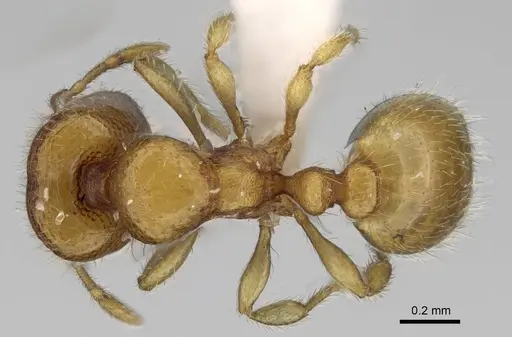
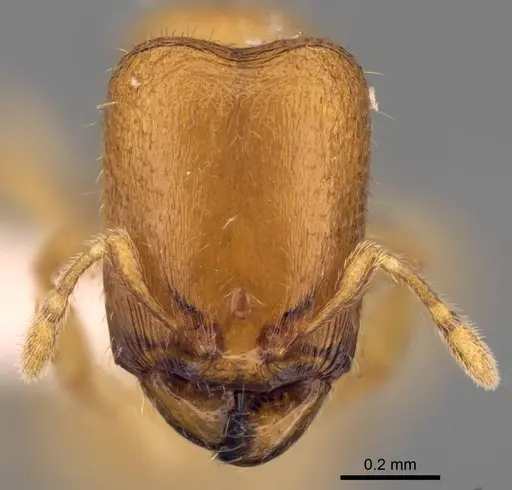
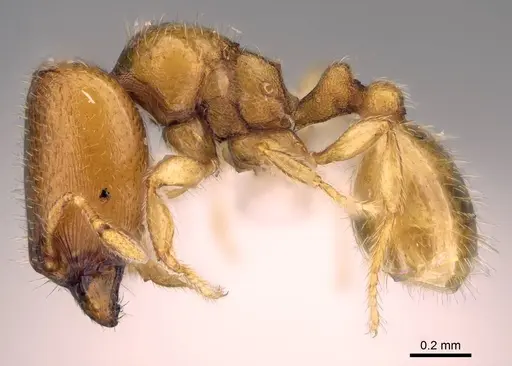
CASENT0438192
View on AntWeb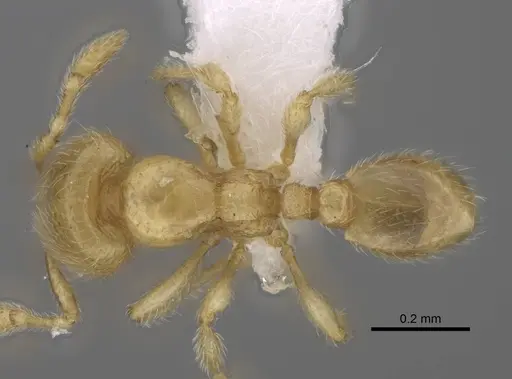
CASENT0439911
View on AntWeb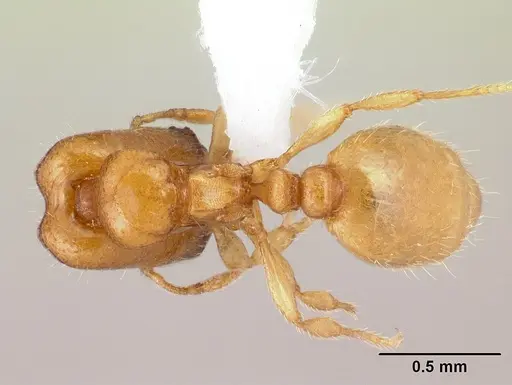
CASENT0439915
View on AntWeb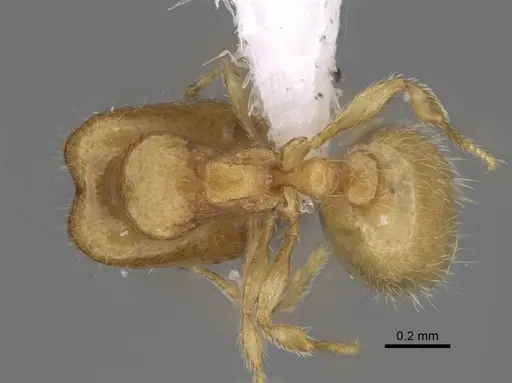
Literature
Loading...Loading products...