

Carebara bara
- Scientific Name
- Carebara bara
- Tribe
- Crematogastrini
- Subfamily
- Myrmicinae
- Author
- Azorsa & Fisher, 2018
- Distribution
- Found in 1 countries
Carebara bara Overview
Carebara bara is an ant species of the genus Carebara. It is primarily documented in 1 countries , including Madagascar. Detailed taxonomic data and occurrence records can be further explored via authoritative databases such as AntWeb or the Global Biodiversity Information Facility (GBIF).
Carebara bara
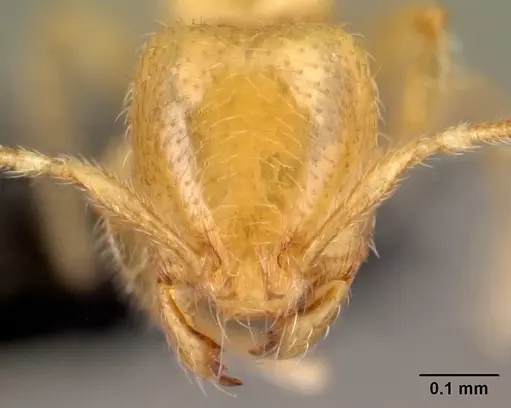
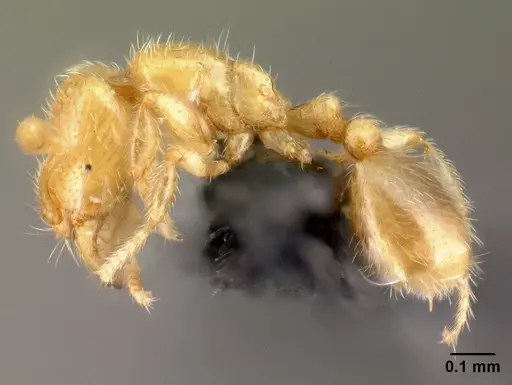
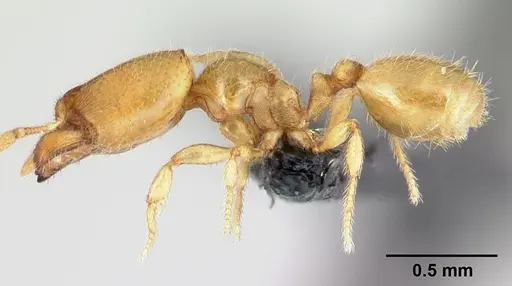
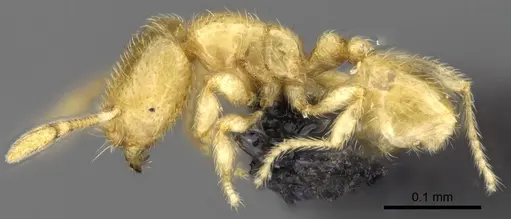
Carebara bara is a tiny ant species endemic to Madagascar, first described in 2018. Major workers measure just 0.54-0.71mm while minor workers are even smaller at 0.33-0.37mm. They have a yellowish-ferruginous coloration with ten-segmented antennae. This species is widespread across Madagascar, primarily inhabiting the tropical dry forests in the west and the desert spiny bush thickets in the southwest, though they also occur in montane rainforests at higher elevations [1][2]. They nest in rotting wood, leaf litter, and leaf mold, typical microhabitats for forest floor ants [1]. The species has three intermediate worker subcastes, making their caste system more complex than many other ants.
Quick Summary
- Difficulty: Medium
- Origin & Habitat: Madagascar endemic found across the island in tropical dry forest, gallery forest, littoral rainforest, montane rainforest, and spiny forest thickets at elevations from 10-1410m [1][2].
- Colony Type: Colony structure is unconfirmed, no published data on queen number or colony size exists for this newly described species.
- Size & Growth:
- Queen: Unknown, queen caste has not been described in the original species description [1].
- Worker: Major workers: 0.54-0.71mm, Minor workers: 0.33-0.37mm [1].
- Colony: Unknown, no colony size data has been published.
- Growth: Unknown, no development data exists for this species.
- Development: Unknown, no direct observations of colony development exist. (This is a newly described species (2018) with no published biological or behavioral data beyond worker morphology.)
- Antkeeping:
- Temperature: Based on Madagascar's tropical climate, aim for 22-28°C. Room temperature within this range should work well. Related Carebara species typically prefer warm, humid conditions.
- Humidity: Keep substrate moderately moist, they naturally inhabit rotting wood and leaf litter in forest environments. Provide a moisture gradient so ants can self-regulate.
- Diapause: Unknown for this species. Madagascar has mild winters, so diapause may not be required, but no data exists to confirm.
- Nesting: They naturally nest in rotting wood, leaf litter, and leaf mold. In captivity, a small test tube setup or acrylic nest with fine chambers works well given their tiny size. The major workers are only about 0.7mm, so chambers must be appropriately scaled.
- Behavior: Behavior is unstudied. Based on genus patterns, they likely forage in leaf litter and soil, hunting small prey. Their tiny size means excellent escape prevention is critical, they can squeeze through remarkably small gaps. No data on aggression or stingers exists, but Carebara ants are not known for painful stings.
- Common Issues: tiny size makes escape prevention challenging, use fine mesh and tight-fitting lids, newly described species means limited care information available, no data on founding behavior makes establishing colonies from wild-caught queens uncertain, colony size and growth rate are unknown, making it hard to plan long-term care
Species Overview and Identification
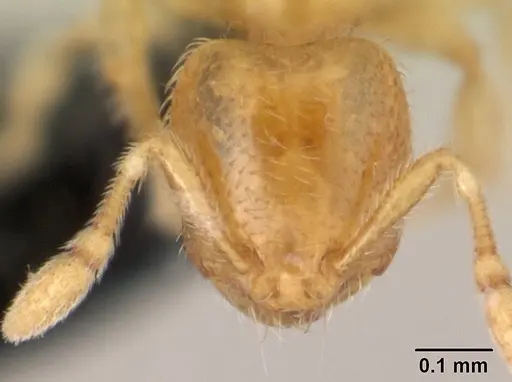
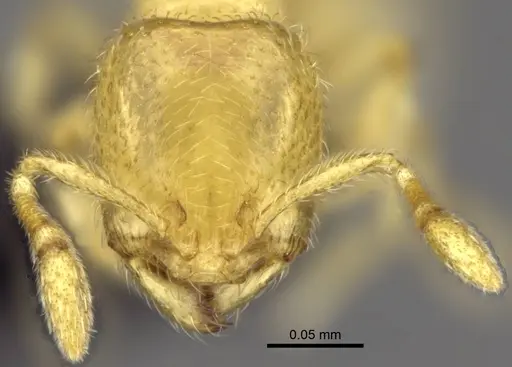
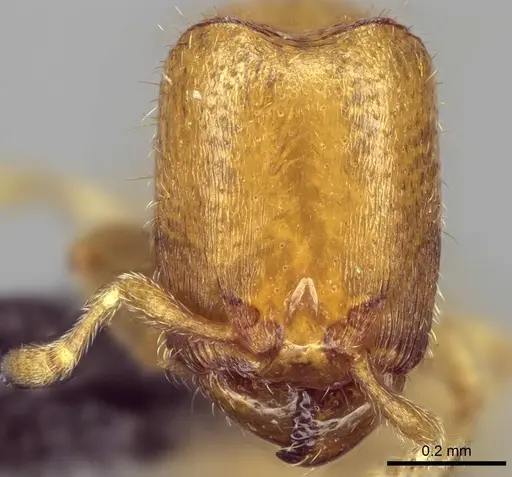
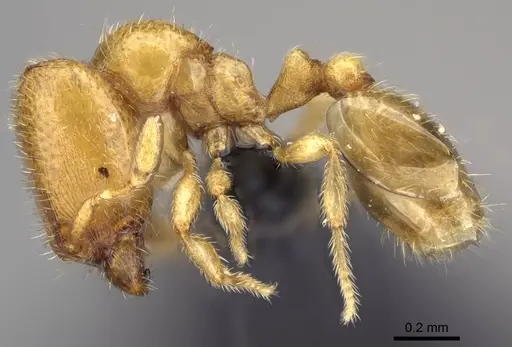
Carebara bara is one of several Carebara species endemic to Madagascar, described in 2018 by Azorsa and Fisher. The species can be identified by its ten-segmented antennae and the distinctive morphology of major workers, which have a nearly rectangular head that is longer than wide, with a concave posterior margin. Major workers are unarmed on the propodeum (no teeth), while minor workers have small angulate teeth on the posterodorsal corners of the propodeum. The species is widespread across most of Madagascar, with records from tropical dry forest in the west, spiny forest in the southwest, and montane rainforest in the center. They occur at elevations from 10m to 1410m [1].
Natural History and Nesting
In the wild, Carebara bara has been collected from rotten logs, leaf litter, leaf mold, and rotten wood, typical nesting sites for forest floor ants in the Myrmicinae subfamily. They prefer arid to semi-humid habitats across Madagascar's diverse ecosystems. The species shows ecological flexibility, being found in tropical dry forest, gallery forest, littoral rainforest, montane rainforest, and spiny forest thicket. This suggests they can adapt to varying moisture conditions, though they avoid the wettest eastern rainforest regions of the island [1][2].
Housing and Nest Setup
Given their tiny size (major workers under 0.7mm), housing Carebara bara requires attention to scale. Use test tubes with small water reservoirs or acrylic nests with fine, narrow chambers. The nest material should retain moisture well, plaster or acrylic with a water chamber works better than Y-tong for maintaining humidity. Provide a small outworld for foraging. Escape prevention is critical: these ants can squeeze through gaps that seem impossible. Use fluon on container rims and fine mesh (at least 0.5mm or smaller) on any ventilation. A naturalistic setup with moist soil and rotting wood pieces can also work well, mimicking their natural leaf litter habitat.
Feeding and Diet
Diet has not been specifically studied for Carebara bara, but based on genus patterns, they likely forage for small arthropods and may tend aphids for honeydew. In captivity, offer small protein sources like fruit flies, pinhead crickets, or tiny mealworms. Sugar water or honey can be offered occasionally, though many small Myrmicinae prefer protein. Feed small amounts several times per week and remove uneaten food to prevent mold. Given their minute size, prey items should be appropriately scaled, springtails or fruit fly larvae are ideal.
Temperature and Seasonal Care
As a Madagascar species from tropical to subtropical habitats, Carebara bara likely prefers temperatures in the 22-28°C range. Room temperature within this range should be suitable. No data exists on whether they require a diapause or winter rest period. Madagascar has mild winters, so a cooling period may not be necessary, but if you choose to reduce temperatures in winter, do so gradually and keep it mild (15-18°C maximum reduction). Monitor colony activity to guide seasonal adjustments.
Challenges and Limitations
Carebara bara presents significant challenges for antkeepers. This is a newly described species (2018) with almost no published biological or behavioral data. No information exists on queen morphology, founding behavior, colony size, development time, or typical colony structure. Establishing colonies may be difficult if you cannot find wild-caught queens. Even then, the lack of captive husbandry information means you are essentially pioneering their care. This species is best suited for experienced antkeepers who enjoy experimenting and documenting new species, rather than beginners seeking straightforward care guides. [1]
Frequently Asked Questions
How big do Carebara bara ants get?
Major workers are 0.54-0.71mm and minor workers are 0.33-0.37mm, they are among the smallest ants you can keep. The queen size has not been described yet [1].
What do Carebara bara ants eat?
Diet is unconfirmed for this species, but based on genus patterns they likely eat small insects and may accept honeydew. In captivity, offer small protein sources like fruit flies or tiny mealworms, and occasional sugar water.
What temperature do Carebara bara ants need?
Based on their Madagascar habitat, aim for 22-28°C. Room temperature in this range should be suitable.
Do Carebara bara ants need hibernation?
Unknown, no published data exists on diapause requirements. Madagascar has mild winters, so a formal hibernation may not be necessary.
Are Carebara bara good for beginners?
No, this is a newly described species with almost no published care information. There is no data on founding behavior, colony size, or development. Keeping this species successfully requires experience with difficult species and a willingness to experiment.
How do I house Carebara bara ants?
Use small-scale housing, test tubes with fine chambers or small acrylic nests work well. Escape prevention is critical because they are tiny. Use fine mesh and fluon on all edges.
Where is Carebara bara found in the wild?
This is a Madagascar endemic, found across most of the island in tropical dry forests, gallery forests, and spiny forest thickets at elevations from 10-1410m [1][2].
How long does it take for Carebara bara to develop from egg to worker?
Unknown, no published development data exists for this species. It has only been described since 2018.
Do Carebara bara ants sting?
Unknown, no data on sting severity exists. Given their tiny size, any sting would likely be negligible to humans.
Can I keep multiple Carebara bara queens together?
Unknown, no data exists on colony structure or queen behavior for this species. Do not attempt combining unrelated queens without evidence they tolerate this.
References

This caresheet is licensed under CC BY-SA 4.0 .
CASENT0018044
View on AntWeb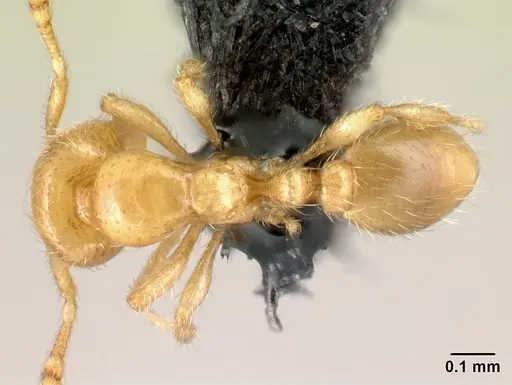
CASENT0018403
View on AntWeb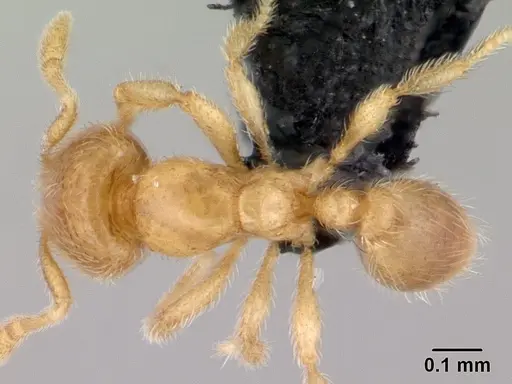
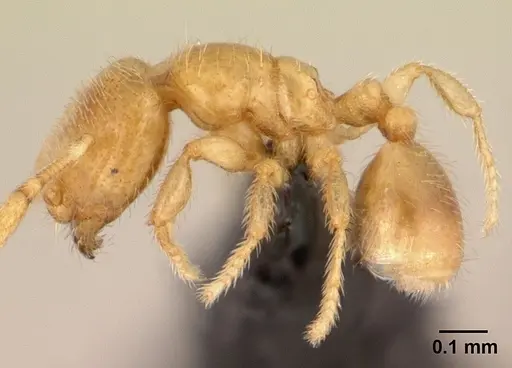
CASENT0482934
View on AntWeb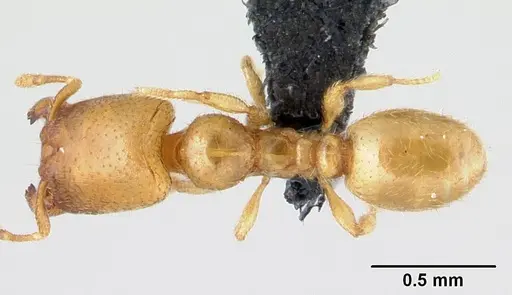
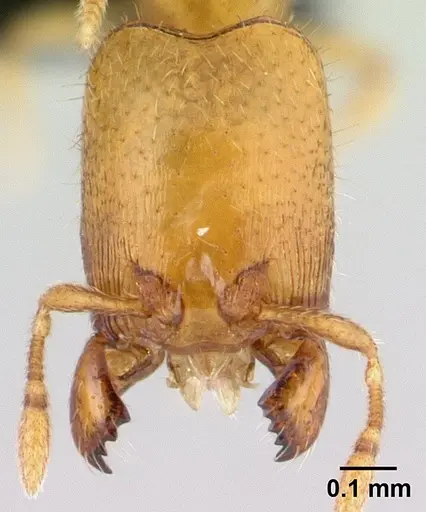
CASENT0482985
View on AntWeb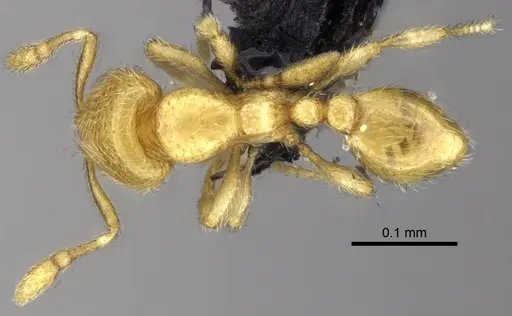
CASENT0483010
View on AntWeb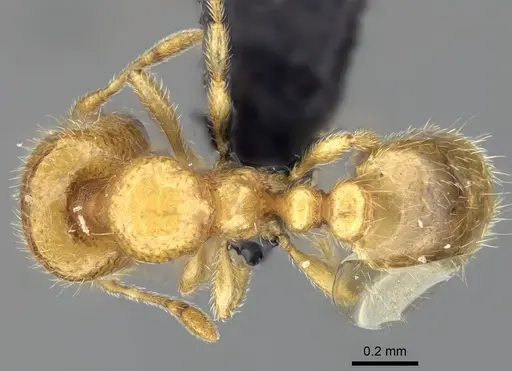
Literature
Loading...Loading products...