

Carebara anophthalma
- Scientific Name
- Carebara anophthalma
- Tribe
- Crematogastrini
- Subfamily
- Myrmicinae
- Author
- Emery, 1906
- Distribution
- Found in 3 countries
Carebara anophthalma Overview
Carebara anophthalma is an ant species of the genus Carebara. It is primarily documented in 3 countries , including Brazil, Guyana, Peru. Detailed taxonomic data and occurrence records can be further explored via authoritative databases such as AntWeb or the Global Biodiversity Information Facility (GBIF).
Carebara anophthalma
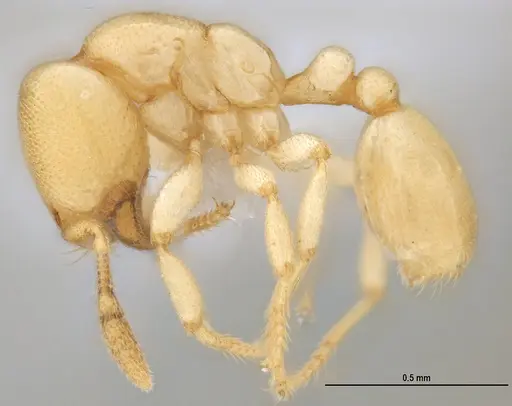
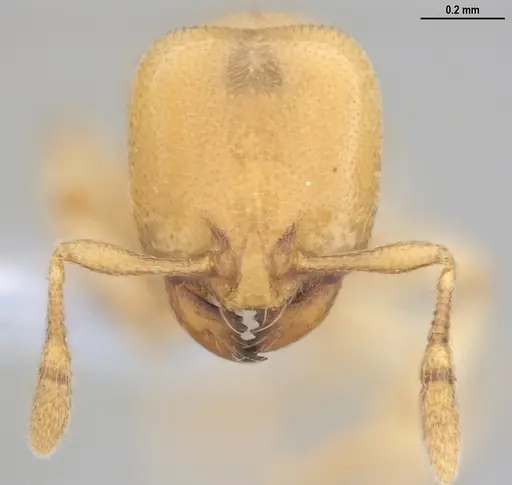
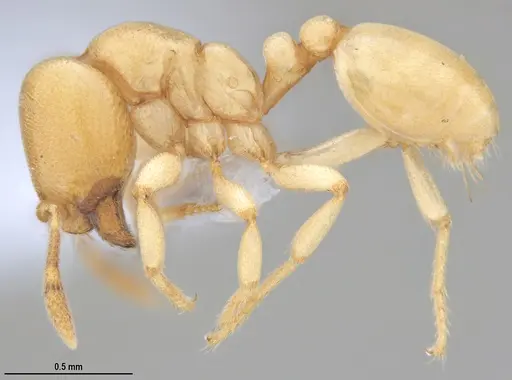
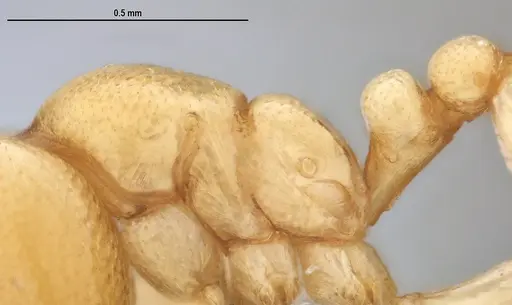
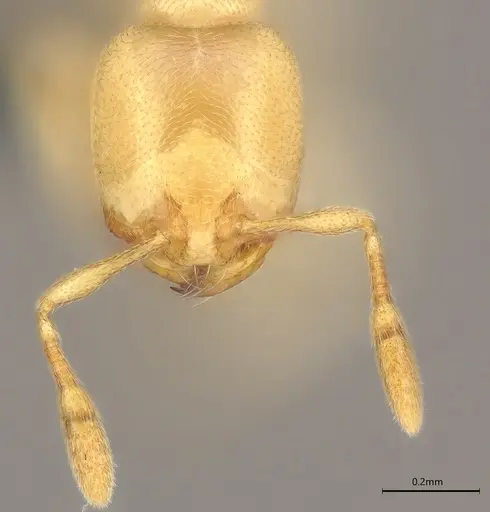
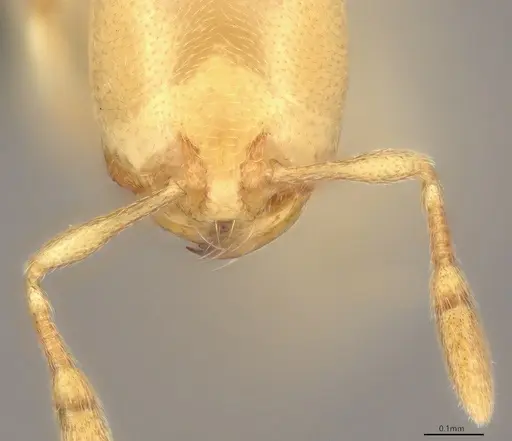
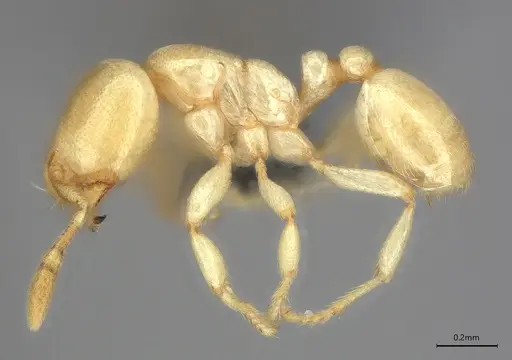
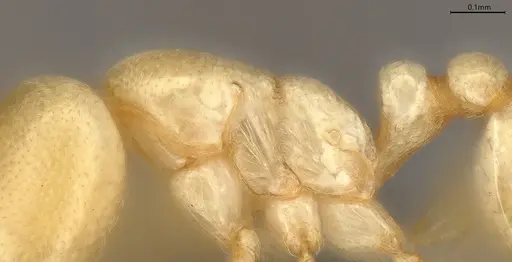
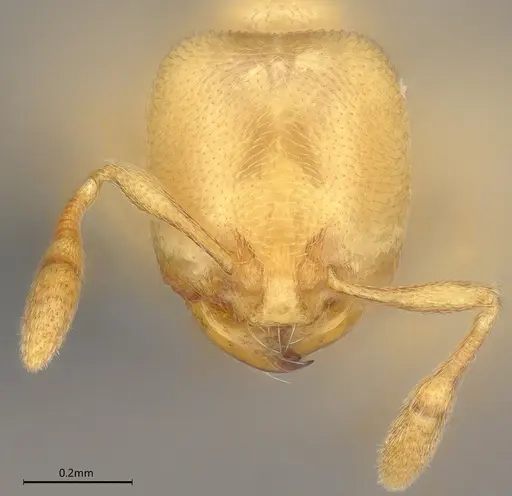
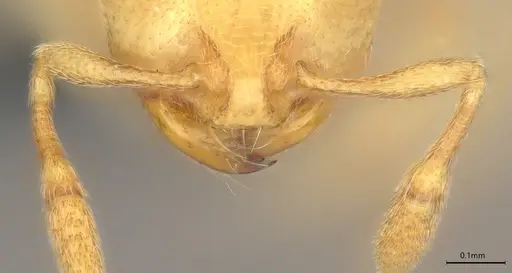
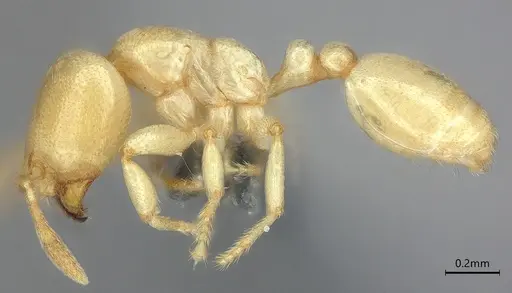
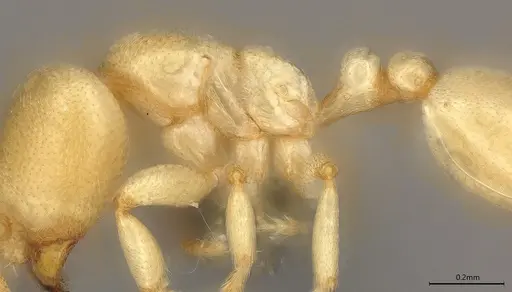
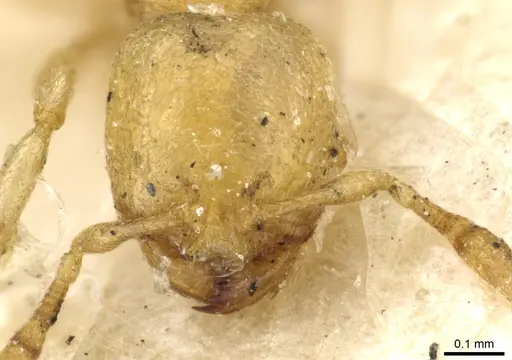
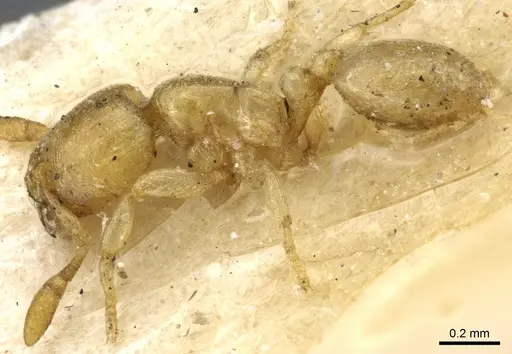
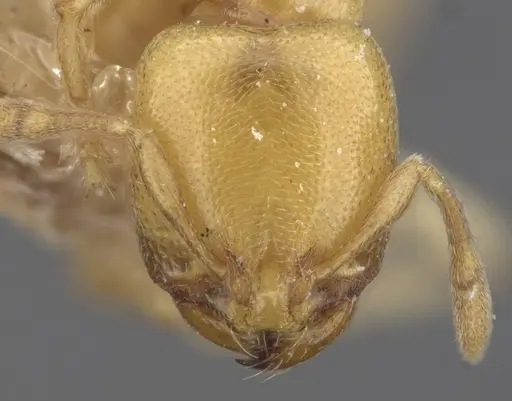
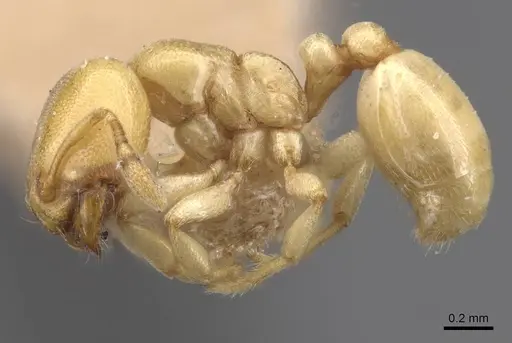
Carebara anophthalma is a tiny ant species found across the Neotropical region of South America, including Brazil, Ecuador, Guyana, and Peru. Workers measure just 1.38-1.99mm in total length, making them one of the smaller ant species kept in captivity [1]. The species name 'anophthalma' literally means 'without eyes', these ants have completely lost their eyes, a trait shared by some other Carebara species that live in dark microhabitats [2]. Their body is light yellow, compact, and smooth with very short reclinated hairs covering the surface. They lack the longer erect hairs seen in many related species [1]. This species belongs to the Carebara lignata species complex, a group of small, cryptic ants often found nesting in rotting wood or under stones in forest environments [3].
What makes C. anophthalma particularly interesting is its completely blind workers, they navigate and forage entirely through chemical cues and tactile sensations. This is an adaptation to their cryptic lifestyle, living in dark crevices and within rotting wood where eyes would be useless. Their 9-segmented antennae with a 2-segmented club help them detect pheromones and navigate their environment [2]. While not the most visually striking ant species, their tiny size and completely eyeless workers make them a unique choice for antkeepers interested in observing blind ant behavior.
Quick Summary
- Difficulty: Medium
- Origin & Habitat: Neotropical region, Brazil, Ecuador, Guyana, and Peru. They live in moist tropical forest environments, typically nesting in rotting wood, under stones, or in decaying organic matter [3].
- Colony Type: Unknown colony structure. The colony type (single queen vs multi-queen) has not been documented for this species.
- Size & Growth:
- Queen: Unconfirmed, no queen measurements available in scientific literature
- Worker: 1.38-1.99mm total length [1]
- Colony: Unknown, no colony size data available
- Growth: Unknown, development timeline has not been studied
- Development: Unknown, no direct development data available. Based on typical Carebara patterns and their tiny size, expect 4-8 weeks at tropical temperatures, but this is an estimate. (Development time is unconfirmed. Related Carebara species in the lignata complex typically develop from egg to worker in 4-8 weeks under warm tropical conditions.)
- Antkeeping:
- Temperature: Keep at 24-28°C as a starting point. This is a tropical species from the Amazon region, so they prefer warm, stable conditions. Adjust based on colony activity, if workers seem sluggish, increase slightly, if they avoid heated areas, reduce temperature. Use a heating cable on one side of the nest to create a gentle gradient.
- Humidity: High humidity is essential, think damp forest floor. Keep the nest substrate consistently moist but not waterlogged. The substrate should feel damp to the touch with some condensation visible. Allow some drier areas within the setup so ants can self-regulate. Mist or rehydrate when the surface begins drying.
- Diapause: No, this is a tropical species from the Amazon basin. They do not require a hibernation period. Keep them at stable tropical temperatures year-round.
- Nesting: In captivity, they do well in small test tubes with water reservoirs, Y-tong nests, or small acrylic formicariums. The key is providing tight chambers scaled to their tiny size, these are very small ants that can slip through standard gaps. Use nests with narrow passages and small chambers. They prefer dark, humid conditions and will often nest in the most humid areas of the setup.
- Behavior: These are shy, cryptic ants that prefer to stay hidden. Workers are blind and navigate entirely through chemical and tactile cues, you won't see them foraging in the open like some larger ants. They are likely nocturnal or crepuscular, becoming more active in low light conditions. Their small size and blind nature mean they are not aggressive and pose no sting threat to humans. Escape prevention is critical, at under 2mm, they can squeeze through the tiniest gaps. Use fine mesh and tight-fitting lids.
- Common Issues: escape prevention is critical, at 1.4-2mm, they can slip through gaps that larger ants cannot. Use fine mesh barriers and check all connections, high humidity requirements can lead to mold problems if ventilation is poor. Balance humidity with adequate airflow, slow growth and tiny size mean colonies can fail easily if stressed. Avoid disturbing them frequently, wild-caught colonies may carry parasites that can decimate the colony in captivity, their blind, cryptic nature means you may not see them often, don't mistake this for colony death
Housing and Setup
Carebara anophthalma requires a setup scaled to their tiny size. Workers reach only 1.4-2mm total length, so standard formicarium connections may be too large, and escape risk is high. Test tube setups work well for founding colonies, use small diameter tubes (5-8mm) with cotton barriers. For established colonies, Y-tong nests or small acrylic formicariums with narrow chambers work best. The nest material should retain moisture well, plaster, acrylic, or ytong all work when properly hydrated. Provide an outworld for foraging, but keep connections small to prevent escapes. Cover the nest portion to create dark, humid conditions, these blind ants prefer darkness. A water test tube connected to the nest helps maintain humidity over time. Because they are so small, even standard fluon barriers may need reinforcement with tighter mesh on outworld lids.
Feeding and Diet
In the wild, Carebara species are omnivorous scavengers that likely feed on small insects, honeydew, and decaying organic matter. In captivity, offer small protein sources like fruit flies, pinhead crickets, or small mealworms. Because of their tiny size, prey items should be appropriately scaled, flightless fruit flies (Drosophila) are an excellent choice. They will also accept sugar sources like honey water or sugar water, though acceptance varies. Feed small amounts every 2-3 days and remove uneaten prey within 24 hours to prevent mold. Their small size means even a single fruit fly is a substantial meal for the colony. Observe foraging activity during low-light periods as they may be more active then.
Temperature and Humidity
As a tropical species from the Amazon basin, Carebara anophthalma requires warm, humid conditions. Target temperatures of 24-28°C with a gentle gradient allowing the ants to self-regulate. A heating cable placed on one side of the nest creates this gradient effectively. Avoid temperatures below 20°C for extended periods. Humidity should be high, the nest substrate should remain consistently moist. Check moisture levels daily and rehydrate when the surface begins drying. Condensation on the nest walls is a good sign of adequate humidity. However, balance this with ventilation to prevent mold buildup. If mold appears, reduce humidity slightly and improve airflow. The combination of heat and humidity is key to keeping these tropical ants healthy.
Behavior and Observation
These are cryptic, secretive ants that spend most of their time hidden within the nest structure. Workers are completely blind, navigating through chemical pheromone trails and tactile sensations. You may not see much activity in the outworld, this is normal behavior, not a sign of colony problems. They are likely nocturnal or crepuscular, becoming more active during dim lighting conditions. Their small size and non-aggressive nature mean they pose no sting threat. Observation is part of the challenge and appeal of keeping this species, you learn to read subtle signs of colony health through nest condition and occasional forays. Avoid frequent disturbances to the nest, as this stresses the colony. The best viewing opportunities come during feeding times when workers emerge to retrieve prey.
Colony Establishment
If you obtain a founding queen, she should be housed in a small, humid test tube setup. The founding behavior of this species is unconfirmed, but based on related Carebara species, she is likely claustral, sealing herself in and living off stored fat reserves until her first workers emerge. Provide a dark, quiet location and do not disturb for 4-8 weeks. The first workers (nanitics) will be very small and may take time to establish a foraging pattern. After workers emerge, you can connect a small outworld for feeding. Growth will be slow initially, be patient and maintain consistent conditions. Avoid combining unrelated queens as pleometrosis (multiple queen founding) has not been documented for this species and could result in fighting.
Frequently Asked Questions
How long does it take for Carebara anophthalma to produce first workers?
The exact development timeline is unconfirmed for this species. Based on typical Carebara patterns and their small size, expect 4-8 weeks from egg to first worker at optimal tropical temperatures (around 26°C). The first workers will be very small nanitics. Patience is key, avoid disturbing the queen during this founding period.
What do Carebara anophthalma ants eat?
They are omnivorous scavengers. Offer small protein sources like fruit flies, tiny crickets, or small mealworms. They will also accept sugar water or honey diluted with water. Remove uneaten prey within 24 hours. Feed small amounts every 2-3 days.
Do Carebara anophthalma ants sting?
No, these ants are not known to sting humans. They are tiny (under 2mm) and completely blind. Their small size means they cannot penetrate human skin even if they tried. They are completely harmless to keepers.
What temperature do Carebara anophthalma ants need?
Keep them at 24-28°C. This is a tropical Amazon species, so they need warm conditions. A heating cable on one side of the nest creates a gentle gradient. Avoid temperatures below 20°C.
Are Carebara anophthalma good for beginners?
They are rated as medium difficulty. While not aggressive and requiring no hibernation, their tiny size makes escape prevention challenging, and they require high humidity. They are better suited for keepers who already have some experience with small Myrmicinae species.
How big do Carebara anophthalma colonies get?
The maximum colony size is unknown. Based on related species in the Carebara lignata complex, colonies likely reach several hundred workers at most. They are not among the larger Carebara species.
Do Carebara anophthalma ants need hibernation?
No, they do not require hibernation. This is a tropical species from the Amazon basin. Keep them at stable tropical temperatures year-round.
Why can't I see my Carebara anophthalma ants?
This is normal behavior. These are cryptic, secretive ants that prefer to stay hidden within the nest. Workers are completely blind and likely nocturnal or crepuscular. They become more active during low-light conditions. The lack of visible activity does not indicate colony problems.
Can I keep multiple Carebara anophthalma queens together?
This has not been documented. The colony structure (monogyne vs polygyne) is unconfirmed for this species. Combining unrelated foundresses is not recommended as it could result in fighting. It is safest to house each queen separately.
References

This caresheet is licensed under CC BY-SA 4.0 .
ANTWEB1053836
View on AntWeb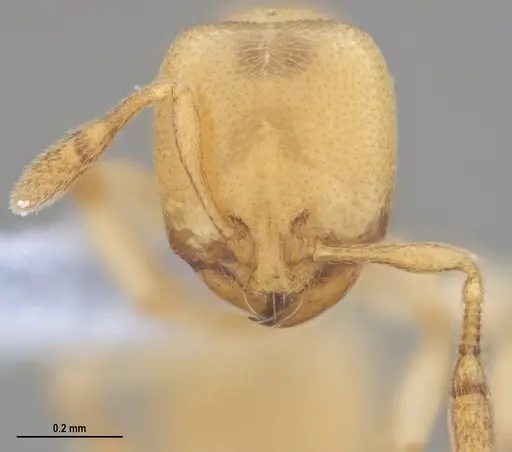
ANTWEB1053837
View on AntWeb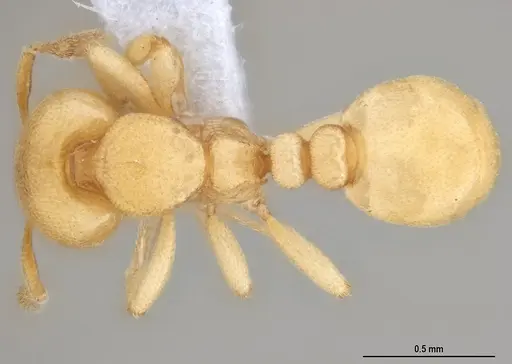
ANTWEB1053844
View on AntWeb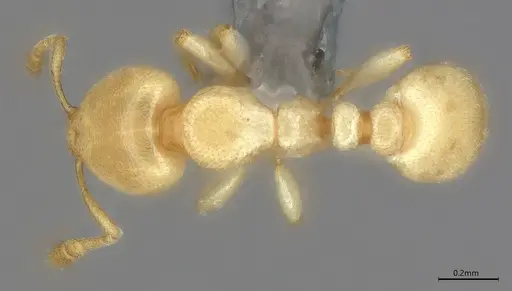
ANTWEB1053846
View on AntWeb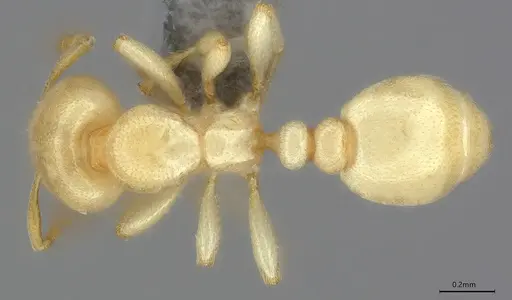
CASENT0904674
View on AntWeb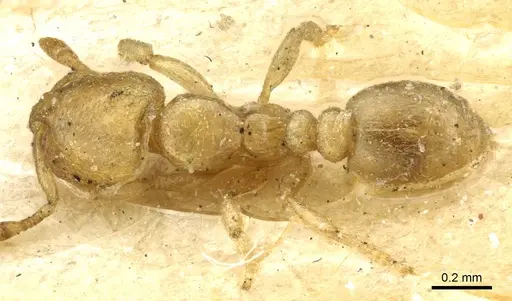
CASENT0913489
View on AntWeb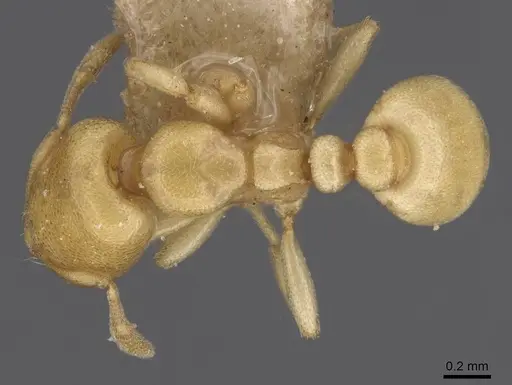
Literature
Loading...Loading products...