

Cardiocondyla stambuloffii
- Scientific Name
- Cardiocondyla stambuloffii
- Tribe
- Crematogastrini
- Subfamily
- Myrmicinae
- Author
- Forel, 1892
- Distribution
- Found in 4 countries
Cardiocondyla stambuloffii Overview
Cardiocondyla stambuloffii is an ant species of the genus Cardiocondyla. It is primarily documented in 4 countries , including Bulgaria, Romania, Russian Federation. Detailed taxonomic data and occurrence records can be further explored via authoritative databases such as AntWeb or the Global Biodiversity Information Facility (GBIF).
Cardiocondyla stambuloffii
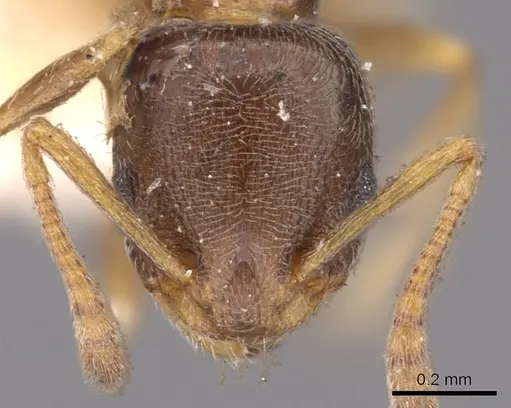
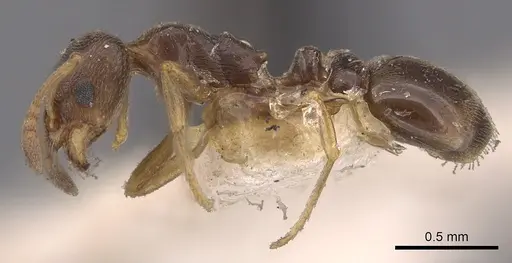
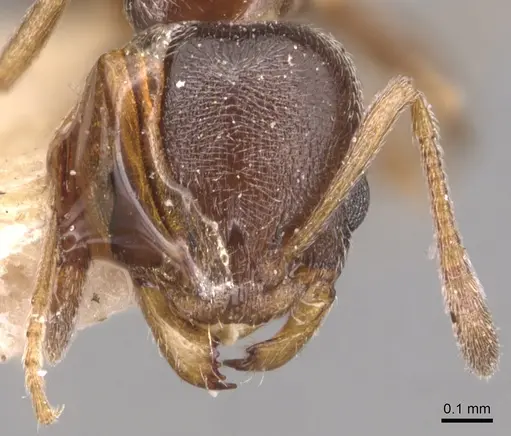
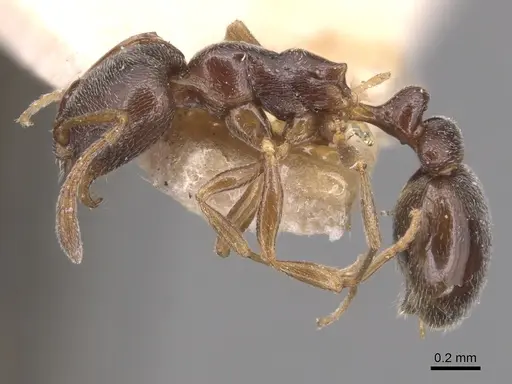
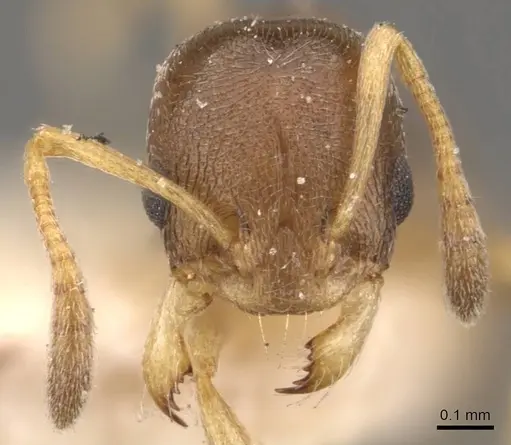
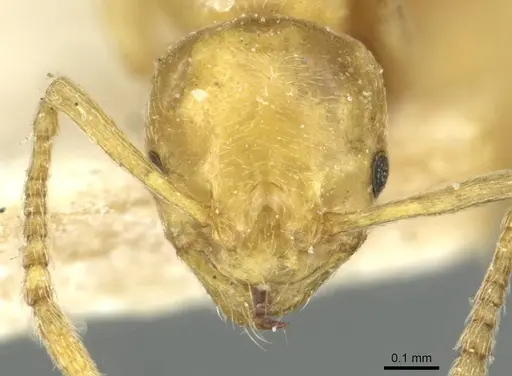
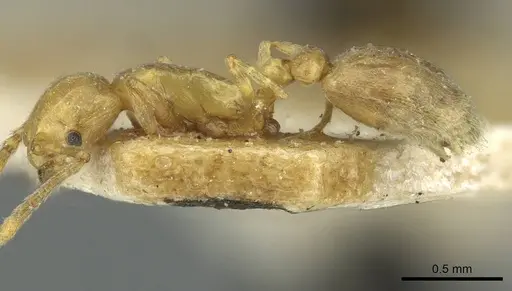
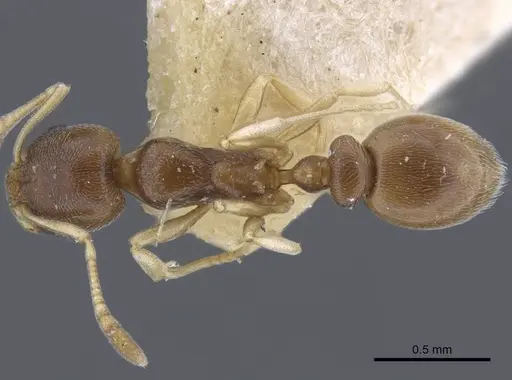
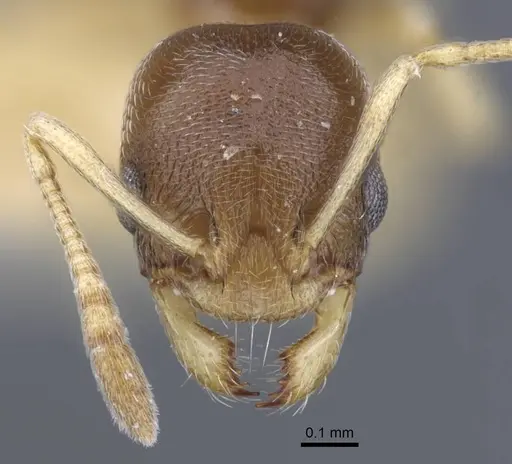
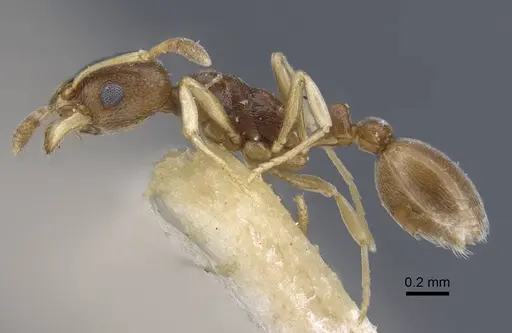
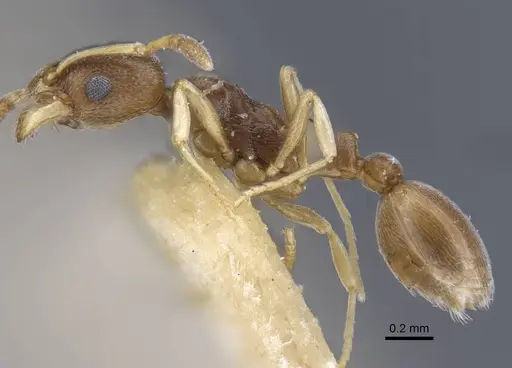
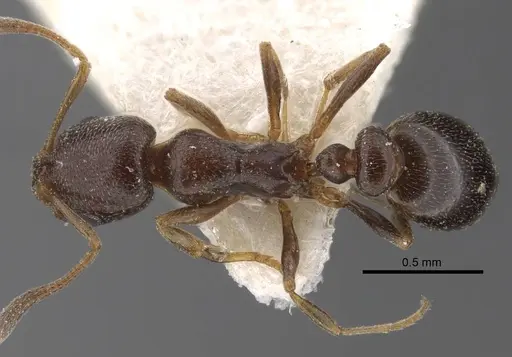
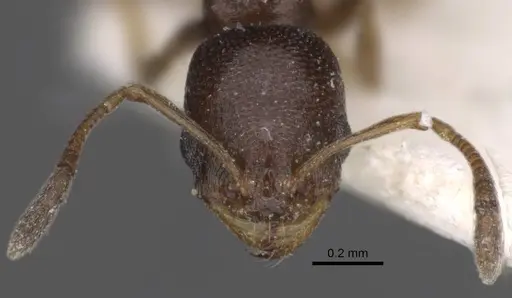
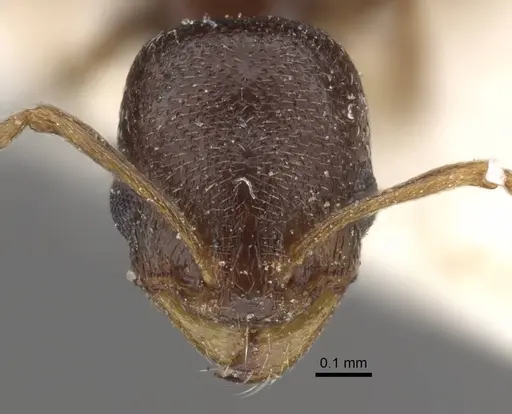
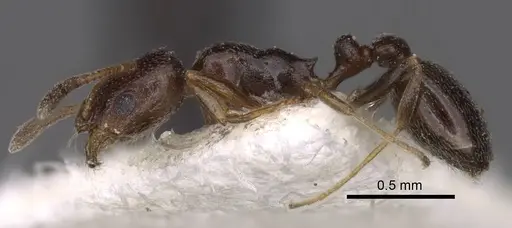
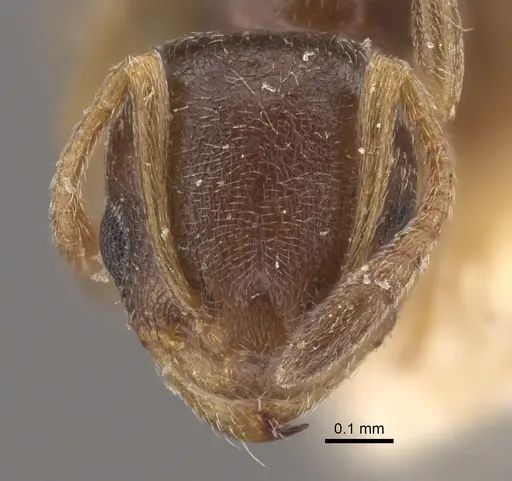
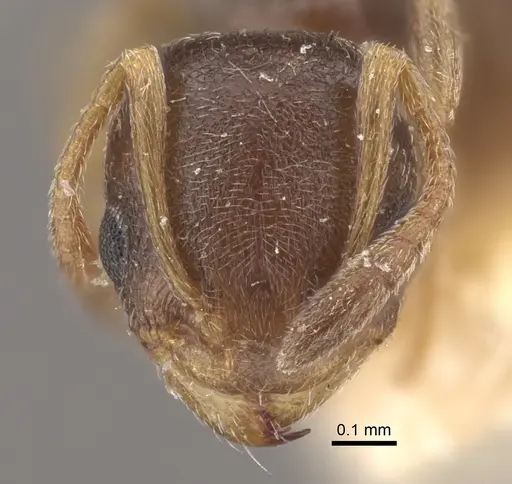
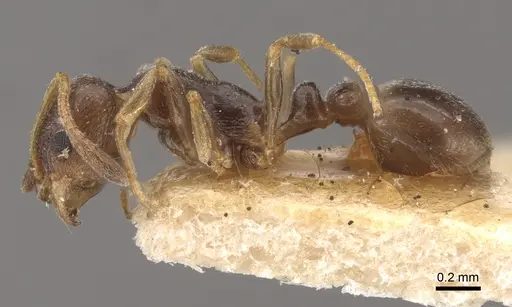
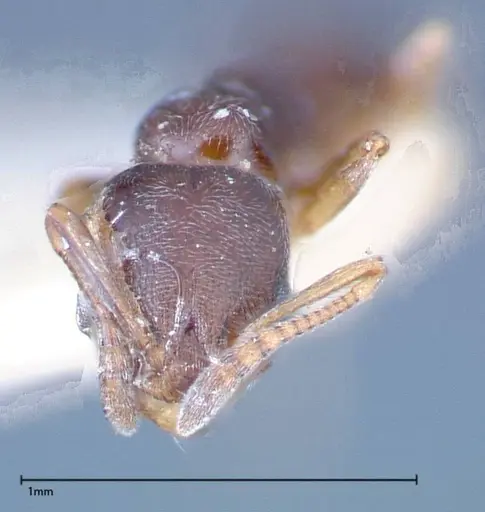
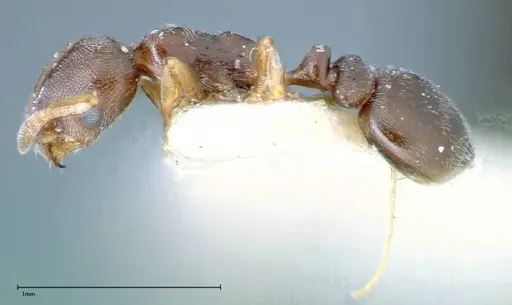
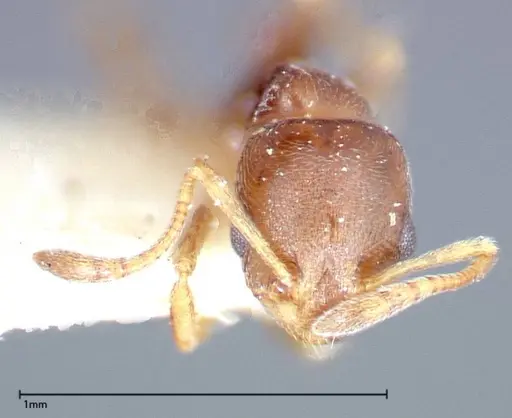
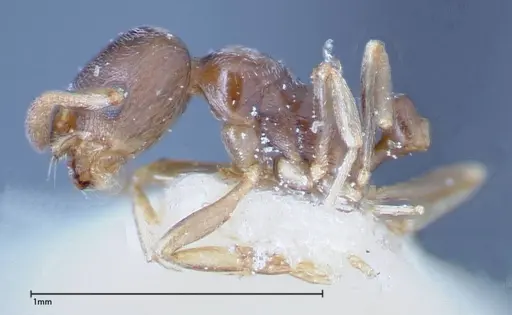
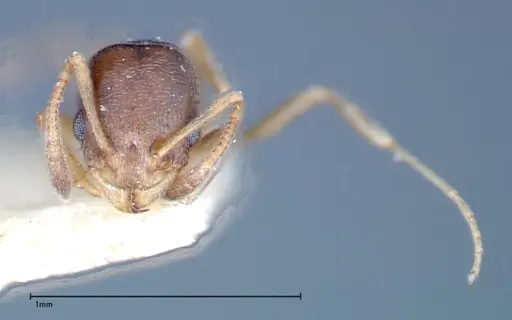
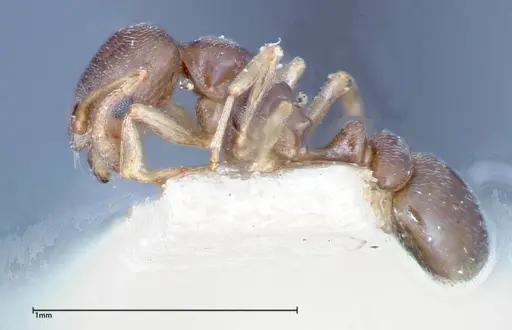
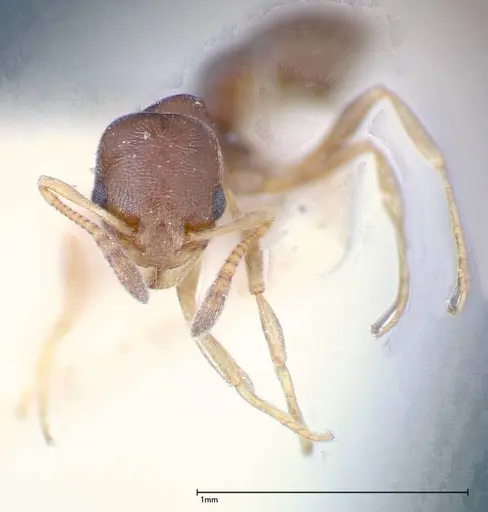
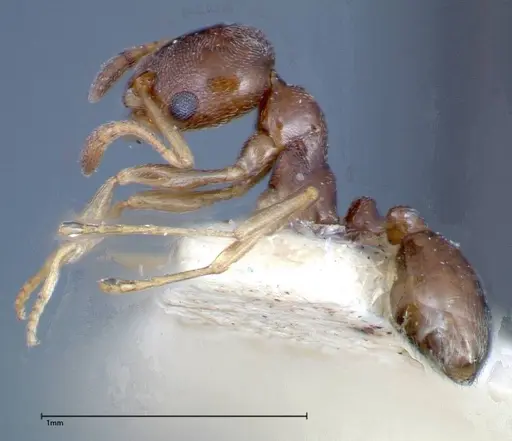
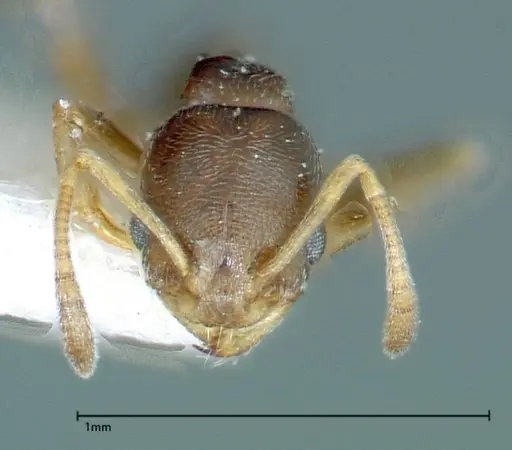
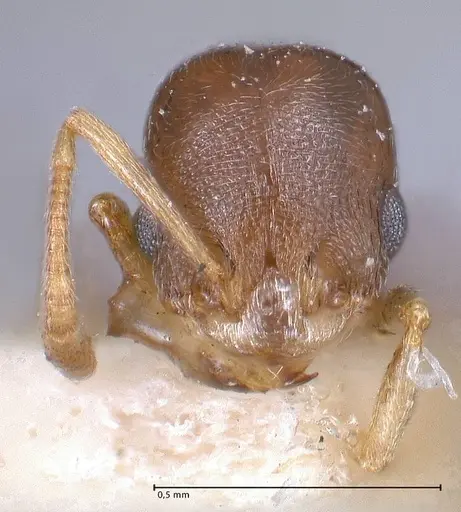
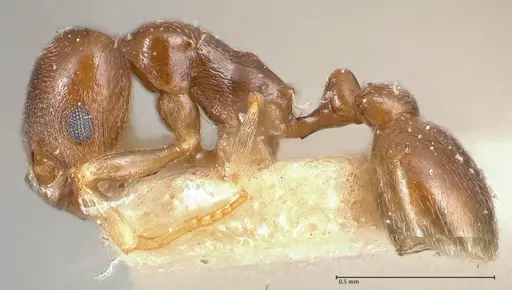
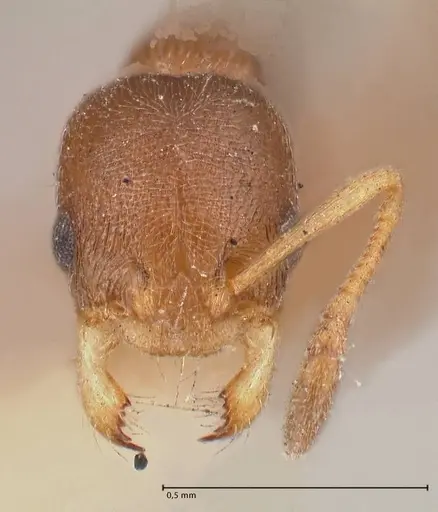
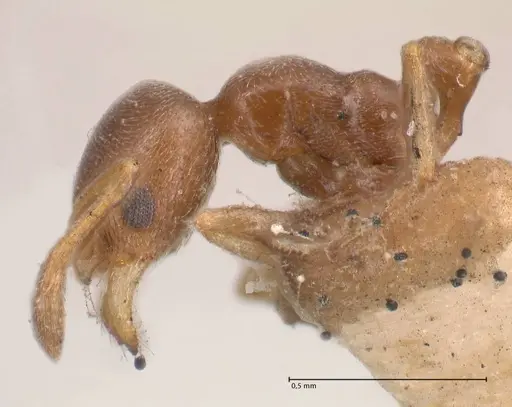
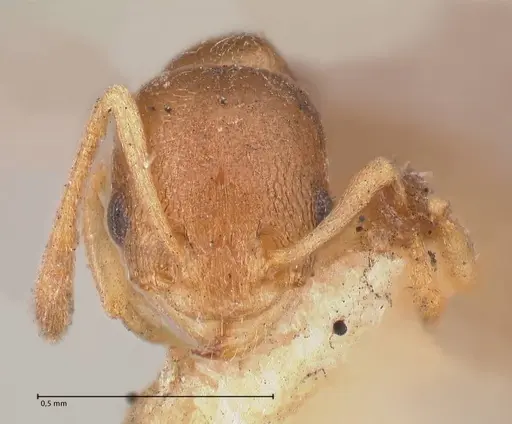
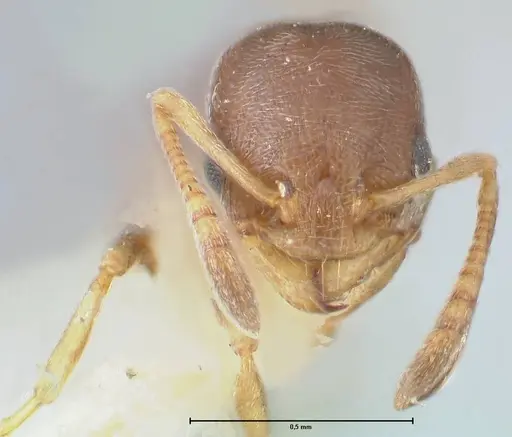
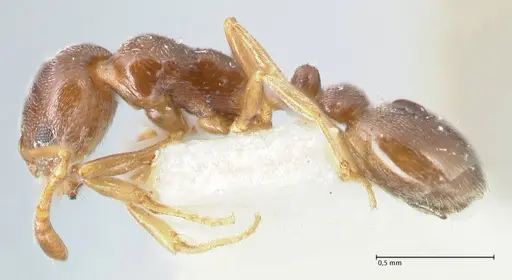
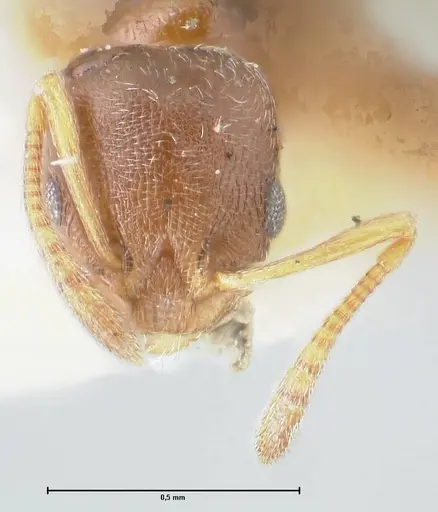
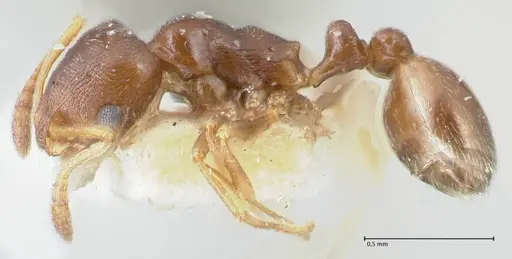
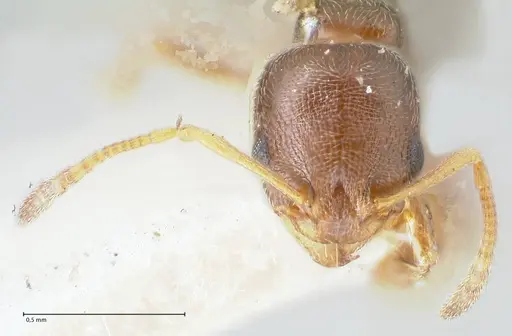
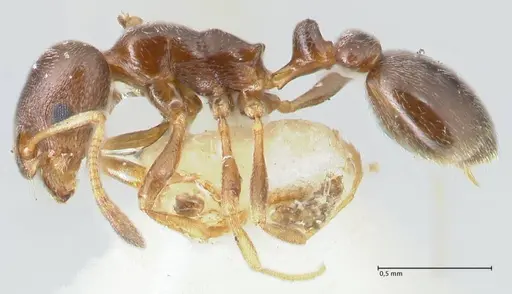
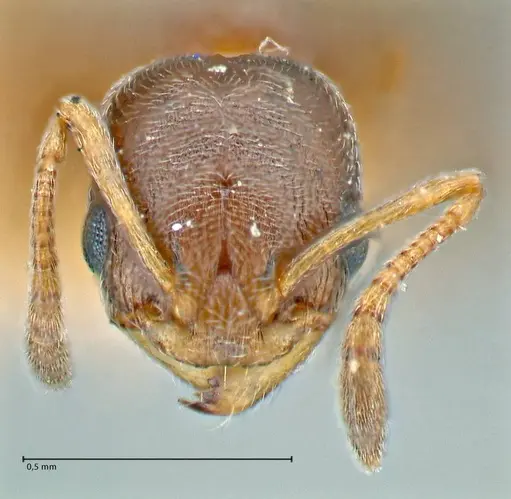
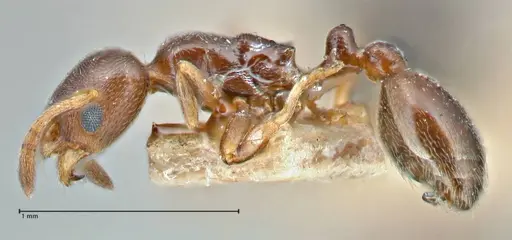
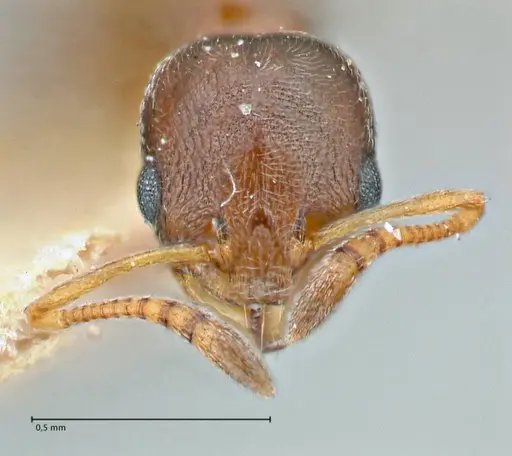
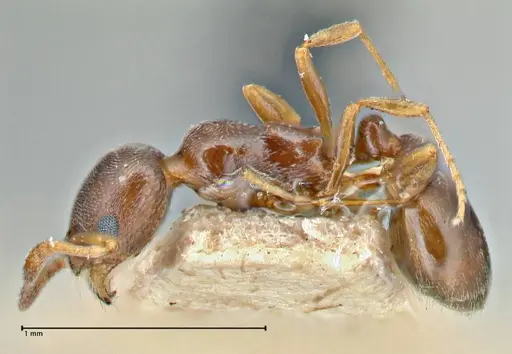
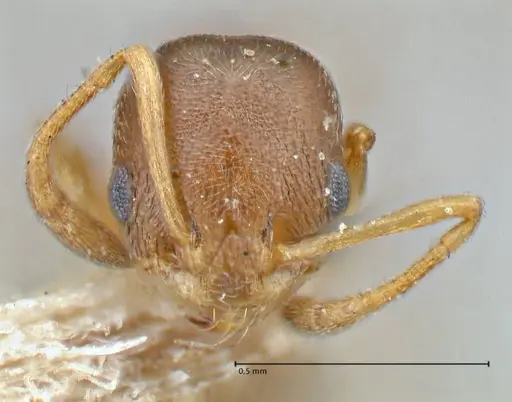
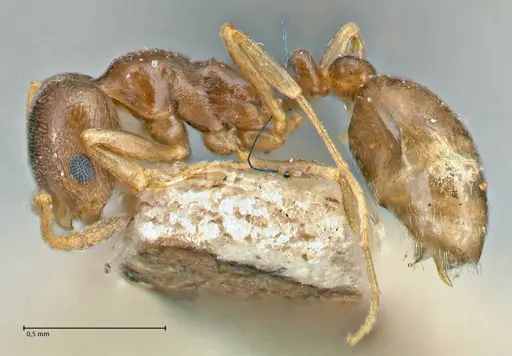
Cardiocondyla stambuloffii are tiny ants with workers measuring just 2.3-2.6 mm and queens reaching 3.0-3.3 mm [1]. They are dark brown to blackish-brown with a distinctive wide postpetiole that appears almost as a transverse band across the abdomen [1][2]. Native to the Black Sea and Caspian coastal regions, they nest in open, sun-exposed sandy areas from Greece to Iran [3].
What makes this species unusual is that the males are ergatoid, meaning they are wingless and look like workers, and they possess shear-shaped mandibles [3]. Unlike many ant species where males fight or are driven out, adult males in Cardiocondyla stambuloffii show mutual tolerance and can coexist peacefully in the nest [3]. Workers are fast, active hunters that forage on the ground for tiny insects and have been observed carrying corpses of other ants back to the nest [1].
Quick Summary
- Difficulty: Medium
- Origin & Habitat: Native to sandy coastal habitats and riverbanks around the Black Sea and Caspian Sea, ranging from Greece and Bulgaria through Turkey, Georgia, and Iran to the Caspian coast [3][4]. They prefer open, sun-exposed areas with sparse vegetation, often nesting in sand dunes, coastal sediment, or rocky soils [3].
- Colony Type: Monogyne, colonies contain a single queen. Males are ergatoid (wingless) and multiple males can coexist peacefully in the nest without fighting [3].
- Colony: Monogyne
- Size & Growth:
- Queen: 3.0-3.3 mm [1] (CS 676 µm [2])
- Worker: 2.3-2.6 mm [1] (CS 524 µm [2][3])
- Colony: Up to 400-500 workers [3][4]
- Growth: Moderate, estimated based on similar small Cardiocondyla species
- Development: Unconfirmed, likely 6-10 weeks at 25°C based on related small Myrmicinae, but specific timing has not been documented (Development speed likely depends on temperature, nanitic workers may emerge slightly faster)
- Antkeeping:
- Temperature: Warm conditions around 25-28°C based on their preference for sun-exposed habitats [3]. A heating cable on one side of the nest can help create a gradient.
- Humidity: Low to moderate. Keep the nest material slightly moist but well-drained, they naturally inhabit sandy soils that do not become waterlogged [3][4]. Avoid soggy conditions.
- Diapause: Unknown, not explicitly documented. Given their temperate range, they may tolerate cooler winter periods, but specific hibernation requirements are unconfirmed.
- Nesting: Sandy substrates with narrow chambers. Naturalistic setups with sand or sandy gypsum formicaria work best, mimicking their deep sand nests with small crater entrances [1][4].
- Behavior: Fast, active, and predatory. Workers hunt small insects on the ground and transport prey quickly back to the nest [1]. Males are wingless and peaceful toward each other [3]. Because of their extremely small size, they are excellent escape artists and require excellent barriers [1].
- Common Issues: escaping through tiny gaps, workers are only 2.3-2.6 mm and can squeeze through the smallest openings, use fine mesh and Fluon barriers., desiccation if kept too dry, while they prefer sandy, well-drained nests, the substrate should not be completely dry, maintain slight moisture., overfeeding with large prey, they hunt tiny insects naturally, large prey items may be ignored or cause problems., difficulty observing, their small size makes them challenging to see and monitor without magnification.
Nest Preferences
In nature, Cardiocondyla stambuloffii builds underground nests in sandy soil, connecting to the surface through a single tiny crater-shaped opening [1]. These nests can extend more than 50 cm deep into the soil and contain up to 400-500 workers [4]. One nest was found in the root bale of a composite plant in a coastal sand dune, containing one queen, two males, and about 300 workers [3].
For captive keeping, provide a nest that mimics these sandy conditions. A naturalistic setup with fine sand or a sand-gypsum mix works well. The nest should have narrow chambers and tunnels appropriate for their tiny 2.5 mm size. Avoid tall, open spaces that they cannot climb easily. Ensure the substrate is well-drained but can hold slight moisture, think damp sand, not mud. A test tube setup can work for founding but should be replaced with a sand-based formicarium as the colony grows.
Feeding and Diet
Cardiocondyla stambuloffii are predators. Forel observed that they live from the product of their hunt, actively searching for tiny insects on the sand and between grasses [1]. They have been seen carrying corpses of other ants, specifically Tetramorium caespitum, as large prey items back to the nest [1]. They were not observed visiting flowers or tending aphids for honeydew [1].
In captivity, offer small live prey such as springtails, fruit flies, or tiny insect pieces. They may also accept pre-killed small insects. While sugar sources were not observed in their natural diet, they might accept diluted sugar water or honey water in captivity, but protein should remain the primary food source. Feed small amounts frequently rather than large prey that could mold or go uneaten.
Temperature and Care
These ants prefer warm conditions. All studied nest sites were in open, very sun-exposed habitats with sparse vegetation cover [3]. Their range includes coastal areas from sea level up to 1700 meters in Asia Minor, suggesting they tolerate a range of temperatures but thrive in warmth [3].
Keep the nest area around 25-28°C. You can create a thermal gradient by placing a heating cable on one side of the nest, allowing the ants to choose their preferred temperature. Avoid overheating, if the substrate dries out completely, the colony may suffer. While they tolerate some salinity in nature (nests found in moderately saline coastal soils) [3], standard clean sand works fine in captivity.
Behavior and Temperament
Workers are extremely lively and fast runners, constantly entering and exiting the nest around the tiny crater entrance [1]. They are agile hunters that forage actively on the ground surface.
A unique feature of this species is the presence of ergatoid males, males that are wingless and worker-like in appearance [3]. These males have shear-shaped mandibles and, unlike the fighting males found in some other Cardiocondyla species, they show mutual tolerance [3]. Laboratory observations confirm that adult males do not fight and can coexist in the same nest [3]. This peaceful male behavior is unusual among ants.
Colony Founding
The founding behavior of Cardiocondyla stambuloffii has not been directly documented in the research literature. Based on typical Cardiocondyla patterns, queens likely found colonies independently (claustral founding), sealing themselves in a chamber and raising the first workers on stored fat reserves. However, this remains unconfirmed for this specific species. If attempting to found a colony from a newly caught queen, provide a small, secure chamber with sandy substrate and minimal disturbance.
Frequently Asked Questions
Can I keep Cardiocondyla stambuloffii in a test tube?
Yes, a test tube setup can work for a founding queen or small colony, but you should transition them to a sand-based nest as soon as possible. They naturally live in deep sand nests and do best in substrates that mimic their sandy coastal habitat [4].
What is the best nest type for Cardiocondyla stambuloffii?
Naturalistic sand nests or formicaria with sandy gypsum work best. They need well-drained, slightly moist substrate with narrow chambers scaled to their tiny 2.5 mm size [1][4].
How long until Cardiocondyla stambuloffii get their first workers?
The exact egg-to-worker timeline is unknown for this species. Based on similar small Cardiocondyla and Myrmicinae ants, expect roughly 6-10 weeks at 25-28°C, but this is an estimate.
How big do Cardiocondyla stambuloffii colonies get?
Colonies can reach 400-500 workers in the wild, with nests extending over 50 cm deep [3][4]. In captivity, they may remain smaller but can still reach several hundred workers.
Can I keep multiple queens together in a Cardiocondyla stambuloffii colony?
No. This species is monogyne, meaning colonies contain only one queen [3]. Combining multiple queens will likely result in fighting and death.
Do Cardiocondyla stambuloffii ants sting?
At only 2.3-2.6 mm, these ants are too small to effectively sting humans. They pose no danger to keepers [1].
Are Cardiocondyla stambuloffii good for beginners?
No. While not extremely difficult, their very small size makes them challenging for beginners. They require excellent escape prevention and can be difficult to observe and feed properly [1].
Do Cardiocondyla stambuloffii need hibernation?
Their hibernation requirements are unknown. They come from temperate to subtropical regions, so they may tolerate cooler winter rests, but specific diapause needs have not been documented.
What do Cardiocondyla stambuloffii eat?
They are predators that hunt small insects on the ground. In nature, they carry tiny insects and even ant corpses back to the nest. They do not appear to collect honeydew from aphids [1].
Why are my Cardiocondyla stambuloffii dying?
Common causes include desiccation (keep substrate slightly moist, not bone dry in sand), escaping (check for gaps, they are only 2.5 mm), or overfeeding with prey too large to handle [1][4].
References

This caresheet is licensed under CC BY-SA 4.0 .
ANTWEB1048539
View on AntWeb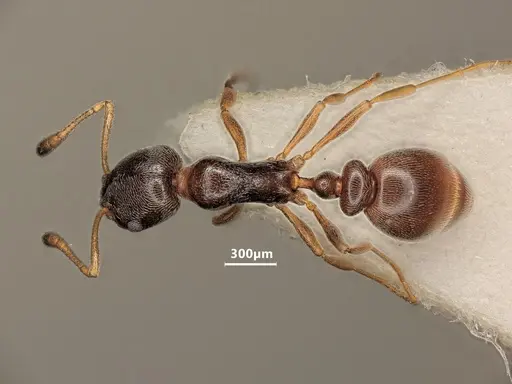
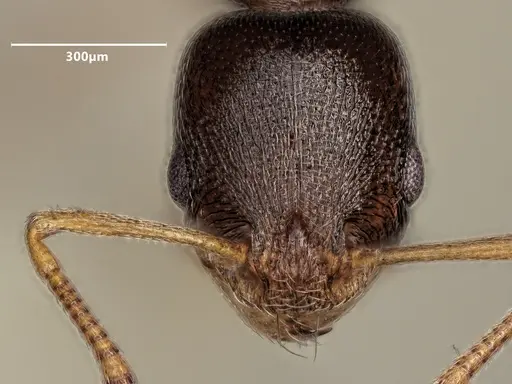
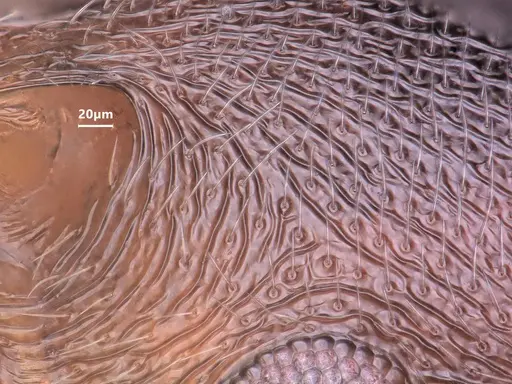
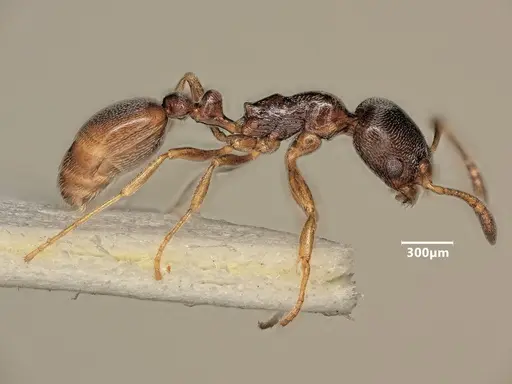
CASENT0901756
View on AntWeb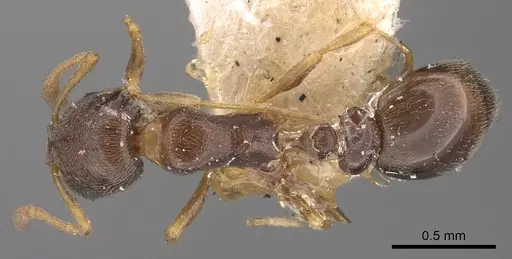
CASENT0904463
View on AntWeb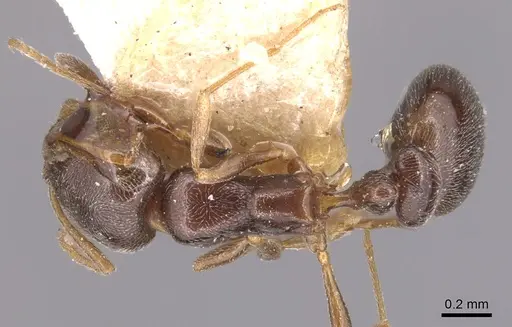
CASENT0908347
View on AntWeb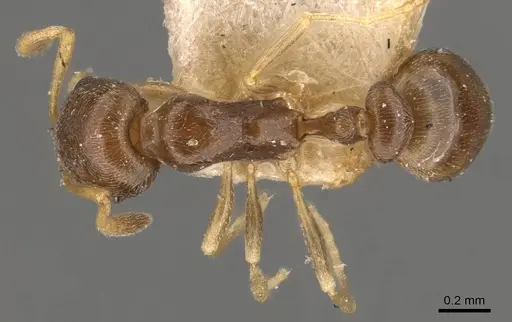
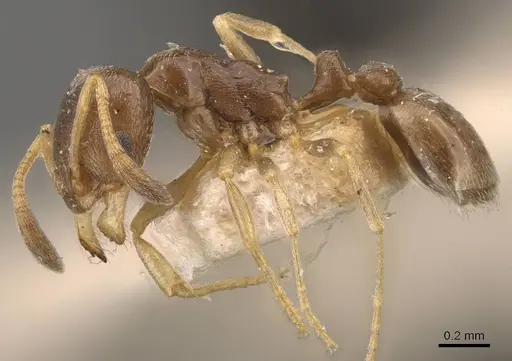
CASENT0912880
View on AntWeb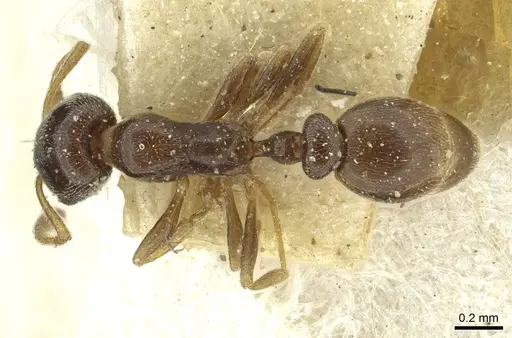
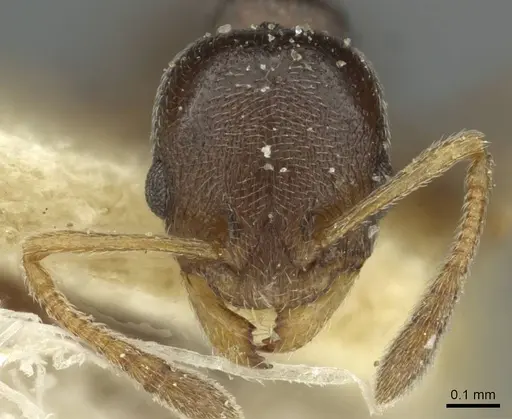
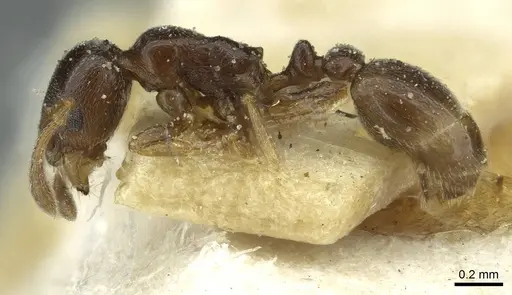
CASENT0912883
View on AntWeb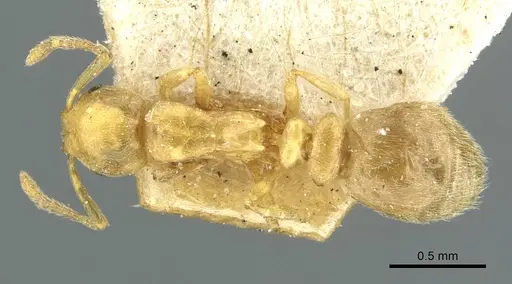
CASENT0916970
View on AntWeb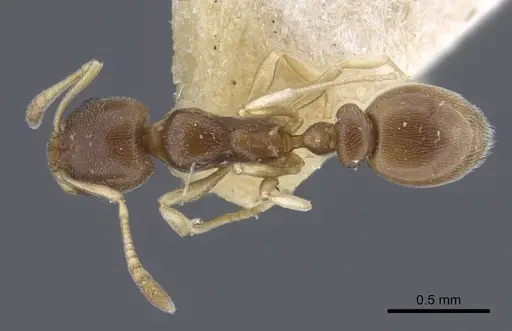
CASENT0917364
View on AntWeb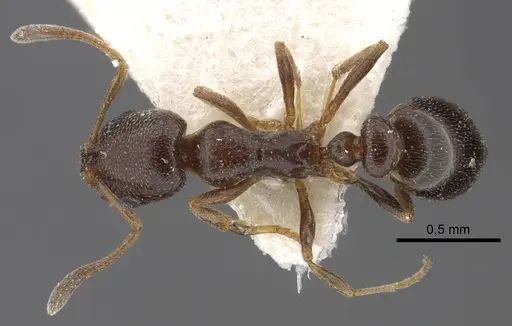
CASENT0917797
View on AntWeb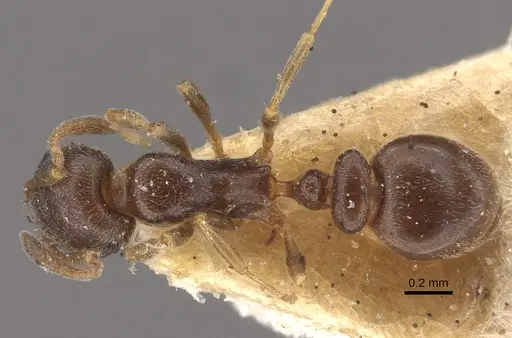
FOCOL0296-1
View on AntWeb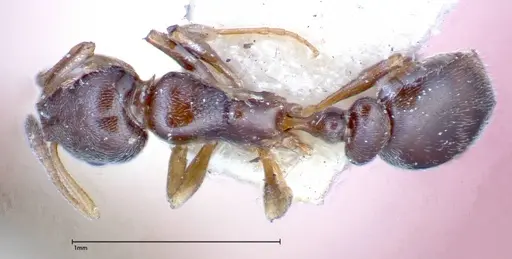
FOCOL0296-2
View on AntWeb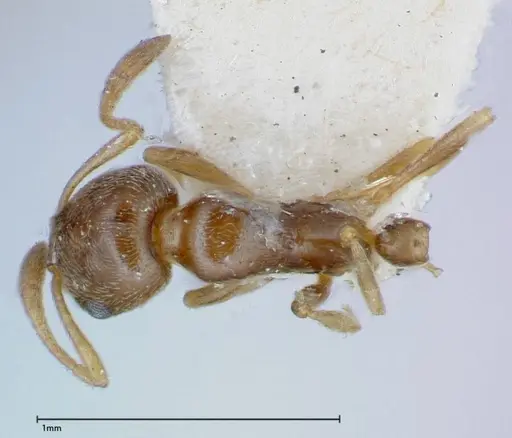
FOCOL0296-3
View on AntWeb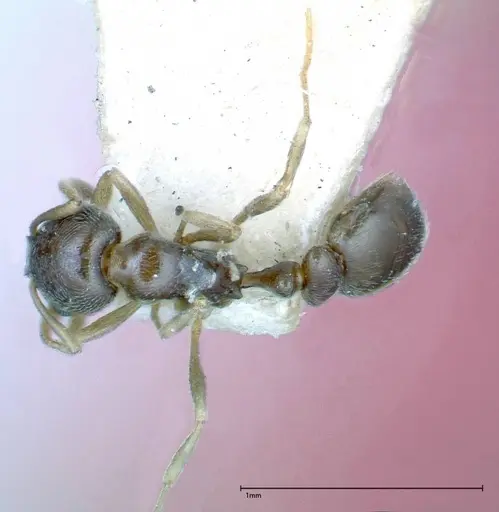
FOCOL0297-1
View on AntWeb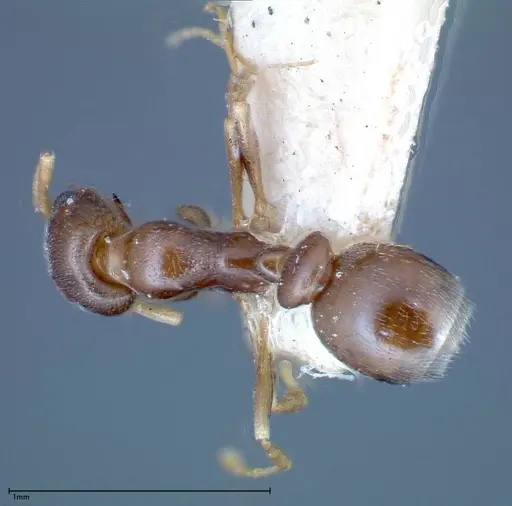
FOCOL0297-2
View on AntWeb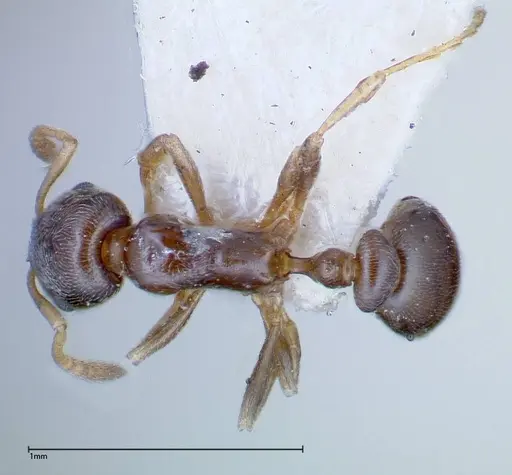
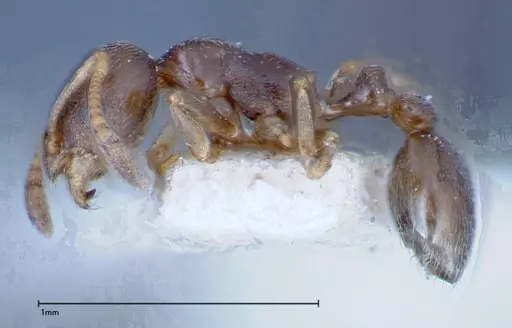
FOCOL0693-1
View on AntWeb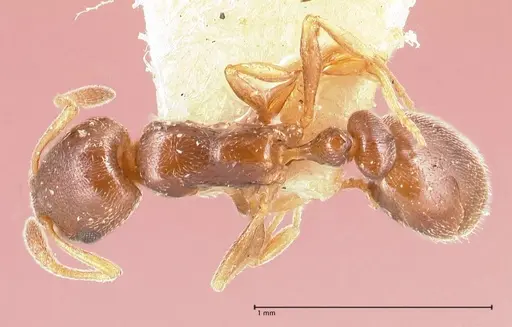
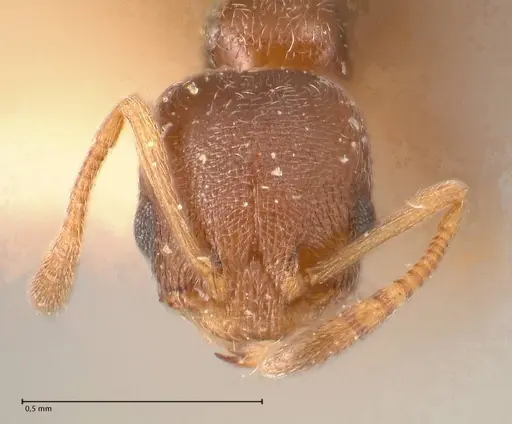
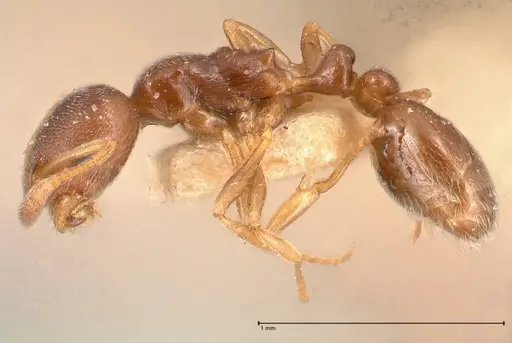
FOCOL0693-2
View on AntWeb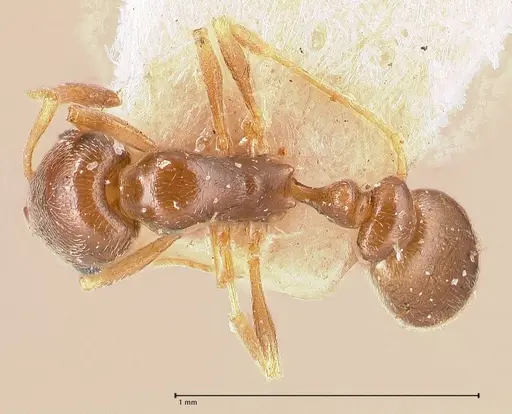
FOCOL0783-1
View on AntWeb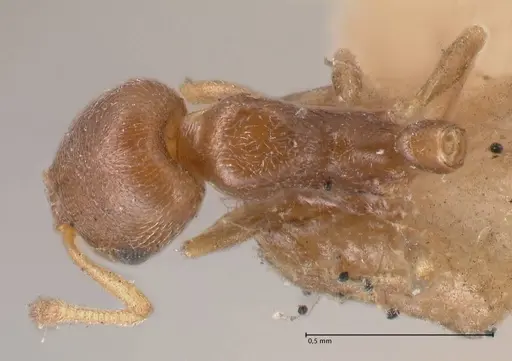
FOCOL0783-2
View on AntWeb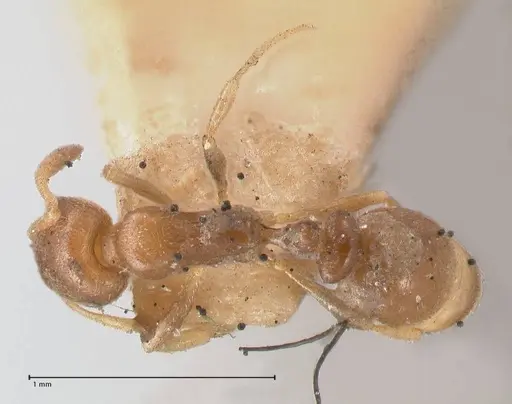
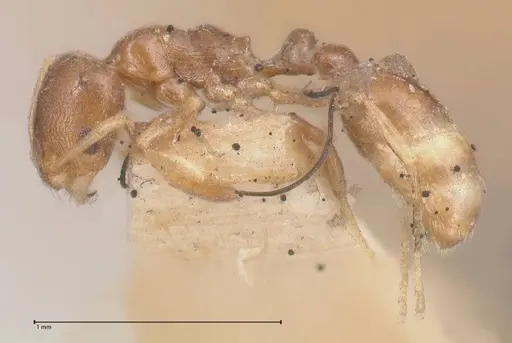
FOCOL0784
View on AntWeb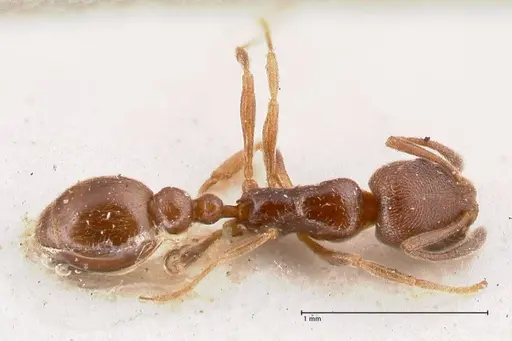
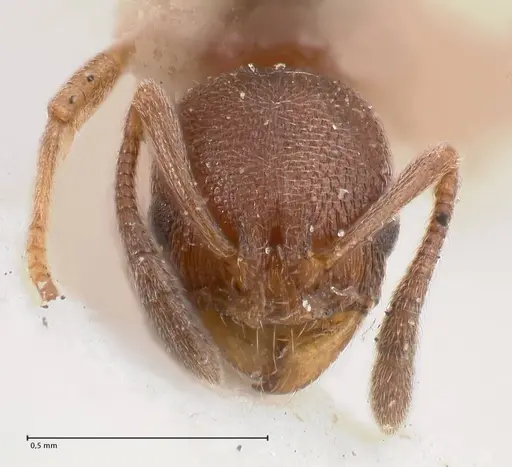
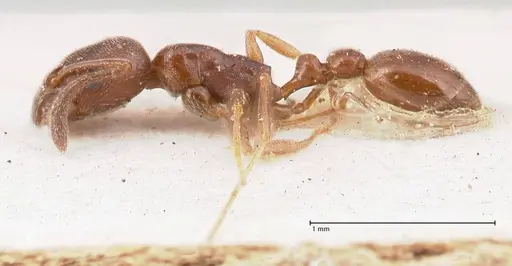
FOCOL1608
View on AntWeb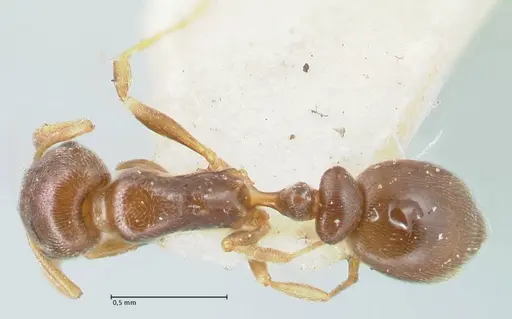
FOCOL1609
View on AntWeb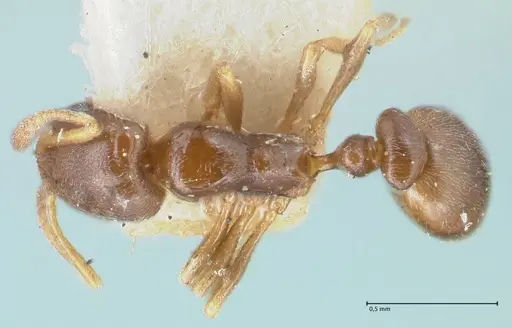
FOCOL1610
View on AntWeb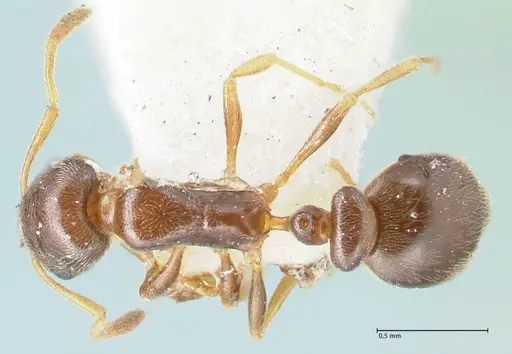
FOCOL2904
View on AntWeb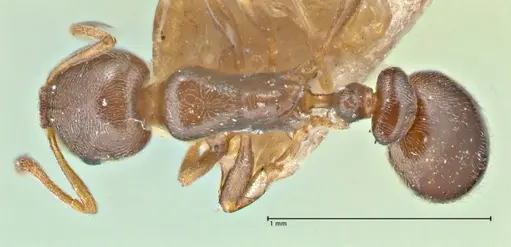
FOCOL2905
View on AntWeb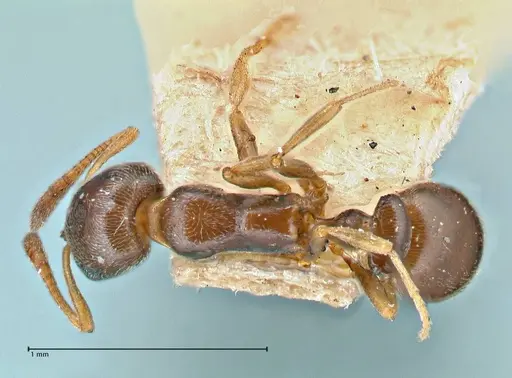
FOCOL2906
View on AntWeb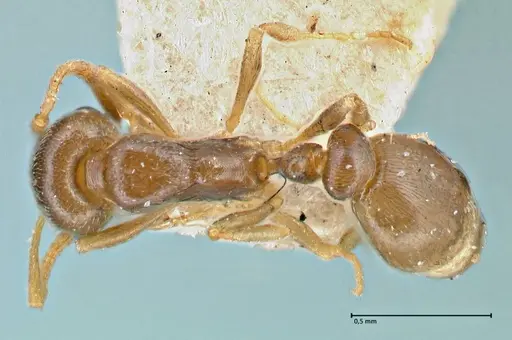
Literature
Loading...Loading products...