

Cardiocondyla sahlbergi
- Scientific Name
- Cardiocondyla sahlbergi
- Tribe
- Crematogastrini
- Subfamily
- Myrmicinae
- Author
- Forel, 1913
- Distribution
- Found in 4 countries
Cardiocondyla sahlbergi Overview
Cardiocondyla sahlbergi is an ant species of the genus Cardiocondyla. It is primarily documented in 4 countries , including Azerbaijan, Iran, Islamic Republic of. Detailed taxonomic data and occurrence records can be further explored via authoritative databases such as AntWeb or the Global Biodiversity Information Facility (GBIF).
Cardiocondyla sahlbergi
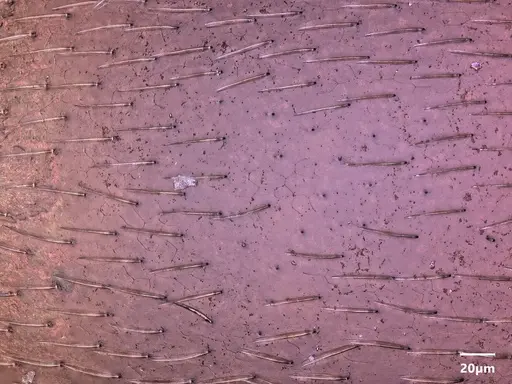
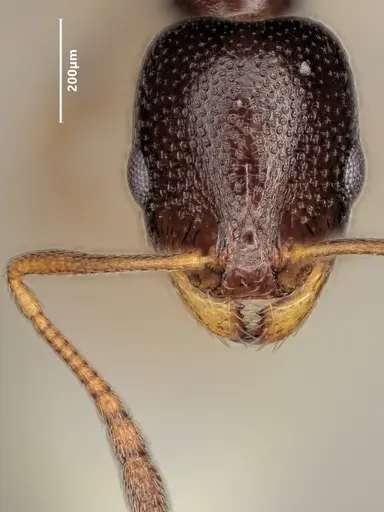
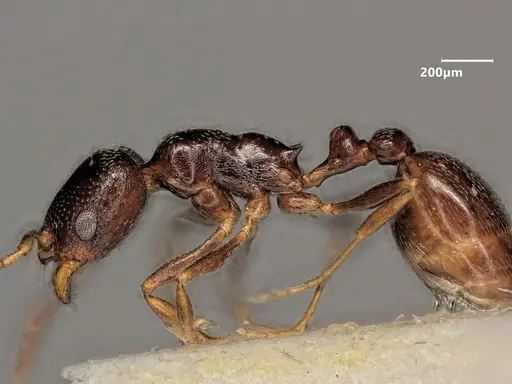
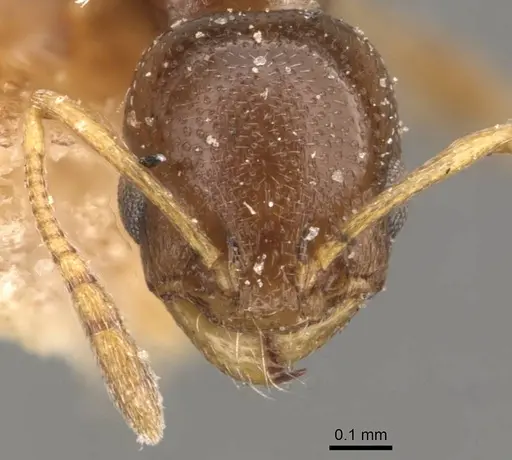
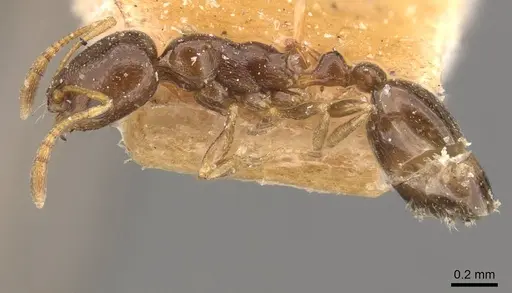
Cardiocondyla sahlbergi is a tiny ant measuring just 0.5mm for workers and 0.6mm for queens [1][2]. Workers have a relatively long head with distinctive foveolae (small pits) on the head, mesosoma, and waist segments, giving them a somewhat textured appearance. They are dark brown overall, with notably paler yellowish-brown mandibles, antennae, and legs [2]. This species belongs to the Cardiocondyla bulgarica group and is part of a Palearctic clade known for having only ergatoid (wingless) males, a unique trait in the ant world [3][4].
What makes this species interesting is its extremely wide distribution across the Palaearctic region, from the Caucasus and Turkey through Iran to Kyrgyzstan, and its presence in both lowland areas (as low as 29m below sea level in the Caspian region) and high elevations up to 2000m in southern Iran [1][5]. This suggests they are adaptable to various conditions. However, they remain poorly studied in captivity, with most available care information based on general Cardiocondyla genus patterns.
Quick Summary
- Difficulty: Medium
- Origin & Habitat: Native to the Palaearctic region including Turkey, Caucasus (Armenia, Azerbaijan, Georgia), Iran, Israel, Afghanistan, Kazakhstan, Kyrgyzstan, and Uzbekistan. Found in montane grassland areas with moderate rainfall, and at edges of grasslands in Iran [6]. Altitudinal range from -29m (Caspian region) to 2000m (southern Iran) [1][5].
- Colony Type: Colony structure is not well documented. Based on typical Cardiocondyla patterns, likely single-queen colonies (monogyne). The genus is known for having ergatoid (wingless) replacement queens that can take over if the primary queen dies [3].
- Colony: Monogyne
- Size & Growth:
- Queen: 0.59mm (CS 596±10 µm) [2]
- Worker: 0.52mm (CS 522±20 µm) [1]
- Colony: Unknown, likely small to moderate based on typical Cardiocondyla colony sizes
- Growth: Unknown, likely moderate based on genus patterns
- Development: Estimated 6-10 weeks based on related Cardiocondyla species and typical Myrmicinae development at warm temperatures (Direct development data not available for this species. Estimates based on genus-level patterns.)
- Antkeeping:
- Temperature: Keep at room temperature around 20-24°C. The wide altitudinal range (from -29m to 2000m) suggests tolerance to various conditions, but standard room temperature should be suitable [1].
- Humidity: Provide moderate humidity. In the wild they inhabit montane grassland edges with moderate rainfall. Keep the nest substrate slightly moist but not waterlogged [6].
- Diapause: Unknown, no specific data on overwintering requirements. Given their broad distribution across temperate to warm regions, a cool period during winter months may be beneficial but is not confirmed.
- Nesting: Use small, tight-fitting nests scaled to their tiny size. Test tubes work well for founding colonies. The species has been collected in pitfall traps, suggesting they forage on the ground surface. Y-tong nests or small acrylic setups with narrow chambers are appropriate for established colonies.
- Behavior: These are tiny, ground-dwelling ants that are not aggressive. Workers forage individually on the ground surface, likely collecting small insects, honeydew, and nectar. Their small size makes them excellent escape artists, you must use fine mesh barriers and tight-fitting lids. They are not known to sting and present no danger to keepers. The genus Cardiocondyla is known for unique male reproductive tactics with wingless ergatoid males [3].
- Common Issues: escape prevention is critical due to their very small size, they can squeeze through the tiniest gaps, slow colony growth may lead to keeper impatience and overfeeding, limited available care information means you are pioneering husbandry for this species, tiny size makes them difficult to observe and monitor health, wild-caught colonies may have parasites that affect survival in captivity
Housing and Nest Setup
Because of their extremely small size (workers just 0.5mm), housing Cardiocondyla sahlbergi requires attention to escape prevention. Use test tubes for founding colonies, a standard test tube setup with a water reservoir works well. The water chamber should be small to prevent flooding, and the cotton barrier must be packed tightly. For established colonies, Y-tong (AAC) nests or small acrylic formicaria with narrow chambers work best. The chambers should be sized appropriately for their tiny bodies, avoid large, open spaces. Cover any ventilation holes with fine mesh (at least 0.5mm or finer). Always use a barrier gel or fluon around the edges of any outworld to prevent escapes. [1][2]
Feeding and Diet
Like most Cardiocondyla species, these ants are likely omnivorous, feeding on small insects, honeydew, and nectar. For protein, offer small prey items like fruit flies, pinhead crickets, or tiny mealworms, appropriately sized to their minute size. Sugar sources like diluted honey water or sugar water can be offered, though acceptance may vary. Feed small amounts of protein 2-3 times per week, and keep a sugar source available constantly. Remove uneaten prey after 24-48 hours to prevent mold. Given their small size, portion sizes should be tiny, a single fruit fly or tiny fragment of mealworm is sufficient.
Temperature and Seasonal Care
Keep your colony at room temperature, ideally around 20-24°C. The species' wide altitudinal range in the wild (from -29m to 2000m) suggests they can tolerate some temperature variation. A gentle gradient is beneficial, allow the ants to choose their preferred temperature zone within the nest. During winter, you can reduce temperatures slightly (to around 15-18°C) for a cool period, but this is optional given the lack of specific data on their diapause requirements. Avoid extreme temperatures on either end. Monitor colony activity, if workers become sluggish, slightly increase temperature. [1][5]
Behavior and Colony Dynamics
Cardiocondyla sahlbergi is part of a unique genus known for having only ergatoid (wingless) males, a rare trait in ants where typically males have wings for mating flights [3]. This means reproduction happens within the nest, and new queens do not conduct nuptial flights. Workers are small, dark-colored, and forage individually on the ground surface. The colony structure appears to be single-queen based on typical genus patterns, though ergatoid replacement queens may be present to take over if the primary queen dies. Colonies are not aggressive and do not present any sting risk to keepers.
Handling and Observation
These tiny ants require careful handling due to their size. When observing or transferring colonies, work slowly and avoid sudden movements. Use red lighting or work in dim conditions to minimize stress. Because they are so small, detailed observation requires good lighting and potentially magnification. Their dark brown coloration with pale legs and antennae helps distinguish them from other tiny ants. Remember that their small size means they can escape through gaps you might not notice, always double-check your escape prevention measures. [2]
Frequently Asked Questions
How long does it take for Cardiocondyla sahlbergi to produce first workers?
Exact development time is unknown for this species. Based on related Cardiocondyla species and typical Myrmicinae development, expect 6-10 weeks from egg to worker at warm temperatures (around 24°C). Be patient, small colonies often develop slowly.
Can I keep multiple Cardiocondyla sahlbergi queens together?
Not recommended. There is no documented evidence that this species can found colonies pleometrotically (multiple queens together). Combining unrelated queens typically leads to fighting. Stick to single-queen colony setups.
Do Cardiocondyla sahlbergi ants sting?
No, these ants are too small to sting and present no danger to keepers. They are completely harmless.
What do I feed Cardiocondyla sahlbergi?
Offer small appropriately-sized protein sources like fruit flies, tiny mealworms, or small crickets. Provide a sugar source like honey water or sugar water constantly. Remove uneaten food after 24-48 hours.
Are Cardiocondyla sahlbergi good for beginners?
They are rated as Medium difficulty. While not aggressive, their tiny size makes escape prevention critical and can be challenging for complete beginners. They are also rarely available in the antkeeping hobby, and limited species-specific care information exists.
Do Cardiocondyla sahlbergi need hibernation?
Diapause requirements are not documented for this species. Given their wide distribution across temperate to warm regions, a cool period in winter (around 15-18°C for 2-3 months) may be beneficial but is not strictly required.
How big do Cardiocondyla sahlbergi colonies get?
Colony size is not well documented, but based on typical Cardiocondyla species, colonies likely reach a few hundred workers at most. They are not large colony formers.
Why are my Cardiocondyla sahlbergi escaping?
Their tiny size (0.5mm workers) means they can squeeze through incredibly small gaps. Use fine mesh (0.5mm or finer), ensure all lids fit tightly, and apply barrier gels or fluon around any potential escape points.
When should I move my colony to a formicarium?
Keep them in a test tube setup until the colony reaches at least 20-30 workers. Cardiocondyla colonies do better in smaller, more confined spaces initially. Only move to a larger nest when the colony is clearly outgrowing the test tube.
References

This caresheet is licensed under CC BY-SA 4.0 .
ANTWEB1048534
View on AntWeb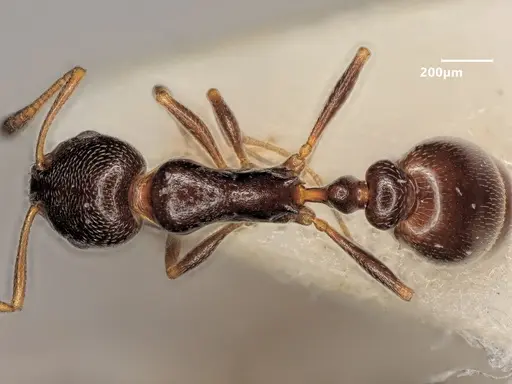
CASENT0908341
View on AntWeb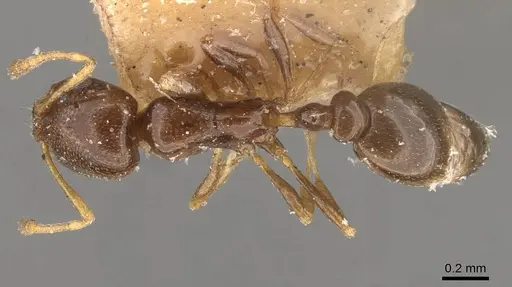
Literature
Loading...Loading products...