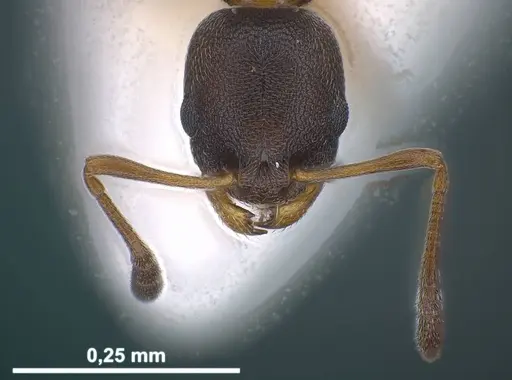
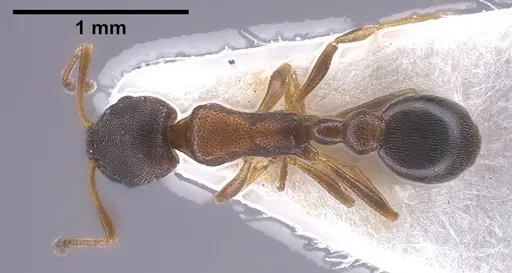
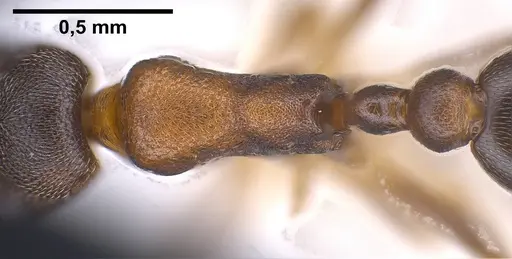
Cardiocondyla itsukii - "Itsuki's Ant"
Cardiocondyla itsukii is a small, dark brown ant species belonging to the Cardiocondyla nuda group. Workers are minute, typically under 2 mm in size. This species is known for its polygynous colonies, meaning multiple queens can coexist and reproduce within a single nest. A fascinating aspect of Cardiocondyla ants, including C. itsukii, is the presence of wingless, worker-like males (ergatoid males) that engage in lethal combat with rivals to monopolize mating opportunities within the nest. Winged males are not known in C. itsukii. The species is considered a 'tramp species' due to its wide distribution, often spread by human activity.
- Difficulty: Easy
- Origin & Habitat: Japan (type locality), wide distribution across the Indo-Malayan Archipelago, East India, Indochina, diverse Pacific Islands, Reunion Island, and Hawaii. in Frequently found in primary rainforests, urban areas, grasslands, and plantations. Nests are commonly in the soil, less so under rocks, and in a few species, in vegetation..
- Colony Type: Polygyne (multiple queens), claustral, but also by budding (nest splitting) in polygynous species. founding.
- Size & Growth:
- Queen: Not specified
- Worker: Not specified
- Colony: Small (dozens to a few hundred workers). Medium, with a focus on queen longevity positively affecting sexual offspring production. growth.
- Antkeeping:
- Temperature: Room temperature is generally suitable. Development from egg to adult takes approximately 55-56 days at room temperature..
- Humidity: Moderate humidity is preferred, consistent with tropical and subtropical environments. Maintaining a humidity gradient within the nest is beneficial..
- Diapause: Not required. Not specified at Not specified.
- Nesting: Small chambers in soil, rock crevices, or plant material like hollow branches or grass stems. Artificial nests like acrylic, plaster, or Ytong are suitable..
- Behavior: Low (towards handler, but high aggression between ergatoid males for mating rights) aggressiveness.
- Common Issues: Escapes due to small size, Humidity fluctuations, Inadequate ventilation leading to mold, Overfeeding causing waste buildup.
One of the most intriguing aspects of keeping Cardiocondyla itsukii is their unique male reproductive strategy. Unlike many ant species with winged males that disperse for nuptial flights, C. itsukii primarily features wingless, ergatoid males. These males are formidable fighters, engaging in intense, sometimes lethal, competition within the nest to secure mating opportunities with new queens. It's a true battle for reproductive dominance, making observations of their internal colony dynamics quite fascinating for any ant enthusiast.
Due to their polygynous nature, meaning multiple queens can thrive together, Cardiocondyla itsukii colonies can grow to a respectable size of several hundred workers. This also makes them more resilient, as the loss of a single queen isn't as devastating as it would be for a monogyne species. This adaptability, combined with their ability to found new colonies through budding (where a group of workers and queens simply 'bud off' to start a new nest), contributes to their success as a tramp species, readily colonizing new areas.
For keepers, understanding the small size of these ants is crucial. Both the queens and workers are quite tiny, so choosing a formicarium with appropriately small chambers and secure outworld connections is paramount to prevent escapes. Despite their diminutive stature, they are quite active foragers and will readily accept a variety of food sources, including small insects and sugar solutions. Providing a varied diet will help ensure the health and vitality of your C. itsukii colony.
Given their tropical and subtropical origins, Cardiocondyla itsukii thrive in warmer temperatures and moderate humidity. Maintaining a stable environment within their ideal range is key to promoting healthy colony growth and consistent brood development. While they are known for their resilience, sudden fluctuations in temperature or humidity can still cause stress to the colony. A good temperature and humidity setup will allow you to enjoy observing these unique ants for a long time.
Keep in mind that while Cardiocondyla itsukii are relatively easy to care for, their small size can make them a bit more challenging to observe in detail without magnification. However, their fascinating social structures and male behaviors make them a truly rewarding species for hobbyists looking for something a bit different from the usual antkeeping fare. Observing their intranidal mating rituals and male combat, even with a magnifying glass, is an incredible insight into the complex world of ants.
Frequently Asked Questions
What makes *Cardiocondyla itsukii* special?
Their most unique trait is the presence of ergatoid, or wingless, fighting males! These worker-like males battle it out in the nest to mate with queens, a truly fascinating behavior rarely seen in other ant species.
Are *Cardiocondyla itsukii* good for beginners?
Yes, they're considered relatively easy to care for, making them a great choice for antkeepers looking for a unique and rewarding experience. Just be mindful of their tiny size when setting up their formicarium to prevent escapes!
How big do *Cardiocondyla itsukii* colonies get?
These colonies are typically on the smaller side, usually reaching a few hundred workers. Don't let the numbers fool you though; they're very active and their polygynous nature means they're quite robust.
Do *Cardiocondyla itsukii* need a diapause or hibernation period?
No, Cardiocondyla itsukii are tropical and subtropical ants, so they do not require a diapause period. Consistent warmth and humidity are key to their continuous development.
What's the best type of nest for *Cardiocondyla itsukii*?
They do well in artificial nests like acrylic, plaster, or Ytong setups. Since they're so small, ensure the chambers are tiny to prevent escapes. They naturally nest in soil and rock crevices, so a nest that simulates these conditions is ideal.
What do *Cardiocondyla itsukii* eat?
Like many ant species, they are omnivores. They love small insects for protein, and sugary solutions like sugar water or honey-dew for carbohydrates. Offer a varied diet to keep your colony healthy and thriving!
How fast do *Cardiocondyla itsukii* grow?
Their colony growth rate is considered medium. From egg to worker, it takes about 8-9 weeks at room temperature. Providing a stable and optimal environment will help them develop efficiently.
Are *Cardiocondyla itsukii* prone to escaping?
Due to their small worker size, they can be quite adept at escaping if your setup isn't properly secured. Always use an outworld with a good anti-escape barrier, and ensure any nest connections are tightly sealed.
Can I keep multiple queens together?
Absolutely! Cardiocondyla itsukii are polygynous, meaning they naturally have multiple queens in a single colony. This makes them more resilient and often leads to faster initial growth.
What is a 'tramp species'?
A 'tramp species' is an ant species that has spread widely across the globe, often through human activities like trade and transportation. Cardiocondyla itsukii is a good example, found in diverse regions far from its original Japanese habitat.
Do the ergatoid males fight all the time?
Ergatoid males engage in fierce competition, often lethally, to monopolize mating rights with queens, particularly when they are freshly eclosed. This intra-nest rivalry is a key behavioral trait.
What kind of substrate do they prefer in their nest?
While they can adapt to various artificial setups, in nature, they prefer nesting in soil, loam, and fine gravel. If using a naturalistic setup, these substrates are good choices.
Is it true that queens live longer if they produce more offspring?
Research suggests that queens of Cardiocondyla itsukii that are more fecund (produce more sexual offspring) tend to live longer, and an early start to reproduction doesn't negatively impact their lifespan. This is an interesting aspect of their life history.