

Cardiocondyla thoracica
- Scientific Name
- Cardiocondyla thoracica
- Tribe
- Crematogastrini
- Subfamily
- Myrmicinae
- Author
- Smith, 1859
- Distribution
- Found in 2 countries
Cardiocondyla thoracica Overview
Cardiocondyla thoracica is an ant species of the genus Cardiocondyla. It is primarily documented in 2 countries , including Australia, Papua New Guinea. Detailed taxonomic data and occurrence records can be further explored via authoritative databases such as AntWeb or the Global Biodiversity Information Facility (GBIF).
Cardiocondyla thoracica
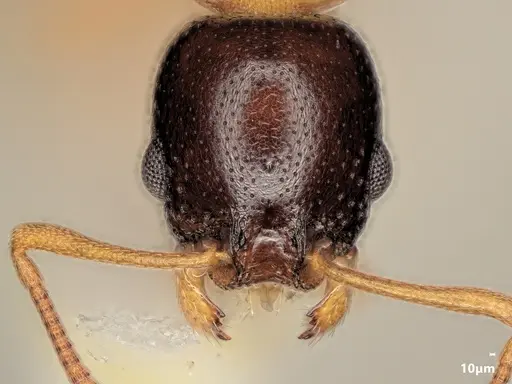
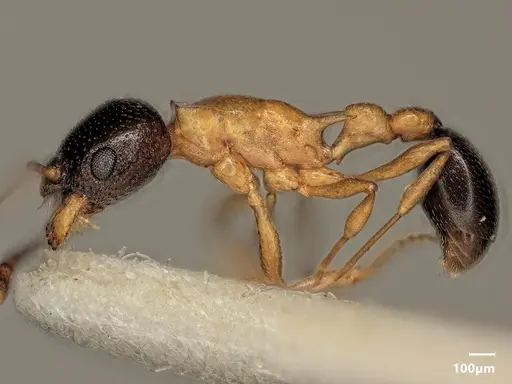
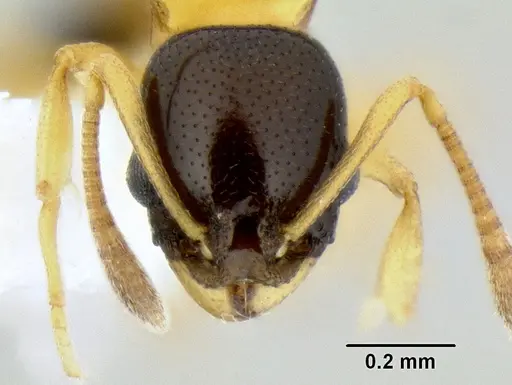
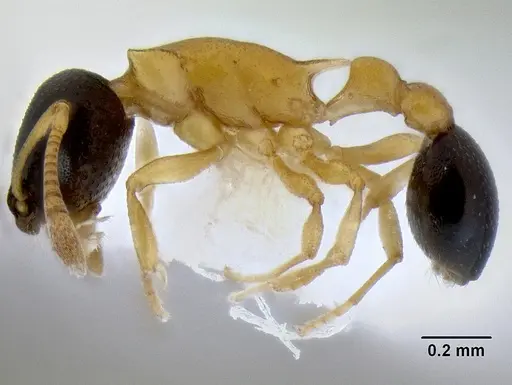
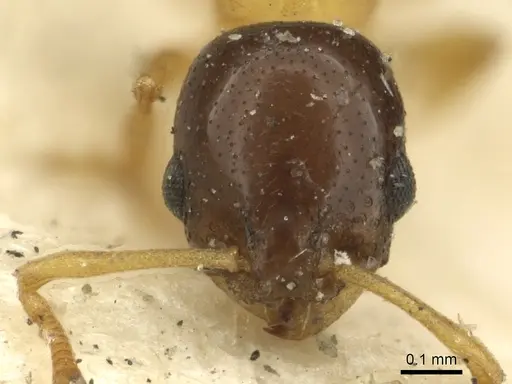
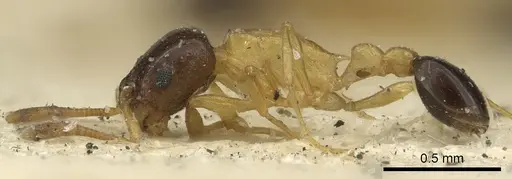
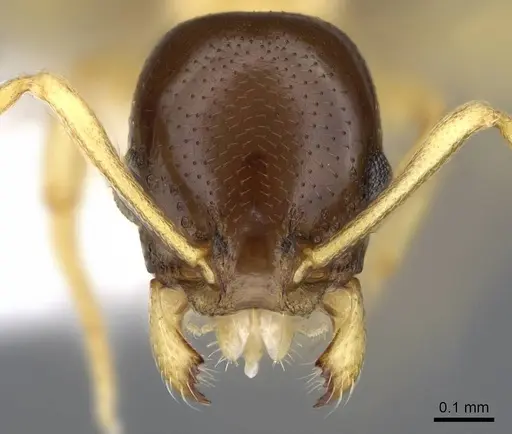
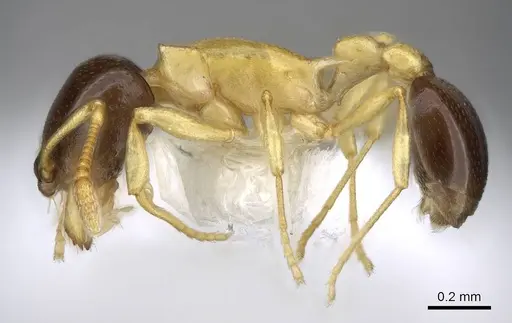
Cardiocondyla thoracica is a tiny ant species native to the Australasian region, found across northern Australia, Papua New Guinea, and eastern Indonesia. Workers measure just under 0.5mm, making them one of the smaller ant species kept in captivity. They have a distinctive appearance with a blackish-brown head and gaster contrasting against yellow appendages, mesosoma, and waist. The pronotal corners form prominent sharp angles, giving them a unique silhouette among Cardiocondyla species. These ants are polygynous, meaning colonies naturally contain multiple egg-laying queens that coexist without aggression. Males are exclusively ergatoid (wingless) and possess unusual sickle-shaped mandibles used in competition with rival males.
Quick Summary
- Difficulty: Medium
- Origin & Habitat: Tropical Australasian region spanning northern Queensland/Australia, Papua New Guinea, and eastern Indonesia (Aru Islands, Seram). Nests are found 1-3 cm deep in red, sandy soil on sun-exposed, sparsely vegetated patches between forest and roadside ditches. Some colonies nest in cavities of fallen trees in streambeds [1].
- Colony Type: Polygyne (multiple-queen) colonies. Colonies contain 1-4 mated queens that show no mutual aggression. Queens coexist peacefully and share colony duties. Workers number 7-80 per colony with a median of 40 [1].
- Colony: Polygyne
- Founding: Claustral
- Size & Growth:
- Queen: Estimated 3-4mm based on genus patterns [1]
- Worker: 0.5mm (CS 479 µm) [1]
- Colony: Up to approximately 80 workers in wild colonies (median 40) [1]
- Growth: Moderate, estimated based on related species
- Development: Estimated 6-8 weeks at tropical temperatures based on genus patterns (Direct development data unavailable, estimate based on typical Cardiocondyla development at 24-28°C)
- Antkeeping:
- Temperature: Keep at 24-28°C (tropical species). A gentle gradient allowing cooler areas around 22°C is beneficial. Avoid temperatures below 20°C for extended periods.
- Humidity: Maintain moderate to high humidity. Provide moist sandy substrate that holds moisture well but drains adequately. These ants naturally nest in damp soil conditions in sun-exposed areas.
- Diapause: No, as a tropical species, they do not require hibernation. Keep at stable warm temperatures year-round.
- Nesting: Small test tube setups work well for founding colonies. For established colonies, provide compact nest chambers scaled to their tiny size. Naturalistic setups with moist sandy substrate mimic their natural nesting in soil cavities.
- Behavior: Generally peaceful and non-aggressive. Workers are small and active, foraging for small prey and honeydew. The main concern for keepers is their extremely small size, they can easily escape through standard barrier setups. Males possess unique sickle-shaped mandibles and use a chemical manipulation strategy where they besmear rival males with hindgut secretions to incite worker aggression against rivals. Escape prevention must be excellent due to their minute size.
- Common Issues: escape prevention is critical, they are tiny and will squeeze through standard barriers, small colony sizes mean losses have bigger impact on population stability, humidity control is important, too dry and brood desiccates, too wet and mold becomes an issue, wild-caught colonies may have parasites that affect survival in captivity, polygyne structure means multiple queens, do not remove queens unless aggressive interactions occur
Housing and Nest Setup
Cardiocondyla thoracica requires careful housing due to their minute size. Test tube setups work well for founding colonies, use a small test tube with a water reservoir sealed with a cotton plug. The tube should be kept horizontal or at a slight angle so the queen can access water without flooding. For established colonies, acrylic nests with very small chambers work better than standard formicaria designed for larger ants. The key requirement is tight escape prevention, these ants can squeeze through gaps that seem impossible. Apply fluon or similar barriers to all edges, and use fine mesh for any ventilation. A naturalistic setup with a thin layer of moist sandy soil in a small container can mimic their natural nesting in red, sandy soil. Keep the substrate consistently moist but not waterlogged. [1]
Feeding and Diet
Like most Cardiocondyla species, these ants are omnivorous and will accept a variety of foods. Offer sugar water or honey as a constant energy source, they readily consume sweet liquids. For protein, provide small live prey such as fruit flies, pinhead crickets, or mealworm pieces. Given their tiny size, prey items should be appropriately scaled, even small insects can be too large. They likely forage for small arthropods and honeydew in the wild. Feed protein 2-3 times per week, and keep sugar sources available at all times. Remove uneaten prey after 24-48 hours to prevent mold issues. [1]
Temperature and Seasonal Care
As a tropical species from northern Australia and Papua New Guinea, Cardiocondyla thoracica requires warm temperatures year-round. Maintain nest temperatures between 24-28°C. A heating cable on one side of the nest creates a gentle gradient allowing workers to self-regulate. Room temperature is generally too cool unless your space stays above 24°C. Unlike temperate species, they do not require a winter diapause period. Keep temperatures stable, sudden drops below 20°C can stress colonies. Monitor for signs of chilling such as reduced activity and clustering near heat sources. [1]
Colony Structure and Multi-Queen Dynamics
This species is naturally polygynous, meaning colonies contain multiple egg-laying queens. In the wild, colonies have been observed with 1-4 mated queens showing no mutual aggression, they coexist peacefully and share reproductive duties. This is unusual among ants, as many species have aggressive queen interactions. When keeping this species, you do not need to separate queens. In fact, having multiple queens likely helps the colony survive and may accelerate growth. Workers appear to tolerate multiple queens, and there is no evidence of queen culling typical of some other species. The colony structure also includes ergatoid (wingless) males that are present in some nests. [1]
Understanding Male Competition Behavior
One of the most unusual aspects of Cardiocondyla thoracica biology is how males compete. Males are exclusively ergatoid (born without wings) and have distinctive sickle-shaped mandibles. Rather than fighting directly, males use a chemical manipulation strategy. When a male encounters a young rival, he grabs the rival and besmears him with secretions from his hindgut. This fluid triggers worker aggression against the besmeared individual, leading to the rival being killed by its own nestmates. This 'massacre of the innocents' behavior ensures the manipulating male's genes survive while eliminating potential competitors. In captivity, you may observe this behavior if you keep multiple males together with a colony. [1]
Escape Prevention
Excellent escape prevention is absolutely critical for keeping Cardiocondyla thoracica. At just 0.5mm in length, these ants are among the smallest species commonly kept and can squeeze through gaps that seem impossible. Standard test tube setups often need additional barriers. Apply fluon (polytetrafluoroethylene) to the inner rim of any lid and around any connection points. Use fine mesh (at least 0.5mm or smaller) for any ventilation. Check for gaps daily, especially when the colony is expanding. Even a small crack in a connection can result in colony loss. Some keepers use double-barrier systems with oil or fluon on both inner and outer edges of enclosures. [1]
Frequently Asked Questions
How long does it take for Cardiocondyla thoracica to produce first workers?
Based on typical Cardiocondyla development, expect first workers (nanitics) approximately 6-8 weeks after the queen lays eggs, assuming temperatures around 24-28°C. Development time depends on temperature, warmer temperatures within the safe range speed development, while cooler temperatures slow it down.
Can I keep multiple Cardiocondyla thoracica queens together?
Yes, this is natural and recommended. C. thoracica is polygynous, meaning colonies naturally have multiple egg-laying queens (1-4 documented in wild colonies). Queens show no mutual aggression and cooperate. Do not separate or remove queens unless you observe overt aggression, which is uncommon.
What size enclosure do Cardiocondyla thoracica need?
Start with a small test tube for founding colonies. Once the colony reaches 20+ workers, you can move to a small acrylic nest or naturalistic setup. The key is appropriately scaled chambers, these tiny ants need small, tight spaces rather than large open areas. A 4-6 inch nest with multiple small chambers works well for established colonies.
Do Cardiocondyla thoracica ants sting?
Given their extremely small size (0.5mm), any sting would be negligible even if present. They are not considered dangerous to humans and are unlikely to be able to penetrate human skin. Their main defense is escaping rather than stinging.
What temperature should I keep Cardiocondyla thoracica at?
Keep them warm at 24-28°C year-round. This is a tropical species from northern Australia and Papua New Guinea. Use a heating cable or mat on one side of the nest to create a gentle gradient, allowing workers to move between warmer and cooler areas. Avoid temperatures below 20°C.
How often should I feed Cardiocondyla thoracica?
Provide sugar water or honey constantly, they need a steady energy source. Offer protein (small insects like fruit flies or mealworm pieces) 2-3 times per week. Remove uneaten protein after 24-48 hours to prevent mold. Adjust based on colony size, larger colonies consume more food.
Why are my Cardiocondyla thoracica dying?
Common causes include: escape (check for tiny gaps), improper humidity (too dry causes brood death, too wet causes mold), temperatures below 20°C, or stress from disturbance. Also check for parasites in wild-caught colonies. Their small size makes them vulnerable to environmental changes, make incremental adjustments when changing conditions.
Do Cardiocondyla thoracica need hibernation?
No, they do not require hibernation. As a tropical species from northern Australia and Papua New Guinea, they need year-round warm temperatures (24-28°C). Attempting to hibernate them could be fatal.
Are Cardiocondyla thoracica good for beginners?
They are moderate difficulty, not the easiest but not the hardest. The main challenges are their tiny size requiring excellent escape prevention and the need for stable tropical conditions. If you are comfortable with small escape-prone species and can maintain warm temperatures, they can be rewarding.
How big do Cardiocondyla thoracica colonies get?
Wild colonies reach approximately 7-80 workers with a median of 40. In captivity, with good care, colonies may grow slightly larger but typically remain small (under 100 workers). This is a small colony species compared to many common ant pets.
References

This caresheet is licensed under CC BY-SA 4.0 .
ANTWEB1048542
View on AntWeb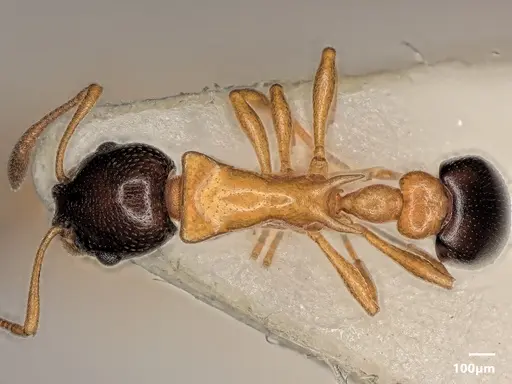
CASENT0106252
View on AntWeb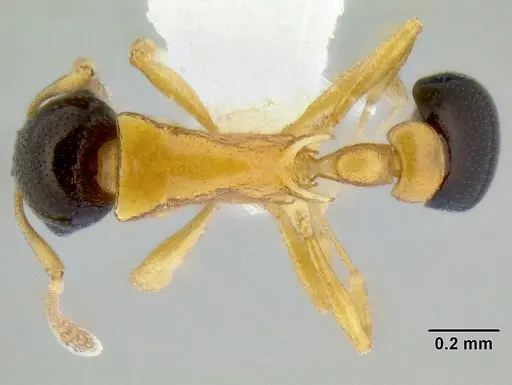
CASENT0901412
View on AntWeb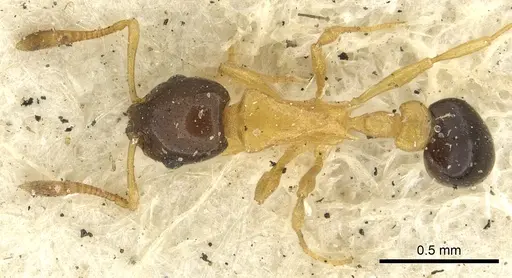
CASENT0914970
View on AntWeb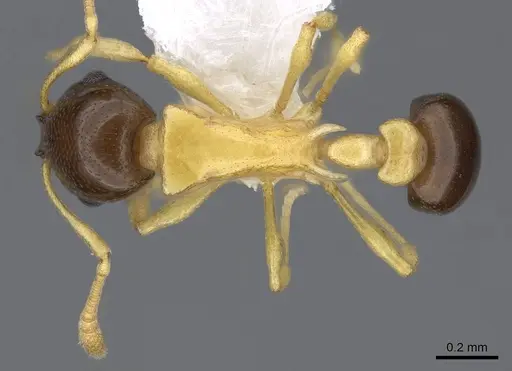
Literature
Loading...Loading products...