

Cardiocondyla israelica
- Scientific Name
- Cardiocondyla israelica
- Tribe
- Crematogastrini
- Subfamily
- Myrmicinae
- Author
- Seifert, 2003
- Distribution
- Found in 1 countries
Cardiocondyla israelica Overview
Cardiocondyla israelica is an ant species of the genus Cardiocondyla. It is primarily documented in 1 countries , including Egypt. Detailed taxonomic data and occurrence records can be further explored via authoritative databases such as AntWeb or the Global Biodiversity Information Facility (GBIF).
Cardiocondyla israelica
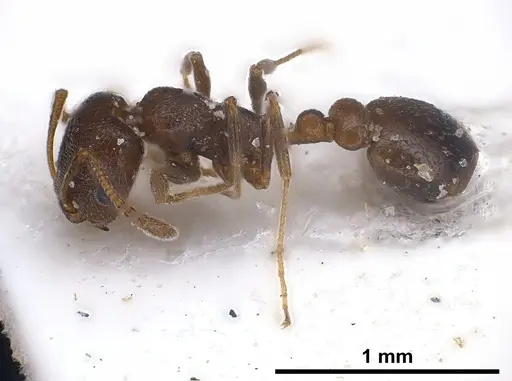
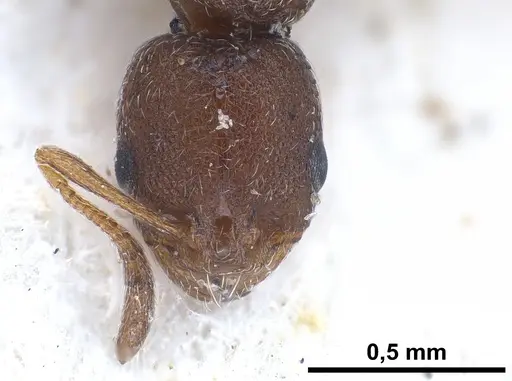
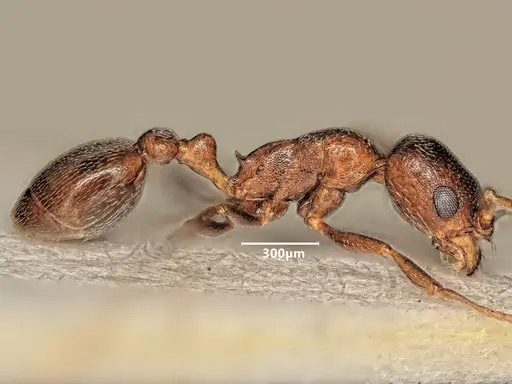
Cardiocondyla israelica is a tiny ant species native to the Middle East, specifically found in Egypt and Israel. Workers measure approximately 0.5mm in head width (CS 516μm), making them among the smaller ants in the hobby. They belong to the Cardiocondyla bulgarica species group and are identified by their distinctive deep, well-demarcated vertex foveolae (small depressions on the head) and stronger longitudinal sculpture on the head compared to related species. Workers are medium brown with a yellowish tinge, while queens are larger at about 0.64mm and darker brown. This species is only known from five localities in a small geographic range spanning from 31°E to 36°E longitude and 28°N to 31°N latitude, with an altitudinal range from 346 meters below sea level to 378 meters above sea level.
Quick Summary
- Difficulty: Unknown
- Origin & Habitat: Egypt and Israel, found in wild areas with Tamarix bushes and Phragmites vegetation within cultivated, insecticide-polluted surroundings [1][2]
- Colony Type: Colony structure is unconfirmed, no data on whether single-queen (monogyne) or multi-queen (polygyne)
- Size & Growth:
- Queen: 0.64mm (CS 637μm) [3]
- Worker: ~0.5mm (CS 516±14μm) [1][2]
- Colony: Unknown, likely small based on typical Cardiocondyla patterns
- Growth: Unknown, likely moderate based on genus patterns
- Development: Unconfirmed, estimated 4-8 weeks based on related Cardiocondyla species (No direct development data exists for this species. Estimates based on typical Cardiocondyla genus development patterns.)
- Antkeeping:
- Temperature: Unconfirmed, likely 22-28°C based on Middle Eastern distribution and related species
- Humidity: Unconfirmed, likely prefers drier conditions given desert/semi-arid habitat, but should have a moist area available
- Diapause: Unknown, likely minimal or none given warm native climate
- Nesting: Unconfirmed, likely prefers dry to moderately humid nests, possibly under stones or in soil like related species
- Behavior: Behavior is unstudied. Based on genus patterns, they are likely peaceful and not aggressive. Their tiny size means excellent escape prevention is essential, they can squeeze through the tiniest gaps. Workers are likely to be active foragers searching for small food items.
- Common Issues: escape prevention is critical due to their very small size, virtually no species-specific care information exists, keepers must rely on genus-level estimates, slow colony growth may frustrate beginners expecting visible progress, wild-caught colonies may have parasites given limited data on colony health, temperature and humidity requirements are largely unknown, experimentation needed
Discovery and Distribution
Cardiocondyla israelica was formally described by Seifert in 2003 from specimens collected in Egypt and Israel. The type material includes workers from Tor (Sinai) collected in 1935 and more recent samples from Egypt's Ebn Salam Mansora area and Israel's Neot Hakikar and Ein Agrabim. This species has an extremely limited known distribution, found only in five localities spanning a narrow band from 31°E to 36°E longitude and 28°N to 31°N latitude. The altitudinal range is remarkable, extending from 346 meters below sea level (likely in the Dead Sea/Arava region) to 378 meters above sea level. In Israel, they have been recorded in the Arava Valley and northern Negev regions [4]. The type specimens from Egypt were collected from a wild area with Tamarix bushes and Phragmites within a cultivated, insecticide-polluted surrounding.
Identification and Morphology
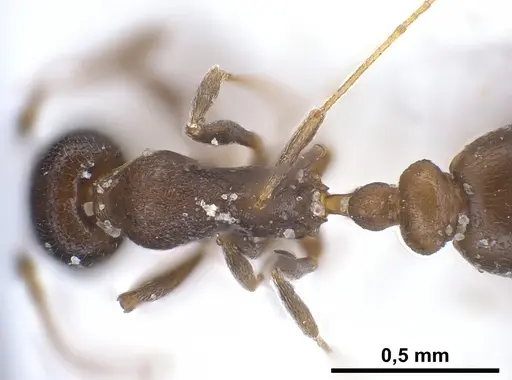
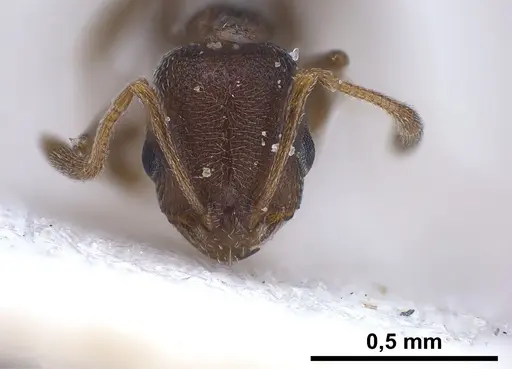
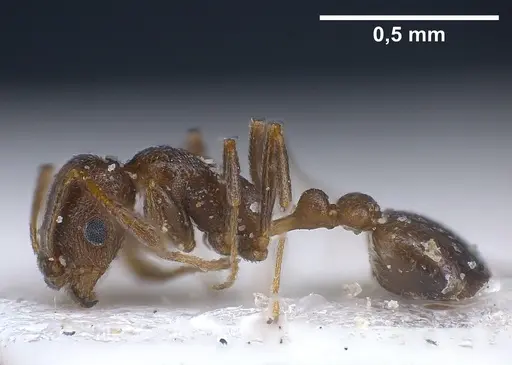
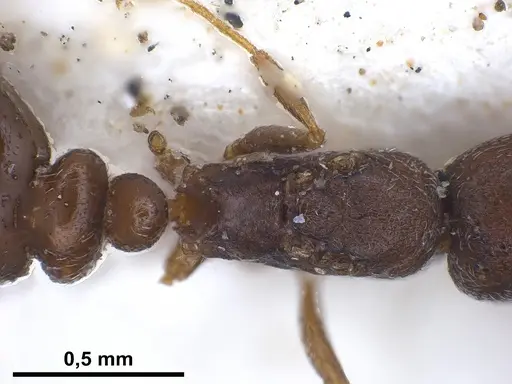
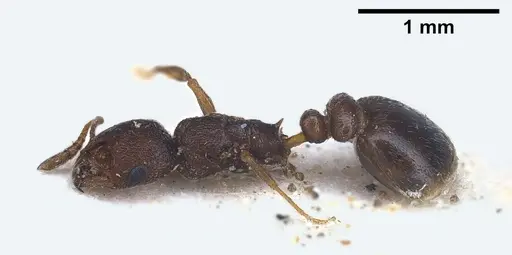
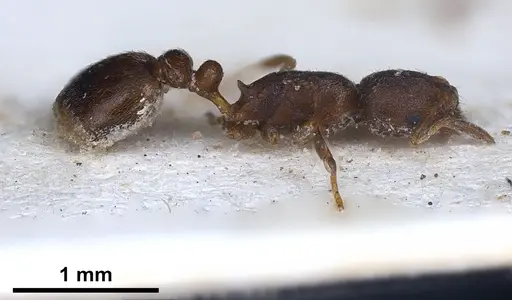
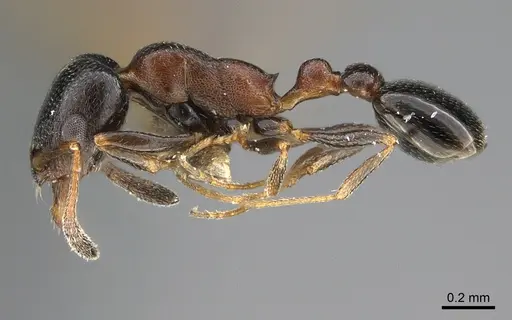
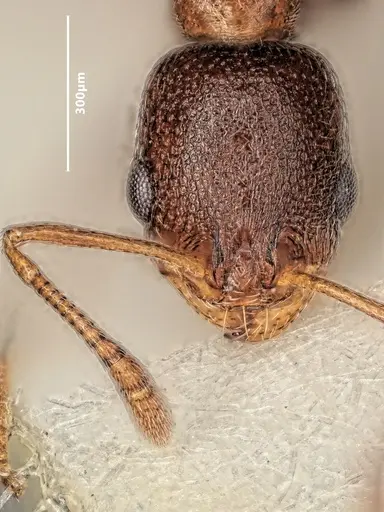
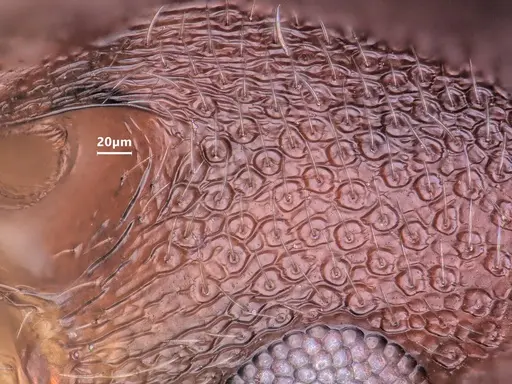
Cardiocondyla israelica belongs to the C. bulgarica species group and can be distinguished from related species like C. ulianini, C. gallilaeica, C. caspiensis, and C. littoralis by its much deeper, well-demarcated, and densely-packed vertex foveolae (small circular depressions on the head) and the stronger longitudinal sculpture on the head. Workers measure approximately 0.5mm in head width (CS 516μm) with moderately elongated heads, relatively large eyes, and moderately long, thin spines that are more erect than some relatives. The petiole is notably narrow. Queens are larger at about 0.64mm head width and have similarly strong sculpture, with the vertex sculpture approaching the condition seen in C. koshewnikovi. Workers are medium brown with a yellowish tinge, while queens are concolourous medium to dark brown [1][2][3][5].
Nest Preferences and Housing
Natural nesting preferences are not directly documented. The Egyptian samples were collected from salty soil areas with Tamarix and Phragmites vegetation, suggesting they tolerate semi-arid to moderately humid conditions. For captive care, a small test tube setup works well for founding colonies given their tiny size. Because workers are only about 0.5mm, excellent escape prevention is essential, use fine mesh barriers and ensure all connections are sealed. A small formicarium with narrow chambers scaled to their size would be appropriate once the colony grows. Based on typical Cardiocondyla preferences, they likely prefer drier conditions than many ants, but a small water tube for humidity control is advisable. Avoid tall, open spaces that could cause disorientation. [1]
Feeding and Diet
Diet preferences have not been studied for this specific species. Based on typical Cardiocondyla behavior, they likely are omnivorous, accepting small insects, honeydew, and sugar sources. Their tiny worker size means any prey items must be very small, flightless fruit flies, pinhead crickets, or small mealworms are appropriate. Given their Middle Eastern distribution, they may have adapted to sparse resources and could survive on minimal feeding. Offer a small drop of honey or sugar water regularly, along with protein sources 2-3 times per week. Remove uneaten prey within 24-48 hours to prevent mold issues. Start with conservative feeding and adjust based on colony response. [5]
Temperature and Seasonal Care
Specific temperature requirements are unconfirmed. Based on their native range in Egypt and Israel, they likely prefer warm conditions, probably in the 22-28°C range. The Arava Valley and Negev regions experience very hot summers and mild winters, so they likely tolerate higher temperatures than temperate species. A heating cable on one side of the nest can create a temperature gradient, allowing ants to self-regulate. Diapause requirements are unknown, given their warm native climate, they likely do not require a true hibernation period. If anything, they may slow down slightly during cooler months. Monitor colony activity and adjust temperature accordingly. Room temperature (around 22-24°C) is likely suitable as a starting point. [1][2]
Behavior and Colony Dynamics
Specific behavioral observations for C. israelica are not documented in scientific literature. As a Cardiocondyla species, they likely exhibit typical genus behaviors: relatively peaceful colonies, non-aggressive workers, and likely single-queen colony structure, though this is unconfirmed. The genus is known for male-producing queens (arrhenotokous parthenogenesis) and occasional ergatoid (wingless) queen reproduction in some species. Workers are likely active foragers that search for small food items. Their tiny size makes them vulnerable to predation and requires excellent escape prevention. Handle with care, their small size makes them easy to accidentally crush or lose. Colony growth is likely moderate, with colonies probably remaining relatively small (likely under a few hundred workers) based on typical Cardiocondyla patterns. [5]
Challenges and Common Problems
The primary challenge with Cardiocondyla israelica is the complete lack of species-specific care information. Everything must be inferred from related species and general Cardiocondyla husbandry. This makes them a species for experienced antkeepers comfortable with experimentation. Their tiny size creates real escape prevention challenges, they can squeeze through gaps invisible to the naked eye. Use fine mesh (at least 0.5mm or smaller) on all ventilation and ensure all edges are sealed with appropriate barriers like fluon. Colonies may grow slowly, which can frustrate beginners. Wild-caught colonies may carry parasites or diseases given limited health data. Consider starting with a colony from a reputable source if available. Be prepared to adjust care based on observed colony behavior rather than following rigid guidelines.
Frequently Asked Questions
How long does it take for Cardiocondyla israelica to produce first workers?
The egg-to-worker timeline is unconfirmed for this species. Based on typical Cardiocondyla development, estimate 4-8 weeks under warm conditions (around 24-26°C). Actual timing may vary based on temperature and colony health.
What do Cardiocondyla israelica ants eat?
Diet is unconfirmed for this species. Based on related Cardiocondyla, they likely accept small insects (fruit flies, pinhead crickets), honey, and sugar water. Offer small prey items appropriate to their tiny worker size and remove uneaten food promptly.
Can I keep multiple Cardiocondyla israelica queens together?
Colony structure (monogyne vs polygyne) is unconfirmed for this species. Without data, combining unrelated queens is not recommended. If your colony has multiple queens, allow them to establish their own territories within the setup.
Do Cardiocondyla israelica ants sting?
Cardiocondyla ants have stingers but are too small to penetrate human skin effectively. They are not considered dangerous or aggressive. Their tiny size makes them more likely to flee than defend.
What temperature is best for Cardiocondyla israelica?
Specific requirements are unconfirmed. Based on their Middle Eastern distribution, aim for 22-28°C. Room temperature (22-24°C) is a safe starting point. A gentle heat gradient allows self-regulation.
Are Cardiocondyla israelica good for beginners?
No. This species is not recommended for beginners due to the complete lack of species-specific care information. All husbandry must be inferred from genus patterns. Experienced antkeepers comfortable with experimentation are better suited for this species.
How big do Cardiocondyla israelica colonies get?
Maximum colony size is unknown. Based on typical Cardiocondyla patterns, colonies likely remain small, probably under 500 workers. Their tiny size and limited distribution suggest smaller colony sizes.
Do Cardiocondyla israelica need hibernation?
Diapause requirements are unknown. Given their warm native climate in Egypt and Israel, they likely do not require true hibernation. They may slow down slightly during cooler months but probably do not need a winter rest period.
Why are my Cardiocondyla israelica escaping?
Their tiny size (workers are only ~0.5mm) makes escape likely without excellent prevention. Use fine mesh barriers on all ventilation, seal all edges with fluon or similar barriers, and check for gaps invisible to the naked eye. Even small gaps that seem sealed may allow escape.
When should I move Cardiocondyla israelica to a formicarium?
Move when the test tube setup becomes crowded or the colony reaches around 30-50 workers. Cardiocondyla prefer smaller, tighter spaces. A small formicarium with narrow chambers works better than large open areas.
What makes Cardiocondyla israelica different from other Cardiocondyla?
They have a very limited distribution (only 5 known localities in Egypt and Israel), distinctive deep vertex foveolae, and stronger longitudinal head sculpture. They are one of the less-studied Cardiocondyla species with virtually no captive care data available.
References

This caresheet is licensed under CC BY-SA 4.0 .
ANTWEB1040303
View on AntWeb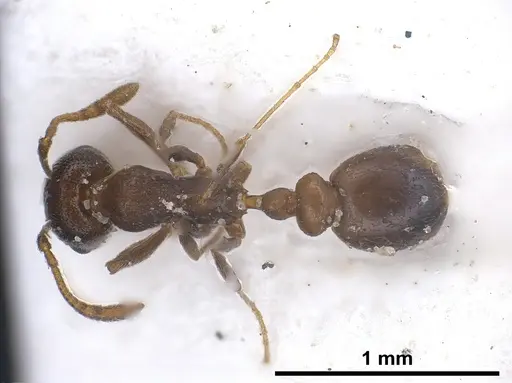
ANTWEB1041247
View on AntWeb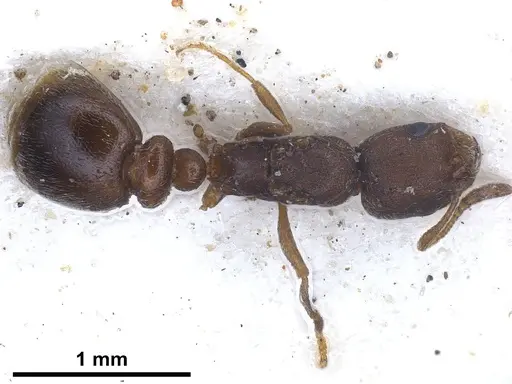
ANTWEB1041910
View on AntWeb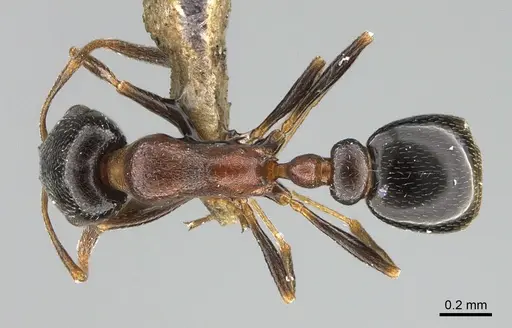
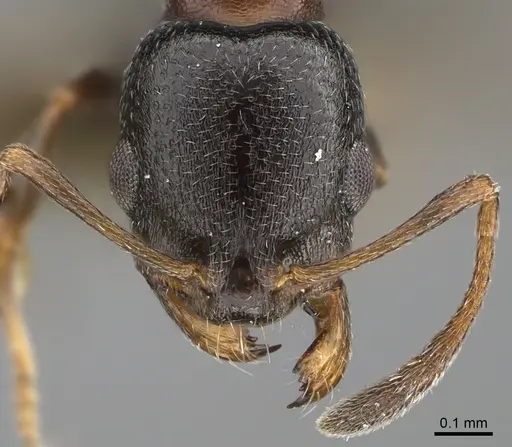
ANTWEB1048516
View on AntWeb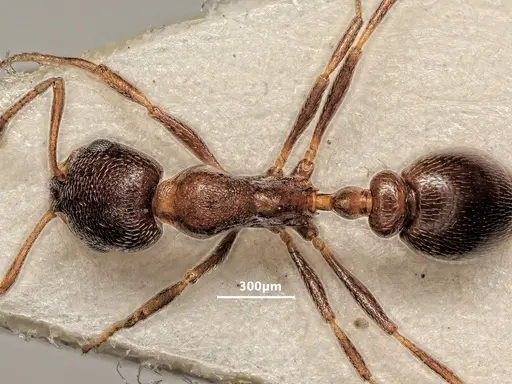
Literature
Loading...Loading products...