

Camponotus zavo
- Scientific Name
- Camponotus zavo
- Subgenus
- Mayria
- Tribe
- Camponotini
- Subfamily
- Formicinae
- Author
- Rakotonirina <i>et al.</i>, 2016
- Distribution
- Found in 1 countries
Camponotus zavo Overview
Camponotus zavo is an ant species of the genus Camponotus. It is primarily documented in 1 countries , including Madagascar. Detailed taxonomic data and occurrence records can be further explored via authoritative databases such as AntWeb or the Global Biodiversity Information Facility (GBIF).
Camponotus zavo
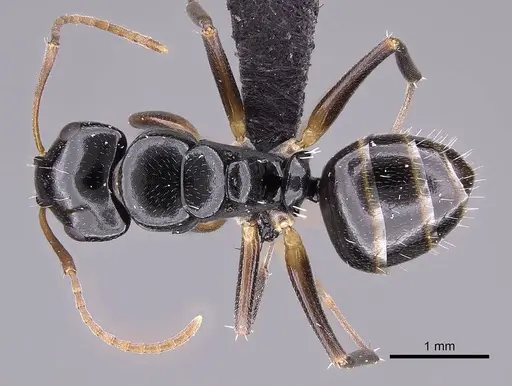
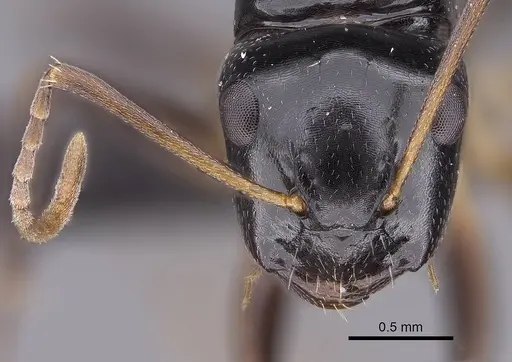
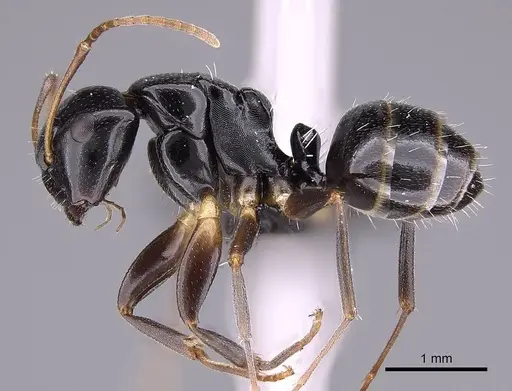
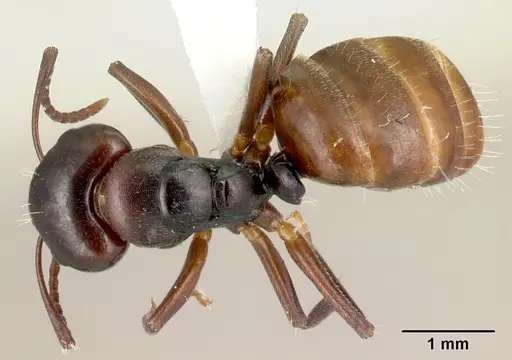
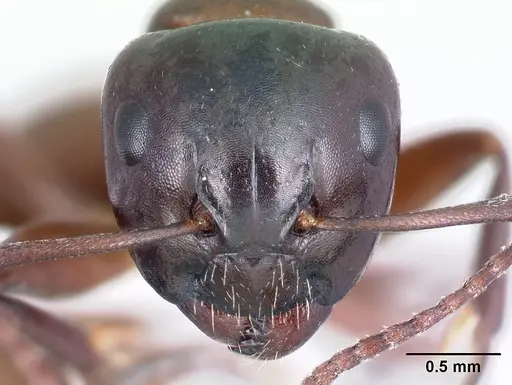
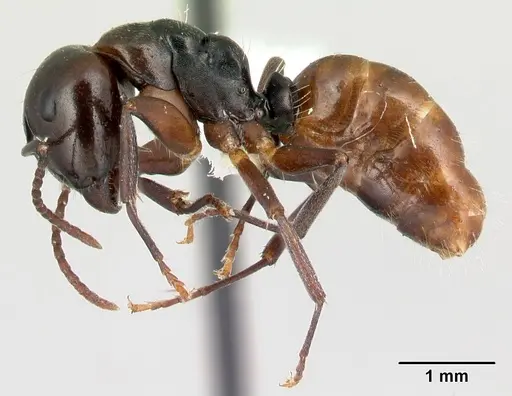
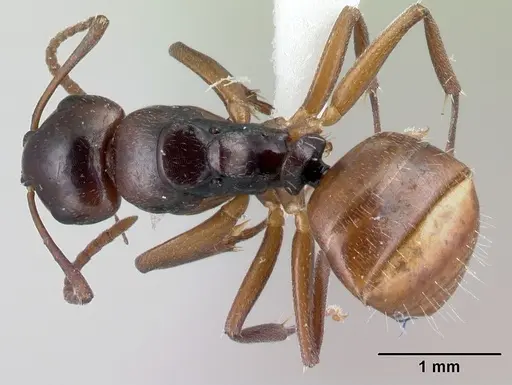
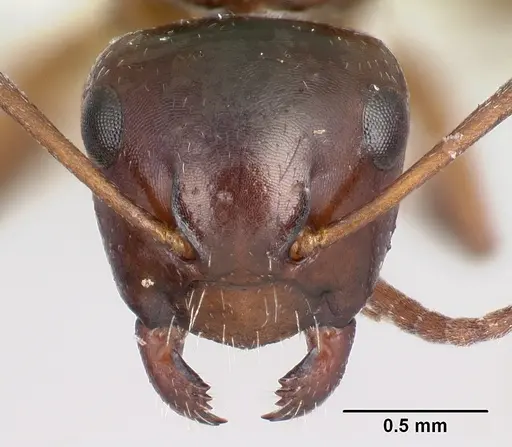
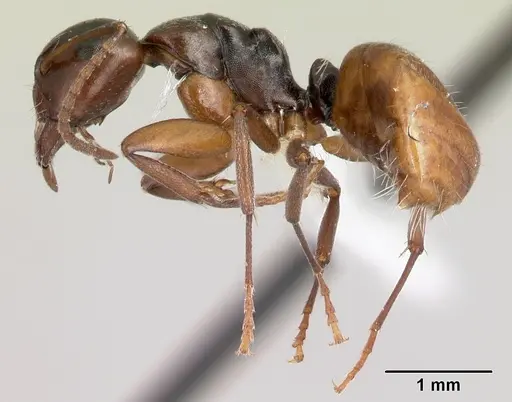
Camponotus zavo is a medium-sized carpenter ant species endemic to eastern Madagascar. Workers are mostly black with a dark brown abdomen, and they have a smooth, shiny appearance on the head and body. Minor workers are slender with long antennae that extend past the back of the head, while major workers have wider heads and shorter antennae. This species belongs to the Camponotus edmondi species group and was formally described in 2016 [1]. They build their nests in dead twigs above the ground and forage on the lower parts of vegetation in Madagascar's rainforests and montane forests [1].
Quick Summary
- Difficulty: Medium
- Origin & Habitat: Eastern Madagascar, from lowland rainforest at 175m elevation up to montane forest habitats at 1520m [1]. In the wild, they nest in dead twigs above the ground and forage on lower vegetation.
- Colony Type: Single-queen colonies (monogyne). This follows typical Camponotus colony structure.
- Colony: Monogyne
- Founding: Claustral
- Size & Growth:
- Queen: Estimated 12-15mm based on genus Camponotus patterns
- Worker: Minor workers: 5-8mm, Major workers: 8-12mm [1]
- Colony: Likely moderate colony size, similar to related Camponotus species, estimated several hundred workers
- Growth: Moderate, typical for Camponotus genus
- Development: Estimated 6-8 weeks at optimal temperature based on genus-level Camponotus data (Development time is temperature-dependent, warmer conditions within range accelerate development)
- Antkeeping:
- Temperature: Keep at 22-26°C. The wide elevation range (175m to 1520m) suggests they can tolerate a range, but aim for warm room temperature. A heating cable on one side of the nest creates a useful gradient.
- Humidity: Moderate to high humidity (60-80%). These are forest ants from Madagascar, so they prefer damp conditions. Keep the nest substrate consistently moist but not waterlogged.
- Diapause: No, as a tropical Madagascar species, they do not require hibernation. Maintain consistent temperatures year-round.
- Nesting: They naturally nest in dead twigs above ground, so they do well in Y-tong (AAC) nests, plaster nests, or naturalistic setups with twigs/branches. Tight-fitting connections between nest and outworld are important since they forage on vegetation.
- Behavior: Generally calm and not aggressive. Like most Camponotus, they are moderate foragers that will explore their outworld for food. Major workers can deliver a bite if threatened, but they are not particularly aggressive. Escape prevention should be good, they are medium-sized ants, but check that lids fit tightly.
- Common Issues: colonies may stall if temperatures drop below 20°C for extended periods, test tube setups may dry out quickly since they prefer humid conditions, monitor moisture regularly, slow founding phase is normal for Camponotus, don't disturb the queen during claustral founding, wild-caught colonies may carry parasites that affect captive survival
Housing and Nest Setup
Camponotus zavo does well in Y-tong (acrylic) nests or plaster nests that can hold moisture. Since they naturally nest in dead twigs above ground, you could also create a naturalistic setup with small twigs or branches. The key is providing a nest that stays humid but has good ventilation to prevent mold. Connect the nest to a foraging area (outworld) that has plants or vegetation they can climb on, since they naturally forage on lower vegetation. Use a water test tube as a humidity source attached to the nest. A small outworld works well for this medium-sized species. [1]
Feeding and Diet
Like other Camponotus species, C. zavo is omnivorous. Offer them sugar water or honey as a constant energy source. For protein, provide insects like fruit flies, small crickets, mealworms, or other small arthropods. They will also eat small amounts of seeds or plant matter. Feed them protein 2-3 times per week, and keep sugar water available at all times. Remove uneaten prey after 24-48 hours to prevent mold. [1]
Temperature and Seasonal Care
Maintain temperatures between 22-26°C. The species' wide elevation range in Madagascar (175m to 1520m) indicates they can adapt to different conditions, but they do best in warm, stable temperatures. Avoid temperatures below 20°C for extended periods. Since they are a tropical species from Madagascar, no hibernation or diapause is needed, keep them at consistent temperatures year-round. A heating cable on one side of the nest can create a gradient if your room temperature runs cool. [1]
Colony Founding and Growth
Founding queens are claustral, they seal themselves in a chamber and raise the first brood alone using stored fat reserves. Do not disturb a founding queen during this time. The first workers (nanitics) will be smaller than normal workers. After the first workers emerge, the colony will grow gradually. Camponotus colonies are long-lived, with queens potentially living 10-20 years. Growth is moderate, expect several months before you see significant numbers of workers. Major workers develop as the colony matures. [1]
Behavior and Handling
These ants are generally calm and not prone to aggressive swarming. Major workers can bite if threatened, but the bite is mild compared to some other ants. They are moderate foragers that will search for food in the outworld. They are not strong climbers on smooth surfaces, but they do well climbing on vegetation or textured surfaces. Escape prevention should be adequate for their size, check that all connections are secure and lids fit tightly. [1]
Frequently Asked Questions
How long does it take for Camponotus zavo to produce first workers?
Expect 6-8 weeks from egg to first worker at optimal temperature (22-26°C). This is typical for Camponotus species. The founding phase can feel slow, but avoid disturbing the queen during claustral founding.
What temperature do Camponotus zavo ants need?
Keep them at 22-26°C. They can tolerate a range since they live from lowland to montane forest in Madagascar, but warm and stable is best.
Do Camponotus zavo ants need hibernation?
No. As a tropical Madagascar species, they do not require hibernation. Maintain consistent temperatures year-round.
What do Camponotus zavo ants eat?
They are omnivorous. Offer sugar water or honey constantly, and feed protein (insects like fruit flies, mealworms, small crickets) 2-3 times per week.
Are Camponotus zavo good for beginners?
They are medium difficulty. The main challenges are maintaining humidity and being patient through the slow founding phase. They are more forgiving than some tropical species but require more attention than common temperate ants.
How big do Camponotus zavo colonies get?
Likely several hundred workers based on related Camponotus species. They are not supercolonial and typically form moderate-sized single-queen colonies.
Can I keep multiple Camponotus zavo queens together?
No. This species is monogyne (single-queen). Multiple unrelated queens will fight. Only keep one queen per colony.
When should I move Camponotus zavo to a formicarium?
Wait until the colony has 30-50 workers and is actively foraging. Moving too early can stress the colony. Make sure the formicarium provides appropriate humidity and has a connection to a foraging area.
References

This caresheet is licensed under CC BY-SA 4.0 .
Literature
Loading...Loading products...