

Camponotus edmondi
- Scientific Name
- Camponotus edmondi
- Subgenus
- Mayria
- Tribe
- Camponotini
- Subfamily
- Formicinae
- Author
- André, 1887
- Distribution
- Found in 3 countries
Camponotus edmondi Overview
Camponotus edmondi is an ant species of the genus Camponotus. It is primarily documented in 3 countries , including Comoros, Madagascar, Mayotte. Detailed taxonomic data and occurrence records can be further explored via authoritative databases such as AntWeb or the Global Biodiversity Information Facility (GBIF).
Camponotus edmondi
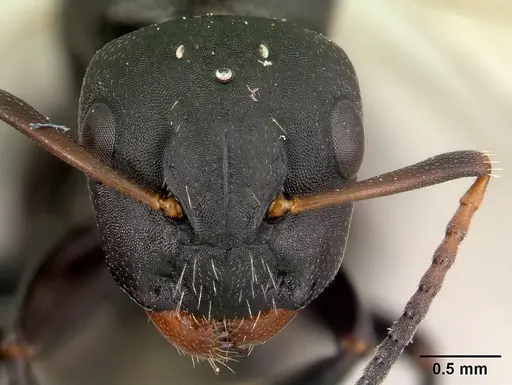
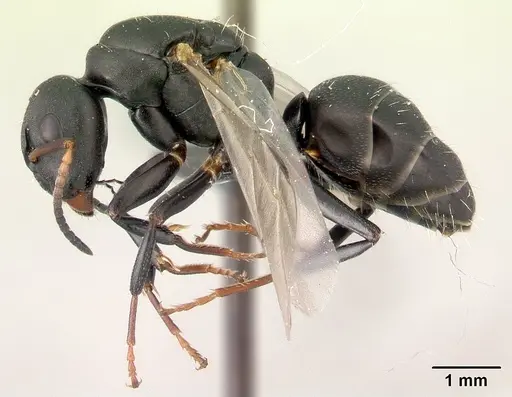
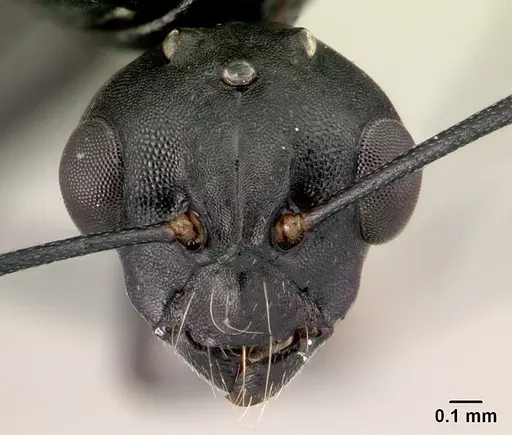
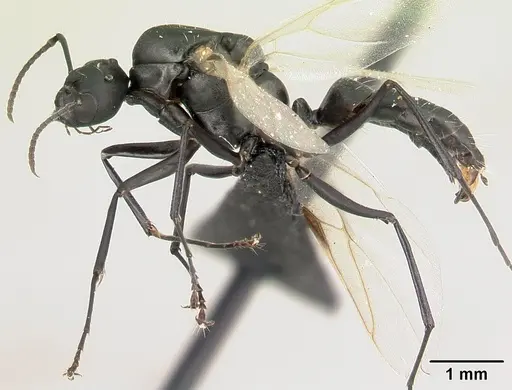
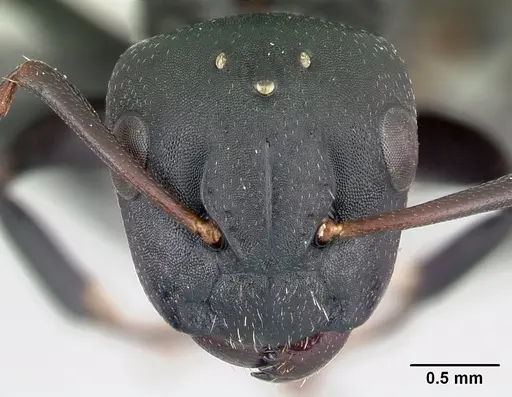
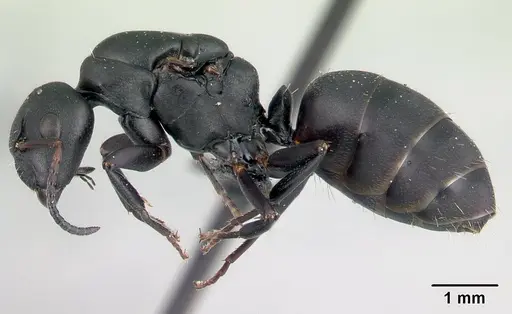
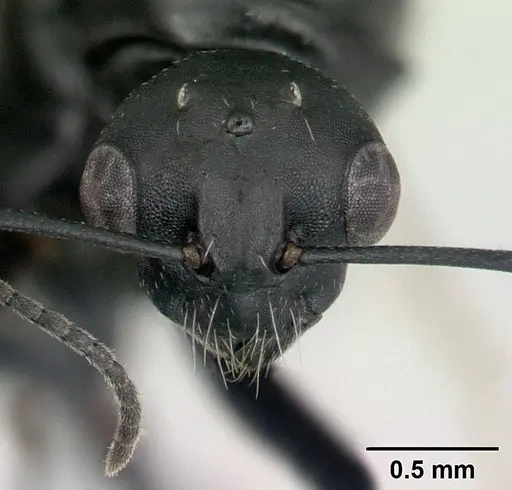
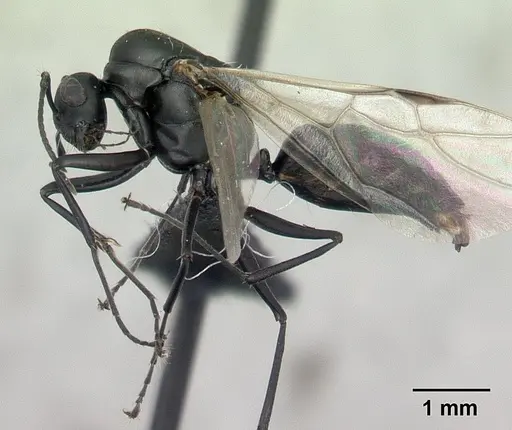
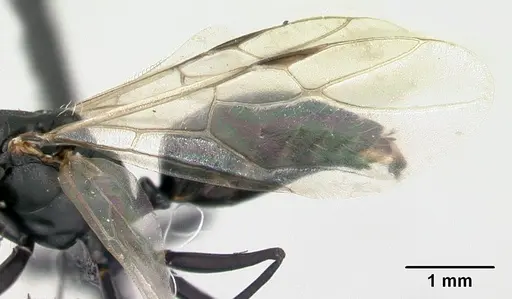
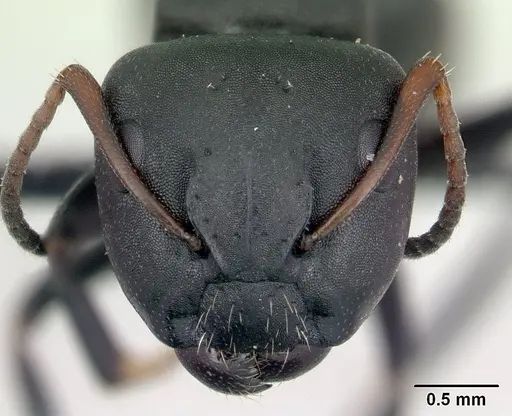
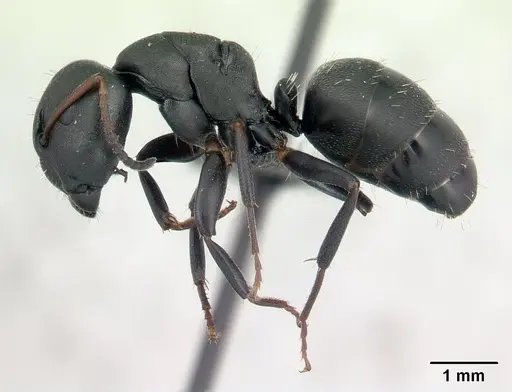
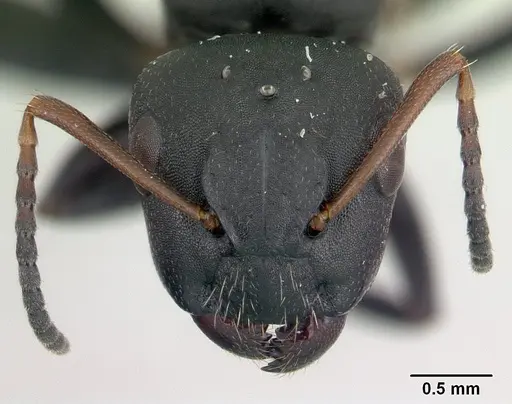
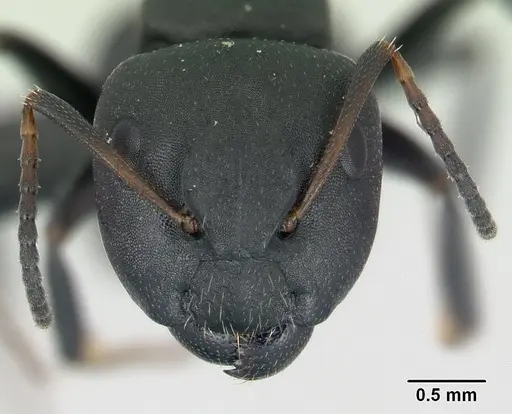
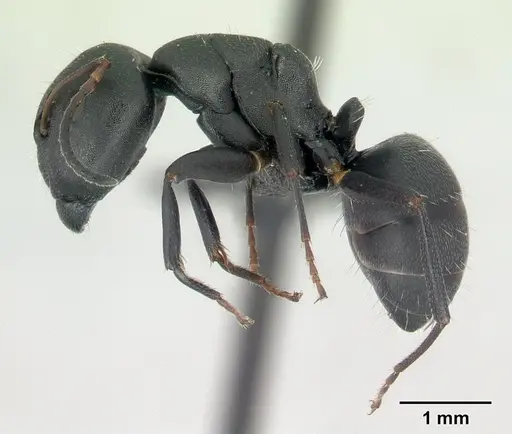
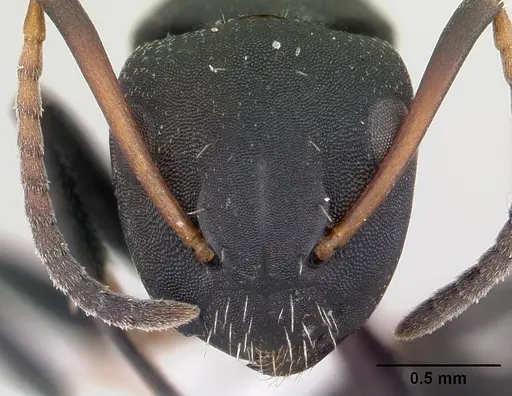
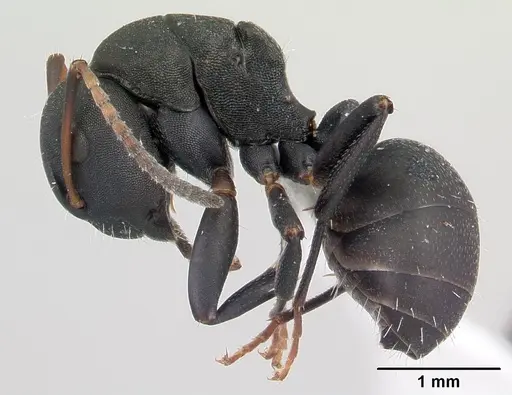
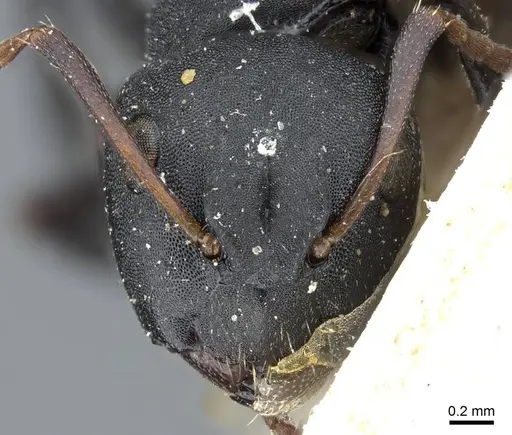
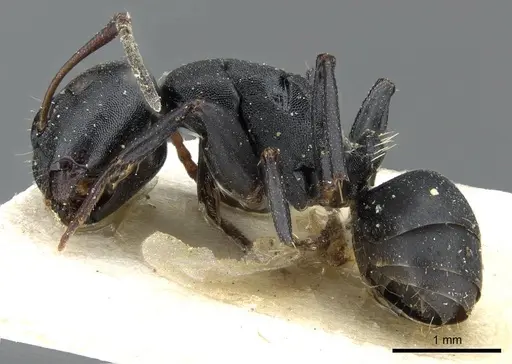
Camponotus edmondi is a medium-sized carpenter ant native to Madagascar, the Comoro Islands, and Mayotte. Workers are mostly black with brown to light brown legs and antennae. Minor workers have relatively large eyes and an elongated head, while major workers have broader heads with scattered erect hairs on the pronotum. This species belongs to the Camponotus edmondi species group within the Mayria subgenus. Unlike many carpenter ants that nest in wood, C. edmondi is arboreal, it nests in dead twigs and branches above ground and forages in trees and shrubs. They inhabit eastern littoral forests and coastal areas, including human-modified and disturbed habitats [1].
Quick Summary
- Difficulty: Medium
- Origin & Habitat: Madagascar, Comoro Islands, and Mayotte Islands. Found in eastern littoral forests, coastal forests, and human-modified and disturbed habitats. Rarely in rainforest between 130-650m altitude [1].
- Colony Type: Colony structure unconfirmed. Based on typical Camponotus patterns, likely single-queen colonies.
- Size & Growth:
- Queen:{.size-link} Size data unavailable, inferred from Camponotus genus patterns (~10-14mm)
- Worker:{.size-link} Size data unavailable, inferred from Camponotus genus patterns (minor ~5-8mm, major ~8-12mm)
- Colony: Up to several hundred workers, inferred from typical Camponotus colony sizes
- Growth: Moderate, inferred from typical Camponotus development
- Development: Approximately 6-8 weeks at optimal temperature, inferred from typical Camponotus development (Development time inferred from genus patterns. Warmer temperatures within range accelerate development.)
- Antkeeping:
- Temperature: Keep at 22-26°C. As a tropical Malagasy species, they need warmth. A heating cable on one side of the nest creates a gradient allowing ants to self-regulate [1].
- Humidity: Moderate humidity around 60-80%. Their arboreal nesting in dead twigs suggests they tolerate drier conditions than ground-nesting ants. Provide a water tube but allow the nest to dry partially between rehydration.
- Diapause: No true diapause required. As a tropical species from Madagascar, they do not need hibernation. Keep temperatures stable year-round.
- Nesting: Arboreal nesting species, they naturally nest in dead twigs and branches above ground. In captivity, they do well in Y-tong (AAC) nests, plaster nests with narrow chambers, or test tube setups. Avoid fully naturalistic setups with soil as they prefer dry, elevated nesting sites. The nest should have chambers scaled to their size with some vertical orientation.
- Behavior: Generally calm and non-aggressive for a Camponotus species. They are arboreal foragers, so they spend more time climbing than ground-dwelling ants. Workers are moderately active and will explore vertical spaces. Major workers can defend the colony but rarely show aggression toward keepers. Escape risk is moderate, use standard Camponotus escape prevention. They are not known for being particularly defensive or for having painful stings.
- Common Issues: arboreal nature means they may climb out of horizontal formicaria, use vertical or Y-tong setups instead., tropical species are sensitive to temperature drops below 20°C, keep warm., colonies may be slow to establish initially, be patient during founding., wild-caught colonies may carry parasites, quarantine and observe new colonies., dry twig nesting means they prefer drier conditions than many ants, avoid over-humidifying the nest.
Housing and Nest Setup
Camponotus edmondi is an arboreal species that naturally nests in dead twigs and branches above ground. This is important for captive care, they do not need soil or ground-level nesting like many other ants. The best housing options are Y-tong (AAC) nests, plaster nests with narrow chambers, or test tube setups. Because they naturally live in twigs, they do well in relatively dry conditions. Avoid fully naturalistic setups with deep soil substrates, these ants prefer to stay elevated. If you use a formicarium, ensure there are climbing surfaces and vertical spaces. A test tube with a cotton plug and water reservoir works well for founding colonies. As the colony grows, you can move to a small Y-tong or plaster nest with chambers sized to the worker count [1].
Feeding and Diet
Like most Camponotus species, C. edmondi is omnivorous. They accept sugar sources (honey water, sugar water, ripe fruit) and protein foods (insects, mealworms, crickets). Feed protein 2-3 times per week and keep a sugar source available at all times. As an arboreal forager, they may prefer to hunt or collect food at elevated positions in the outworld. Remove uneaten prey after 24-48 hours to prevent mold. Fresh killed insects are generally better accepted than dried ones. They are not specialized predators, so standard ant feeding protocols work well [1].
Temperature and Seasonal Care
Being a tropical species from Madagascar, Camponotus edmondi needs warm conditions year-round. Keep the nest area at 22-26°C. A heating cable placed on top of the nest can help maintain warmth. Room temperature may be sufficient if your home stays in this range. Unlike temperate species, they do not require hibernation or diapause. Temperature drops below 20°C can stress colonies and slow development. Avoid placing the nest near air conditioning vents or drafty windows. Stable, warm conditions year-round will support the best colony growth [1].
Colony Development and Growth
Camponotus edmondi follows typical carpenter ant development patterns. The queen seals herself in a chamber and raises the first workers (nanitics) entirely on her own energy reserves. First workers are typically smaller than mature workers. After the nanitics emerge, the queen continues laying eggs while workers take over foraging and brood care. Colony growth is moderate, expect approximately 6-8 weeks from egg to first worker at optimal temperature, then several months to reach 20-30 workers. A mature colony may reach several hundred workers over 2-3 years. Major workers (soldiers) typically appear as the colony grows larger. Be patient during the founding phase, arboreal species can be slower to establish than ground-nesting ants [1].
Behavior and Handling
This species is generally calm and manageable. Workers are moderately active and will explore their outworld, especially climbing on any vertical surfaces provided. They are not particularly defensive and major workers are more for show than actual combat. They can bite but rarely do so. Because they are arboreal, they are good climbers, ensure your outworld has barriers or a secure lid. They do not produce the strong formic acid smell that some ants do. When observing your colony, you may see workers carrying brood to different parts of the nest, this is normal. They are not known for aggressive swarming or territorial behavior outside their nest. [1]
Frequently Asked Questions
Can I keep Camponotus edmondi in a test tube?
Yes, test tubes work well for founding colonies. Use a standard test tube with a water reservoir and cotton plug. Since they are arboreal and naturally nest in dry twigs, keep the test tube relatively dry, the cotton provides humidity but the nest chamber itself should not be wet.
When should I move my Camponotus edmondi colony to a formicarium?
Move to a proper nest (Y-tong or plaster) when the colony reaches 30-50 workers or when the test tube becomes cramped. Since they prefer dry, elevated nesting, a Y-tong or plaster nest with narrow chambers works better than naturalistic setups with soil.
How long does it take for Camponotus edmondi to produce first workers?
Expect first workers (nanitics) in about 6-8 weeks at optimal temperature (22-26°C). This is typical for Camponotus species. The queen will lay eggs, which develop through larvae and pupae before emerging as workers.
Are Camponotus edmondi good for beginners?
They are moderate difficulty, easier than some exotic tropical species but requiring more attention to temperature than temperate ants. They are forgiving of minor humidity mistakes since they prefer drier conditions. The main requirements are warm temperatures and appropriate arboreal-style housing.
What do Camponotus edmondi eat?
They are omnivorous. Offer sugar water or honey constantly, and protein (insects, mealworms, crickets) 2-3 times per week. They will also accept fruit. Remove uneaten food after 24-48 hours.
Do Camponotus edmondi need hibernation?
No, they do not need hibernation. As a tropical species from Madagascar, they need warm temperatures year-round. Keep them at 22-26°C consistently.
How big do Camponotus edmondi colonies get?
Based on typical Camponotus patterns, colonies reach up to several hundred workers over 2-3 years. Major workers appear as the colony grows.
Why is my Camponotus edmondi colony not growing?
Check temperature first, they need 22-26°C for optimal development. Also ensure they have constant access to sugar and regular protein. If the nest is too humid, they may struggle, remember they prefer drier conditions than most ants.
Report an Issue
The current care sheet is based fully on literature. See inconsistencies, or something that's incorrect? Please , it will be resolved after review from an admin. Contributing to the blogs tab also helps providing information, to make us be able to further improve the caresheets. Thank you for your support!
References

This caresheet is licensed under CC BY-SA 4.0 .
CASENT0067193
View on AntWeb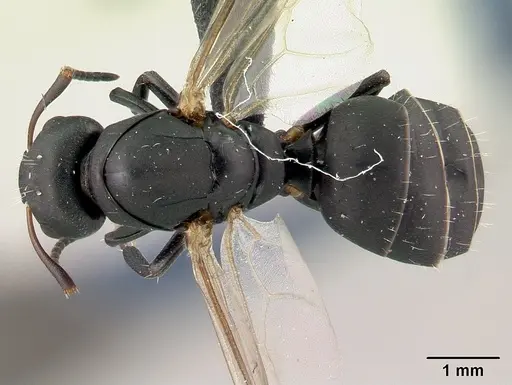
CASENT0067194
View on AntWeb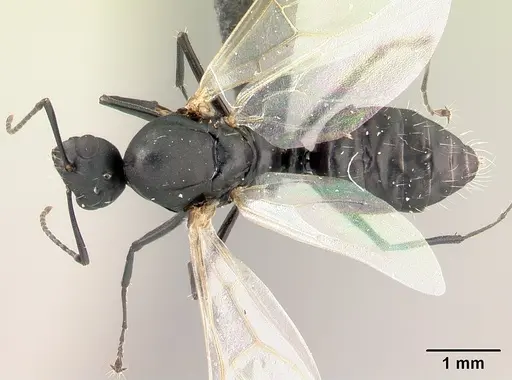
CASENT0101384
View on AntWeb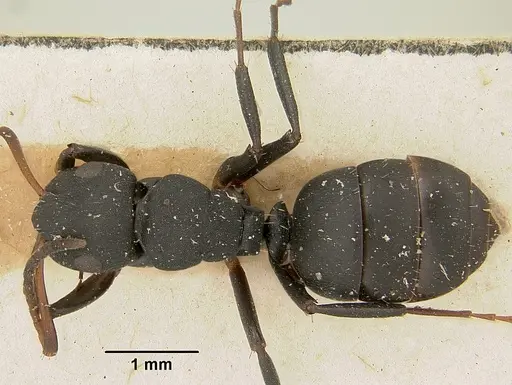
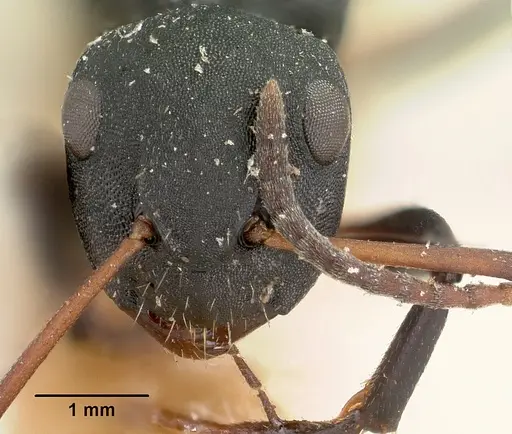
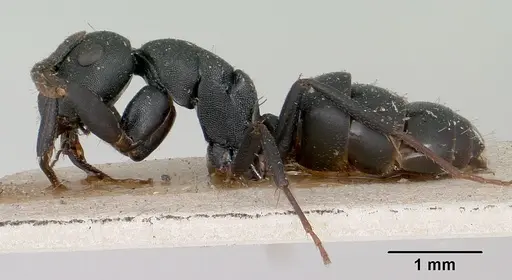
CASENT0101477
View on AntWeb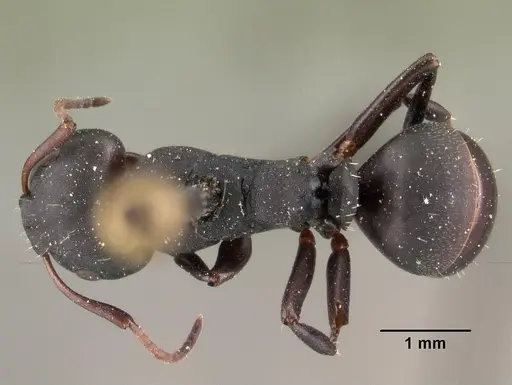
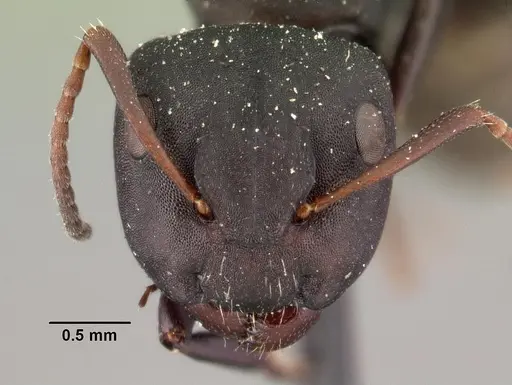
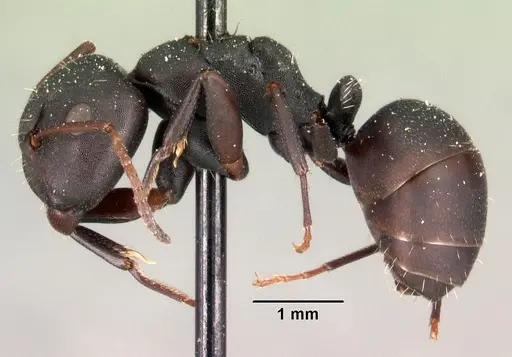
CASENT0101478
View on AntWeb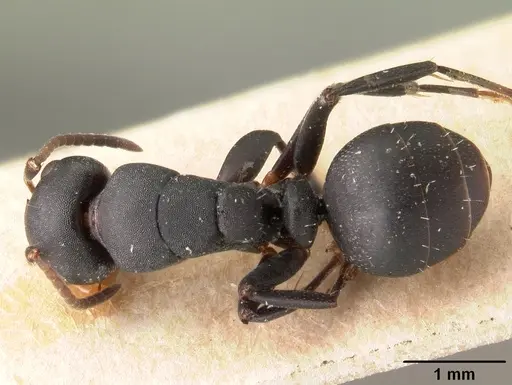
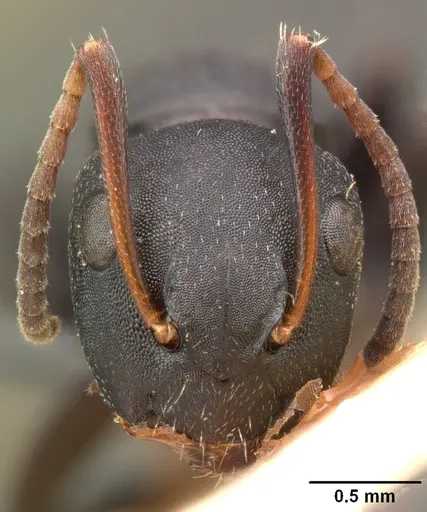
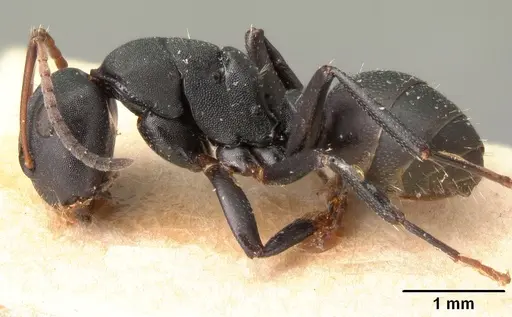
CASENT0107403
View on AntWeb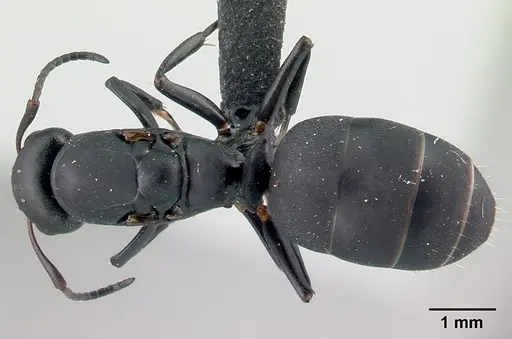
CASENT0132548
View on AntWeb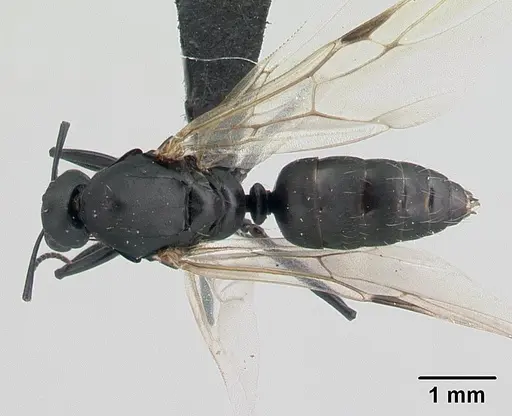
CASENT0132549
View on AntWeb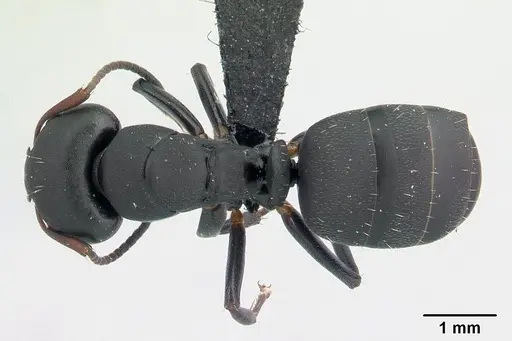
CASENT0134887
View on AntWeb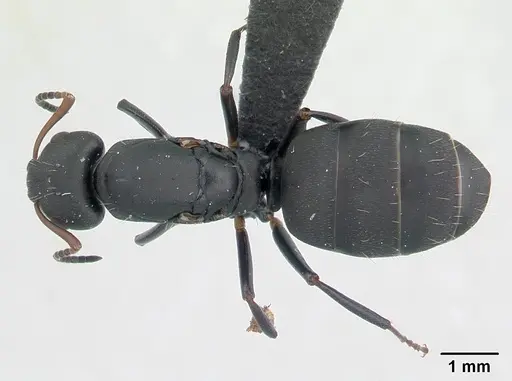
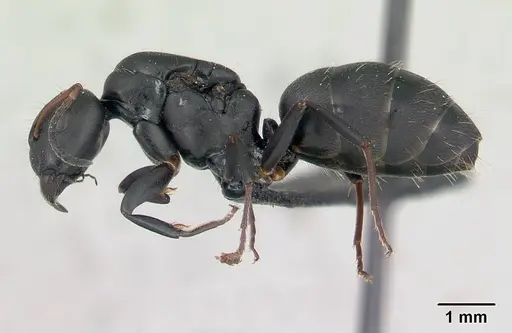
CASENT0134980
View on AntWeb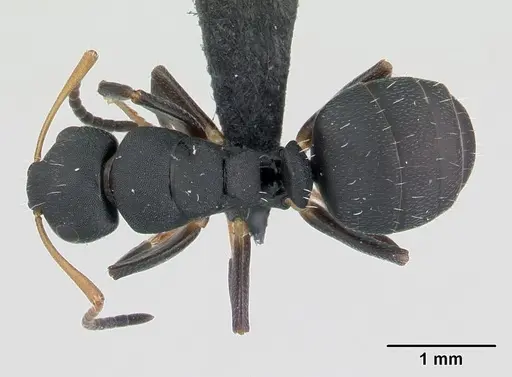
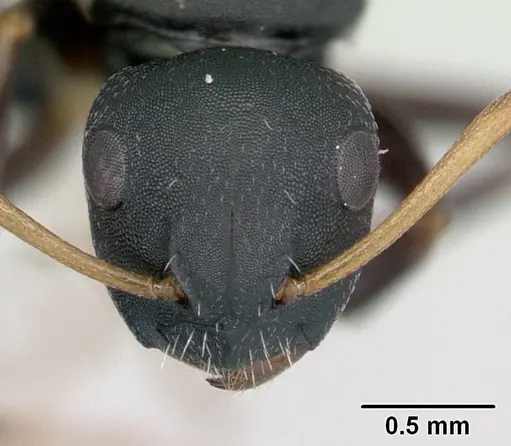
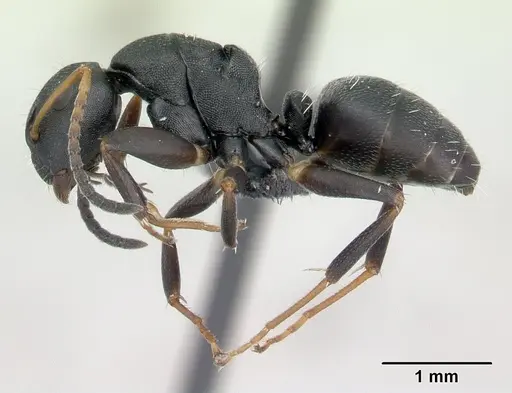
CASENT0136503
View on AntWeb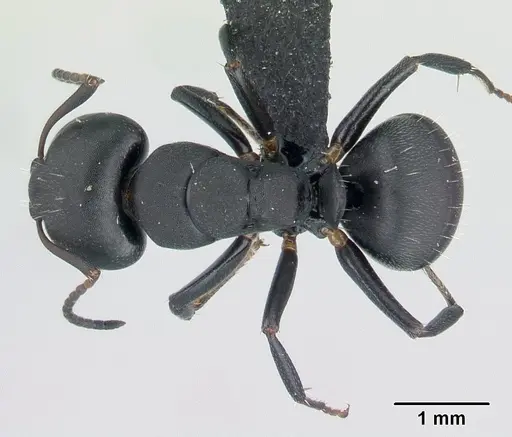
CASENT0136511
View on AntWeb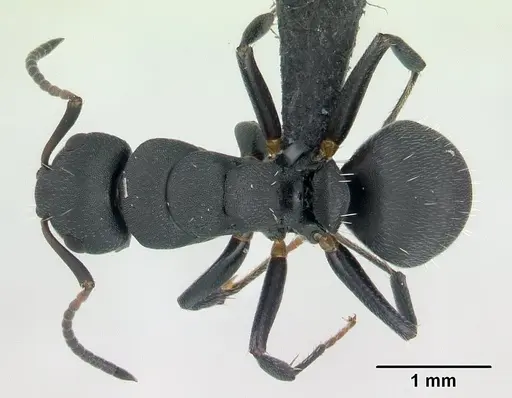
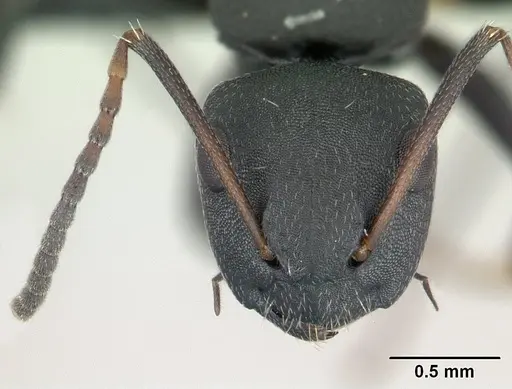
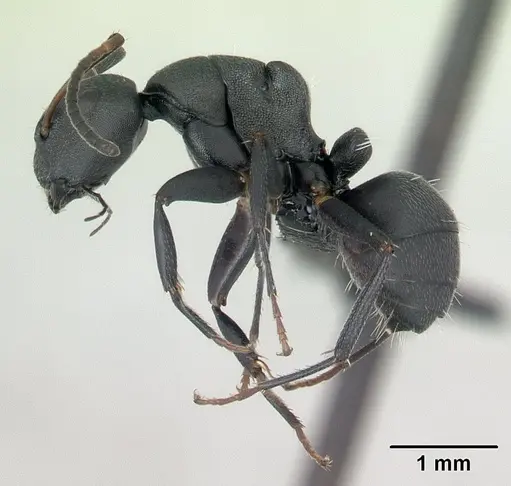
CASENT0178917
View on AntWeb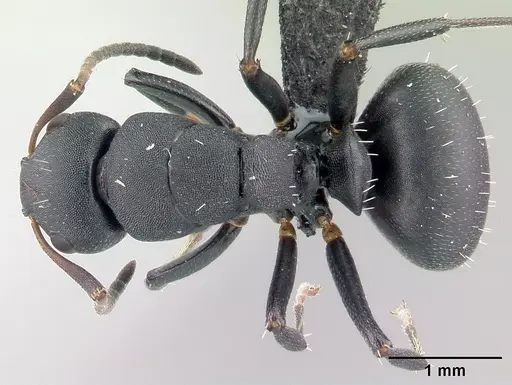
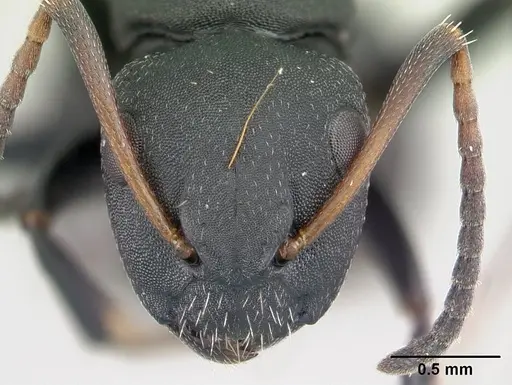
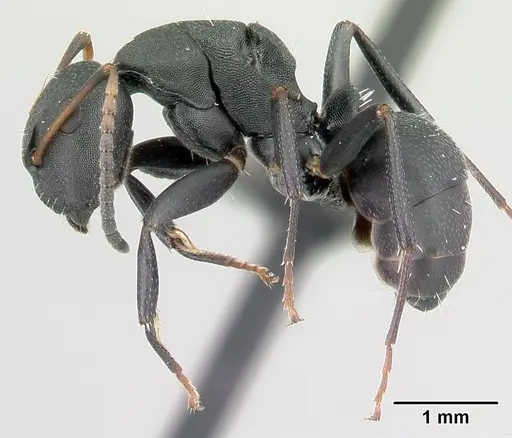
CASENT0188201
View on AntWeb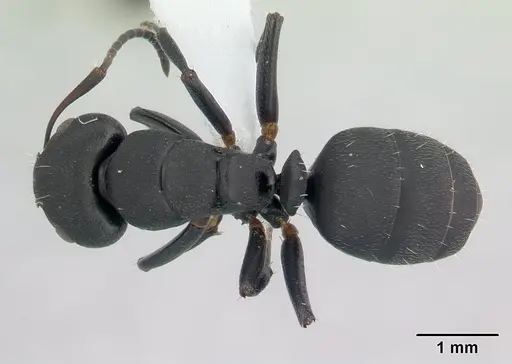
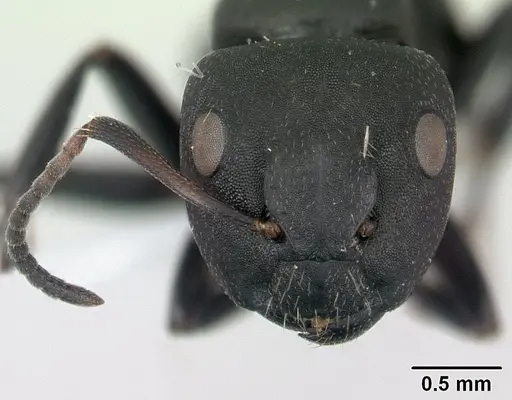
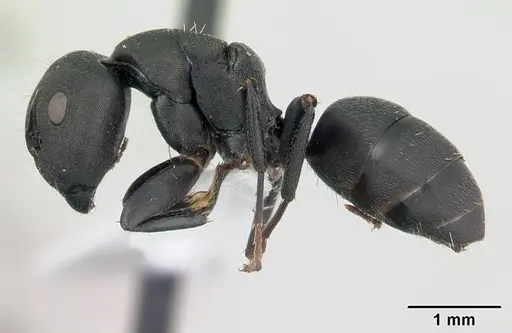
CASENT0188284
View on AntWeb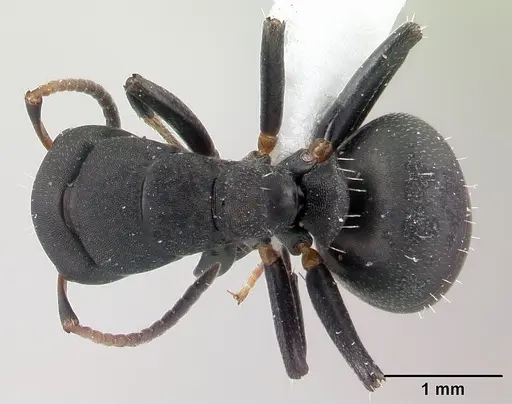
CASENT0905417
View on AntWeb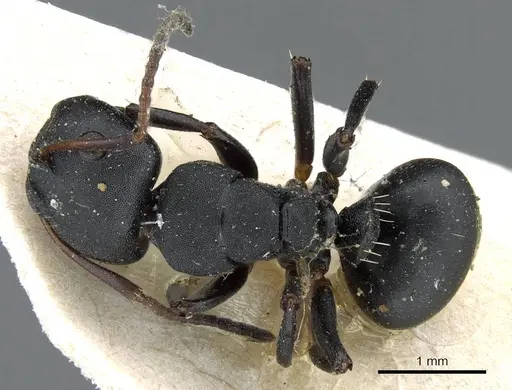
Literature
Loading...Loading products...